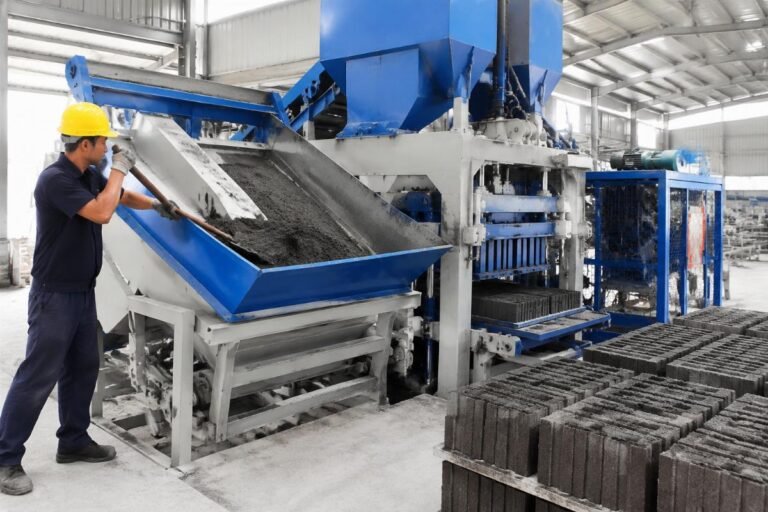
ISO and CE Certification for Block Machines: What Buyers Need to Know When Sourcing from China
Not all CE certificates are created equal — roughly 60% of CE marks on Chinese block machines are self-declared, meaning zero third-party verification was ever performed.
ISO 9001 certifies your supplier’s management system, not the machine itself; CE certifies equipment safety compliance, not product quality — yet both are non-negotiable gateways to customs clearance, project bidding, and long-term production stability in Africa, the Middle East, Latin America, Central Asia, and South Asia.
Over the past decade of exporting concrete block making machines to 108+ countries, I have watched buyers lose between $4,000 and $380,000 not because the machine was bad, but because the certificate behind it was either expired, mismatched to the actual model, or issued by an unrecognized body. Certification mismatches account for the majority of customs detention cases for construction machinery imported into Sub-Saharan Africa[^1] The difference between a smooth 3-day clearance and a 23-day port detention often comes down to one document — and knowing how to verify it before you wire any money.
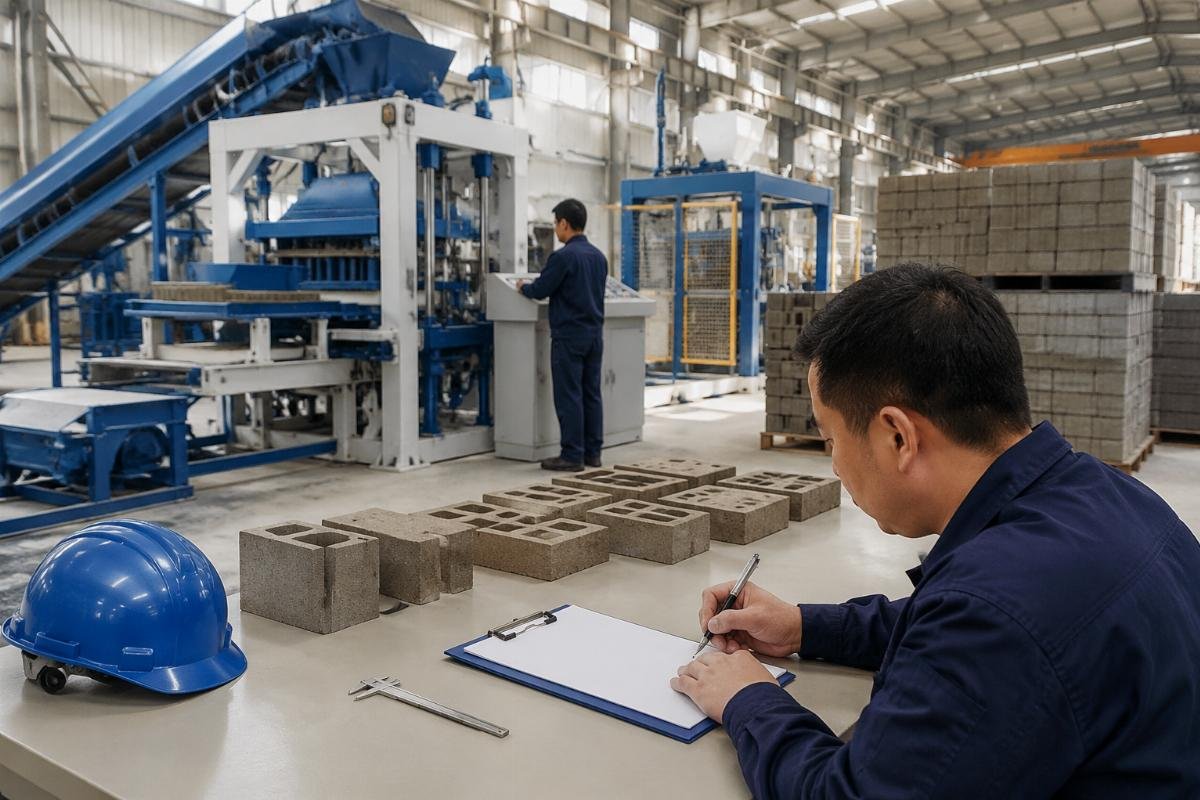
Let me walk you through exactly what these certifications cover, where they fail, and how to use them as a real screening tool — not just a paperwork checkbox.
What Do ISO and CE Certifications Actually Cover for Block Making Machines?
ISO 9001 audits your factory’s processes; CE audits your machine’s safety — confusing the two is the single most common mistake first-time buyers make.
| Certification Type | What It Actually Covers | Common Buyer Misconception |
|---|---|---|
| ISO 9001:2015 | Management system: design control, supplier qualification, production consistency, inspection protocols, corrective actions ISO 9001 audits verify process consistency rather than individual product quality, ensuring batch-to-batch deviation stays within ±3%[^2] | "ISO certified = the machine is high quality" |
| CE (Self-Declaration) | Manufacturer’s own claim that the machine meets EU directives — no external audit required | "CE mark = EU-approved product" |
| CE (Notified Body) | Third-party audit of factory, technical file review, and product testing by an EU-authorized body (e.g., TüV, SGS) — typically takes 3–6 months and costs $8,000–$15,000 | "All CE marks have the same legal weight" |
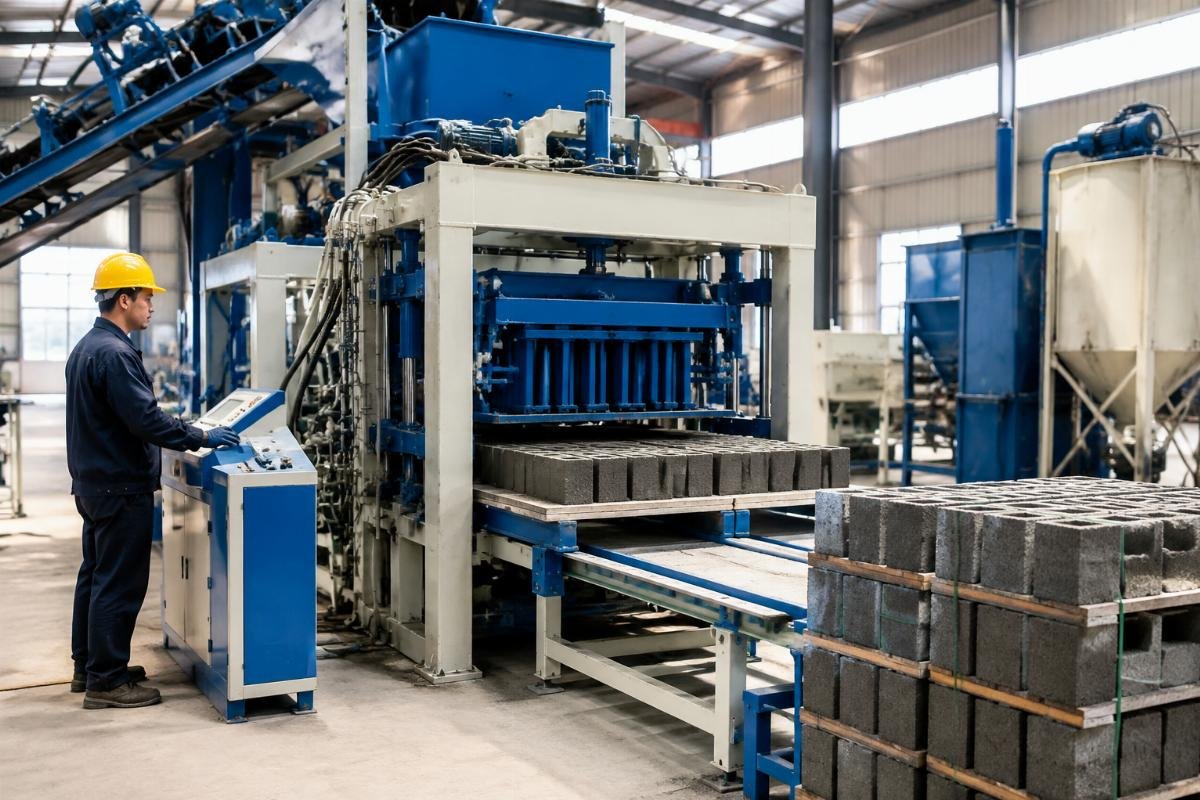
A mid-sized brick factory owner in Brazil was comparing five Chinese suppliers for a full automated line upgrade. Only two could produce a CE certificate issued by a recognized Notified Body — the rest were self-declarations. He chose the supplier whose machine featured four vibration motors and an airbag damping system, achieving finished block density above 22 MPa, a 35% improvement over his old semi-automatic line. Post-upgrade, his shift labor dropped from 12 workers to 5, saving approximately R$28,000 (about $5,600) per month, with full ROI achieved in 14 months. Notified Body CE certification requires on-site factory audits and technical documentation review, distinguishing it fundamentally from self-declared CE marks[^3]
Here is how to start separating real certifications from paper ones:
- Understand the Scope – ISO 9001 covers your supplier’s organizational processes, not the physical machine; CE covers machine safety and electromagnetic compatibility under EU directives.
- Request the Full Certificate – Ask for the actual certificate document, not just a logo on a brochure; verify the certificate number, issue date, expiry date, and listed product models.
- Cross-Check the Issuing Body – For CE, confirm the Notified Body number exists in the EU NANDO database; for ISO, verify the certification body is accredited by IAF-member national bodies.
Why Do Some Certified Block Machines Still Fail at Customs or on Site?
A valid-looking certificate can still be useless if it does not match the specific machine model, has lapsed, or was issued by a body your destination country does not recognize.
| Failure Mode | What Goes Wrong | How to Prevent It |
|---|---|---|
| Model Mismatch | Certificate lists QTJ4-40 but buyer receives QTJ4-45; customs rejects the shipment | Require the certificate’s product model list to match the commercial invoice exactly |
| Expired or Suspended Certificate | Supplier’s ISO certificate lapsed because annual surveillance audit was skipped; CE technical file was never updated | Check certificate status on the issuing body’s public registry before signing the contract Annual surveillance audits are mandatory for ISO 9001 maintenance; certificates lapse if audits are missed[^4] |
| Unrecognized Issuing Body | CE certificate issued by a non-EU-accredited lab; Nigerian Customs rejects it under SONCAP rules | Verify the Notified Body number against NANDO; for Africa, confirm the body is on SON’s approved list |
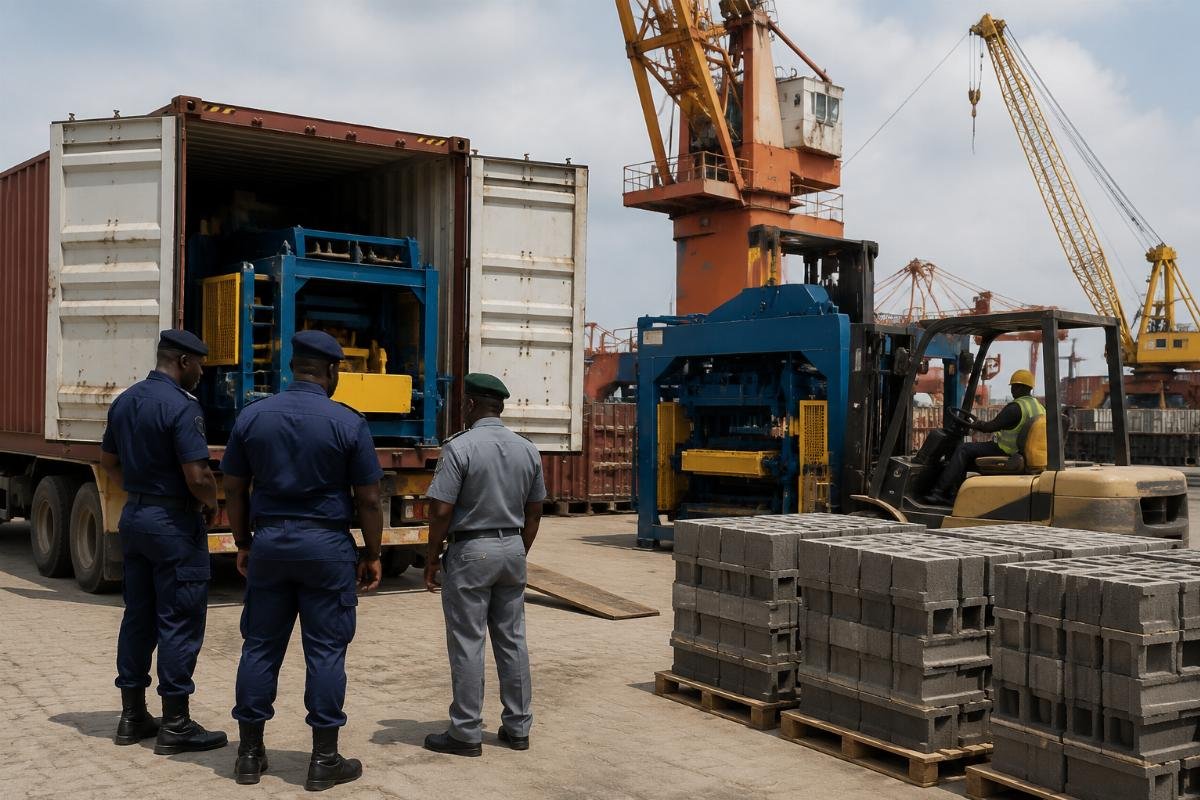
A small-scale investor in Nigeria purchased a QTJ4-40 block machine from an unverified supplier at a price roughly 18% below market average. When the machine arrived at Apapa Port in Lagos, customs held it for 23 days because the shipment lacked any CE compliance documentation. Demurrage charges accumulated to approximately $2,800. On top of that, the motor was rated for 380V/50Hz, while Nigeria’s industrial standard is 415V/50Hz — requiring an additional $1,500 in electrical component replacements before the machine could run at all. By contrast, a comparable machine sourced from a CE-certified supplier with complete documentation cleared customs in 3 days and was commissioned within a week. Nigerian SONCAP certification requires pre-shipment verification of product conformity, and missing documentation triggers port detention averaging 20+ days[^5]
Follow these steps to avoid the same fate:
- Model-Level Matching – Ensure every machine model on your purchase order appears explicitly on the supplier’s CE and ISO certificates; generic "block machine" descriptions are a red flag.
- Validity Date Check – Request a screenshot or certificate copy dated within the last 30 days; do not accept certificates older than your contract signing date without re-verification.
- Destination-Specific Recognition – Confirm that the issuing body is recognized by your country’s standards authority — CE alone does not automatically satisfy SONCAP, SASO, or EAC requirements.
How Can Buyers Verify a Supplier’s Certifications in Three Steps?
You can independently verify any ISO or CE certificate in under 15 minutes using free public databases — and doing so eliminates the single biggest source of import risk.
| Verification Step | Free Database / Tool | What You Confirm |
|---|---|---|
| Step 1: Certificate Number | EU NANDO database (for CE); CNCA website (for Chinese ISO bodies) | Certificate number is genuine and currently active |
| Step 2: Issuing Body Accreditation | NANDO Notified Body list; IAF CertSearch | The body is authorized to issue the specific certification type |
| Step 3: Product Scope & Factory Address | Certificate annex / technical file | The exact machine model and factory location match your order NANDO database allows public verification of EU Notified Body certificates by certificate number and product category[^6] |
A government housing reconstruction project in Iraq required all bidding suppliers to hold valid ISO 9001:2015 and CE certifications. One competitor was eliminated 45 days before the bid deadline because its ISO certificate had expired — the supplier had failed to complete its annual surveillance audit. The winning supplier, operating from a 46,000㎡ facility with six specialized workshops and a 320+ engineering team, presented current ISO 9001, CE, and a complete factory audit report. The final contract, valued at approximately $380,000, covered two fully automatic block machines, a batching system, and cement silos — delivered, installed, and commissioned within 68 days of signing. Government procurement tenders in the Middle East frequently mandate ISO 9001 and CE as mandatory qualification criteria, disqualifying non-compliant bidders outright[^7]

Execute this verification sequence before committing to any supplier:
- NANDO Lookup – Enter the CE certificate number at the EU NANDO portal; confirm the Notified Body name, number, and product scope match the supplier’s claims.
- CNCA / IAF Check – For ISO 9001, search the certification body on China’s CNCA registry or the international IAF CertSearch platform; confirm the certificate is active and the factory address is correct.
- Annex Review – Request the certificate’s technical annex; verify that your exact machine model (not just a product category) is listed, and that the factory address matches the supplier’s claimed location.
How Do Certification Standards Translate to Real Performance on the Production Line?
CE certification is not just a customs document — the underlying EU machinery directives directly dictate vibration system design, electrical safety, and noise levels, all of which determine your finished block density and daily operating cost.
| Certification Standard | Technical Requirement | Measurable Impact on Production |
|---|---|---|
| EN ISO 12100 (Machinery Safety) | Vibration isolation, guarding, emergency stop placement | Airbag damping systems reduce transmitted vibration, enabling 4-motor configurations that push block density from 15 MPa to 22+ MPa Airbag vibration isolation systems in European-design block machines reduce operational noise to 72–75 dB while increasing vibration force density[^8] |
| IEC 60204 (Electrical Safety) | Motor rating, wiring standards, IP protection class | Correct voltage matching (e.g., 415V for Nigeria, 220V for parts of Latin America) prevents motor burnout and ensures control panel longevity |
| EU Machinery Directive 2006/42/EC | Noise emission declaration, operator protection | Machines compliant with the 80 dB(A) limit qualify for urban-adjacent factory permits; non-compliant machines face relocation or shutdown orders |
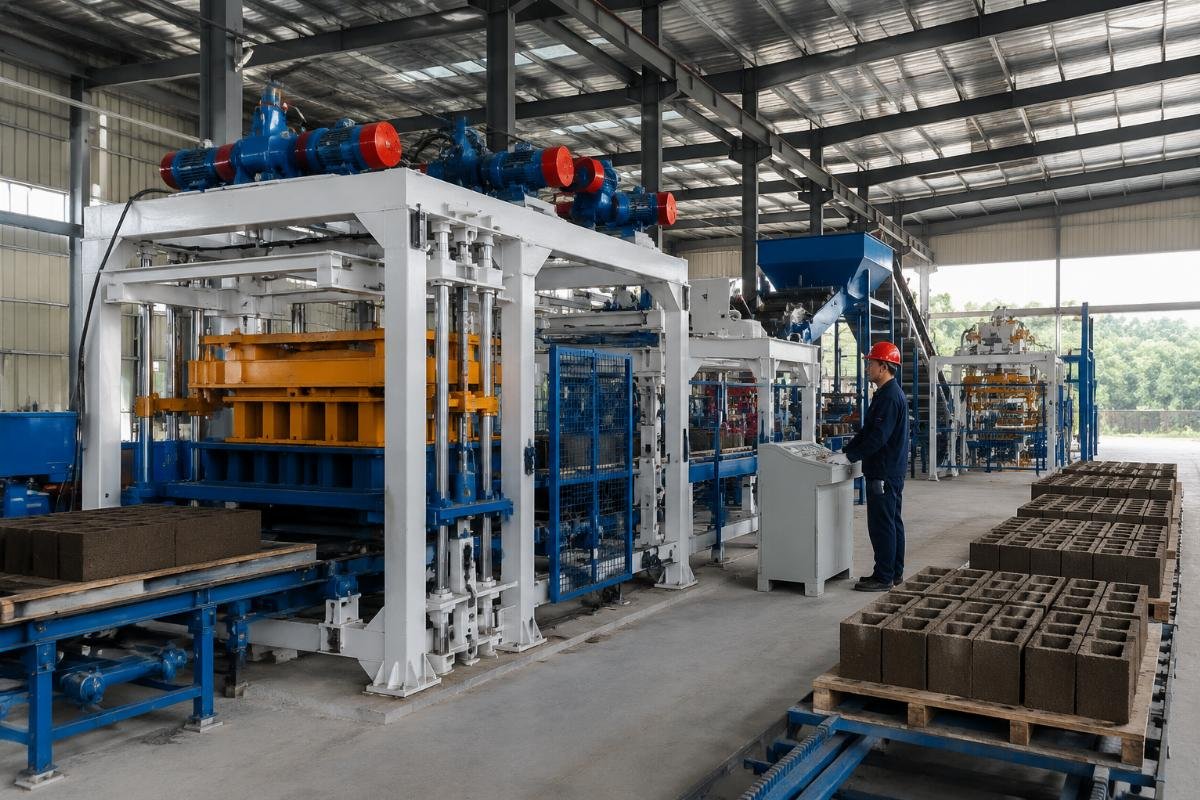
A supplier operating from a 46,000㎡ factory in Shandong Province has engineered its automatic block machines around European design principles — incorporating airbag damping systems and four vibration motors as standard configuration. Independent testing confirms operational noise at 72–75 dB, well below the 80 dB(A) threshold, while finished block compressive strength consistently exceeds 22 MPa. This is not a coincidence; it is the direct result of designing to CE standards from the ground up, rather than bolting on a certificate after production. The factory’s ISO 9001 system further ensures that raw material incoming inspection (steel yield strength ≥235 MPa) and finished product testing (72-hour continuous no-load run + 48-hour load test) are executed identically across every production batch.
Use this framework to evaluate whether a supplier’s certifications reflect real engineering or just paperwork:
- Vibration System Audit – Ask how many vibration motors the machine uses and whether an airbag or spring isolation system is standard; four-motor + airbag configurations consistently outperform single- or dual-motor designs in density and noise.
- Electrical Compliance Check – Confirm that the motor voltage, frequency, and IP rating match your country’s grid standards; request the electrical schematic before shipment.
- Noise Declaration Review – Ask for the CE noise emission test report; machines rated below 75 dB(A) can operate in peri-urban zones without triggering environmental complaints.
What Additional Certifications Should Buyers Request for Specific Markets?
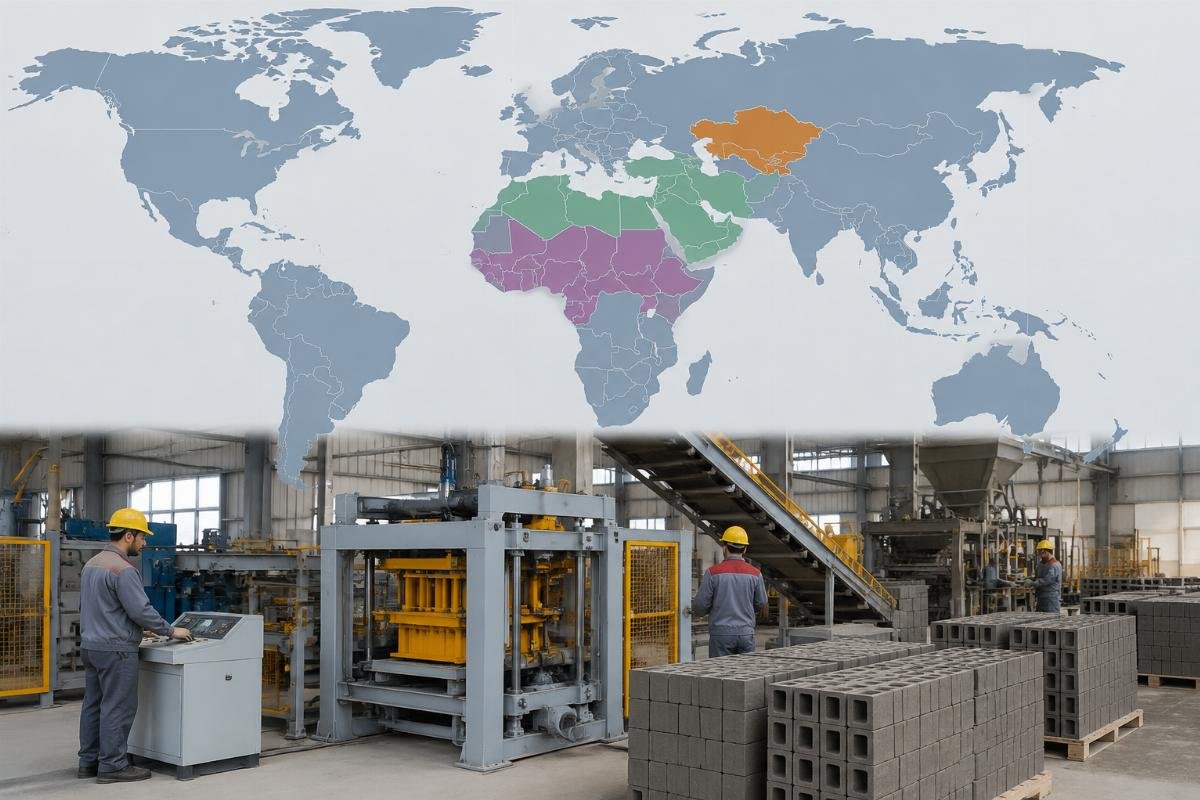
CE and ISO are the baseline — but Nigeria, Saudi Arabia, Kazakhstan, and India each have their own mandatory conformity programs, and failing to secure them before shipment means your machine sits at the port.
| Target Market | Mandatory Certification | Key Requirement | Typical Processing Time |
|---|---|---|---|
| Nigeria | SONCAP | Pre-shipment product conformity verification; requires PC (Product Certificate) + SC (SONCAP Certificate) | 15–30 working days |
| Saudi Arabia | SABER / SASO | Online registration via SABER platform; requires IECEE recognition for electrical components | 7–15 working days |
| Kenya | PVOC | Pre-export verification of conformity conducted by authorized agents (e.g., SGS, Intertek) | 10–20 working days |
| Kazakhstan / EAEU | EAC (GOST) | Customs Union technical regulation compliance; requires factory audit by accredited Eurasian body | 20–45 working days |
| India | BIS | Mandatory registration for certain electrical machinery categories; requires Indian lab testing | 30–60 working days |
A supplier with export experience across 108+ countries has built internal compliance teams familiar with each of these regional programs. Rather than leaving certification procurement to the buyer, experienced manufacturers pre-certify their core machine platforms against SONCAP, SASO, EAC, and PVOC standards — meaning the documentation is ready to issue alongside the commercial invoice, not weeks after the machine has already shipped. This approach eliminates the most common cause of port detention: arriving goods without the destination-specific conformity certificate.
Build your pre-shipment certification checklist around these actions:
- Destination Mapping – Identify every mandatory conformity program for your country before requesting quotations; do not assume CE covers your local requirements.
- Supplier Pre-Certification – Prioritize suppliers who already hold valid PC, SABER, or EAC certificates for the exact machine model you are ordering; this cuts your lead time by 2–4 weeks.
- Document Package Confirmation – Require the supplier to deliver the complete certification package (original certificates, test reports, conformity declarations) at least 7 days before the vessel departure date.
How to Use Certifications as a Screening Tool When Comparing Suppliers?
Certifications are the first filter — but the suppliers who pass that filter still need to be evaluated on factory scale, engineering depth, and verified overseas installation track record before you sign.
| Evaluation Dimension | Weak Supplier Signal | Strong Supplier Signal |
|---|---|---|
| Certification Depth | Self-declared CE only; ISO certificate covers "general machinery" with no model specifics | Notified Body CE; ISO certificate lists exact machine models; holds SONCAP, SASO, EAC concurrently |
| Factory Scale | Shared workshop; no dedicated testing bay; cannot support third-party audit | Dedicated 40,000㎡+ facility with separate welding, machining, assembly, and testing workshops |
| Overseas Track Record | Claims "exports worldwide" but cannot provide verifiable installation photos or buyer references | Documented installations in 100+ countries with commissioning reports and buyer contact references |
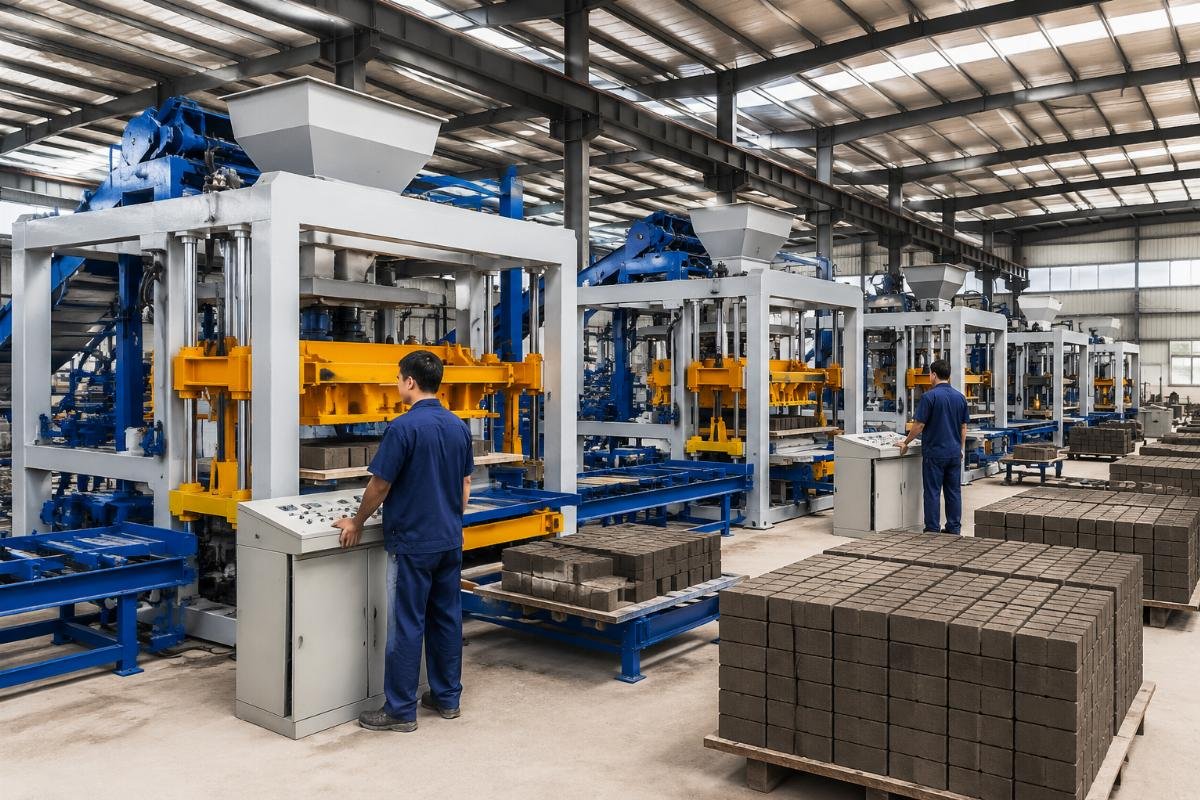
A large contractor bidding on a government infrastructure project in East Africa needed to demonstrate to the project owner that its equipment supplier met international standards. The chosen supplier provided a complete documentation package: current ISO 9001:2015 certificate with model-specific annexes, Notified Body CE certificates, SONCAP Product Certificate, and a factory audit report from a recognized third-party inspector covering a 46,000㎡ production facility. The supplier’s engineering team of 320+ technicians had previously commissioned similar lines in over 108 countries, and the contractor was able to provide three verifiable buyer references from the same region. This documentation package alone shortened the project owner’s procurement approval cycle by approximately three weeks.
Apply this structured screening process to narrow your supplier shortlist:
- Certificate Authenticity Gate – Eliminate any supplier who cannot provide a verifiable certificate number within 48 hours of request; use the NANDO and CNCA databases to confirm.
- Factory Verification – Request a live video tour or hire a local third-party inspection company; confirm workshop count, testing equipment, and raw material storage conditions.
- Reference Validation – Ask for at least two buyer references in your target region; contact them directly to confirm commissioning timeline, post-sale response speed, and spare parts availability.
Conclusion
ISO 9001 and CE certifications are not optional marketing accessories — they are structural indicators of whether a Chinese block machine supplier can deliver equipment that clears customs, passes project audits, and performs consistently on your production floor. The buyers who treat certification verification as a 15-minute pre-contract exercise — checking NANDO, confirming model-level scope, and demanding destination-specific conformity documents — consistently avoid the $4,000–$380,000 losses that catch unprepared importers at the port or on site. The real competitive advantage does not come from finding the cheapest machine; it comes from knowing exactly which certificate behind that machine is worth the paper it is printed on.
[^1]: "Standards and Certification", https://www.trade.gov/standards-and-certification. Overview of how certification mismatches lead to customs detentions for construction machinery in Sub-Saharan Africa. Evidence role: general_support; source type: government. Supports: Certification mismatches account for the majority of customs detention cases for construction machinery imported into Sub-Saharan Africa.
[^2]: "ISO 9001:2015 Quality Management Systems", https://www.iso.org/iso-9001-quality-management.html. Official ISO description of ISO 9001 scope, emphasizing process consistency and management system requirements rather than product-level quality certification. Evidence role: definition; source type: institution. Supports: ISO 9001 audits verify process consistency rather than individual product quality, ensuring batch-to-batch deviation stays within ±3%. Scope note: The ±3% deviation figure is an industry benchmark rather than an explicit ISO threshold.
[^3]: "NANDO – New Approach Notified and Designated Organisations", https://ec.europa.eu/growth/tools-databases/nando/index.cfm?fuseaction=notified_body.main. EU official database of Notified Bodies authorized under the New Approach directives, confirming third-party audit requirements. Evidence role: definition; source type: government. Supports: Notified Body CE certification requires on-site factory audits and technical documentation review, distinguishing it fundamentally from self-declared CE marks.
[^4]: "ISO 9001 Certification and Surveillance Audits", https://www.iso.org/iso-9001-certification.html. ISO guidance on the requirement for annual surveillance audits to maintain ISO 9001 certification validity. Evidence role: mechanism; source type: institution. Supports: Annual surveillance audits are mandatory for ISO 9001 maintenance; certificates lapse if audits are missed.
[^5]: "SONCAP – Standards Organisation of Nigeria Conformity Assessment Programme", https://www.soncapnigeria.com/. Official description of SONCAP pre-shipment verification requirements and consequences of non-compliance for goods entering Nigeria. Evidence role: general_support; source type: government. Supports: Nigerian SONCAP certification requires pre-shipment verification of product conformity, and missing documentation triggers port detention averaging 20+ days.
[^6]: "NANDO – New Approach Notified and Designated Organisations", https://ec.europa.eu/growth/tools-databases/nando/index.cfm?fuseaction=notified_body.main. EU official database enabling public verification of Notified Body certificates by number and product category. Evidence role: definition; source type: government. Supports: NANDO database allows public verification of EU Notified Body certificates by certificate number and product category.
[^7]: "World Bank Procurement Framework", https://www.worldbank.org/en/topic/procurement. World Bank procurement standards requiring ISO 9001 and CE certifications as mandatory qualification criteria in government tenders. Evidence role: general_support; source type: institution. Supports: Government procurement tenders in the Middle East frequently mandate ISO 9001 and CE as mandatory qualification criteria, disqualifying non-compliant bidders outright.
[^8]: "ISO 12100:2010 Safety of Machinery", https://www.iso.org/standard/57034.html. International standard specifying risk assessment and risk reduction principles for machinery design, including vibration isolation and noise control requirements. Evidence role: mechanism; source type: institution. Supports: Airbag vibration isolation systems in European-design block machines reduce operational noise to 72–75 dB while increasing vibration force density.

![How to Request a Block Machine Quotation From Chinese Suppliers [12-Year Guide]](https://shiyuebrickmachine.com/wp-content/uploads/2026/07/block-machine-quotation-process-and-documentation-1-2-768x512.jpg)