

Description
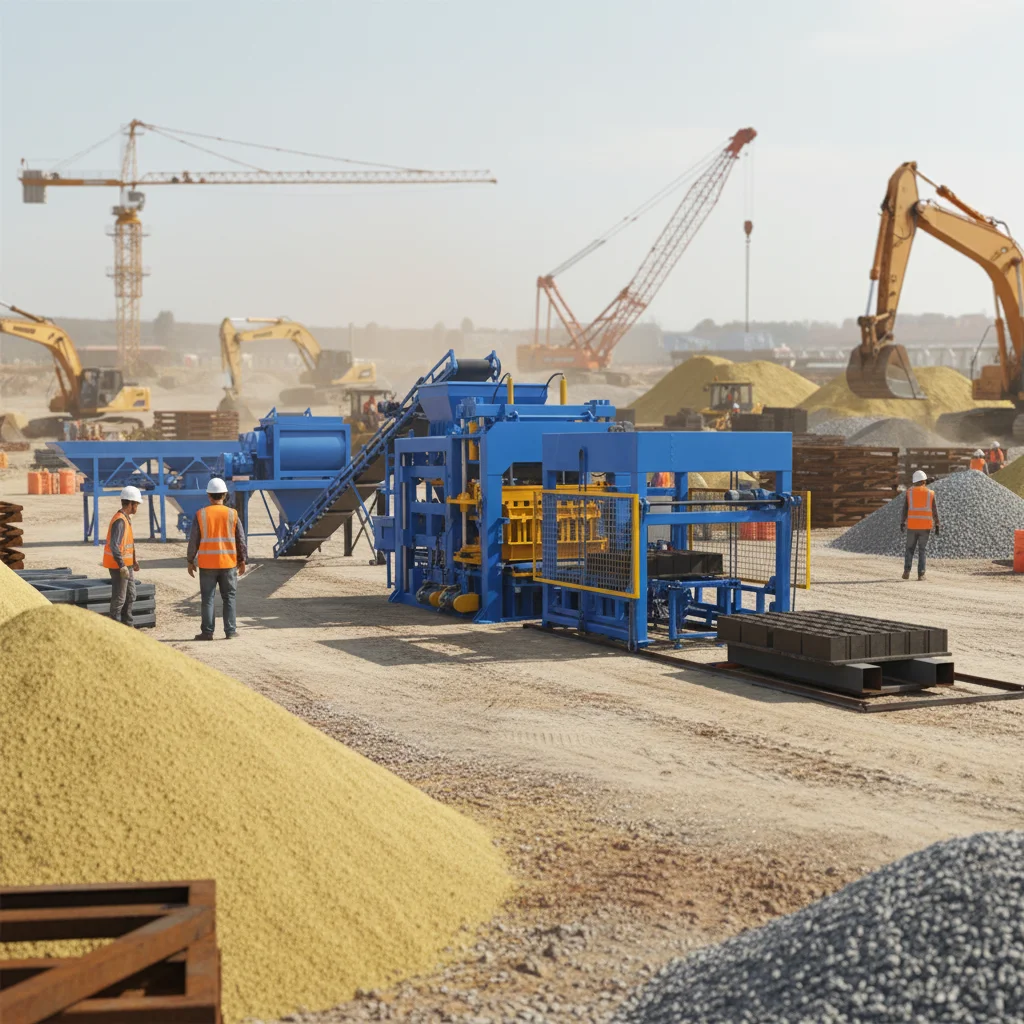
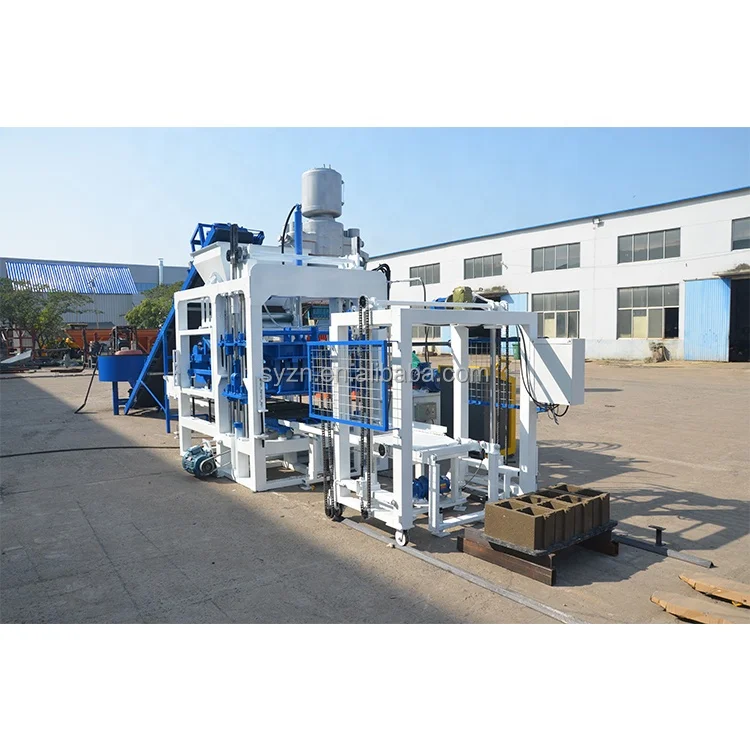
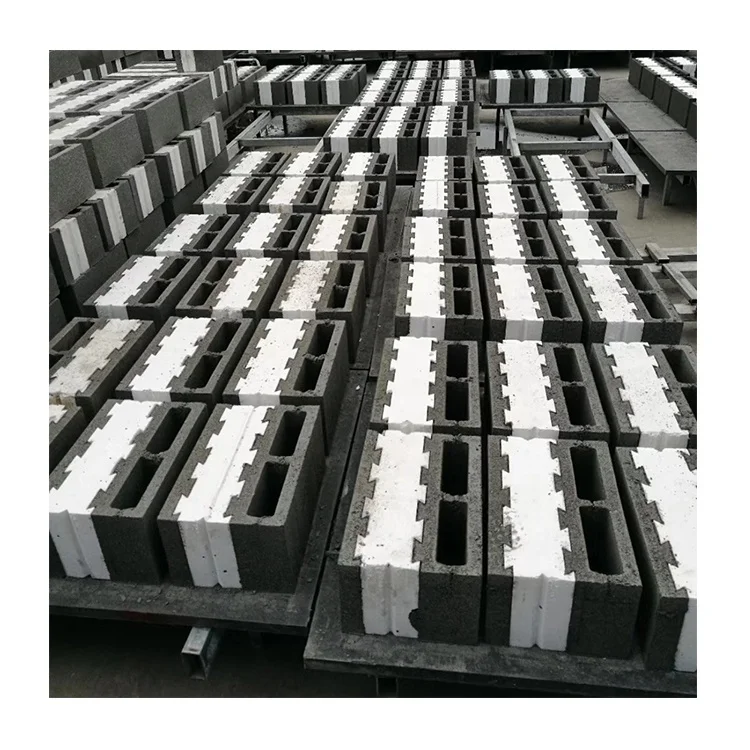
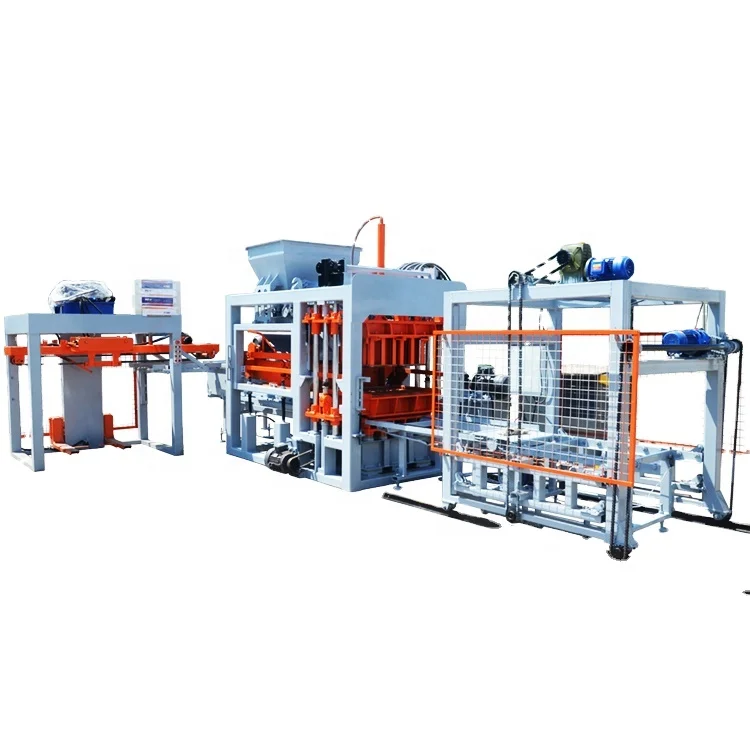
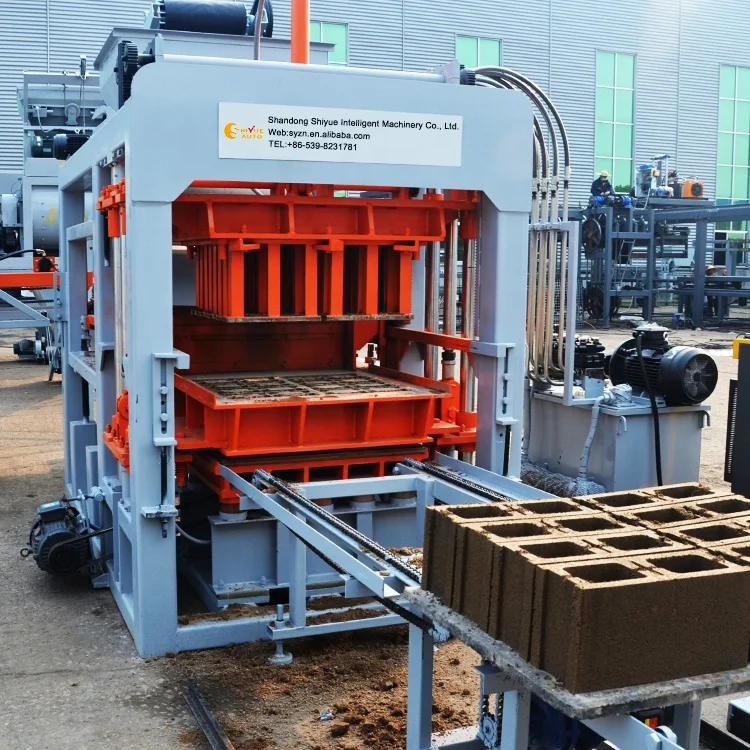
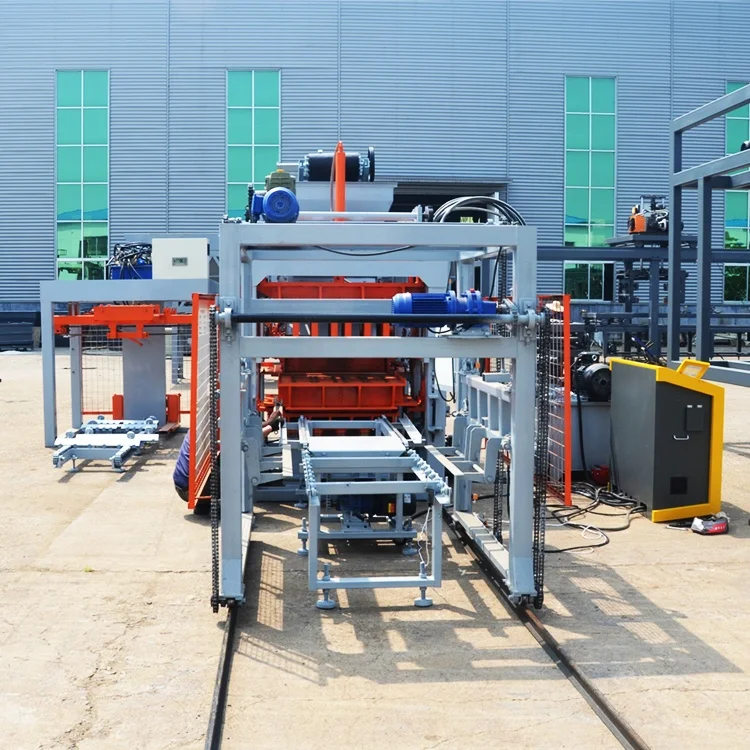
Honest per-format output — The QT6-15 interlocking block making machine is configured with cycle times and daily capacities stated per named block format, not as a single catalogue figure disconnected from what your market actually buys.
Technical Specifications
| Parameter | Value |
|---|---|
| Model | QT6-15 |
| Product Type | Interlocking Block Making Machine |
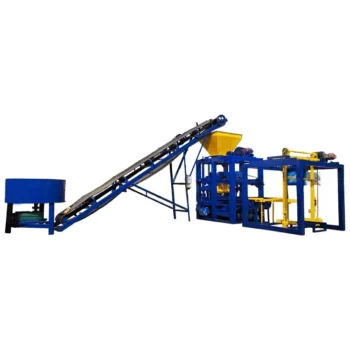
| Overall Dimensions | 8200 × 1700 × 2950 mm |
| Total Mass | 7 T |
| Overall Power | 37 kW |
| Vibration Form | Platform Vibration |
| Vibration Frequency | 0-60 Hz |
| Vibration Force | 45 kN |
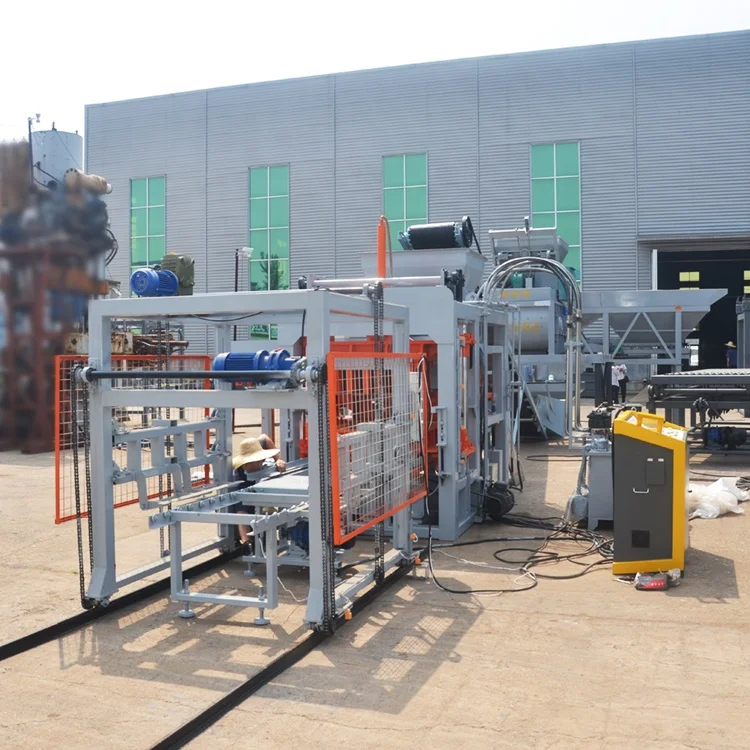
| Moulding Mode | Automatic loading with vibration moulding |
| Molding Cycle | 15-20 s (standard blocks); 20-25 s (pavers) |
| Demolding Method | Hydraulic |
| Pallet Size | 880 × 850 mm |
| Control System | PLC with touch screen HMI and fault diagnosis |
| Hydraulic System | Independent integrated hydraulic station |
| Required Factory Area | 1200 m² |
| Block Compressive Strength | >15 MPa |
| Output — Hollow Block 400×200×200 mm | 1080-1440 pcs/hour; 8640-11520 pcs/8hr |
| Output — Hollow Block 400×150×200 mm | 1440-1920 pcs/hour; 11520-15360 pcs/8hr |
| Output — Solid Brick 240×115×53 mm | 5760-7680 pcs/hour; 46080-61440 pcs/8hr |
| Output — Rectangular Paver 200×100×60 mm | 2160-2880 pcs/hour (20-25 s cycle); 17280-23040 pcs/8hr |
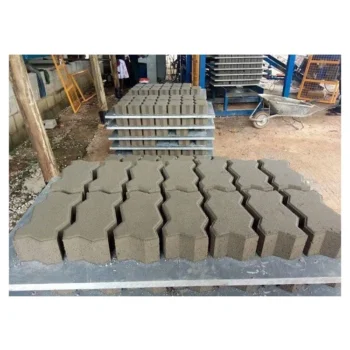
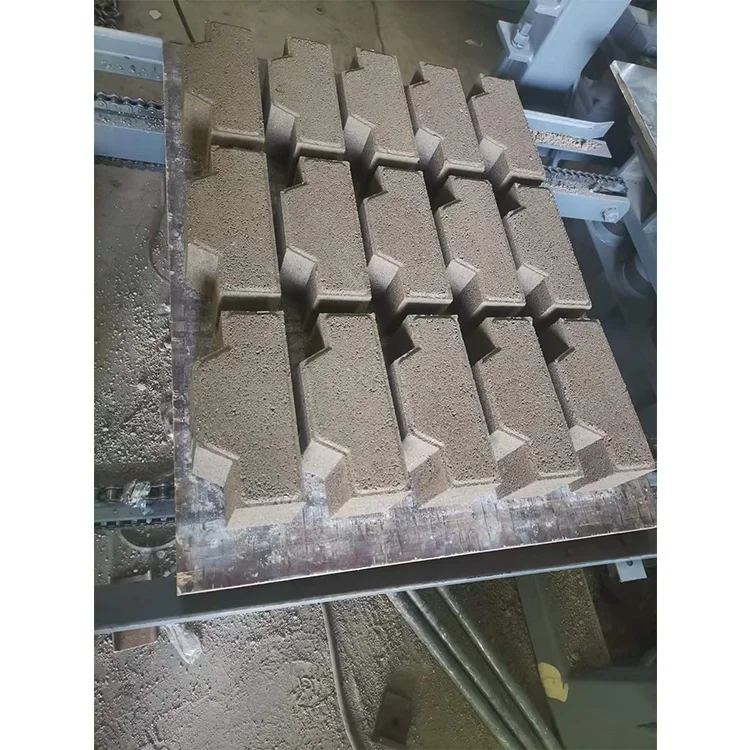
| Output — Zigzag Paver 225×112.5×60 mm | 2160-2880 pcs/hour (20-25 s cycle); 17280-23040 pcs/8hr |
| Raw Material Adaptability | Waste ash, slag, various aggregates with reduced cement dosage |
| Standards | CE |
| Warranty | 1 year for whole machine (excluding spare parts) |
Application Suitability
| Application | Material or Output |
|---|---|
| Interlocking brick production | Local aggregates, crusher dust, cement blends |
| Hollow block manufacturing for wall construction | Crushed stone, sand, fly ash, cement |
| Solid brick runs for load-bearing masonry | Dense aggregate mixes with higher cement ratios |
| Rectangular and zigzag paving brick production | Fine aggregate surface layers with base mix backing |
| On-site block production for housing projects | Locally sourced sand and gravel with waste ash substitution |
Why "Cycles per Hour" Without a Format Name Is a Trap
Capacity only means something when tied to the exact block dimensions and mould installed on the QT6-15 interlocking block making machine.
A machine quoted at a single output figure almost always assumes the lightest, fastest-to-form block in the catalogue. When your market demands interlocking pavers or heavier hollow blocks, the actual daily throughput drops noticeably because cycle time lengthens and demolding becomes more demanding. I once spent ten days on-site with a buyer who ordered based on a brochure number — his local aggregate had high clay content, and the vibration parameters needed complete recalibration before the QT6-15 interlocking block making machine specifications matched his real production targets [NEED_CITE: common causes of block machine output shortfall in export markets]. Every output figure above is stated per named format and mould so there is no ambiguity at the ordering stage.
Format-by-Format Capacity and What Drives the Differences
The QT6-15 interlocking block making machine specifications show a 15-20 second cycle for standard hollow blocks and solid bricks, but paver formats require 20-25 seconds because the surface layer needs denser compaction and a cleaner demolding release. That five-second difference translates into a meaningful output gap across an eight-hour shift. When evaluating the QT6-15 for your plant, start with the format your customers order most frequently — not the one that produces the highest brochure number.
Mould Selection and Changeover on the QT6-15
A single machine running multiple formats is only flexible if the mould change actually fits within a shift. The QT6-15 uses hydraulic demolding across all formats, and the mould mounting system is designed so that a trained crew can swap from interlocking paver to hollow block within a practical window. Before ordering, confirm which formats your market demands and request a mould drawing and format list that covers each one. Custom mould design to buyer drawings is available for formats that fall outside the standard catalogue [NEED_CITE: mould compatibility and changeover considerations in multi-format block plants].
How Vibration Force and Hydraulic Pressure Determine Block Density
The platform vibration system delivers adjustable frequency from 0-60 Hz with 45 kN of vibration force. That vibration must work in concert with the independent integrated hydraulic station — vibration settles the aggregate into the mould cavity while hydraulic pressure locks the compaction during demolding. If your local aggregate is angular or high in fines, the vibration frequency and pressure balance need adjustment to achieve the target compressive strength above 15 MPa. The 880 × 850 mm pallet size determines how many block units form per cycle, and that pallet must travel through your curing area on the forklift you already own, so confirming pallet compatibility before order avoids costly rescheduling of the curing layout. The 1200 m² factory area requirement reflects the combined footprint of press, pallet circulation, and curing rack space for a line at this output tier.
When the Wrong Configuration Costs More Than the Machine
A machine set up for a mix design you cannot source locally forces a material change that erodes margin on every block produced. If the vibration force and frequency are calibrated to clean river sand but your site only has crushed stone with high dust content, block strength becomes inconsistent and rejection rates climb without obvious cause. Pallet handling and stacking left out of the quotation means output piles up at the press exit, requiring manual labour that negates the automation you paid for. Voltage and frequency confirmed after the machine ships can delay commissioning by weeks if local transformers or control panels do not match [NEED_CITE: electrical specification mismatches in exported industrial machinery].
Why Sourcing the QT6-15 Through This Configuration Process Works
Block machinery is the single focus here, so the machine, mould, pallet, and handling equipment are specified as one matched system rather than assembled from separate suppliers. Configuration is set against your actual mix design, local aggregate, and target block format — not pulled from a catalogue default. Mould design covers the formats your market sells, including custom drawings for dimensions outside the standard range. The automation level is selectable so you can begin with semi-automatic pallet handling and add stacking or cubing later as volume justifies it. Installation and commissioning support includes operator training at your site so the crew understands cycle adjustment and mould change before the first production week ends.
Documentation & Verification
- Line layout and capacity calculation stating the exact block format assumed for each output figure
- Mould drawing and format list confirming every interlocking and paver dimension before production
- Pallet specification matched to your curing area dimensions and existing forklift capacity
- Voltage, frequency, and PLC display language confirmed in writing before assembly begins
- Factory test record run with your chosen mould installed on the QT6-15
- Wear parts and mould list for first replacement planning and inventory ordering
Installation, Commissioning & Support
- Foundation and floor leveling requirements based on the 8200 × 1700 mm footprint and 7 T operating mass
- Dedicated power circuit for the 37 kW total load with confirmed voltage and frequency for your site
- Hydraulic station isolation inspection to verify vibration dampening and dust sealing after transport
- PLC touch screen HMI language and fault diagnosis parameters set to your operator team before first run
- Mould change procedure walkthrough covering hydraulic demolding and alignment for each format ordered
- Scheduled maintenance intervals for hydraulic fluid, vibration motor bearings, and pallet surface wear
What We Need to Move Forward on Your QT6-15 Configuration
To build a quotation that matches your actual production conditions rather than a generic template, we need to know which block formats your market purchases most frequently, what local aggregate sources are available and their typical gradation, and what voltage and frequency your site operates on. Share your curing area dimensions and the forklift specifications you already have so the pallet size and stacking approach can be confirmed before the order is placed.
Frequently Asked Questions
Q: How is daily output calculated per block format on the QT6-15?
A: Each capacity figure in the specification table is tied to a specific block dimension and the corresponding mould. The cycle time differs between standard blocks and pavers, so an eight-hour output is calculated using the cycle time for that exact format. No single catalogue number is used across all formats.
Q: How are vibration force and hydraulic pressure matched to my aggregate?
A: The 0-60 Hz adjustable vibration frequency and 45 kN force are calibrated against a sample of your local aggregate and mix design. The independent hydraulic station pressure is then balanced to that vibration setting so compaction density meets the target compressive strength above 15 MPa consistently.
Q: What is the realistic mould change time, and how many formats can run per shift?
A: Mould change on the QT6-15 uses the hydraulic demolding system and mechanical mounting points. A trained crew can complete a swap within a practical portion of a shift, but the number of changeovers you should plan depends on order volume per format. We confirm this during the line layout stage.
Q: How does the pallet size relate to my existing curing area and forklift?
A: The 880 × 850 mm pallet must fit your curing rack spacing and be liftable by your current forklift. Confirming pallet dimensions, material, and weight before order prevents a situation where pallets arrive that your handling equipment cannot move or your curing racks cannot accept.
Q: Can PLC language, voltage, and frequency be confirmed before shipping?
A: Yes. Voltage, frequency, and PLC display language are confirmed in writing during the ordering stage, not after production. This is documented before the machine enters assembly so that commissioning on arrival is not delayed by electrical or interface mismatches.