

Description
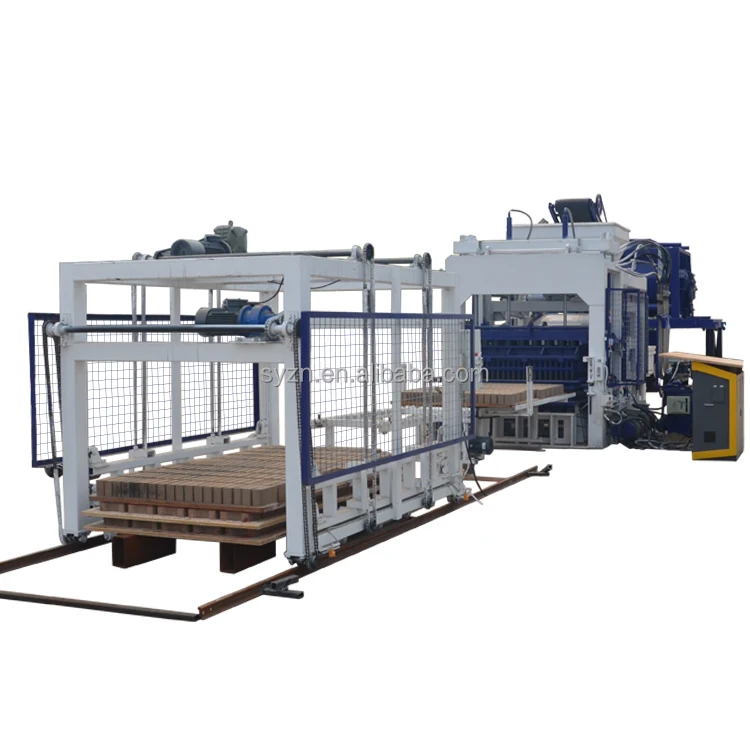
Configuration matched to your block format — the QT4-18SHIYUE is sized around the hollow block, solid brick, or paver you actually sell, with cycle times and mould selection tied to each format rather than a single catalogue claim.
Technical Specifications
| Parameter | Value |
|---|---|
| Model | QT4-18SHIYUE |
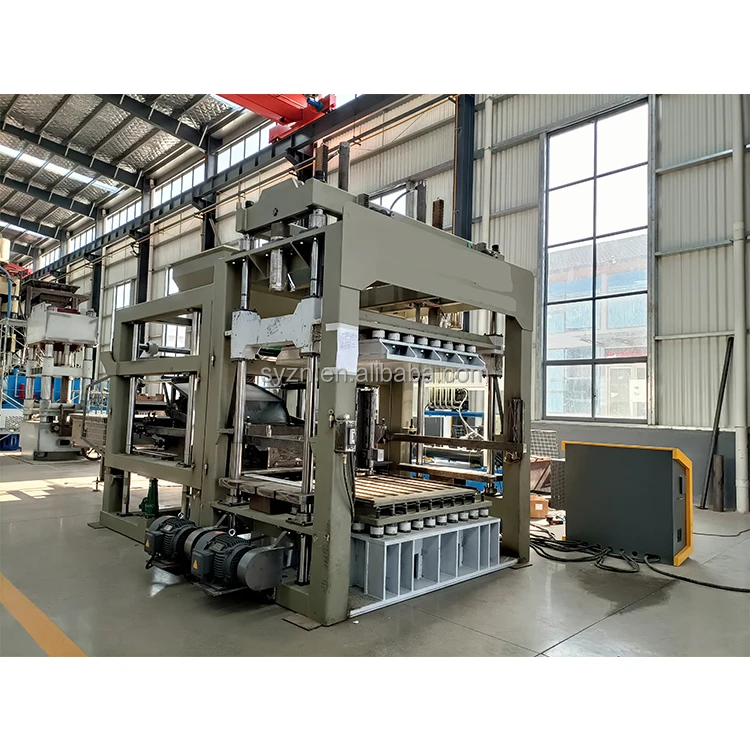
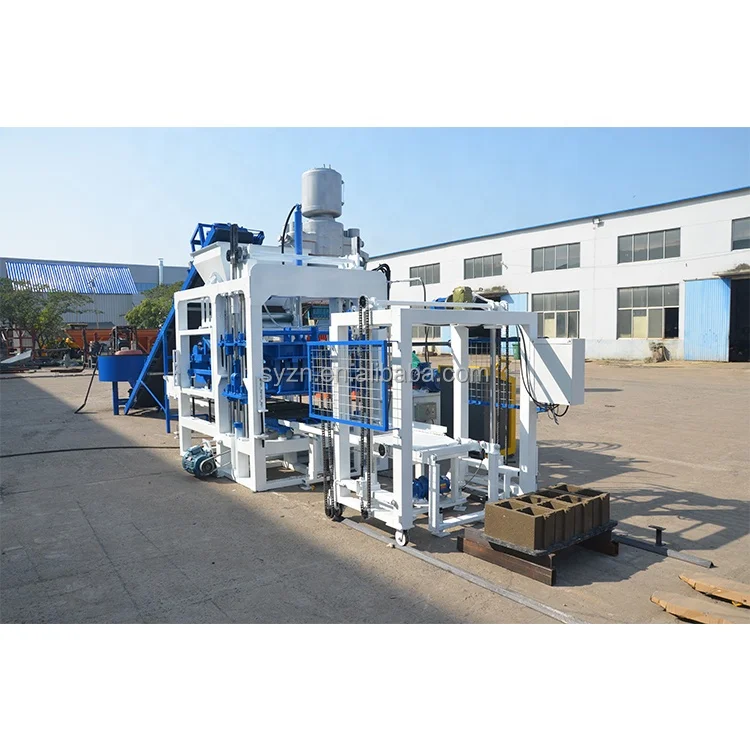
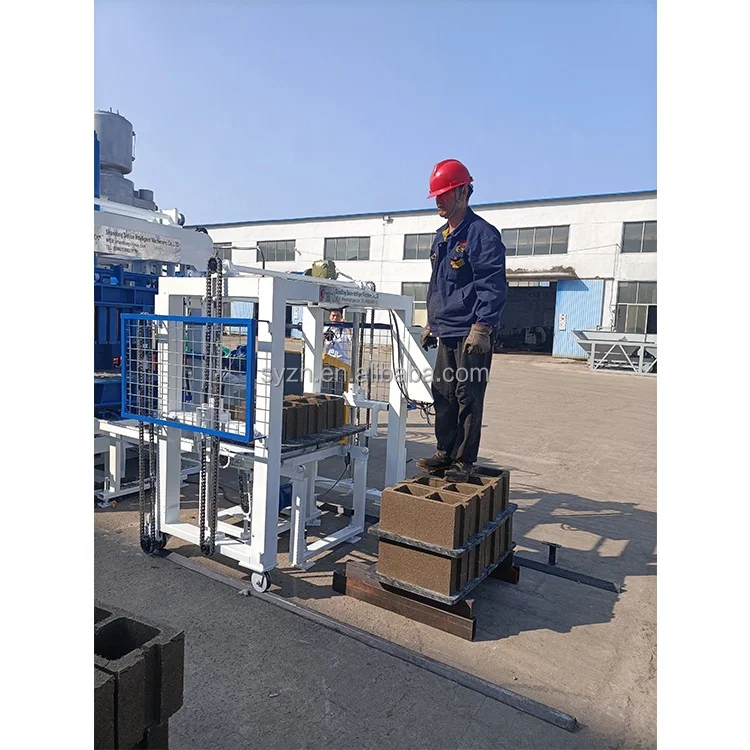
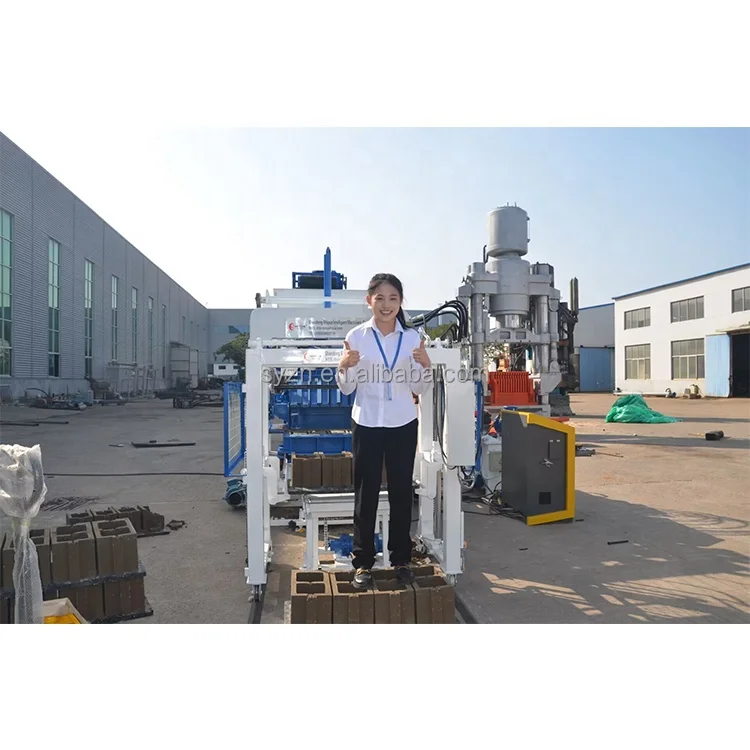
| Product Type | Automatic Hydraulic Concrete Block Making Machine |
| Overall Dimensions (L×W×H) | 3900×1600×2300 mm |
| Total Weight | 3T |
| Rated Power | 24KW |
| Vibration Force (Exciting Power) | 40-50 KN |
| Molding Cycle | 15-25s |
| Pallet Size | 850×550×25 mm |
| Mixer Model | JQ350 |
| Control System | PLC control system |
| Hydraulic System | Hydraulic station included |
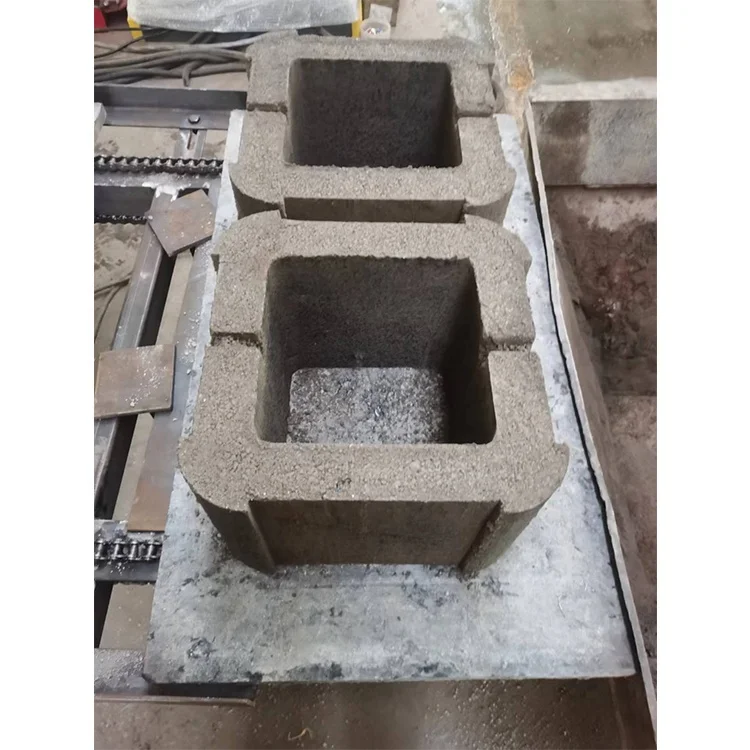
| Mould Format | Paver, solid block, hollow block, curbstone (mould change required) |
| Applied Raw Materials | Crushed stones, sand, cement, dust, fly ash |
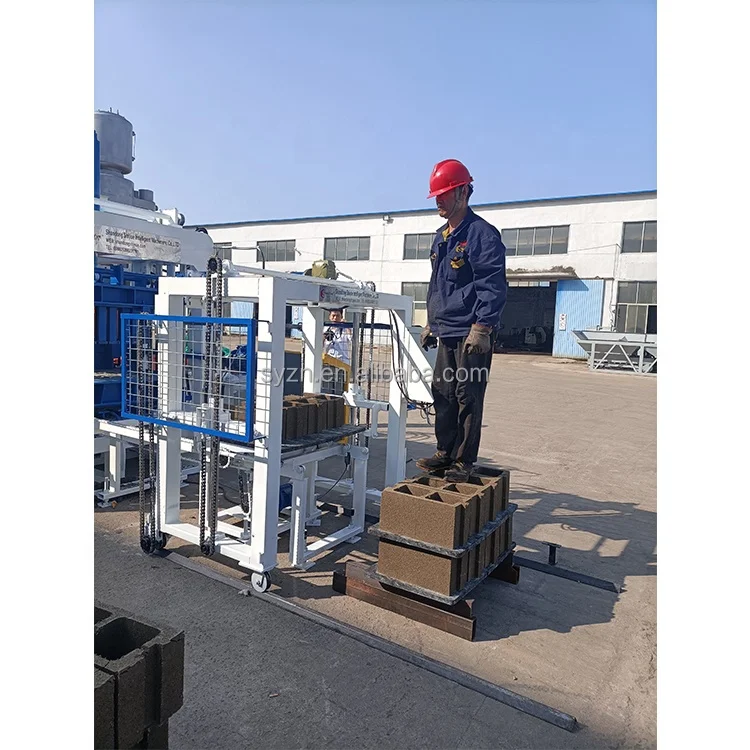
| Included Equipment | Block making machine, hydraulic station, PLC control system, pallet feeder, brick conveyor, block sweeper, manual hydraulic trolley, spare parts and tools |
| Output Capacity (Hollow block 400×200×200mm) | 1200-1680 pcs/hr, 9600-13440 pcs/8hr (basis: stated cycle 15-20s per mould) |
| Output Capacity (Hollow block 400×150×200mm) | 1800-2400 pcs/hr, 14400-19200 pcs/8hr (basis: stated cycle 15-20s per mould) |
| Output Capacity (Solid brick 240×115×53mm) | 3240 pcs/hr, 16200-19440 pcs/8hr (basis: stated cycle 15-20s per mould) |
| Voltage & Frequency | (basis not stated in source — confirm block format / material / thickness) |
| Hydraulic Pressure (MPa) | (basis not stated in source — confirm with manufacturer) |
| Mould Change Time | (basis not stated in source — confirm with manufacturer) |
| Stacking Method | (basis not stated in source — confirm with manufacturer) |
| Automation Level | Automatic (with PLC, pallet feeder, conveyor, sweeper) |
Application Suitability
| Application | Material or Output |
|---|---|
| Hollow block production for commercial and residential walls | Crushed stone, sand, cement, and fly ash in standard aggregate gradations |
| Solid brick manufacturing for load-bearing masonry | Sand, cement, and fine aggregate blends |
| Paving block production for walkways and light-traffic areas | Crushed stones and cement with pigment options |
| Curbstone forming for road and kerb applications | Coarse aggregate mixes with high cement content |
| On-site block production for construction contractors | Locally sourced sand and stone with portable mixing |
What "15-25 Seconds per Cycle" Actually Means for Your Daily Tonnage
Cycle time only tells half the story — the block format behind that number decides whether you ship a full truck or half a truck each day.
When sellers quote a concrete block making machine specifications sheet, they often cite a single cycle range like 15-25 seconds without naming the block that figure was measured on. I spent years on assembly floors watching machines get shipped out with a generic cycle stamp, and then receiving calls from buyers who could not understand why their daily pallet count never matched the brochure. The vibration force, hydraulic dwell, and demoulding lift all shift when you move from a 240×115×53mm solid brick to a 400×200×200mm hollow block, and each format deserves its own line on the capacity sheet [NEED_CITE: block format effect on cycle time and daily output].
How Mould Format Defines Real Throughput
The QT4-18SHIYUE handles paver, solid block, hollow block, and curbstone formats on one press through mould change, and each format carries a different pieces-per-mould count. A hollow block 400×200×200mm yields 1200-1680 pieces per hour based on a stated 15-20 second cycle, while the same cycle on a 400×150×200mm hollow block pushes that figure to 1800-2400 pieces per hour because the smaller cross-section allows tighter nesting on the 850×550 mm pallet. Solid brick at 240×115×53mm fits more units per mould face, reaching 3240 pieces per hour on that same 15-20 second basis. These are the concrete block making machine specifications you can plan a shift around.
Pallet Size as a Layout Constraint, Not a Footnote
An 850×550×25 mm pallet is not just a consumable — it dictates the racking pitch in your curing area and the fork tine spacing on the lift truck you already own. I once visited a plant where the buyer sourced a machine with a slightly wider pallet than their curing racks could accept, and they spent the first month re-welding every rack bay before production stabilised. Before you confirm an order, measure the rack upright spacing and the forklift carriage width so the pallet footprint slots into your existing infrastructure [NEED_CITE: pallet dimension compatibility with curing racks and forklifts].
Why Vibration Force and Hydraulic Pressure Must Be Read Together
The 40-50 KN vibration force on the QT4-18SHIYUE works in tandem with the hydraulic station to compact the mix before the mould lifts. High vibration with low hydraulic pressure leaves the block under-compressed and prone to corner chipping during demoulding. High pressure with insufficient vibration traps air pockets in the core of a hollow block. The two values must be balanced for the specific aggregate you feed into the JQ350 mixer — crushed basalt behaves differently from river sand, and each demands its own pressure-vibration pairing to achieve consistent density across the pallet.
The Cost of Skipping the Raw Material Conversation
I worked on a commissioning job where the machine was configured for standard quartz sand, but the buyer’s local supply was volcanic scoria with a much lower bulk density. The preset vibration frequency over-compacted the lighter aggregate, cracking block faces before the pallet even left the press. Two weeks of parameter adjustments followed before output stabilised. That experience sits behind every specification sheet I sign off on now — the raw material line must come before the cycle time line, not after [NEED_CITE: aggregate gradation impact on block forming parameters].
Why Buyers Choose This Configuration Path
Every QT4-18SHIYUE leaves the factory with a capacity calculation that names the block format behind each output figure, so there is no guesswork on your first production day. The mould list is drawn from the formats your local market actually buys, and custom mould drawings are accepted when standard sizes do not cover your paver or kerb profile. The PLC, pallet feeder, brick conveyor, and block sweeper ship as one matched set rather than as separate line items that arrive on different vessels. Voltage, frequency, and PLC display language are confirmed before production starts, avoiding a silent machine sitting in your yard while an electrician sources a transformer. Spare mould plates and hydraulic wear parts are listed on the packing sheet so your first replacement order is a phone call, not a research project.
Documentation & Verification
- Line layout drawing naming the block format assumed for each capacity figure
- Mould drawing pack listing every block dimension included in the order
- Pallet specification sheet matched to your curing rack and forklift data
- Voltage, frequency, and PLC language confirmation record before production
- Factory test record run on your confirmed raw material blend
Installation, Commissioning & Support
- Foundation plan based on the 3900×1600 mm footprint and 3T operating weight
- Dedicated power circuit sized for the 24KW rated load plus mixer draw
- Machine arrives as a single press unit with hydraulic station bolted to the frame
- PLC parameters tuned on-site to match your local aggregate and target block strength
- Operator training covers mould change procedure, pallet feeder adjustment, and daily greasing points
- Wear parts list identifies every hydraulic seal and mould liner by part number
What to Include with Your Enquiry
Send the exact block dimensions your market sells, the daily piece count you need to meet contract deadlines, and a sample or lab analysis of your local aggregate. Confirm your site voltage and frequency along with the PLC display language your operators will use. If you already have curing racks or a forklift on site, share the rack pitch and fork carriage width so pallet size can be locked in before production.
Frequently Asked Questions
Q: How is the per-format output capacity calculated for the QT4-18SHIYUE?
A: Each output figure is based on a stated 15-20 second mould cycle on a specific block dimension — for example, the hollow block 400×200×200mm line shows 1200-1680 pieces per hour. The calculation names the format, the cycle, and the pallet count so you can plan shift volume against your actual product mix.
Q: Can custom moulds be designed for block formats not listed in the standard range?
A: Yes. Custom mould drawings are accepted based on your target block dimensions and surface texture requirements. The mould is engineered to fit the QT4-18SHIYUE press platens and the 850×550 mm pallet envelope, and a format drawing is submitted for your approval before tooling begins.
Q: How should I select the right pallet size for my curing area?
A: Measure the upright spacing of your existing curing racks and the carriage width of your forklift. The standard 850×550×25 mm pallet is chosen to match common rack pitches, but if your racks are narrower or your forklift tines are wider, an alternative pallet dimension can be specified before the machine ships.
Q: What voltage and PLC language options are confirmed before shipment?
A: Voltage, frequency, and PLC display language are recorded on the order confirmation and verified before production starts. This prevents a situation where the machine arrives with a control panel your electricians cannot power or your operators cannot read, which would otherwise delay commissioning.
Q: Which raw materials can the QT4-18SHIYUE process without mix redesign?
A: The press handles crushed stones, sand, cement, dust, and fly ash in standard gradations. When your local aggregate differs significantly in bulk density or particle shape, the vibration force and hydraulic dwell are adjusted during commissioning to maintain block strength without requiring a material substitution.