
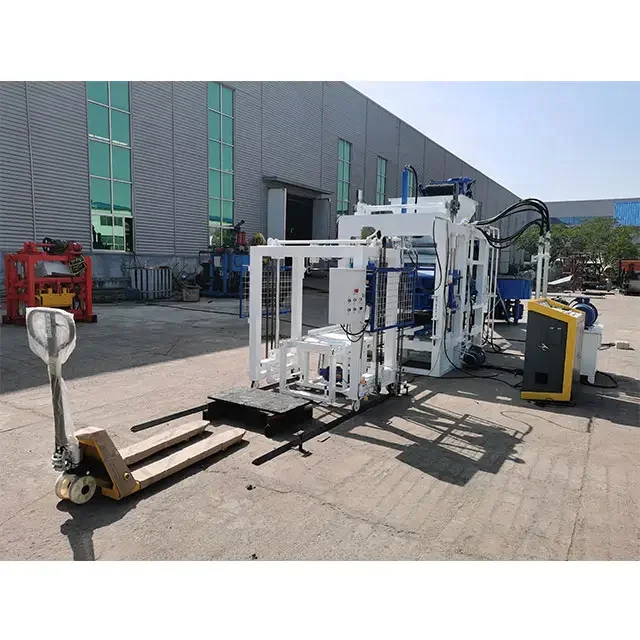


Description
Single-Format Focus — Every QT4-18 configuration we release is matched to the hollow block dimensions your market actually moves, not a catalogue guess.
Technical Specifications
| Parameter | Value |
|---|---|
| Model | QT4-18 |
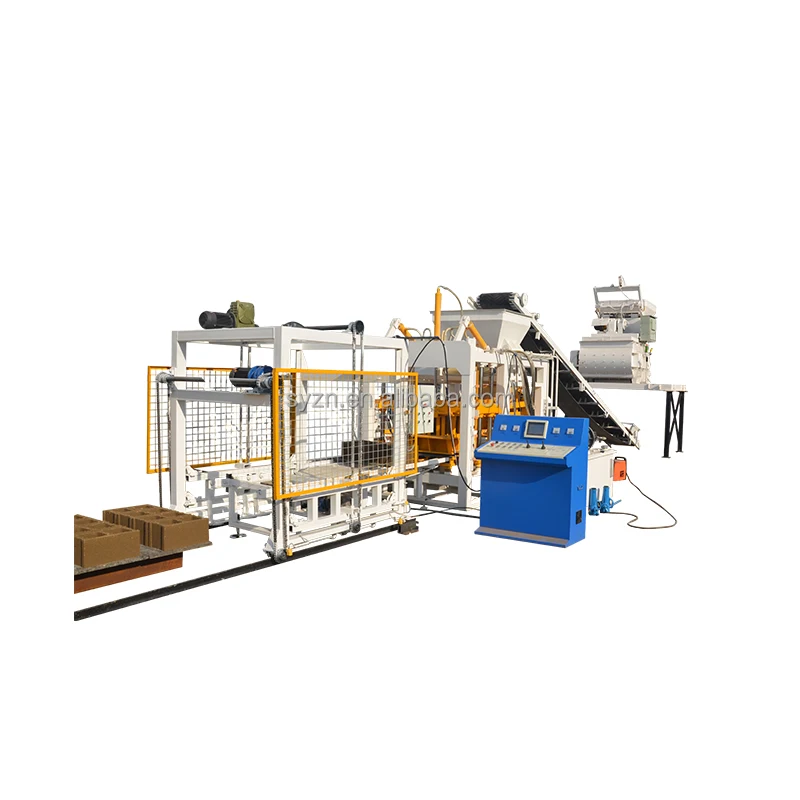
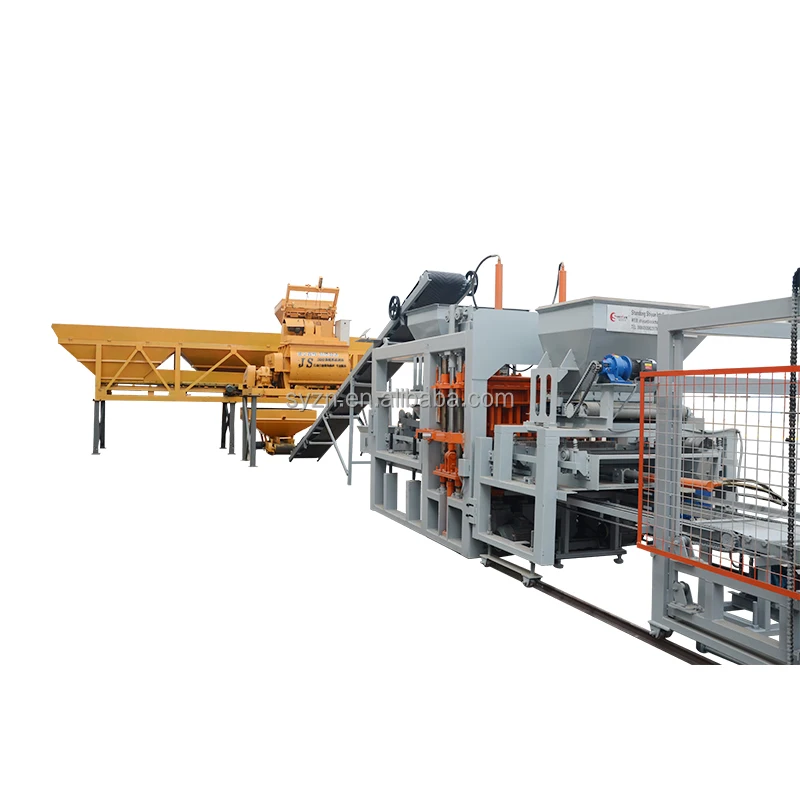
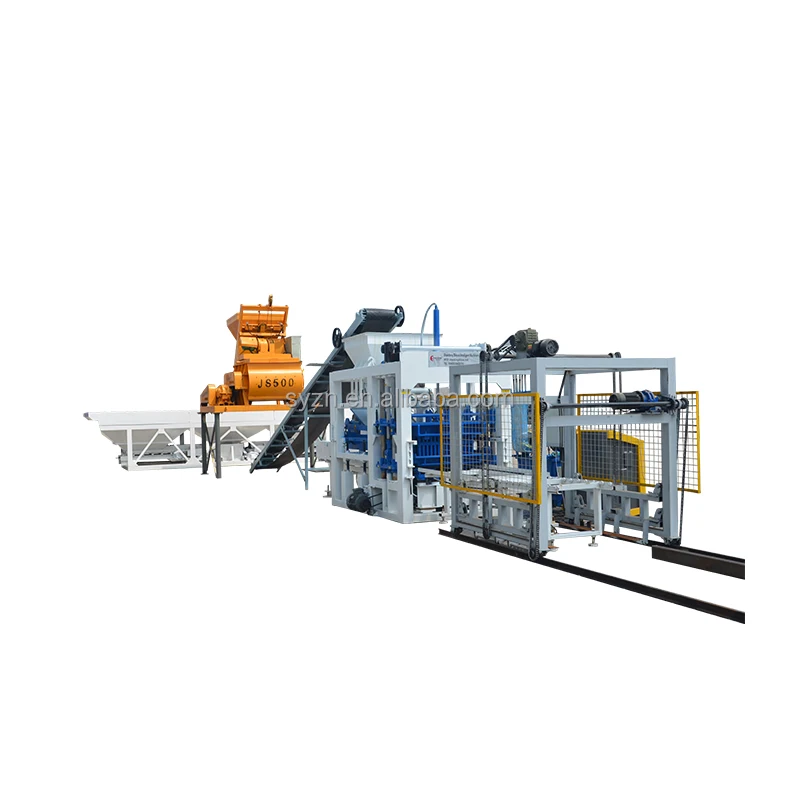
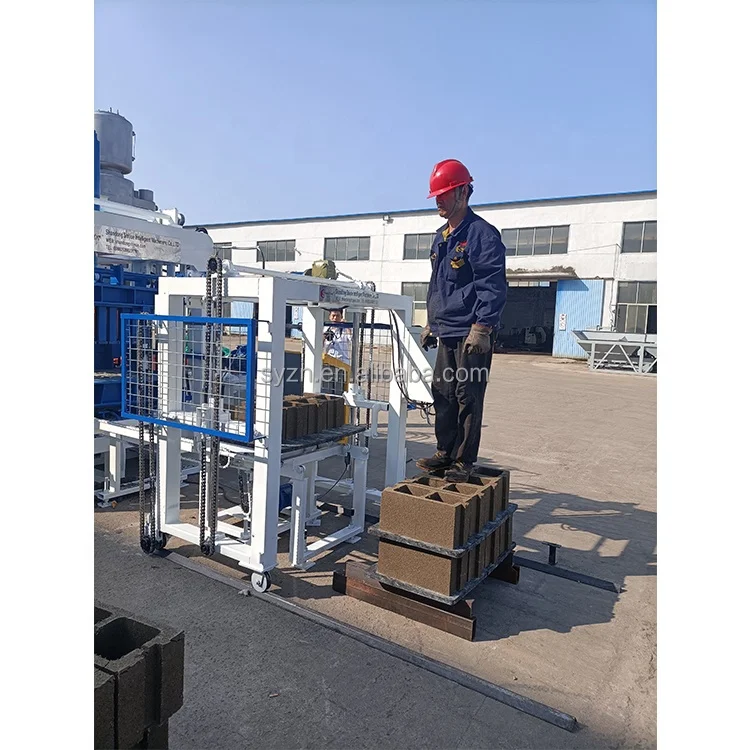
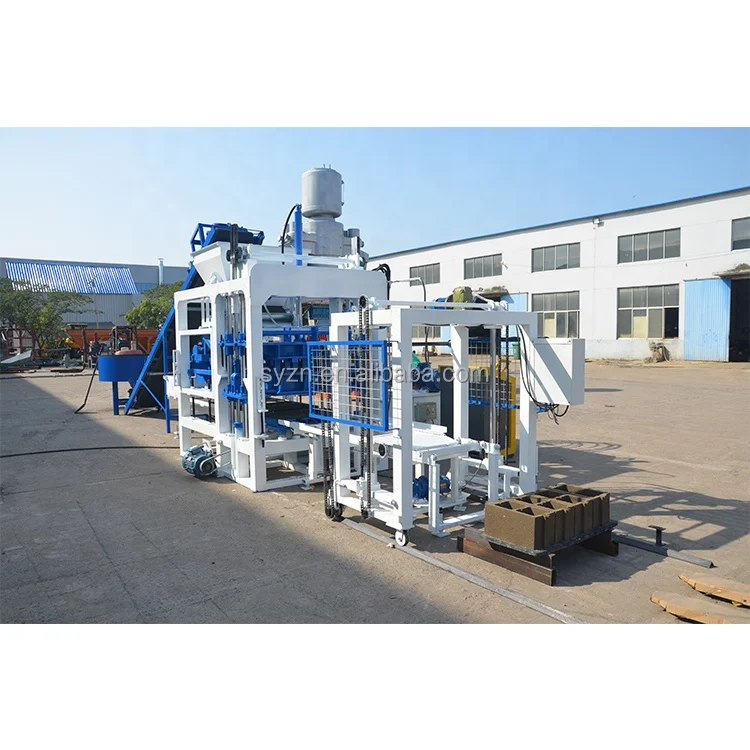
| Product Type | Automatic Hollow Brick Making Machine |
| Automation Level | Fully automatic |
| Control System | Computer controlled, fully automatic |
| Vibration Mode | Multiaxis synchronizer vibration, vertically downward |
| Cycle Time | 18 seconds per cycle (basis not stated in source — confirm block format / material / thickness) |
| Output Capacity | Capacity table referenced in source image (basis not stated in source — confirm block format / material / thickness) |
| Guide System | Long-period over length guide bearing for upper mould and mould box alignment |
| Mixer System | Multiaxis forced mixer (adaptability to varied raw materials) |
| Hydraulic System | High thermal efficiency, low heat productivity design |
| Rack Construction | High strength steel with special welding technique, vibration shock resistant |
| Voltage & Frequency | Not stated in source (basis to be confirmed) |
| Pallet Size | Not stated in source (basis to be confirmed) |
| Overall Dimensions | Not stated in source (basis to be confirmed) |
| Net Weight | Not stated in source (basis to be confirmed) |
Application Suitability
| Application | Material or Output |
|---|---|
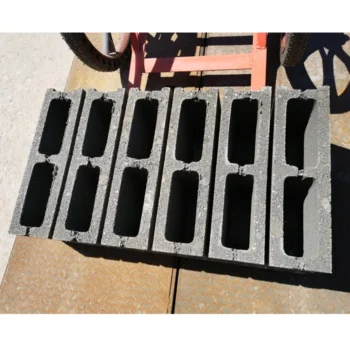
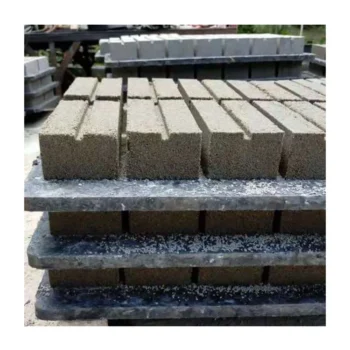
| Hollow brick production | Concrete, cement, crushed stone, river sand, fly ash |
| Concrete block manufacturing for building material plants | Varied aggregate mixes with local sand and gravel |
| On-site production by construction contractors | Local raw material blends adjusted to site availability |
| Block format adaptability via mould change | Interchangeable moulds for hollow block formats |
Why the QT4-18 Automatic Hollow Brick Making Machine Specifications Must State the Block Format
A cycle time figure means nothing without naming the block it was measured on.
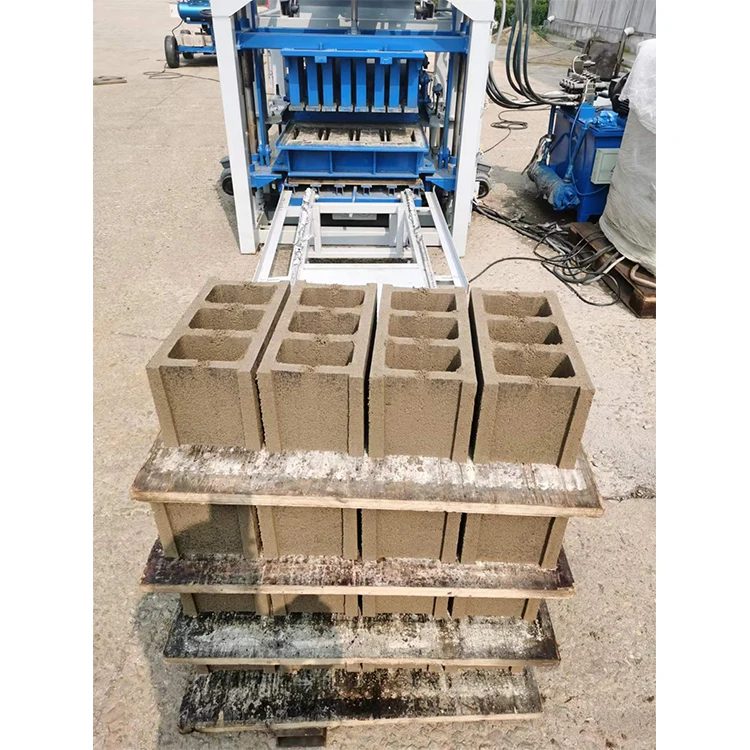
I have watched plant owners in Southeast Asia celebrate a quoted hourly capacity, only to find their actual daily throughput halved once production switched from the small solid block used for testing to the 400×200×200mm hollow block their customers actually order. The QT4-18 Automatic Hollow Brick Making Machine specifications page must break output down per block format, because an 18-second cycle on a solid paver does not translate to the same cycle on a large hollow block where vibration must penetrate deeper and the mould fill takes longer [NEED_CITE: block machine capacity calculation standards by format]. When buyers skip this step, the machine they receive is technically performing to spec — just not the spec they needed.
Vibration Direction and Block Density Consistency
The multiaxis synchronizer vibration on the QT4-18 is designed to direct force vertically downward. This matters for hollow block production because uneven lateral vibration creates density gradients across the block face, leading to weak corners that crack during curing or transport. When I set up lines in the Philippines, the buyers who struggled most with breakage rates were those whose previous machines used simple eccentric block vibration without synchronized directional control.
Guide Bearing Alignment and Mould Wear
The long-period over length guide bearing system keeps the upper mould aligned with the mould box throughout every press stroke. On an Automatic Hollow Brick Making Machine, even slight misalignment accelerates wear on the mould liner and produces blocks with dimensional drift that fails masonry tolerances. This becomes visible within the first production season in high-output plants running continuous shifts.
Raw Material Adaptability Through Forced Mixing
The multiaxis forced mixer handles aggregates with different particle sizes and moisture levels, which is where most catalogue configurations break down. In Cambodia, I worked with a plant where local river sand carried high clay content that a standard ribbon mixer could not distribute evenly — the result was blocks with soft patches that only appeared after curing [NEED_CITE: aggregate variability effects on concrete block strength]. The forced mixer’s adaptability to varied raw materials addresses this directly by ensuring every batch reaches the press with consistent composition.
Hydraulic Thermal Management in Continuous Operation
The hydraulic system’s high thermal efficiency and low heat productivity design targets a specific problem: hydraulic fluid thinning during long shifts in tropical climates, which causes pressure drop and weaker compaction toward the end of a production run. This is not a theoretical concern — in workshops operating above ambient temperatures common across Southeast Asia, thermal management separates machines that hold pressure through the final cycle from those that need shutdowns to cool down.
Specifying the QT4-18 Around Your Actual Block Format
The rack construction uses high strength steel with vibration shock resistant welding, which is necessary because hollow block production generates sustained dynamic loads that fatigue standard welded frames over time. Understanding how vibration force and hydraulic pressure interact with your specific mix design determines whether blocks reach the compressive strength your local building code requires. Without this matching, even a well-built Automatic Hollow Brick Making Machine will produce blocks that pass visual inspection but fail laboratory crush tests [NEED_CITE: concrete block compressive strength testing standards].
What Mismatched Specifications Cost You After Arrival
When pallet size is chosen without reference to the buyer’s existing curing yard and forklift capacity, the result is either wasted curing space or pallets that cannot be moved by available equipment. When voltage and frequency are not confirmed before production, commissioning stalls while transformers are sourced locally. When the PLC display language does not match operator capability, every parameter adjustment requires a translated phone call — and the machine sits idle during those hours.
Why Sizing the Line Around This Press Matters
Configuration is built around your actual mix design and target block format rather than default catalogue settings. Mould design covers the hollow block dimensions your market sells, with custom mould options available to buyer drawings. Pallet specification is matched to your curing area and handling equipment, not selected in isolation. Voltage, frequency, and control language are confirmed and documented before the QT4-18 enters production. Installation support includes operator training so your team understands cycle adjustments when raw material batches vary.
Documentation & Verification
- Line layout with capacity stated per hollow block format produced on the QT4-18
- Mould drawing and format list covering every block dimension the machine will run
- Pallet specification matched to your curing yard dimensions and forklift capacity
- Voltage, frequency, and PLC language confirmation recorded before production starts
- Factory test record showing the QT4-18 running your specified block format
Installation, Commissioning & Support
- Foundation requirements matched to the QT4-18 vibration load and rack weight
- Dedicated electrical circuit sized to the confirmed voltage and frequency specification
- On-site assembly and alignment verification of the guide bearing system
- First-run parameter tuning against your local aggregate and mix design
- Operator training covering mould change procedure and cycle time adjustment
- Wear parts list identifying mould liners and hydraulic components by part number
What to Include With Your Inquiry
Provide the hollow block dimensions your market demands, your target daily output per format, and the local aggregate sources available including sand type and moisture range. Confirm your site voltage, frequency, and preferred PLC display language. If you have existing curing racks or forklifts, share their dimensions so the pallet specification can be matched before the QT4-18 Automatic Hollow Brick Making Machine is configured.
Frequently Asked Questions
Q: What is the QT4-18’s realistic daily output when producing 400×200×200mm hollow blocks versus smaller solid blocks?
A: The cycle time and daily output depend on the block format, material, and thickness. We provide a capacity calculation that states the assumed block format for every output figure, so you see realistic daily production for your specific hollow block rather than a headline number based on a different format.
Q: Which mould formats can the QT4-18 accommodate, and what is the mould change procedure?
A: The QT4-18 accepts moulds for hollow brick formats, and custom mould design to buyer drawings is available. The mould drawing and format list document confirms which dimensions the machine will produce. Mould change procedure and timing are covered in the operation manual and during on-site operator training.
Q: How should the QT4-18’s vibration force and hydraulic pressure be matched to my local aggregate?
A: Vibration and pressure settings must correspond to your mix design and aggregate characteristics. During commissioning, parameters are tuned against your actual raw materials. The multiaxis forced mixer adapts to varied aggregate types, and the vertically downward vibration mode ensures consistent density across different mix compositions.
Q: What pallet size does the QT4-18 require, and how does that affect my curing yard layout?
A: Pallet size is confirmed based on your curing area dimensions and existing forklift capacity before production begins. The pallet specification sheet is included in documentation so your yard layout can be planned in advance, avoiding mismatches between pallet dimensions and available handling equipment.
Q: What voltage, frequency, and PLC language options are available, and how are these confirmed?
A: Voltage, frequency, and PLC display language are confirmed and documented before the QT4-18 enters production. This confirmation is recorded in the documentation package so commissioning proceeds without delays caused by electrical incompatibility or operator interface language barriers at your site.