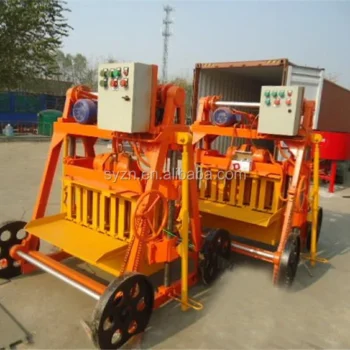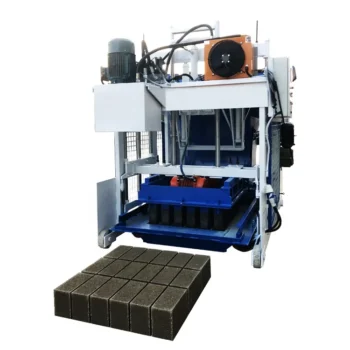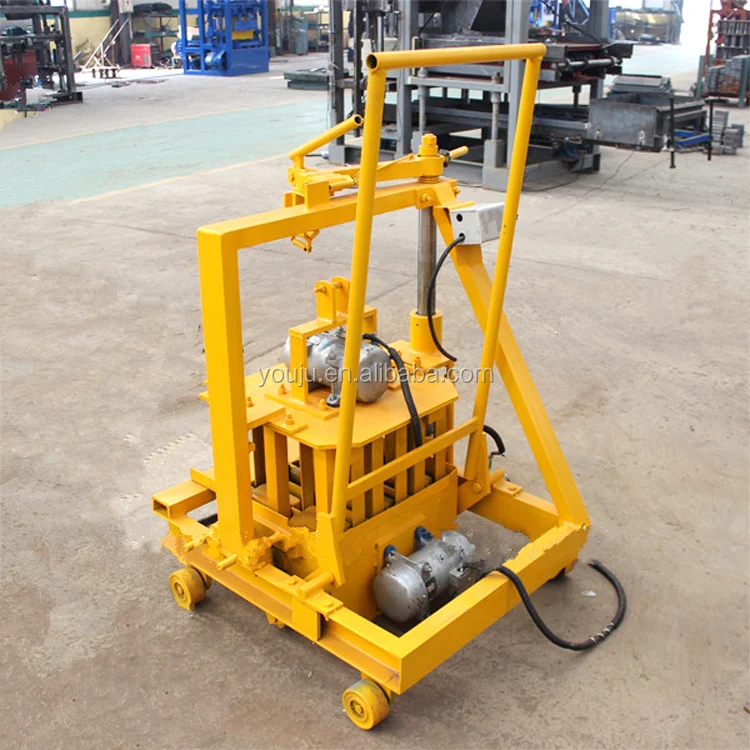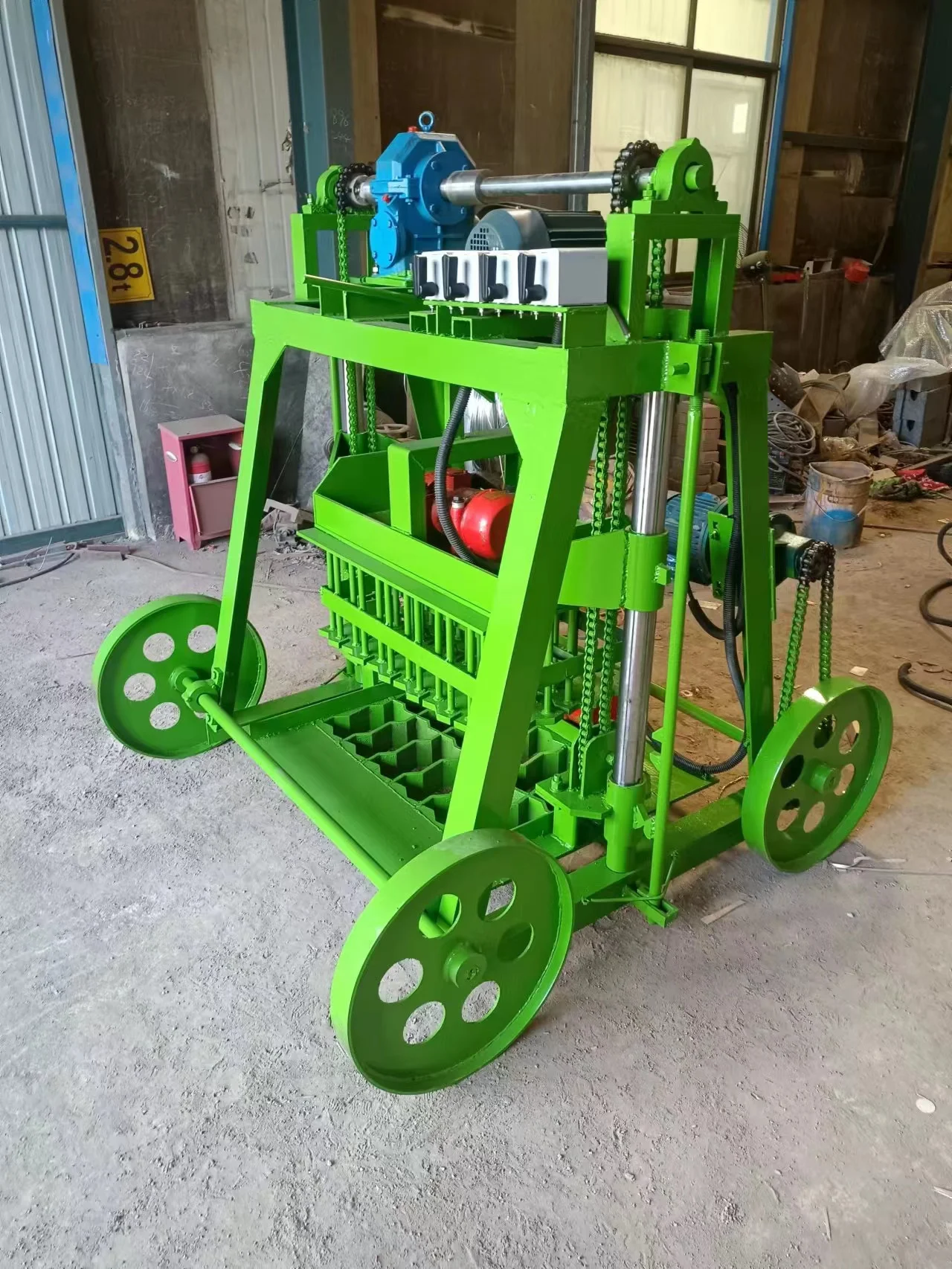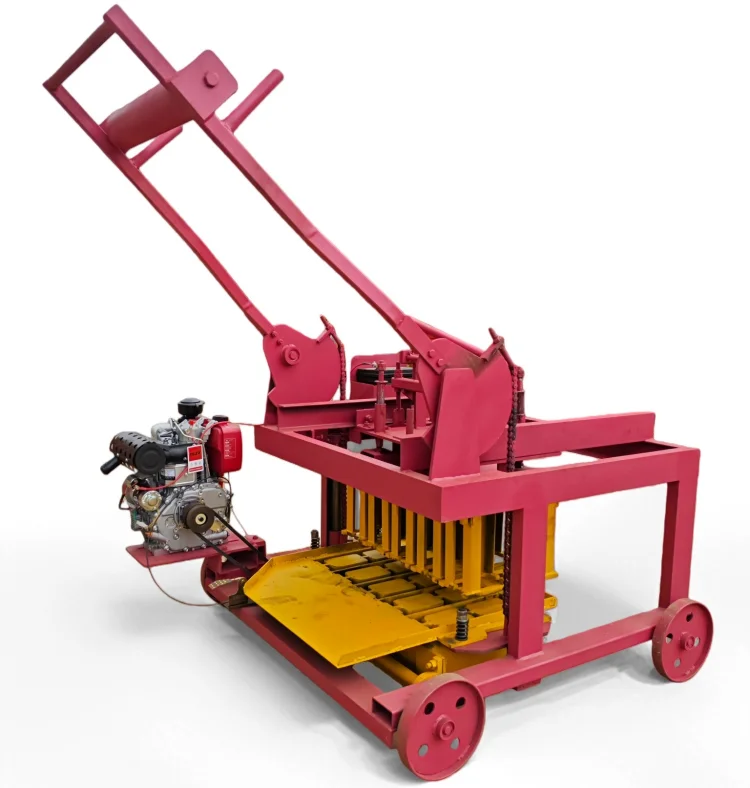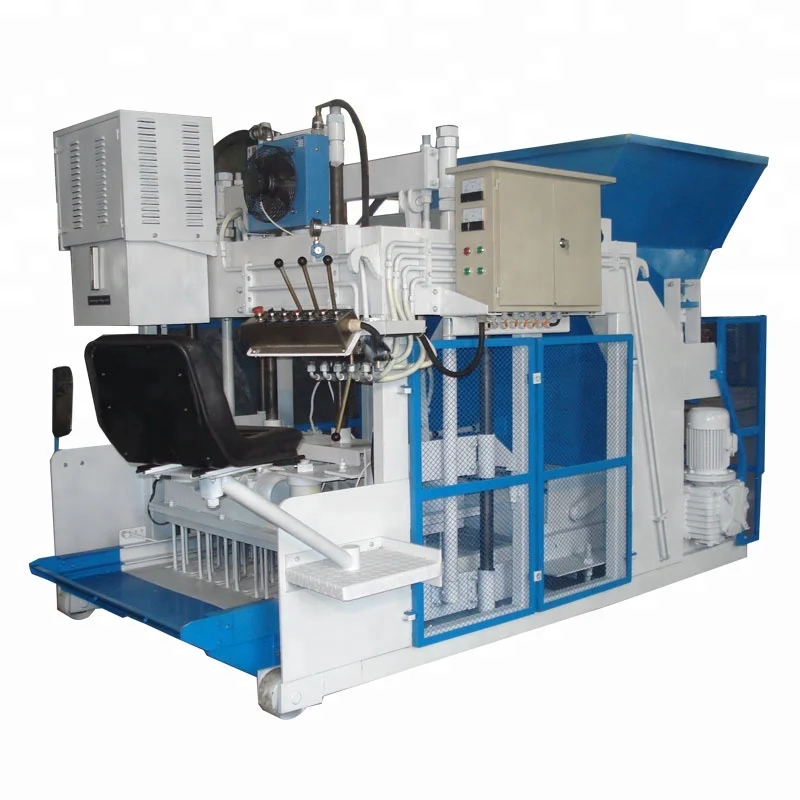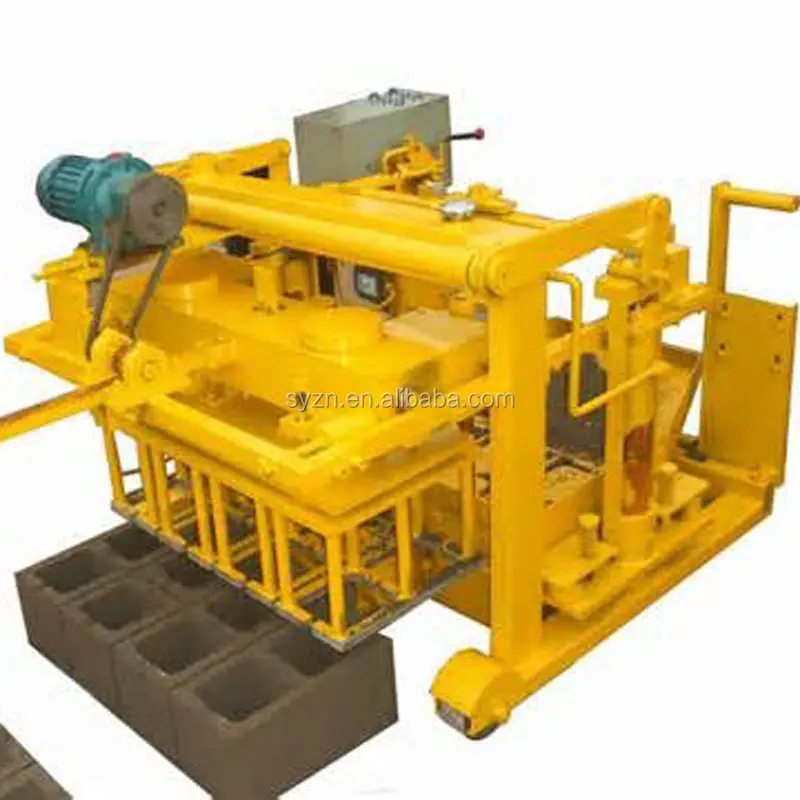
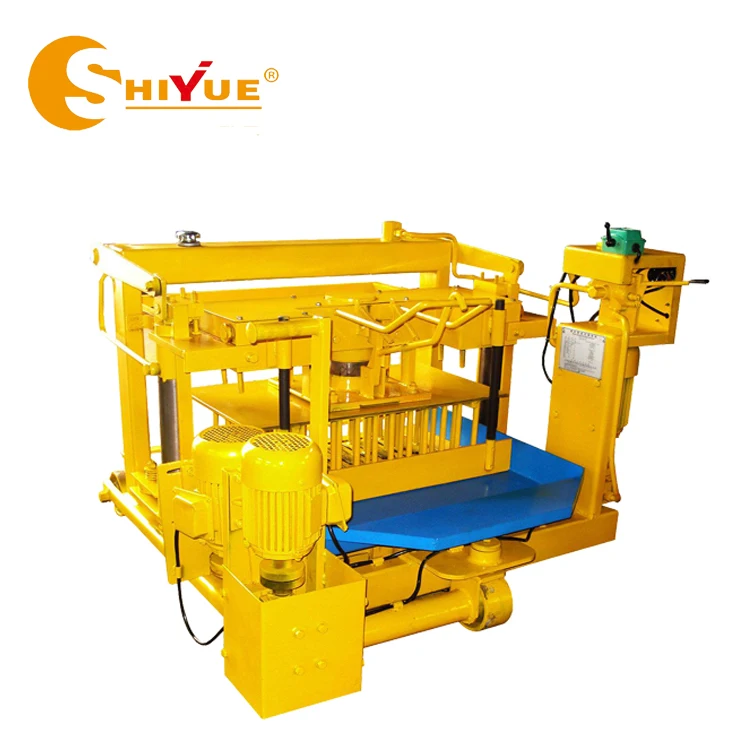

Description
Mould Matched to Market — Every QMY4-30 configuration starts with the block format your site actually sells, so output figures are tied to a named size, not a catalogue headline.
Technical Specifications
| Parameter | Value |
|---|---|
| Model | QMY4-30 |
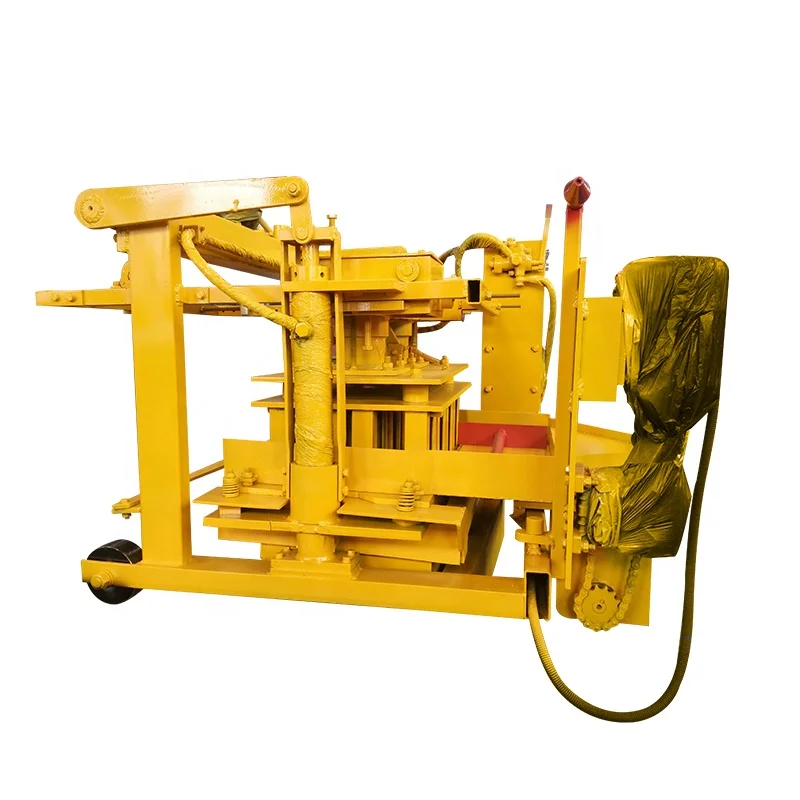
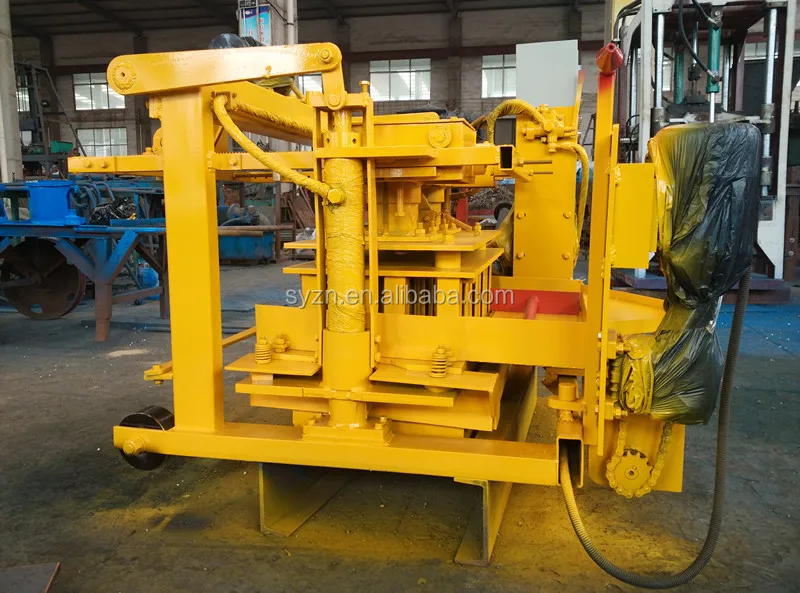
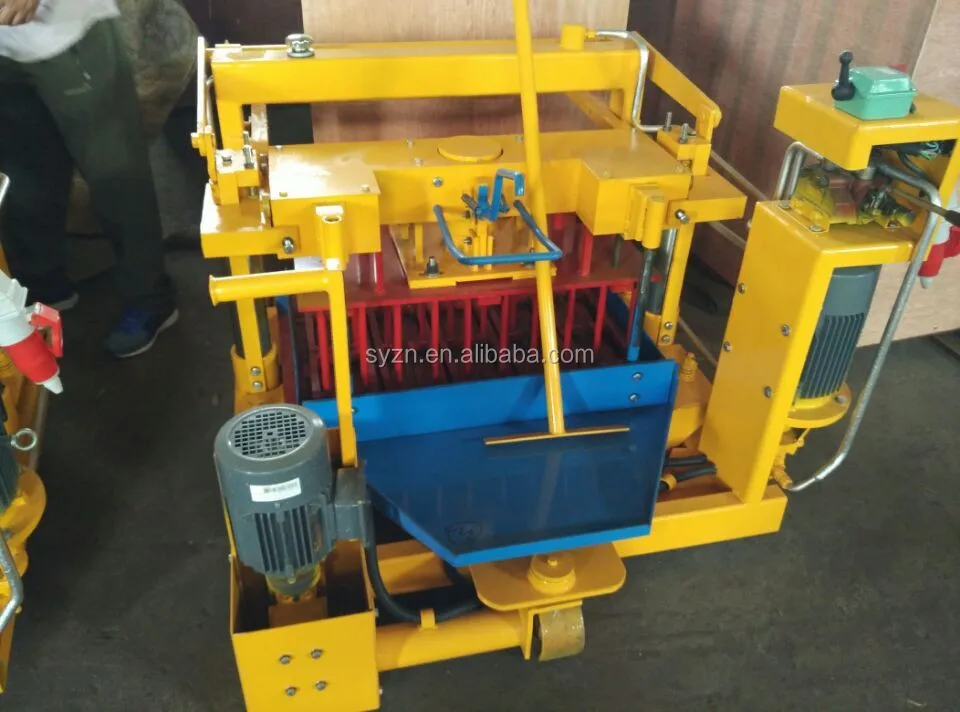
| Product Type | Mobile Egg Laying Concrete Block Making Machine |
| Hydraulic Method | Mould vibration |
| Demold Method | Hydraulic |
| Molding Cycle | 25–30 s |
| Total Power | 5.95 kW |
| Pallet Requirement | Palletless (egg laying / mobile type) |
| Automation Level | Manual / Semi-automatic mobile operation |
| Output Capacity (400×200×200 mm hollow block) | 4 pcs/mould, 480 pcs/hour, 3 840 pcs/8 hr shift |
| Output Capacity (400×150×200 mm block) | 5 pcs/mould, 600 pcs/hour, 4 800 pcs/8 hr shift |
| Output Capacity (400×100×200 mm block) | 7 pcs/mould, 840 pcs/hour, 6 720 pcs/8 hr shift |
| Vibration Force | basis to be confirmed |
| Hydraulic Pressure | basis to be confirmed |
| Voltage & Frequency | basis to be confirmed with buyer site |
| Overall Dimensions | basis to be confirmed |
| Net Weight | basis to be confirmed |
| Mould Change Time | basis to be confirmed |
| Control System | basis to be confirmed |
| Standards | ISO 9001:2000, CE |
Application Suitability
| Application | Material or Output |
|---|---|
| On-site hollow block production for building contractors | Crushed stone, sand, cement and water mix laid directly on a level concrete floor |
| Remote housing projects in hilly, desert or coastal terrain | Solid and hollow blocks produced without a fixed plant or curing rack system |
| First-stage block plant for entrepreneurs | Hollow, solid and paving formats via mould change on a single mobile unit |
| Industrial mining and infrastructure camps | Palletless egg laying operation eliminates pallet transport and storage |
What "480 Blocks per Hour" Actually Means on Your Site
Output only holds when the block format, mix design and local aggregate are matched before the machine ships.
The QMY4-30 Mobile Egg Laying Block Machine specifications list three distinct hourly rates because a 400×200×200 mm hollow block takes a different mould fill, vibration duration and demold stroke than a 400×100×200 mm solid unit. I once watched a contractor in a coastal province run a mobile egg layer on washed sea sand without adjusting the vibration force — the blocks cracked at the corners before they could be moved to the curing area, and effective output dropped to roughly half the quoted number. The gap between a catalogue figure and a jobsite reality almost always traces back to the mix and the aggregate, not the press itself [NEED_CITE: aggregate grading and moisture impact on block compaction].
Mould Vibration and Hydraulic Demolding Tuned to Density
The QMY4-30 uses mould vibration rather than table vibration, which concentrates the compaction energy inside the mould box where the concrete sits. This matters for hollow blocks because the thin webs between cores need uniform density to survive demolding. Hydraulic demolding then lifts the mould box straight up while the block remains on the ground, reducing shear stress on fresh concrete. When vibration force and hydraulic pressure are set against the buyer’s actual mix, the result is a block that can be moved within minutes without edge damage.
Palletless Operation and What It Removes from Your Budget
Egg laying design means the machine travels along the production floor, depositing blocks directly on a level concrete surface. There is no pallet purchase, no pallet return conveyor, and no curing rack system to build. For a contractor producing blocks on a remote housing project, this removes an entire layer of material handling infrastructure. The trade-off is floor space: the curing area must be large enough for the day’s output to sit undisturbed until the blocks reach handling strength.
Reading the Cycle Time Against Your Block Format
A 25–30 second molding cycle applies across the listed formats, but the number of blocks per cycle changes with the mould. The 400×200×200 mm hollow mould produces four pieces per cycle while the 400×100×200 mm mould produces seven, which is why hourly output rises from 480 to 840 pieces. Mobile Egg Laying Block Machine specifications become meaningful only when you read cycle time and mould cavity count together [NEED_CITE: relationship between cycle time, cavity count and realistic daily output]. The total power draw of 5.95 kW also stays low enough to run from a portable generator on sites without stable grid supply.
The Hidden Cost of Skipping the Mix Design Conversation
When a mobile block machine arrives configured for a standard river-sand mix but the only local aggregate is a high-clay crushed stone, the first week of production becomes a troubleshooting exercise. Blocks leave the mould looking acceptable, then crumble during curing as the clay absorbs water unevenly. I spent two days on a hillside site re-tuning vibration and pressure on a machine that should have been set correctly at the factory — the contractor lost an entire week of block output and had to discard several hundred cured units that failed a simple drop test [NEED_CITE: effect of clay content in aggregate on concrete block compressive strength].
Why Source the QMY4-30 From a Line-Focused Supplier
Block machinery is the single product focus here, so the QMY4-30 is specified as a matched system of machine, mould and handling rather than assembled from separate catalogues. Each machine is configured against the buyer’s actual block format, local aggregate and target daily output before production begins. Mould design covers the formats the buyer’s market sells, and custom mould drawings are available when standard sizes do not match local building codes. Automation level is selectable, so a contractor can start with manual pallet handling and add semi-automatic features later. Installation support includes on-site commissioning and operator training so the crew understands cycle timing and mix adjustment from day one.
Documentation & Verification
- Capacity calculation sheet stating which block format each hourly figure assumes
- Mould drawing and format list confirming every block size in your order
- Voltage, frequency and control language confirmation recorded before production
- Factory test record run on a mix matching your local aggregate where samples are available
- Hydraulic and electrical schematic for on-site maintenance reference
- Wear parts and mould list with first replacement intervals noted
Installation, Commissioning & Support
- Level concrete floor required; the 5.95 kW total power draw allows generator supply on remote sites
- Machine arrives fully assembled and is rolled off the flat-rack container with a forklift
- On-site commissioning includes vibration force and hydraulic pressure adjustment to your mix
- Operator training covers mould change procedure, cycle timing and daily maintenance checks
- Wear parts list supplied with the machine so spares can be ordered before the first replacement is due
- Ongoing technical support available for mix adjustment questions as local aggregate sources change
Before You Request a Quote
Send the block format your market sells, the daily output you need on an eight-hour shift, and a description of your local aggregate including source and typical moisture content. Include your site voltage, frequency and preferred control panel language so the electrical package is confirmed before the machine enters production. If you already have a curing area, share its dimensions so we can confirm whether the daily output fits the available floor space.
Frequently Asked Questions
Q: How is daily output calculated for the QMY4-30?
A: Each capacity figure is tied to a specific block size. The 400×200×200 mm hollow block yields 3 840 pieces per eight-hour shift at 480 per hour, while the 400×100×200 mm block yields 6 720 pieces at 840 per hour. These numbers assume a 25–30 second molding cycle and do not include downtime for mould changes or material replenishment.
Q: What mould formats can I run on this machine?
A: Hollow, solid and paving block moulds are available for the QMY4-30, and custom moulds can be designed to your drawings. Mould change time depends on the format and the tools available on site; confirm the schedule with the supplier before ordering multiple moulds so you can plan production shifts accordingly.
Q: What aggregate and mix does the machine need?
A: The machine compacts standard concrete mixes of crushed stone or sand, cement and water. Clay-rich or poorly graded aggregate reduces block strength, so vibration force and hydraulic pressure must be adjusted to the specific mix. Provide a sample or description of your local material so the machine is configured correctly before dispatch.
Q: What voltage and control language options are available?
A: Voltage and frequency are configured to match your site supply before production. Control panel language is confirmed at the same stage to avoid commissioning delays. Share your local electrical standard and preferred display language when you send your inquiry.
Q: How does palletless egg laying affect my curing area?
A: Blocks are laid directly on a level concrete floor, so the curing area must be large enough for a full day’s output. Calculate the floor space by multiplying the block footprint by the daily production quantity and adding walkway clearance between rows for air circulation and later handling.