

Description
Hydraulic and vibration matched to your mix — The QMY12-15 is configured against the buyer’s actual block format, local aggregate and target compressive strength, with capacity stated per format rather than as a single misleading cycles-per-hour figure.
Technical Specifications
| Parameter | Value |
|---|---|
| Model | QMY12-15 |
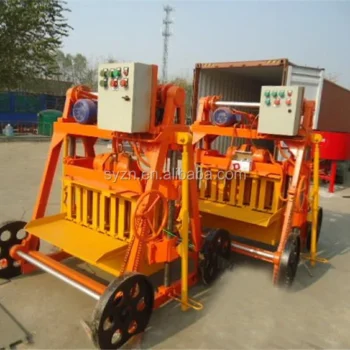
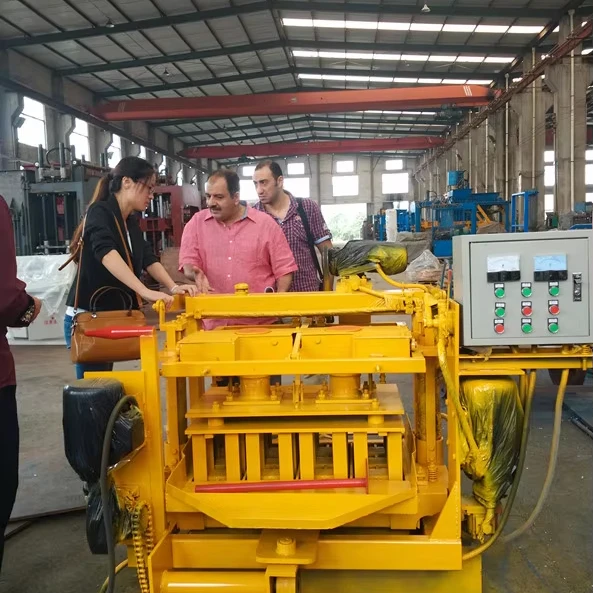
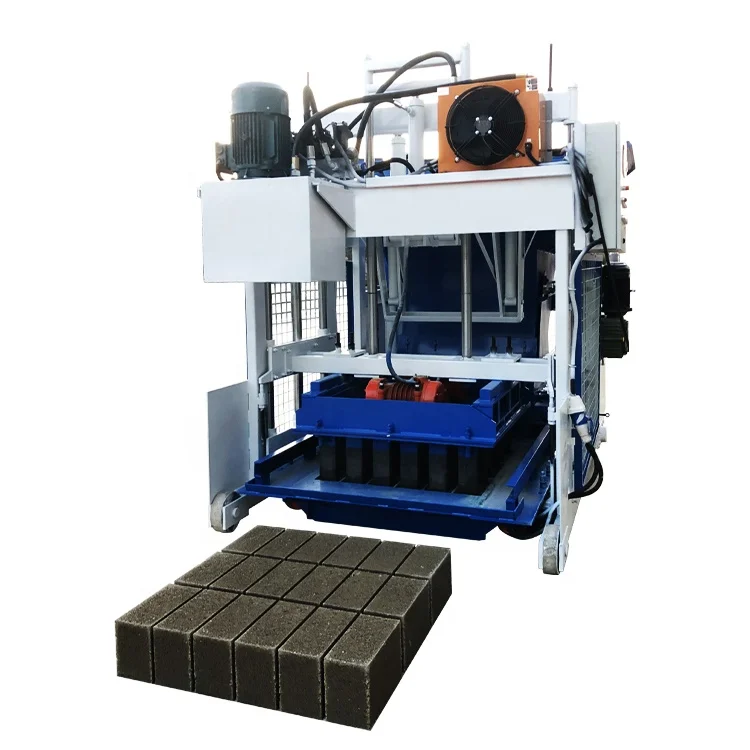
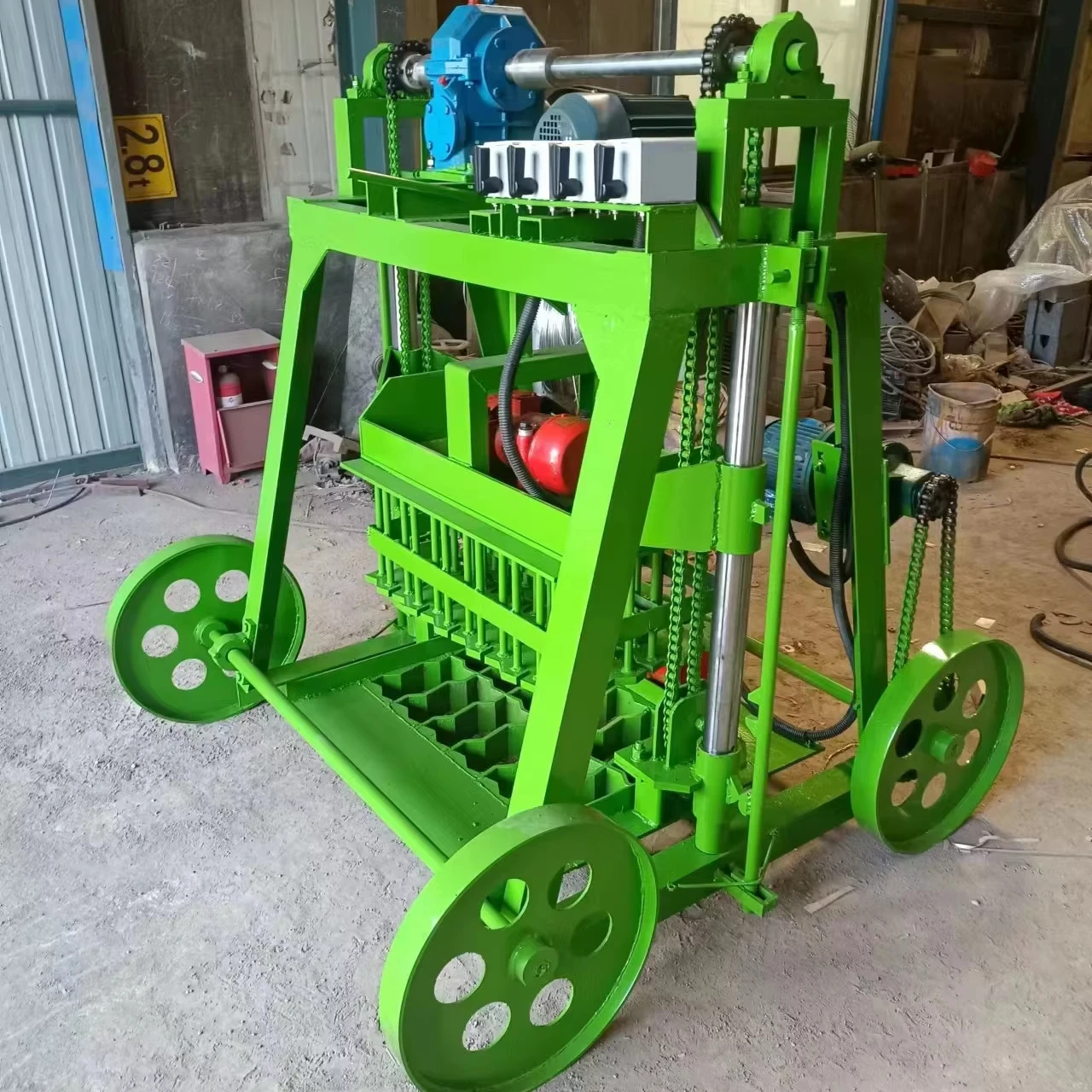
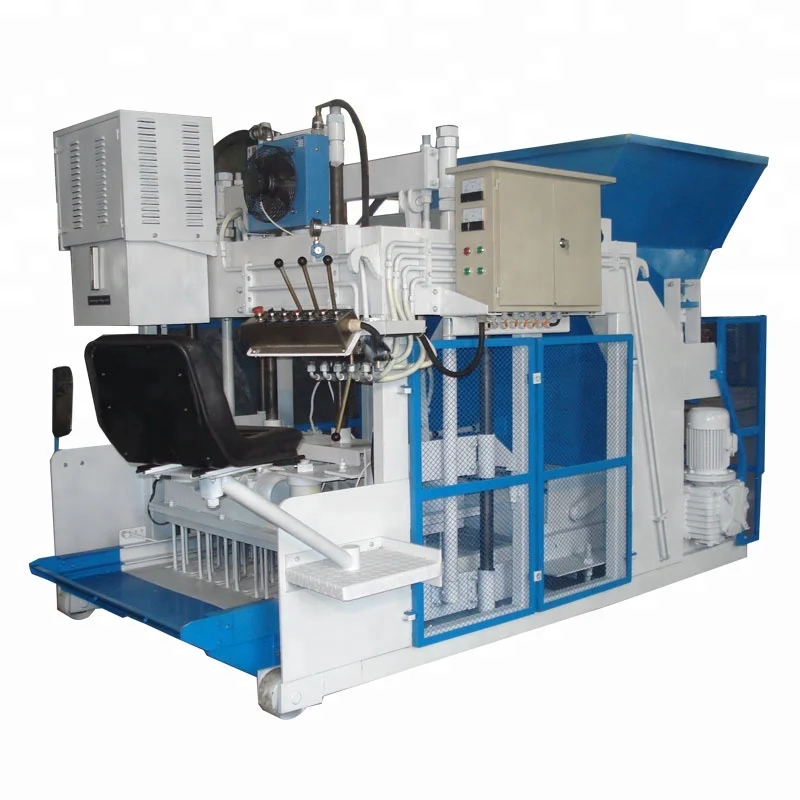
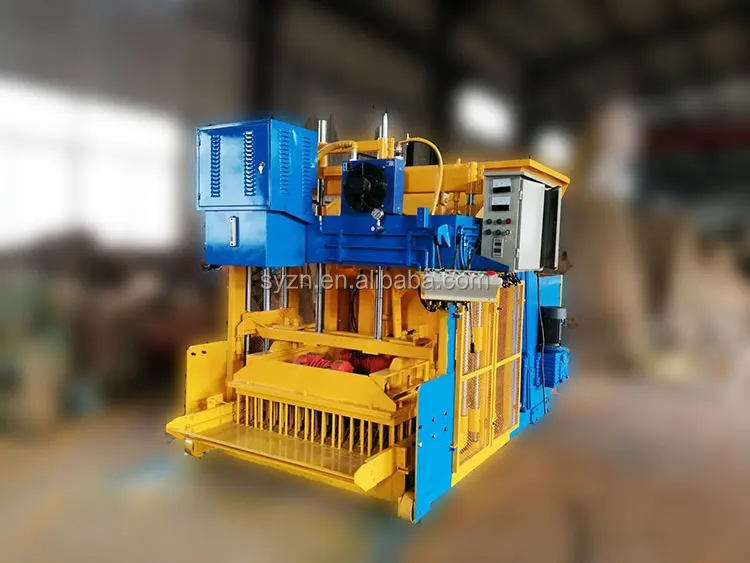
| Product Type | Mobile Egg Laying Block Making Machine |
| Overall Dimensions (L×W×H) | 3250×2100×2300 mm |
| Net Weight | 4200 kg |
| Total Power | 16 kW |
| Hydraulic System Pressure | 16–20 MPa |
| Vibration Mode | Three-dimensional mold vibration |
| Excitation Frequency | 3200 Hz (source value — verify against manufacturer catalog) |
| Moulding Method | Hydraulic demold, hydraulic turning |
| Molding Cycle | 10–15 s (basis not stated in source — confirm block format / material / thickness) |
| Mould Format Example | 12 pcs/mold for 400×200×200 mm hollow block |
| Moving Method | Automatic movement with hydraulic steering |
| Compressive Strength of Blocks | ≥15 MPa (source value — verify against mix design and aggregate) |
| Raw Materials | Fly ash, cinder, coal gangue, river sand, gravel, cement |
| Automation Level | Semi-automatic (operator-guided movement, automatic molding cycle) |
| Stacking Method | Manual (blocks cured on ground) |
| Voltage & Frequency | To be confirmed before order |
| Control System / PLC | To be confirmed before order |
| Pallet Size | Not applicable (egg laying machine deposits blocks directly on ground) |
| Warranty | 1 year (excluding spare parts) |
Application Suitability
| Application | Material or Output |
|---|---|
| On-site hollow block production for building contractors | River sand, gravel and cement laid directly on prepared ground |
| Porous brick and solid block runs for local masonry supply | Fly ash, cinder or coal gangue blended with cement |
| Road kerb and paving block formats for infrastructure projects | Crushed stone and cement with mould change on site |
| Grassing brick and interlocking paver for landscape contractors | Standard aggregate mixes with custom mould installation |
| First block plant for entrepreneurs with limited infrastructure | Local aggregate and cement without fixed plant investment |
What "15 Seconds per Cycle" Actually Means on the Ground
Cycle time only translates to daily output when the block format, mix design and ground conditions are all defined.
A mobile block machine quotation often states a single cycle time without naming the block format or the aggregate behind that number. I have stood on sites where the operator was chasing the daily target printed in the brochure, yet the local volcanic rock absorbed more water than the standard river sand the machine was originally tuned for. The mix came out stiffer, the vibration could not consolidate it in the quoted window, and hollow blocks cracked on demold. Real output dropped well below the expectation set at the point of sale [NEED_CITE: effect of aggregate density on block molding cycle]. When mobile block machine specifications are discussed, the cycle figure must always be anchored to a specific format and a specific material.
Matching Vibration to the Aggregate You Actually Source
Three-dimensional mold vibration is the core compaction method on this machine, and its effectiveness depends entirely on how well the excitation frequency and hydraulic pressure are set for the aggregate in your yard. A lightweight fly ash mix demands a different vibration profile than a dense crushed-gravel mix. Before the QMY12-15 leaves the factory, the vibration parameters should be matched to a sample of your raw material so that block density stays consistent from the first cycle to the last.
Hydraulic Demold and Turning for Consistent Density
The hydraulic demold and hydraulic turning system controls how the mould releases the freshly formed block and how the machine repositions for the next cycle. If the demold force is too abrupt on a low-cement porous brick mix, corners chip before the block gains early strength. If the hydraulic pressure is set too conservatively for a dense kerb stone format, the block stays in the mould too long and the cycle stretches beyond the quoted window. Both settings need to be verified during commissioning against the exact formats you plan to produce [NEED_CITE: hydraulic demold force settings for varying cement ratios].
Reading the Specs That Matter Beyond the Brochure
The 16–20 MPa hydraulic system pressure range gives the technician room to adjust for different block formats, from lightweight hollow blocks to denser solid pavers. The 16 kW total power figure tells you the generator or site supply must handle continuous draw plus start-up surge, a detail often overlooked until the machine trips a breaker on the first day. The 4200 kg net weight keeps the machine grounded during vibration, reducing the chance of the frame walking out of alignment on uneven ground. Mould format example shows 12 pieces per mould for a 400×200×200 mm hollow block, but that number changes the moment you switch to a smaller solid brick mould — always ask for the cycle time and pieces-per-mould figure for every format you intend to run.
The Hidden Cost of Skipping the Mix-Design Conversation
When vibration force and hydraulic pressure are not matched to the buyer’s mix design and local aggregate, block strength becomes inconsistent across a single production run. Contractors then face rejected deliveries, rework on site, and a reputation hit that costs more than any machine adjustment would have [NEED_CITE: block compressive strength variability and site rejection rates]. On an egg laying machine, the problem is amplified because blocks cure where they are deposited — there is no pallet conveyor carrying them to a controlled curing chamber where conditions could compensate for a poor mix.
Why Sourcing from a Single-Focus Block Machinery Supplier Matters
Shandong Shiyue Intelligent Machinery keeps block machines, moulds, pallets and handling equipment as its single product focus, which means the QMY12-15 is specified as a matched system rather than assembled from separate vendors. Configuration is set against the buyer’s actual mix design, local aggregate and target block format instead of a catalogue default. Mould design covers the formats the buyer’s market sells, including custom drawings when standard options do not fit. Automation level is selectable, so a buyer can begin with semi-automatic operation and add stacking or handling upgrades later. Installation support includes operator training on mould change and daily maintenance routines.
Documentation & Verification
- Line layout and capacity calculation stating the block format assumed for each output figure
- Mould drawing and format list confirming included block sizes and cycle time per format
- Hydraulic and electrical schematic matching the 16 kW power supply and 16–20 MPa pressure range
- Voltage, frequency and control language confirmation sheet signed before production begins
- Factory test record with block compressive strength results run against the buyer’s submitted mix design
Installation, Commissioning & Support
- Ground preparation must be level and compacted to support the 4200 kg machine weight during vibration cycles
- Power supply must deliver the confirmed voltage and frequency with a dedicated circuit rated above the 16 kW total draw
- Machine arrives in a state to be confirmed at order; plan for on-site assembly of hydraulic steering and mould components
- Commissioning includes setting hydraulic demold pressure and vibration frequency against the buyer’s local aggregate sample
- Operator training covers the semi-automatic molding cycle, hydraulic steering controls, and manual mould change procedure
- Wear parts list identifies hydraulic seals and mould liners with part numbers for first replacement ordering
What to Include in Your Inquiry
To receive a configuration proposal that reflects your actual production conditions, share the block formats you plan to sell, the daily output target for each format, and a description of the aggregate available in your area. Also confirm the voltage, frequency and plug type standard at your site, along with the language you need on the control display. If you already have a curing area or plan to move the machine between sites, describe those conditions so the proposal accounts for ground preparation and repositioning requirements.
Frequently Asked Questions
Q: How is daily output calculated for each block format?
A: Every output figure is tied to a named block size and a stated mix. The proposal lists pieces per mould and cycle time for each format you plan to produce. We do not quote a single cycles-per-hour number without naming the block it assumes, because a hollow block cycle differs from a solid paver cycle on the same machine.
Q: How do you match vibration and pressure to my local aggregate?
A: We ask for a sample or a detailed description of your aggregate, including density and moisture behaviour. Hydraulic pressure within the 16–20 MPa range and excitation frequency are then set before the factory test. The test runs your mix, and the resulting compressive strength is recorded and shared with you before shipment.
Q: What electrical information do I need to provide before ordering?
A: Voltage, frequency and plug type must be confirmed before production begins. The control system language is agreed at the same stage. Without these details the machine cannot be wired correctly, and commissioning delays are the usual result.
Q: Which spare parts should I order with the machine?
A: The documentation package includes a wear parts and mould list with part numbers. Hydraulic seals and mould liners are the first items buyers typically need. Ordering them with the initial shipment avoids waiting for international freight when the first replacement is due.
Q: What does on-site commissioning cover?
A: A technician checks hydraulic demold settings, vibration frequency and steering alignment on your prepared ground. Operator training covers the semi-automatic cycle, manual mould change and daily maintenance routines. Commissioning scope is confirmed in the proposal so both sides know what is included before the machine ships.