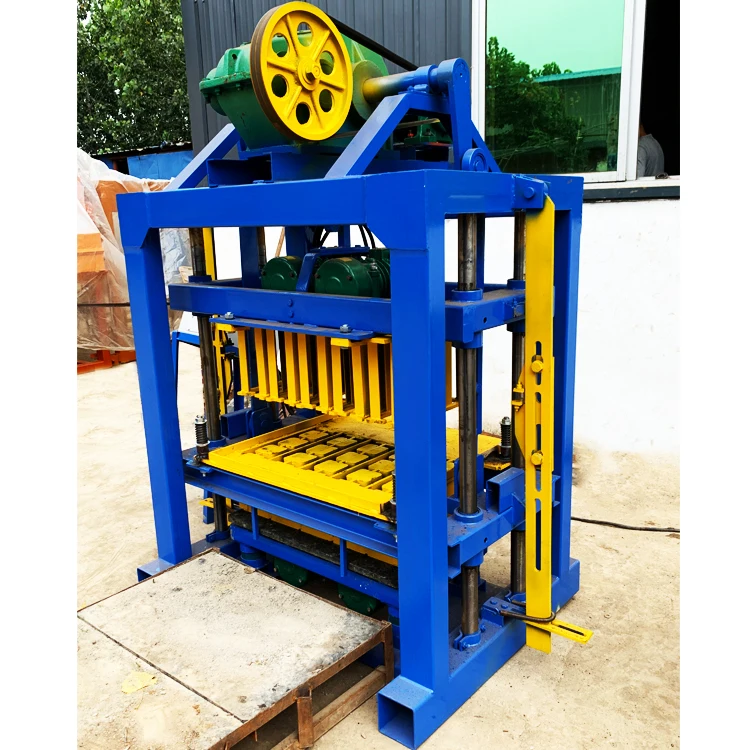
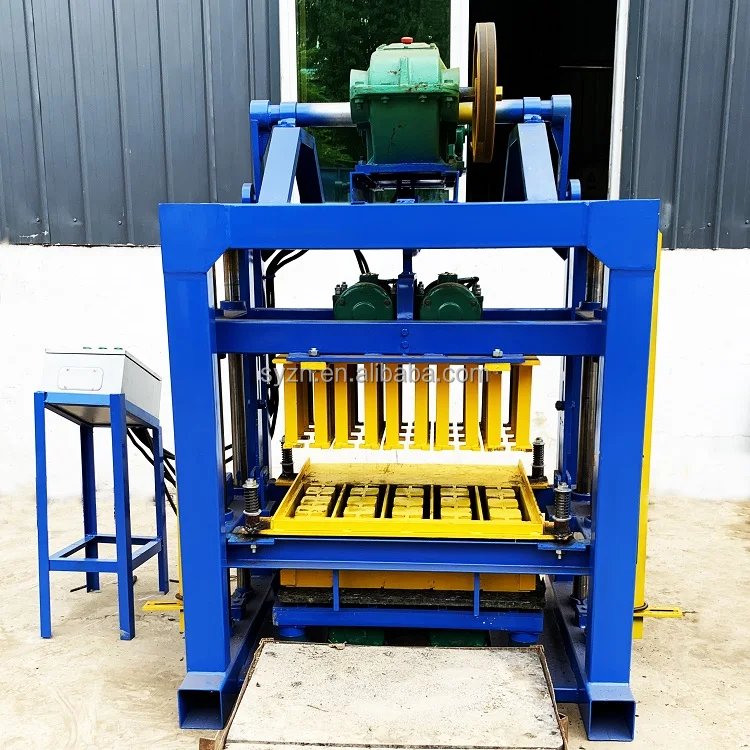
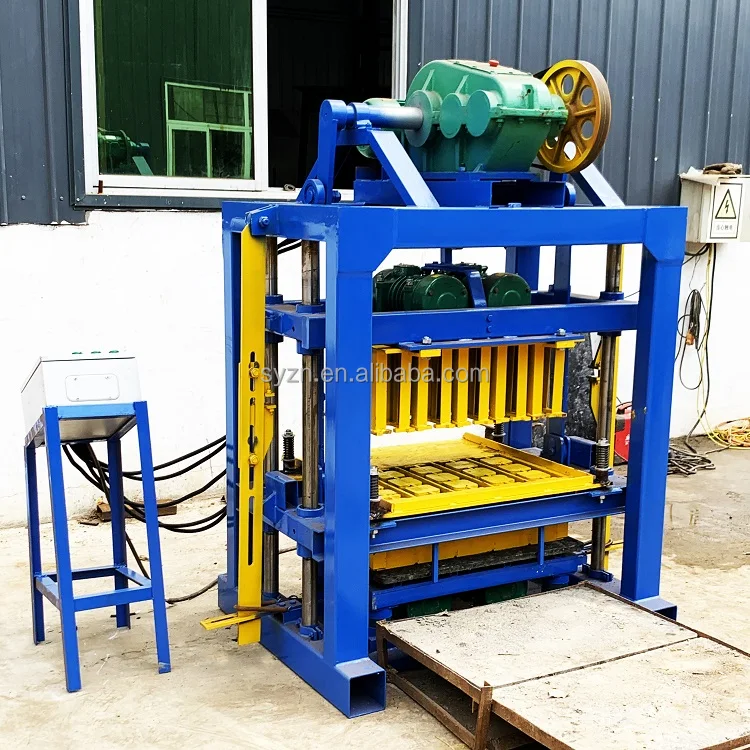
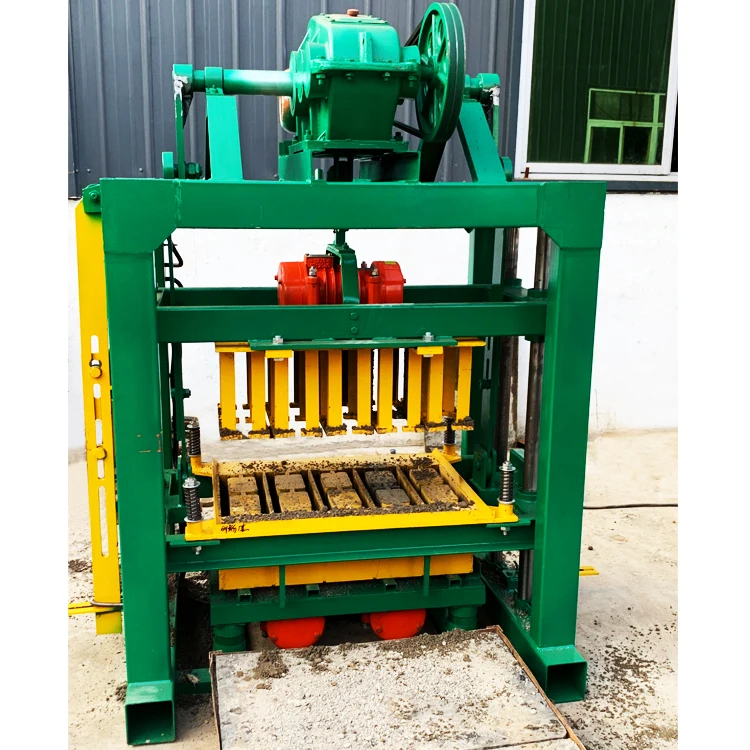
Description
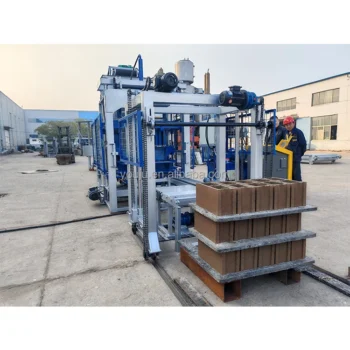
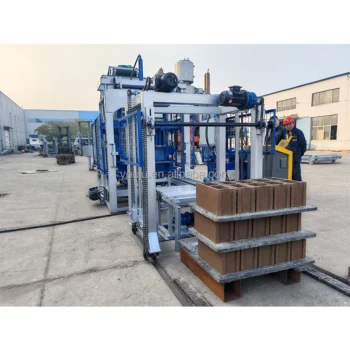
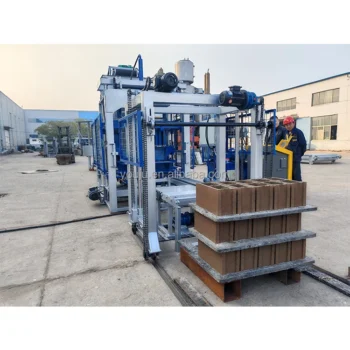
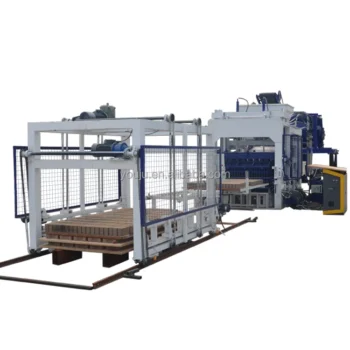
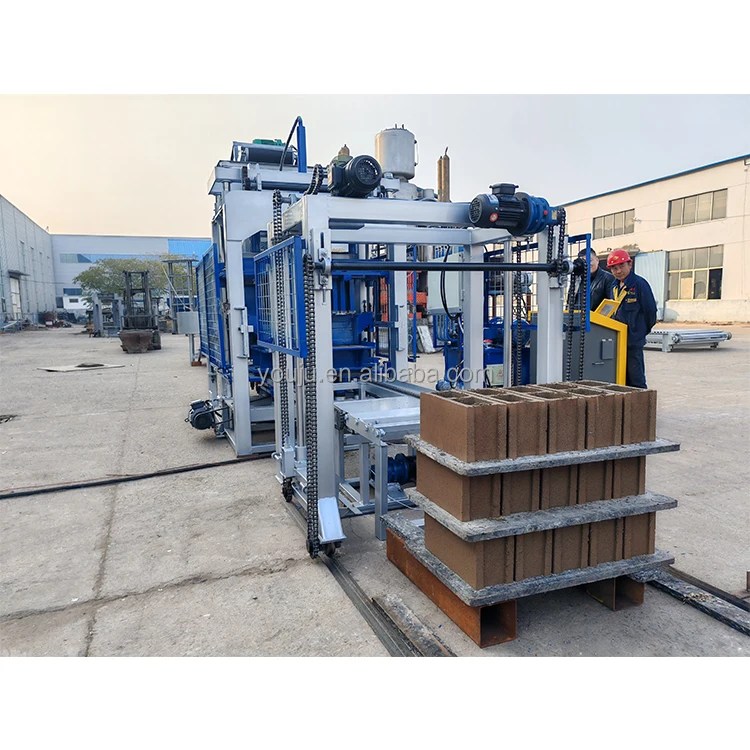
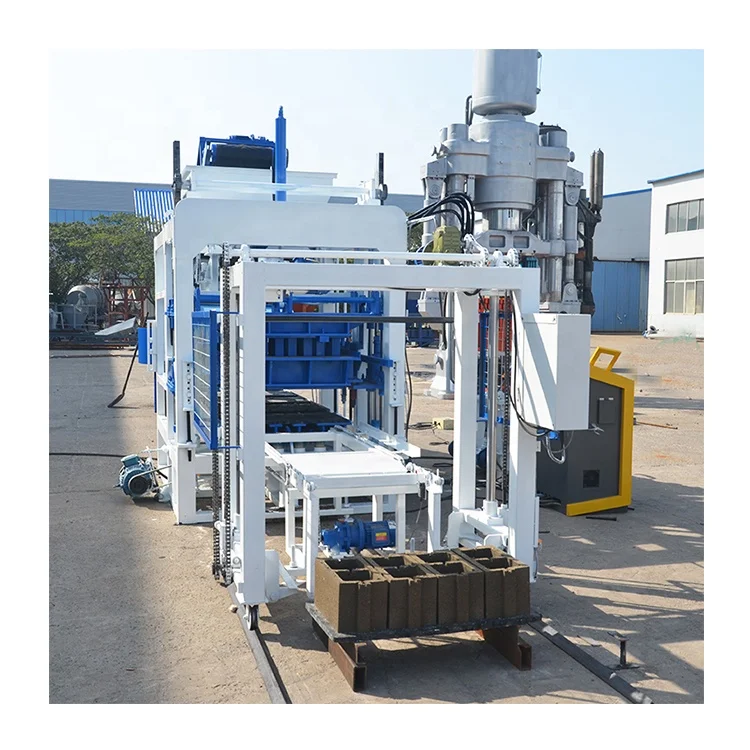
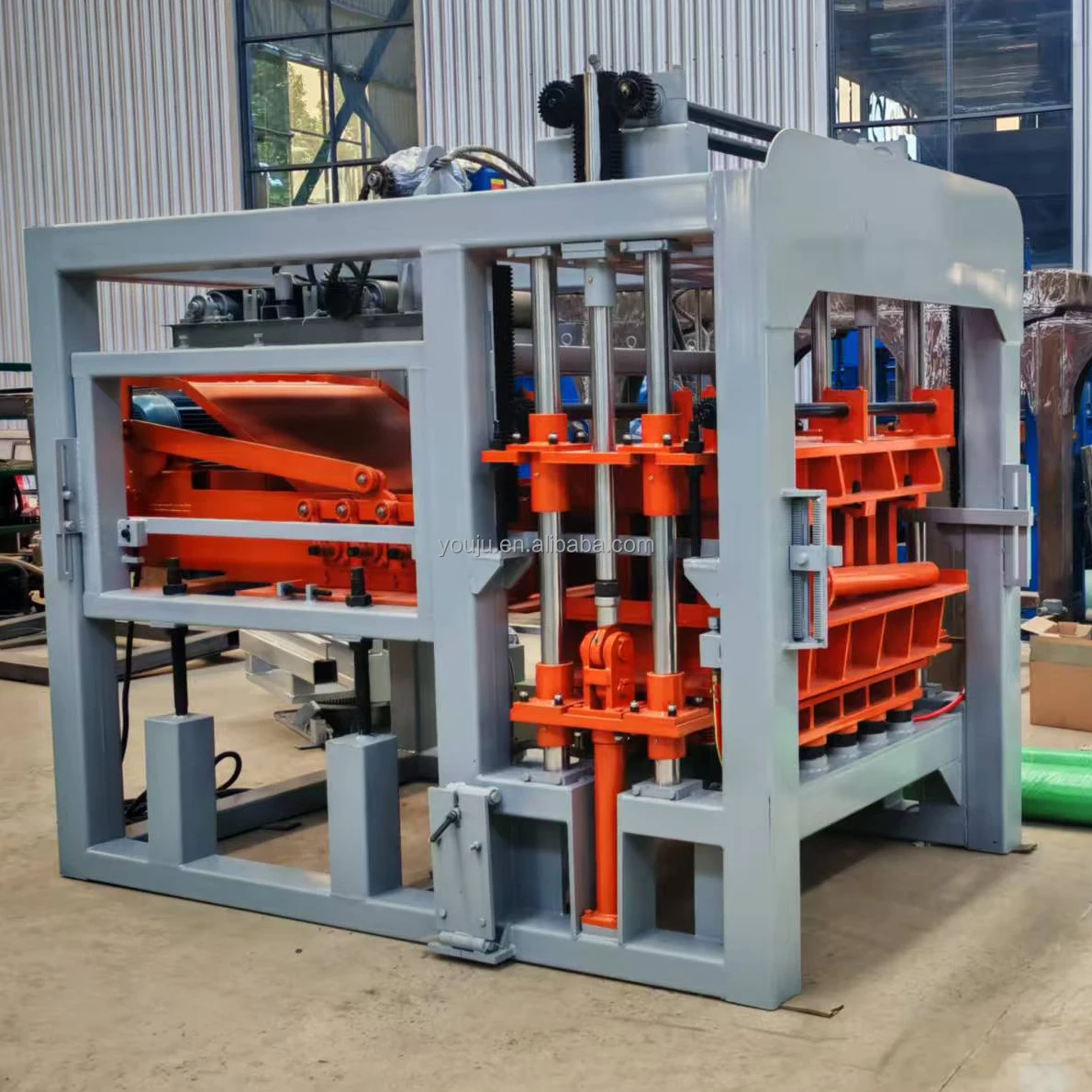
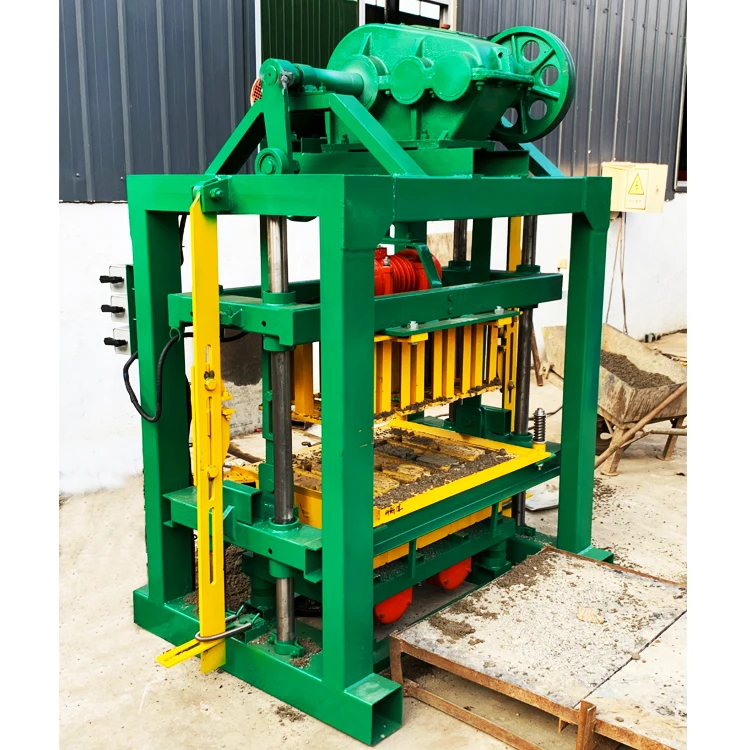
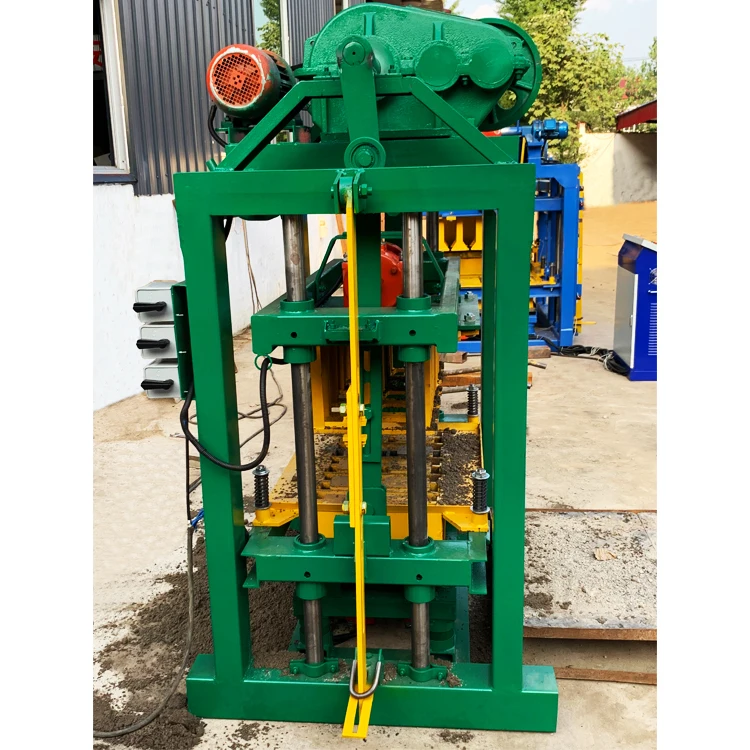
Honest Capacity per Format — QTJ4-40 Semi-Automatic Block Making Machine specifications are calculated against the exact block size you intend to produce, not a generic cycle count that masks real daily output.
Technical Specifications
| Parameter | Value |
|---|---|
| Model | QTJ4-40 |
| Product Type | Semi-Automatic Stationary Block Making Machine |
| Overall Dimensions (L×W×H) | 1350 x 1460 x 1800 mm |
| Machine Weight | 1.2 T |
| Rated Power | 10.4 kW |
| Molding Cycle | 40 s |
| Vibration System | Bed mould vertical vibration and upper mould compression vibration |
| Pallet Size | 850 x 450 x 20 mm |
| Pallet Material Options | Fiber glass or wooden (optional) |
| Voltage | Configurable to local supply |
| Automation Level | Semi-automatic |
| Block Formats Supported | Hollow (4–8 inch), solid, paver in all sizes |
| Output Capacity (Hollow 400×200×200 mm) | 360 pcs/hour, 2,880 pcs/day (4 pcs/mould) |
| Output Capacity (Hollow 400×150×200 mm) | 450 pcs/hour, 3,600 pcs/day (5 pcs/mould) |
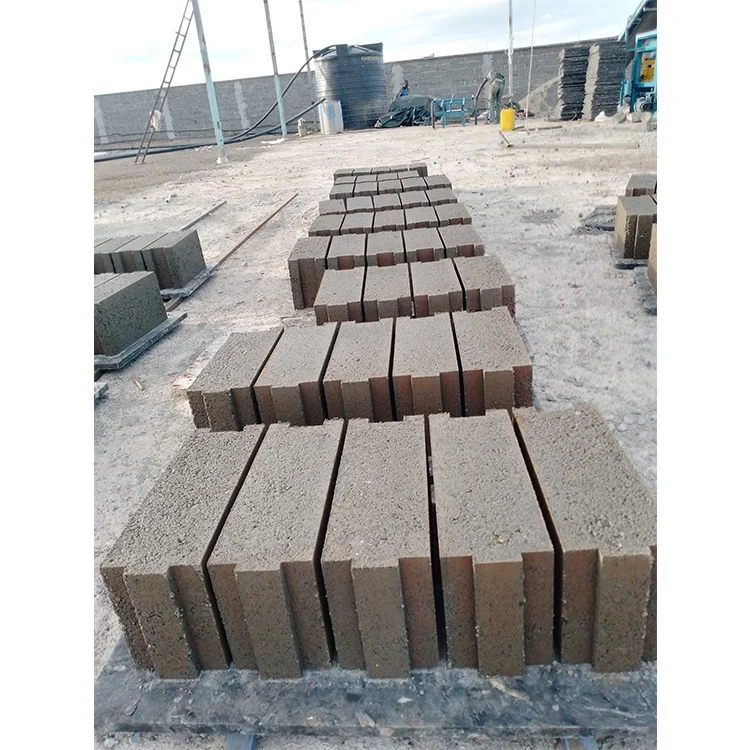
| Output Capacity (Solid 225×112.5×60 mm) | 800 pcs/hour, 6,400 pcs/day (9 pcs/mould) |
| Required Supporting Equipment | Mixer, host machine, block mould, pallets |
Application Suitability
| Application | Material or Output |
|---|---|
| Load-bearing hollow block production | Crushed stone, sand, cement for 8-inch and 6-inch hollow formats |
| Non-load-bearing partition block production | Fly ash, lime, gypsum blends for 4-inch and 5-inch hollow formats |
| Solid brick production for masonry walls | Concrete and sand mix for 225×112.5×60 mm solid format |
| Paving block production for walkways and yards | High-density concrete mix for interlocking paver formats |
| On-site block production for housing projects | Locally sourced aggregate with portable mixer setup |
Why "Pieces per Hour" Means Nothing Without the Block Format
A capacity figure detached from its block format is not a specification — it is a guess.
I have watched buyers sign contracts based on a single headline number, only to discover on the first production day that the machine’s real output for their actual product falls far short of what was quoted. The reason is straightforward: a mould producing four large hollow blocks per cycle delivers a completely different daily total than a mould producing nine small solid bricks, even though the cycle time remains the same. When Semi-Automatic Block Making Machine specifications are presented without stating the format behind each number, the buyer carries all the risk [NEED_CITE: common misrepresentation of block machine output in trade quotations].
Matching the Mould to Your Market’s Actual Demand
The QTJ4-40 supports hollow blocks from 4-inch to 8-inch, solid bricks, and pavers, but the critical step is selecting which formats your market actually buys. A machine configured with only one mould leaves you unable to respond when a contractor asks for a different size. We map your regional demand first, then specify the mould set and calculate capacity per format so your investment matches what you will actually sell.
Pallet Dimensions and Your Curing Infrastructure
The 850×450×20 mm pallet is the interface between the press and your curing area. If your existing racks or forklift are sized for a different pallet, every freshly pressed block becomes a handling problem. Before we confirm the pallet specification — whether fiber glass or wooden — we ask for your curing rack drawings and forklift fork width so the Semi-Automatic Block Making Machine specifications align with the infrastructure you already have [NEED_CITE: pallet handling mismatches causing production bottlenecks in small block plants].
Vibration, Pressure, and the Mix You Actually Source
Bed mould vertical vibration combined with upper mould compression vibration determines how densely the concrete is compacted inside the mould. Density directly controls block strength. But vibration force must be tuned to the mix design and local aggregate — a red laterite blend behaves very differently from washed quartz sand under the same vibration frequency. That is why we request a sample of your raw material before finalizing the vibration and pressure settings, rather than shipping a factory default that may produce cracked or weak blocks on your floor.
The Hidden Cost of Skipping Format-Level Planning
When a buyer selects a machine without confirming which block formats the quoted capacity assumes, the consequences cascade. Mould changes become frequent and unplanned, consuming hours that were allocated to production. Pallets ordered separately may not fit the curing racks, forcing manual restacking. Voltage mismatches discovered after arrival delay commissioning while transformers are sourced locally. Each of these issues is avoidable with a specification process that starts from the block format and works backward to the machine [NEED_CITE: commissioning delays caused by unconfirmed voltage and frequency in exported machinery].
Why Buyers Source This Machine From Shiyue
Block machinery is our single focus, so the QTJ4-40 is specified as a matched system — press, mould, pallet, and handling — rather than assembled from unrelated suppliers. Configuration is set against your local aggregate and target block format, not pulled from a catalogue default. Mould design covers the formats your market sells, with custom drawings available. Automation level is selectable, letting you start semi-automatic and add automatic pallet feeding or stacking later. Installation support includes on-site commissioning and operator training so the first production run meets your strength requirements.
Documentation & Verification
- Line layout and capacity calculation stating the block format assumed for each output figure
- Mould drawing and format list confirming included sizes and custom options
- Pallet specification with material and dimensions matched to your curing infrastructure
- Voltage and control language confirmation recorded before production begins
- Factory test record on your specified block format and mix before dispatch
Installation, Commissioning & Support
- Foundation pad leveled to within 3 mm across the 1350×1460 mm machine footprint
- Dedicated 10.4 kW circuit with voltage matched to your local supply confirmed before wiring
- Pallet track aligned to curing rack height to eliminate manual restacking at discharge
- First-run vibration frequency and pressure adjusted using your actual raw material sample
- Operator training covers mould change procedure, daily lubrication points, and pallet inspection
- Wear parts list with hydraulic seal and vibration motor part numbers for local sourcing
What We Need to Size Your Line Correctly
Send us the block formats your market demands, the daily volume you need per format, and a sample of your local aggregate. Confirm your site voltage, frequency, and the language your operators read. If you have existing curing racks or forklifts, share their dimensions so the pallet and handling specification fits from day one.
Frequently Asked Questions
Q: How is output capacity calculated per block format, and what is the realistic daily production?
A: Each output figure on the QTJ4-40 is tied to a specific block size and mould cavity count. For example, the 400×200×200 mm hollow block uses a 4-cavity mould and yields 2,880 pieces per eight-hour shift. We provide a capacity table listing every format you plan to produce so you can plan against real numbers, not a single unqualified headline.
Q: Which mould formats are standard, and can I order custom moulds?
A: Standard moulds cover common hollow sizes from 4 to 8 inch, solid bricks, and several paver profiles. If your market sells a format outside this range, we design and manufacture custom moulds to your drawings. Every mould is tested on the QTJ4-40 before shipment to confirm cycle time and block dimensions.
Q: What pallet size and material should I choose for my curing setup?
A: The QTJ4-40 uses an 850×450×20 mm pallet in either fiber glass or wooden construction. The right choice depends on your curing rack slot width, forklift fork dimensions, and local humidity. We review your curing area layout before confirming the pallet material to prevent handling conflicts after installation.
Q: How long does a mould change take, and does it need special tools?
A: A trained operator can swap moulds on the QTJ4-40 using standard hand tools within a timeframe that depends on the mould weight and alignment pins. We include a mould change procedure in the operator training session so your team can switch formats without losing an entire shift to trial and error.
Q: How do I confirm voltage, frequency, and control language before shipment?
A: During the quotation stage we record your site voltage, frequency, and preferred control panel language. These details are printed on the electrical schematic and confirmed again during the factory test, so the machine arrives ready to connect without additional transformers or panel relabeling.