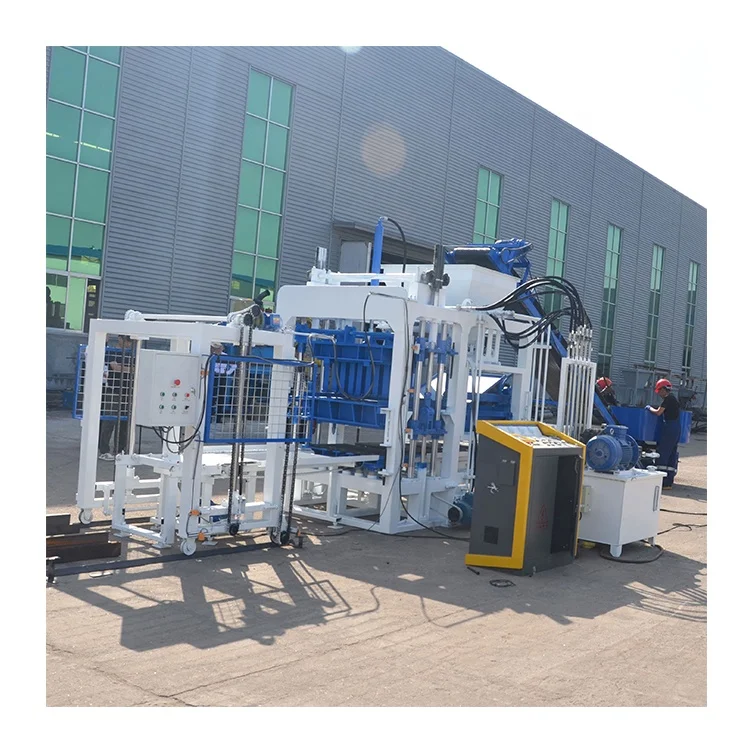
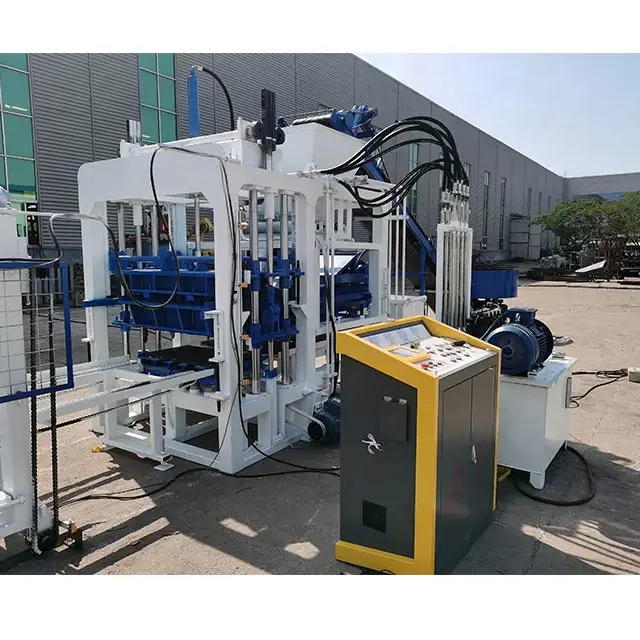
Description
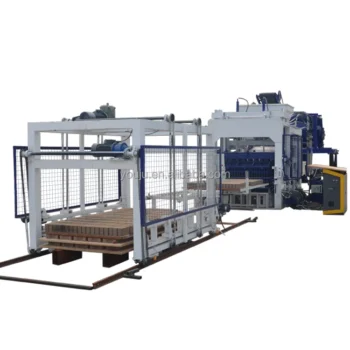
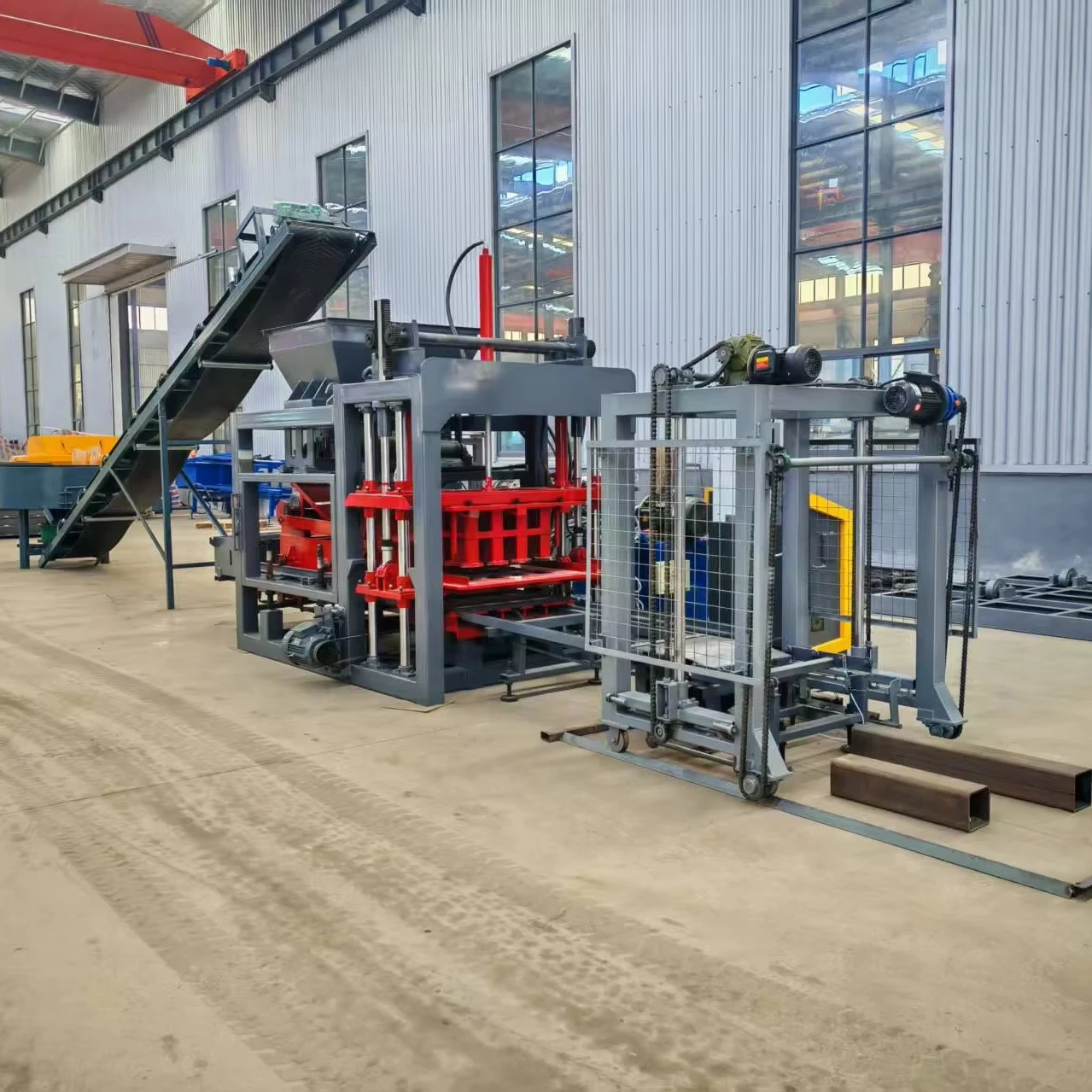
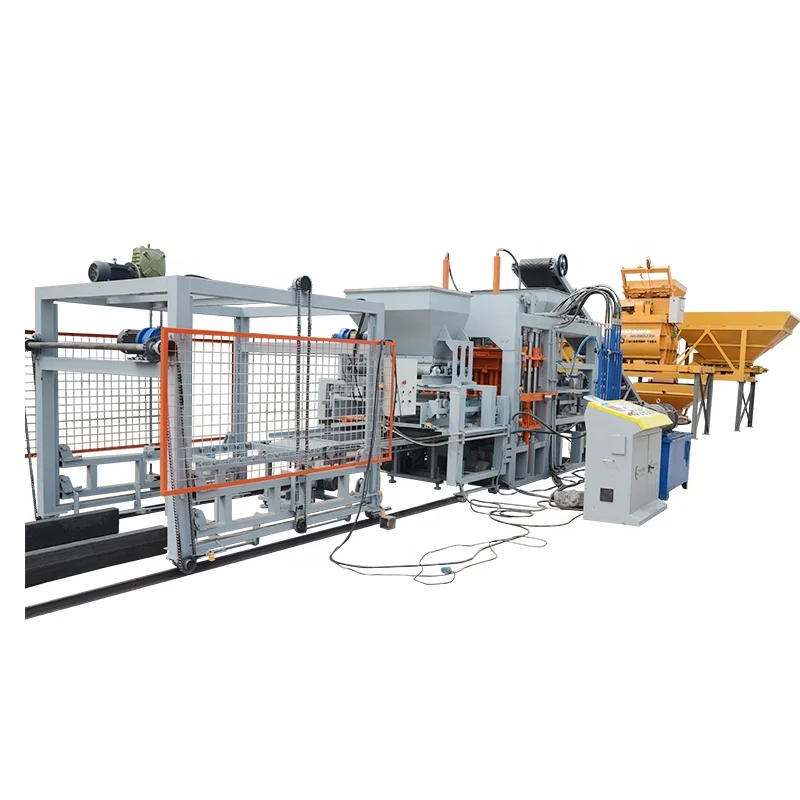
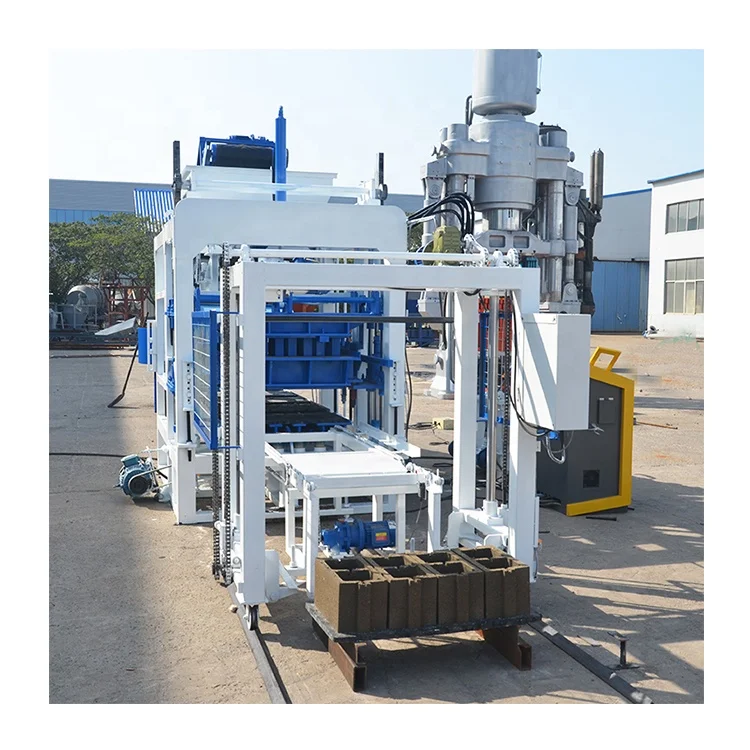
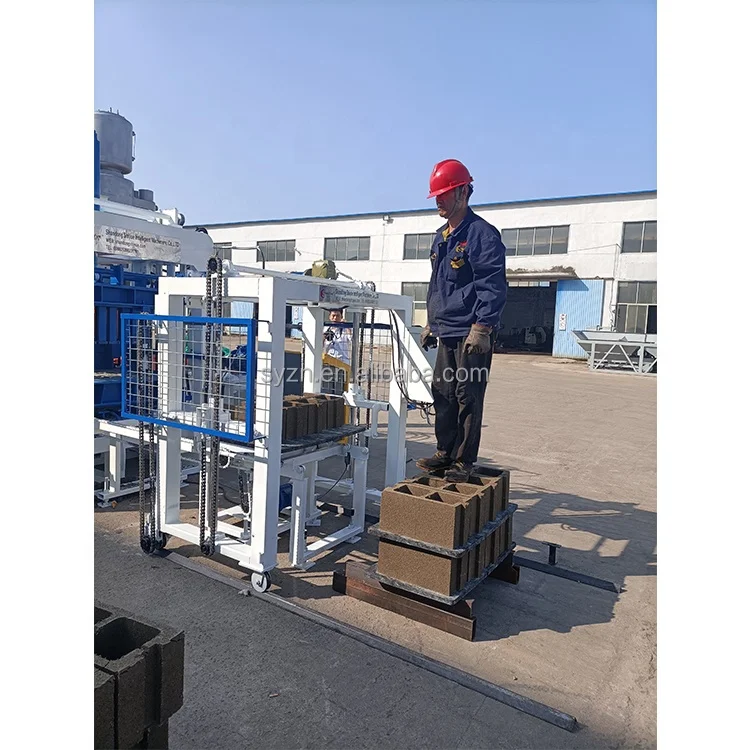
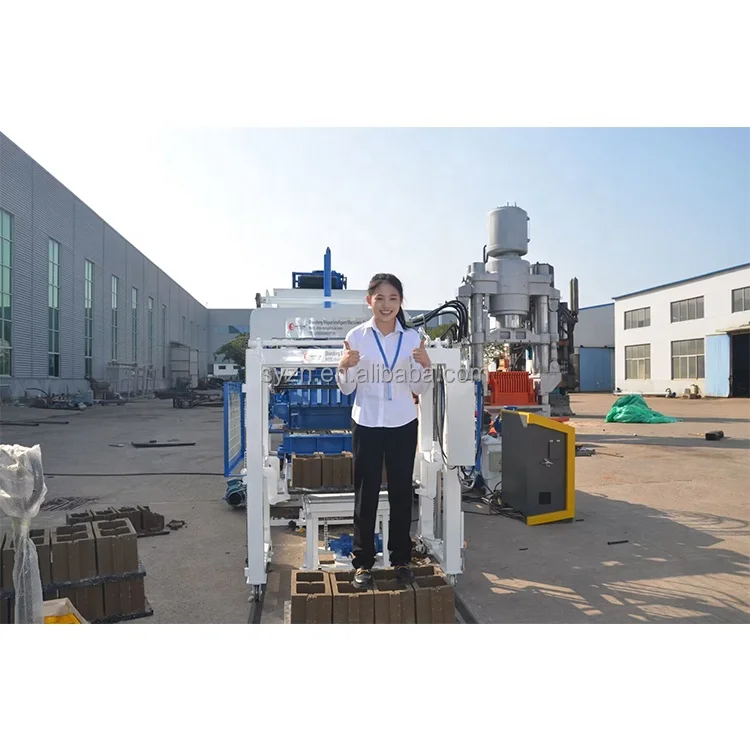
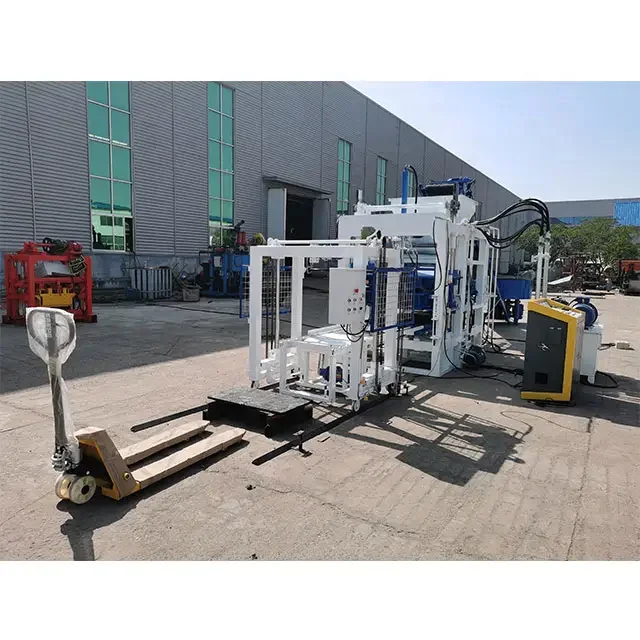
Pallet and Press Matched — The QT4-15A is specified so the 880×550 mm pallet, vibration force and hydraulic pressure align with the buyer’s actual block format and curing layout.
Technical Specifications
| Parameter | Value |
|---|---|
| Model | QT4-15A |
| Product Type | Automatic Hydraulic Block Making Machine |
| Overall Dimensions (L×W×H) | 4100×1600×2600 mm |
| Rated Pressure | 16–21 MPa |
| Main Vibration Form | Platform Vibration |
| Vibration Frequency | 4200 r/min |
| Vibration Force | 55 kN |
| Pallet Size | 880×550 mm |
| Molding Cycle | 25–30 s (basis to be confirmed per block format) |
| Overall Power | 18.45 kW |
| Total Mass | 4 T |
| Demolding Method | Hydraulic |
| Factory Area Required | 300 m² |
| Automation Level | Fully automatic |
| Loading | 1×40HQ container (basic equipment) |
| Warranty | 1 year (excluding spare parts) |
Application Suitability
| Application | Material or Output |
|---|---|
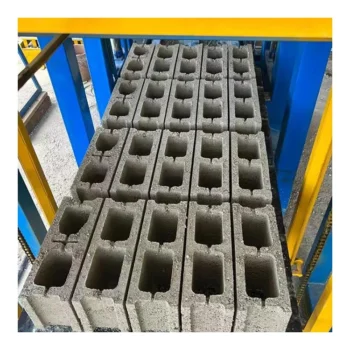
| Hollow block production | Crushed stone, sand, cement, fly ash |
| Solid block production | Gravel, sand, cement, slag |
| Paving block and colored paver production | Fine aggregate, cement, pigment |
| Interlocking block production | Sand, crushed stone, cement |
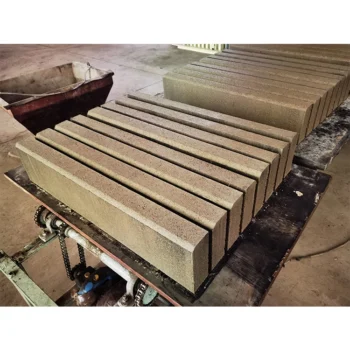
| Curbstone production | Coarse aggregate, cement |
What "25–30 Seconds per Cycle" Actually Means for Your Output
Cycle time only matters when tied to the block format, mould layout and material being pressed.
Catalogue sheets often quote a single cycle time for the automatic hydraulic block making machine specifications without naming the block size or mix behind it. A 25-second cycle on a thin paver does not translate to the same rhythm on a 200 mm hollow block. I have seen buyers plan daily output around the fastest figure and then lose a full shift once their local aggregate forces a longer press stroke [NEED_CITE: block cycle time variation by format and aggregate grading]. Matching cycle time to the exact mould and mix avoids that planning gap.
Mould Format and Realistic Daily Output
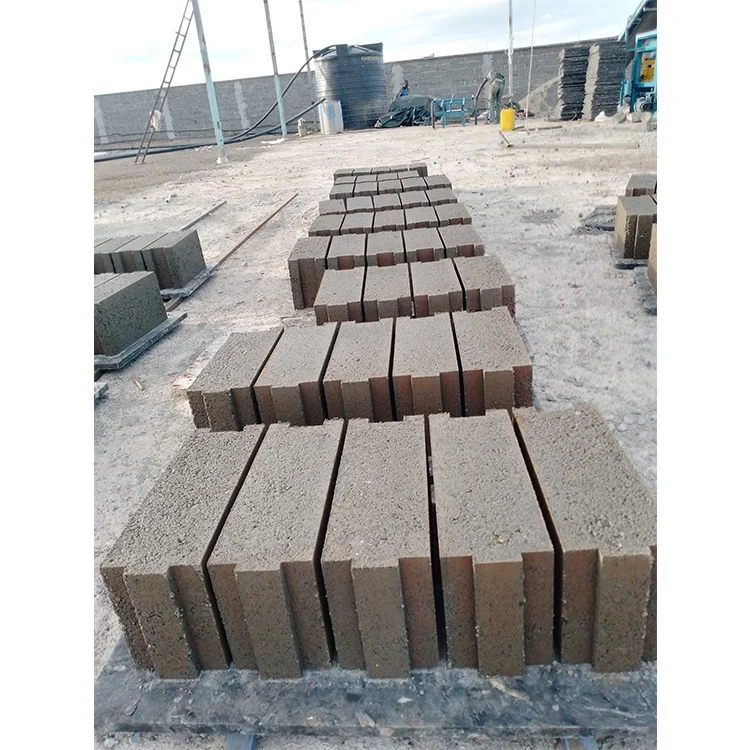
The QT4-15A accommodates hollow block, solid block, paver, interlocking block and curbstone formats through interchangeable moulds. Each format changes the number of cavities on the 880×550 mm pallet, which directly sets the pieces-per-cycle figure. Daily output should therefore be quoted per format — a single cycles-per-hour claim cannot cover all five. Buyers are encouraged to ask for a capacity sheet that names the block dimensions behind every output number.
Matching Vibration Force to Local Aggregate
The 55 kN vibration force works alongside 16–21 MPa hydraulic pressure to compact the mix inside the mould cavity. When local aggregate contains high fines or moisture, the same force setting may leave under-compacted cores in hollow blocks or weak edges on pavers. Adjusting vibration frequency around the 4200 r/min baseline and tuning the hydraulic pressure within the rated range brings density back in line [NEED_CITE: vibration and pressure tuning for high-fines aggregate]. This step is done during on-site commissioning, not left to the operator to guess.
Reading the Key Numbers for Stationary Plant Design
Platform vibration at 4200 r/min delivers uniform energy across the full pallet area, which helps maintain consistent wall thickness in hollow blocks and surface finish on pavers. The 16–21 MPa pressure range gives enough headroom to handle both lightweight fly ash mixes and dense gravel blends without changing hydraulic hardware. An 18.45 kW power draw keeps the machine within a standard industrial supply circuit, though the exact voltage and frequency must be confirmed against the buyer’s site before the control panel is wired. The 4-tonne mass means a level concrete foundation is necessary; a compacted gravel base alone will allow frame deflection that shows up as uneven block height.
The Cost of Overlooking Pallet and Curing Compatibility
When pallet size is chosen without checking the buyer’s existing curing racks and forklift, the result is double handling: blocks must be re-stacked manually before they enter the curing area. I have watched plants lose hours each day because the pallet did not fit the rack spacing already built on site [NEED_CITE: pallet-to-curing-rack compatibility in block plants]. The 880×550 mm pallet on this automatic hydraulic block making machine specifications should be cross-checked against rack width and forklift tine length before the order is finalised.
Why Buyers Keep Coming Back for a Second Line
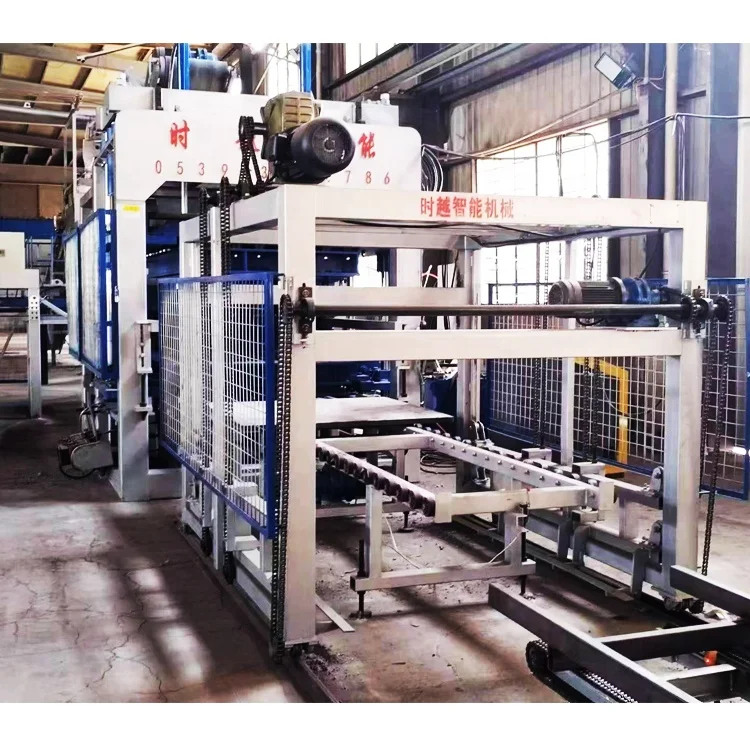
Block machinery is the only product focus here, so the press, mould, pallet and handling equipment are specified as one system rather than sourced separately. Configuration starts from the buyer’s actual mix design and target block format instead of a default catalogue page. Moulds are available to buyer drawings, covering the formats the local market actually purchases. Automation level is selectable, allowing a semi-automatic start with a defined upgrade path. Installation support includes operator training on the exact formats being produced.
Documentation & Verification
- Line layout showing capacity per block format with pallet flow direction
- Mould drawing and format list confirming included and optional moulds
- Pallet specification matched to curing rack and forklift dimensions
- Voltage, frequency and PLC language confirmation sheet before production
- Factory test record on the buyer’s chosen block format
- Operation and maintenance manual with wear parts list
Installation, Commissioning & Support
- Level concrete foundation sized to the 4100×1600 mm footprint and 4-tonne mass
- Dedicated power circuit matching the confirmed voltage and 18.45 kW load
- Machine arrives in one 40HQ container; reassembly supervised on site
- First-run tuning of vibration frequency and hydraulic pressure to local aggregate
- Operator training covering mould change, daily checks and safety interlocks
- Wear parts and mould availability list supplied at handover
Preparing Your Inquiry
Share the block formats your market sells, along with dimensions and target daily volume for each. Include a sample or description of the local aggregate and cement type so the mix can be reviewed before the mould is built. Confirm the site voltage, frequency and preferred control language to avoid delays once the automatic hydraulic block making machine specifications are locked.
Frequently Asked Questions
Q: How is cycle time and daily output calculated for each block format on the QT4-15A?
A: Cycle time depends on the block height, material fill depth and compaction requirement of each format. A thin paver may complete in the lower end of the range, while a tall hollow block needs a longer press stroke. Daily output is therefore quoted per format, listing cavities per pallet and cycles per shift, so the buyer sees a realistic figure instead of a single generic claim.
Q: Which mould formats are included as standard and which require custom design?
A: Standard moulds typically cover common hollow block and solid block dimensions. Paver, interlocking block and curbstone formats may require custom design to the buyer’s drawings. A format list is provided with the quotation so the buyer knows exactly which moulds ship with the machine and which are optional additions.
Q: How do vibration force and hydraulic pressure need to match my local aggregate?
A: High fines or moisture in local aggregate can reduce compaction efficiency. The 55 kN vibration force and 16–21 MPa pressure range give a tuning window. During commissioning, both parameters are adjusted against trial blocks until density and strength meet the buyer’s target, rather than relying on a single factory preset.
Q: Is the 880×550 mm pallet compatible with my existing curing racks and forklift?
A: The pallet size must align with rack spacing and forklift tine length already on site. Buyers are asked to share curing area drawings and forklift specifications before the order. If the existing setup does not match, alternative pallet dimensions or rack modifications can be discussed early to avoid double handling.
Q: What voltage, frequency and PLC language options are confirmed before shipment?
A: Voltage, frequency and control display language are confirmed in writing before production begins. This prevents delays during commissioning caused by mismatched power supplies or unreadable screens. The buyer signs off on these details as part of the order documentation package.