Description
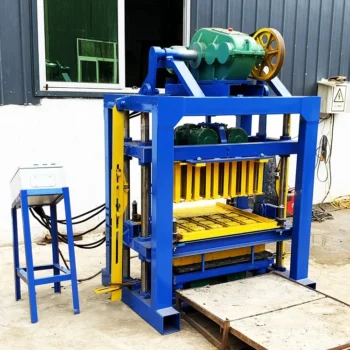
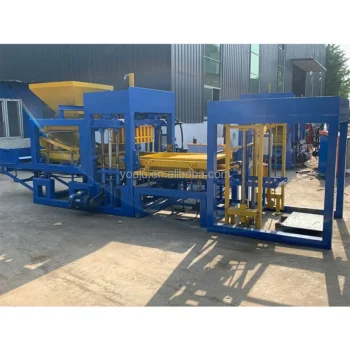
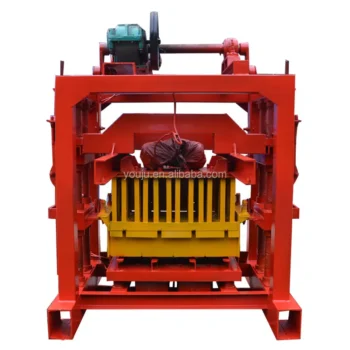
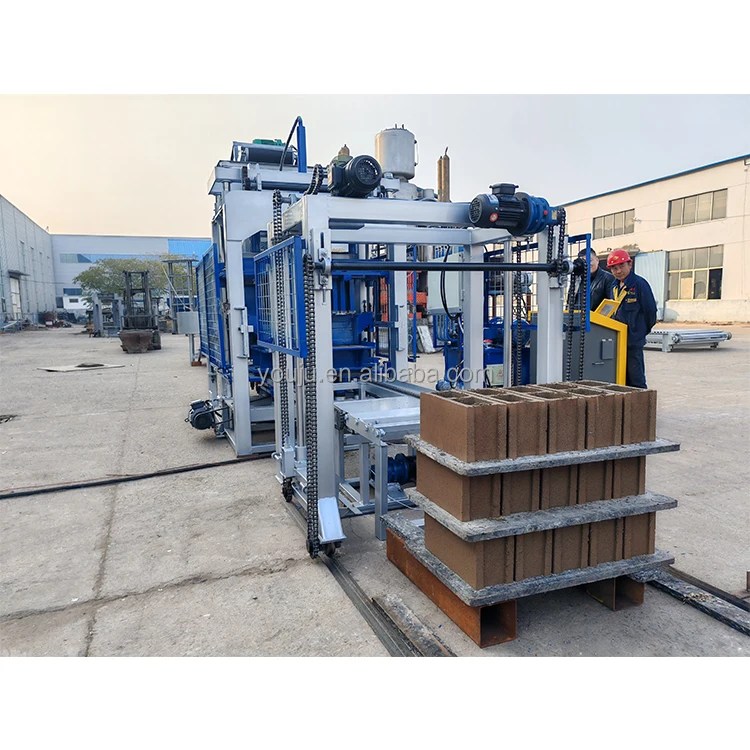
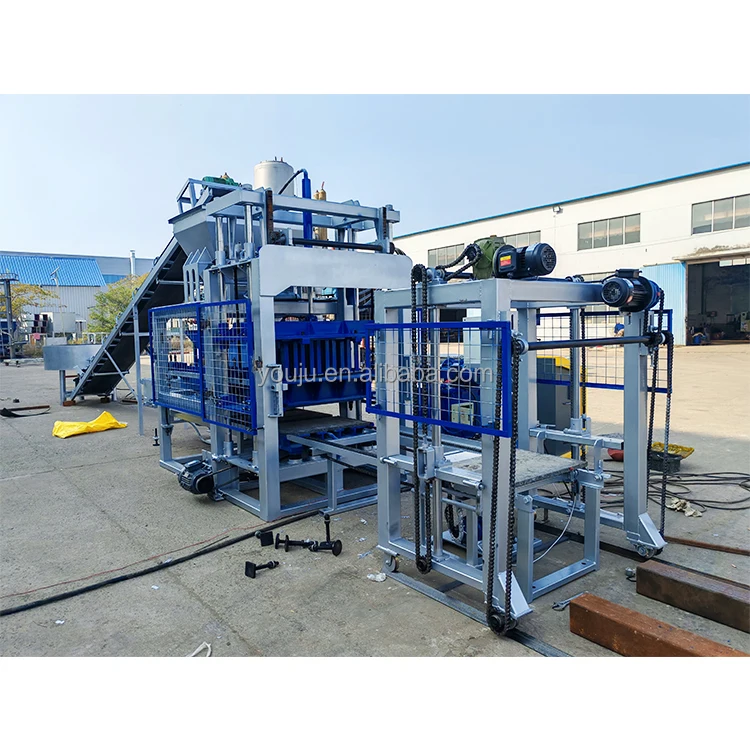
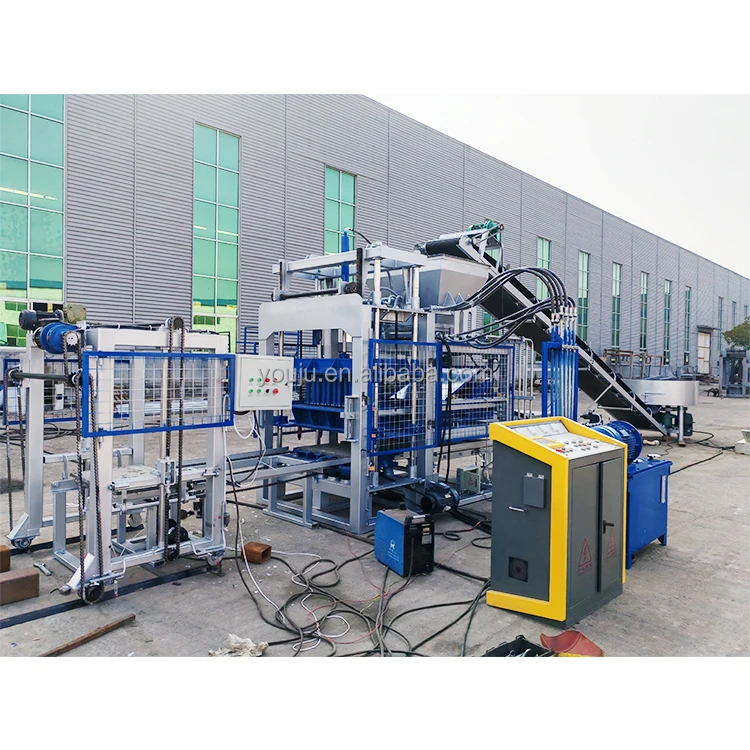
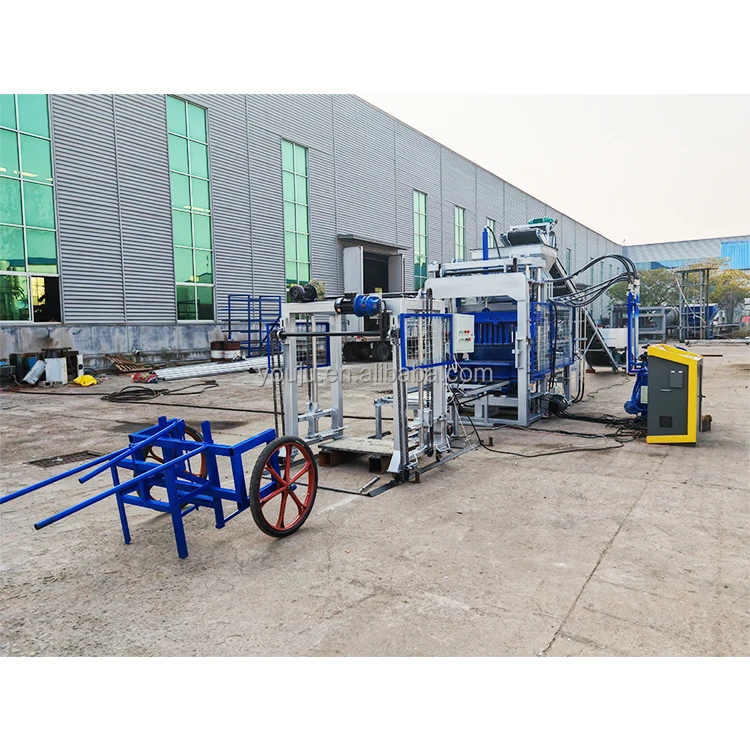
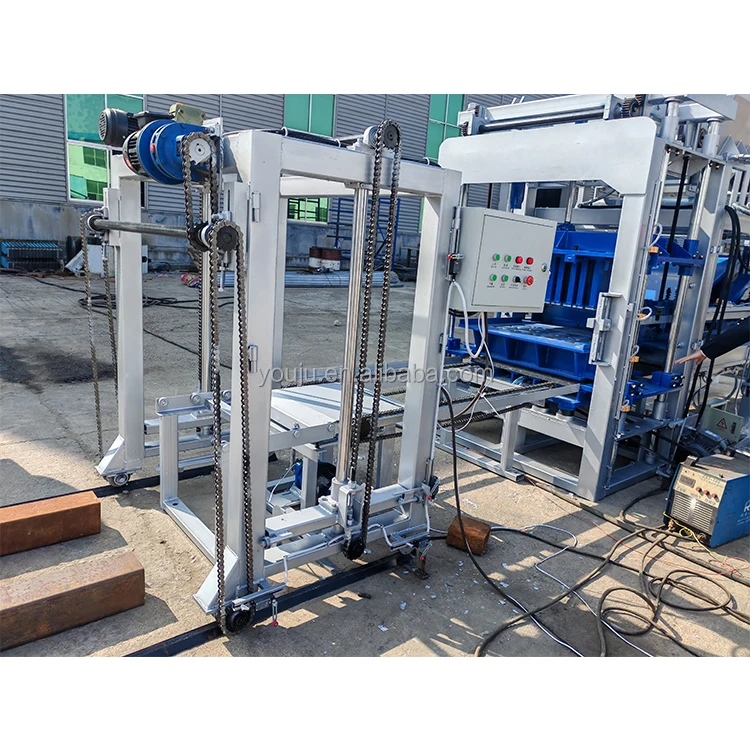
Matched system supply — the QT4-15 block machine, its 900×500 mm pallets, and hydraulic moulds are specified together against your local aggregate, not sourced from separate catalogues and assembled on site.
Technical Specifications
| Parameter | Value |
|---|---|
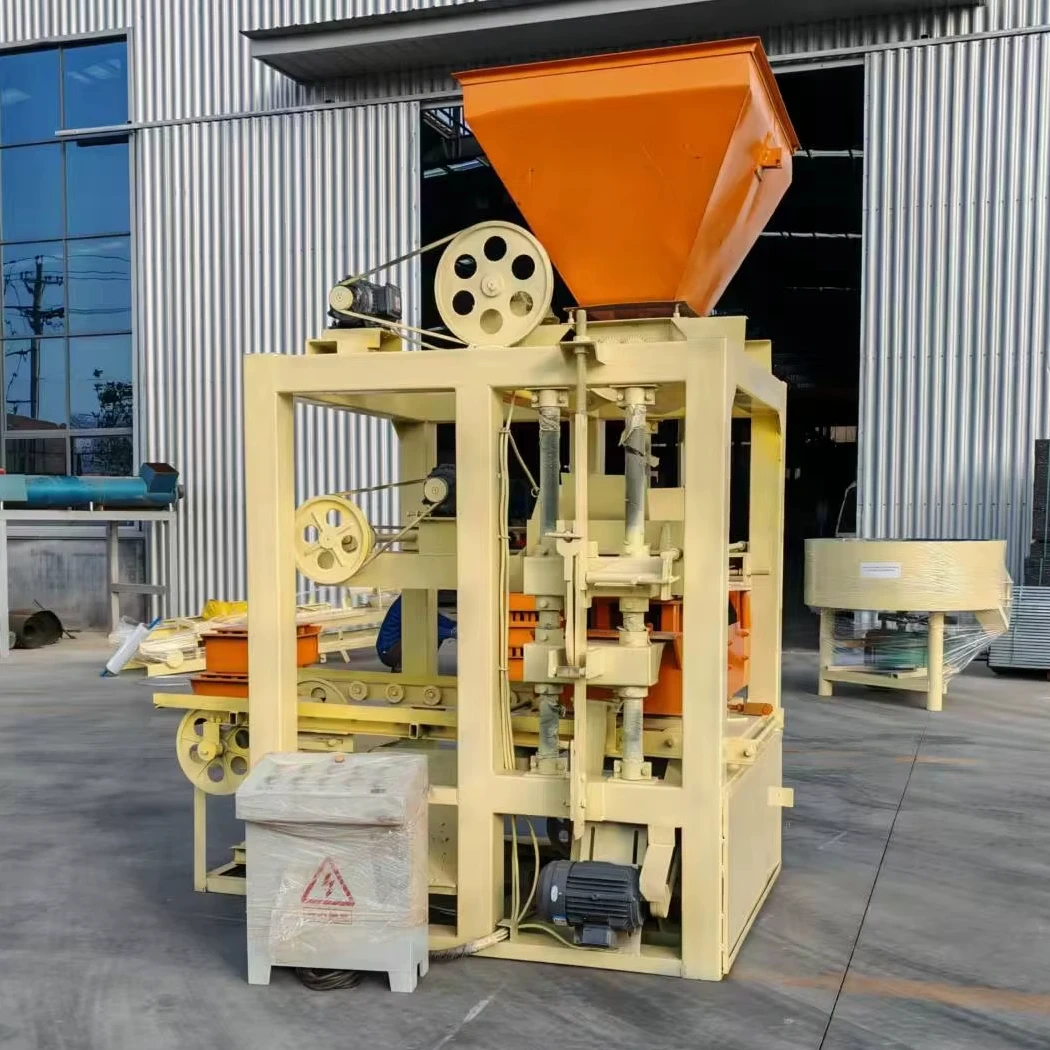
| Product Type | Automatic Hydraulic Block Making Machine |
| Model | QT4-15 |
| Molding Cycle | 15–30 seconds depending on block format |
| Pallet Size | 900 × 500 mm |
| Vibration Type | Platform vibration |
| Vibration Frequency | 50–70 Hz |
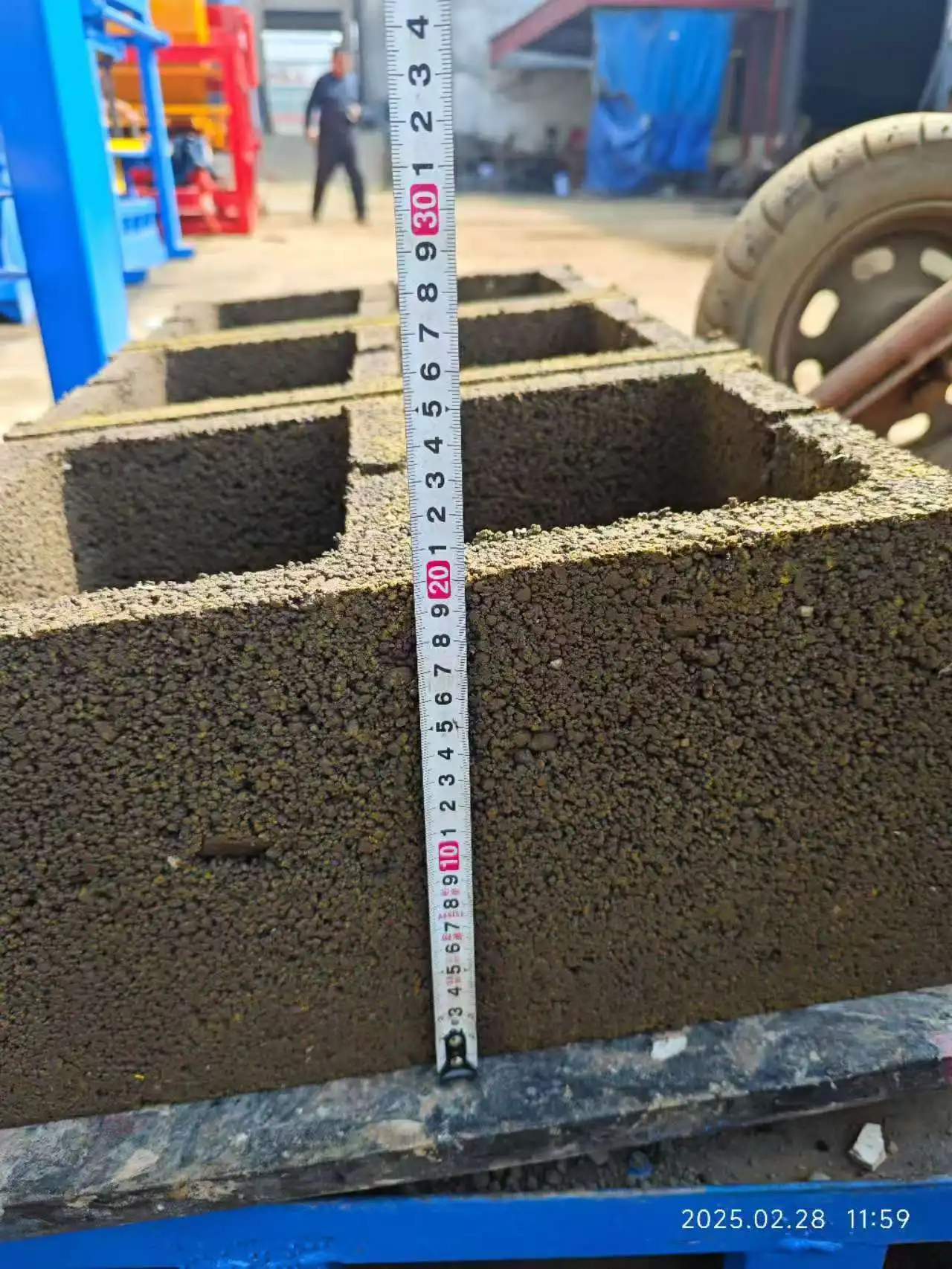
| Product Height Range | 50–220 mm |
| Overall Power | 24.5 kW |
| Demolding Method | Hydraulic |
| Control System | PLC |
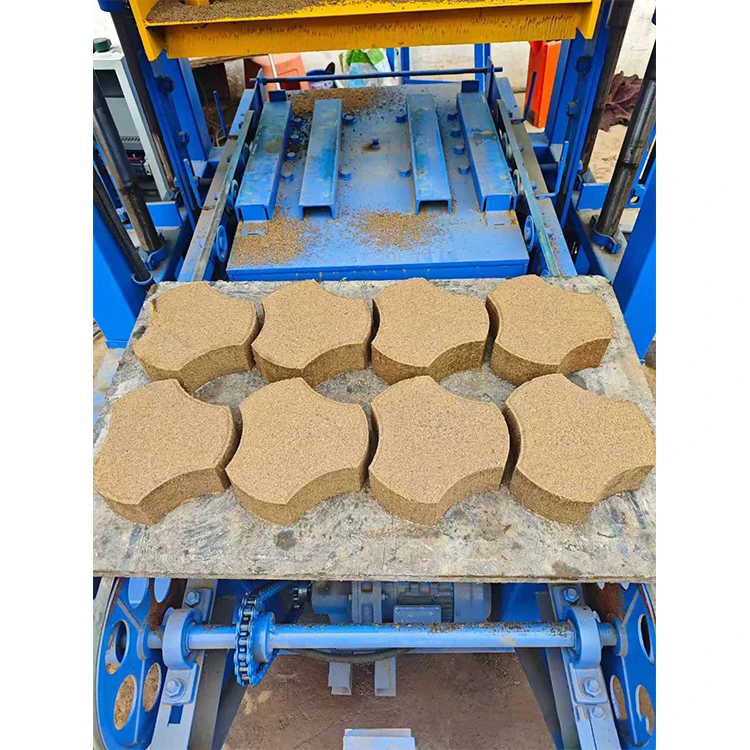
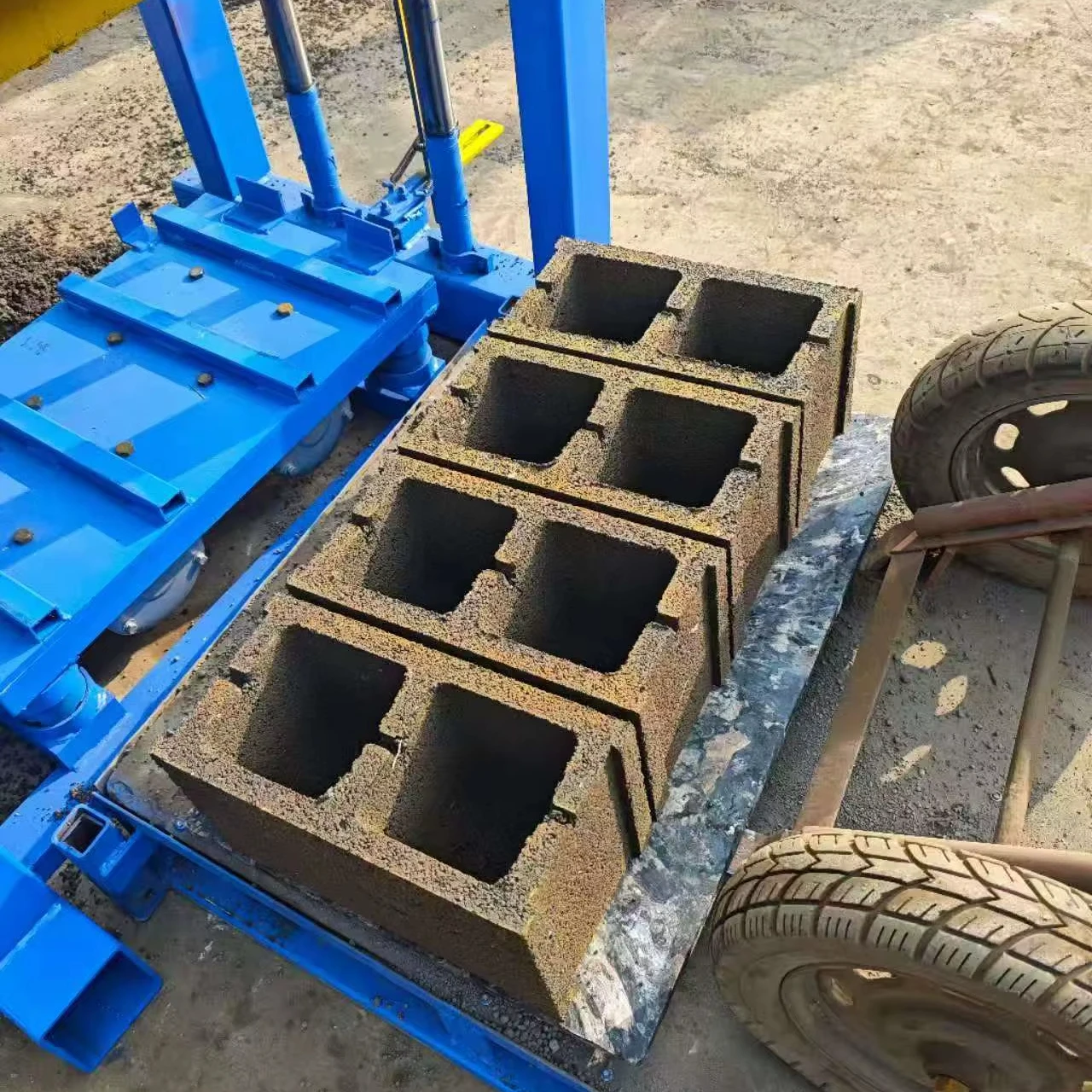
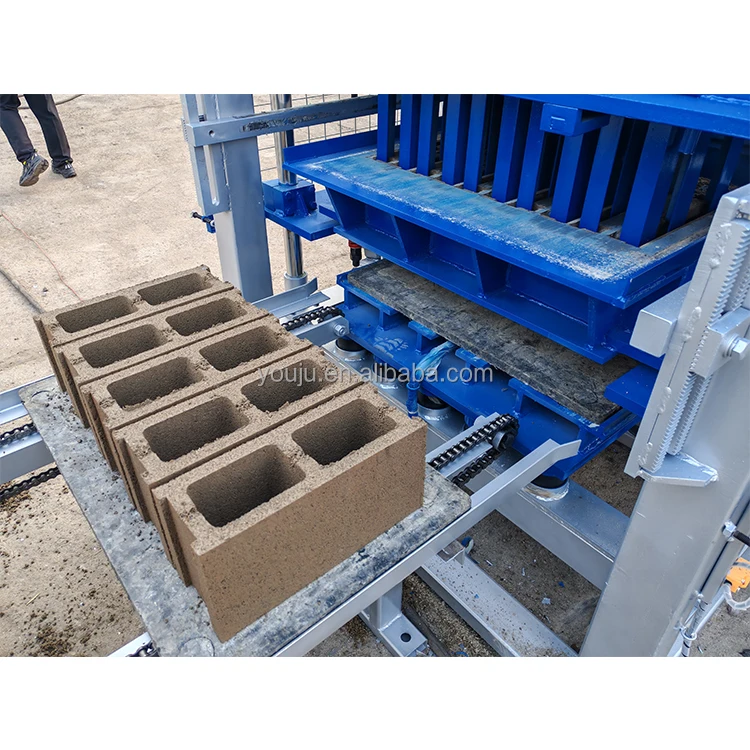
| Mould Format | Hollow block, paver brick, solid brick |
| Raw Materials | Fly ash, slag, gangue, sand, crushed stone, cement, water |
| Block Compressive Strength | >15 MPa |
| Automation Level | Automatic (PLC controlled, hydraulic powered, approach switch monitoring) |
| Output (400×200×200 mm hollow block) | 900–1,200 pcs/hour, 7,200–9,600 pcs/8-hour shift |
| Output (400×150×200 mm hollow block) | 1,080–1,440 pcs/hour, 8,640–11,520 pcs/8-hour shift |
| Output (400×100×200 mm hollow block) | 1,440–1,920 pcs/hour, 11,520–15,360 pcs/8-hour shift |
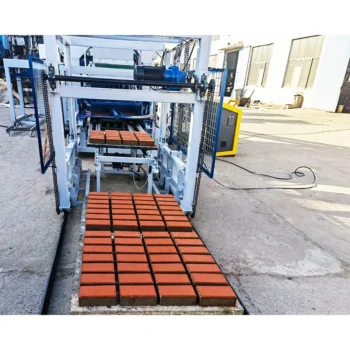
| Output (200×100×60 mm paver) | 2,880–3,840 pcs/hour, 23,040–30,720 pcs/8-hour shift |
| Output (240×115×53 mm solid brick) | 5,930–6,720 pcs/hour, 47,400–53,700 pcs/8-hour shift |
| Voltage & Frequency | Configurable to site supply (basis to be confirmed) |
| Overall Dimensions | (basis to be confirmed) |
| Net Weight | (basis to be confirmed) |
| Hydraulic Pressure | (basis to be confirmed) |
| Vibration Force | (basis to be confirmed) |
Application Suitability
| Application | Material or Output |
|---|---|
| Medium-scale hollow block plant | Fly ash or sand mixed with cement for 400×200×200 mm and 400×150×200 mm hollow blocks |
| Paver brick production for walkways and yards | Crushed stone and cement for 200×100×60 mm interlocking pavers |
| Solid brick manufacturing for load-bearing walls | Slag, gangue or sand with cement for 240×115×53 mm standard bricks |
| On-site block production by construction contractors | Locally sourced sand and aggregate for mixed hollow and solid formats |
| First block plant for entrepreneurs | Low-investment entry using widely available cement and river sand or crushed stone |
What "1,200 Blocks per Hour" Actually Means on the QT4-15
Every capacity figure quoted here is tied to a specific block size and mould — no headline number hides the format it assumes.
The most common complaint I hear from buyers who purchased elsewhere is that daily output never reaches the brochure number. The reason is usually simple: the quoted capacity assumed a small solid brick or a thin paver, but the buyer’s market actually demands 400×200×200 mm hollow blocks that take longer to form and cure. When I visited a project site in Southeast Asia, the owner showed me his production log — the machine was rated at a high cycle speed, but his actual hollow block format cut real throughput nearly in half. The QT4-15 block machine specifications listed above state the format for every output row so you can match the figure to the block your market actually buys. [NEED_CITE: block format and cycle time relationship in hydraulic press operations]
Matching Vibration and Pressure to Your Aggregate
Platform vibration in the 50–70 Hz range works well with standard river sand and crushed stone, but local aggregate varies. Volcanic rock, coral sand, and high-clay-content river deposits each demand different vibration amplitude and hydraulic pressure settings to reach the stated >15 MPa compressive strength. On the QT4-15 block machine specifications sheet, both vibration force and hydraulic pressure fields must be confirmed against a sample of your raw material before the configuration is locked. I once adjusted the vibration parameters on a comparable unit after the buyer’s local pumice aggregate produced blocks that crumbled at the edges during demolding — the fix was a lower frequency with longer dwell, not more pressure.
Pallet Size and Curing Area Alignment
The fixed 900×500 mm pallet size determines how many blocks sit on each board and how those boards stack in your curing area. If your existing curing racks or forklifts were set up for a different pallet dimension, the mismatch will appear on the first day of production. Confirm your curing rack spacing, forklift fork width, and floor area against this pallet size before the QT4-15 automatic block machine order goes into production. A mismatch here does not damage the press itself, but it forces manual re-handling of every wet pallet, which defeats the purpose of choosing an automatic line. [NEED_CITE: pallet handling standards in concrete block curing operations]
Reading the Cycle Time Against Your Target Format
The 15–30 second molding cycle covers a wide range because different block formats fill, vibrate, and demold at different speeds. A 240×115×53 mm solid brick completes its cycle faster than a 400×200×200 mm hollow block because the mold cavity is smaller and the vibration requirement is lower. When you review the QT4-15 block machine specifications, match the cycle time to your primary product — if eighty percent of your orders are large hollow blocks, plan your daily output around the slower end of the cycle range, not the faster solid brick figure. This keeps your delivery promises realistic from the first week of operation.
The Hidden Cost of Skipping the Material Report
When a buyer pushes for a fast order without sending a local aggregate sample, the machine ships with factory-default vibration and pressure settings calibrated for standard river sand. Once on site, blocks made from local crushed stone or fly ash blends may show inconsistent density, edge chipping, or low compressive strength. The fix always costs more than the two-week delay of sending a material sample first: new mould clearances, adjusted hydraulic valves, sometimes a different pallet surface finish. I have watched a buyer lose an entire month of production chasing a strength target that should have been set before the machine left the factory. [NEED_CITE: effect of aggregate grading on concrete block compressive strength]
Why Buyers Source the QT4-15 Through This Channel
Block machinery is the single focus here, so the press, mould, pallet, and handling equipment arrive as one matched system rather than separate purchases you must integrate yourself. The configuration is set against your actual mix design and target block format, not a catalogue default. Mould design covers the hollow block, paver, and solid brick formats your market sells, including custom drawings if your region uses a non-standard size. The automation level on the QT4-15 is selectable — you can begin with semi-automatic pallet handling and add automatic stacking later as volume grows. Installation support includes on-site commissioning and operator training so your crew can manage mould changes and daily maintenance independently. [NEED_CITE: PLC control language options for exported block machinery]
Documentation & Verification
- Capacity calculation sheet stating the block format assumed for every output figure
- Mould drawing and format list confirming included and optional mould sizes
- Pallet specification covering size, material, and thickness matched to your curing setup
- Voltage, frequency, and PLC display language confirmation record before production
- Factory test record run on your specified block format before dispatch
Installation, Commissioning & Support
- Foundation pad leveled to support the 24.5 kW total power load and vibration isolation requirements
- Dedicated electrical circuit matching confirmed voltage and frequency before the QT4-15 arrives on site
- PLC display language set to operator preference and verified during commissioning
- Hydraulic pressure and vibration frequency calibrated to your raw material sample on first production run
- Mould change procedure trained with your crew, covering hollow block to paver and solid brick swaps
- Wear parts list supplied with recommended reorder intervals for hydraulic seals and vibration components
Before You Request a Quote
Send the specific block format your market demands, along with a raw material description or lab sieve analysis if available. State your target daily output based on an eight-hour shift so the capacity calculation can be built around your actual product, not a generic benchmark. Confirm your local voltage, frequency, and preferred PLC display language to prevent commissioning delays after the QT4-15 block machine arrives at your site.
Frequently Asked Questions
Q: How is the QT4-15 output capacity verified, and which block format does each figure assume?
A: Every output figure on this page is listed against a specific block dimension — for example, 900–1,200 pieces per hour is rated for 400×200×200 mm hollow blocks. Before you commit, request a written capacity calculation that names your exact target format and its corresponding cycle time, so daily output expectations match your production plan.
Q: How do I match vibration force and hydraulic pressure to my local aggregate?
A: Send a raw material sample or a lab sieve analysis with your inquiry. The vibration frequency and hydraulic pressure on the QT4-15 are then adjusted in the factory to suit your specific aggregate grading, ensuring the blocks reach the stated >15 MPa compressive strength without edge damage during demolding.
Q: What mould change time should I expect between hollow block and paver formats?
A: Mould change time depends on the specific mould set and whether quick-release clamps are included in your configuration. Request the documented change procedure for your selected formats during the quotation stage so you can plan shift schedules around realistic format swap durations.
Q: Which pallet size does the QT4-15 require, and how does it fit my curing area?
A: The machine uses 900×500 mm pallets. Before ordering, confirm that your curing racks, forklift forks, and floor layout accommodate this dimension. A written pallet specification covering material and thickness is included in the documentation package to prevent mismatches after installation.