
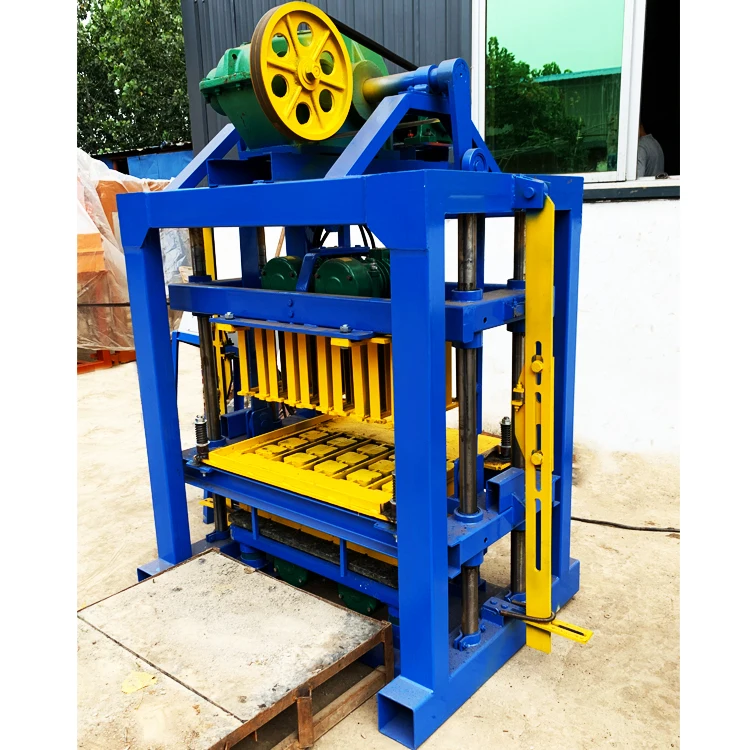
Description
Honest Capacity Planning — the QTJ4-40 block making machine specifications are quoted against the exact hollow or solid block format your market demands, not a single catalogue number.
Technical Specifications
| Parameter | Value |
|---|---|
| Model | QTJ4-40 |
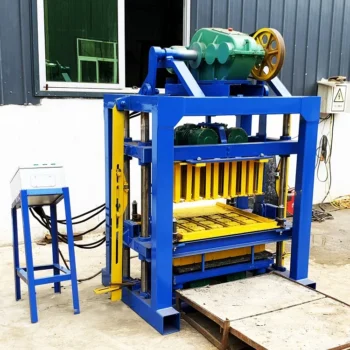
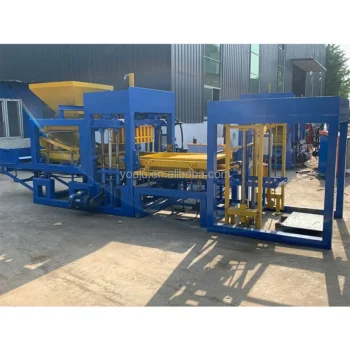
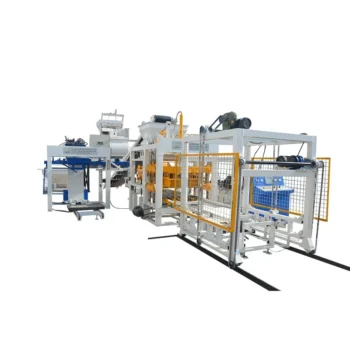
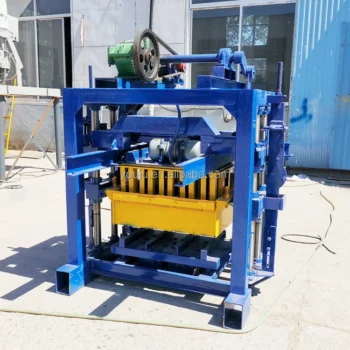
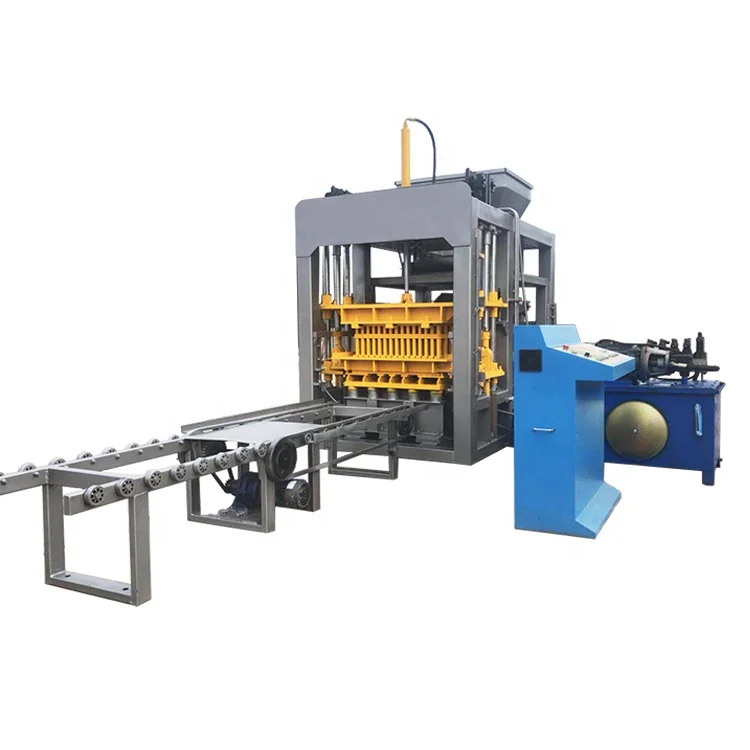
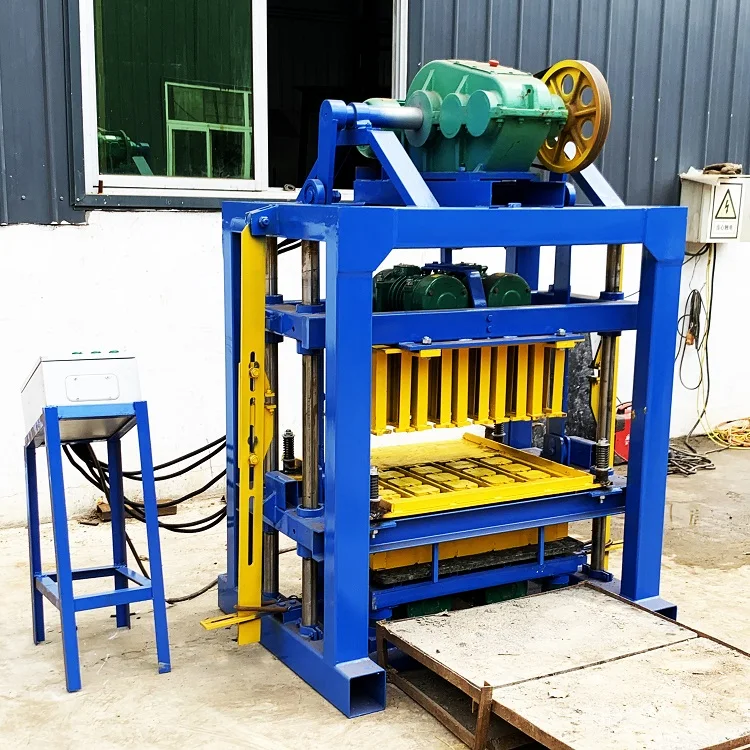
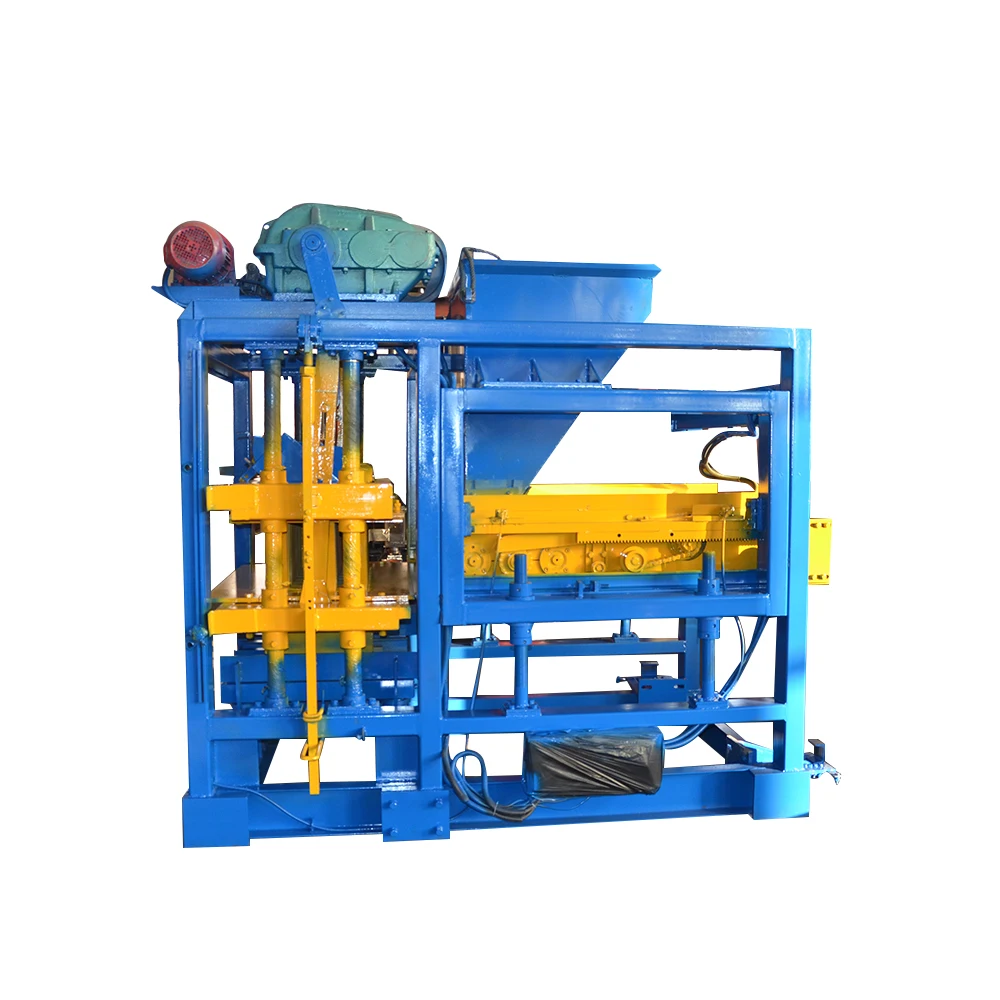
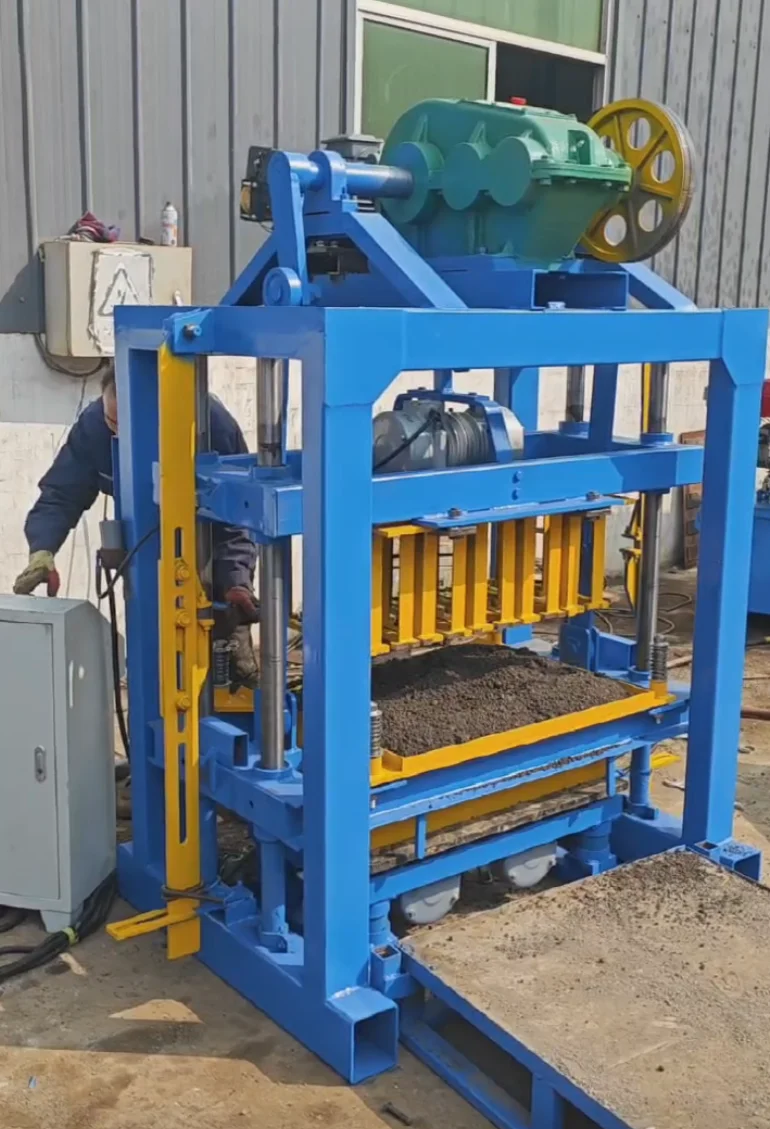
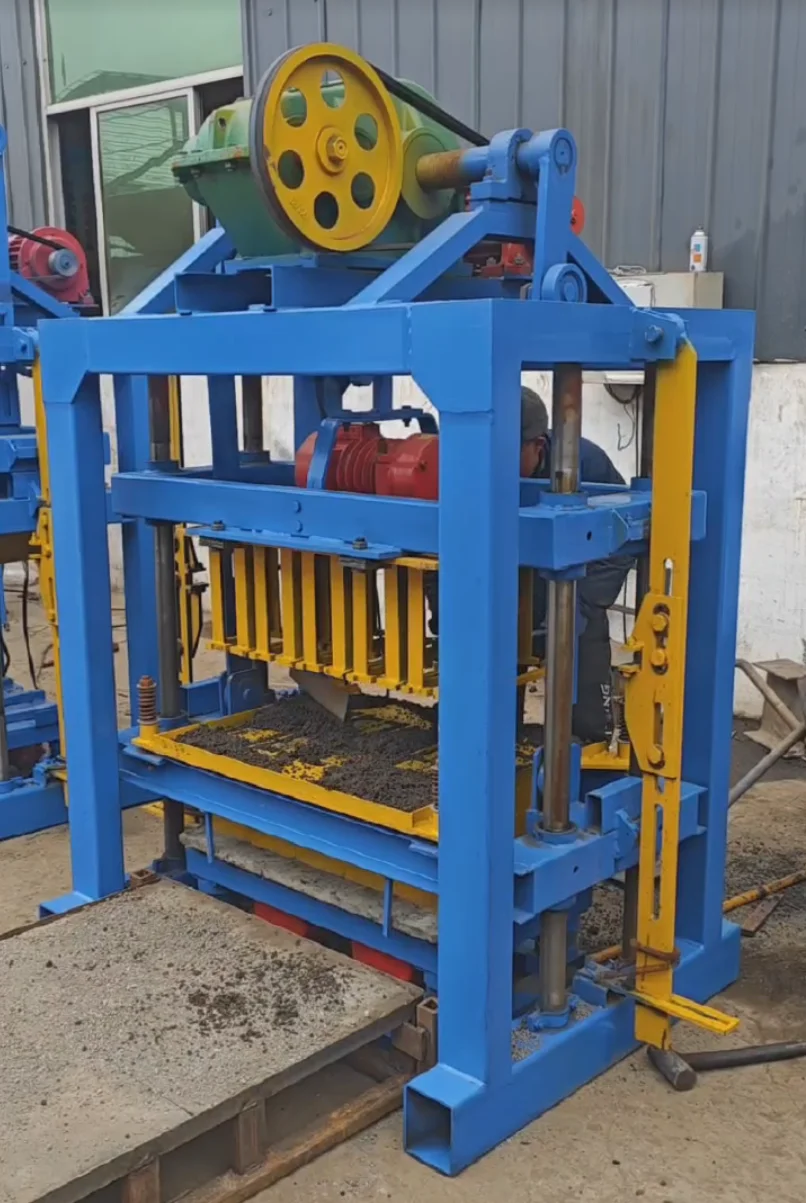
| Product Type | Semi-Automatic Concrete Block Making Machine |
| Overall Dimensions (L×W×H) | 1350×1460×1800 mm |
| Net Weight | 1.2 T |
| Rated Power | 10.4 kW |
| Molding Cycle | 40 s |
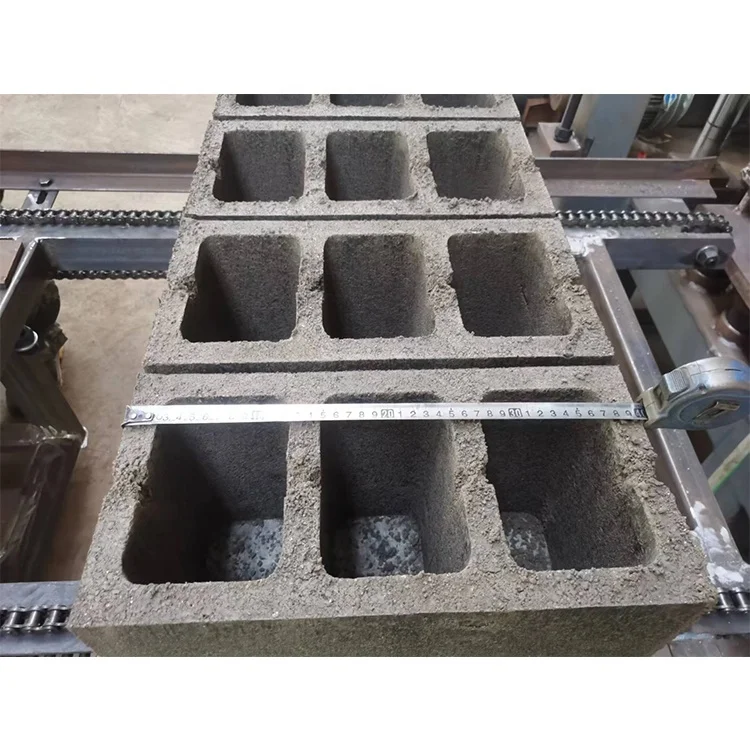
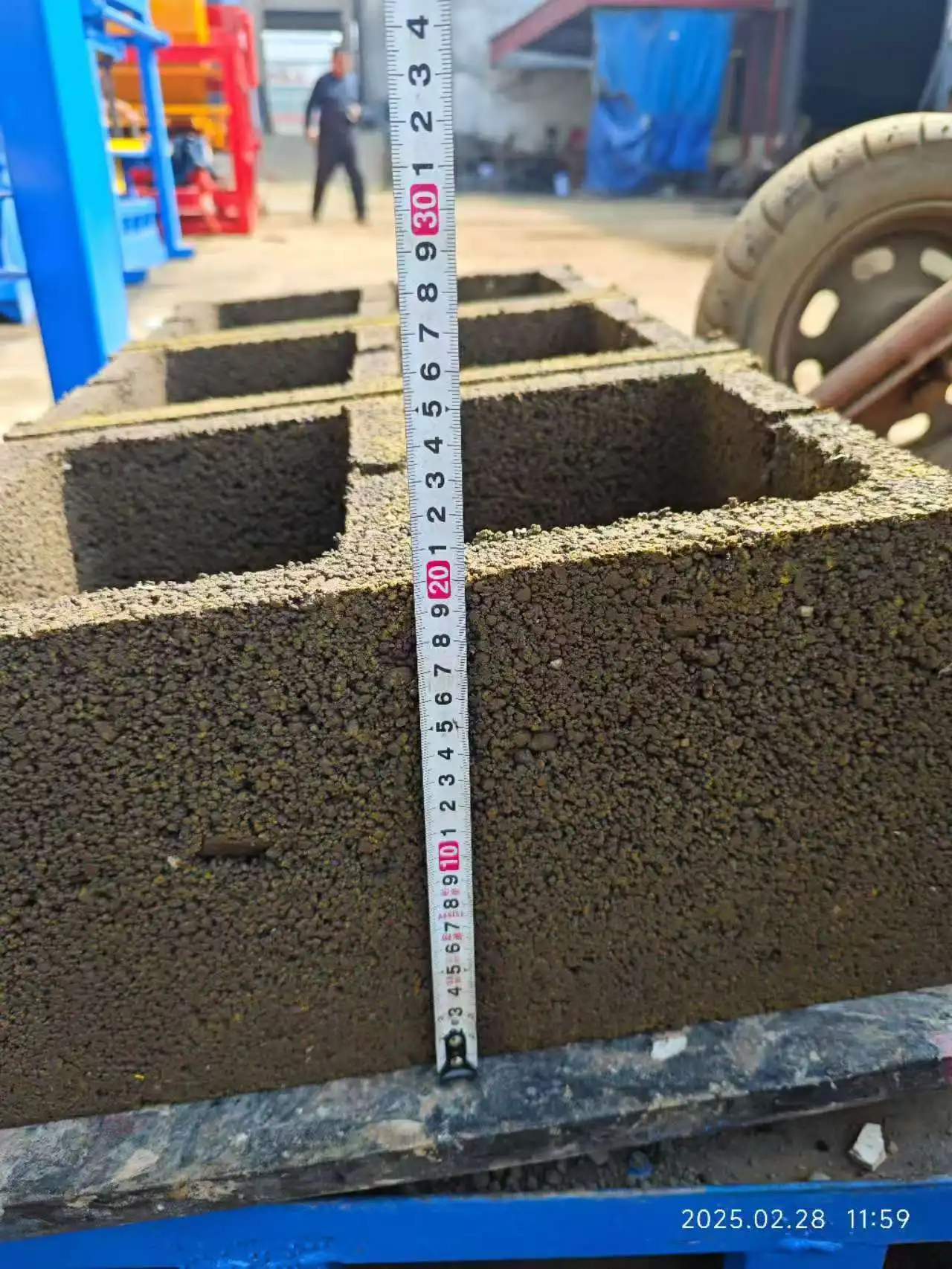
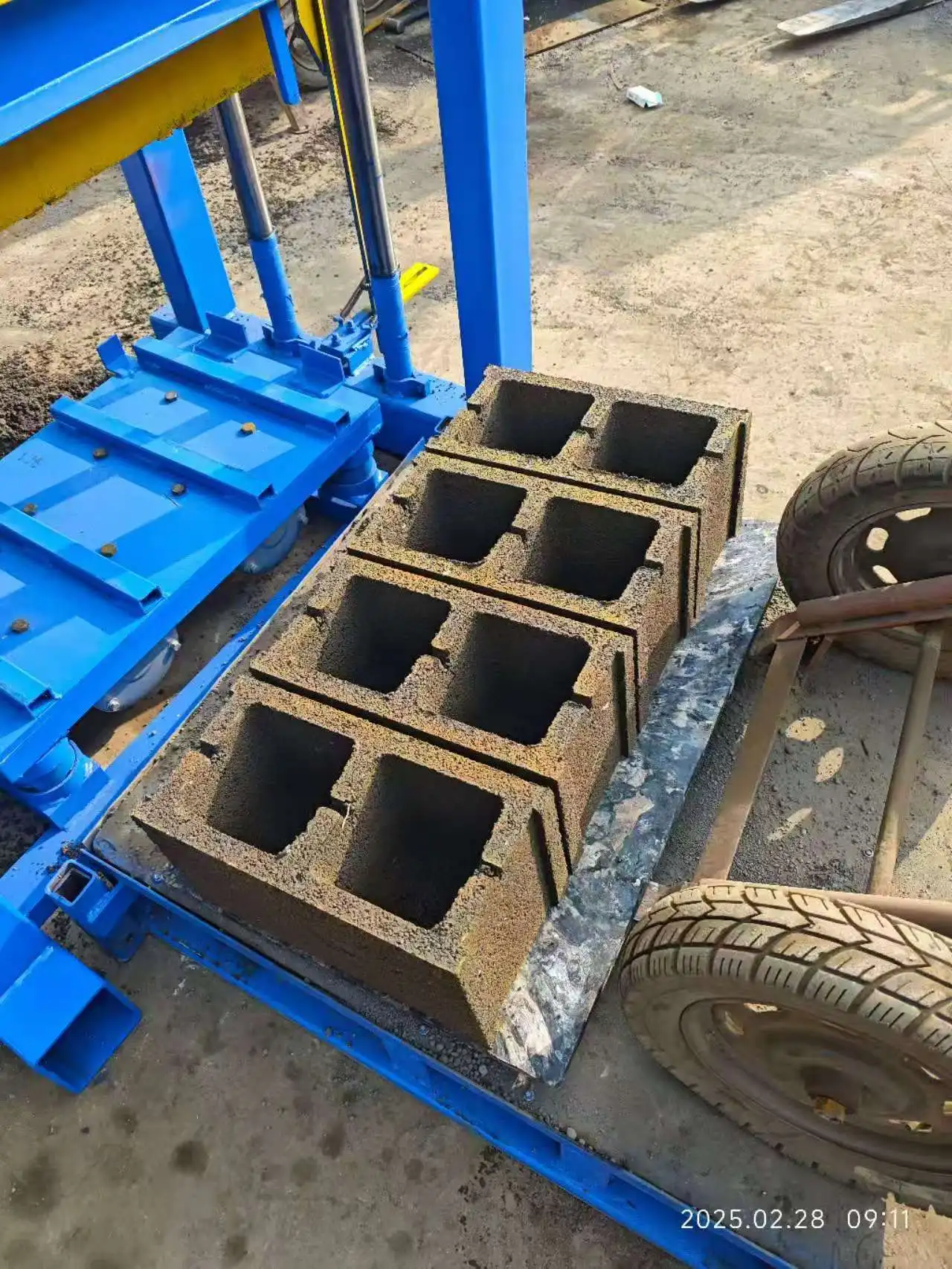
| Output Capacity (Hollow 400×200×200 mm) | 360 pcs/h, 2880 pcs/day (basis: 4 pcs/mould, 400×200×200 mm) |
| Output Capacity (Hollow 400×150×200 mm) | 450 pcs/h, 3600 pcs/day (basis: 5 pcs/mould, 400×150×200 mm) |
| Output Capacity (Solid 225×112.5×60 mm) | 800 pcs/h, 6400 pcs/day (basis: 9 pcs/mould, 225×112.5×60 mm) |
| Output Capacity (Generic) | 2000–2500 pcs / 8 hours (basis to be confirmed) |
| Pallet Size | 850×450×20 mm |
| Vibration System | Bed mould vertical vibration + upper mould compression vibration |
| Automation Level | Semi-automatic |
| Raw Material Compatibility | Concrete, sand, cement, fly ash, lime, gypsum |
| Voltage | Configurable to buyer’s local voltage and frequency |
| Mould Compatibility | Hollow, solid, paver (8, 6, 5, 4 inch standard; custom on request) |
| Required Auxiliary Equipment | Mixer, host machine, block mould, pallets |
Application Suitability
| Application | Material or Output |
|---|---|
| Small-scale hollow block production | Crushed stone, sand, and cement mixes for 400×200×200 mm and 400×150×200 mm formats |
| Solid brick manufacturing for local masonry | Cement, fly ash, and lime blends targeting 225×112.5×60 mm solid blocks |
| On-site production for housing contractors | Locally sourced aggregate and cement for standard hollow and paver formats |
| Paving block production for landscaping | High-density concrete mixes with fine sand and pigment for interlocking pavers |
| First plant setup for entrepreneurs | Standard concrete mixes across multiple block formats to test market demand |
What the QTJ4-40 Block Making Machine Specifications Reveal About Real Daily Output
Capacity figures only matter when tied to the block format you actually sell.
Too many quotations list a single hourly number without naming the mould behind it. When the machine arrives and the buyer runs their standard hollow block instead of the small solid brick the quote assumed, daily volume drops sharply. The QTJ4-40 block making machine specifications address this directly by stating output separately for each format — 400×200×200 mm hollow, 400×150×200 mm hollow, and 225×112.5×60 mm solid — so there is no guesswork about what an eight-hour shift actually produces. [NEED_CITE: common misalignment between quoted capacity and actual block format in machinery tenders]
Matching Mould Format to Market Demand
Choosing the right mould configuration is the first decision that determines whether a block plant earns money or burns cement. The QTJ4-40 accommodates standard hollow sizes at four and five cavities per mould, alongside solid brick and paver tooling. Each format carries its own cycle behavior and demoulding requirement, which is why the daily output differs across the range. Buyers who know their local market’s dominant block size can select the mould set that aligns with actual orders rather than paying for format flexibility they will never use.
Vibration Force Meets Local Aggregate
Block strength depends on how well the vibration system compacts the specific mix available in the buyer’s region. The QTJ4-40 block making machine uses a dual vibration approach — vertical vibration from the bed mould combined with compression vibration from the upper mould — to improve density across different aggregate types. In areas where volcanic ash or lightweight pumice replaces standard crushed stone, vibration settings must be adjusted to prevent uneven wall thickness in hollow blocks. Getting this right at commissioning avoids weeks of rejected batches. [NEED_CITE: effect of local aggregate gradation on vibration tuning in concrete block production]
Reading the Pallet and Power Specifications
The 850×450×20 mm pallet size is not arbitrary; it defines how many blocks cure per rack and whether existing forklifts can handle the load. Buyers who overlook this dimension end up purchasing new handling equipment or reorganizing the curing yard after the machine arrives. Similarly, the 10.4 kW rated power requirement must be matched against the site’s available supply, with voltage and frequency confirmed before production begins. A mismatch here delays commissioning and can damage electrical components before the first block is pressed.
When the Wrong Configuration Costs More Than the Machine
A semi-automatic press like this one relies on operators to move pallets and manage the curing flow. If the quotation does not clearly list the mixer, pallets, and moulds as included or excluded items, the buyer discovers hidden costs during installation. Pallets that are too thin warp under vibration, producing uneven blocks. Moulds ordered in a size the local market does not buy sit unused while the buyer pays for custom tooling on a rush order. These oversights rarely appear in the brochure but show up quickly on the production floor. [NEED_CITE: hidden auxiliary costs in semi-automatic block plant procurement]
Why Sourcing the QTJ4-40 Through a Single-System Approach Matters
Block machinery is the sole focus of this supply chain, meaning the press, mould, pallet, and handling equipment are specified as one matched system rather than assembled from separate vendors. The configuration is set against the buyer’s actual mix design and target block format, not a catalogue default. Mould design covers the formats the buyer’s market sells, including custom drawings when standard sizes do not apply. Automation level is selectable, so a buyer can begin with semi-automatic operation and add stacking or batching upgrades later. Installation support includes operator training, and mould and wear parts documentation is provided before the first production run.
Documentation & Verification
- Factory test record run on your specified block format and mix before dispatch
- Mould drawing and format list confirming included cavities and custom tooling scope
- Pallet specification sheet with material and dimensions matched to your curing layout
- Voltage, frequency, and control language confirmation signed off before production
- Hydraulic and electrical schematic for your site engineer’s pre-installation review
- Operation and maintenance manual with wear parts list and replacement intervals
Installation, Commissioning & Support
- Foundation pad sized to the 1350×1460 mm footprint with vibration isolation allowance
- Dedicated circuit rated for the 10.4 kW load with correct voltage and frequency verified
- Mixer and pallet feed positioned to keep the 40-second molding cycle uninterrupted
- First-run parameter tuning against your local aggregate and target block strength
- Operator training on mould change procedure and daily vibration system inspection
- Wear parts list with hydraulic seal and vibration motor brush replacement schedules
Before You Request a Quotation
To size the QTJ4-40 block making machine to your project, share the exact block formats your market buys, the daily volume you need for each, and the aggregate materials available locally. Confirm your site voltage, frequency, and the language your operators read on a control panel. If you already have pallets, a mixer, or a curing yard layout in place, provide those dimensions so the pallet and auxiliary equipment recommendations align with what you own.
Frequently Asked Questions
Q: How is the daily output of the QTJ4-40 calculated for each block format?
A: Each output figure is tied to a specific mould cavity count and block dimension. For example, 2880 pieces per day assumes a 400×200×200 mm hollow block at four cavities per mould running a 40-second cycle over an eight-hour shift. Different formats yield different daily totals, so buyers should match the calculation to their primary product.
Q: What mould formats fit the QTJ4-40, and how long does a change take?
A: Standard moulds cover 8, 6, 5, and 4 inch hollow blocks, solid bricks, and pavers. Custom sizes are available on request. Mould change time depends on operator familiarity and whether the plant has a dedicated mould cart; trained crews can complete a swap within a portion of one shift.
Q: How do I match the vibration system to my local aggregate?
A: The dual vibration system — bed vertical plus upper compression — must be tuned to your specific mix density and aggregate type. Lightweight materials like volcanic ash need different amplitude settings than standard crushed stone. Sample testing at the factory with your actual material is the most reliable way to set baseline parameters.
Q: Can I use pallets I already have with this machine?
A: The QTJ4-40 is designed for 850×450×20 mm pallets. If your existing pallets match these dimensions and are rigid enough to withstand vertical vibration without warping, they may be compatible. Provide your pallet specifications and material type so we can confirm before you commit to the order.
Q: Is the voltage and control language configurable for my country?
A: Voltage and frequency are configured to match your local supply before production begins. The control panel language is also confirmed at the order stage so your operators can read settings and diagnostics in a language they understand, avoiding commissioning delays.