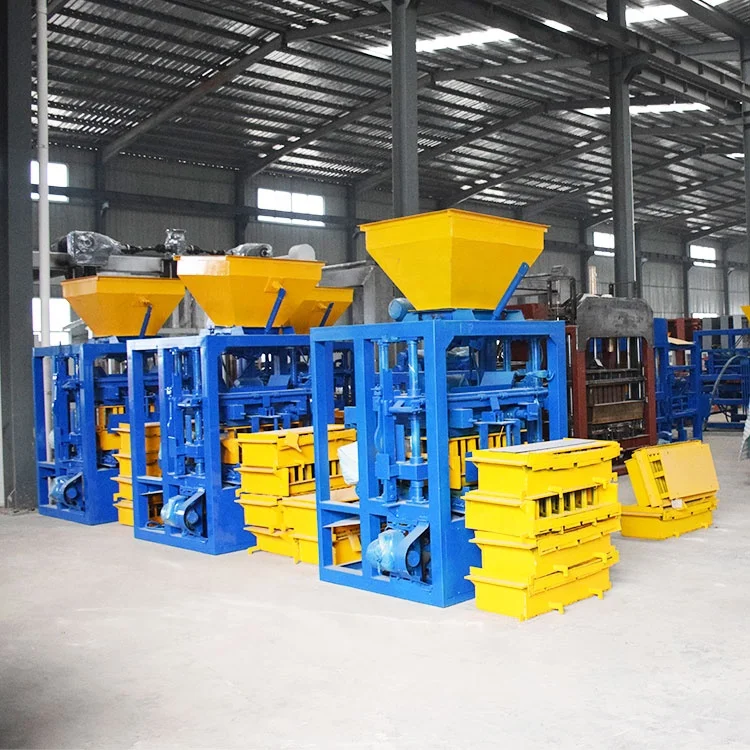
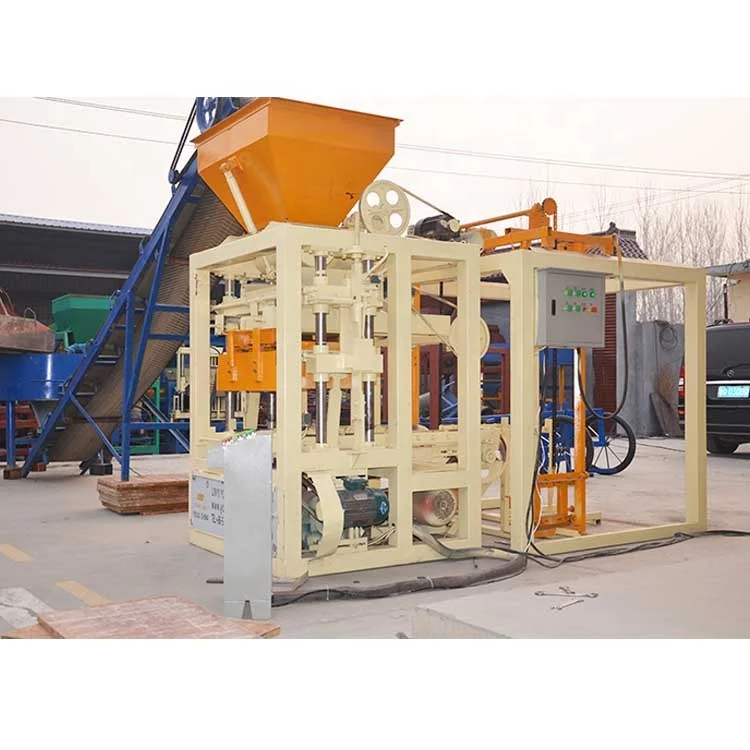
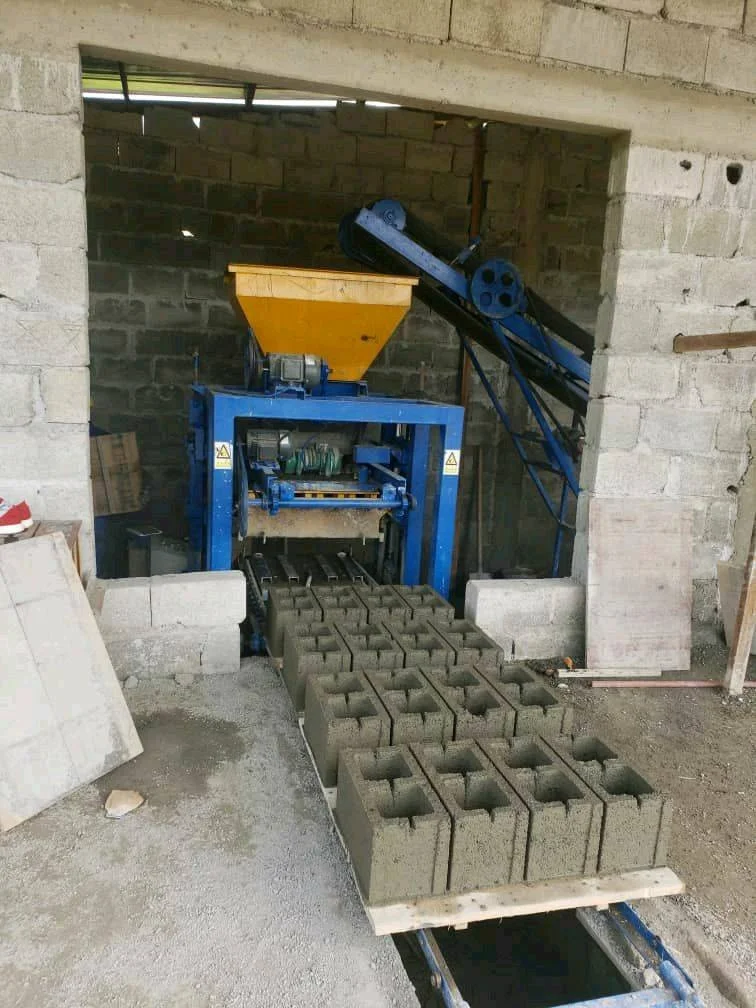
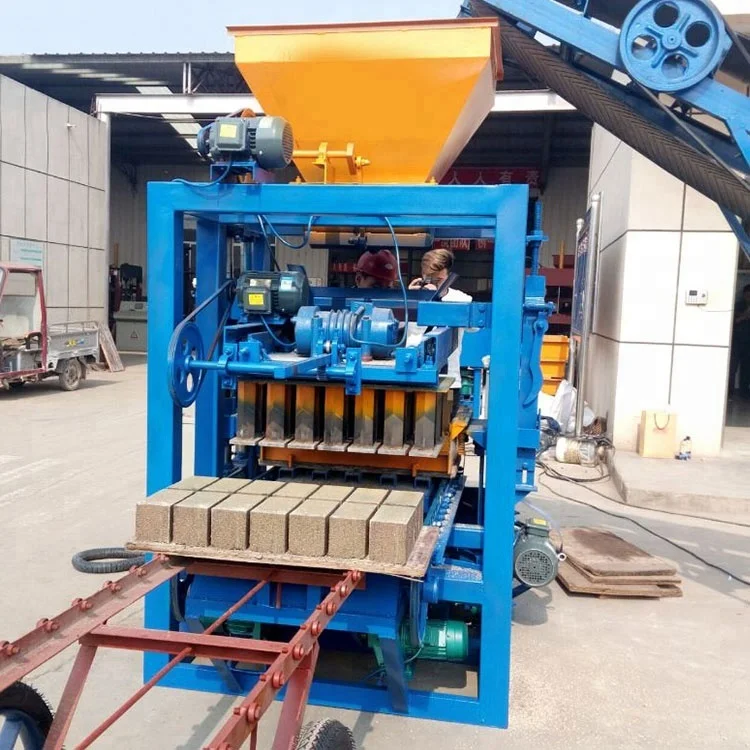
Description
Honest format-specific capacity — every cycle time we quote for the QTJ4-24 states the exact mould size and piece count behind it, so your daily output projection matches the block your market actually buys.
Technical Specifications
| Parameter | Value |
|---|---|
| Model | QTJ4-24 |
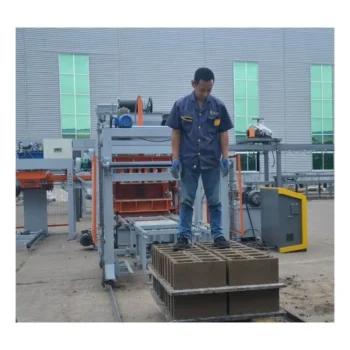
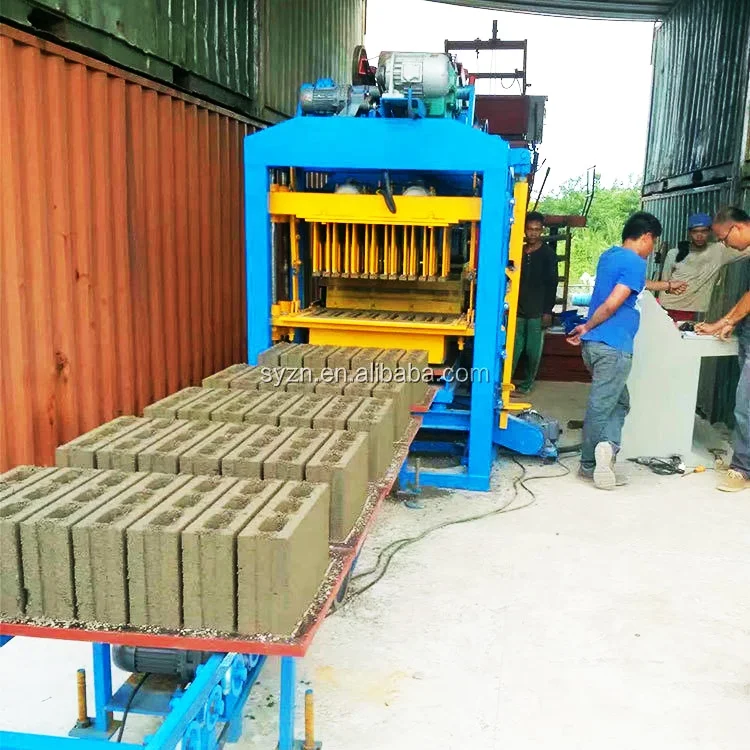
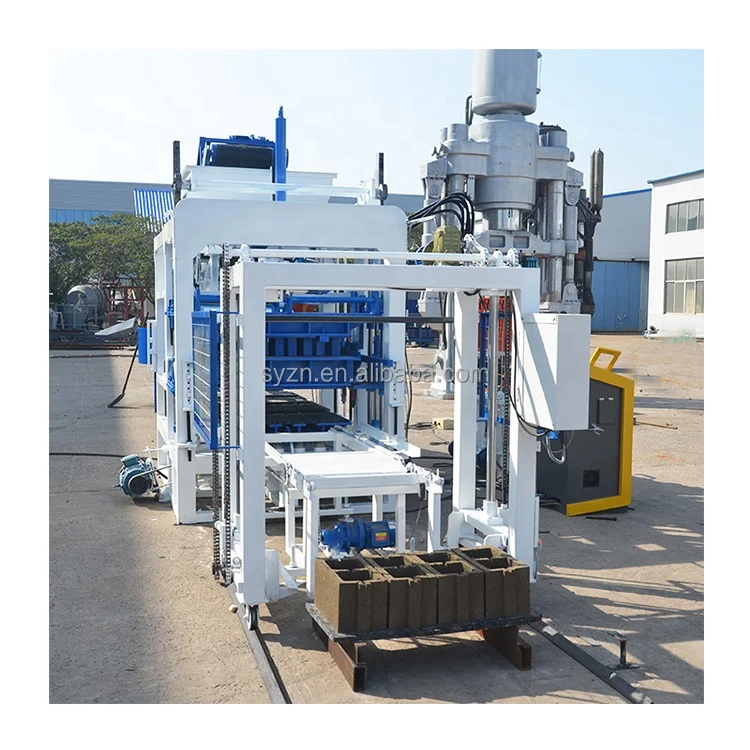
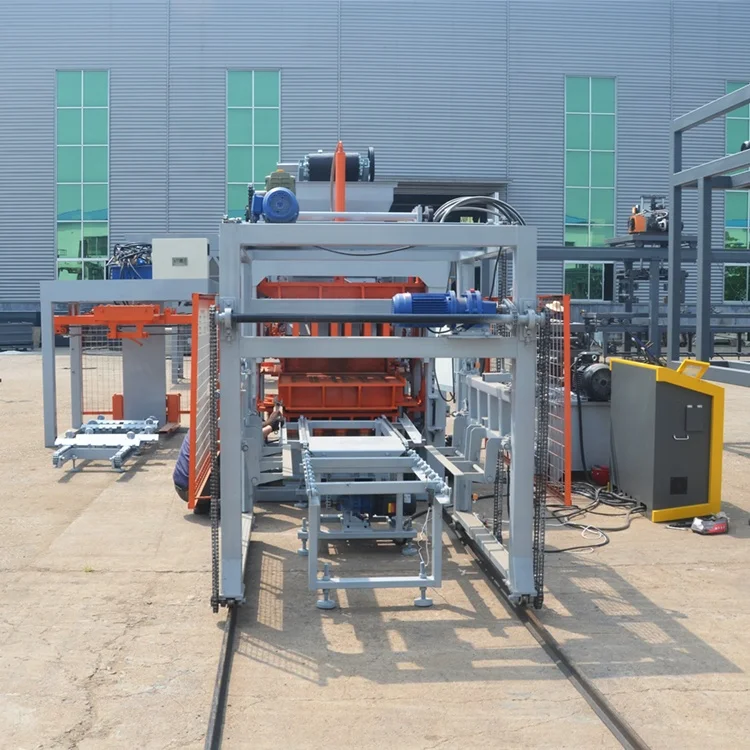
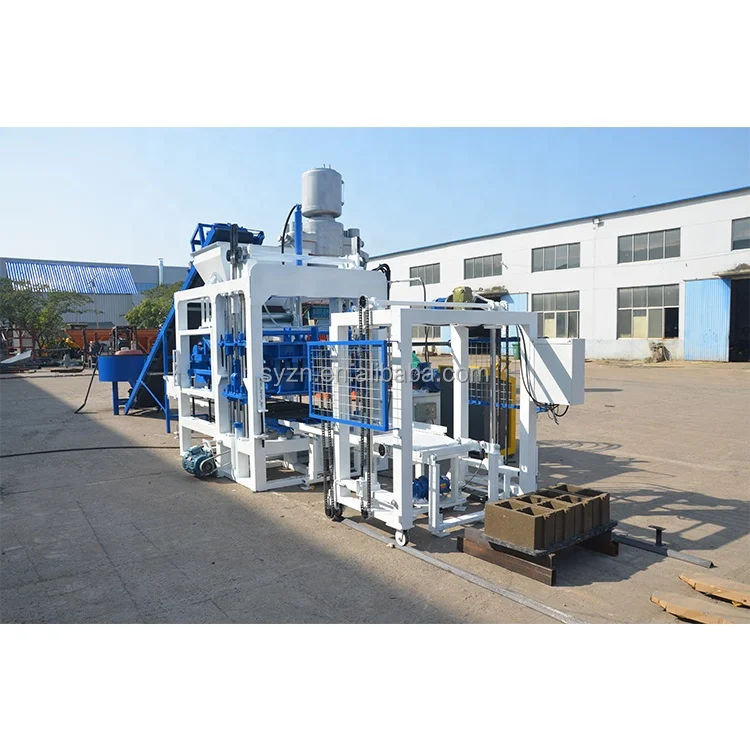
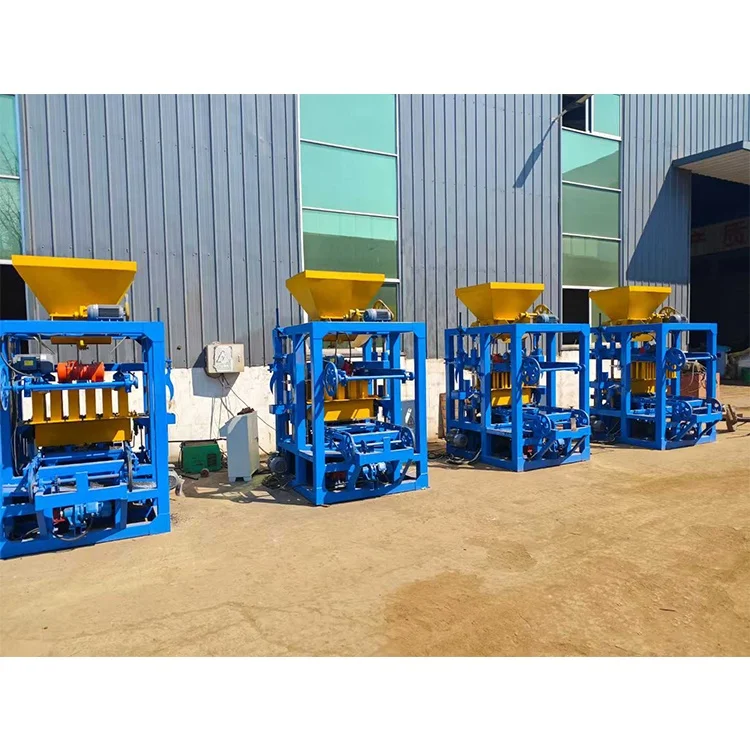
| Product Type | Semi-Automatic Concrete Block Making Machine |
| Overall Dimensions (L×W×H) | 3600mm × 1700mm × 2560mm |
| Total Mass | 3.5T |
| Main Machine Power | 11.95kW |
| Pallet Size | 900mm × 450mm |
| Molding Cycle | 24-26s (basis not stated in source — confirm block format and material) |
| Vibration Type | Table vibration with fluctuation vibration molding |
| Automation Level | Semi-automatic (manual feeding, mechanical and manual operation combination) |
| Feed Method | Manual feeding, two kinds of feed way |
| Control System | Electrical control with mechanical interworking |
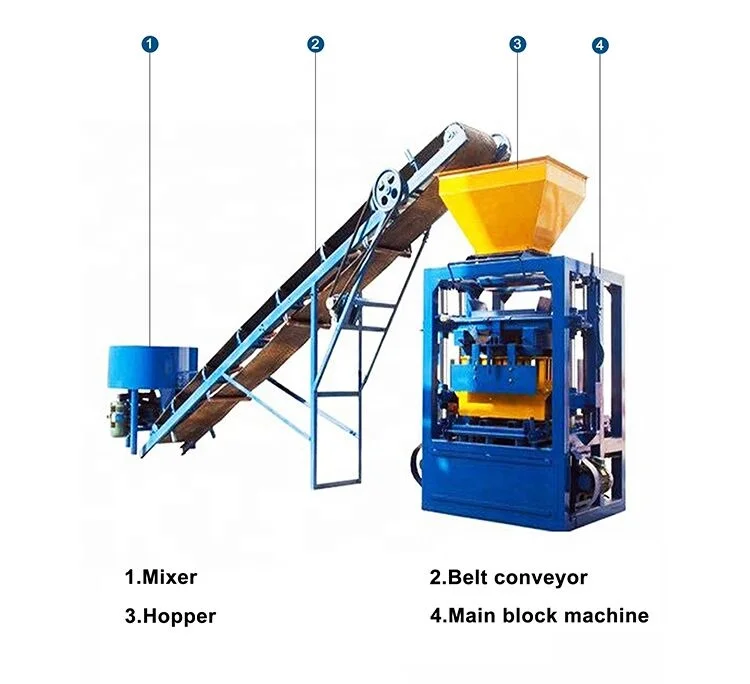
| Recommended Mixer | JQ350 or JQ500 vertical mixer |
| Recommended Conveyor | 6m or 8m belt conveyor |
| Key Features | Four interchangeable mould formats, electrical-mechanical interworking for fault prevention, manual pallet handling |
Application Suitability
| Application | Material or Output |
|---|---|
| Hollow block production for residential and commercial walls | Cement, crushed stone, sand, and fly ash blends |
| Solid block manufacturing for load-bearing structures | Dense aggregate mixes with standard cement ratios |
| Paving block production for walkways and light-traffic areas | Fine aggregate with colour pigment additives |
| Standard brick forming for infill and partition walls | Clay-free cementitious mixes with local sand |
What "24 Seconds per Cycle" Actually Means for Your Output
The mould format decides your real daily tonnage, not the cycle timer alone.
Semi-Automatic Block Making Machine specifications often lead with a single cycle time, leaving buyers to discover on commissioning day that a 400×200×200mm hollow block and a 240×115×53mm standard brick share the same press stroke but produce vastly different piece counts per shift. I have watched contractors in overseas markets plan an eight-hour run around one number, only to find the pallet count and curing rack space fall short because the smaller brick format demands far more pallets per hour. The QTJ4-24 runs a 24-26s molding cycle, yet the output swings from 4 pieces per mould on the largest hollow block to 21 pieces per mould on the standard brick. Without that format-to-cycle mapping up front, capacity planning is guesswork [NEED_CITE: realistic block output calculation methods per format].
Mould Format Options and Piece Counts
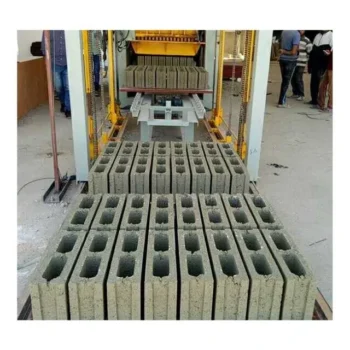
The QTJ4-24 ships with four documented mould formats. The 400×200×200mm cavity produces 4 hollow blocks per press, the 390×240×190mm cavity yields 3 larger hollow blocks, the 390×120×190mm cavity forms 6 partition-width blocks, and the 240×115×53mm cavity turns out 21 standard bricks. Knowing the Semi-Automatic Block Making Machine specifications at this level of detail means you can match the press to the product mix your yard actually sells, rather than discovering format limitations after the container arrives.
Pallet Size and Curing Area Alignment
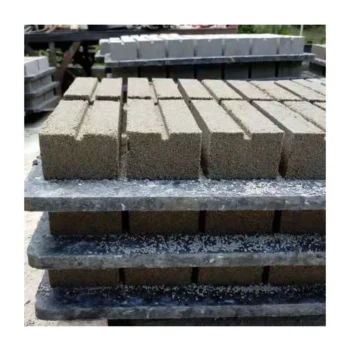
Every cycle deposits fresh blocks onto a 900mm × 450mm pallet. That dimension must fit your existing curing racks, forklift tine width, and drying yard layout before the machine is crated. Buyers who select a pallet size in isolation often find their standard forklift cannot slide under a loaded rack, or that the curing area requires double the floor space they allocated. We confirm the pallet-to-rack relationship during the proposal stage so the Semi-Automatic Block Making Machine specifications align with the infrastructure you already operate [NEED_CITE: pallet and curing rack compatibility standards].
Vibration, Pressure, and Block Density
Table vibration combined with fluctuation vibration molding compacts the mix across the full mould cavity. The 11.95kW main drive powers both the vibration table and the mechanical feed system. For hollow blocks, consistent wall thickness depends on the vibration force reaching every corner of a 400×200×200mm cavity; for standard bricks, the same force must distribute evenly across 21 narrow compartments. The electrical control system with mechanical interworking prevents out-of-sequence operation, which protects both the mould and the fresh blocks during extraction. Matching vibration intensity to your local aggregate gradation is part of the configuration conversation, not an afterthought.
The Cost of Skipping the Mix-Design Conversation
A Semi-Automatic Block Making Machine configured for a catalogue-default mix will underperform the moment it meets your local sand and aggregate. Blocks crack during curing, wall density varies across the pallet, and the mould wears unevenly because the abrasion profile of your crushed stone was never factored in. I once saw a semi-automatic press shipped to a site where the local river sand was far finer than the reference mix; the vibration cycle compacted the fines into a slurry layer at the block base, and half the first week’s output failed the drop test. Those failures trace directly back to skipping the raw-material conversation before production started [NEED_CITE: aggregate grading impact on block compressive strength].
Why Buyers Source This Model Through Shiyue
Block machinery is our single focus, which means the QTJ4-24 press, its moulds, pallets, and supporting mixer are specified as one matched system rather than assembled from separate suppliers. Mould design covers the four formats listed above, and custom mould drawings are available when your market requires a size outside the standard range. Configuration is set against your actual mix design and target block format, not a catalogue default, so vibration force and cycle timing correspond to the aggregate you will actually feed. Automation level is selectable — a buyer can start with the QTJ4-24 semi-automatic setup and plan a future move to a fully automatic line without replacing the entire plant. Installation support includes on-site commissioning and operator training so the crew understands mould changeover, pallet handling, and daily maintenance from the first shift.
Documentation & Verification
- Line layout and capacity calculation stating the block format assumed for each output figure
- Mould drawing and format list confirming included and optional cavity sizes
- Pallet specification sheet matched to your curing rack dimensions and forklift capacity
- Voltage, frequency, and control language confirmation signed off before production
- Factory test record run on your target block format prior to dispatch
- Operation and maintenance manual with wear parts and mould replacement schedule
Installation, Commissioning & Support
- Foundation pad sized to the 3600mm × 1700mm footprint with level tolerance for the vibration table
- Dedicated electrical circuit rated for the 11.95kW main drive plus mixer and conveyor loads
- Machine shipped partially assembled; vibration table and feed hopper bolted on site
- First-run parameter setting covers cycle timing, vibration duration, and feed volume per format
- Operator training on the electrical-mechanical interworking system to prevent out-of-sequence damage
- Wear parts list covering mould liners, vibration springs, and feed shoe components
Before You Send an Inquiry
Tell us the block formats your market moves fastest — hollow, solid, paving, or standard brick — and the daily piece count you need for each. Share a sample or description of your local sand and aggregate so we can confirm the mix against the vibration settings. Confirm your site voltage, frequency, and preferred control-panel language so the electrical package is built right before the QTJ4-24 leaves the factory.
Frequently Asked Questions
Q: How is daily output calculated, and which block format is assumed?
A: Each capacity figure is tied to a specific mould format and piece count per press. The 400×200×200mm hollow block yields 4 pieces per 24-26s cycle, while the 240×115×53mm brick yields 21. Daily output is then a function of operating hours, pallet turnaround speed, and curing rack capacity, not the press cycle alone.
Q: Can the mould be changed on-site, and what does a format changeover involve?
A: The QTJ4-24 supports on-site mould swaps across its four listed formats. Changeover involves unbolting the current mould box, lifting it clear with a hoist, positioning the new mould, and re-securing the fasteners. Electrical-mechanical interworking ensures the feed sequence resets correctly after the swap.
Q: Is the machine configured for my local raw material?
A: Configuration begins with your actual aggregate type, gradation, and cement ratio. Vibration duration and feed volume are adjusted to suit the density and abrasion profile of your mix. We request a material description or sample before finalising the Semi-Automatic Block Making Machine specifications for your order.
Q: What pallet size does this model require, and why does it matter?
A: The QTJ4-24 uses 900mm × 450mm pallets. This dimension must align with your curing rack spacing, forklift tine width, and drying yard layout. We verify pallet compatibility during the proposal stage so no infrastructure changes are needed when the machine arrives.
Q: What block strength can I expect from this press?
A: Achievable compressive strength depends on the match between vibration force, hydraulic or mechanical pressure, and your specific mix design. We set the cycle parameters against your target strength class and confirm the result during the factory test on your chosen block format before shipment.