Description
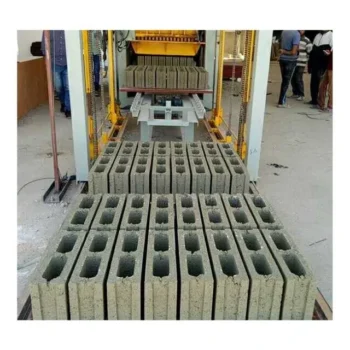
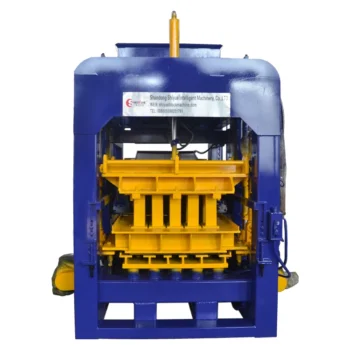
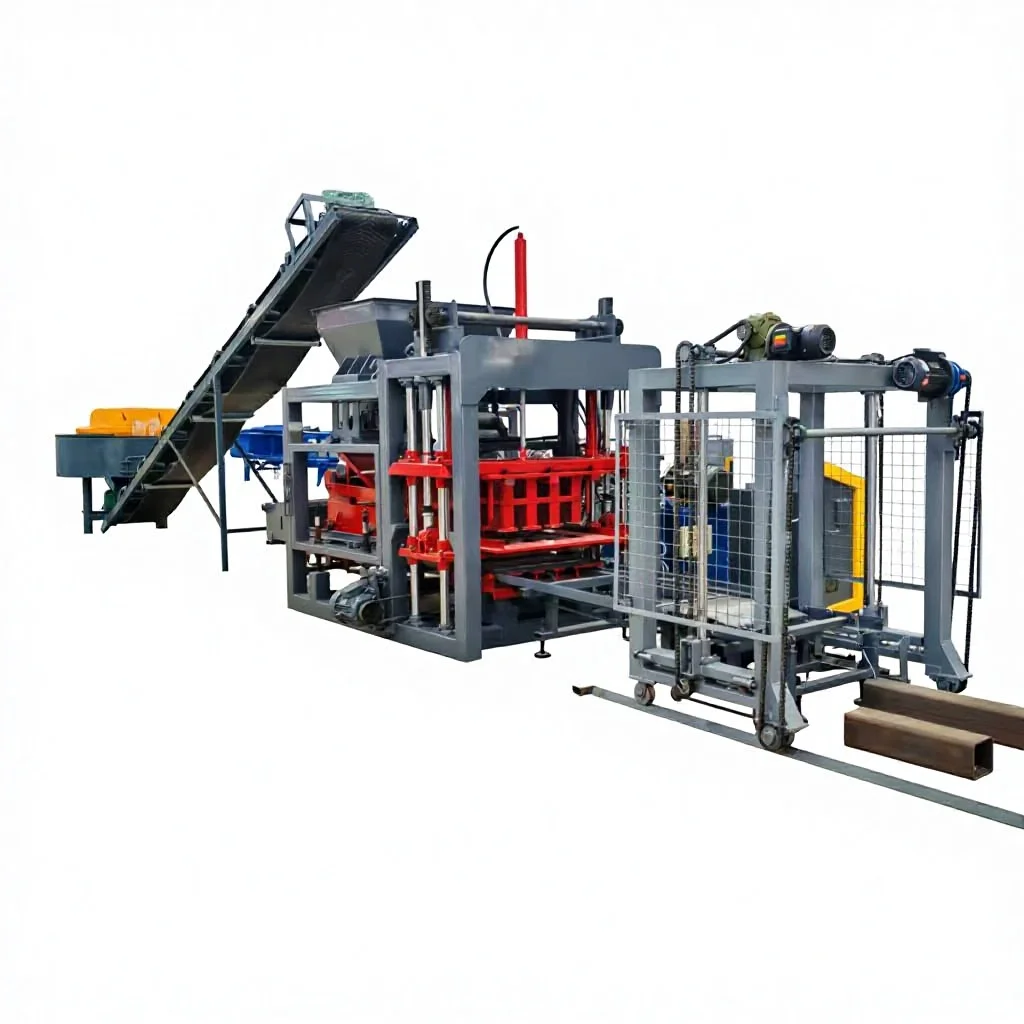
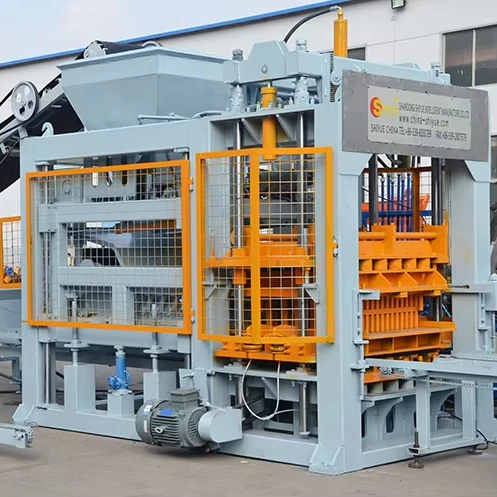
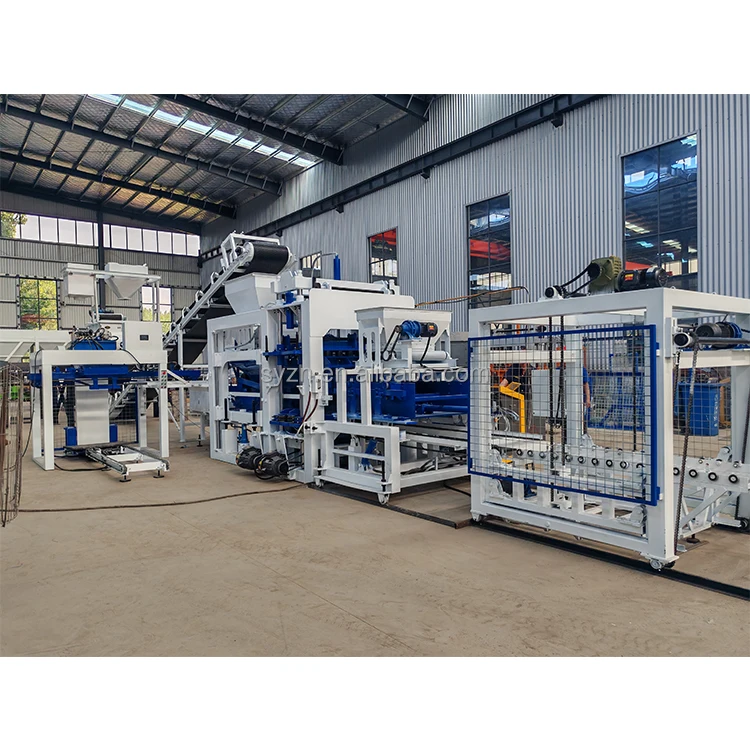
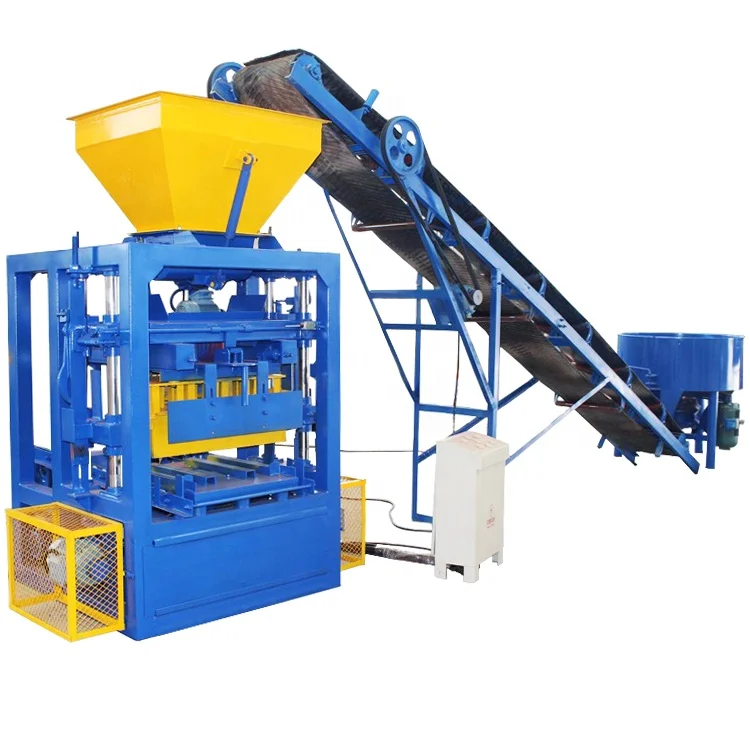
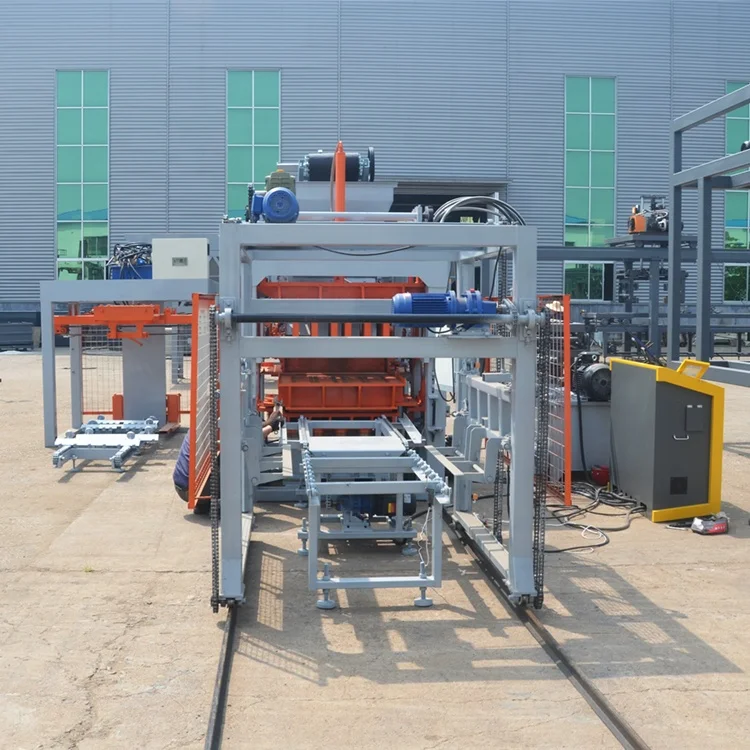
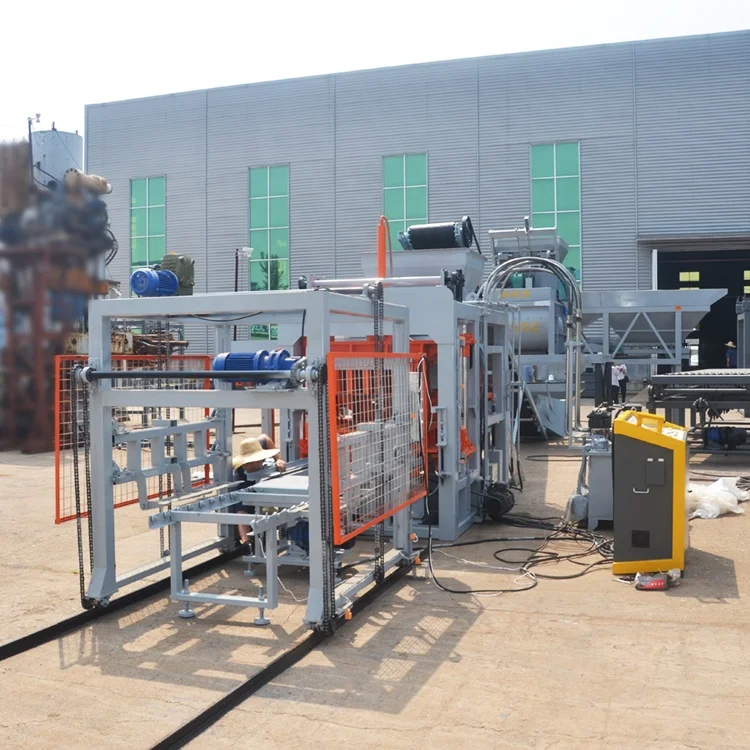
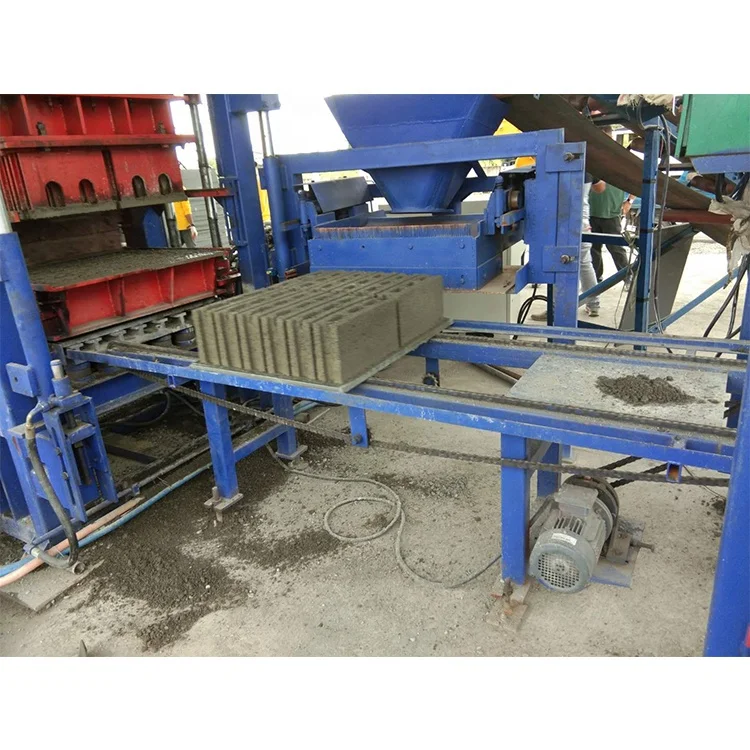
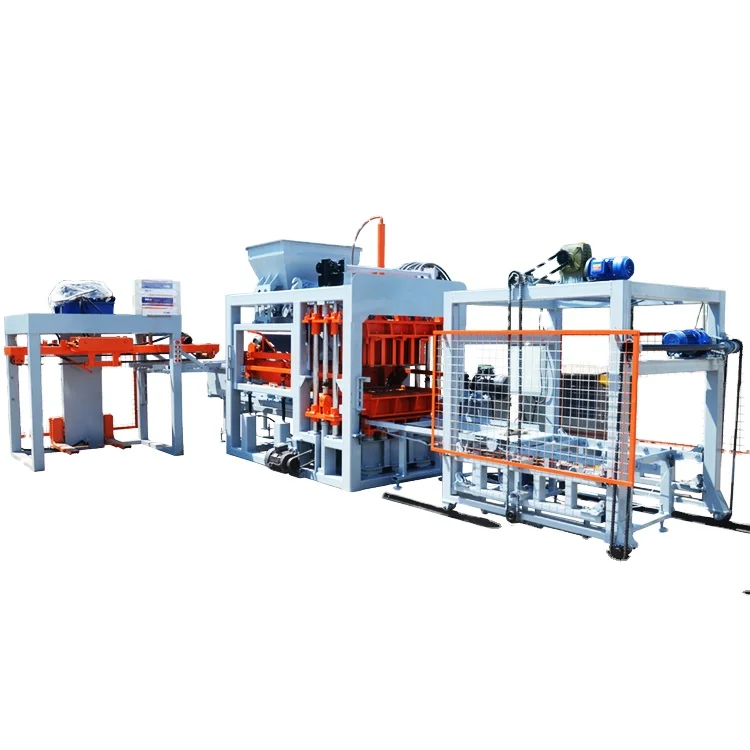
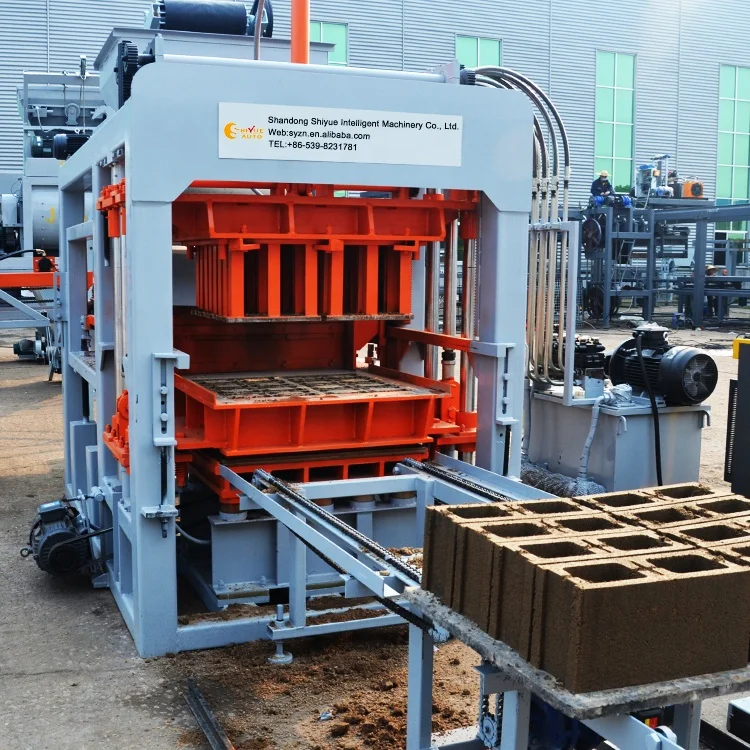
Block machinery as a single focus — machine, mould, pallet and handling are specified as one matched system around the QT6-15 rather than assembled from separate suppliers.
Technical Specifications
| Parameter | Value |
|---|---|
| Model | QT6-15 |
| Product Type | Hollow Block Making Machine |
| Overall Dimensions | 8200×1700×2950 mm |
| Vibration Frequency | 0–60 Hz |
| Vibration Form | Platform Vibration |
| Moulding Mode | Automatic load, vibration moulding |
| Pallet Size | 880×850 mm |
| Molding Cycle | 15–20 s (basis not stated in source — confirm block format and mix) |
| Overall Power | 37 kW |
| Vibration Force | 45 kN |
| Total Mass | 7 T |
| Demolding Method | Hydraulic |
| Factory Area Required | 1200 m² |
| Control System | PLC with touch screen, built-in fault diagnosis and action interlock |
| Hydraulic System | Independent integrated hydraulic station |
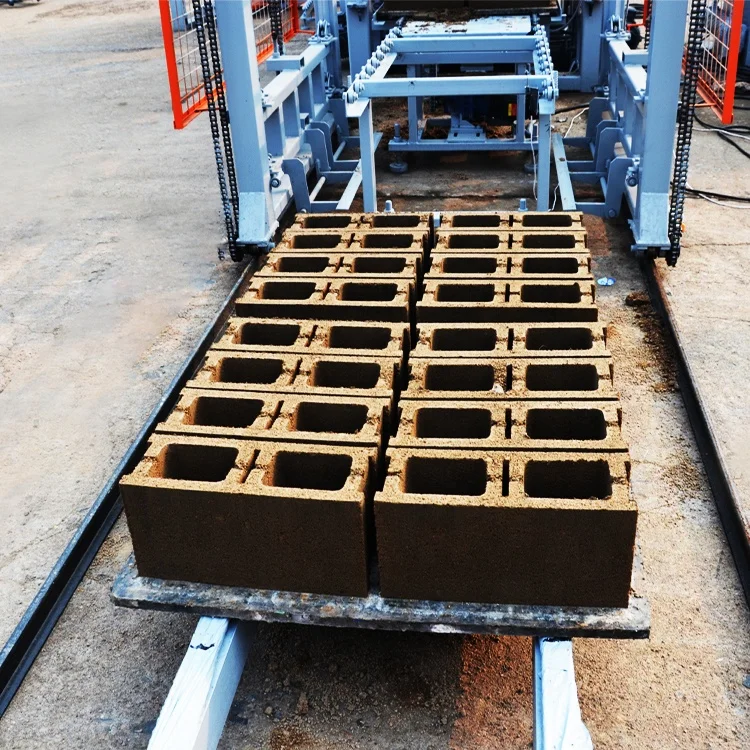
| Output (400×200×200 mm hollow block) | 1080–1440 pcs/hour, 6 pcs/mould, 15–20 s cycle |
| Output (400×150×200 mm hollow block) | 1440–1920 pcs/hour, 8 pcs/mould, 15–20 s cycle |
| Output (240×115×53 mm solid brick) | 5760–7680 pcs/hour, 32 pcs/mould, 15–20 s cycle |
| Output (200×100×60 mm rectangular paver) | 2160–2880 pcs/hour, 21 pcs/mould, 20–25 s cycle |
| Output (225×112.5×60 mm zigzag brick) | 2160–2880 pcs/hour, 15 pcs/mould, 20–25 s cycle |
| Raw Material Adaptability | Waste ash, slag, cement-based mixes |
| CE Declaration | Available (verify against manufacturer catalog) |
Application Suitability
| Application | Material or Output |
|---|---|
| Hollow block production | Cement, crushed aggregate, waste ash blends for load-bearing and partition walls |
| Solid brick production | Dense cement-aggregate mixes for structural and facing brick formats |
| Paving brick production | Interlocking, rectangular and zigzag pavers from fine-aggregate cement mixes |
| On-site contractor production | Mobile block plants feeding directly into housing or infrastructure projects |
| Product range expansion | Existing concrete product manufacturers adding hollow or paver formats to current lines |
What "Cycles per Hour" Leaves Out About QT6-15 Block Machine Specifications
Capacity only means something when you know which block format the number assumes.
Buyers regularly receive quotations quoting a single output figure, then discover after commissioning that the number was based on a small solid brick they never intended to make. When the QT6-15 hollow block making machine is set up for 400×200×200 mm hollow blocks, the cycle runs 15–20 seconds producing six blocks per mould. Switch to 200×100×60 mm pavers and that cycle stretches to 20–25 seconds with a different mould entirely. A single headline number hides that gap [NEED_CITE: block format impact on cycle time in hydraulic press operations].
Matching the Mould to What Your Market Actually Buys
The QT6-15 block machine specifications cover five distinct output formats, each with its own mould cavity count and cycle window. A buyer targeting the Middle Eastern hollow block market will run the 400×150×200 mm format most days, pulling eight blocks per mould at the shorter end of the cycle. If that same plant later takes a paving contract, the rectangular paver mould swaps in with a longer cycle that drops hourly throughput noticeably. Knowing which format drives your revenue lets you size the QT6-15 honestly rather than hoping the catalogue peak applies to your product.
Why Vibration Force and Mix Design Must Agree
Platform vibration at 45 kN and 0–60 Hz is adjustable, but the setting that produces consistent 15 MPa compressive strength with crushed limestone aggregate will not work the same way with fine desert sand. I have watched plants in the Gulf region run weeks of under-strength output before anyone connected the problem to an unadjusted vibration frequency. The QT6-15 block machine specifications list the frequency range; the correct point inside that range depends on your specific cement ratio, aggregate grading, and moisture content [NEED_CITE: vibration frequency tuning for varying aggregate types in block production].
Reading the Specs That Actually Matter on Site
The 880×850 mm pallet size determines how many blocks cure per rack tier and which forklift tine spacing you need — order the wrong pallet and your existing curing area becomes a bottleneck before the press ever reaches full rhythm. The 37 kW overall power draw dictates your transformer sizing and dedicated circuit requirements; undersizing the supply causes the PLC fault diagnosis system to trip repeatedly during start-up. The independent integrated hydraulic station keeps pressure stable across the demolding stroke, which is what prevents the cracking and corner damage that shows up when hydraulic and vibration forces are mismatched. And the PLC touch screen with action interlock logic means the machine will not advance a step if a pallet is misaligned — a safeguard that matters far more on a night shift with a new operator than it does during a factory demonstration.
The Cost of Skipping the Format Conversation
A plant configured for a mix the buyer cannot source locally faces an immediate choice: ship in expensive imported aggregate or accept weaker blocks that fail site inspection. I have seen projects stall for weeks while a buyer in North Africa hunted for a cement grade that matched a machine set up for a different market’s standards. Pallet handling left out of the quotation means output piles up beside the press and gets moved by hand, erasing whatever labour saving the automation was supposed to deliver [NEED_CITE: hidden costs of incomplete block line quotations]. Voltage and PLC display language unconfirmed before shipment can delay commissioning by the time it takes to source a compatible transformer and reflash the HMI.
Why Source the QT6-15 Through This Line
Block machinery is the single focus here, so the QT6-15 arrives with mould, pallet, and handling specified as one system rather than three separate purchase orders that may not align. Configuration is set against your actual mix design and local aggregate, not a default catalogue sheet — the vibration frequency and hydraulic pressure are tuned before the machine leaves the factory. Mould design covers the formats your regional market sells, with custom drawings available when standard cavity layouts do not match. Automation level is selectable, meaning a buyer can start with semi-automatic pallet handling and add stacking later. Installation support includes on-site commissioning and operator training so the first production run is not a guessing game.
Documentation & Verification
- Line layout with capacity calculation stating which block format each output figure assumes
- Mould drawing and format list matching your target block dimensions
- Pallet specification sheet confirming size, material, and load rating
- Voltage, frequency, and PLC display language confirmation before production
- Factory test record run on your specified block format prior to dispatch
- Operation and maintenance manual with wear parts and mould replacement list
Installation, Commissioning & Support
- Foundation plan sized to the 8200×1700 mm footprint and 7 T operating mass
- Dedicated 37 kW circuit with confirmed voltage and frequency matching local supply
- Machine arrives dismantled for container loading; reassembly supervised on site
- First-run parameter tuning: vibration frequency, hydraulic pressure, and cycle time set to your mix
- Operator training covering PLC touch screen navigation and fault diagnosis response
- Wear parts and mould list provided with recommended replacement intervals
Before You Request a Quote
To size the QT6-15 accurately, share the block format your market moves in highest volume, the daily output target for that specific format, and the raw materials available locally including aggregate type and cement grade. Confirm your site voltage and frequency, the PLC display language your operators read, and whether your existing curing racks and forklifts are already in place so pallet size can be cross-checked. If you are adding formats to a running plant, note which upstream mixers and downstream handling equipment the new line must connect to.
Frequently Asked Questions
Q: How is QT6-15 capacity calculated for different block formats and why does cycle time change?
A: Each format uses a different mould cavity count and compaction requirement. Hollow blocks at 400×200×200 mm run six per mould in 15–20 seconds, while denser pavers at 200×100×60 mm need 20–25 seconds because the finer aggregate and higher compaction pressure extend the vibration phase. Always request a capacity sheet tied to your specific format.
Q: How do I match vibration force to my local aggregate for consistent block strength?
A: The 45 kN platform vibration is adjustable across 0–60 Hz, but the correct setting depends on your aggregate grading, cement ratio, and moisture content. Fine sand needs a different frequency than crushed stone to achieve the same density. Share your mix design before production so the machine is tuned to your material, not a generic default.
Q: What mould change time should I expect and how does it affect daily output?
A: Mould change on the QT6-15 involves releasing the hydraulic clamps, lifting the current mould, and seating the replacement with alignment pins. Plan for a portion of a shift when switching formats, especially the first few times. If your business runs multiple formats daily, discuss quick-change options during configuration.
Q: How do I confirm the 880×850 mm pallet works with my existing curing racks and forklift?
A: Measure your curing rack tier spacing and forklift tine width before confirming the order. A pallet that does not match your existing handling infrastructure forces you to replace racks or move blocks by hand. Request the pallet specification sheet and cross-check dimensions against your site layout.
Q: What documentation confirms voltage, PLC language, and control configuration before shipment?
A: Before production begins, you receive a voltage and frequency confirmation sheet along with PLC display language selection. After the factory test, a test record shows the machine running your chosen block format. These documents prevent commissioning delays caused by electrical or interface mismatches on arrival.