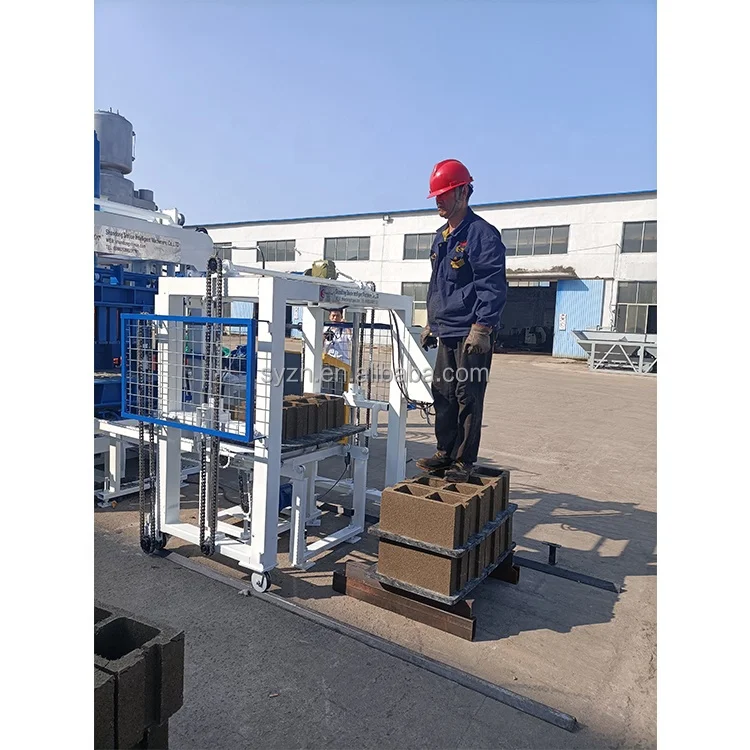


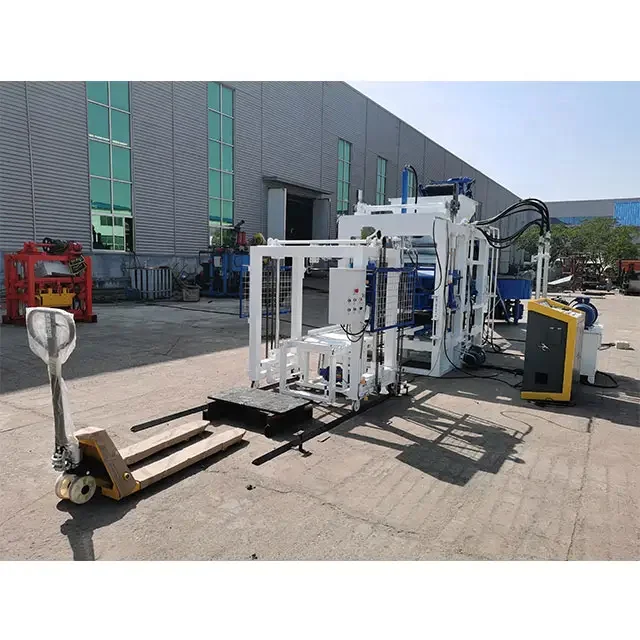

Description
Matched System Configuration — every QT4-18 line we ship pairs the press, mould, pallet and handling gear to the buyer’s actual block format and local aggregate, so daily output matches the proposal, not a catalogue headline.
Technical Specifications
| Parameter | Value |
|---|---|
| Model | QT4-18 |
| Product Type | Concrete Block Making Machine |
| Overall Dimensions (L×W×H) | 3900×1600×2300 mm |
| Molding Cycle | 15–25 s |
| Vibration Force | 40–50 kN |
| Rated Power | 24 kW |
| Mixer Model | JQ350 |
| Pallet Size | 850×550×25 mm |
| Net Weight | 3 T |
| Control System | PLC control system |
| Hydraulic Station | Included (high pressure, stable operation) |
| Output Capacity | 1200–1680 pcs/h (basis: 400×200×200 mm hollow block, 15–20 s cycle) |
| Output Capacity | 1800–2400 pcs/h (basis: 400×150×200 mm hollow block, 15–20 s cycle) |
| Output Capacity | 3240 pcs/h (basis: 240×115×53 mm solid brick, 15–20 s cycle) |
| Daily Output (8 hr) | 9600–13440 pcs (basis: 400×200×200 mm hollow block) |
| Daily Output (8 hr) | 14400–19200 pcs (basis: 400×150×200 mm hollow block) |
| Daily Output (8 hr) | 16200–19440 pcs (basis: 240×115×53 mm solid brick) |
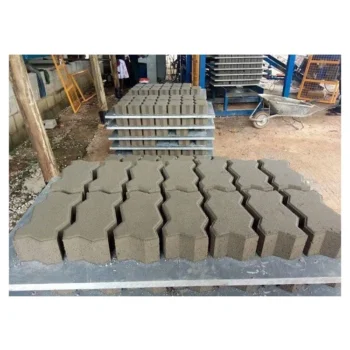
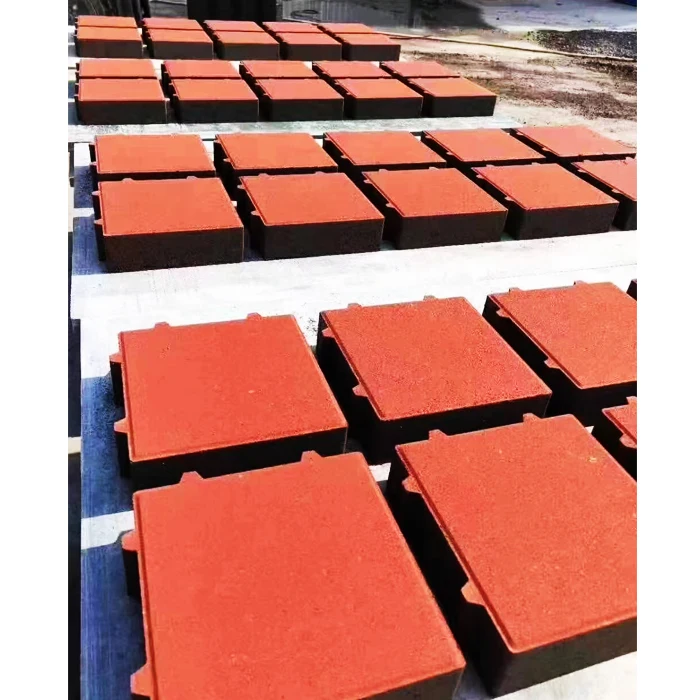
| Applied Products | Paver, solid block, hollow block, curbstone |
| Raw Materials | Crushed stones, sand, cement, dust, fly ash |
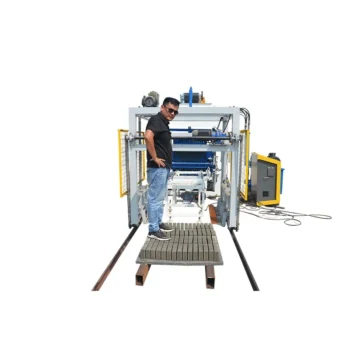
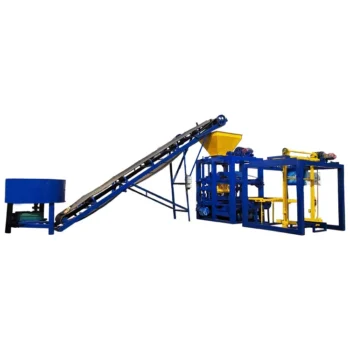
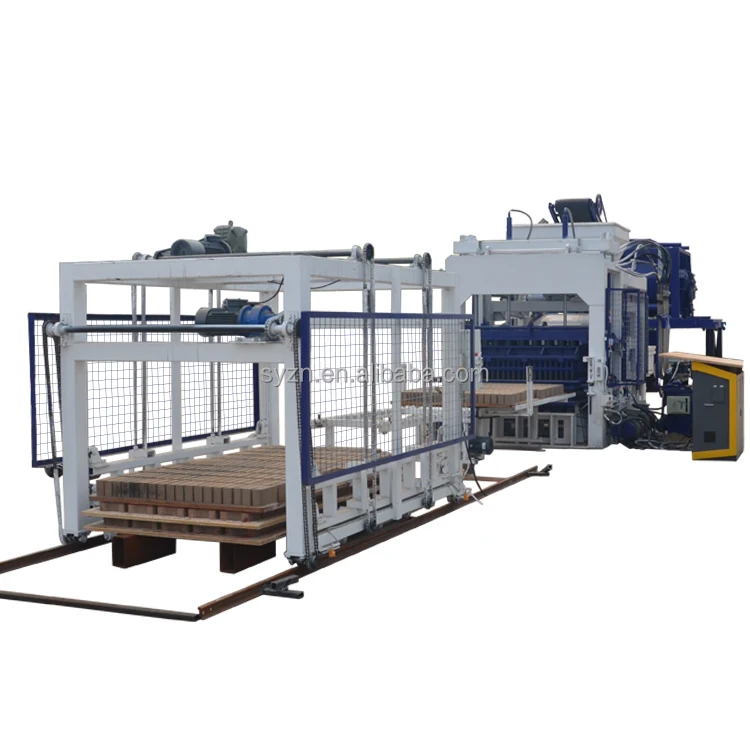
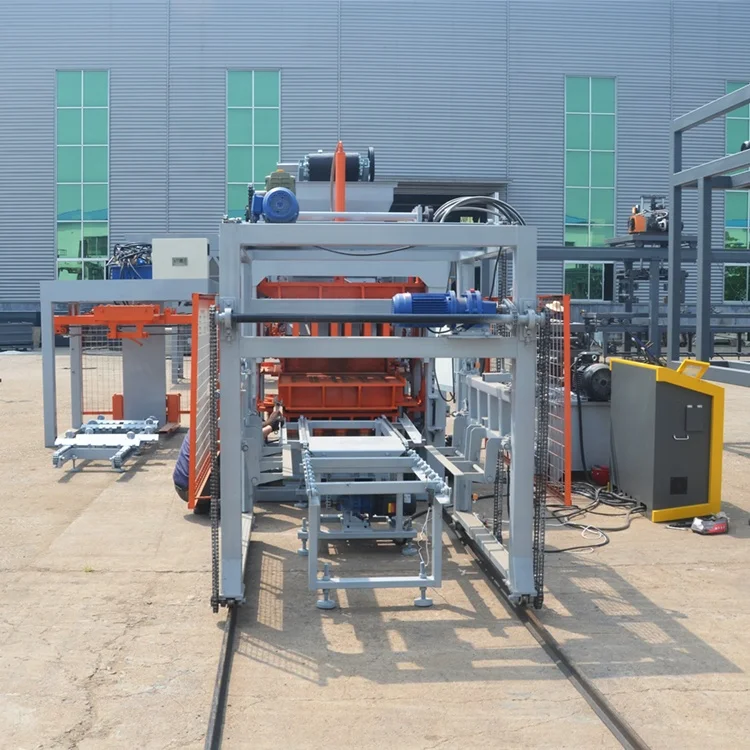
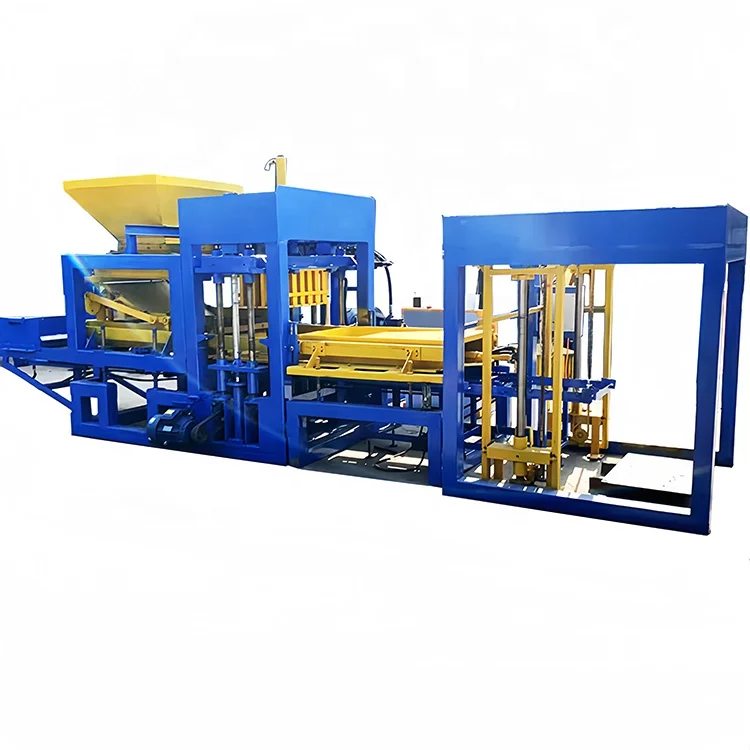
| Included Equipment | Block making machine, hydraulic station, PLC control system, pallet feeder, brick conveyor, block sweeper |
| Free Accessories | Manual hydraulic trolley, spare parts, tools |
| Voltage & Frequency | To be confirmed before order |
| PLC Display Language | To be confirmed before commissioning |
| Automation Level | Semi-automatic (manual pallet handling via hydraulic trolley) |
| Mould Change System | To be confirmed |
| Certification | To be confirmed |
Application Suitability
| Application | Material or Output |
|---|---|
| Hollow block production for masonry walls | 400×200×200 mm and 400×150×200 mm formats from crushed stone, sand, cement and fly ash |
| Solid brick production for load-bearing and infill | 240×115×53 mm format using local aggregate blends |
| Paver production for walkways and driveways | Interlocking and rectangular formats with high-density vibration compaction |
| Curbstone production for road edging | Heavy-section moulds with extended vibration cycles |
| On-site or small-to-medium block plant operation | Semi-automatic line with JQ350 mixer and manual hydraulic trolley handling |
Why "1200 Pieces per Hour" Means Nothing Without the Block Format
Every QT4-18 concrete block making machine specifications sheet we issue states the assumed block size and cycle time next to the capacity number — because a headline figure without that context is a guess, not a guarantee.
I have watched buyers in Shandong and beyond sign off on a quoted hourly output, only to discover on commissioning day that the number was based on a small solid brick they never intended to produce. The real hollow block they needed cut actual throughput in half, and the entire downstream curing and stacking operation sat idle waiting for a press that could not keep up. The QT4-18 concrete block making machine specifications list three separate output tiers — each tied to a named block format and a defined 15–20 second molding cycle — so the daily target you plan around is the one the line actually delivers [NEED_CITE: common causes of capacity shortfalls in block plant commissioning].
Matching Cycle Time to the Format You Actually Sell
The QT4-18 concrete block making machine specifications show a 15–25 second molding window. Within that window, a 400×200×200 mm hollow block completes its cycle in 15–20 seconds, yielding 1200–1680 pieces per hour. Switch the mould to a 240×115×53 mm solid brick and the same cycle time produces 3240 pieces per hour. The difference is not the machine working harder — it is the number of cavities per mould and the compaction depth required for each format.
Honest Daily Output for Plant Planning
An eight-hour shift on the larger hollow block format returns 9600–13440 pieces. Drop to the smaller hollow block and the daily figure rises to 14400–19200 pieces. These numbers assume continuous operation with matched pallet feeding and manual hydraulic trolley handling. Any bottleneck in curing rack turnover or pallet return will reduce actual output, which is why we map the full line before quoting [NEED_CITE: block plant workflow balance and pallet circulation].
Reading the Vibration and Hydraulic Numbers Together
The 40–50 kN vibration force works in tandem with the high-pressure hydraulic station to consolidate the mix. Vibration alone fluidises the material; hydraulic pressure then locks the particles into a dense matrix. If the vibration force is high but the hydraulic pressure is too low for a coarse aggregate blend, blocks emerge with surface voids and low compressive strength. The reverse — high pressure with insufficient vibration — leaves unmixed pockets that fail under load testing.
What Happens When Pallet Size Is Chosen in Isolation
The standard 850×550×25 mm pallet fits the QT4-18 press table, but it must also match the curing rack spacing and the forklift tine width already in your yard. Buyers who confirm pallet dimensions only against the machine spec arrive at commissioning to find their existing racks are 50 mm too narrow, forcing a full rack rebuild or a custom pallet order that delays production by weeks [NEED_CITE: pallet and curing rack dimension compatibility in block plants].
Why This Machine Suits a Format-Driven Buyer
Every specification on the QT4-18 concrete block making machine specifications sheet is checked against the block format the buyer’s market actually purchases. Mould cavities are laid out to hit the daily target for that specific size, not a generic catalogue block. The semi-automatic configuration with manual hydraulic trolley keeps capital outlay contained for a first plant, while the PLC control system and included pallet feeder, brick conveyor and block sweeper form a matched upstream and downstream line that avoids the press-standing-idle problem.
Documentation & Verification
- Line layout drawing showing pallet flow from feeder through press to conveyor for the confirmed block format
- Capacity calculation sheet stating the exact block size and cycle time behind each output figure
- Mould drawing with cavity count and dimensional tolerances for every format on the order
- Pallet specification matched to buyer’s existing curing rack and forklift dimensions
- Voltage, frequency and PLC display language confirmation form signed before production begins
- Factory test record run on the buyer’s confirmed block format before dispatch
Installation, Commissioning & Support
- Foundation plan sized to the 3900×1600 mm machine footprint and 3 T operating weight
- Dedicated 24 kW power circuit with confirmed voltage and frequency before cable pull
- Hydraulic station filled and bled on site, pressure verified against the buyer’s mix design
- PLC control system language set and tested with operators before the first production run
- JQ350 mixer commissioning with local aggregate to validate mix consistency at the press
- Wear parts list covering mould liners, vibration springs and hydraulic seals for the first replacement cycle
What to Send with Your Inquiry
Share the exact block formats your market buys — dimensions, target daily volume and required compressive strength. Include your local aggregate source details and any existing mix design report. Confirm your site voltage, frequency and preferred PLC display language, along with curing area dimensions and forklift specifications, so the pallet and handling package is specified correctly from the start.
Frequently Asked Questions
Q: How is the QT4-18 output capacity calculated per block format, and what cycle time is assumed?
A: Each capacity figure on the QT4-18 concrete block making machine specifications sheet is based on a 15–20 second molding cycle for a named block size. The 1200–1680 pieces per hour figure assumes a 400×200×200 mm hollow block, while 3240 pieces per hour assumes a 240×115×53 mm solid brick. Daily outputs multiply hourly rates across an eight-hour shift with continuous pallet circulation.
Q: Which mould formats are available, and how long does a mould change take on this machine?
A: The QT4-18 supports hollow block, solid brick, paver and curbstone moulds. Available formats depend on the moulds included in your order, and change time varies with mould size and fastening method. Confirm the full format list and estimated change duration during the proposal stage so production scheduling accounts for downtime between product switches.
Q: Is the pallet size 850×550 mm compatible with my existing curing area and handling equipment?
A: The standard 850×550×25 mm pallet is sized for the QT4-18 press table, but curing rack slot width and forklift tine spacing must also accommodate it. Share your rack dimensions and forklift model before order confirmation so we verify compatibility or adjust the pallet specification to prevent costly retrofits at commissioning.
Q: What voltage, frequency and PLC language options are confirmed before shipment?
A: Voltage, frequency and PLC display language are confirmed through a signed form before production begins. This prevents delays at commissioning when the control panel language or motor wiring does not match local supply standards. Specify your requirements during the inquiry stage so they are locked into the build schedule.
Q: How do I match the vibration force and hydraulic pressure to my local aggregate and mix design?
A: The 40–50 kN vibration force and hydraulic station settings must suit your aggregate grading and cement content. Coarse, angular crushed stone needs higher vibration energy to consolidate, while fine sand blends require less. Provide your aggregate sieve analysis and target block strength so the hydraulic pressure and vibration duration are calibrated before dispatch.