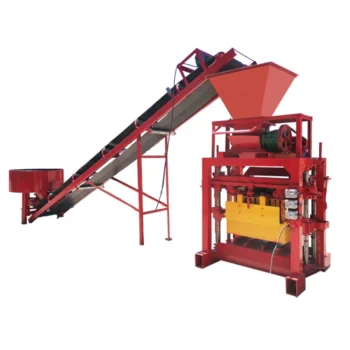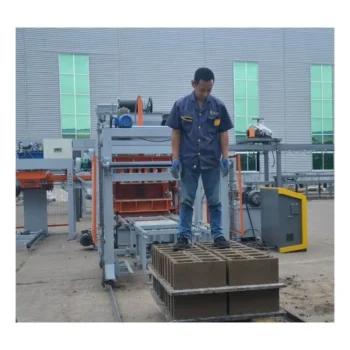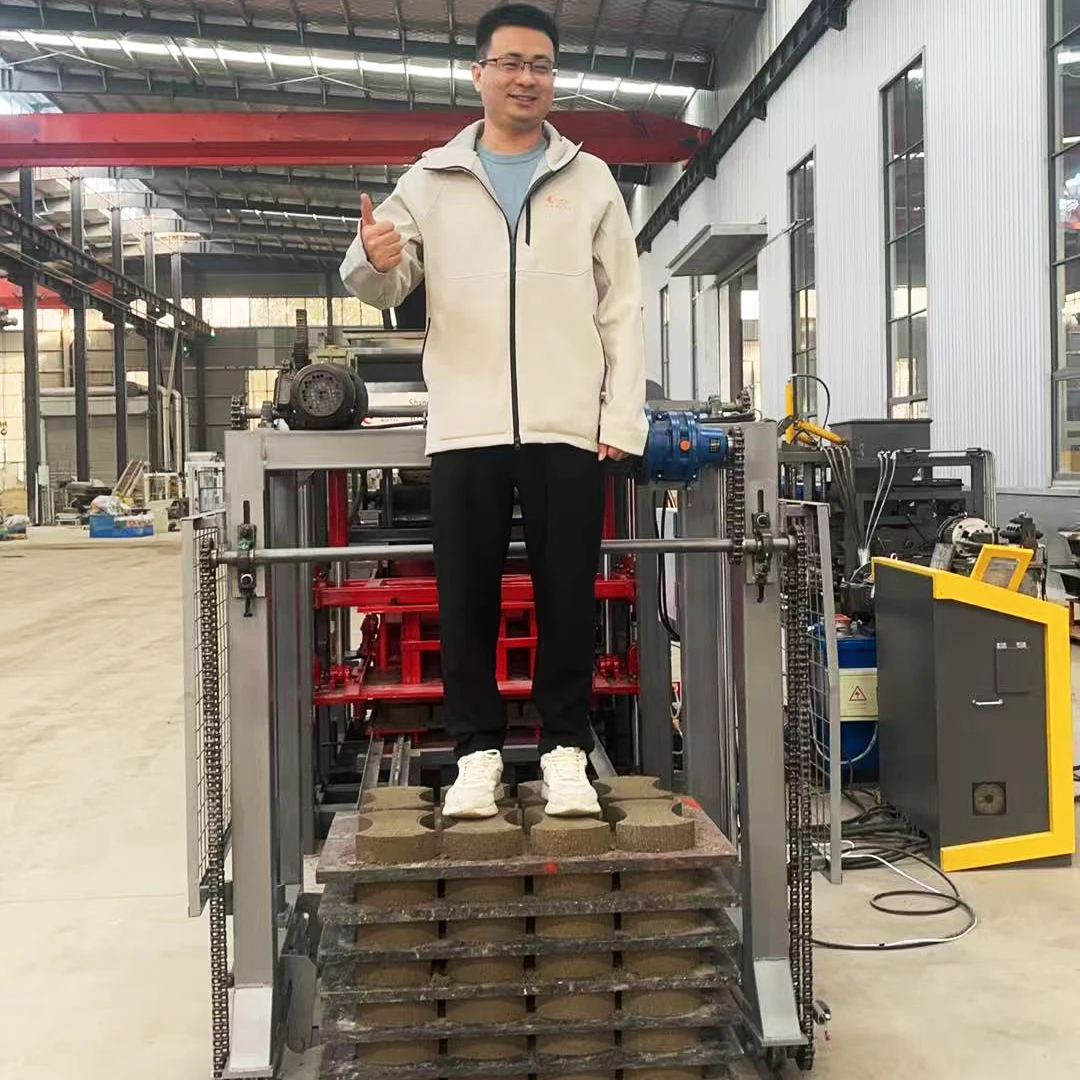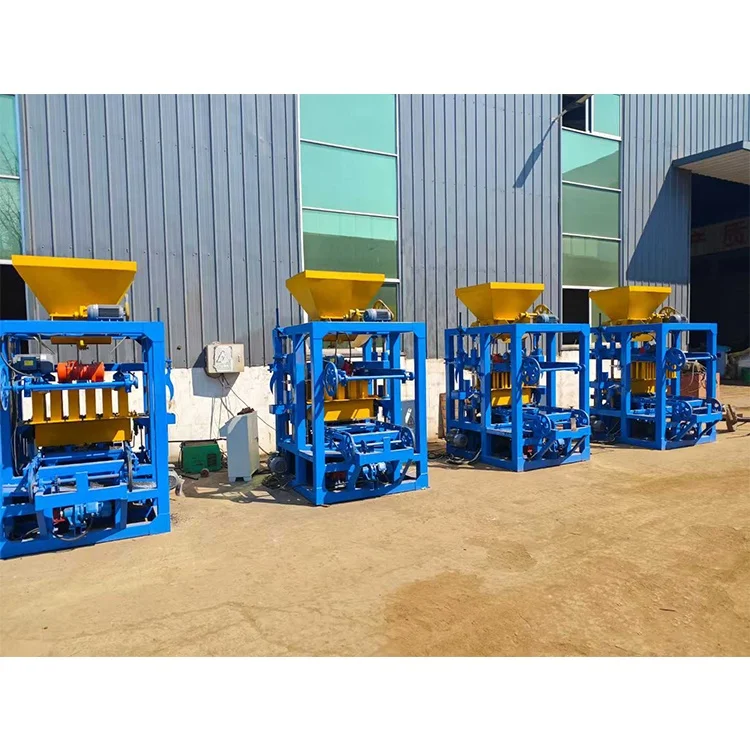
Description
Format-Matched Configuration — every QT4-18 quotation we issue states output against the exact block dimensions and mix design you run, not a single headline figure.
Technical Specifications
| Parameter | Value |
|---|---|
| Model | QT4-18 |
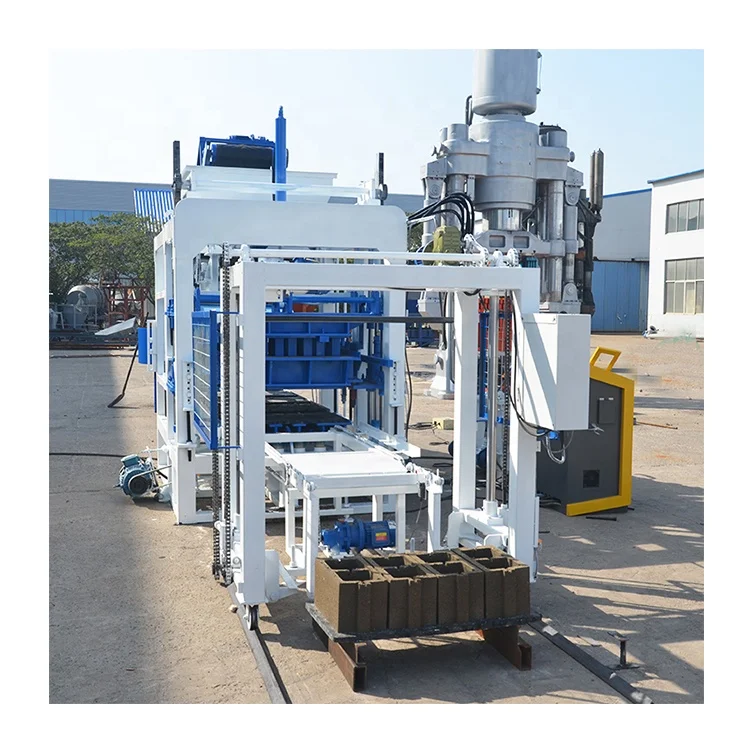
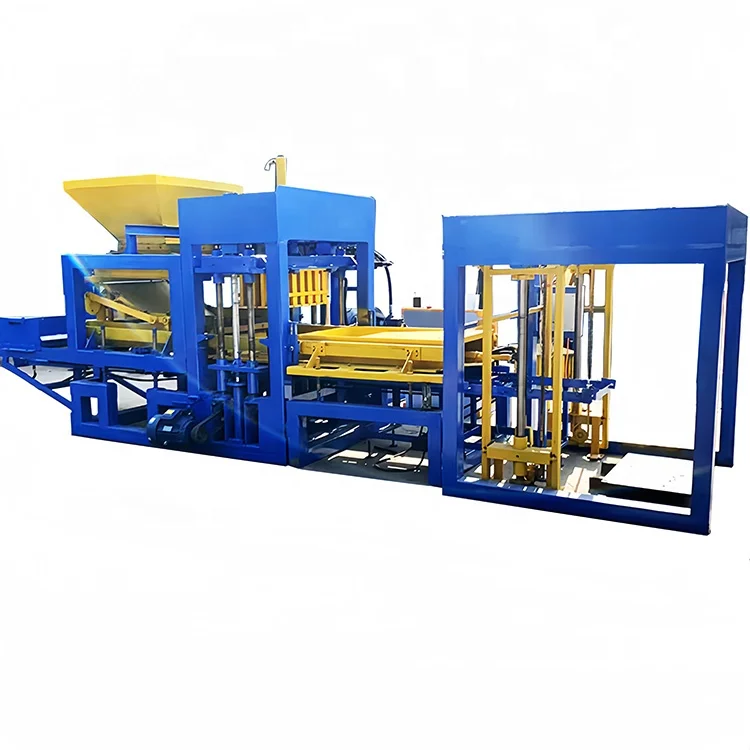
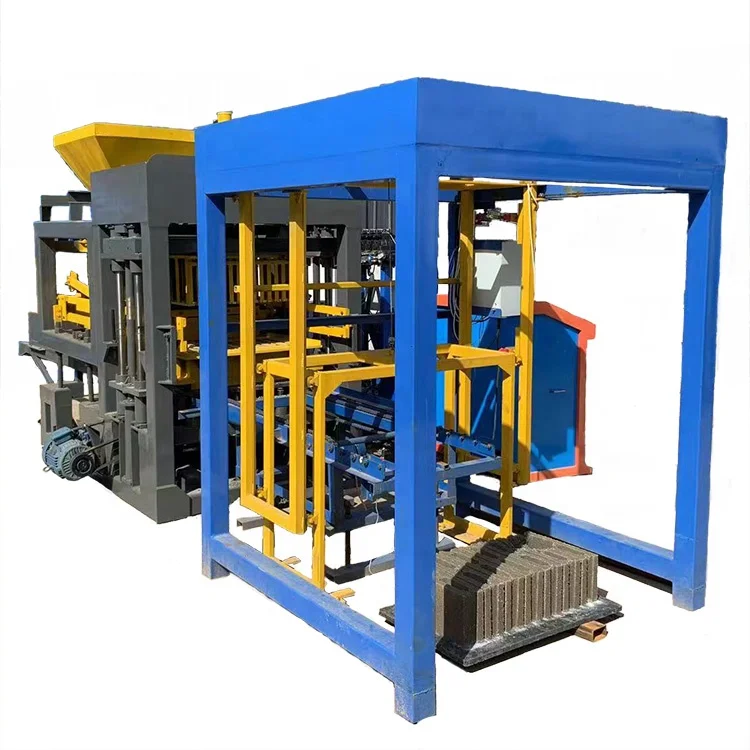
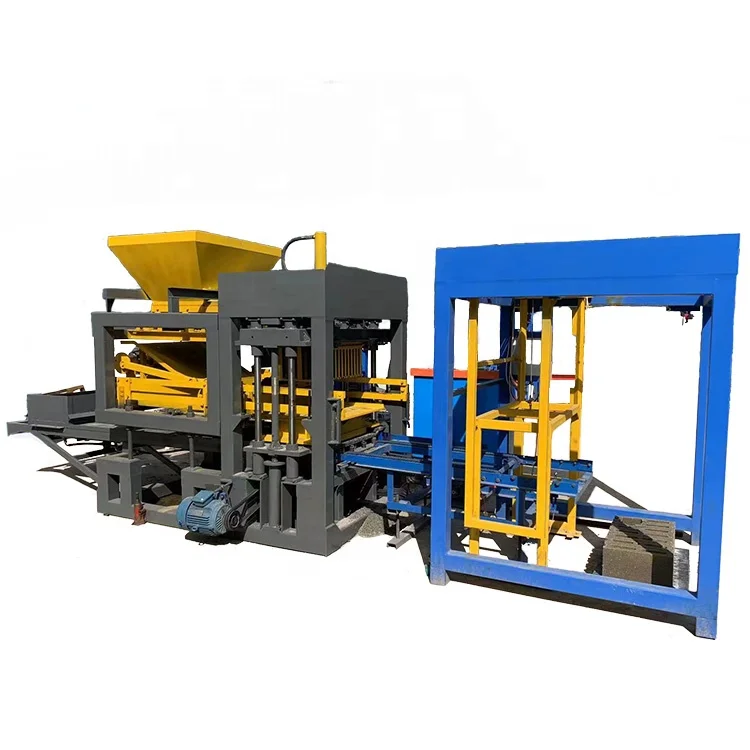
| Product Type | Automatic Hydraulic Concrete Block Making Machine |
| Overall Dimensions (L×W×H) | 3900×1600×2300 mm |
| Total Weight | 3 T |
| Molding Cycle | 15–25 s |
| Vibration Force (Exciting Power) | 40–50 kN |
| Total Power | 24 kW |
| Mixer Model | JQ350 |
| Pallet Size | 850×550×25 mm |
| Control System | PLC control system |
| Hydraulic Station | Included |
| Included Equipment | Block making machine, hydraulic station, PLC control system, pallet feeder, brick conveyor, block sweeper |
| Free Accessories | Manual hydraulic trolley, spare parts and tools |
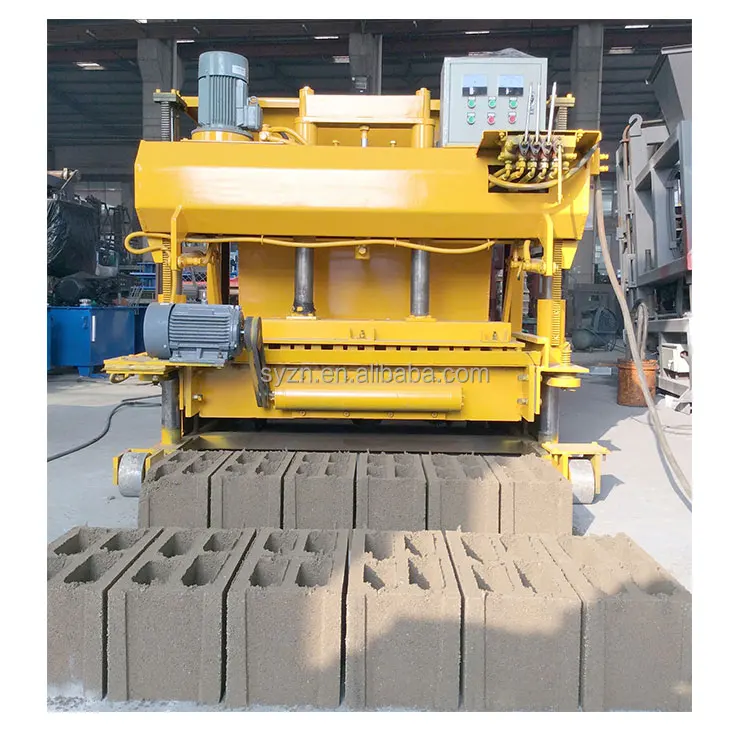
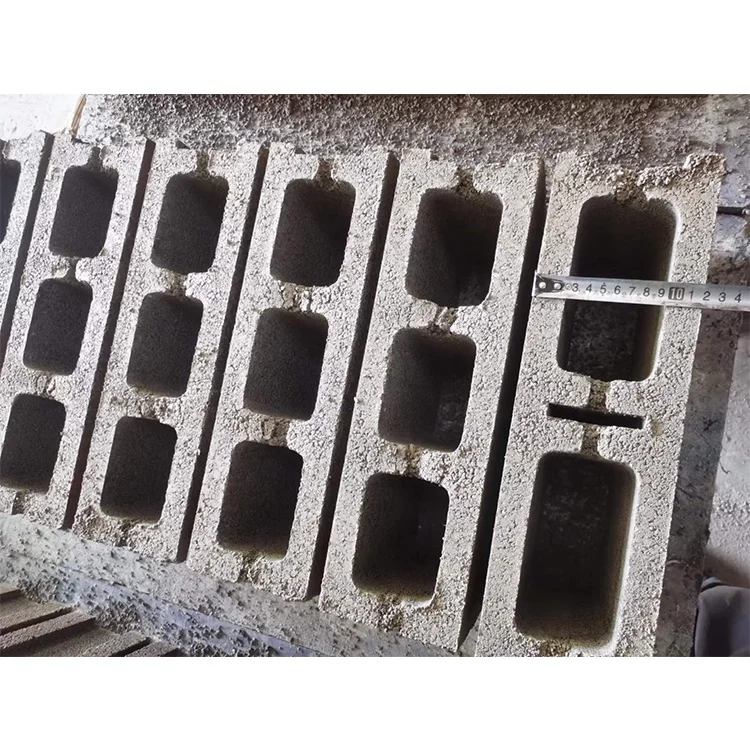
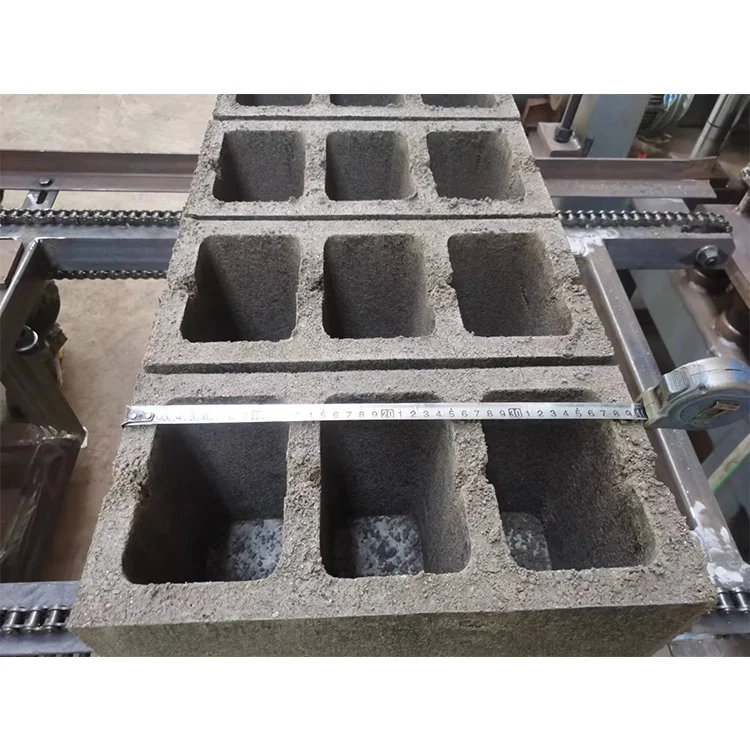
| Output Capacity (Hollow Block 400×200×200 mm) | 1200–1680 pcs/h, 9600–13440 pcs/8 hr |
| Output Capacity (Hollow Block 400×150×200 mm) | 1800–2400 pcs/h, 14400–19200 pcs/8 hr |
| Output Capacity (Solid Brick 240×115×53 mm) | 3240 pcs/h, 16200–19440 pcs/8 hr |
| Hydraulic Pressure | (basis to be confirmed) |
| Mould Change Time | (basis to be confirmed) |
| Voltage & Frequency | (configurable to target market requirement) |
| Automation Level | Semi-automatic with hydraulic and PLC control |
Application Suitability
| Application | Material or Output |
|---|---|
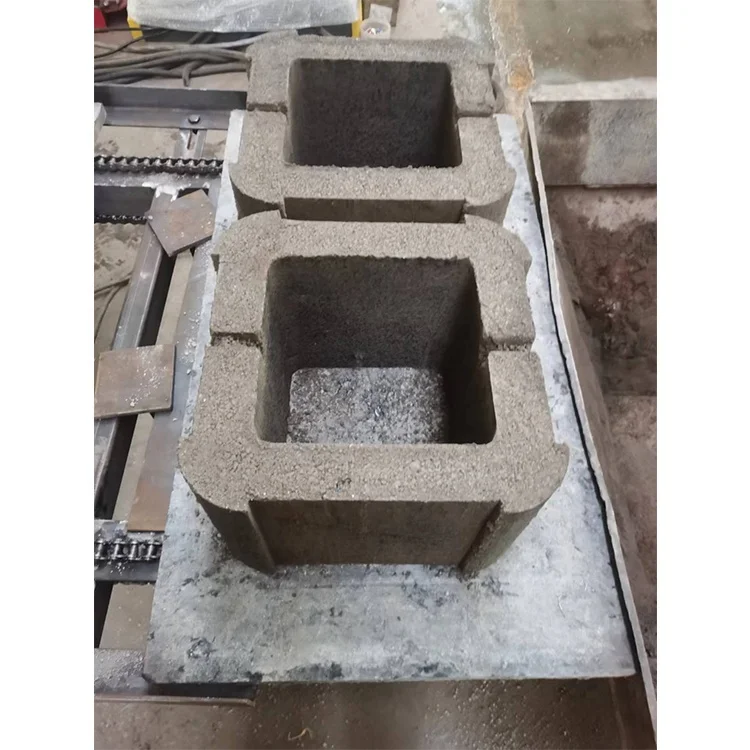
| Hollow block production for building walls | Crushed stone, sand, cement, fly ash, dust |
| Solid brick manufacturing for load-bearing structures | Cement, sand, crushed stone aggregates |
| Paver production for walkways and plazas | Cement, fine aggregate, pigment, crushed stone |
| Curbstone forming for road and infrastructure works | Coarse aggregate, cement, sand |
What "1200 Pieces per Hour" Actually Means for Your Block Format
Output only matters when the block dimensions behind the number are stated. The QT4-18 block machine specifications show three different hourly rates because each block format occupies a different area on the 850×550 mm pallet and requires a distinct vibration and pressing sequence. A buyer comparing quotations from different suppliers often sees a single cycle rate with no format attached, then discovers the real daily output is far below what was expected [NEED_CITE: common discrepancies in block machine capacity claims]. The figures here — rated at 1200–1680 pcs/h based on a 400×200×200 mm hollow block, and 3240 pcs/h based on a 240×115×53 mm solid brick — are tied to specific dimensions so you can plan your plant around real numbers.
Matching the QT4-18 to Your Local Block Market
Block formats vary significantly between regions. In Southeast Asia, 400×150×200 mm hollow blocks dominate residential construction, while parts of Africa and South America favor larger 400×200×200 mm units. The QT4-18 block machine specifications cover both through interchangeable moulds, but the cycle time and pallet layout differ between them. When we quote a line, the capacity calculation document names each format and its corresponding output so there is no ambiguity at commissioning.
Why Aggregate Testing Comes Before Mould Selection
I once spent four days on-site in the Philippines re-tuning vibration curves on a QT4-18 line because the buyer’s river sand carried high clay content. The machine was mechanically sound, but the mix did not compact correctly under the original settings. Block strength dropped well below the project requirement, and daily output was roughly half of what the specification sheet indicated for that format. Since that job, I ask every buyer to send a sample of their actual aggregate before we lock in the mould configuration and vibration parameters [NEED_CITE: effect of aggregate clay content on concrete block compressive strength].
Reading the Specs That Actually Influence Your Daily Run
The vibration force of 40–50 kN works together with hydraulic pressure to determine the density and strength of each block. Higher vibration alone does not guarantee stronger blocks — the hydraulic pressure must be sufficient to consolidate the mix while the vibration is active. The 15–25 second molding cycle range reflects this balance: lighter solid bricks cycle faster, while larger hollow blocks need longer vibration and pressing phases. The 850×550×25 mm pallet size sets the maximum molding area, which directly governs how many blocks fit per cycle for any given format. Buyers often overlook pallet dimensions until the curing racks and forklifts on site cannot accommodate the size that was shipped.
The Cost of Skipping Configuration Details
Ordering a block machine without confirming the pallet size against your existing curing area and forklift capacity leads to expensive workarounds after delivery. I have seen buyers forced to rebuild curing racks or rent different forklifts because the pallets that arrived did not match their infrastructure [NEED_CITE: pallet handling mismatches in concrete block plants]. Similarly, failing to confirm voltage and frequency before production means the machine may arrive with a motor and PLC that cannot run on the local supply, delaying commissioning by weeks while replacement components are shipped.
Why Buyers Specifying Format-Specific Output Choose This Line
Block machinery is the single focus of our engineering team, which means the QT4-18 is quoted as a matched system — machine, mould, pallet, and handling equipment are specified together rather than assembled from separate suppliers. The configuration is set against your actual mix design and target block format, not a catalogue default. Mould design covers the formats your market sells, and custom mould drawings are available when standard options do not cover a local requirement. Automation level is selectable, so a buyer can begin with the semi-automatic hydraulic and PLC configuration and plan an upgrade path later. Installation support includes operator training so your crew understands the mould change procedure and daily maintenance routines from the first shift.
Documentation & Verification
- Line layout with capacity calculation naming each block format assumed
- Mould drawing and format list issued before production begins
- Voltage, frequency, and PLC display language confirmed in writing
- Factory test record and hydraulic/electrical schematic included with shipment
- Operation and maintenance manual with wear parts and mould catalogue
Installation, Commissioning & Support
- Foundation plan based on the 3900×1600 mm footprint and 3 T operating weight
- Dedicated power circuit sized for 24 kW total draw at confirmed voltage and frequency
- Machine arrives as main press, hydraulic station, and PLC panel for on-site assembly
- Commissioning includes vibration and pressure tuning to your aggregate sample
- Operator training covers mould change sequence and daily hydraulic inspection
- Wear parts list and spare tool kit shipped with the initial order
Preparing Your Inquiry
Tell us which block formats you intend to produce, including the exact dimensions your market requires. Share a sample or analysis of your local aggregate so we can match the vibration and pressure settings before the machine is built. Confirm your site voltage, frequency, and preferred PLC display language so commissioning is not delayed after arrival.
Frequently Asked Questions
Q: How is output capacity calculated, and which block format does each figure assume?
A: Every capacity figure on this page is tied to a specific block dimension. For example, 1200–1680 pcs/h applies to 400×200×200 mm hollow blocks, while 3240 pcs/h applies to 240×115×53 mm solid bricks. The quotation you receive will state the assumed format alongside the hourly and daily totals.
Q: What pallet size does the QT4-18 use, and how should I plan for it?
A: The machine runs 850×550×25 mm pallets. Before ordering, confirm that your curing racks, floor space, and forklift can handle this dimension. We provide a line layout showing pallet flow from press to stacking area so you can verify the fit in advance.
Q: How long does a mould change take, and what formats can I run?
A: The QT4-18 accepts interchangeable moulds for hollow blocks, solid bricks, pavers, and curbstones. Exact changeover time depends on the mould mounting system fitted to your unit and will be confirmed during the quotation stage along with the full format list.
Q: What voltage and PLC language options are available?
A: Voltage and frequency are configured to your site supply, and the PLC display language is set before production. Both must be confirmed in writing before manufacturing begins to avoid commissioning delays on arrival.
Q: How do you ensure block strength matches my local aggregate?
A: We ask for a sample of your actual aggregate and mix proportions before finalizing vibration force, hydraulic pressure, and cycle settings. The machine is then factory-tested with parameters matched to that mix, and results are documented in the test record shipped with your order.