Description
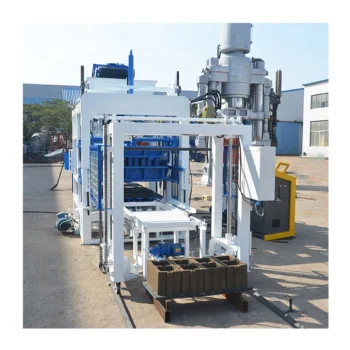
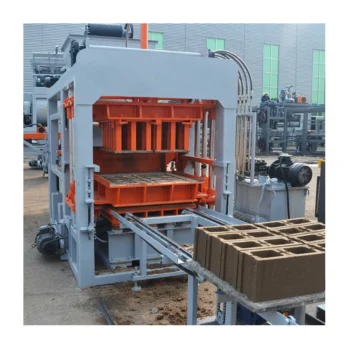
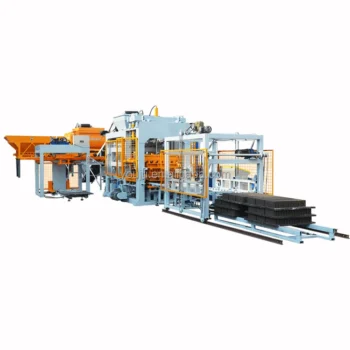
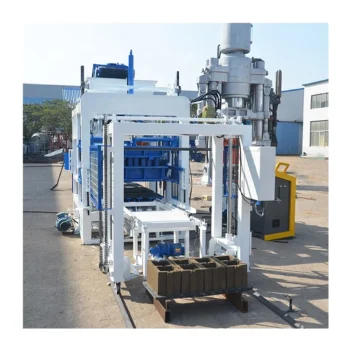
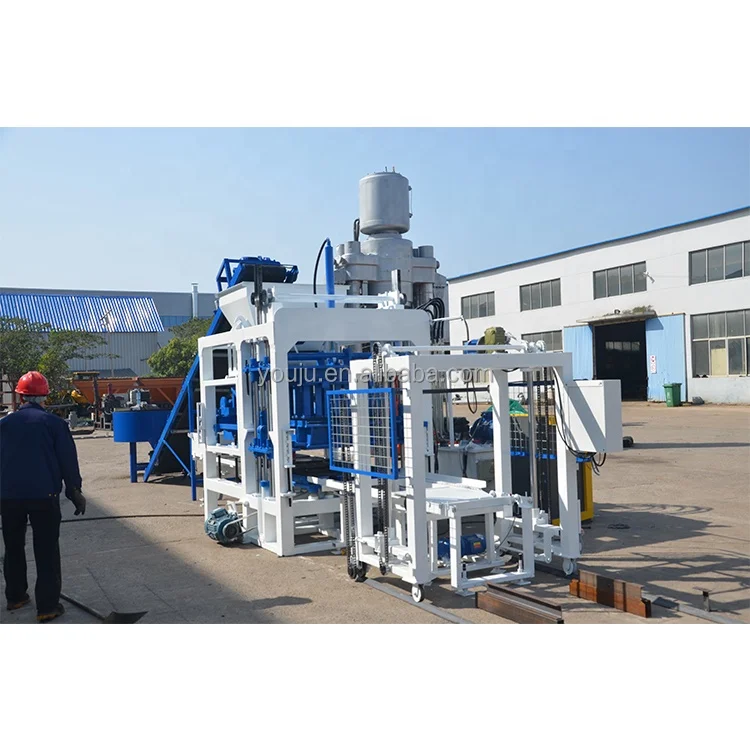
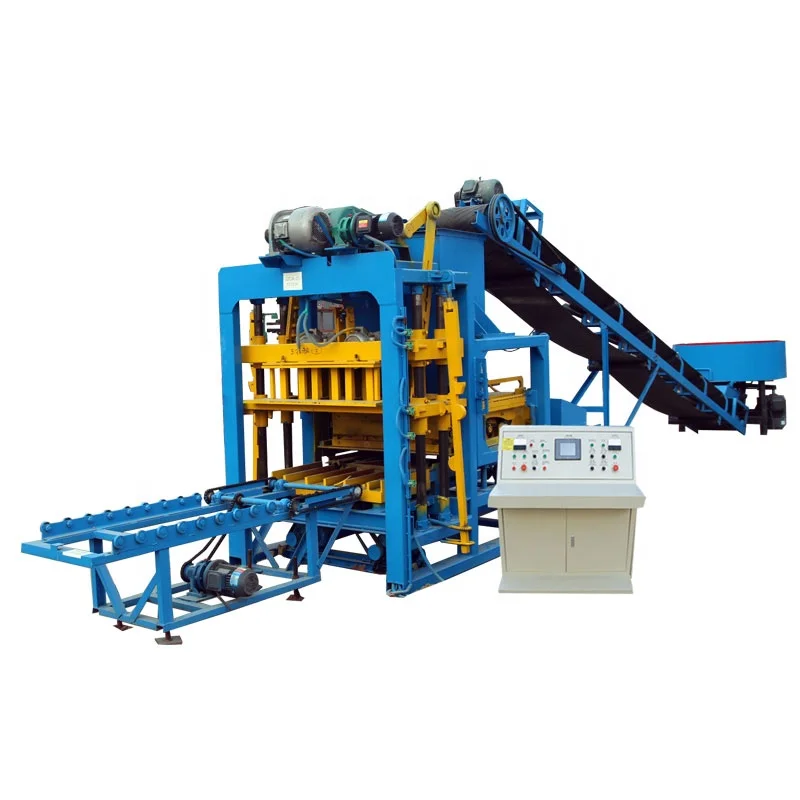
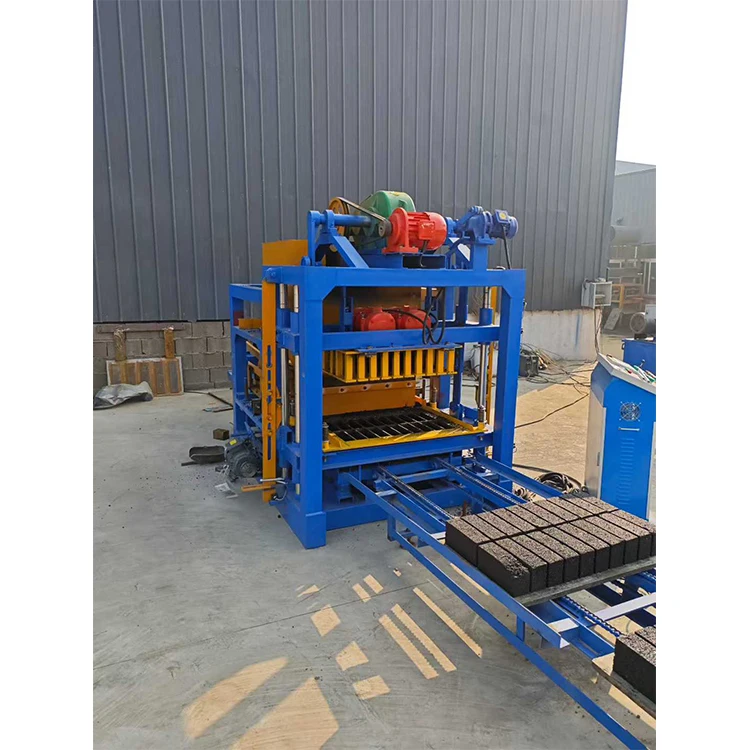
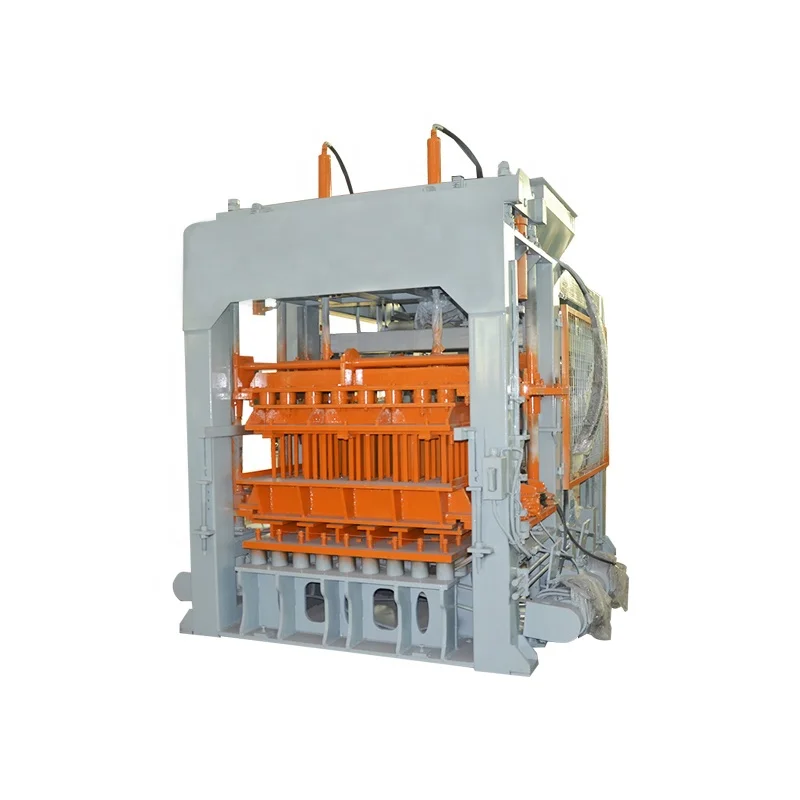
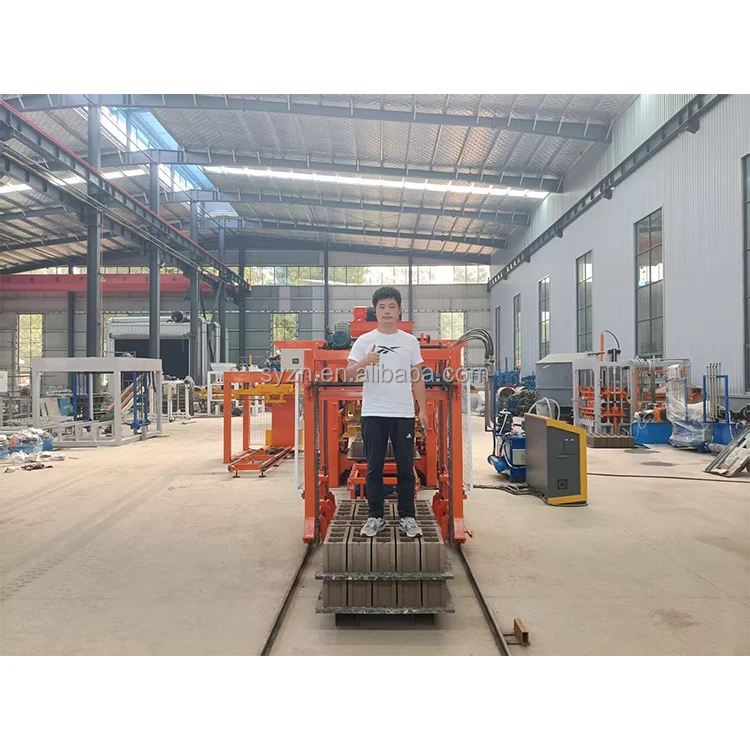
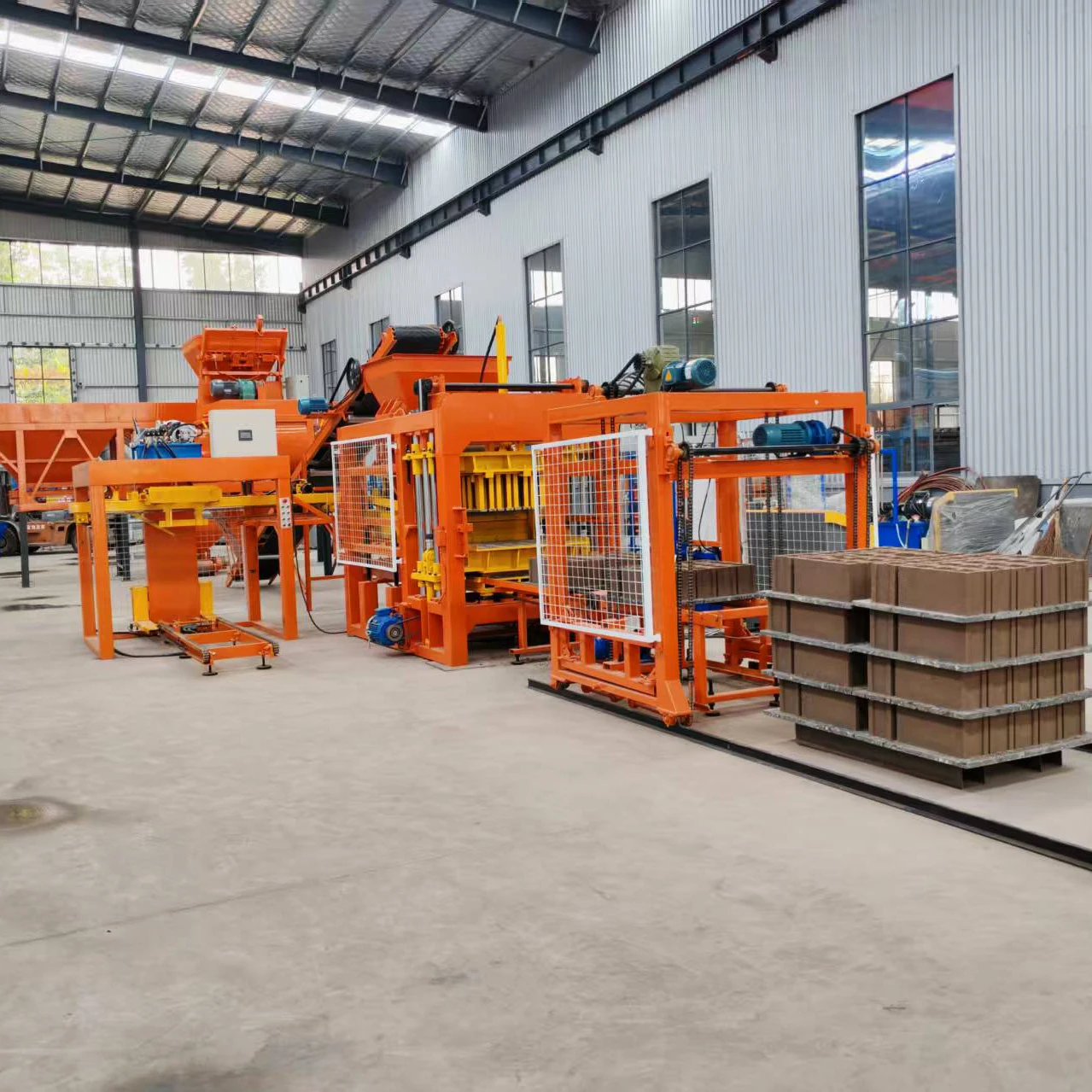
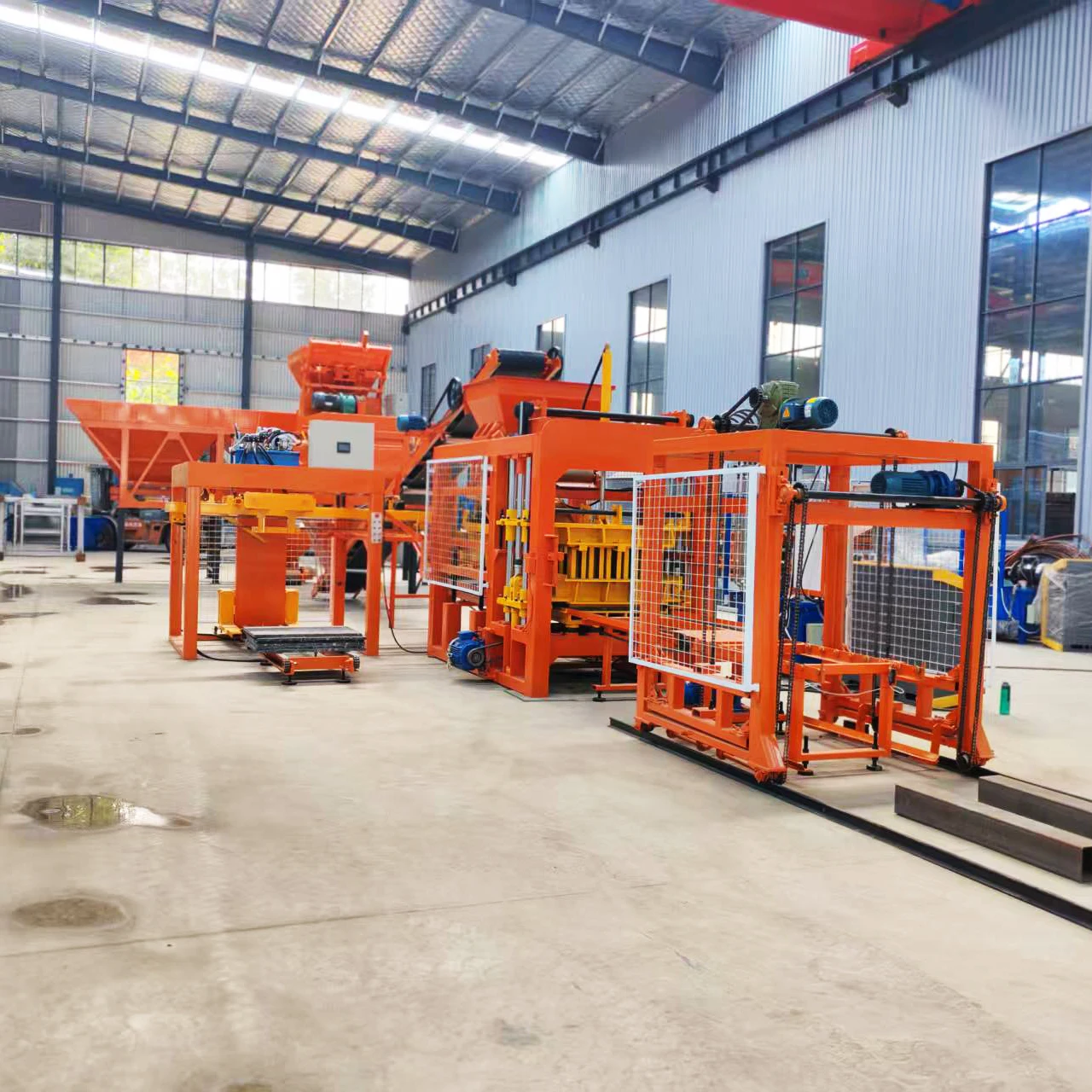
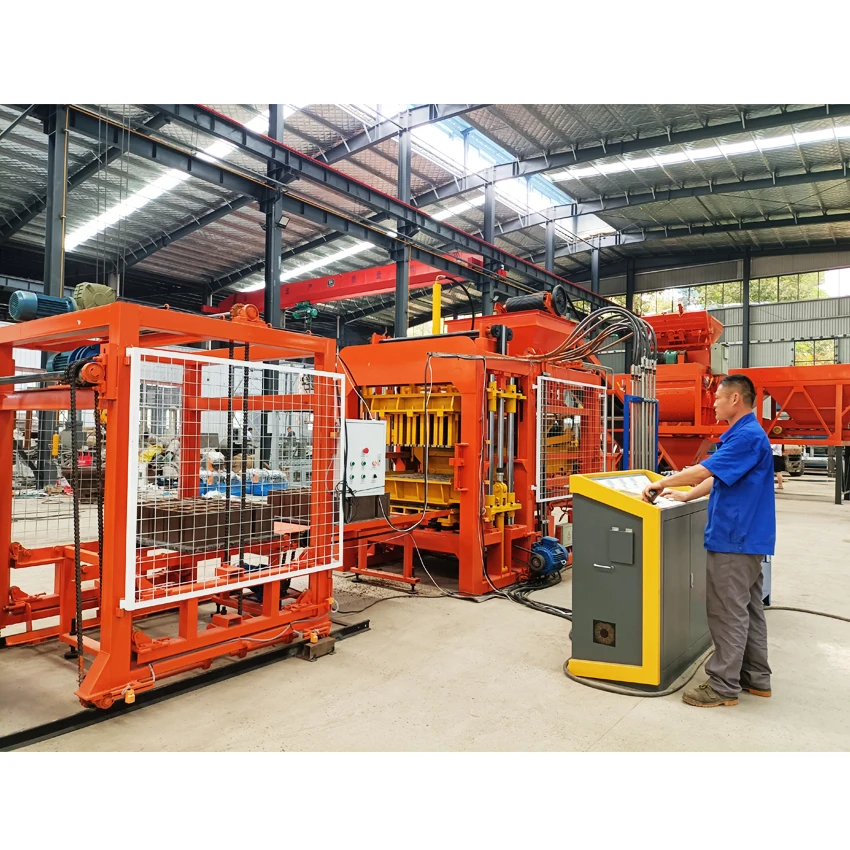
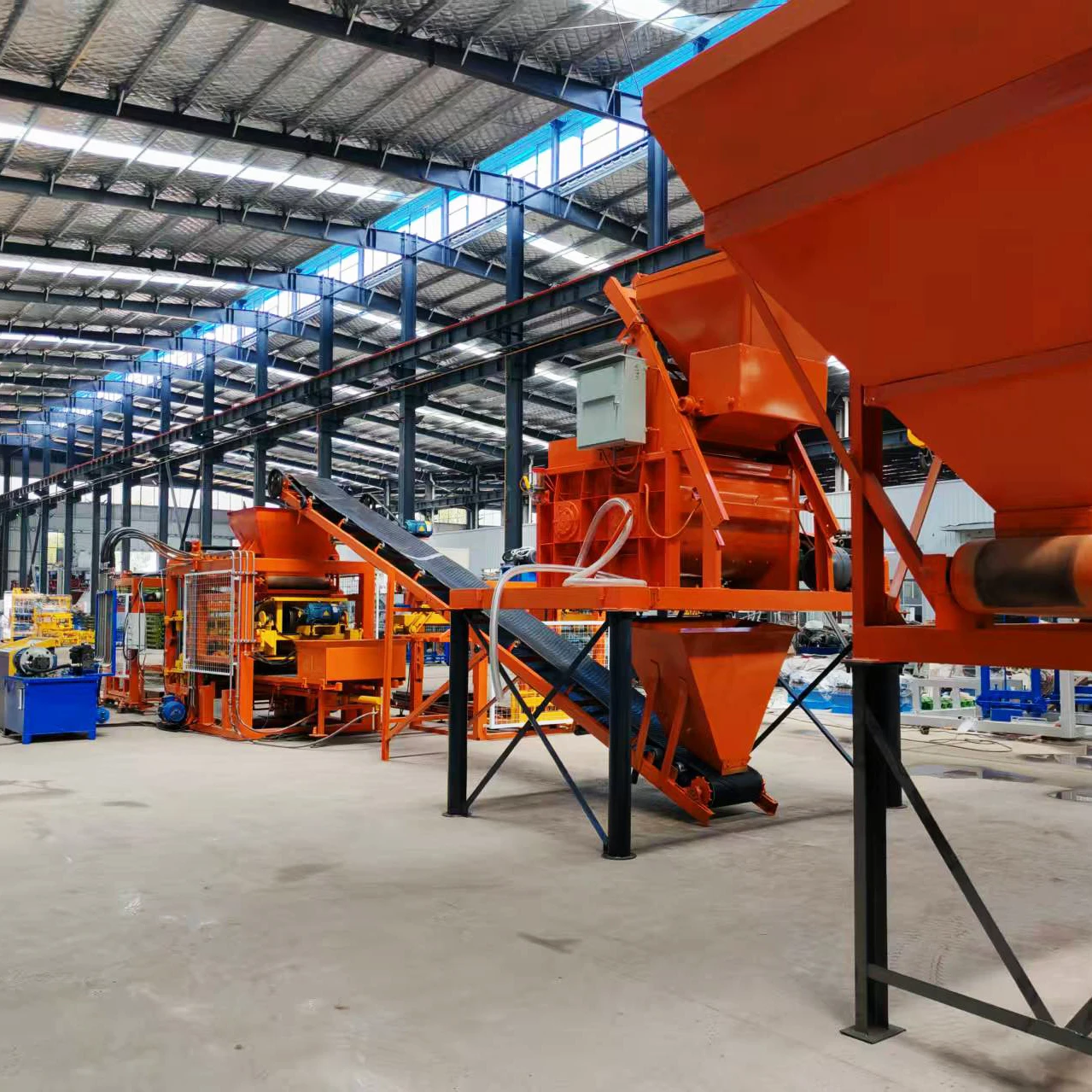
Matched System Design — The QT6-15 automatic block machine is specified alongside its moulds, pallets, and handling equipment as one integrated production unit rather than a standalone press.
Technical Specifications
| Parameter | Value |
|---|---|
| Model | QT6-15 |
| Product Type | Automatic Concrete Block Making Machine |
| Rated Power | 31.25 kW |
| Hydraulic Pressure | 16–21 MPa |
| Main Vibration Form | Platform Vibration |
| Molding Cycle | 15–20 seconds |
| Pallet Size | 850 × 680 mm |
| Overall Dimensions (L × W × H) | 7100 × 1500 × 3000 mm |
| Net Weight | 8500 kg |
| Voltage | According to local voltage (basis to be confirmed) |
| Control System | PLC (basis to be confirmed) |
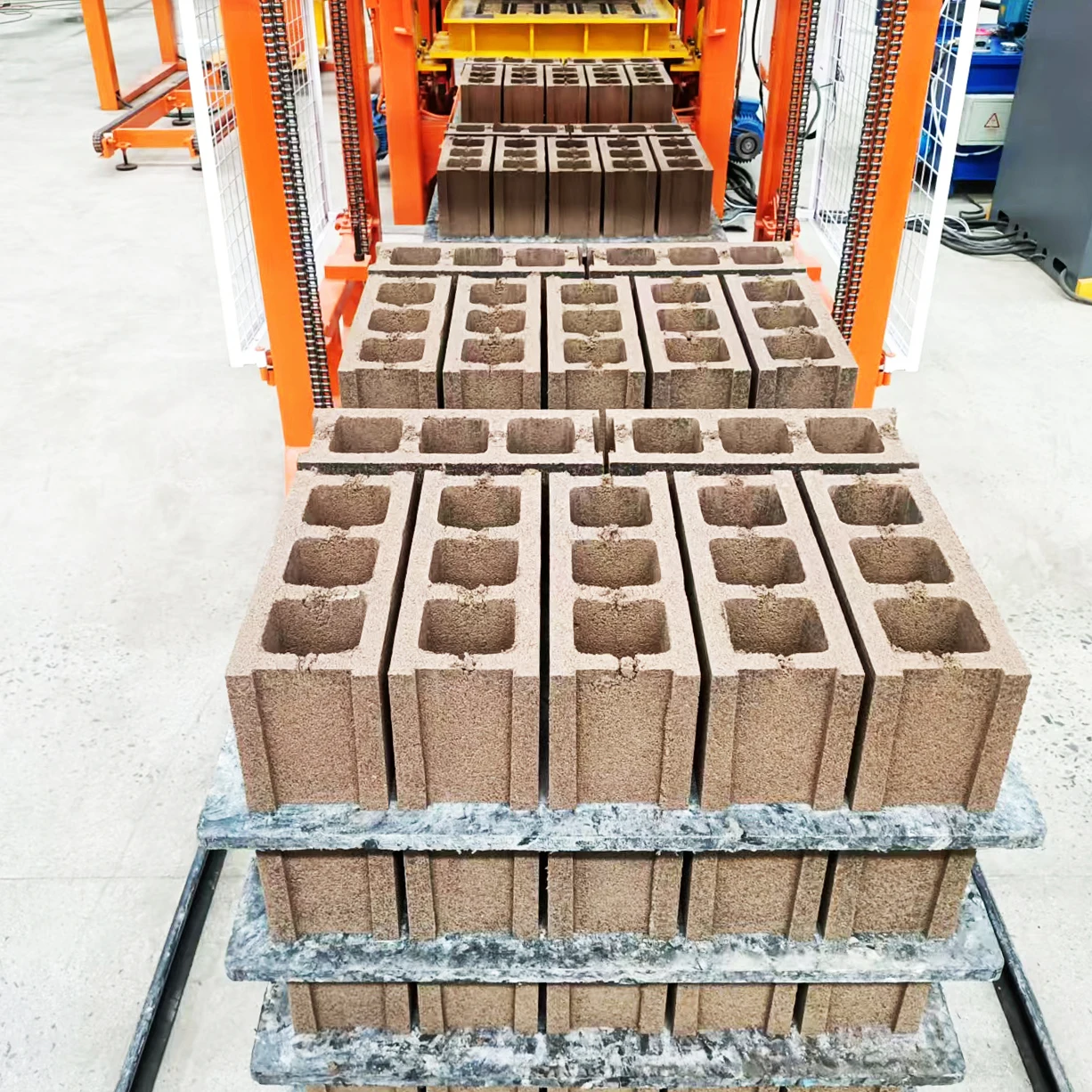
| Output – Hollow Block 400×200×200 mm | 8,640 pcs/day (6 pcs/mould, 16–20 s cycle) |
| Output – Porous Block 240×115×90 mm | 22,400 pcs/day (14 pcs/mould, 15–18 s cycle) |
| Output – Standard Block 240×115×53 mm | 54,400 pcs/day (30 pcs/mould, 14–17 s cycle) |
| Mould Treatment | Heat-treated (basis to be confirmed) |
| Mould Format Compatibility | Hollow, solid, paver, interlocking, curbstone, colored paver |
| Automation Level | Automatic (hydraulic + vibration system) |
Application Suitability
| Application | Material or Output |
|---|---|
| Hollow block production for wall construction | Crushed stone, sand, cement, fly ash |
| Solid block manufacturing for load-bearing structures | Gravel, sand, cement blends |
| Paving block and colored paver runs for hardscape projects | Fine aggregate with pigment additives |
| Interlocking brick production for retaining walls | Coarse aggregate and cement mix |
| Curbstone forming for road and pavement edging | High-density concrete with slag or gravel |
| Porous block output for permeable drainage systems | Lightweight aggregate and cement |
What "Pieces per Day" Really Means on the QT6-15
A capacity figure without a block format attached is not a capacity figure at all.
I have stood beside block machines on commissioning day while the owner stares at the output tally and asks why it is half what the quotation suggested. The answer almost always traces back to a cycle time quoted for a small solid block being applied mentally to a large hollow format. When you evaluate the QT6-15 block machine specifications, each output number in the table above is tied to a specific block size, mould cavity count, and cycle range. That is the only honest way to size a machine against your market demand [NEED_CITE: block output calculation methods across format types].
Format-Specific Capacity as a Sizing Tool
Choosing the right automatic block machine starts with the product your customers actually buy. A plant selling hollow blocks for residential walls operates in a completely different output bracket from one running standard bricks for paving sub-base. The QT6-15 delivers distinct throughput tiers depending on format, and knowing these before purchase prevents the mismatch between projected and actual daily volume.
Matching Mould Selection to Market Demand
Every block format demands its own mould geometry, compaction profile, and cycle adjustment. The heat-treated mould set for this platform covers hollow, solid, paver, interlocking, curbstone, and colored paver formats. A buyer adding interlocking retaining wall blocks to an existing hollow block line can specify that mould at order rather than retrofitting later, keeping the production changeover within a single shift [NEED_CITE: mould changeover practices in concrete block plants].
How Hydraulic Pressure and Vibration Shape Block Density
The 16–21 MPa hydraulic pressure range works in tandem with platform vibration to consolidate the concrete mix inside the mould cavity. Higher pressure alone does not guarantee strength; the vibration must fluidise the mix so particles settle into voids before the press compacts them. On a site in West Africa, I spent four days re-tuning frequency and pressure because the local volcanic aggregate behaved nothing like the river sand used during factory testing. The lesson holds everywhere: block strength comes from the interaction of pressure, vibration, and your specific mix design.
Reading the Specifications That Matter Most
The 850 × 680 mm pallet size determines how many blocks fit per cycle and must align with the curing racks and forklifts already in your yard. A pallet that is too large for your existing handling equipment creates a bottleneck that no press speed can fix. The 31.25 kW rated power indicates the electrical supply requirement; confirming voltage, frequency, and phase before production avoids commissioning delays that I have seen stretch into weeks on export projects. The molding cycle of 15–20 seconds is a range, not a fixed number — actual cycle time depends on the block height, mix workability, and target density. Mould treatment listed as heat-treated extends dimensional accuracy across production runs, reducing the frequency of block size variation that leads to rejection at the construction site.
The Cost of Ignoring Local Aggregate and Mix Design
When a machine arrives configured for a standard quartz sand mix but the only available local aggregate is volcanic scoria or coral limestone, the vibration profile and compaction pressure need recalibration. I have watched plants run for weeks producing blocks that crumble at the edges because nobody requested a mix trial before shipment. The result is wasted cement, rejected batches, and a loss of reputation with contractors who depend on consistent block strength [NEED_CITE: aggregate variability effects on concrete block compressive strength].
Why Sourcing From a Single-Focus Supplier Changes the Outcome
Block machinery is the only product line here, so the QT6-15 is proposed alongside moulds, pallets, and handling equipment that are verified to work together. Configuration is set against your actual mix design and target block format rather than a catalogue default. Mould drawings are produced for the formats your market sells, including custom profiles when standard shapes do not match local building codes. Automation level is selectable, meaning a buyer can begin with semi-automatic pallet handling and add automatic stacking later without replacing the press. Installation support includes on-site commissioning and operator training so the crew understands cycle adjustment, mould change procedure, and daily maintenance before the first production shift.
Documentation & Verification
- Line layout showing QT6-15 stations with capacity stated per block format
- Mould drawing and format list confirming every cavity type in the order
- Pallet specification sheet matched to curing rack spacing and forklift capacity
- Voltage, frequency, and PLC display language confirmation signed before production
- Factory test record run on buyer-specified block format before dispatch
- Wear parts and mould maintenance list with replacement intervals
Installation, Commissioning & Support
- Foundation plan sized to the 7100 × 1500 mm footprint and 8500 kg operating weight
- Dedicated power circuit sized for the 31.25 kW rated load at confirmed local voltage
- Machine shipped in dismantled state with reassembly supervised on site
- First-run parameter tuning using local aggregate samples brought to commissioning
- Operator training covering PLC navigation, mould changeover, and cycle adjustment
- Hydraulic hose and vibration motor wear parts list with recommended stock quantities
- Scheduled maintenance checklist tied to platform vibration bearing and hydraulic seal intervals
Preparing Your Inquiry
To move from general interest to a workable proposal, share the block formats your market demands along with the daily volume each format requires. Include a sample or lab analysis of your local aggregate so the vibration and pressure settings can be matched before the machine enters production. Confirm your site voltage, frequency, and the language your operators need on the PLC display — these details lock in the electrical build and prevent delays once the machine arrives.
Frequently Asked Questions
Q: How is daily output calculated, and which block format does each capacity figure assume?
A: Each output figure is tied to a specific block dimension, mould cavity count, and cycle time range. For example, 8,640 hollow blocks per day assumes a 400×200×200 mm format at six cavities and a 16–20 second cycle. Switching to a different format changes both the pieces per mould and the cycle, so always match the capacity row to the product you intend to run.
Q: How do vibration force and hydraulic pressure interact with my local aggregate?
A: Vibration fluidises the mix so particles settle, while hydraulic pressure consolidates them. Dense river sand responds differently from lightweight volcanic scoria or coral limestone. The 16–21 MPa pressure range and platform vibration on the QT6-15 must be tuned to your specific material, which is why an aggregate sample is requested before final parameter settings are locked.
Q: What is the actual mould change time, and does it vary by format?
A: Mould change duration depends on the size difference between the outgoing and incoming mould and the crew’s familiarity with the clamping system. A switch between two similarly sized hollow block moulds is faster than moving from a hollow block to a small paver mould. Training during commissioning covers the procedure so the changeover fits within a planned shift break.
Q: Which pallet size and material are specified, and how do they relate to my curing yard?
A: The 850 × 680 mm pallet must fit your existing curing racks and be liftable by your current forklift. Pallet material — bamboo, PVC, or steel — is chosen based on the moisture level in your curing area and the expected service life. Confirming these details before order prevents a mismatch that would slow pallet circulation on the production line.
Q: How do I confirm voltage, frequency, and PLC display language before production?
A: These are confirmed in writing during the quotation stage. Your local electrical supply determines the motor winding and transformer specification, while the PLC display language is set to match your operators. Signing off on these items before the machine enters the build phase avoids costly rewiring and control panel replacement after arrival.