

Description
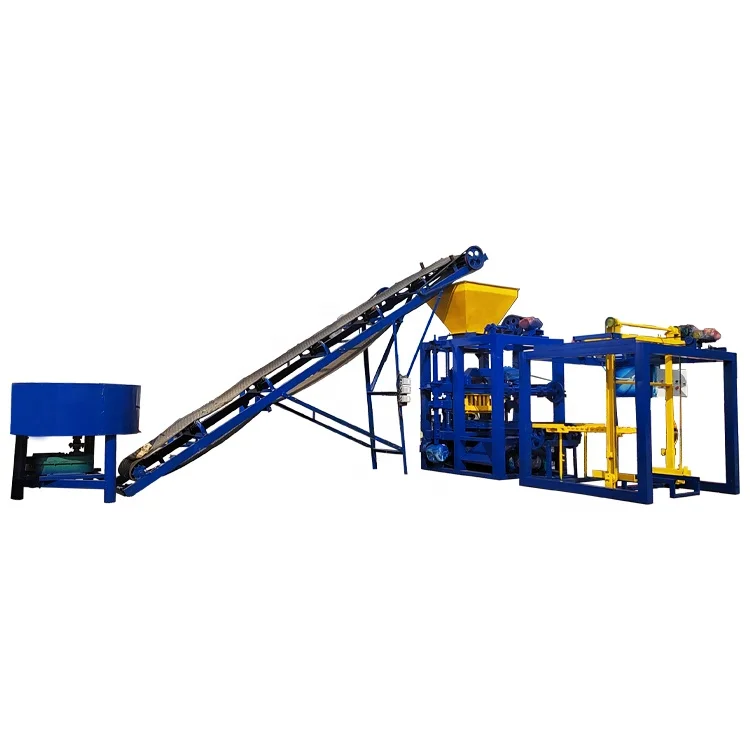
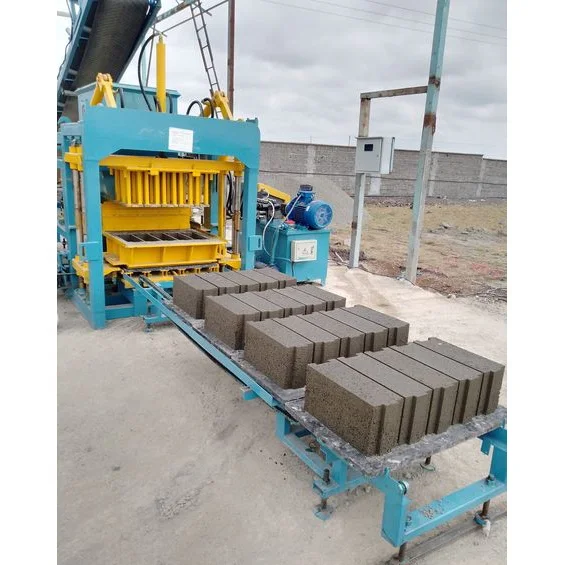
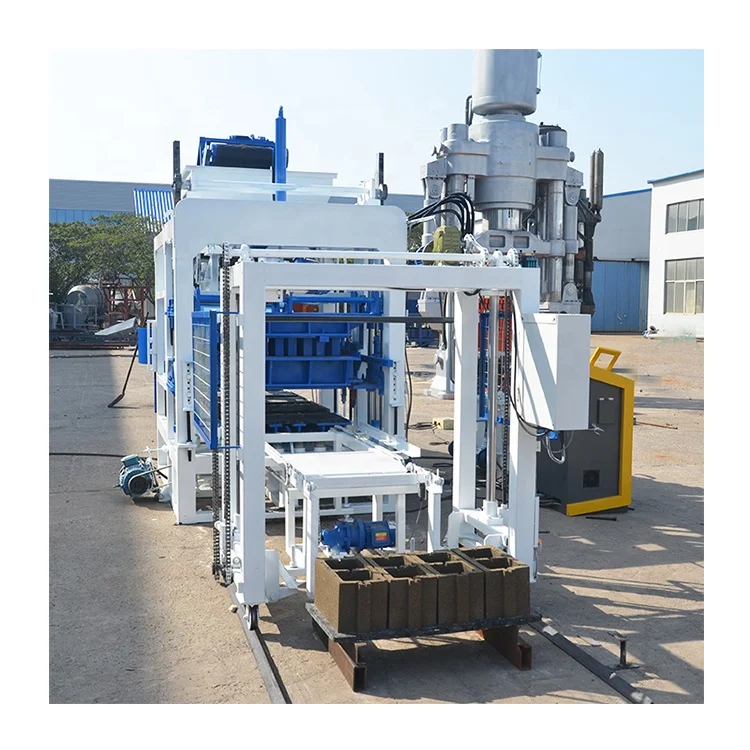
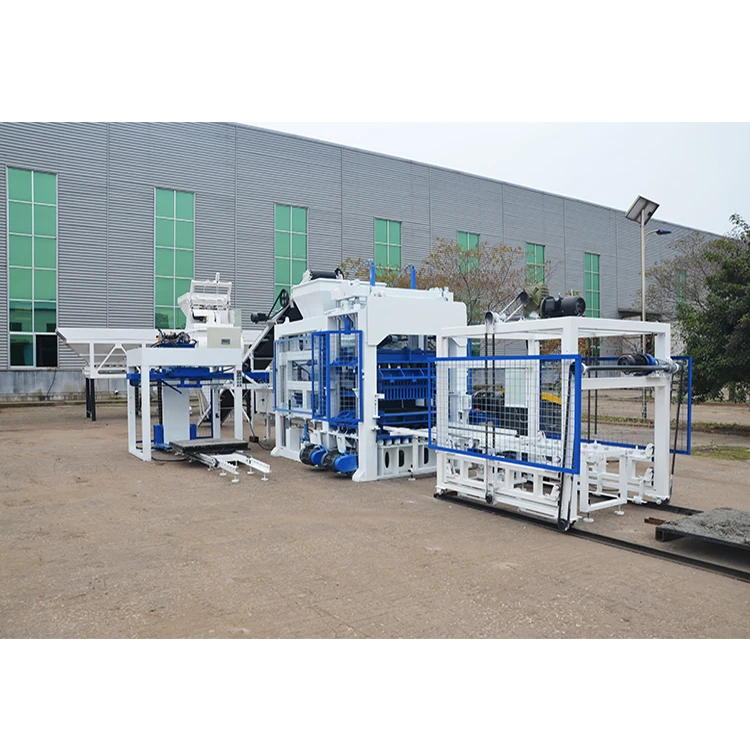
Block machinery as a single focus — The QT10-15 is specified as one matched system with mould, pallet, and handling chosen for your target format, not assembled from separate suppliers.
Technical Specifications
| Parameter | Value |
|---|---|
| Product Type | Automatic Concrete Block Making Machine |
| Model | QT10-15 |
| Control System | PLC control cabinet |
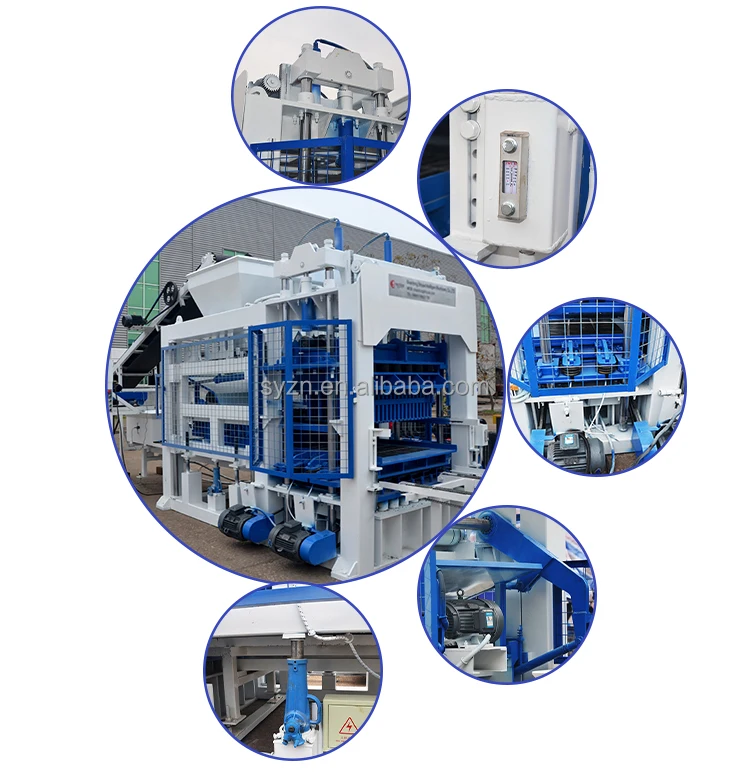
| Hydraulic System | Independent integrated hydraulic station |
| Line Components | Pallet feed machine, block making machine, storage hopper, conveyor, hydraulic unit, PLC control cabinet |
| Mould Change System | Simple mould replacement for multi-format production |
| Cycle Time (Hollow & Solid) | 15-20s |
| Cycle Time (Paving Block) | 20-25s |
| Output (400x200x200mm hollow, 10 pcs/mould) | 1800-2400 pcs/hour |
| Output (400x150x200mm hollow, 12 pcs/mould) | 2160-2880 pcs/hour |
| Output (240x115x53mm solid, 62 pcs/mould) | 8928-11160 pcs/hour |
| Output (200x100x60mm paving, 27 pcs/mould) | 5184-6480 pcs/hour |
| Output (225×112.5x60mm paving, 24 pcs/mould) | 4032-5040 pcs/hour |
| Warranty | 1 year for whole machine (excluding spare parts) |
| CE Standard | Verification required for this specific model |
Application Suitability
| Application | Target Format and Material |
|---|---|
| Hollow Block Production | 400mm and 150mm width formats from crushed aggregate and cement |
| Solid Brick Manufacturing | Standard 240x115x53mm clay or concrete bricks for masonry |
| Paving Block Production | 60mm thickness interlocking pavers from high-strength concrete mixes |
| Construction Material Plants | Multi-format production lines adding capacity to existing product ranges |
Why the QT10-15 Automatic Block Machine Specifications Matter More Than Headline Output
Realistic capacity depends on the exact block format, mould cavity count, and cycle time, not a single cycles-per-hour figure.
A buyer I worked with sourced a machine based on a maximum hourly cycle rating. When they switched from 400x200mm hollow blocks to the smaller solid brick their market demanded, the output changed completely. The cycle time, the number of cavities per mould, and the material flow all shifted. Without QT10-15 automatic block machine specifications stated per format, that kind of mismatch is easy to miss until production starts [NEED_CITE: concrete block production capacity assumptions].
Mould Cavity Count Defines True Hourly Output
The difference between 10 cavities for a 400x200mm hollow block and 62 cavities for a standard solid brick means the same press produces fundamentally different hourly volumes. The QT10-15 automatic block machine specifications show this range across five block formats. A technical buyer sizing equipment must look at the cavity count for the specific product their market sells, not a single aggregate number.
Cycle Time Varies by Product Thickness and Material
Hollow blocks and solid bricks typically mould in 15-20 seconds, while 60mm paving blocks require 20-25 seconds due to higher compaction demands. This five-second difference compounds across an eight-hour shift. The machine’s independent integrated hydraulic station and vertical station mode resonance help maintain cycle consistency, but the base cycle assumption must match the buyer’s actual product [NEED_CITE: vibration compaction cycle times for concrete pavers versus hollow blocks].
Hydraulic Pressure and Vibration Force Determine Block Density
The independent integrated hydraulic station isolates the press vibration and dust from hydraulic components, which supports consistent pressure delivery across formats. However, the vibration force and hydraulic pressure ratings needed to compact a local aggregate mix into a high-strength paver differ from those needed for a lightweight hollow block. These parameters must be confirmed against the buyer’s specific mix design and target block strength.
The Cost of Overlooking Format-Specific Cycle Data
When a machine is selected on a headline capacity number without checking cycle time per format, the result is often a production shortfall that shows up mid-project. I have seen buyers commit to supply contracts based on one output figure, then discover the format they actually needed to run produced far fewer blocks per shift. The pallet handling and curing area then bottleneck further because those were sized for the wrong volume [NEED_CITE: block plant capacity planning and pallet circulation requirements].
Why Procurement Should Start With Your Local Aggregate
The configuration set here is built against the buyer’s actual mix design and local raw material, not a catalogue default. Mould design covers the formats the buyer’s market sells, including custom drawings. Automation level is selectable so a buyer can start semi-automatic and upgrade the stacking and pallet handling later. Installation support includes operator training on the specific formats being produced. Documentation covers factory test records run on the buyer’s target block format before the machine leaves the factory.
Documentation & Verification
- Line layout and capacity calculation stating the block format assumed for each output figure
- Mould drawing and format list confirming available moulds match your target products
- Pallet specification confirming size and material align with your curing area
- Voltage, frequency and PLC display language confirmation before shipment
Installation, Commissioning & Support
- Foundation layout matched to the QT10-15 footprint and vibration isolation requirements
- Electrical connection verified against the confirmed voltage and frequency before dispatch
- PLC control cabinet programmed in the buyer’s operating language prior to commissioning
- Initial mould installation and cycle time calibration on the buyer’s confirmed block format
- Operator training covering mould change procedure and daily hydraulic station checks
- Wear parts list and mould maintenance schedule provided at handover
What to Include in Your Inquiry
To match the QT10-15 to your production needs, share the specific block formats and dimensions your market demands, your target daily output per format, and the local aggregate and cement available at your site. Also confirm your existing pallet size, curing area setup, and the voltage and frequency standard in your facility so the line can be configured before it ships.
Frequently Asked Questions
Q: How is capacity verified per block format and what cycle time assumptions are used?
A: Output figures for the QT10-15 are stated per format, listing the mould cavity count and the cycle time range. For hollow and solid blocks, the cycle is 15-20 seconds; for paving blocks, 20-25 seconds. Buyers should verify these assumptions against their own mix design and target block density before confirming a capacity number.
Q: How do I match mould selection to the block format my market actually demands?
A: The mould drawing and format list should be reviewed against the products your local market sells. Mould design is available for standard formats and can be customised to buyer drawings. Confirming the exact dimensions and cavity count early prevents ordering a machine that cannot produce your primary product.
Q: What pallet size does the QT10-15 require and how does it align with my curing setup?
A: Pallet size must be confirmed during the configuration stage to match both the mould footprint and the buyer’s existing curing area and forklift capacity. The pallet specification document provided before shipment details the required dimensions and material so your curing racks can be prepared in advance.
Q: How does hydraulic pressure and vibration force match my local aggregate?
A: The independent hydraulic station delivers consistent pressure, but the force settings must be tuned to your local aggregate and mix design. A configuration review against a sample of your raw material ensures the vibration force and pressure are matched to produce the block strength your market requires.
Q: What is the realistic mould change time and does it preserve format flexibility?
A: The QT10-15 features a simple mould replacement system for multi-format production. Actual change time depends on the mould size and the operator’s familiarity with the procedure. Training covers the change process so format switching does not consume a full shift and negate the flexibility the machine offers.