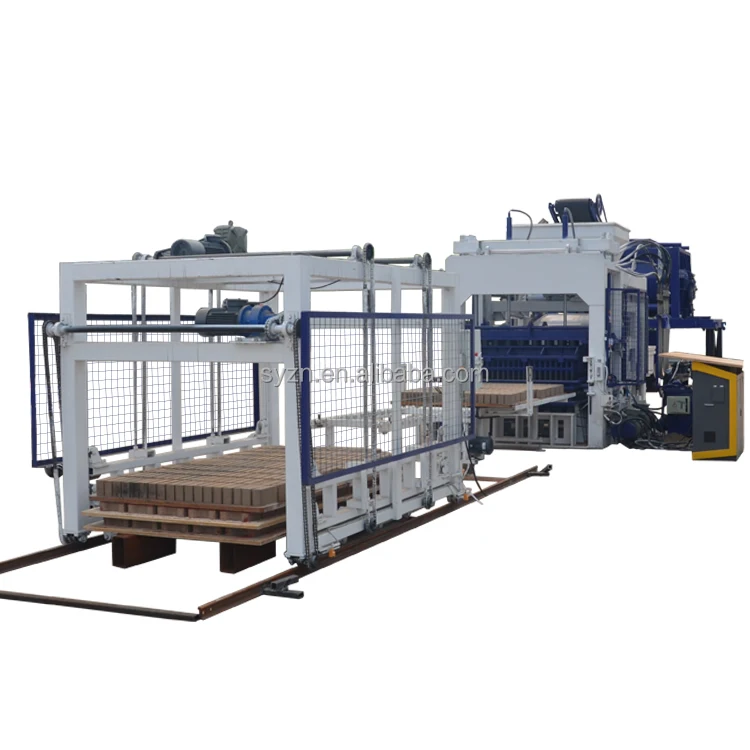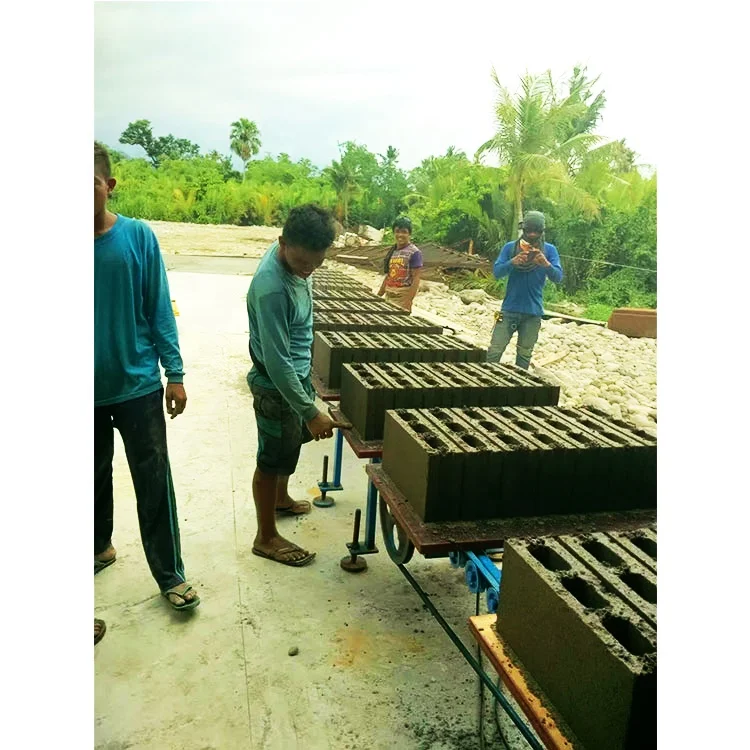
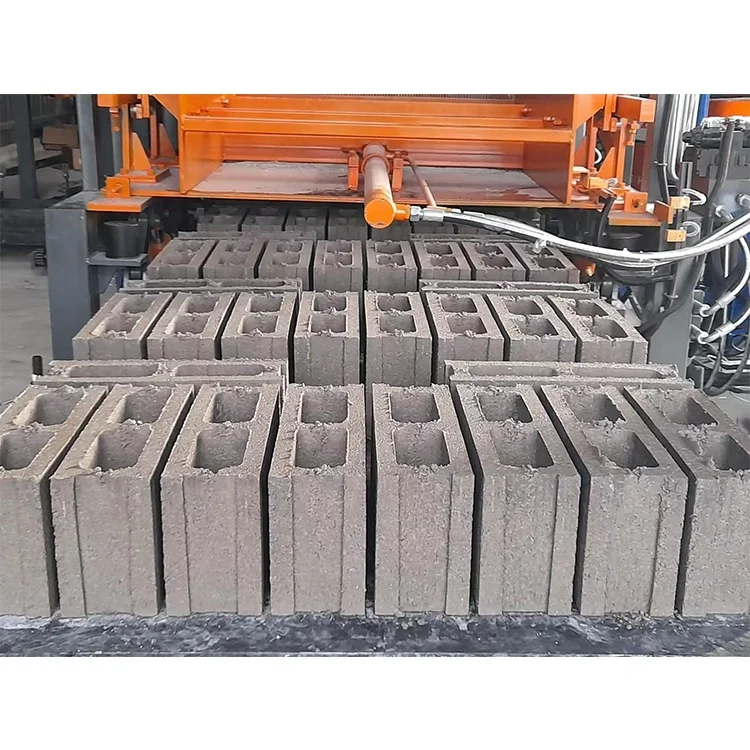
Description
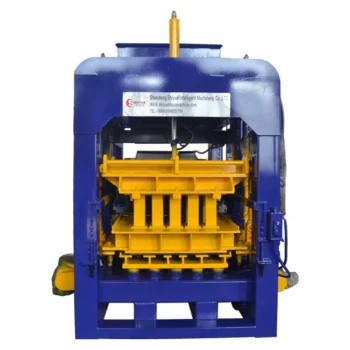
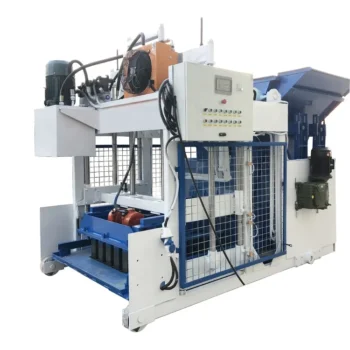
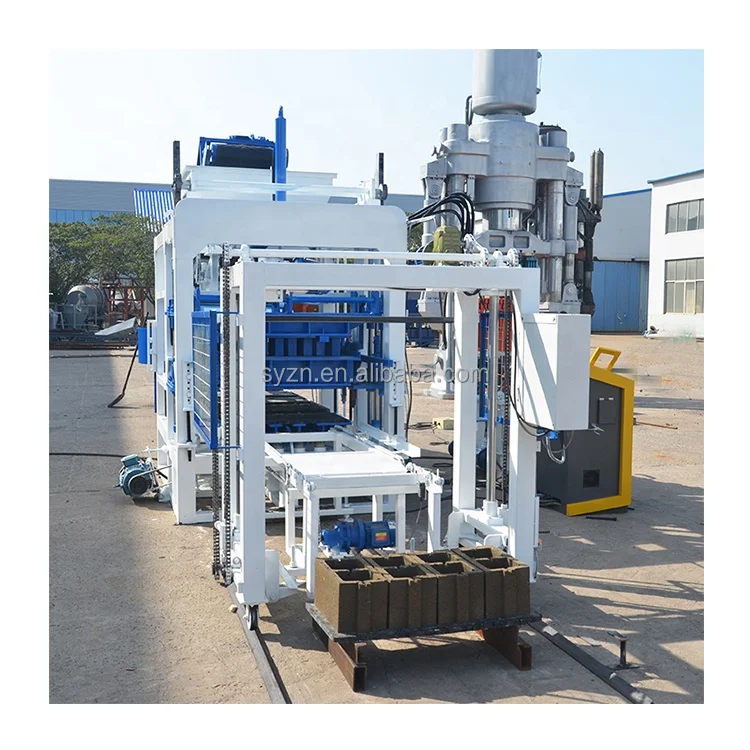
Mould Matched to Market — The QT7-15 block making machine is configured against your actual block format and local aggregate, not a catalogue default, so daily output reflects what your plant really produces.
Technical Specifications
| Parameter | Value |
|---|---|
| Model | QT7-15 |
| Product Type | Hydraulic Block Making Machine |
| Pallet Size | 1150×700 mm |
| Molding Cycle | 15–20 s (basis not stated in source — confirm block format / material / thickness) |
| Overall Power | 45 kW (rated or peak not specified) |
| Vibration Force | 100 kN |
| Vibration Frequency | 0–60 Hz, adjustable |
| Vibration Form | Platform Vibration |
| Total Mass | 8 T |
| Demolding Method | Hydraulic |
| Control System | PLC with touch screen interface |
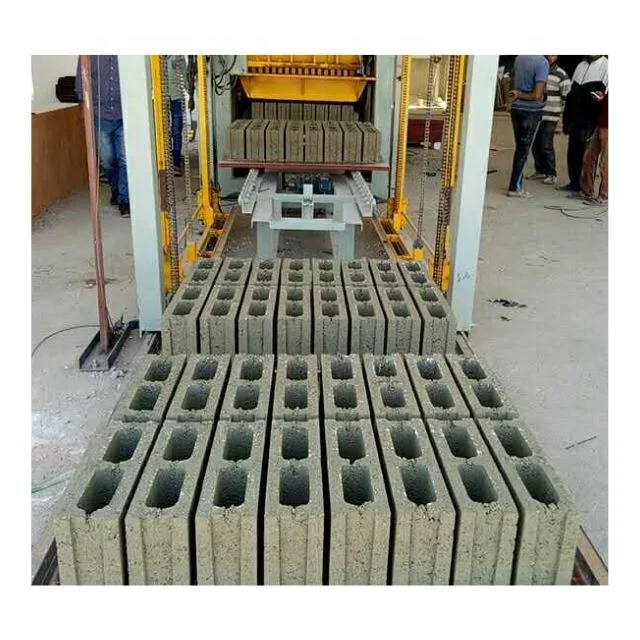
| Output — Hollow Block 400×200×200 mm | 1,260–1,680 pcs/hour; 10,080–13,440 pcs/8 hr |
| Output — Hollow Block 400×150×200 mm | 1,440–1,920 pcs/hour; 11,520–15,360 pcs/8 hr |
| Output — Rectangular Paving Brick 200×100×60 mm | 3,888–4,860 pcs/hour; 31,104–38,880 pcs/8 hr |
| Mould Change System | Quick replacement for multi-format production |
| Remote Diagnostics | Supported via advanced control system |
| Warranty | 1 year for whole machine (excluding spare parts) |
Application Suitability
| Application | Material or Output |
|---|---|
| Hollow block production (400×200×200 mm & 400×150×200 mm) | Crushed stone, sand, cement, fly ash blends |
| Rectangular paving brick (200×100×60 mm) | Fine aggregate and cement mixtures for interlocking pavement |
| Solid block and interlocking brick | Local quarry dust, river sand, or laterite with cement binder |
| Kerbstone and porous brick | Coarse aggregate with controlled water-cement ratio |
| On-site production by construction contractors | Variable aggregate sourced near project location |
What "10,000 Blocks a Day" Actually Means on the QT7-15 Block Machine
Capacity only matters when the block format, cycle time, and mix design are all stated together.
I have stood beside plants where the quoted output looked impressive on paper, but the figure assumed a hollow block format the buyer never intended to sell. When the real product was a smaller solid block with a different curing requirement, the daily throughput dropped sharply. The QT7-15 hydraulic block making machine capacity by format is listed above with specific dimensions — 400×200×200 mm hollow, 400×150×200 mm hollow, and 200×100×60 mm paving brick — each carrying its own cycle window. If your market demands a format outside those three, the mould must be designed and the cycle re-timed before any realistic daily number can be quoted [NEED_CITE: block format and cycle time correlation in hydraulic press operation].
How Block Format Determines Your Real Daily Output
A machine that cycles every 15 seconds on a large hollow block may cycle faster on a thin paving brick, but the mould footprint, demolding stroke, and vibration profile all shift. The QT7-15 block machine specifications list three reference formats with distinct hourly and eight-hour ranges. When you evaluate whether this press meets your daily target, start with the format your customers actually order and work backward through the cycle time — not the other way around.
Matching Vibration Force to Your Local Aggregate
The 100 kN vibration force and 0–60 Hz adjustable frequency on the QT7-15 are designed to compact a range of mix designs, but the right frequency setting depends on your aggregate grading and moisture content. In West Africa, I have seen laterite-rich mixes demand lower frequency and longer vibration to achieve the same block density that a clean crushed-stone mix reaches in fewer seconds. Without a trial run on your actual material, the QT7-15 block machine specifications are a starting point, not a guarantee [NEED_CITE: aggregate grading effect on vibration compaction in block pressing].
Reading the Specs That Matter for Block Strength
Hydraulic pressure and platform vibration work together: the hydraulic system applies vertical compaction while the platform vibration rearranges particles into a denser matrix. On the QT7-15, the demolding is hydraulic, which means the press can hold pressure through the full compaction phase before releasing. The 1150×700 mm pallet size sets the maximum mould footprint — any format you choose must fit within that envelope with enough edge clearance for clean demolding. The PLC with touch screen stores process parameters per mould, so once you dial in the vibration time and pressure for a specific mix, those settings are recalled on the next run rather than re-entered manually.
The Hidden Cost of Skipping the Pallet and Curing Check
A pallet size that does not match your existing curing racks or forklift capacity creates a bottleneck no press upgrade can fix. If your curing area was laid out for 900×600 mm pallets and the QT7-15 arrives with 1150×700 mm boards, you either rebuild the racks or handle every pallet by hand — both of which erase any throughput gain from the machine itself [NEED_CITE: pallet size compatibility with curing infrastructure in block plants]. I have watched plants run the press at half speed simply because the forklift could not clear the curing yard fast enough.
Why Sourcing the Press and Mould Together Matters
The QT7-15 is configured as a matched system: the hydraulic pressure curve, vibration frequency range, and mould cavity layout are set against one another before the machine leaves the factory. When a buyer sources the press from one supplier and the moulds from another, the demolding stroke and vibration amplitude often fall out of sync, producing blocks with cracked corners or inconsistent density. Shiyue designs and supplies moulds for every format the QT7-15 supports, including custom drawings when your market requires a block size outside the standard range. Mould changes use the quick replacement system so a format switch does not consume an entire shift. Voltage, frequency, and PLC display language are confirmed before production begins, preventing commissioning delays once the machine arrives on site. The factory test record documents actual output on your specified block format, not a generic cycle count.
Documentation & Verification
- Line layout drawing with capacity calculation stated per your chosen block format
- Mould drawing and format list showing included cavity sizes and changeover procedure
- Pallet specification matched to your curing rack spacing and forklift rating
- Voltage, frequency, and PLC language confirmation sheet signed before production
- Factory test record on your target format before dispatch
Installation, Commissioning & Support
- Foundation plan accounts for the QT7-15 total mass of 8 T and platform vibration load path
- Electrical supply sized for 45 kW overall power with dedicated circuit and correct voltage
- Machine arrives dismantled for container loading; reassembly sequence documented in manual
- PLC touch screen configured to your operator language before first commissioning run
- Mould installation and vibration parameter tuning performed on your local mix during on-site setup
- Wear parts list with hydraulic seals and mould liner reorder references supplied at handover
Before You Request a Quote
Tell us which block format your market buys most — dimensions, daily volume target, and whether you need multiple formats on one press. Share your local aggregate type and any existing curing infrastructure so the pallet and handling configuration can be matched. Confirm your site voltage and frequency so the electrical package is built correctly from the start.
Frequently Asked Questions
Q: How is QT7-15 capacity calculated per block format, and what cycle time does each assume?
A: Each output figure on this page is tied to a specific block dimension — 400×200×200 mm hollow, 400×150×200 mm hollow, or 200×100×60 mm paving brick. The molding cycle range of 15–20 seconds is a general window; the exact cycle for your format depends on mix design and target block strength, confirmed during factory testing.
Q: What mould formats are available, and how long does a mould change take?
A: Standard moulds cover the hollow and paving formats listed above, and custom moulds can be designed to your drawings. The QT7-15 uses a quick replacement system so a trained operator can switch formats without losing a full shift. Exact changeover time is confirmed once your specific mould set is finalized.
Q: How should I evaluate the 1150×700 mm pallet against my existing curing setup?
A: Measure your curing rack spacing, forklift tine width, and yard layout before confirming the pallet order. If your current infrastructure was built around a smaller pallet, the handling plan must be adjusted — otherwise the press output will pile up faster than it can be moved to curing.
Q: What mix design factors affect block strength on this machine?
A: Aggregate grading, cement ratio, moisture content, and fines percentage all influence compaction under the 100 kN vibration force. A trial run with your local material lets us set the vibration frequency and cycle time to reach the strength your market requires before the machine ships.
Q: What voltage, frequency, and PLC language options are confirmed before shipment?
A: Your site voltage, frequency, and preferred PLC display language are written into the production order. This prevents commissioning delays and ensures the touch screen interface is readable for your operators from the first day of operation.