

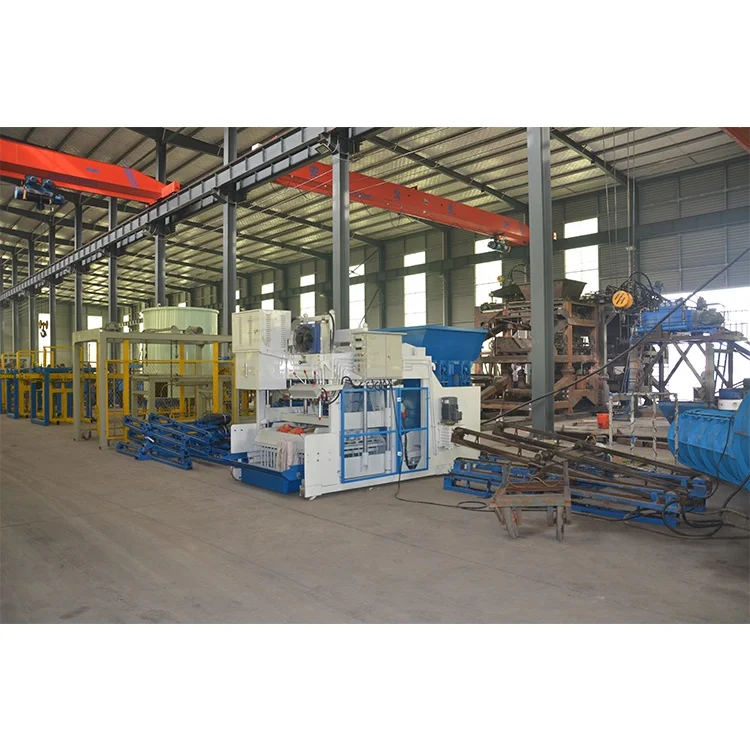
Description
Format-Matched Capacity — Every cycle time and daily output figure on the QMY12-15 is calculated against the hollow block format you actually sell, not a single headline number pulled from a generic brochure.
Technical Specifications
| Parameter | Value |
|---|---|
| Model | QMY12-15 |
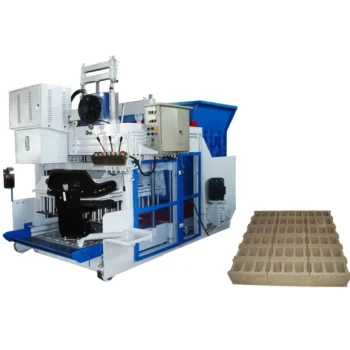
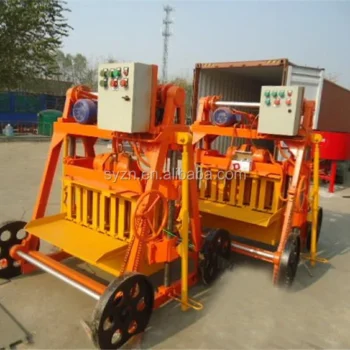
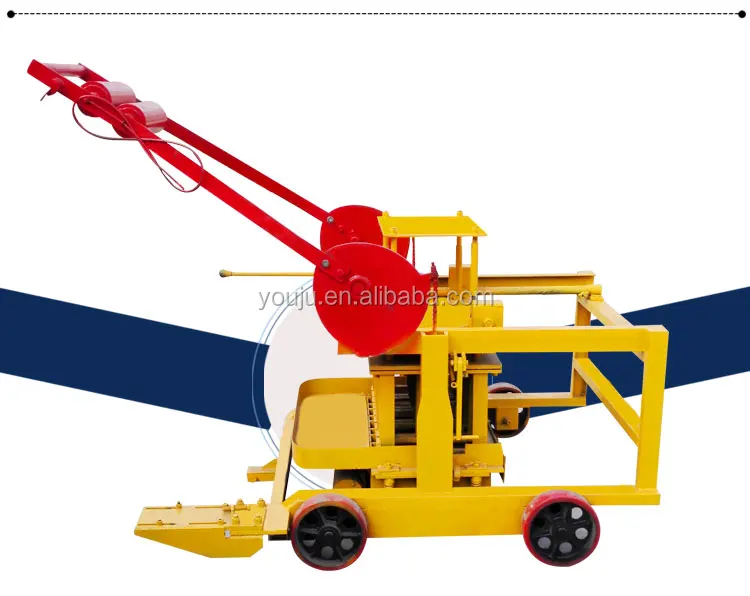
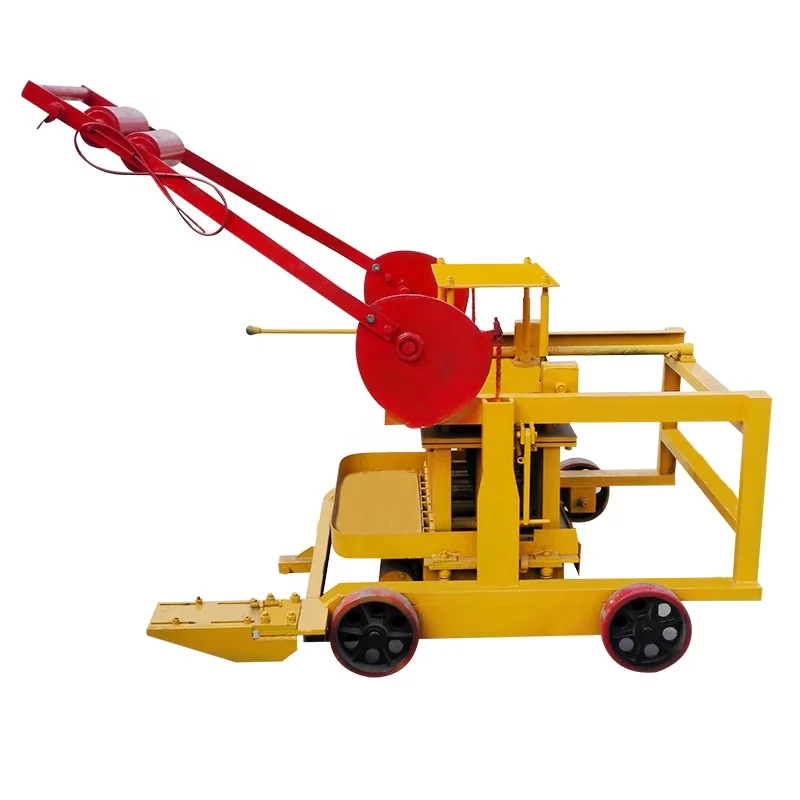
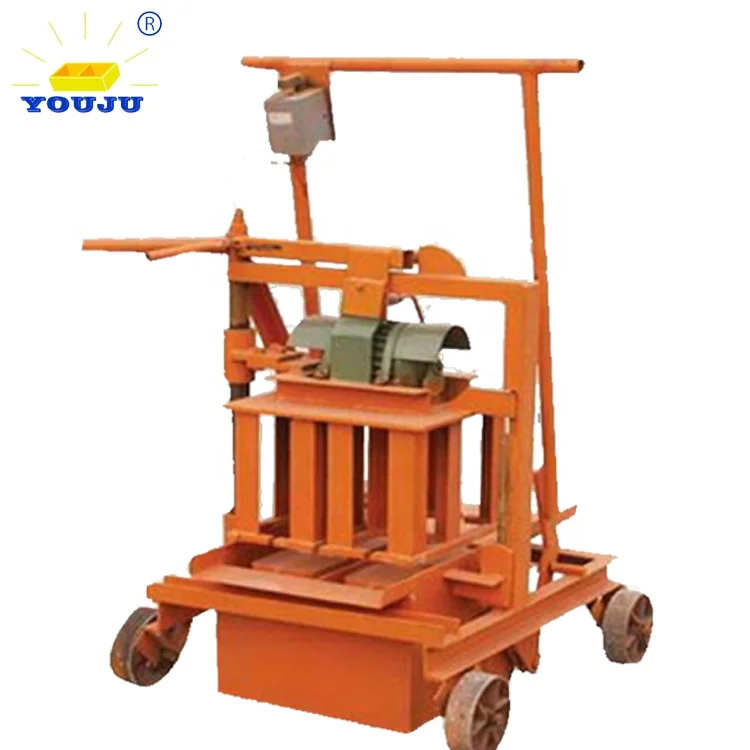
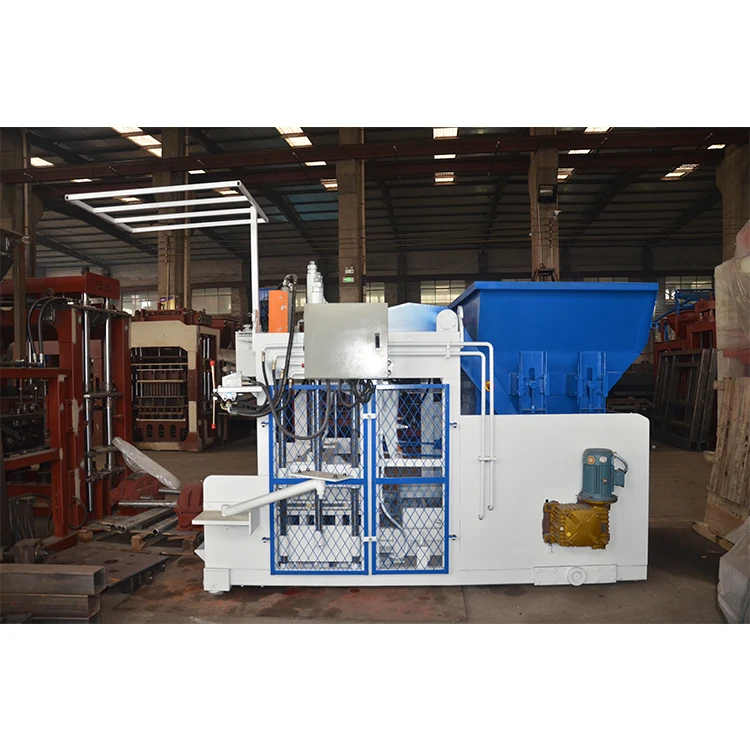
| Product Type | Mobile Egg-Laying Hollow Block Making Machine |
| Overall Dimensions (L×W×H) | 3250×2100×2300 mm |
| Net Weight | 4500–4600 kg |
| Rated Power | 16 kW |
| Motor Brand | Siemens |
| Pressure Type | Hydraulic |
| Vibration System | Twice-vibration of molding core |
| Pallet Requirement | No pallet required (egg-laying) |
| Workers Required | 2–3 |
| Cycle Time (400×200×200 mm hollow block) | 10–15 s per cycle, 12 pcs/mould |
| Cycle Time (400×150×200 mm hollow block) | 10–15 s per cycle, 14 pcs/mould |
| Automation Level | Semi-automatic (manual movement) |
| Assembly State | Skid-mounted, mobile |
| Standards | ISO 9001:2008, SGS, CE |
Application Suitability
| Application | Material or Output |
|---|---|
| On-site hollow block production | Crushed stone, river sand, cement, and local aggregate blends |
| Construction project yards | 400×200×200 mm and 400×150×200 mm hollow blocks laid directly on ground |
| Housing development sites | Low-infrastructure block production without fixed plant or pallet fleet |
| First-operation entrepreneurs | Existing cement yard converted to block production with minimal setup |
What "12,000 Pieces per Day" Actually Means for the QMY12-15 Mobile Block Machine
The number only holds when you name the block format, the mould count, and the cycle time behind it.
I once watched a buyer in West Africa unpack a mobile egg-laying machine that was supposed to produce a comfortable daily volume of hollow blocks. The quotation said the capacity was sufficient for his project timeline. What nobody had confirmed was that his local aggregate was volcanic ash, which demands different vibration energy and hydraulic pressure than the standard limestone the machine was tuned for at the factory. The result was blocks that crumbled under their own weight, and a daily tally well below what the brochure promised. We spent two weeks on site adjusting the mix and vibration parameters before the line ran to expectation. [NEED_CITE: effect of local aggregate on block density and compressive strength]
How Format Determines Real Output
When you evaluate the QMY12-15 mobile block machine specifications, the first thing to pin down is which hollow block format your market buys. A 400×200×200 mm block uses a 12-cavity mould with a 10–15 second cycle, which yields a calculable hourly rate over an eight-hour shift. Switch to a 400×100×200 mm block and the mould cavity count changes, the cycle may shift, and the daily total follows a different path entirely. Quoting a single output number without the format attached is how buyers end up disappointed.
Pallet-Free Operation and What It Removes
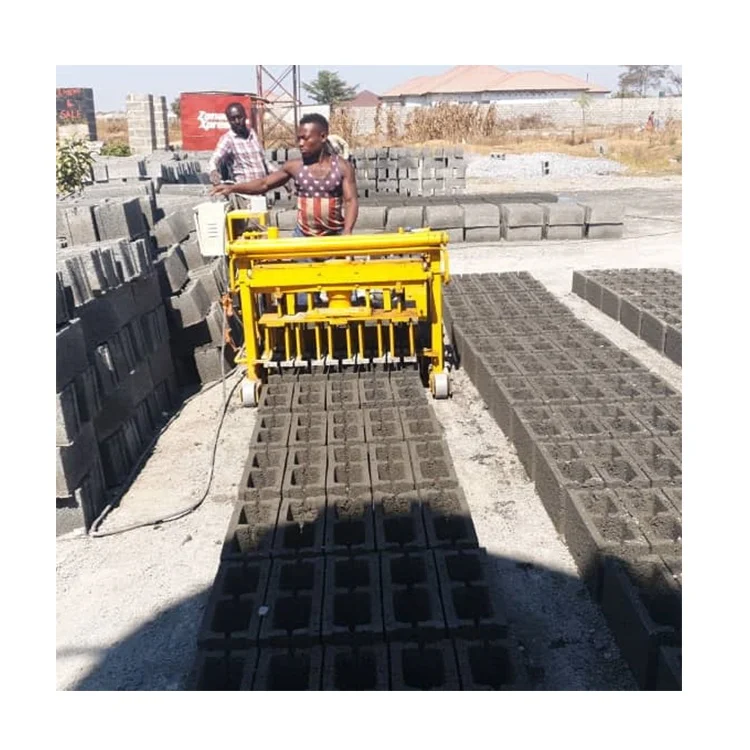
The egg-laying design means the QMY12-15 deposits each block directly onto the ground and moves forward, so there is no pallet investment, no pallet storage rack, and no forklift loop returning cured pallets to the machine. For a contractor producing on a project site with limited space, this eliminates an entire logistics chain. The trade-off is that the ground surface must be level and firm enough to accept freshly pressed blocks without deformation. [NEED_CITE: ground preparation requirements for mobile egg-laying block machines]
Reading the Pressure and Vibration Figures
The hydraulic pressure and twice-vibration molding core work together to compact the concrete mix into the mould cavity. Higher vibration frequency alone does not guarantee block strength; the hydraulic clamp force must be sufficient to hold the mould rigid while vibration settles the aggregate. The Siemens motor rated at 16 kW delivers the power needed for both systems simultaneously. If your mix contains a high proportion of fine material such as volcanic ash or crushed quarry dust, the vibration energy and pressure dwell time may need on-site adjustment to achieve the target compressive strength.
The Cost of Skipping Format Confirmation
Ordering a mobile block machine without confirming which moulds are included and which cycle times were tested means the first production run becomes an expensive experiment. Blocks that fail the local strength standard cannot be sold, and the contractor still pays for cement, labor, and lost project days. In extreme cases the buyer orders an entirely new set of moulds and waits for sea freight while the construction schedule slips. [NEED_CITE: cost impact of block failure on construction project timelines]
Why Sourcing This Machine Through a Format-First Process Matters
Every configuration starts with the hollow block format and daily output you actually need, so the mould count and cycle calculation are locked before the quotation is issued. The machine, mould, and hydraulic settings are treated as one matched set rather than separate line items. Voltage, frequency, and PLC display language are confirmed in writing before production, avoiding a commissioning delay when the machine arrives. Factory test records document the specific block format and cycle time that were run, giving you a baseline to match on site. Operator training covers mould change procedure and mix adjustment so your crew can respond to aggregate variation without waiting for a service visit.
Documentation & Verification
- Line layout and capacity calculation stating the exact hollow block format and cycle time assumed
- Mould drawing pack showing cavity count and dimensional tolerance for each block size
- Voltage, frequency, and control language confirmation sheet signed before production
- Factory test record documenting block format run, cycle time, and measured block weight
- CE declaration pack applicable to the destination market
Installation, Commissioning & Support
- Level ground surface prepared to 3250×2100 mm working footprint before machine placement
- 16 kW power supply on a dedicated circuit matching confirmed voltage and frequency
- Skid-mounted unit offloaded and positioned without fixed foundation or anchor bolts
- First-day commissioning includes cycle time verification on buyer’s actual aggregate blend
- On-site operator training covers mould change, hydraulic pressure adjustment, and daily maintenance
What to Include in Your Inquiry
Provide the hollow block formats your market sells, including exact dimensions and wall thickness, together with your target daily output and the local aggregate you plan to use. Share the site voltage and frequency, the control language your operators need, and the ground conditions at your production yard so the proposal can specify the correct mould set and electrical configuration from the start.
Frequently Asked Questions
Q: How is daily output verified, and which block format does the quoted figure assume?
A: Daily output is calculated per block format, per mould cavity count, and per measured cycle time. A 400×200×200 mm hollow block on a 12-cavity mould at a 10–15 second cycle yields a different total than a 400×100×200 mm format. The proposal states the assumed format, and the factory test record confirms the cycle time achieved.
Q: What mould formats can the QMY12-15 accept, and what is the realistic cycle time per format?
A: The machine accepts moulds for 400×200×200 mm, 400×150×200 mm, and 400×100×200 mm hollow blocks, among others. Cycle time ranges from 10 to 15 seconds depending on the mix design and required block density. Each format is tested at the factory before dispatch.
Q: What local aggregate and mix design is this machine configured for?
A: The machine is configured against the buyer’s actual aggregate sample, whether that is crushed limestone, river sand, volcanic ash, or quarry dust. Vibration parameters and hydraulic pressure are adjusted during commissioning to match local material characteristics and target compressive strength.
Q: What ground surface and curing area does the egg-laying machine require on site?
A: The machine deposits blocks directly onto a level, compacted ground surface within the 3250×2100 mm operating footprint. Curing takes place in situ, so the yard must provide enough flat area for blocks to remain undisturbed until initial set is reached.