

Description
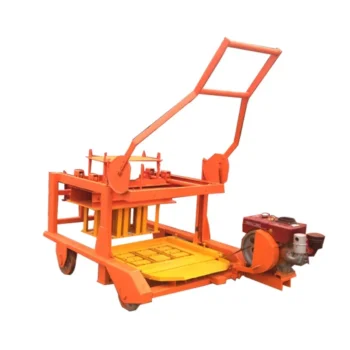
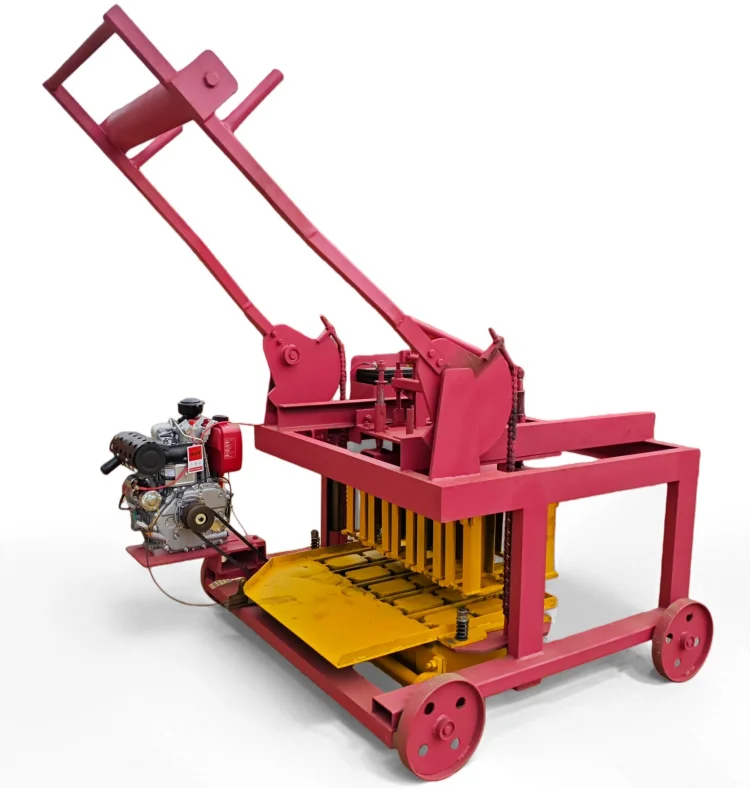
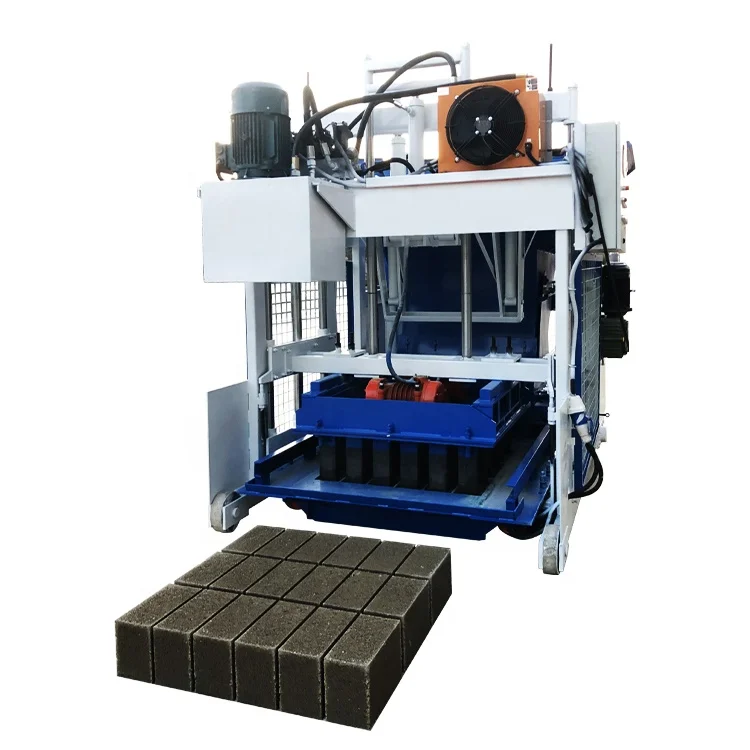
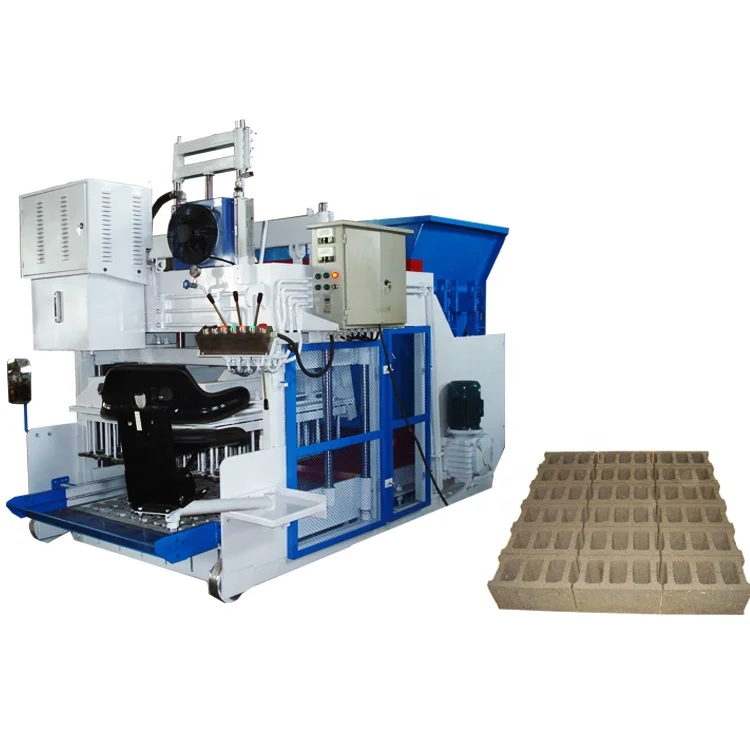
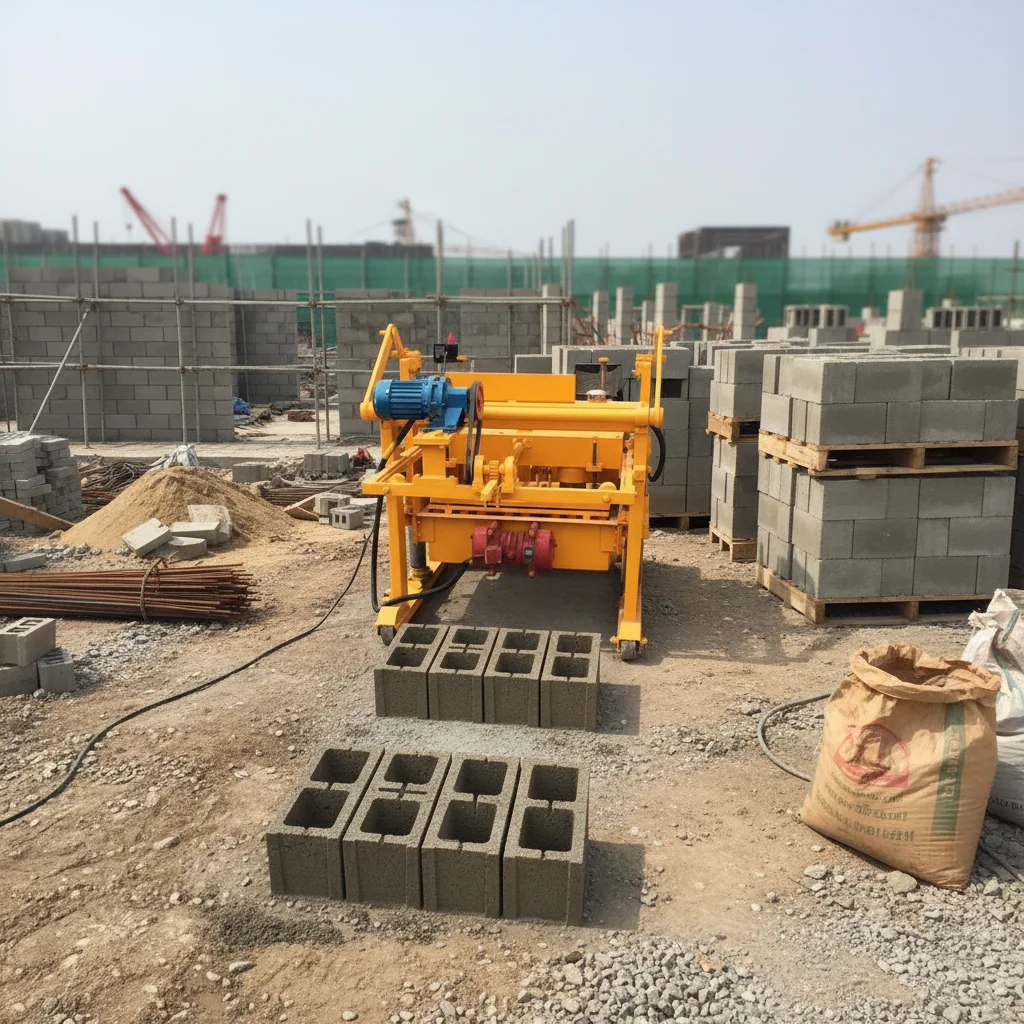
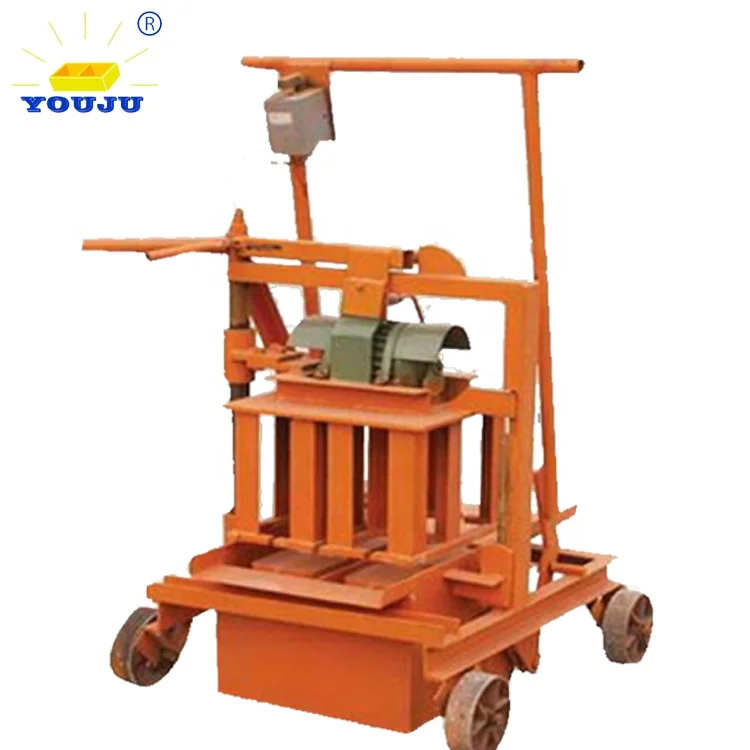
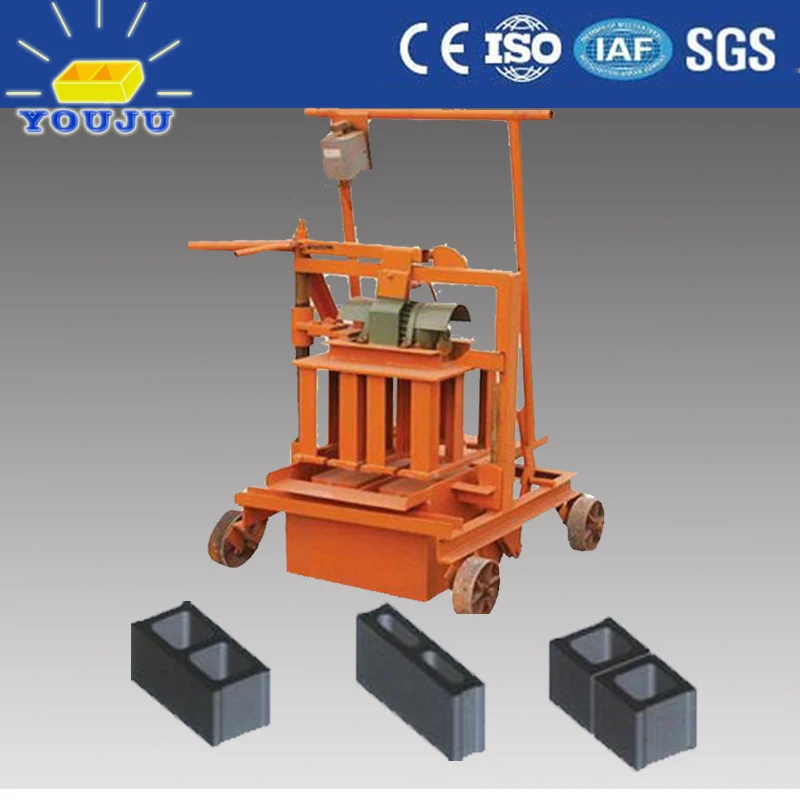
Configuration set against the buyer’s actual mix design and local aggregate — we match the QMJ2-45 mobile block machine vibration cycle and mould to your specific hollow brick format rather than quoting a single catalogue capacity figure that assumes ideal conditions.
Technical Specifications
| Parameter | Value |
|---|---|
| Model | QMJ2-45 |
| Product Type | Mobile Egg-laying Concrete Block Making Machine |
| Operation Mode | Manual, hand-pushed egg-laying |
| Moulding Cycle | 25–30 seconds |
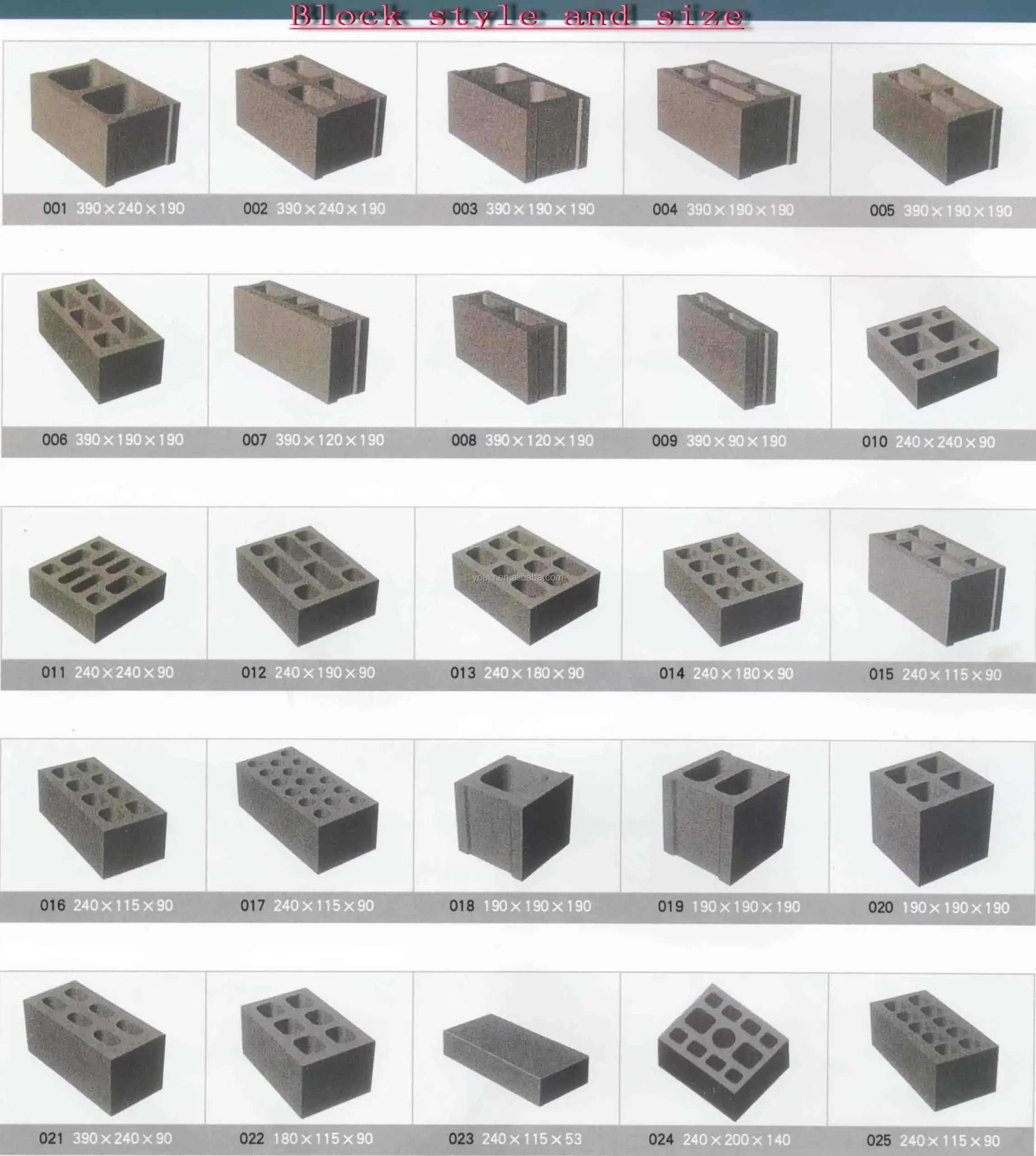
| Mould Format Options | 400×200×200 mm / 400×150×200 mm / 400×100×200 mm hollow brick |
| Qty per Mould | 2 pcs (400×200×200) / 3 pcs (400×150×200) / 4 pcs (400×100×200) |
| Pallet Requirement | None — pallet-free ground-laying operation |
| Labor Requirement | 1 to 3 workers |
| Mobility | Hand-pushed, free movement across site |
| Mould Change | Supported across listed hollow brick formats |
| Mould Technology | Heat treatment and carburization for wear resistance |
| Automation Level | Manual |
| Certification | ISO 9001:2000, CE (as claimed by supplier) |
Application Suitability
| Application | Material or Output |
|---|---|
| On-site hollow block production for housing projects | Crushed stone, river sand, cement blends laid directly on prepared ground |
| Small-scale block yards with limited plot size | Local aggregate with variable clay content, manual batching |
| Remote construction sites without reliable grid power | Off-grid or generator-powered hollow brick production |
| First-time block entrepreneurs entering local markets | Low-volume hollow brick formats matching regional demand |
What "Pieces per Hour" Leaves Out When Sizing a Mobile Block Machine
Cycle time only tells half the story — the block format and your local sand quality decide what you actually take home at the end of the shift.
Catalogue sheets for mobile block machines frequently quote a single hourly output without naming which hollow brick size that number assumes. A buyer planning around 400×150×200 mm blocks may discover on arrival that the quoted capacity was measured on 400×100×200 mm units, cutting realistic daily volume significantly. Local sand with high clay content further slows the cycle because the mix does not release from the mould as cleanly, forcing operators to pause for manual clearing. [NEED_CITE: impact of aggregate clay content on block release and cycle consistency]
Honest Capacity by Hollow Brick Format
The QMJ2-45 mobile block machine produces different daily volumes depending on which hollow brick the operator runs. A 400×200×200 mm block yields 2 pieces per mould at a 25–30 second cycle, while the narrower 400×150×200 mm format fits 3 pieces per cycle and the 400×100×200 mm fits 4. Buyers who know which format their local market actually purchases can calculate a realistic shift output instead of working from a single headline number that may not apply to their product mix.
Mould Selection and Market Fit
Choosing the right hollow brick mould before shipment avoids costly format mismatches once the QMJ2-45 arrives on site. Markets in different regions standardise on different wall thicknesses, and producing a block the local trade does not stock means unsold inventory. The available mould range covers the three most common hollow brick dimensions, and the heat-treated, carburized tooling withstands the abrasive wear of daily production in varied aggregate conditions. [NEED_CITE: regional hollow block dimension standards across export markets]
Reading the Specification Sheet Against Your Site
Vibration force and moulding cycle interact directly with block density and surface finish. On the QMJ2-45, the 25–30 second cycle must be matched to the stiffness of your specific mix — a wetter blend releases faster but produces a weaker block, while a drier blend holds shape better but demands longer vibration to consolidate fully. The hand-pushed, pallet-free design means the operator walks the machine across a prepared ground bed, so surface flatness and compaction of the laying area directly affect block dimensional accuracy. Labor allocation of 1 to 3 workers covers feeding, pushing, and block inspection in a single pass.
The Cost of Skipping an Aggregate Test
Ordering a mobile block machine without sending a sample of your local sand and stone means the factory sets the vibration parameters for a generic mix. When the machine arrives and runs your actual material, blocks may crack during curing or fail compressive strength tests, leading to rejected batches and wasted cement. Operators compensate by slowing the cycle, which quietly erodes the daily output the purchase decision was based on. [NEED_CITE: compressive strength variance from untested local aggregate in mobile block production]
Why Buyers Specify With Us
Every QMJ2-45 configuration starts from the hollow brick format your market actually buys, not a default catalogue setting. Mould drawings are confirmed against your required dimensions before production begins, so the tooling matches your product range from day one. The machine, mould, and laying technique are discussed as a single matched system rather than quoted as isolated line items. We confirm voltage, frequency, and any power source constraints up front so commissioning is not delayed by an electrical mismatch on site.
Documentation & Verification
- Factory test record run on your specified hollow brick format before dispatch
- Mould drawing and format list confirming dimensions match your market requirements
- Machine specification sheet stating cycle time per block size
- Operation and maintenance manual covering manual egg-laying technique
- Wear parts list identifying heat-treated mould components and replacement intervals
Installation, Commissioning & Support
- Ground bed preparation guidance specifying flatness tolerance for pallet-free egg-laying accuracy
- Power source confirmation covering voltage and frequency for the QMJ2-45 before shipment
- On-site commissioning with mould alignment check across all ordered hollow brick formats
- Operator training on 25–30 second cycle pacing matched to your specific mix stiffness
- Mould change procedure briefing with required hand tools listed for on-site format switching
- Wear parts supply plan covering carburized mould components for first replacement cycle
What to Include in Your Inquiry
Tell us which hollow brick format your local market purchases most, including exact dimensions and wall thickness. Share a sample or lab report of your available sand and aggregate so we can confirm mix compatibility. Note your site power source and any voltage constraints so we match the electrical configuration before production.
Frequently Asked Questions
Q: How do I verify the real daily output of the QMJ2-45 for my specific block format?
A: Request a capacity calculation sheet that states the exact hollow brick dimension and moulding cycle assumed for each output figure. Compare the stated format against the block size your market actually purchases, and factor in your local aggregate characteristics, which can slow the release phase and extend the effective cycle beyond the 25–30 second baseline.
Q: What mould formats are available, and can I order custom dimensions?
A: The QMJ2-45 supports hollow brick moulds in 400×200×200 mm, 400×150×200 mm, and 400×100×200 mm. Custom moulds can be designed to buyer drawings, with heat-treated and carburized tooling to extend wear life. Confirm your required dimensions and wall thickness before production so the mould matches your market standard.
Q: What happens if my site has no grid electricity?
A: The QMJ2-45 is a hand-pushed mobile block machine with manual operation, reducing dependency on external power for the pressing and laying process. Confirm all electrical requirements — including any mixer or auxiliary equipment voltage — with the factory before shipment so generator sizing can be planned accurately.
Q: How long does a mould change take on site?
A: Mould change on the QMJ2-45 involves unbolting the current mould and fitting the replacement format using standard hand tools. Exact changeover time depends on operator familiarity and site conditions. Request the mould change procedure document with your shipment so your team can practice the sequence before production deadlines arrive.