Description
Honest Capacity by Block Format — We quote the QMY4-30 mobile block machine output against a named block size and mix, not a single unqualified number, so your daily plan matches reality on the ground.
Technical Specifications
| Parameter | Value |
|---|---|
| Model | QMY4-30 |
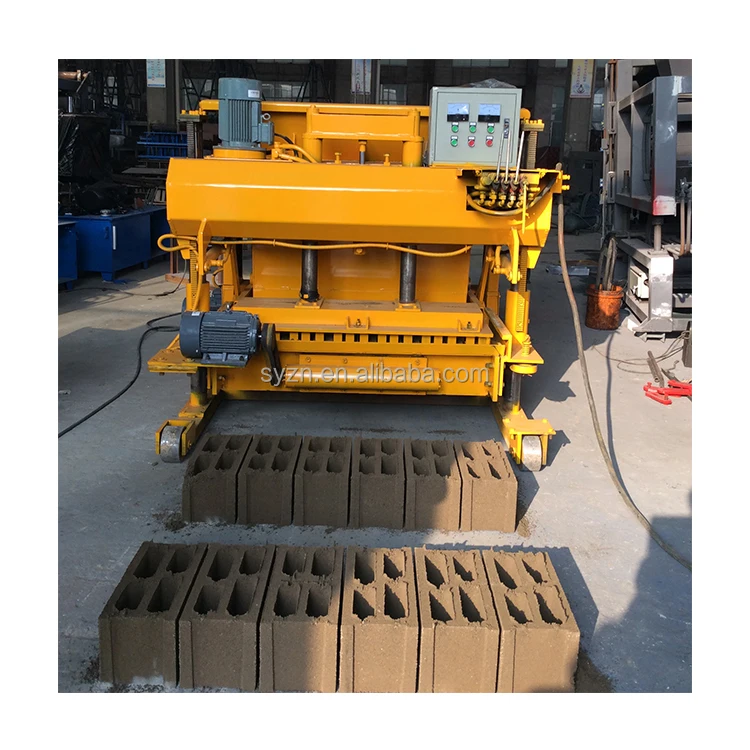
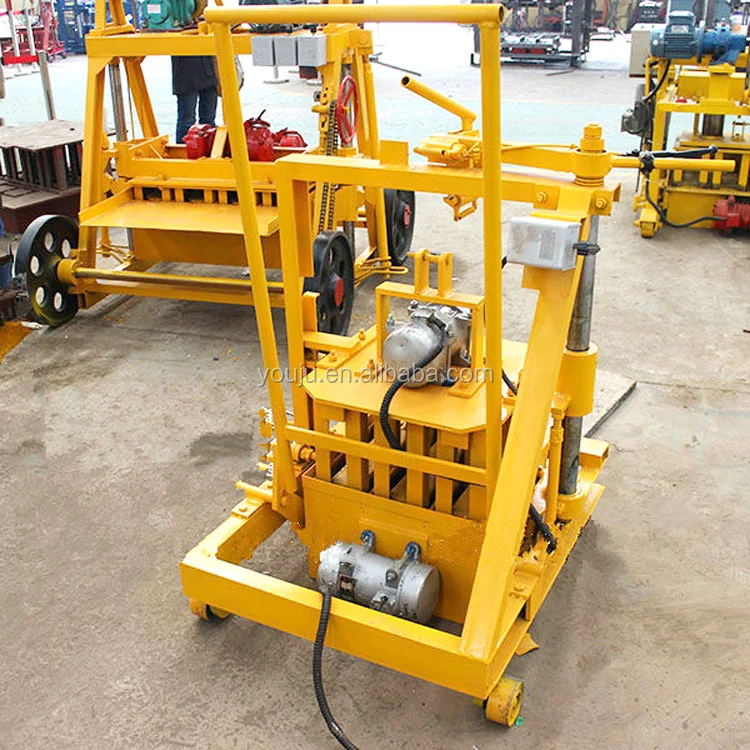
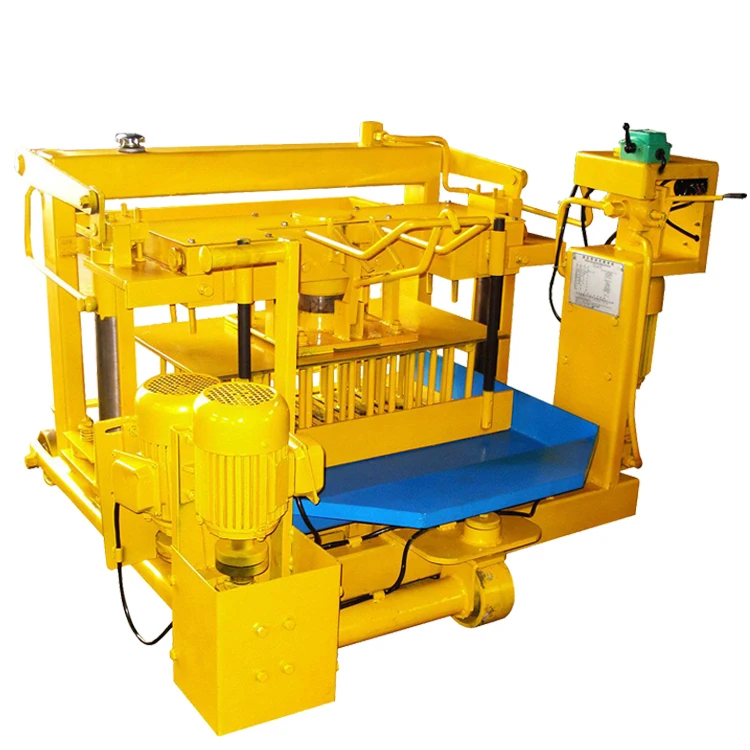
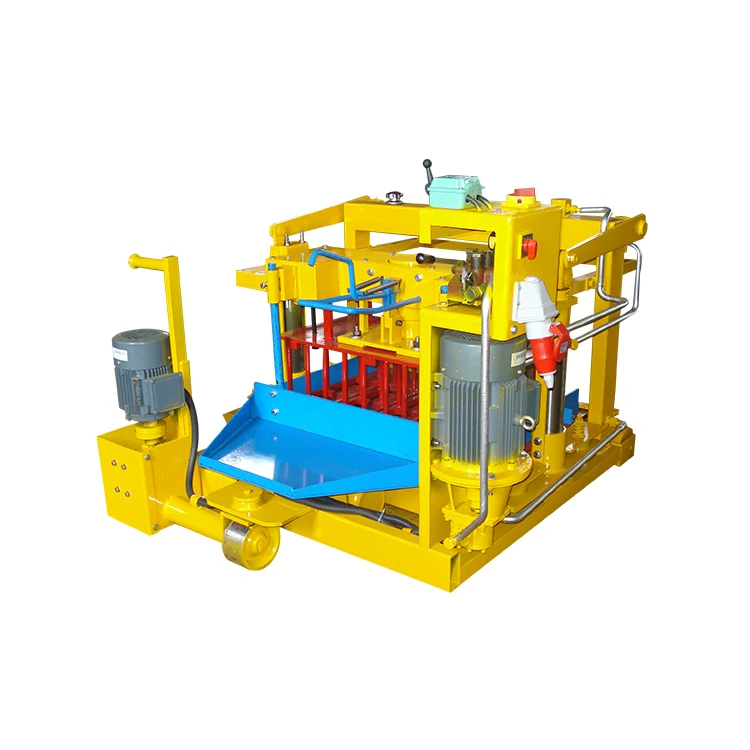
| Product Type | Mobile Block Making Machine |
| Overall Dimensions (L×W×H) | 1300 × 1500 × 1000 mm |
| Net Weight | 950 – 1000 kg |
| Vibration Force | 28.6 kN |
| Excitation Frequency | 4500 r/min |
| Total Power | 5.95 kW |
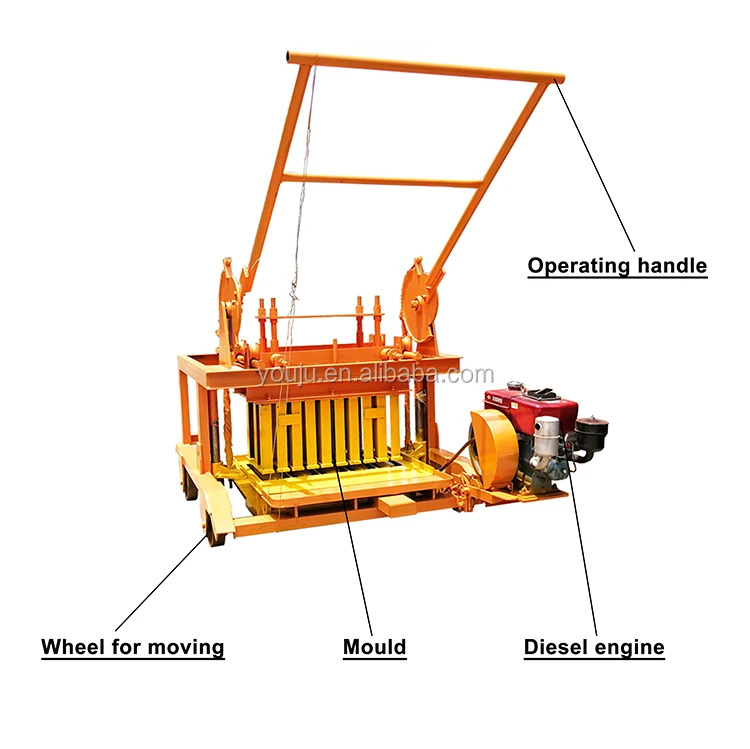
| Hydraulic Method | Mold Vibration |
| Automation Level | Manual |
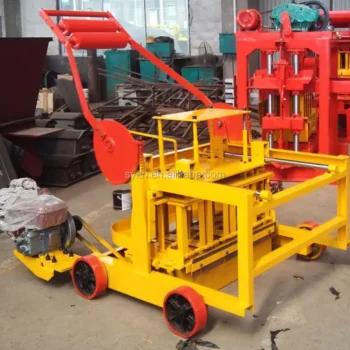
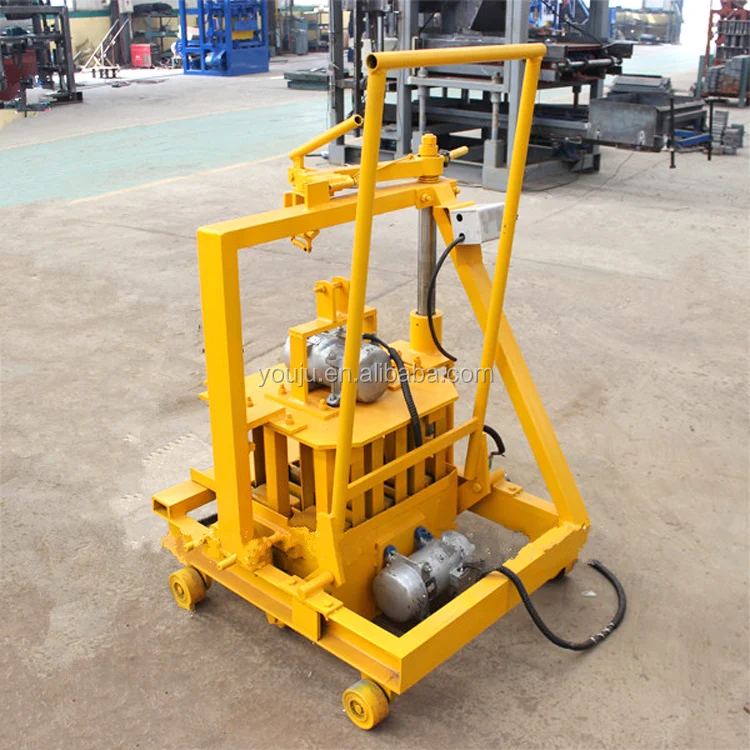
| Machine Type | Mobile (egg-laying) |
| Raw Materials | Concrete, fly ash, cinder, coal gangue, river sand, gravel, cement, industrial waste residue |
| Voltage | 380V ±10% (frequency to be confirmed) |
| Output Capacity | 3000 pcs/day (basis not stated in source — confirm block format, material and thickness) |
Application Suitability
| Application | Material or Output |
|---|---|
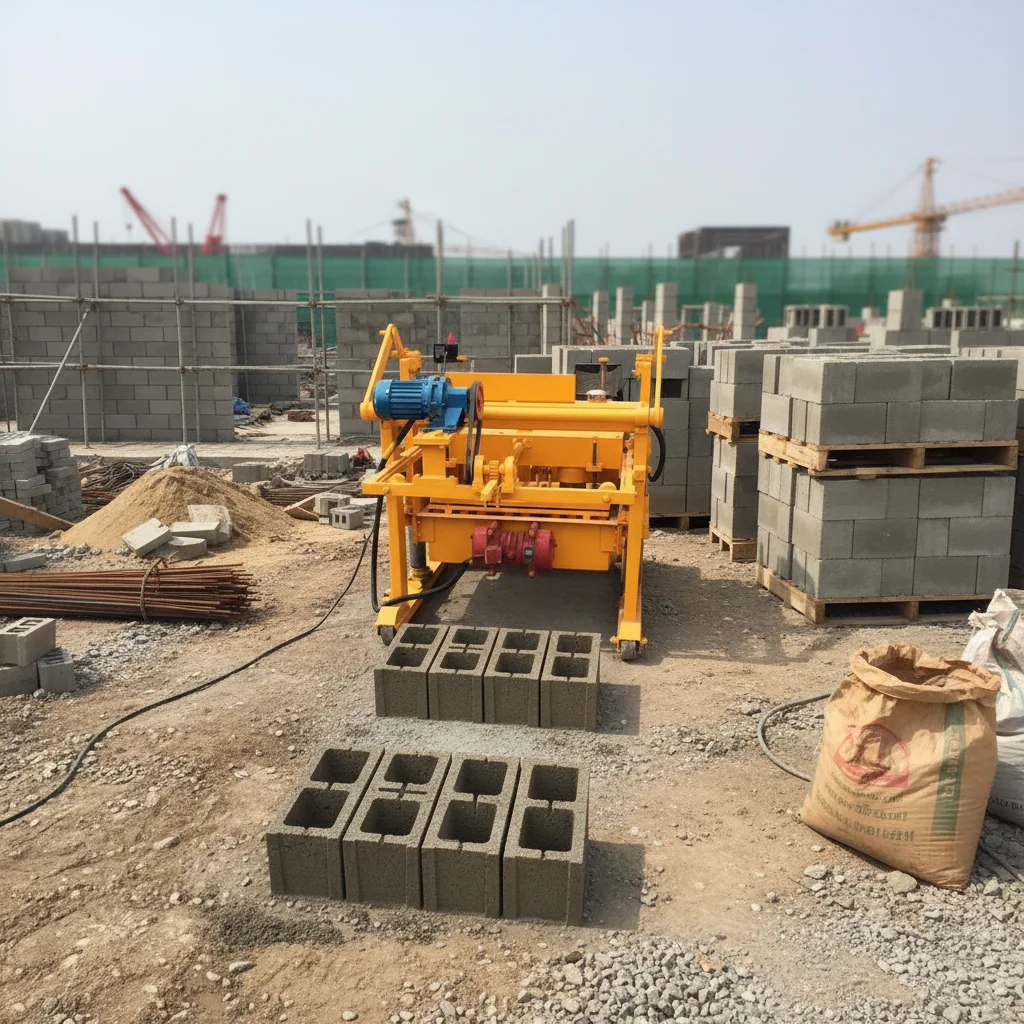
| On-site hollow block production for building contractors | Crushed stone, river sand and cement mixed locally |
| Solid brick runs for housing developments | Fly ash, cinder and cement blends |
| Paving block and kerbstone work for site contractors | Gravel and sand with cement binder |
| First-stage block plant for entrepreneurs | Concrete or industrial waste residue mixes |
What "3000 Pieces per Day" Actually Means on the QMY4-30 Mobile Block Machine
The number only holds when the block format, mix design and curing conditions are defined.
I once watched a contractor take delivery of a mobile egg-laying machine and start producing immediately, only to discover the quoted daily output assumed a small solid brick while they needed 200 mm hollow blocks. The real throughput dropped to a fraction of the brochure figure, and the project schedule slipped. Capacity stated without a format is just a headline. [NEED_CITE: block format and cycle time assumptions in capacity quotations] The QMY4-30 mobile block machine specifications should always be read alongside the exact mould you intend to run, because a hollow block at 200 mm height takes a different cycle than a 60 mm paving block.
Vibration Force and Frequency in Context
The 28.6 kN vibration force paired with a 4500 r/min excitation frequency determines how tightly the aggregate compacts inside the mould cavity. For a river sand and cement mix, this range delivers adequate densification for load-bearing hollow blocks. When the local aggregate shifts to lighter materials like volcanic scoria or expanded clay, the same force may need longer vibration dwell to reach target strength. That is why we request a sample of your raw material before finalising mould design and cycle settings.
Power Demand for Sites Without Stable Grid Supply
A total installed power of 5.95 kW means the QMY4-30 can run from a portable generator on remote construction sites. This matters when the project is a housing development where grid connection is not yet available. The manual automation level keeps electrical complexity low, with mould vibration as the primary forming method rather than a full hydraulic press circuit. [NEED_CITE: portable generator sizing for mobile block making equipment] Operators feed material and move the machine by hand, which keeps the electrical load within a single-phase or small three-phase supply envelope.
Reading the Specs That Matter for Your Block Format
Mould vibration as the forming method means compaction energy comes from the mould assembly itself rather than a separate hydraulic ram pressing from above. This design suits egg-laying machines where blocks are laid directly on the ground. The 1300 × 1500 × 1000 mm footprint keeps the machine compact enough to move across a curing yard, but it also limits the mould cavity area. Pallet size is not stated in the source data, which is a critical gap because ground-laid production requires a flat, prepared surface rather than pallets. Voltage is listed at 380V ±10%, but frequency must be confirmed for your market — a 50 Hz motor running on a 60 Hz supply will overspeed and burn out within weeks. [NEED_CITE: voltage and frequency standards by export market]
When the Wrong Mould Choice Costs You a Season
A buyer who selects a mould format based on catalogue photos rather than local market demand ends up with inventory that does not sell. On a mobile machine, mould change is a manual process that takes the operator away from production. If you need three different block formats across a single project, the changeover time accumulates and erodes the daily output you planned for. The QMY4-30 is best suited to operations that run one or two formats consistently, with mould swaps planned at natural breaks rather than multiple times per shift. [NEED_CITE: mould changeover time impact on daily output in mobile block production]
Why Buyers Come Back for a Second Machine
Block machinery is our single focus, so the machine, mould and handling specifications are matched as one system rather than assembled from unrelated suppliers. We set the configuration against your actual mix design and local aggregate, not a catalogue default. Mould design covers the formats your market actually sells, with custom drawings available when standard options do not fit. The QMY4-30 mobile block machine can start as a manual operation and the buyer can step up to semi-automatic lines later without replacing the entire plant. Installation support includes operator training at your site, and wear parts lists are provided so you can plan your first replacement order before the original parts run out.
Documentation & Verification
- Line layout showing the block format assumed for each capacity figure on the QMY4-30
- Mould drawing and format list confirming cavity dimensions and compatible block types
- Voltage and frequency confirmation sheet matched to your country’s electrical standard
- Factory test record on your specified mix before the machine leaves the workshop
- Wear parts and mould catalogue for planning replacement intervals
Installation, Commissioning & Support
- Ground surface must be level and compacted to support the 950–1000 kg machine weight during egg-laying operation
- A dedicated 5.95 kW circuit with correct voltage and confirmed frequency prevents motor damage at first start-up
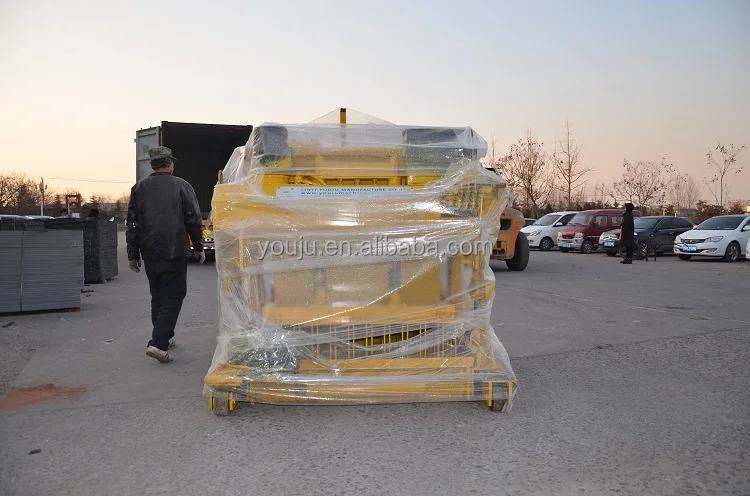
- The compact 1300 × 1500 mm footprint allows transport on a flatbed truck without dismantling
- On-site commissioning includes vibration dwell adjustment to match your local aggregate density
- Operator training covers manual mould change procedure and daily lubrication points
- Wear parts list identifies the first components to stock based on your production volume
What We Need From You Before Quoting
Send us the block format your market demands, including external dimensions and whether hollow, solid or paving. Tell us which raw materials are available locally and, if possible, ship a sample of your aggregate so we can run a trial. Confirm your site voltage and frequency, and let us know the daily volume your project requires so we can state capacity against your specific format rather than a generic figure.
Frequently Asked Questions
Q: How do I confirm the real daily output for my block format on the QMY4-30?
A: Provide the exact block dimensions, wall thickness and mix design. We then calculate cycle time per mould and multiply by your available working hours. The quoted 3000 pcs/day figure in the source data does not state which block format it assumes, so we restate capacity against your specific product before any purchase commitment is made.
Q: Which mould formats can the QMY4-30 produce?
A: The machine accepts moulds for hollow blocks, solid bricks, curb stones and paving blocks, but the specific format list and mould cavity dimensions must be confirmed per order. We supply mould drawings showing each format the QMY4-30 mobile block machine can run, along with the cycle time for that format.
Q: What voltage and frequency does the QMY4-30 require?
A: The standard rating is 380V ±10%, but frequency is not stated in the source specification. Before production begins, we confirm both voltage and Hz to match your country’s grid standard. Running a 50 Hz motor on a 60 Hz supply without adjustment will cause premature motor failure.
Q: How does vibration force interact with my local aggregate?
A: The 28.6 kN force at 4500 r/min compacts standard river sand and gravel effectively. Lighter aggregates such as volcanic scoria or pumice may require adjusted vibration dwell time to reach target block density. We request a raw material sample to test compaction behaviour before finalising the mould and cycle settings.
Q: How long does a mould change take on this mobile machine?
A: Mould change on the QMY4-30 is a manual process. The operator unbolts the current mould assembly, positions the new mould and secures it before resuming production. We provide the procedure and estimated time for each mould pair in the documentation so you can plan format changeovers at natural production breaks.