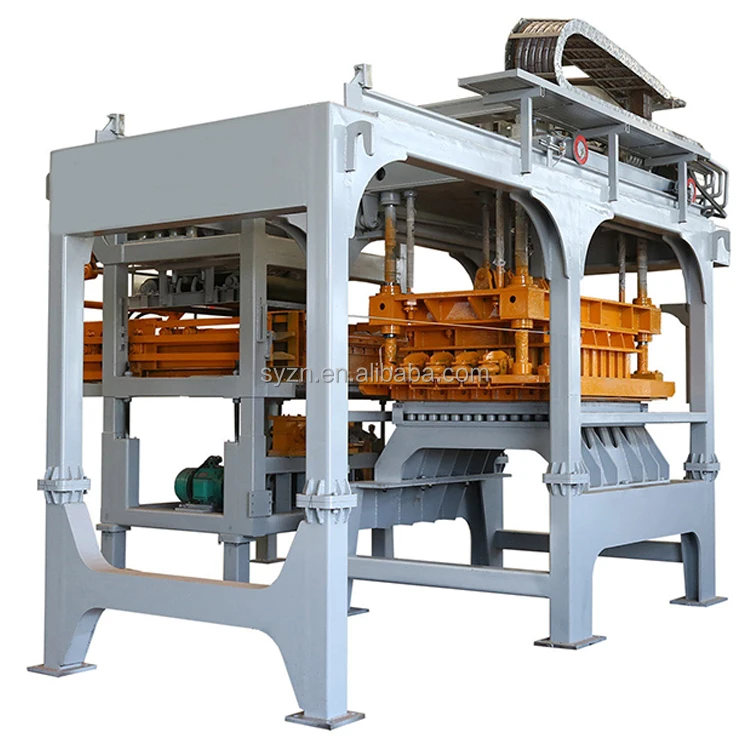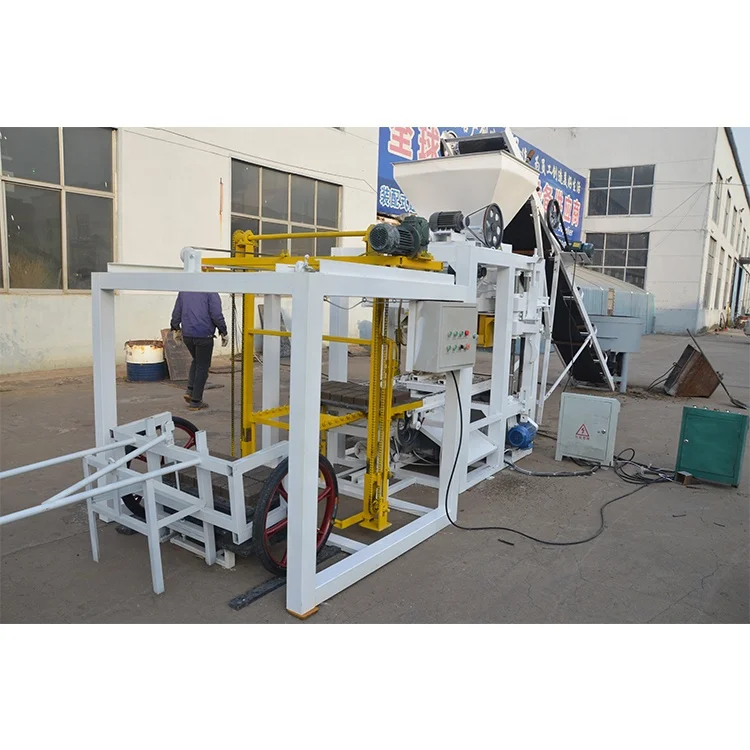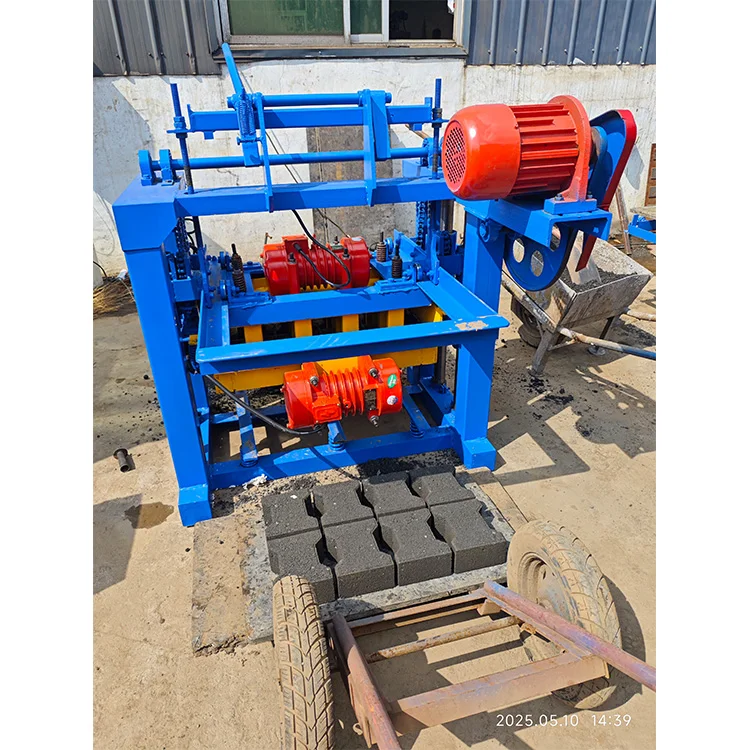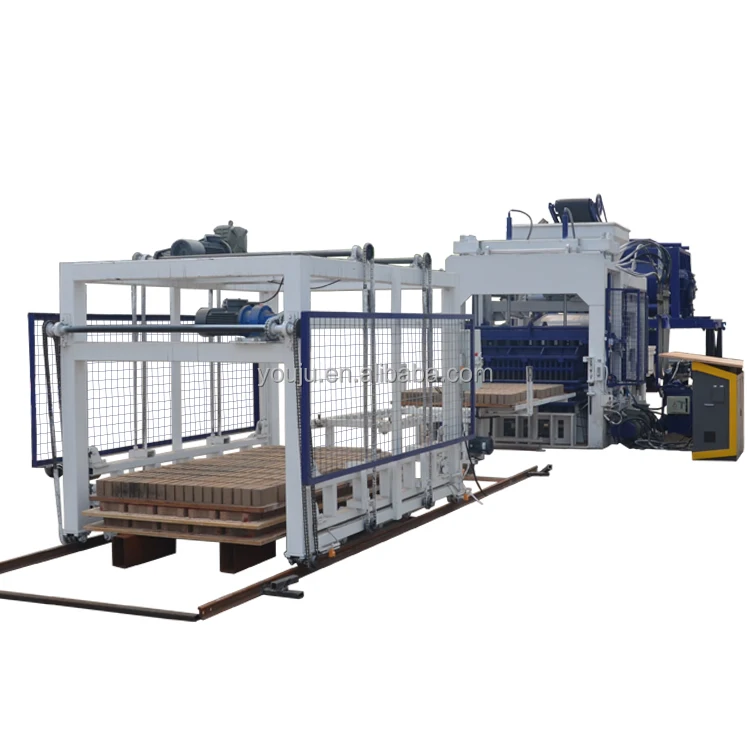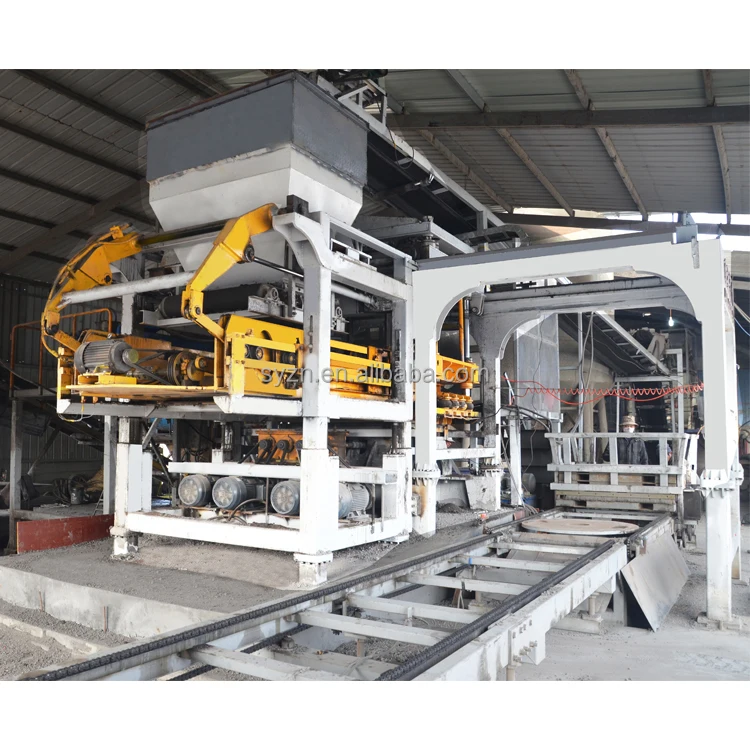
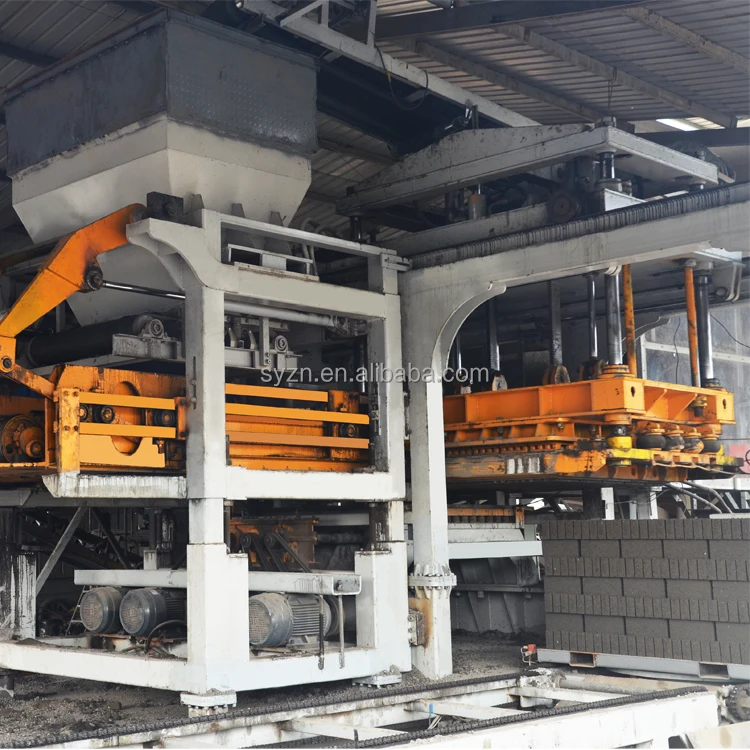
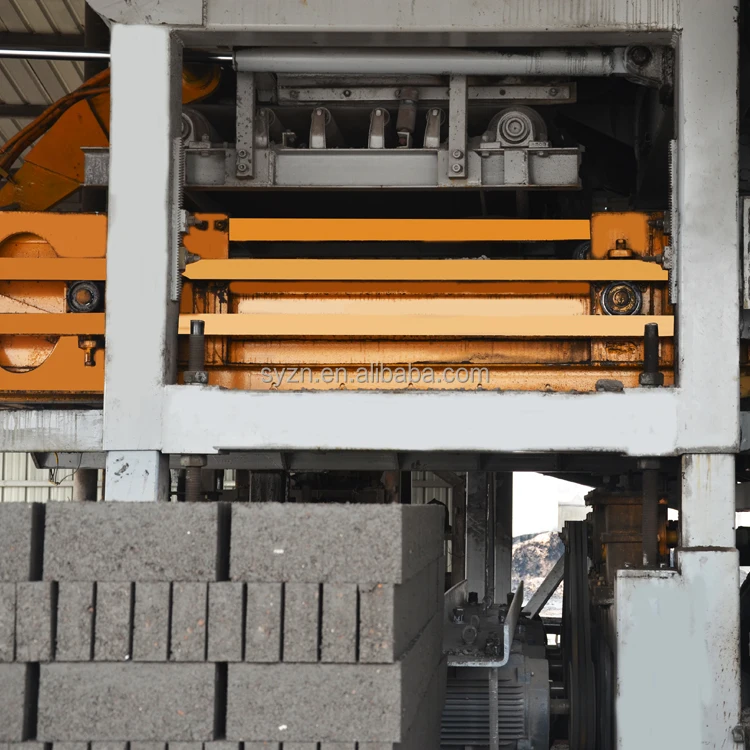
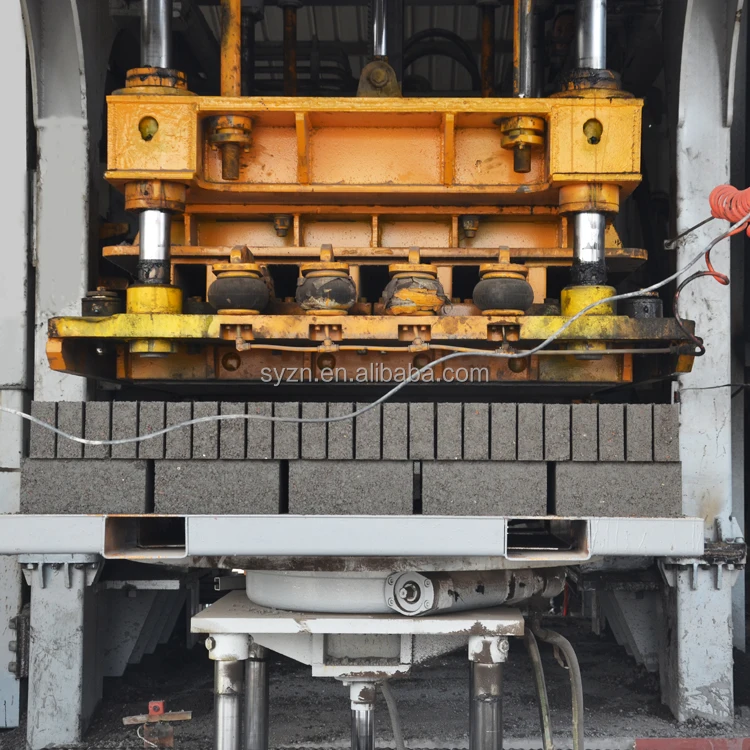
Description
Mould format dictates output — Capacity calculations for the QT18-25 are stated per block type and dimension, so buyers see what the machine actually produces in their market, not a catalogue peak.
Technical Specifications
| Parameter | Value |
|---|---|
| Model | QT18-25 |
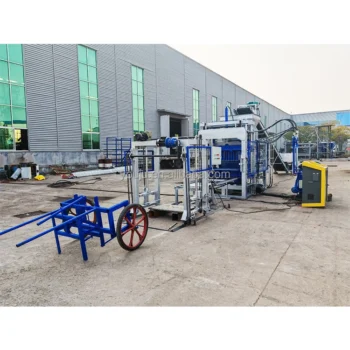
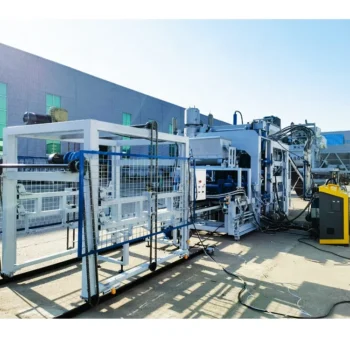
| Product Type | Fully Automatic Pallet-free Hollow Block Making Machine |
| Brick Height Range | 50–300 mm |
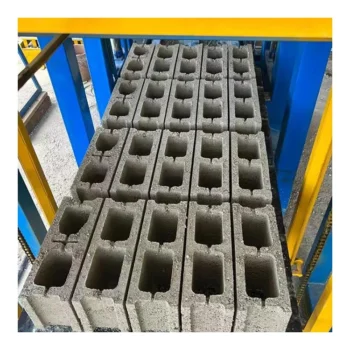
| Stacking Height | 0–1200 mm |
| Main Vibration Form | Platform Vibration |
| Vibration Frequency | 2800–4500 r/min |
| Vibration Power | 60 kW |
| Hydraulic System Power | 59 kW |
| Driving Method | Hydraulic |
| Demolding Method | Vibration and Hydraulic |
| Molding Cycle | 15–25 s (basis to be confirmed against block format and material) |
| Factory Area Required | 2000 m² |
| Control System | PLC with person-machine conversation interface |
| Automation Level | Fully automatic, pallet-free stacking after moulding |
Application Suitability
| Application | Material or Output |
|---|---|
| Hollow block production for wall construction | Crushed stone, sand, cement, fly ash |
| Solid block manufacturing for load-bearing walls | Gravel, slag, cement blends |
| Paving block and colored paver runs | Fine aggregate, cement, pigment additives |
| Interlocking brick and kerbstone production | Coarse aggregate, cement, stone dust |
Why "Cycles per Hour" Misses the Real Output Picture
The molding cycle only tells half the story; block format and local aggregate decide what leaves the press each shift.
Many buyers sign contracts based on a single cycles-per-hour figure and later discover their actual daily volume is far below expectation. The QT18-25 hollow block making machine specifications list a 15–25 second cycle, but that range assumes a specific block geometry and a mix that responds predictably to vibration. When the local sand carries high clay content or the gravel gradation is coarse, the vibration frequency and hydraulic pressure must be re-tuned, which extends the cycle. I have watched plants lose an entire shift of output because nobody confirmed the format before the machine left the factory [NEED_CITE: impact of aggregate gradation on vibration cycle time].
Format-Specific Cycle Time and What It Means for Daily Volume
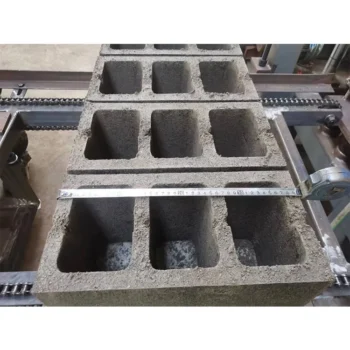
A 200 mm hollow block and a 60 mm paving brick demand different vibration energy and compression dwell. The hollow block making machine specifications for the QT18-25 show platform vibration between 2800 and 4500 r/min, giving operators room to adjust frequency once the actual mix is sampled. Matching that frequency to the block height and wall thickness is what keeps cycle time inside the 15–25 second window. Without this match, the press either under-compacts the block or wastes seconds on excess vibration.
Mould Selection and Changeover Realities
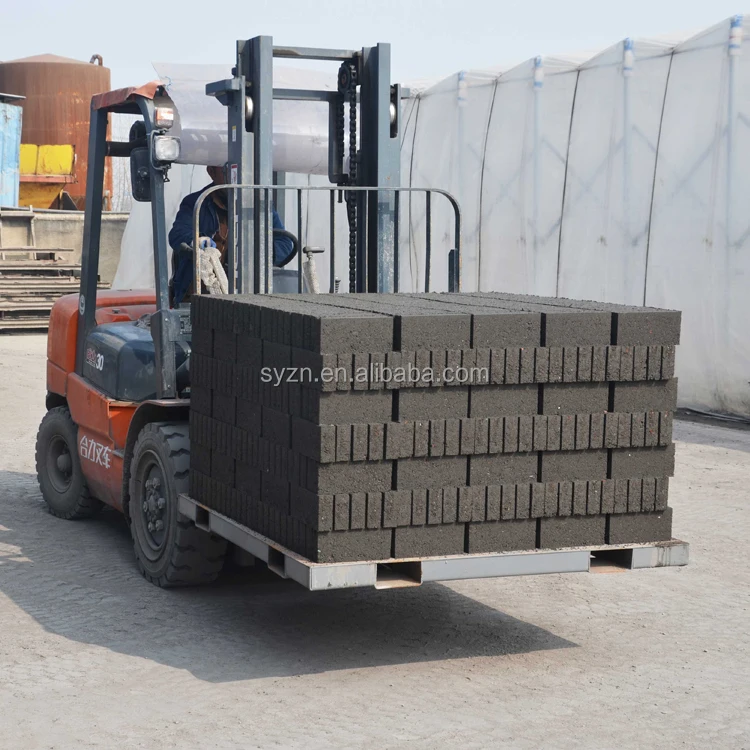
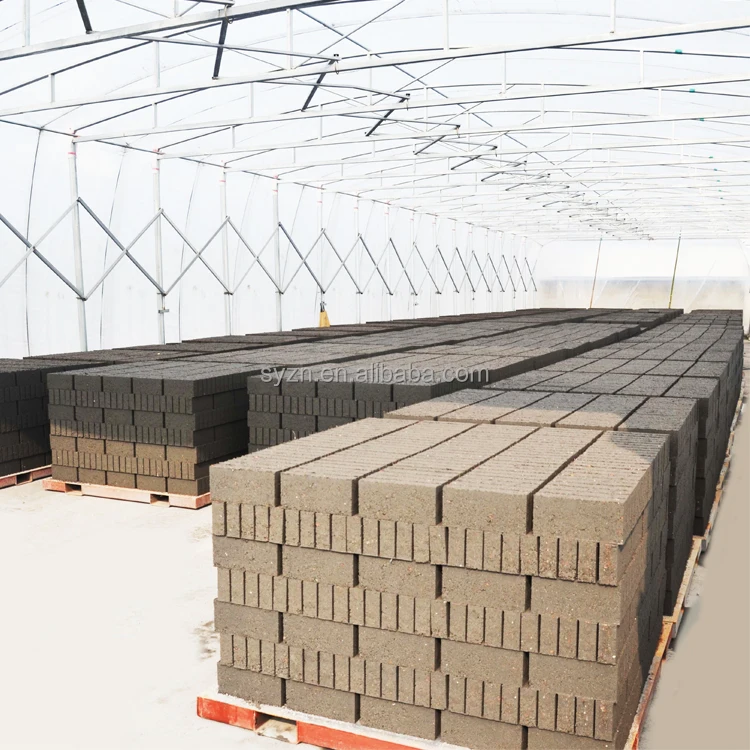
The machine accepts moulds for hollow blocks, solid blocks, pavers, interlocking bricks, and curbstones. A pallet-free design means the fresh product is stacked directly from the press up to 1200 mm, eliminating pallet investment. When a buyer plans to run multiple formats, mould change time becomes a production variable just as important as cycle speed. If the change procedure is not rehearsed with the operator, a format switch can consume most of a shift [NEED_CITE: mould change best practices for stationary block presses].
Reading the Vibration and Hydraulic Numbers Together
Platform vibration at 60 kW and hydraulic system power at 59 kW indicate the QT18-25 is set up for dense, high-strength output. In block making, vibration force and hydraulic pressure must be balanced against the mix design. Too much hydraulic pressure on a lean cement mix cracks the block edges; too little vibration on a stiff mix leaves voids. The PLC person-machine interface lets the operator store pressure and frequency profiles for each format, so batch-to-batch consistency is maintained even when different crews run the machine.
The Cost of Skipping the Material Test
I once visited a site where the river sand contained high clay, and the block press was configured for clean manufactured sand. Vibration parameters had to be completely re-tuned after installation, and daily output dropped sharply. The lesson was clear: always test the actual aggregate before finalizing the hollow block making machine specifications. A laboratory sieve analysis and a trial mix reveal whether the standard vibration range covers the material or whether a motor swap is needed before shipment [NEED_CITE: aggregate testing methods for concrete block production].
Why Sourcing From a Block-Machinery-Focused Supplier Matters
Block machines, moulds, pallets, and handling equipment are specified here as one matched system. The QT18-25 configuration is set against the buyer’s actual mix design, local aggregate, and target block format rather than a catalogue default. Mould design covers the formats the buyer’s market sells, with custom drawings available. Automation is selectable, so a plant can start with the pallet-free stacking function and add upstream batching automation later. Installation includes operator training focused on format change and cycle tuning, and wear parts lists are provided before the first replacement is due.
Documentation & Verification
- Line layout stating block format assumed for capacity calculation
- Mould drawing and format list for every product the plant will run
- Hydraulic and electrical schematic matched to confirmed voltage
- Factory test record showing cycle times on buyer’s sample aggregate
- PLC language and control display confirmation before dispatch
Installation, Commissioning & Support
- Foundation plan sized to the 2000 m² factory area requirement
- Dedicated power circuit planned around 60 kW vibration and 59 kW hydraulic loads
- PLC display language and voltage confirmed before crating
- On-site commissioning with cycle tuning per local mix design
- Operator training covering mould change and stacking height adjustment
- Wear parts and mould list handed over at installation
Before You Request a Quotation
Provide the exact block formats your market sells, including dimensions and required compressive strength. Share a sieve analysis or sample of the sand and aggregate you plan to use so the vibration and hydraulic settings can be matched before the QT18-25 ships. Confirm your site voltage, frequency, and preferred PLC display language to avoid commissioning delays after arrival.
Frequently Asked Questions
Q: How is capacity calculated for the QT18-25, and which block format is assumed?
A: The 15–25 second molding cycle is a range that depends on block height, wall thickness, and mix design. We calculate daily output per specific format — for example, a 400×200×200 mm hollow block versus a 60 mm paver — and state the assumed format on the capacity sheet. Without that format lock, the cycle figure is only a starting point.
Q: Which mould formats are available, and how long does a change take?
A: Moulds cover hollow blocks, solid blocks, paving blocks, interlocking bricks, and curbstones, with custom drawings on request. Changeover involves releasing the clamping bolts, lifting the old mould, and seating the new one. With a trained operator and the correct lifting tool, a format switch is completed within a planned maintenance window rather than consuming a full shift.
Q: How is the machine configured for my local aggregate and mix design?
A: We ask for a sieve analysis and a trial mix sample before finalizing the hollow block making machine specifications. Vibration frequency, hydraulic pressure, and dwell time are then tuned to that material. If the aggregate falls outside the standard range, we adjust the motor rating or vibration mechanism before the machine leaves the factory.
Q: What voltage and PLC language options are confirmed before shipment?
A: Voltage, frequency, and PLC display language are confirmed in writing during the quotation stage. The person-machine conversation interface is set to the buyer’s preferred language, and electrical schematics are updated to reflect the confirmed supply. This prevents commissioning delays caused by mismatched control panels or unreadable HMI screens.