Description
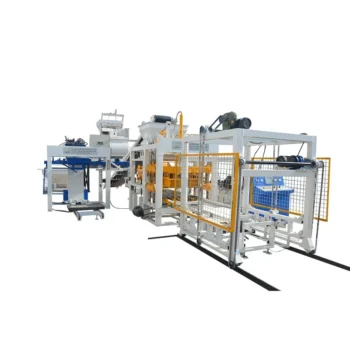
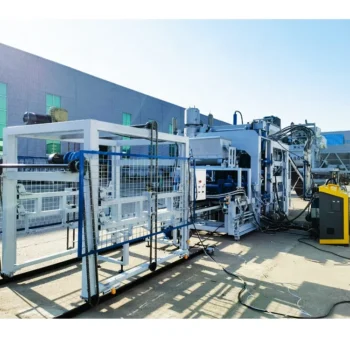
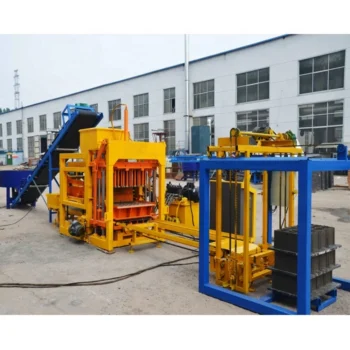
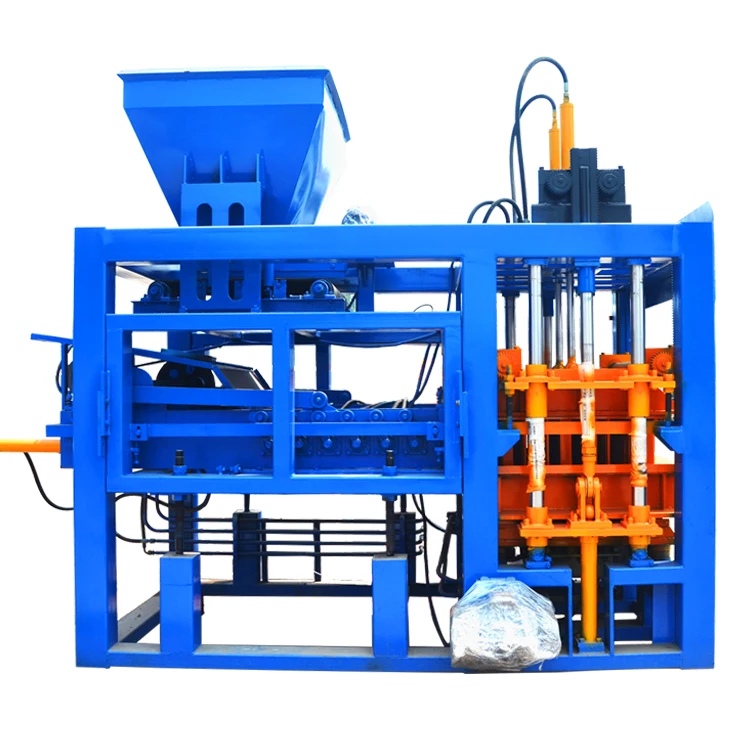
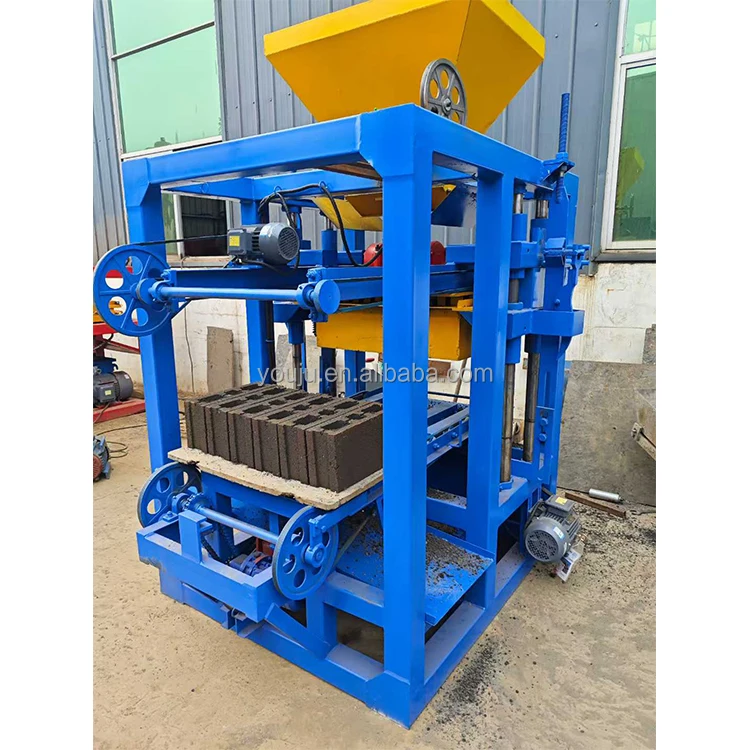
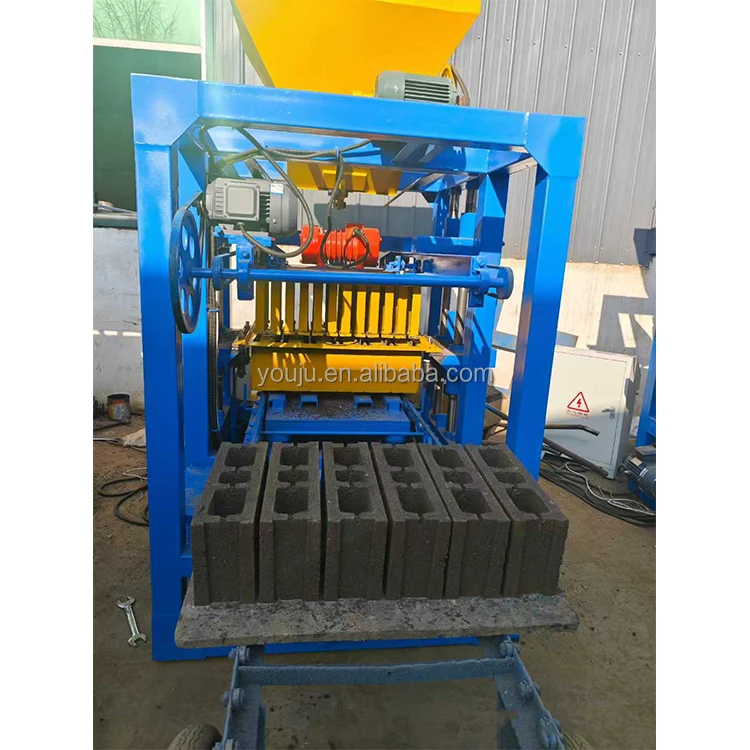
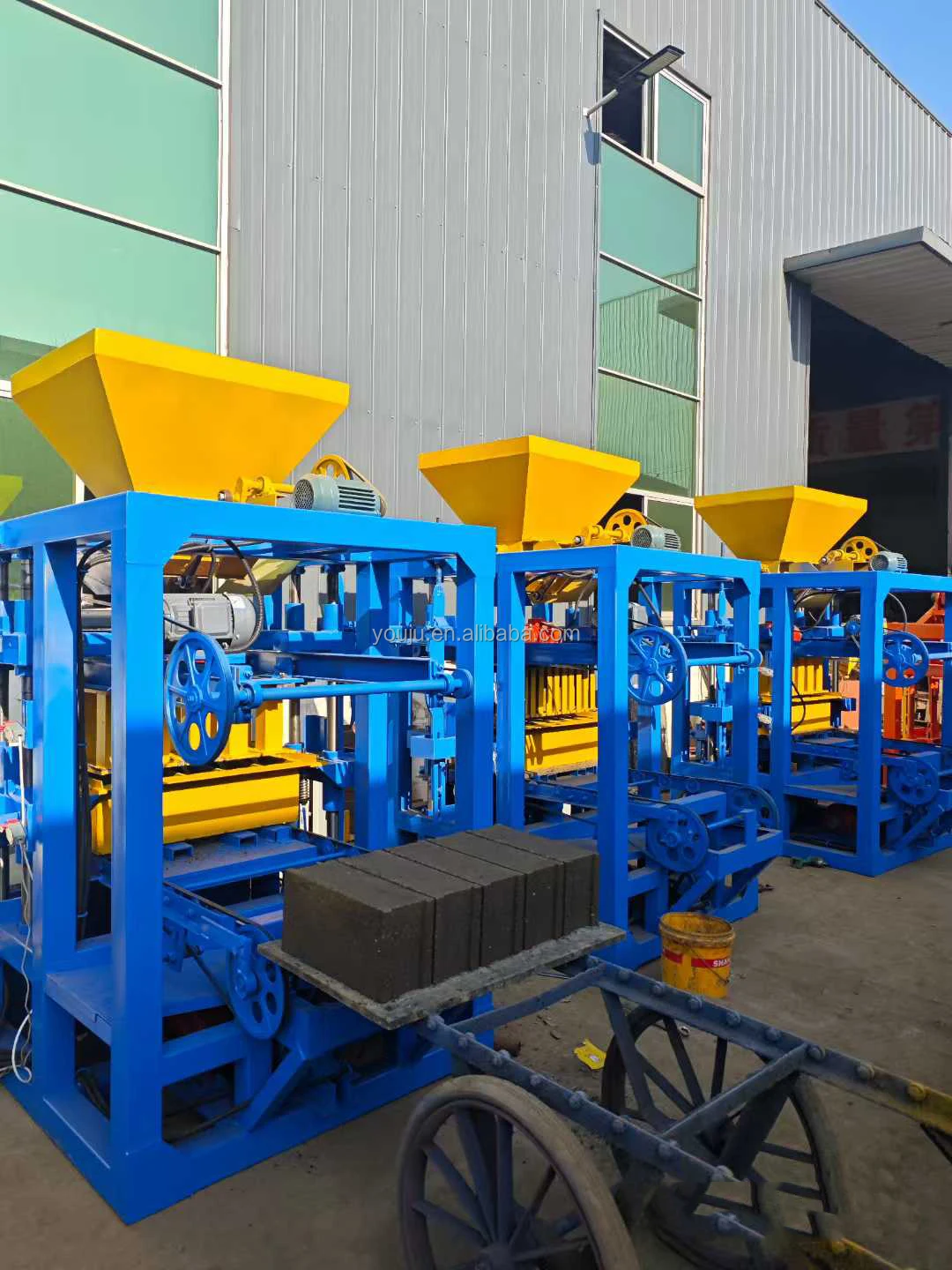
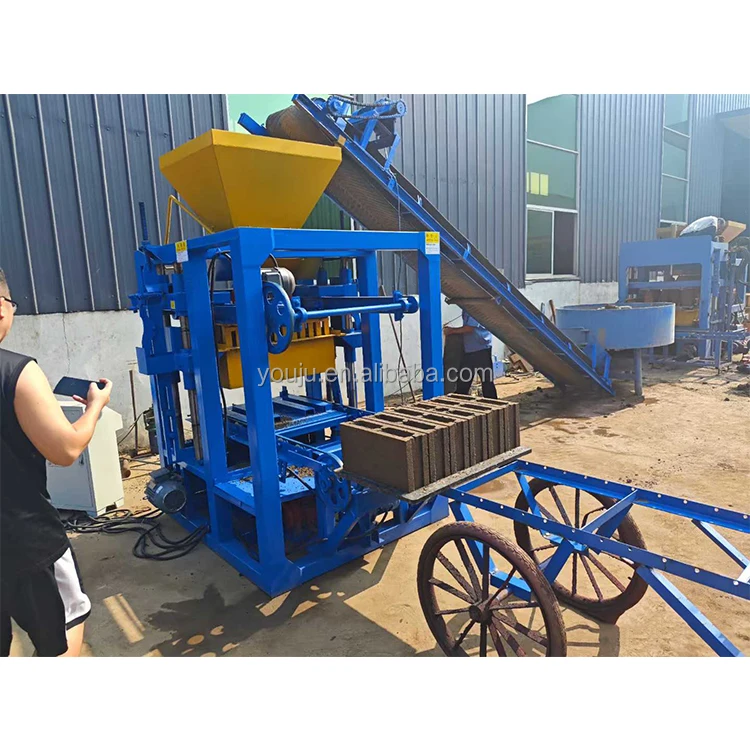
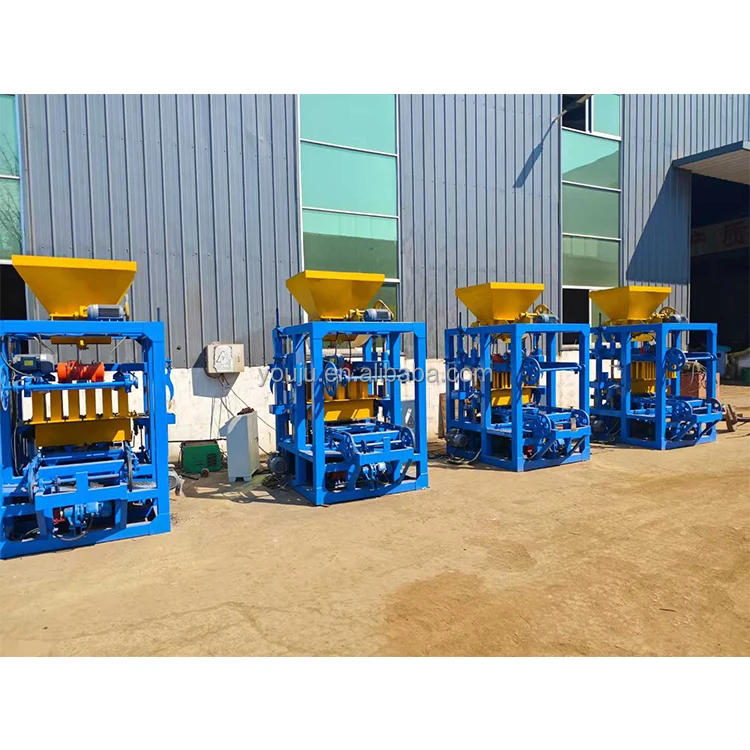
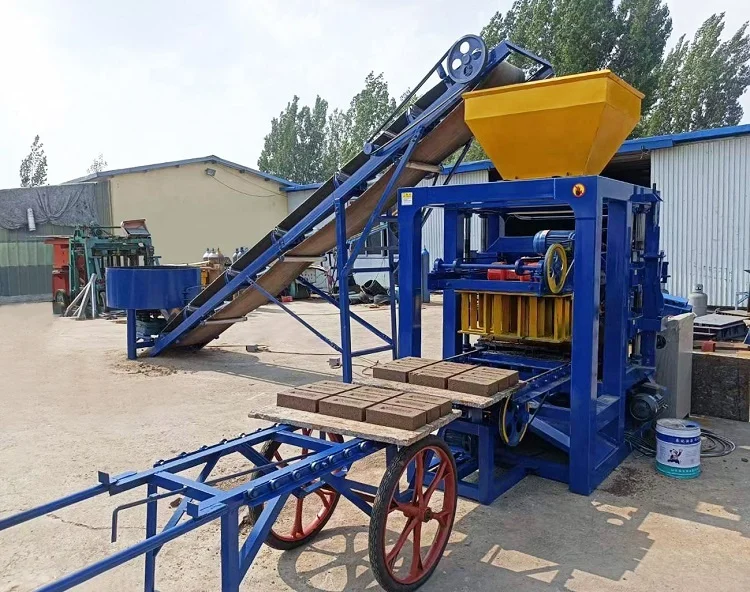
Pallet, Mould and Machine Specified as One System — the QTJ4-24 ships with pallet dimensions, vibration settings and mixer output aligned to the hollow or solid format the buyer actually produces, not matched after the fact.
Technical Specifications
| Parameter | Value |
|---|---|
| Model | QTJ4-24 |
| Product Type | Semi-Automatic Concrete Block Making Machine |
| Molding Type | Platform Vibration |
| Overall Dimensions (L×W×H) | 3600mm × 1700mm × 2560mm (working state) |
| Total Mass | 1750 kgs |
| Pallet Size | 850mm × 450mm |
| Overall Power | 14.25 kW |
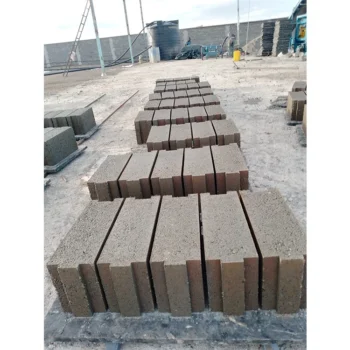
| Standard Hollow Mould | 390mm × 190mm × 190mm (4 pcs/mold) |
| Standard Solid Mould | 240mm × 115mm × 53mm (21 pcs/mold) |
| Vibration System | Lower platform vibration (two 3 kW motors, vertical vibration box) + Upper vibration (1.5 kW attached device) |
| Elevating System | Cone-shape motor with JZQ250 speed reducer, V-belt drive |
| Delivery Device | Cycloidal pin wheel speed reducer, chains, V-belt, self-conveying frame |
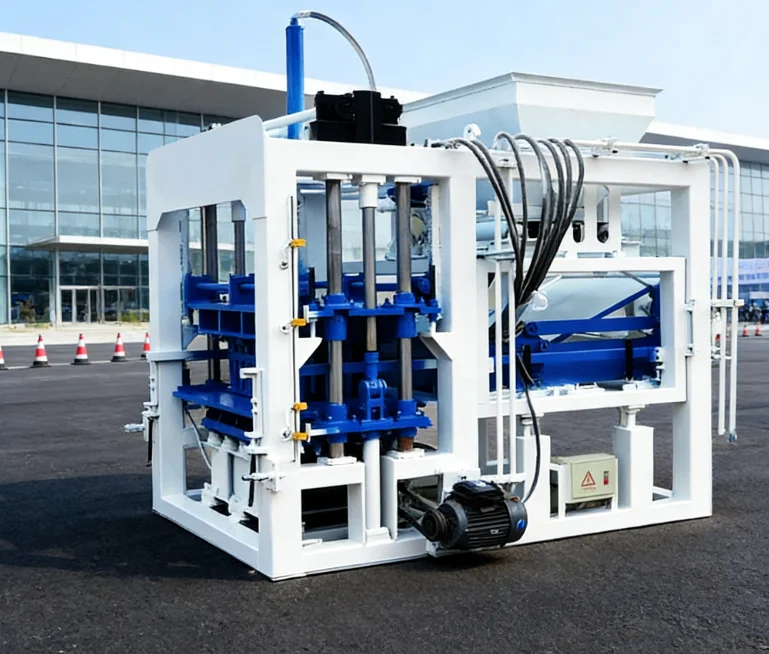
| Machine Frame | Dragon gate style, super steel construction, four wear-resisting vertical shafts |
| Material Feeding | Top-mounted releasing hopper + lower storing hopper |
| Automation Level | Semi-automatic (mechanical and electronic combination) |
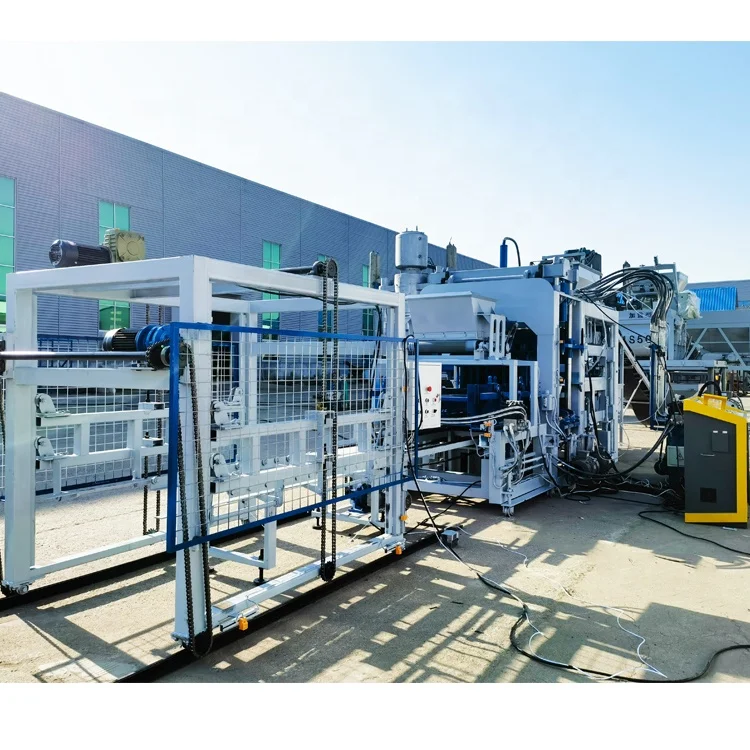
| Supporting Equipment (Basic) | JQ350 pan mixer, 6 m belt conveyor, curing yard trolley |
| Supporting Equipment (Optional) | Auto stacker (3–6 layers depending on block height) |
| Vibration Force (kN) | (basis to be confirmed) |
| Hydraulic Pressure (MPa) | (basis to be confirmed) |
| Cycle Time per Format | (basis to be confirmed) |
| Voltage & Frequency | (basis to be confirmed) |
Application Suitability
| Application | Material or Output |
|---|---|
| Hollow block production for building walls | Crushed stone, sand, cement, water |
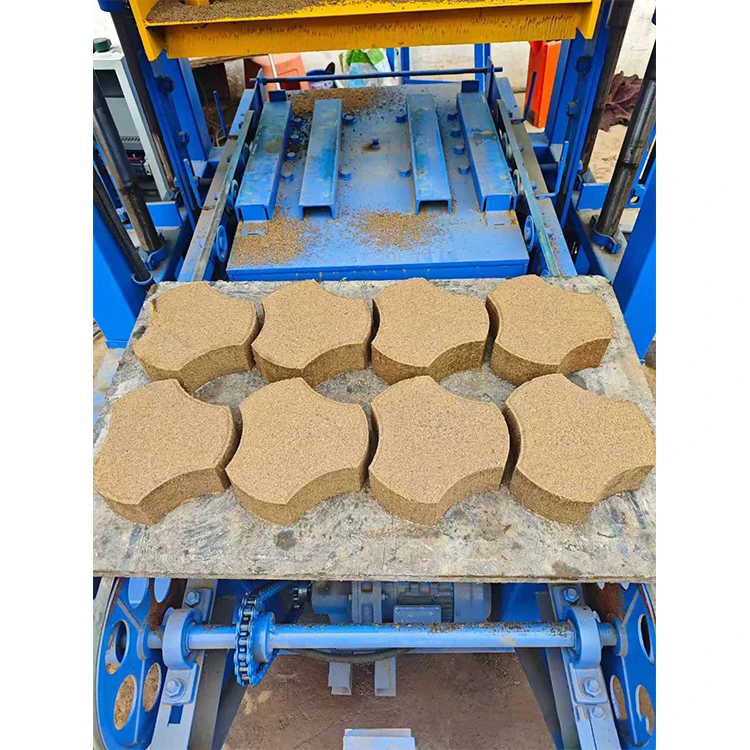
| Solid brick manufacturing for paving and infill | Fine aggregate, cement, optional pigment |
| On-site block production for construction contractors | Locally sourced red soil or laterite blended with cement |
| First block plant for entrepreneurs entering the market | Standard concrete mix with regionally available aggregate |
What "Pieces per Hour" Leaves Out About semi-automatic concrete block making machine specifications
Capacity means nothing unless the block format and cycle time are named together.
Many quotations list a single hourly figure without specifying whether it assumes hollow blocks, solid bricks or pavers. A machine that cycles quickly on a small solid brick may take considerably longer on a large hollow block because the vibration dwell and demoulding stroke differ. Buyers who compare quotes on cycle count alone end up with a daily output far below what they budgeted for. The QTJ4-24 mould formats — 4 hollow blocks or 21 solid bricks per cycle — produce very different throughputs, and the semi-automatic concrete block making machine specifications should always state which format the number refers to [NEED_CITE: block machine capacity calculation standards by format].
Mould Format and the Output Gap Between Hollow and Solid
The QTJ4-24 ships standard with a 390×190×190 mm hollow mould producing 4 pieces per cycle and a 240×115×53 mm solid mould producing 21 pieces per cycle. Because the mould change involves swapping the box, adjusting the vibration table stops and resetting the head weight, the realistic daily output for each format must be calculated independently. A buyer whose market moves mostly hollow blocks needs a capacity plan built around the four-piece cycle, not the twenty-one-piece solid figure that looks larger on paper.
Vibration Matching to Local Aggregate
Block strength depends on vibration force being matched to the mix. In West Africa I watched a hollow block line produce crumbling walls for an entire week because the vibration parameters were set for standard quartz sand while the local red laterite absorbed water differently and dampened the platform vibration. The QTJ4-24 uses two 3 kW motors on the lower platform plus a 1.5 kW upper attached vibrator; the amplitude and frequency must be tuned against the buyer’s actual aggregate sample before the machine leaves the factory. Sending a raw material sample for bench testing removes this variable [NEED_CITE: effect of laterite and red soil on concrete block vibration settings].
Pallet Size and the Curing Yard Mismatch
The 850×450 mm pallet is the interface between the press and everything downstream. If the buyer’s curing racks are spaced for a different pallet, or the forklift tines cannot carry the loaded pallet weight, blocks pile up at the machine and production stalls. Before confirming an order, the pallet dimensions and material must be checked against the curing area layout and the lifting equipment already on site.
Why Frame Rigidity Matters at Every Cycle
The dragon gate frame with four wear-resisting vertical shafts keeps the mould head aligned through thousands of daily strokes. When the shafts wear unevenly or the frame flexes under vibration, blocks come out with one side thicker than the other, creating rejection rates that erode margins. A rigid frame is the baseline for consistent block geometry across long production runs.
Reading the Semi-Automatic Configuration Correctly
Semi-automatic here means mechanical and electronic combination: the operator controls pallet feed and block removal, while the hopper release and vibration cycle are electronically timed. This keeps the capital cost lower than a fully automatic line and suits plants where labour is available but electrical infrastructure is limited. Buyers planning a future upgrade should confirm whether the auto stacker option can be added later without replacing the main press.
Selecting the Wrong Configuration and the Cost That Follows
When vibration force is set for a catalogue-default mix rather than the buyer’s aggregate, blocks leave the machine looking acceptable but fail compressive strength tests after curing. The cost shows up as rejected batches, reputation damage and return visits to re-commission. Similarly, choosing a pallet size without checking the existing curing racks forces the buyer to rebuild the yard or handle blocks manually — an unplanned labour cost that never appears on the machine invoice [NEED_CITE: hidden costs of mismatched block machine pallet and curing infrastructure].
Why Buyers Source This Machine Through Our Range
Block machinery is our single focus, so the QTJ4-24 arrives as a matched set: press, mould, pallet, mixer and conveyor specified together rather than assembled from unrelated suppliers. We set the vibration and cycle parameters against the buyer’s sample material, not a generic default. Mould design covers the formats the buyer’s market actually sells, with custom drawings available. Automation level is selectable, so a plant can start semi-automatic and add the auto stacker when volume justifies it. Installation support includes operator training on the specific mix and format the buyer will run daily.
Documentation & Verification
- Line layout and capacity calculation stating the block format assumed for the QTJ4-24
- Mould drawing and format list covering hollow and solid options
- Pallet specification with dimensions and load rating matched to curing racks
- Voltage and control language confirmation before production begins
- Factory test record on buyer’s sample material before dispatch
Installation, Commissioning & Support
- Foundation must support 1750 kgs static mass plus dynamic vibration load from dual 3 kW motors
- Dedicated power circuit rated for 14.25 kW total draw at confirmed voltage and frequency
- Machine ships in working-state dimensions (3600×1700×2560 mm) and requires shaft alignment check after transport
- First-run commissioning includes vibration tuning against buyer’s local aggregate sample
- Operator training covers mould change procedure for both hollow and solid formats
- Wear parts list supplied with recommended replacement intervals for shafts and vibration box bearings
Before You Send an Inquiry
Tell us which block format your market moves most — hollow, solid or both — and what daily volume you need. Share a sample of your local aggregate so we can run a bench test and set the vibration parameters before shipment. Confirm your site voltage, frequency and the pallet size your existing curing racks and forklift can handle.
Frequently Asked Questions
Q: How is daily output calculated for each block format on the QTJ4-24?
A: Daily output depends on cycle time, which varies between the 4-piece hollow mould and the 21-piece solid mould. We calculate realistic output per format based on the buyer’s target block, factoring in mould change time, pallet handling pace and mixer batch interval. A capacity sheet stating the assumed format is provided with every quotation.
Q: How do I confirm the 850×450 mm pallet fits my existing curing area?
A: Measure your curing rack spacing and forklift tine width before ordering. The pallet size determines how blocks are transported from the press to the yard. If your racks or forklift do not match, we adjust the pallet specification or advise on the yard modifications needed so production flows without manual double-handling.
Q: What mould formats are available, and how long does a mould change take?
A: Standard moulds cover 390×190×190 mm hollow blocks and 240×115×53 mm solid bricks. Custom moulds can be designed to buyer drawings. Mould change time depends on operator familiarity and the specific format switch; we supply a step-by-step procedure and train operators during commissioning so format changeover fits within normal shift planning.
Q: How is vibration force matched to my local aggregate for consistent block strength?
A: We ask buyers to send a sample of their local aggregate before production. The sample is tested on a bench press to determine the vibration amplitude and dwell time needed for proper compaction. These settings are applied to the QTJ4-24 before dispatch, preventing the weak-block issues that occur when machines ship with catalogue-default parameters.