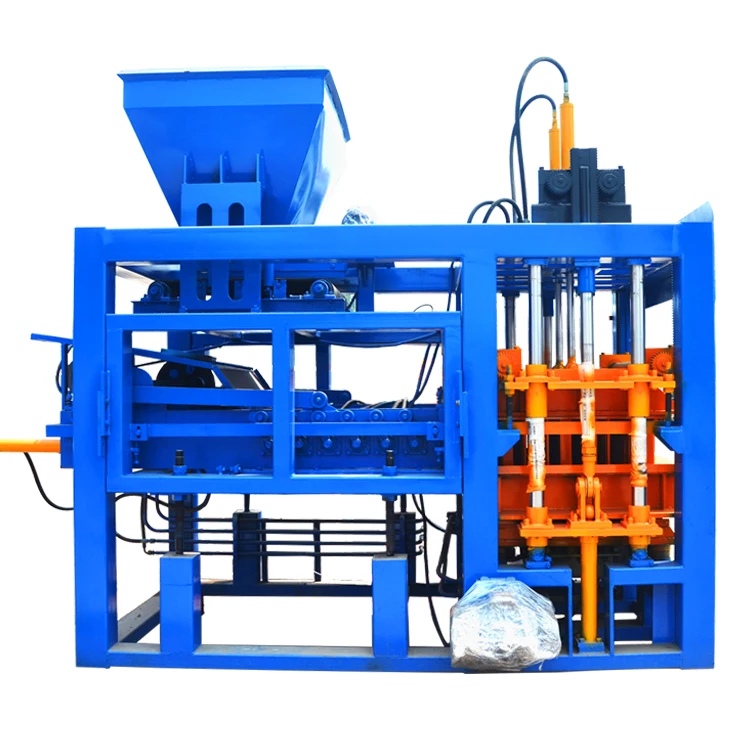
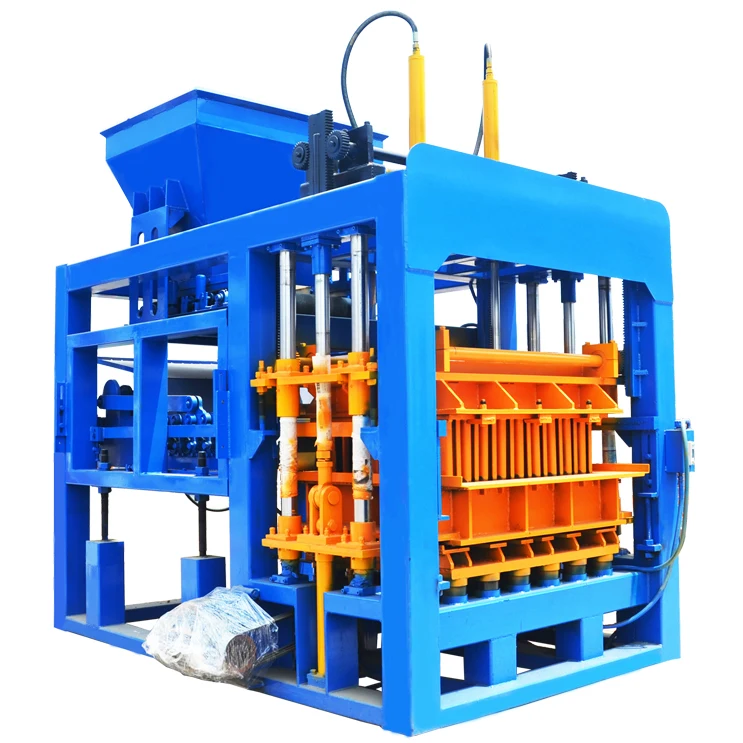
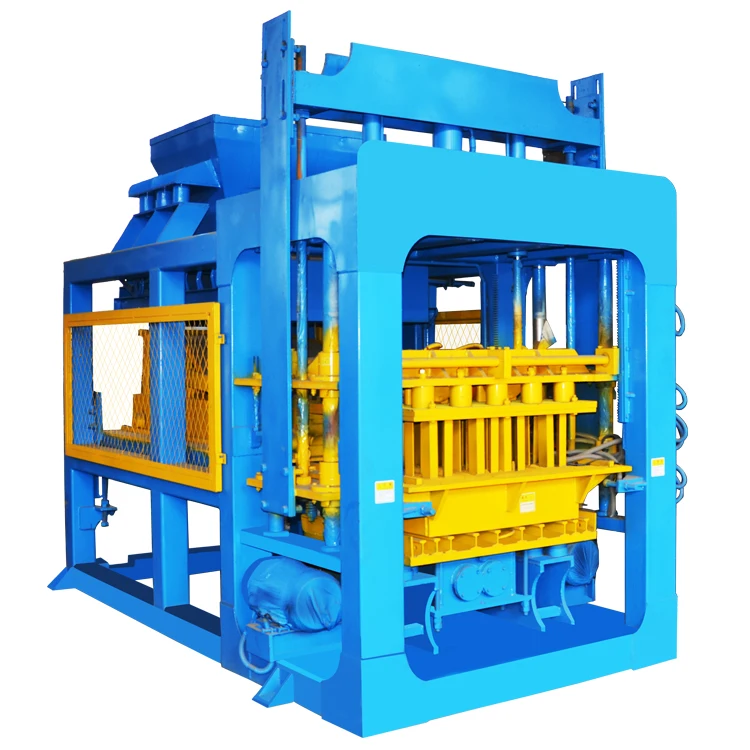
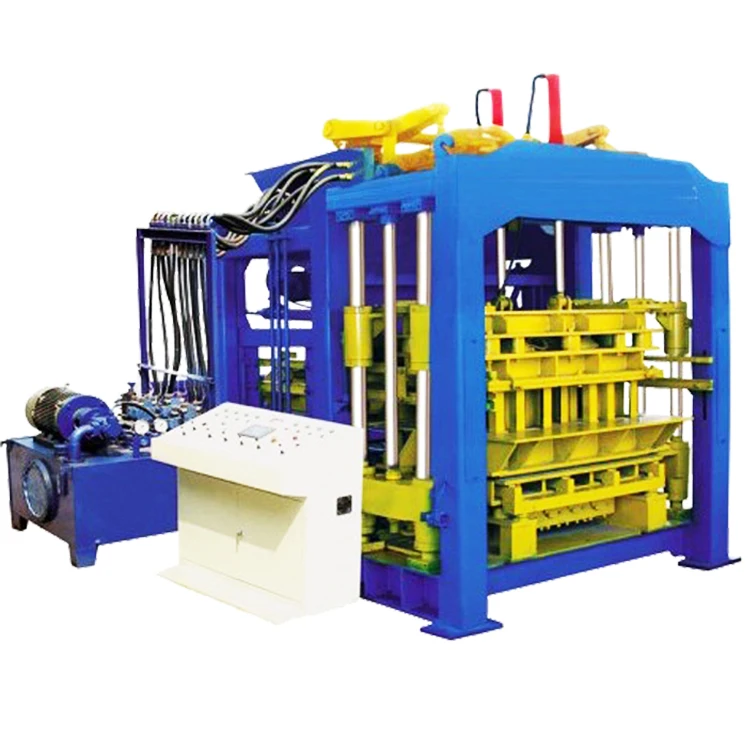
Description
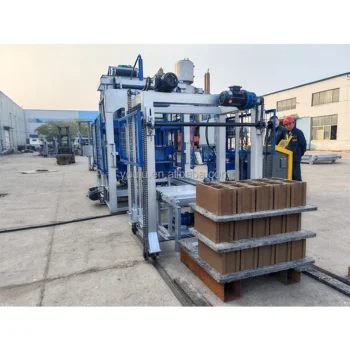
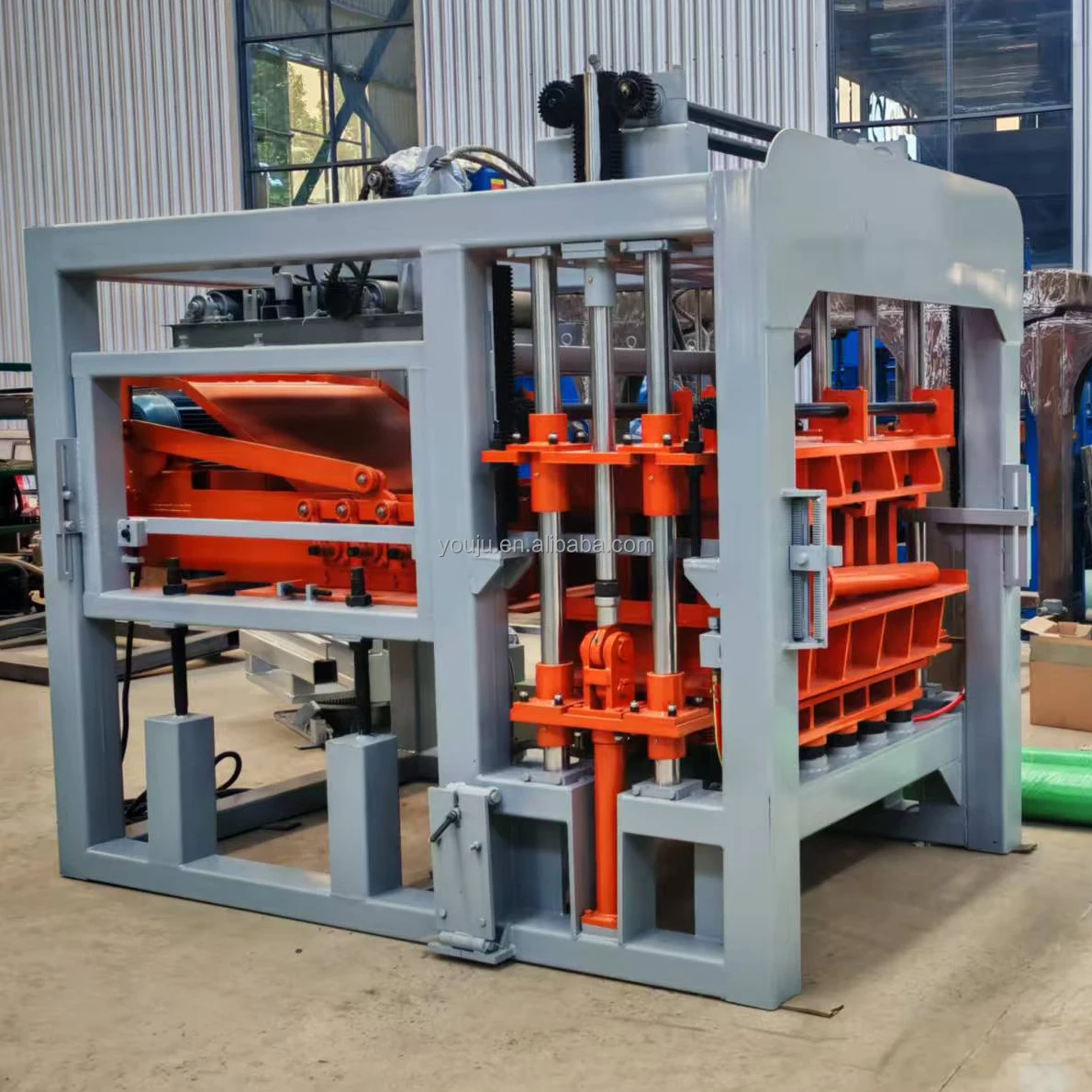
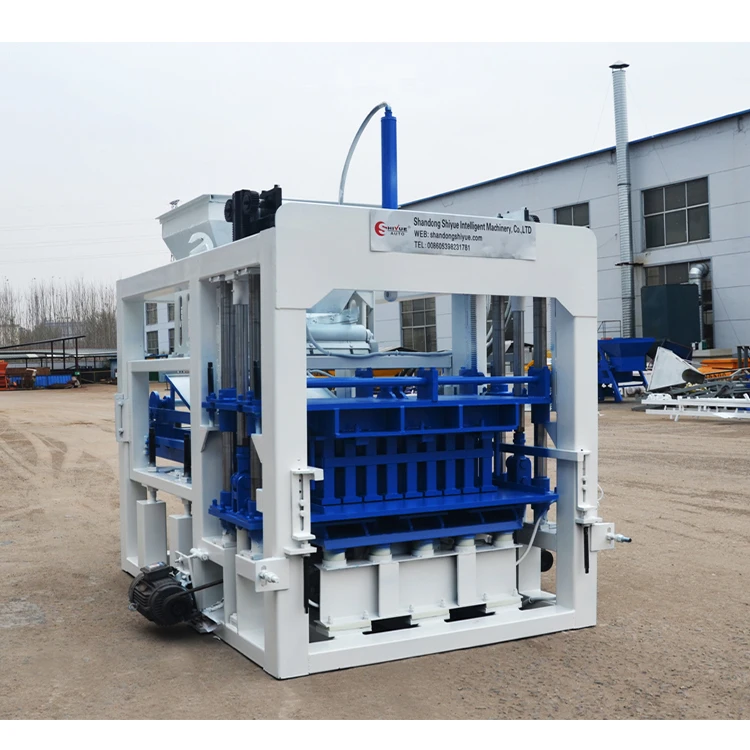
System-Matched Press Configuration — machine, pallet and mould specified together against the buyer’s actual block format rather than sold as a standalone catalogue unit.
Technical Specifications
| Parameter | Value |
|---|---|
| Model | QT8-15 |
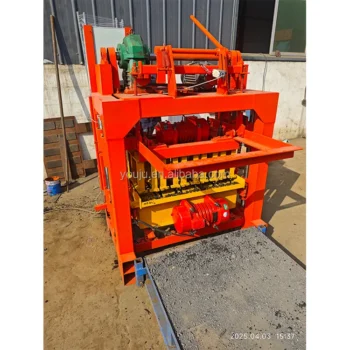
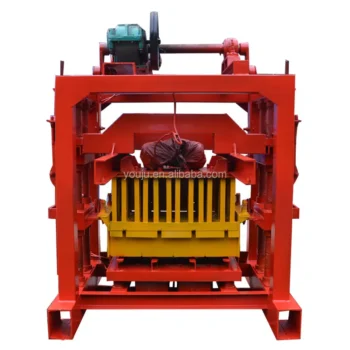
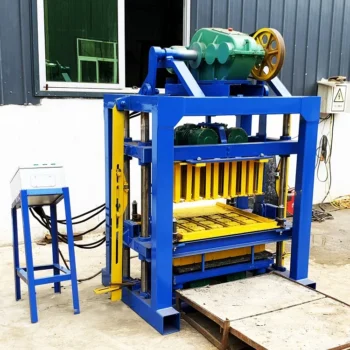
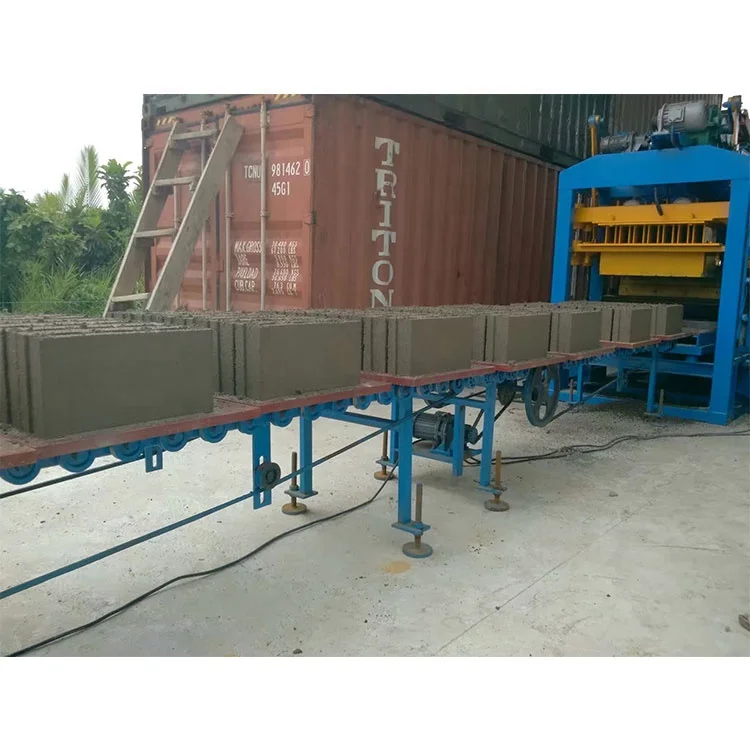
| Product Type | Automatic Stationary Concrete Block Making Machine |
| Overall Dimensions (L×W×H) | 8400 × 1700 × 2950 mm |
| Overall Power | 37 kW |
| Molding Cycle | 15–25 s (basis not stated in source — confirm block format / material / thickness) |
| Vibration Frequency | 2800–4500 r/min |
| Machine Weight | 10000 kg |
| Main Vibration Form | Platform Vibration |
| Pallet Size | 950 × 900 mm |
| Factory Area Required | 600 m² |
| Control System | PLC with fault diagnosis and long-distance monitoring capability |
| Voltage | Customized to buyer’s local supply (exact value to be confirmed) |
| Automation Level | Automatic (stacking and cubing inclusion to be confirmed) |
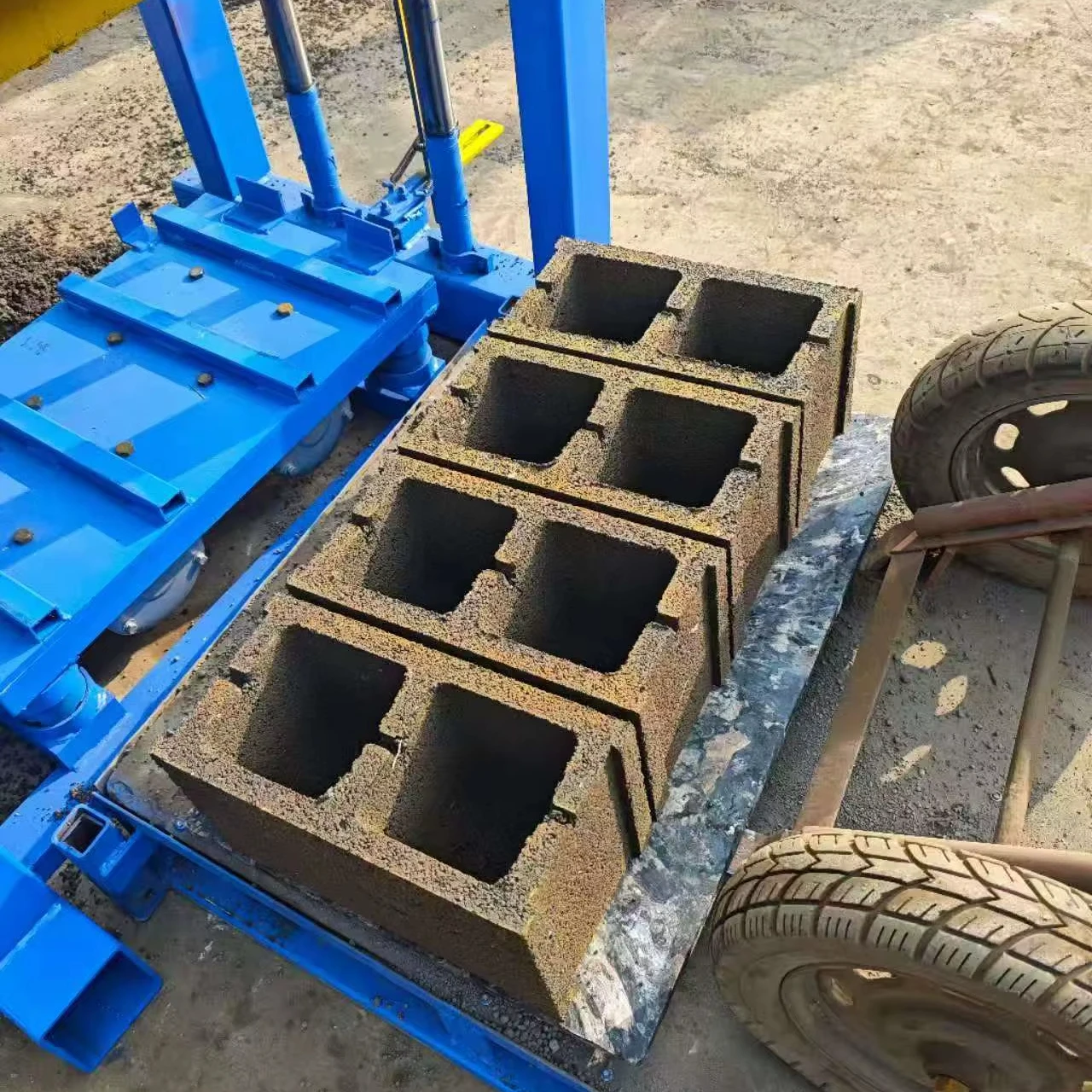
| Applied Products | Hollow blocks, solid blocks, pavers, interlocking blocks, curbstone, colored pavers |
Application Suitability
| Application | Material or Output |
|---|---|
| Hollow block production for wall construction | Crushed stone, sand, cement, fly ash or local aggregate blends |
| Solid block manufacturing for load-bearing structures | Dense concrete mixes with coarse aggregate |
| Paving and interlocking block runs for driveways and walkways | Fine aggregate blends with color oxide additives |
| Kerbstone and curb production for road infrastructure | High-strength concrete with reinforced edge density |
| On-site block production for housing developments | Locally sourced sand and gravel matched to project specs |
What "15–25 Seconds per Cycle" Actually Means for Your Daily Output
Cycle time only translates into real output when the block format, mix design and pallet handling speed are all stated together.
Buyers often see a molding cycle figure and multiply it into a shift total, only to find that a 15-second cycle on a small solid block stretches past 25 seconds once the format switches to a tall hollow block with a different aggregate. The QT8-15 block machine specifications list a range rather than a single number because the press responds differently to each mould and material. Without a capacity calculation that names the exact block format assumed, daily output estimates remain guesswork [NEED_CITE: block format assumptions in capacity quotations].
Matching Vibration Frequency to Your Local Aggregate
The QT8-15 block machine specifications include an adjustable vibration frequency band from 2800 to 4500 r/min, which matters because different aggregates compact at different resonance points. A volcanic ash blend used in East African markets, for instance, demands a lower frequency with longer dwell to achieve full consolidation, while clean river sand responds well at the upper end of the range. I have seen buyers lose nearly half their expected output simply because the vibration was locked at a default setting that did not suit their material. Platform vibration as the main forming method ensures force transfers evenly through the mould cavity, producing consistent density from the top face to the bottom of every block.
Pallet Size and the Curing Area Bottleneck
A 950 × 900 mm pallet defines not only how many blocks form per cycle but also how those pallets move through the curing yard. If your existing forklift tines are spaced for a different pallet width, or your curing racks were built around a smaller board, the mismatch surfaces only after the machine arrives. Confirming pallet dimensions against the buyer’s current handling equipment is a step that belongs in the quotation stage, not at commissioning. The QT8-15 stationary block machine for hollow solid concrete runs on this pallet format across all mould changes, so every downstream decision — rack spacing, yard layout, stack height — flows from it [NEED_CITE: pallet and curing yard compatibility in block plants].
Reading the Core Specs Beyond the Brochure
Overall power of 37 kW covers the hydraulic pump, vibration motors and conveyor drives running simultaneously, which means the electrical supply must handle peak draw without voltage sag that would shorten motor life. Machine weight at 10000 kg indicates a heavy steel frame designed to absorb vibration recoil rather than transmit it into the foundation — a lighter frame tends to crack its own welds under continuous high-frequency operation. The required factory area of 600 m² accounts for the press itself plus raw material staging, pallet return loop and a section of cured product staging, though the actual footprint depends on how much curing space the buyer allocates outdoors. PLC fault diagnosis with long-distance monitoring capability allows remote troubleshooting when an alarm code appears, cutting downtime that would otherwise wait for a site visit.
The Hidden Cost of Skipping Mix-Design Validation
When a press is configured for a standard sand-cement mix that the buyer cannot source locally, the first production run reveals weak blocks, surface cracking or excessive mould wear. Correcting this after installation means flying in a technician, reprogramming vibration curves and possibly ordering a new mould set — costs that dwarf the time it would have taken to send an aggregate sample before the order. I once spent two weeks on-site in West Africa re-tuning frequency and pressure curves because the local pozzolan behaved nothing like the sand used during factory testing. That kind of avoidable delay cancels out whatever format flexibility the buyer originally paid for [NEED_CITE: aggregate variation impact on block strength].
Why Buyers Specify This Line Here
Block machinery is the single manufacturing focus, so the press, mould, pallet and handling equipment arrive as one matched set rather than a collection sourced from separate vendors. Every QT8-15 configuration is built against the buyer’s stated block format, target strength and local material sample — not a default catalogue entry. Mould design covers every format the buyer’s market actually sells, with custom drawings accepted when a project calls for a non-standard profile. Automation level is selectable, allowing a buyer to start with semi-automatic pallet handling and upgrade the stacking and cubing stations later without replacing the press. Installation includes on-site commissioning with operator training so the crew understands mould change procedure and daily maintenance before the technician leaves.
Documentation & Verification
- Line layout and capacity calculation stating the exact block format behind every output figure
- Mould drawing and format list supplied before order confirmation, including custom profiles
- Hydraulic and electrical schematic matching the as-built machine configuration
- Voltage, frequency and PLC display language confirmed in writing before production starts
- Factory test record and packing photographs provided before container loading
Installation, Commissioning & Support
- Foundation must sustain 10000 kg static load plus dynamic vibration forces across the 8400 mm frame length
- Dedicated 37 kW circuit with voltage confirmed to local supply before electrical cabinet wiring
- Press ships partially dismantled for container loading; reassembly and alignment completed on-site
- PLC fault diagnosis parameters set and tested during commissioning against the buyer’s block format
- Operator training covers mould change sequence, vibration frequency adjustment and daily greasing points
- First spare parts package includes hydraulic seals and vibration motor bearings sized to this model
Before You Request a Quote
Send the exact block format and dimensions your market demands, along with a sample or description of your local aggregate and cement type. Include your site voltage, frequency and preferred PLC display language so the electrical package matches from day one. If you already operate a curing yard or forklift, share the pallet dimensions and rack spacing you use so the handling layout connects without modification.
Frequently Asked Questions
Q: What is the realistic daily output of the QT8-15 for my specific block format?
A: Output depends on the block size, wall thickness and mix design you run. A molding cycle of 15–25 seconds is listed, but the exact figure for your format must be calculated against the mould cavity count and material characteristics. Request a capacity table that names your block type in every row so you can plan shift totals accurately.
Q: How do I confirm the 950 × 900 mm pallet matches my curing area and forklift?
A: Share your current pallet dimensions, forklift tine spacing and curing rack width before the order is finalized. The pallet size drives the entire downstream layout, so any mismatch must be resolved at the proposal stage, not after the machine arrives at your site.
Q: Can the PLC display language and voltage be set to my local standard before shipment?
A: Both are confirmed in writing before production begins. The QT8-15 control system supports multiple display languages, and the electrical cabinet is wired to the buyer’s stated voltage and frequency so commissioning starts without transformer or rewiring delays.
Q: How long does a mould change take and what tools are required?
A: Change time depends on the mould clamping system fitted and the operator’s familiarity with the procedure. The quotation should include a step-by-step mould change guide and a tool list so you can plan format switches within a shift rather than losing an entire production day.
Q: Which wear parts should I order with the first shipment?
A: The initial spare package typically covers hydraulic seals, vibration motor bearings and other items that see regular stress. Confirm the exact list against your planned production hours so you have replacements on hand when the first service interval arrives, avoiding unplanned downtime waiting for international shipping.