Description
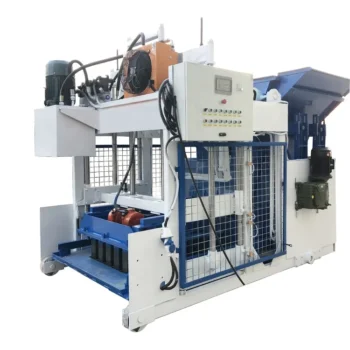
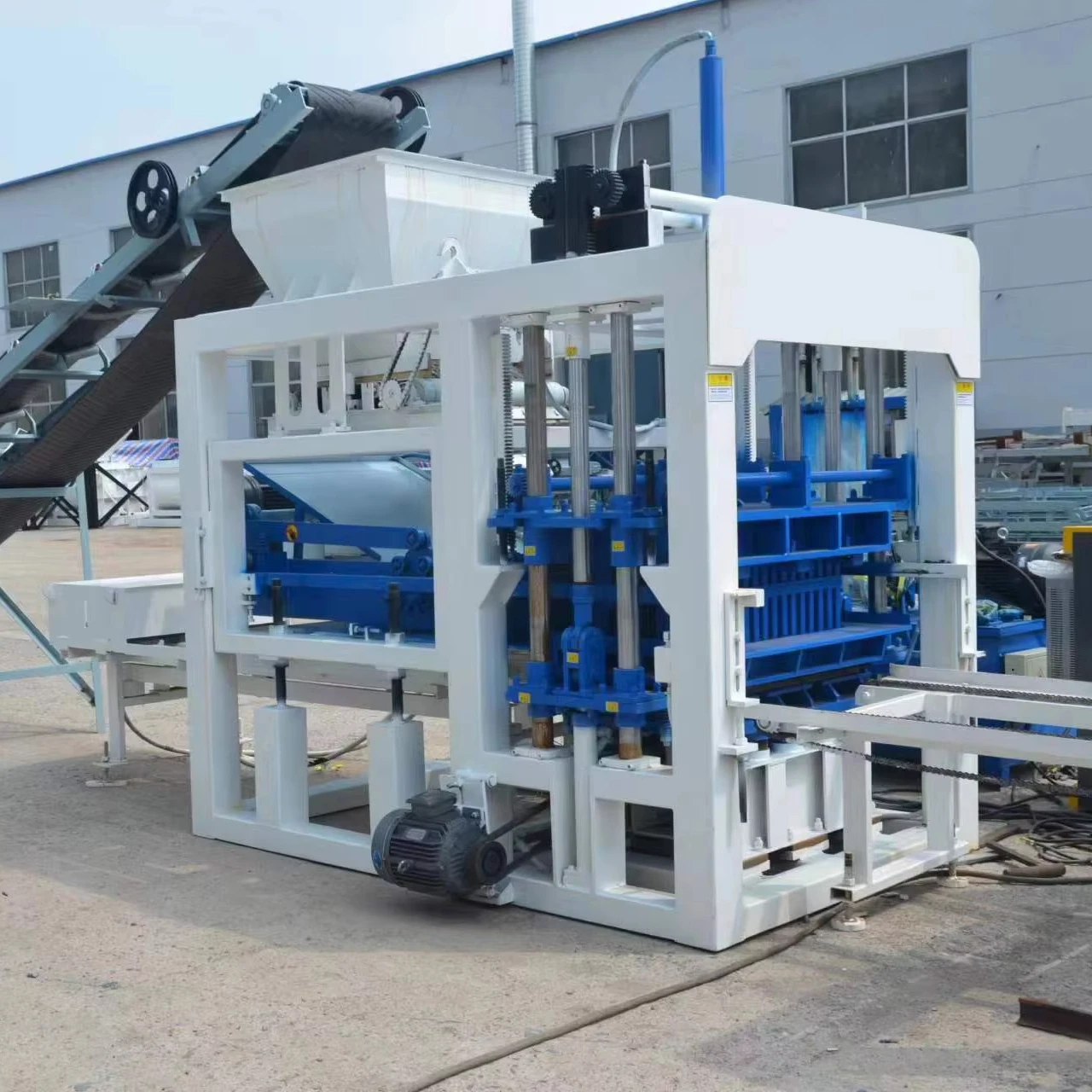
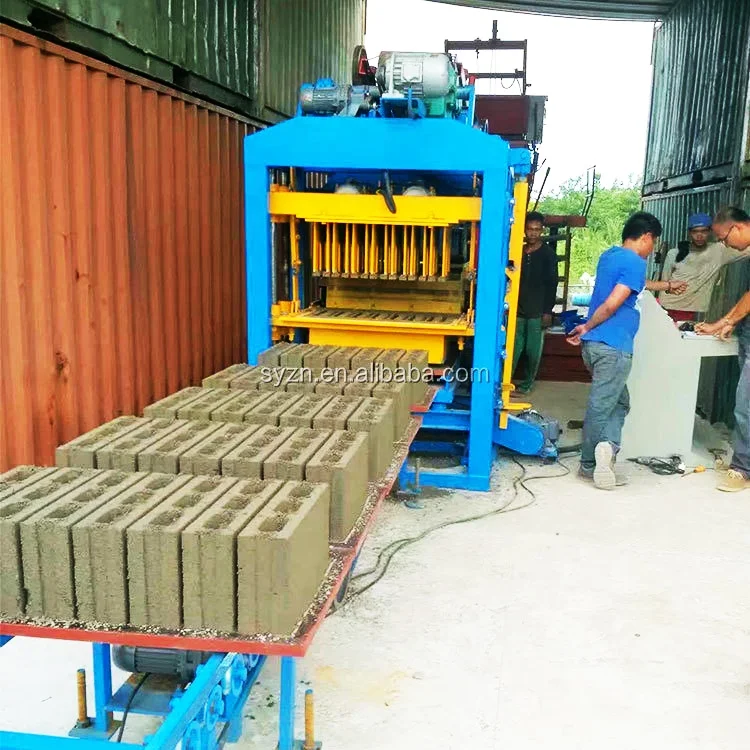
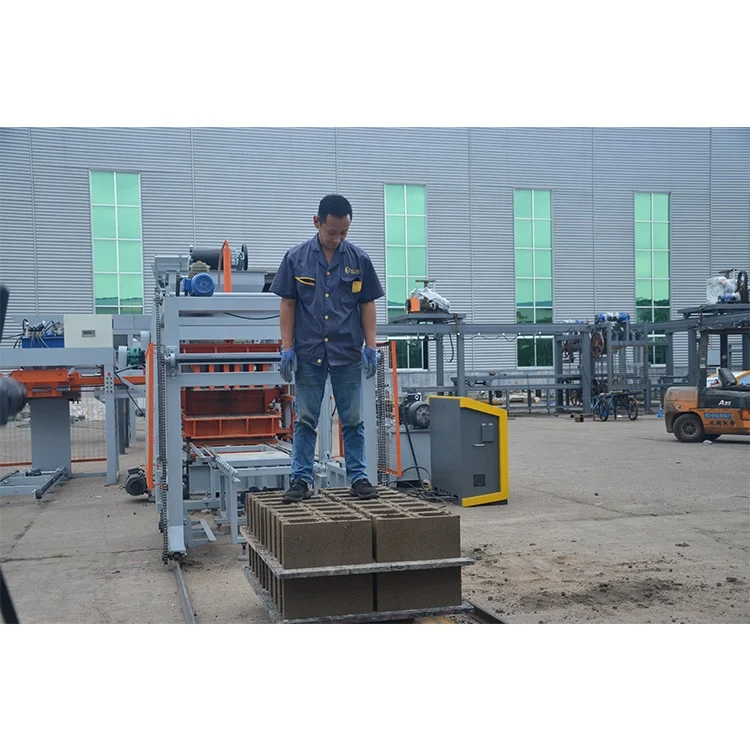
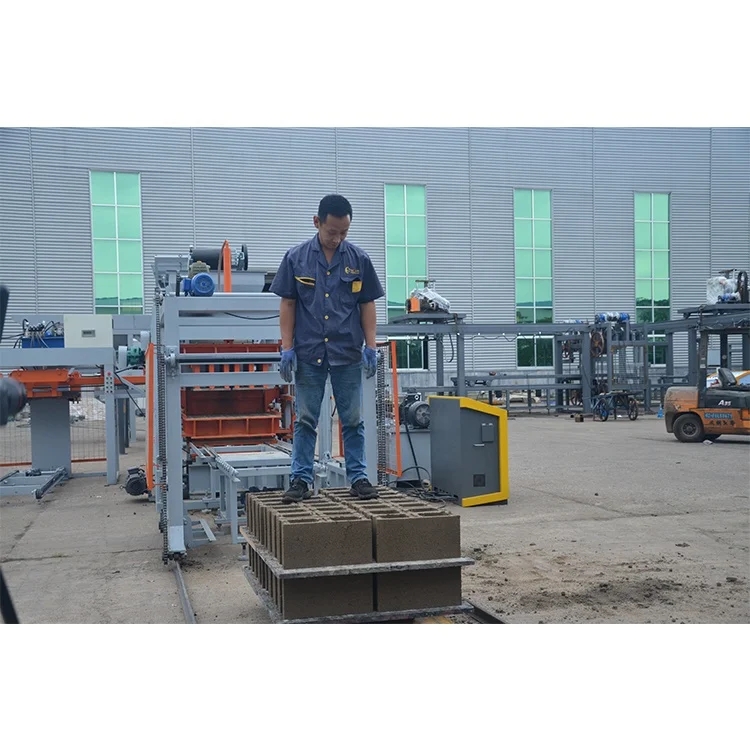
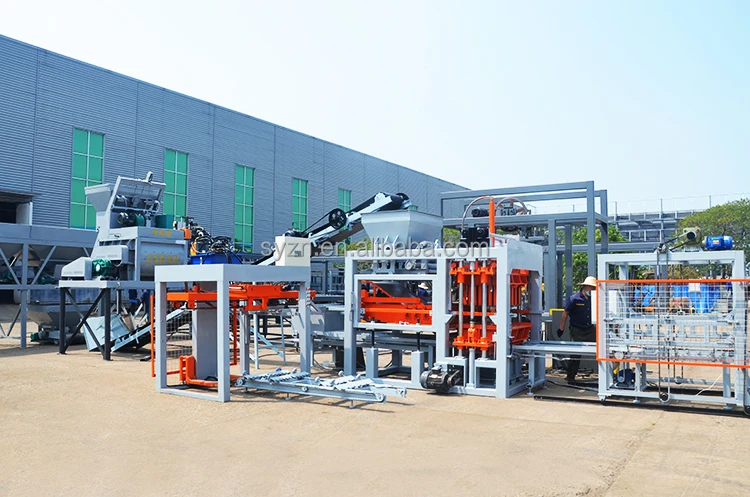
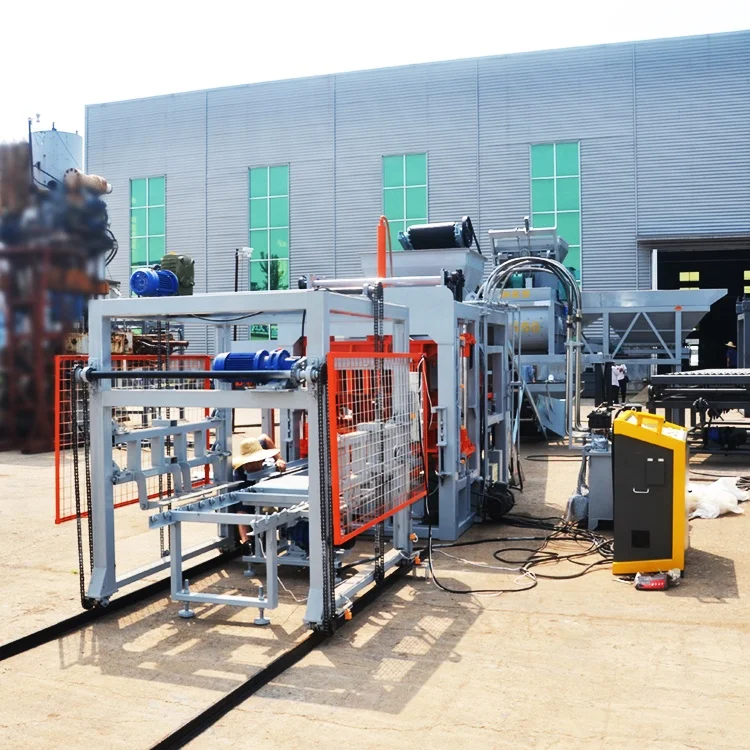
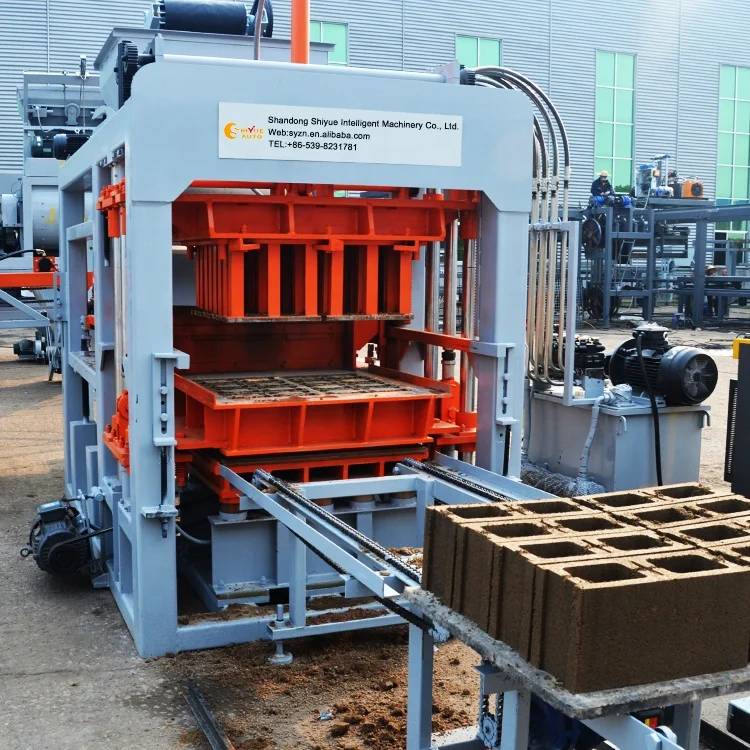
Matched System Specification — Every QT6-15 configuration leaves our facility with pallet size, mould format, hydraulic pressure and vibration frequency aligned to your target block and local aggregate, not assembled from disconnected catalogue defaults.
Technical Specifications
| Parameter | Value |
|---|---|
| Model | QT6-15 |
| Product Type | Automatic Hydraulic Concrete Block Making Machine |
| Overall Dimension | 8200 × 1700 × 2950 mm |
| Pallet Size | 880 × 850 mm |
| Vibration Form | Platform Vibration |
| Vibration Frequency | 0–60 Hz (variable) |
| Vibration Force | 45 kN |
| Moulding Mode | Automatic loading, vibration moulding |
| Molding Cycle | 15–20 s (basis not stated in source — confirm block format) |
| Demolding Method | Hydraulic |
| Hydraulic System | Independent integrated hydraulic station |
| Control System | PLC with touch screen HMI |
| Overall Power | 37 kW |
| Total Mass | 7 T |
| Factory Area Required | 1200 m² |
| Compressive Strength of Blocks | > 15 MPa |
| Raw Material Adaptability | Waste ash, slag, various aggregates with reduced cement dosage |
| Standards | CE referenced in documentation scope |
Application Suitability
| Application | Material or Output |
|---|---|
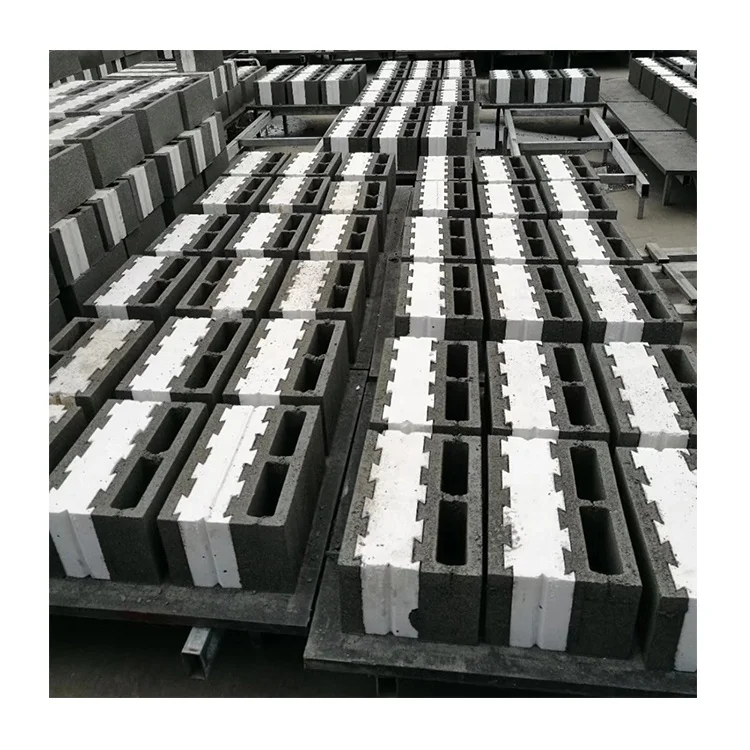
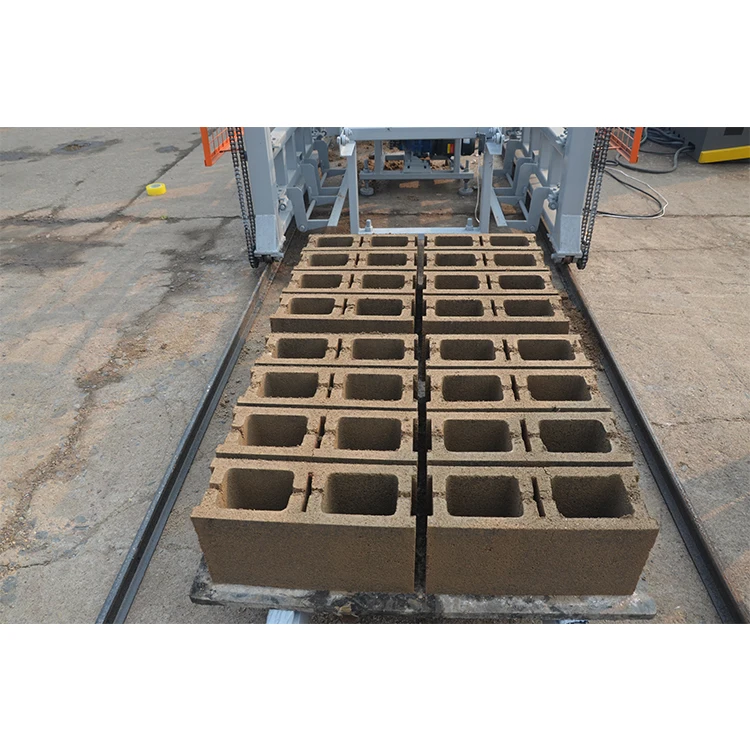
| Hollow block production for load-bearing and infill walls | Crushed stone, sand, cement, fly ash blends |
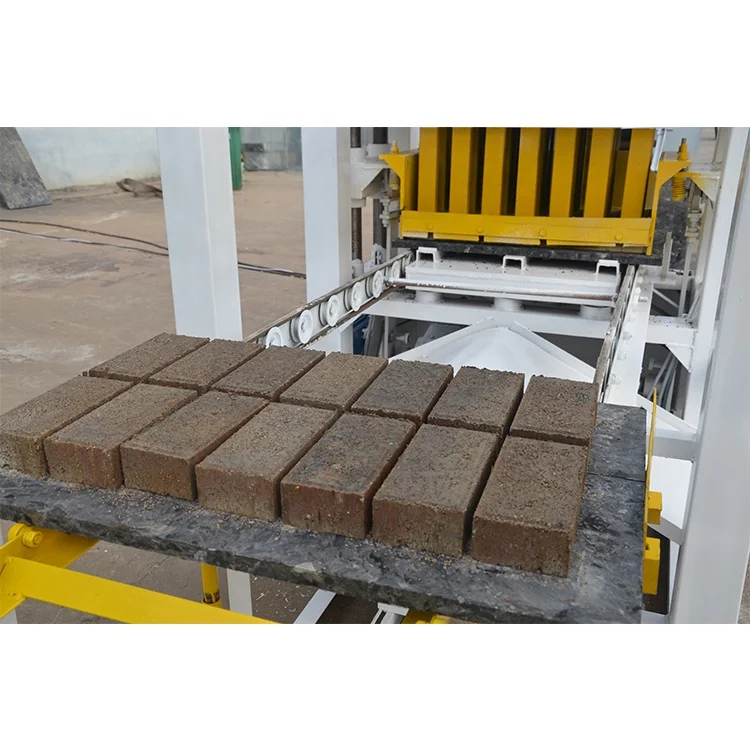
| Solid brick production for partition and cladding work | Fine aggregate and cement mixes |
| Rectangular and zigzag paving block production | High-density aggregate blends with pigment dosing |
| On-site block production for housing and infrastructure contractors | Locally sourced aggregate matched to project specification |
| Format expansion for existing concrete product plants | Interlocking brick and kerbstone with dedicated mould tooling |
What "1080 Pieces per Hour" Actually Means on the QT6-15 Block Machine
Output only holds true when the block format, mould cavity count and cycle time are stated together.
I have watched buyers sign off on a single headline capacity number and then spend their first production month chasing a daily target the machine was never configured to hit. A QT6-15 block machine producing 400 × 200 × 200 mm hollow blocks at six cavities per mould and a 15–20 second cycle can reach 8,640–11,520 pieces per eight-hour shift. Switch the mould to a 200 × 100 × 60 mm rectangular paver at 21 cavities and a 20–25 second cycle, and the same machine delivers 17,280–23,040 pieces over the same period. Neither number is wrong, but quoting one without the format attached sets up a disappointment the operator cannot fix on the factory floor [NEED_CITE: block output calculation standards by format and cycle time].
Honest Capacity Stated Per Block Format
When you evaluate QT6-15 block machine specifications, the mould cavity count and the realistic cycle time for that specific format matter more than the headline vibration frequency. Hollow blocks draw material slowly into deep cavities and need a longer vibration window than flat pavers, which compact quickly across a shallow profile. Every capacity figure we confirm in a proposal names the exact block dimension, the number of pieces per mould, and the cycle range that produces it.
Pallet, Mould and Handling as One Decided System
Choosing an 880 × 850 mm pallet without checking the curing rack spacing and forklift fork width already in use at the buyer’s yard leads to double-handling from day one. We confirm pallet dimensions against the curing area layout before the machine enters production, and we match the automation level to the labour available on site. A semi-automatic pallet return can be specified first and upgraded to full automatic stacking later without replacing the press itself.
Vibration Force and Hydraulic Pressure Working Together
The 45 kN vibration force and the independent integrated hydraulic station do not operate in isolation. Vibration settles the aggregate into the mould cavity while hydraulic pressure closes the top mould head and densifies the block from above. If vibration is too high relative to pressure, the mix segregates and coarse aggregate sinks; if pressure dominates, fines are forced to the surface and the block core remains loose. Adjusting the 0–60 Hz frequency range alongside hydraulic ram pressure lets the operator tune density for different aggregate gradings, which is why we record the buyer’s mix design before locking the PLC parameters [NEED_CITE: vibration-to-pressure balance in concrete block forming].
The Cost of Skipping Format-Level Configuration
A machine ordered on a generic cycle-time claim arrives with moulds sized for a format the buyer’s market does not purchase, forcing a mould re-order before the first commercial batch ships. Pallets specified without regard to the curing yard mean blocks are re-stacked by hand every shift. Voltage confirmed after the machine is crated delays commissioning while a transformer is sourced locally. Each of these gaps converts a planned production start into an extended troubleshooting period [NEED_CITE: common commissioning delays in exported block machinery].
Why Buyers Place Repeat Orders Here
Block machinery is our single focus, so the press, mould, pallet and handling equipment are specified as one system rather than assembled from separate vendors. We set the QT6-15 configuration against the buyer’s actual aggregate sample and target block format, not a catalogue default that may not match local material. Mould designs cover the formats the buyer’s market actually sells, with custom drawings accommodated for non-standard dimensions. Automation is selectable, allowing a plant to begin semi-automatic and add stacking or cubing modules as volume grows. Factory testing is completed on the buyer’s confirmed block format before the machine is dismantled for shipment.
Documentation & Verification
- Line layout with capacity calculation naming each block format assumed
- Mould drawing and format list confirming cavity count and dimensions
- Pallet specification matched to buyer curing rack and forklift setup
- Hydraulic and electrical schematic with confirmed voltage and frequency
- PLC display language confirmation signed off before production
- Factory test record run on buyer block format prior to crating
Installation, Commissioning & Support
- 1200 m² factory area prepared with level concrete floor before arrival
- 37 kW power supply with dedicated breaker and confirmed voltage and frequency
- Machine dismantled for container loading and reassembled on prepared foundation
- PLC parameters loaded with buyer block format and mix data at first start-up
- Operator training covering mould change, pallet feed and fault diagnosis on HMI
- Wear parts and mould spare list supplied with first shipment
Before You Request a Quotation
Tell us the exact block formats your market sells, the daily volume you need for each, and the aggregate you can source locally. Confirm your available curing area dimensions, the forklift or pallet truck you already operate, and the voltage and frequency at your site. With these details we can return a QT6-15 block machine configuration and capacity calculation that holds up on your first production shift.
Frequently Asked Questions
Q: How is capacity verified per block format and what cycle time does each format require?
A: Every output figure we quote names the block dimension, cavity count per mould and cycle range. A 400 × 200 × 200 mm hollow block at six cavities runs a 15–20 second cycle, while a 200 × 100 × 60 mm paver at 21 cavities runs 20–25 seconds. We confirm these against your mix before production.
Q: How do I match pallet size to my existing curing racks and forklift?
A: The QT6-15 uses an 880 × 850 mm pallet. We ask for your curing rack shelf width and spacing plus forklift fork dimensions so we can verify fit before the pallet order goes to production, avoiding double-handling once blocks reach the yard.
Q: What mould formats are available and how long does a mould change take?
A: Moulds cover hollow block, solid brick, rectangular and zigzag paver, interlocking brick and kerbstone formats. Custom drawings are accepted. Change time depends on the mould clamping system selected, and we state it in the proposal alongside the format list.
Q: How should the machine be configured for my local aggregate and mix design?
A: We test your aggregate sample and mix proportions, then set vibration frequency, hydraulic pressure and cycle time in the PLC so that block density and surface finish remain consistent batch to batch, rather than shipping a generic default program.
Q: What voltage, frequency and PLC language options are available for my market?
A: Voltage and frequency are confirmed during the proposal stage to match your site supply. The touch screen HMI language is agreed at the same point so operators can read fault codes and cycle parameters in their working language from the first shift.