
Description
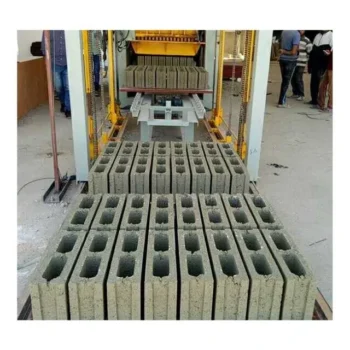
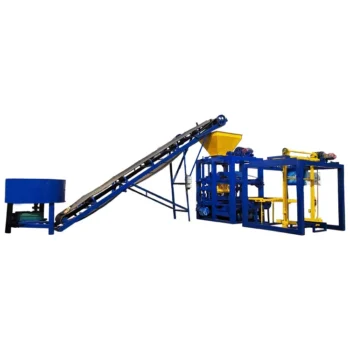
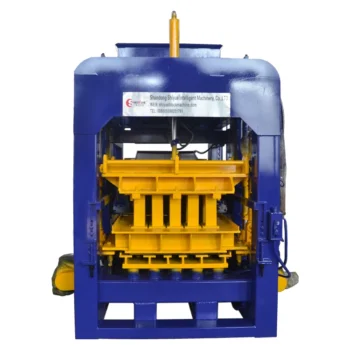
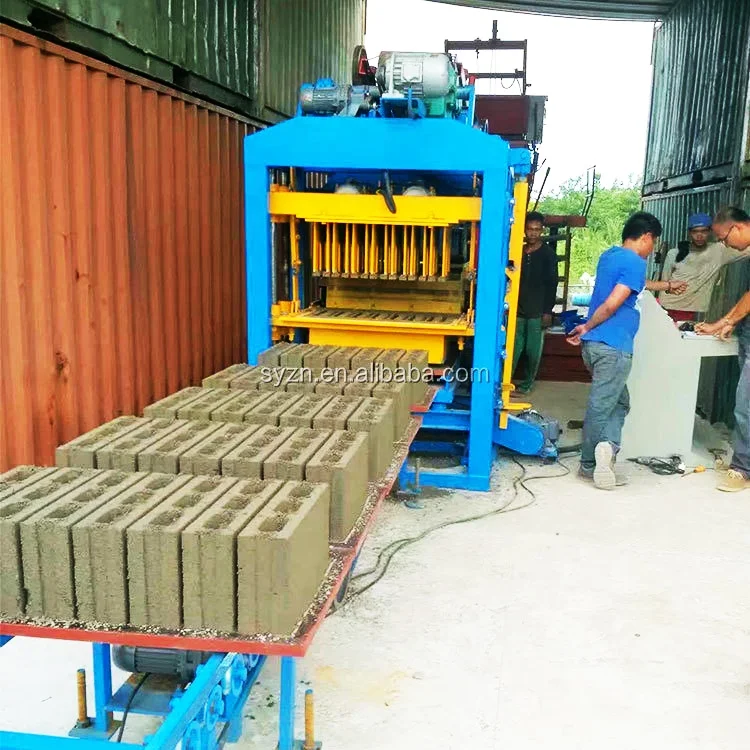
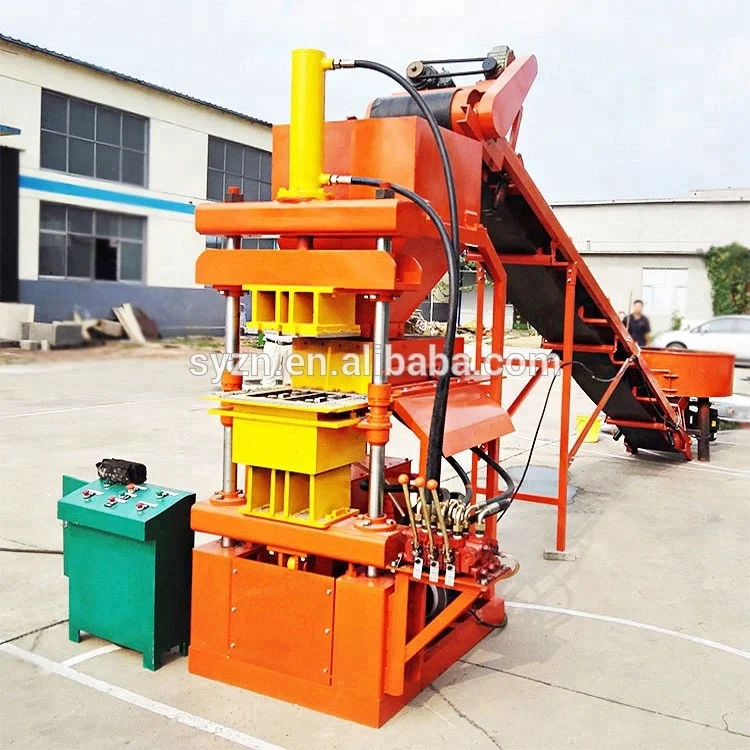
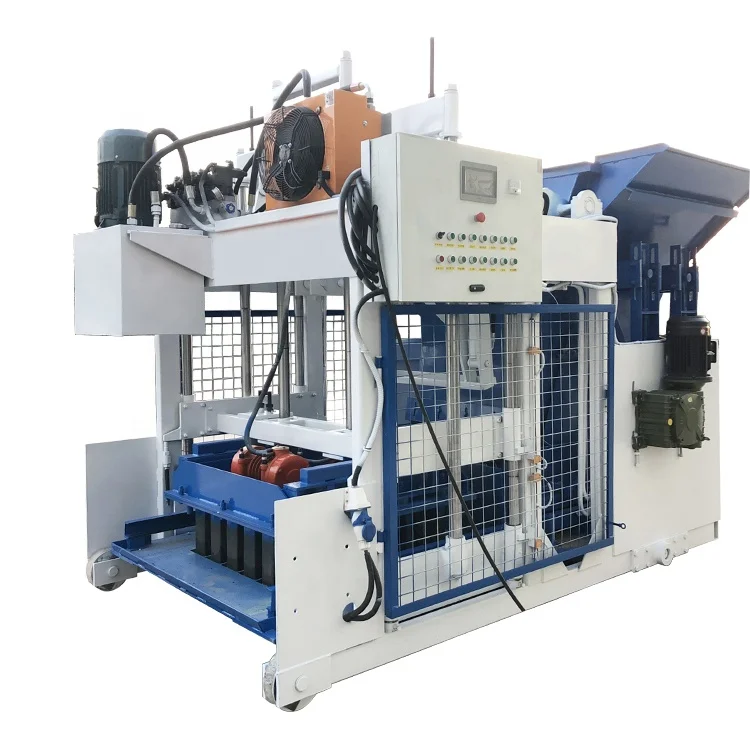
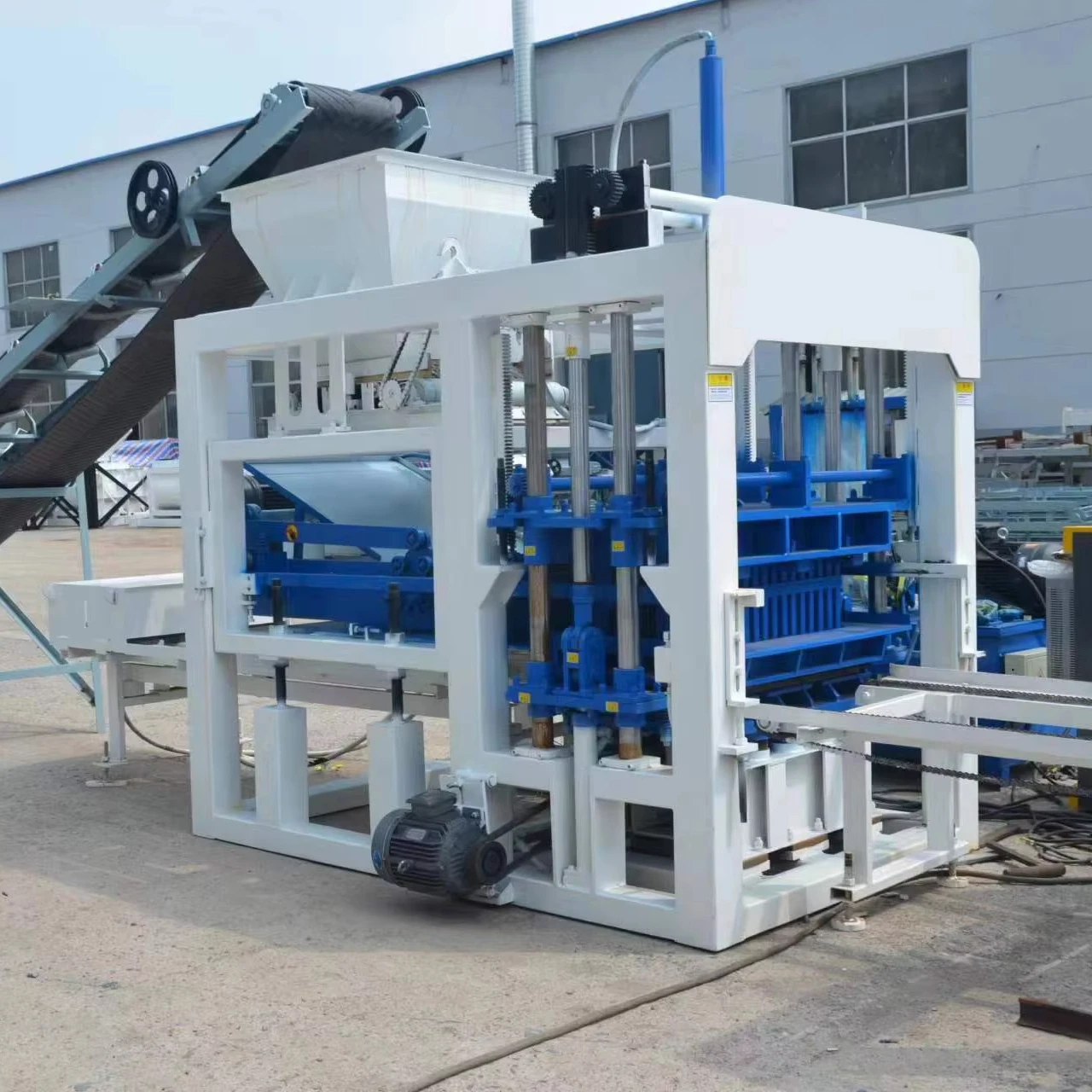
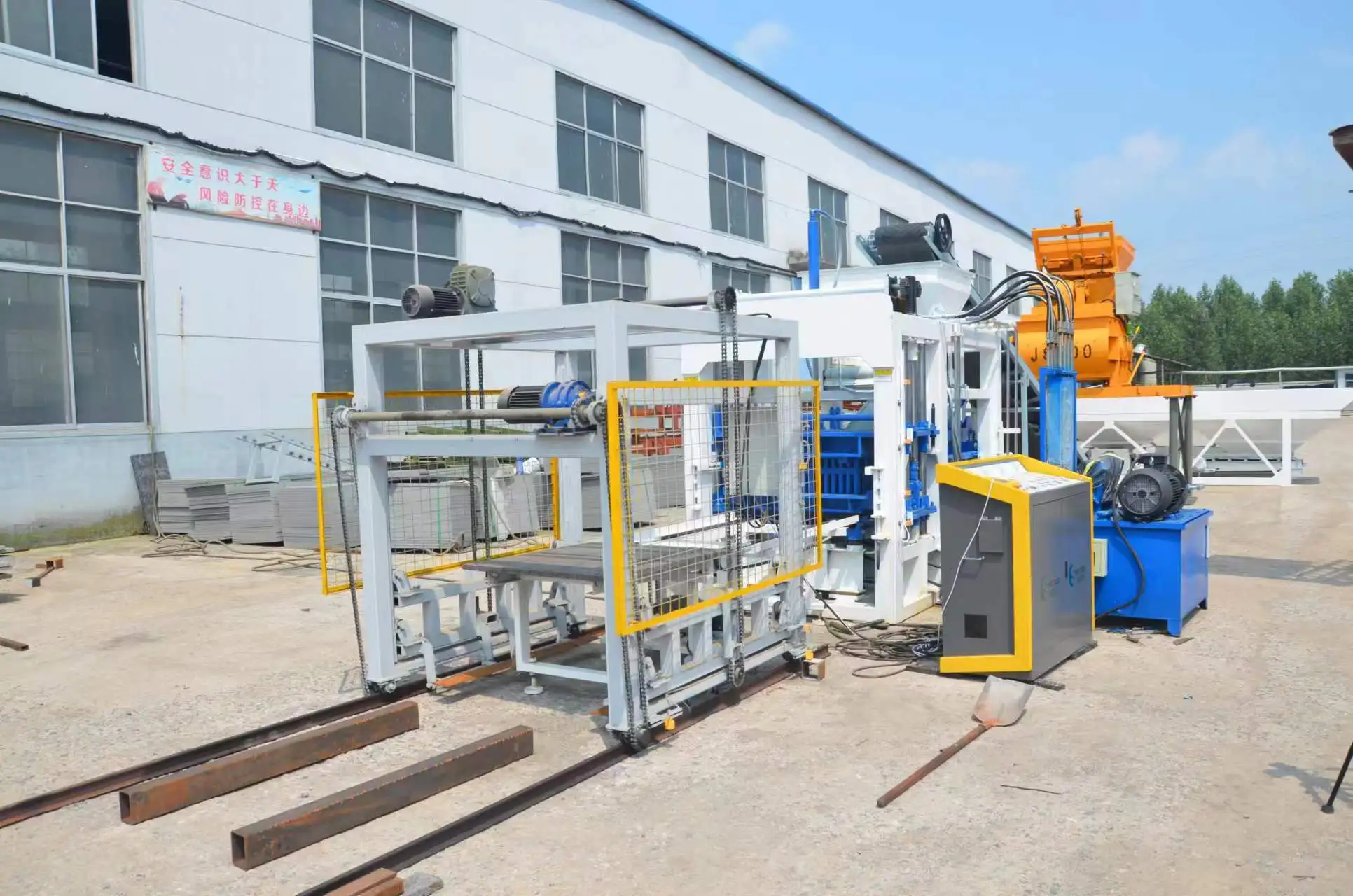
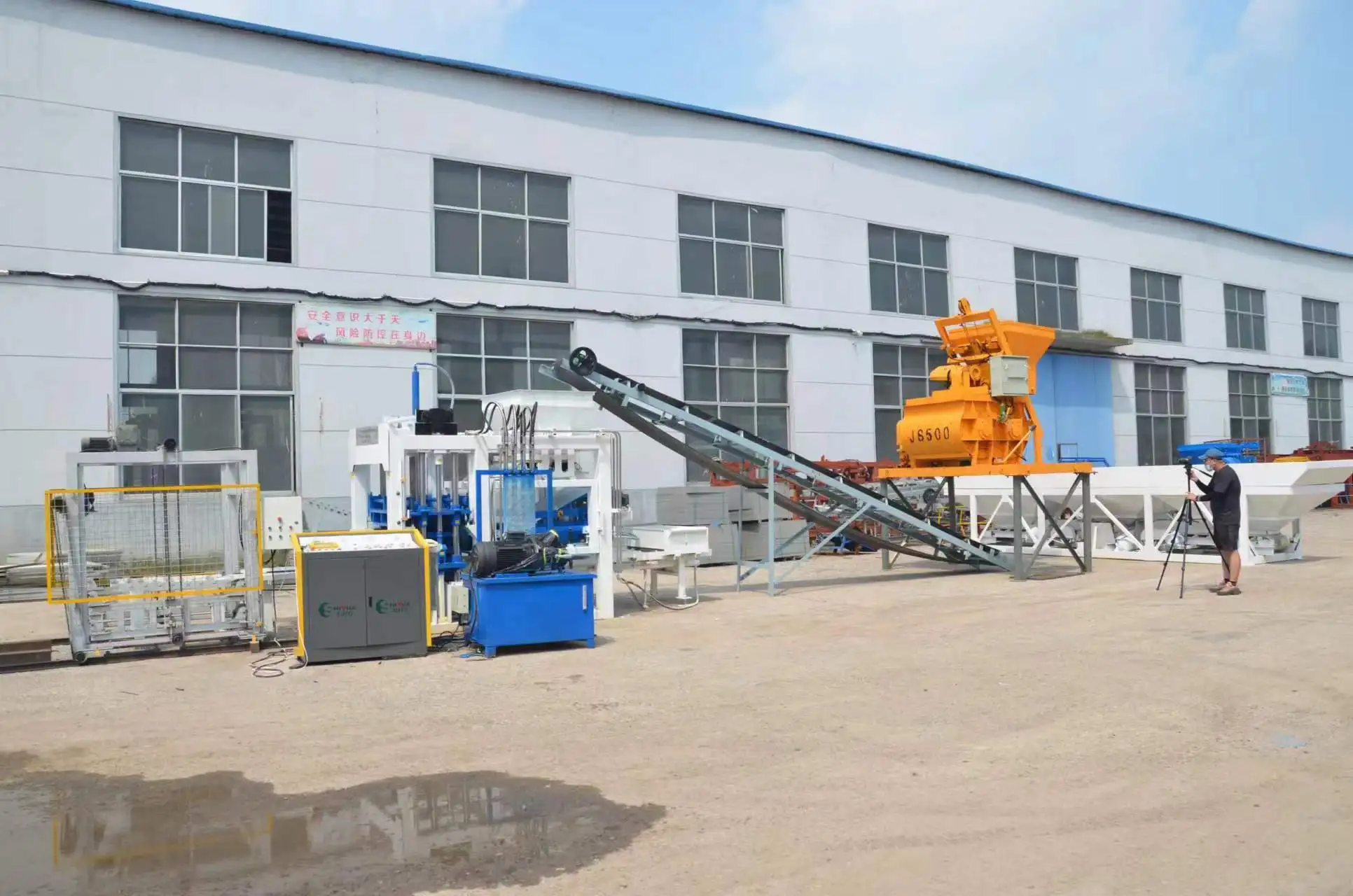
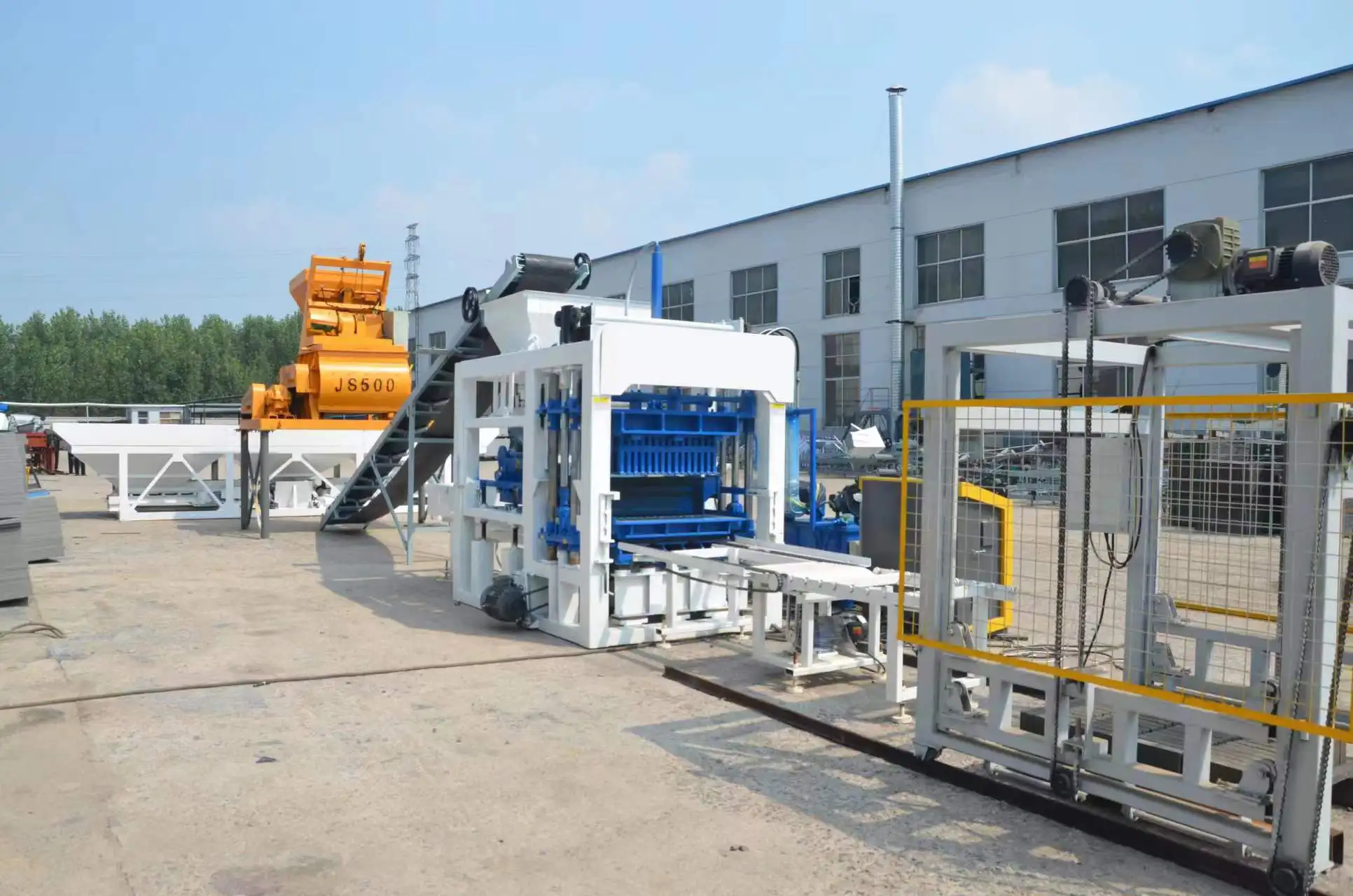
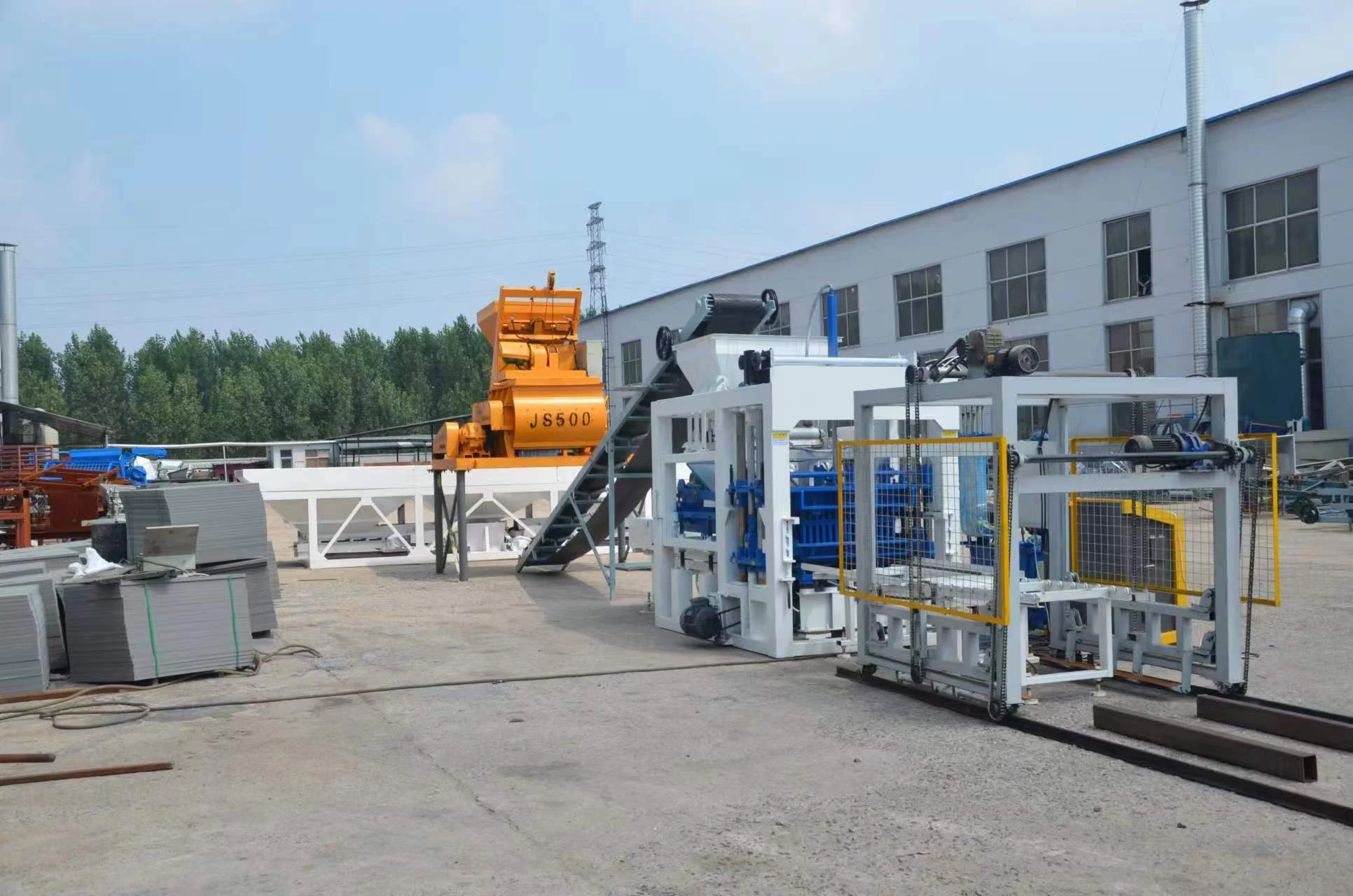
Matched Mould Configuration — The QT5-15 block making machine specifications include a 1050×500mm molding area sized to run your actual block formats, with vibration and hydraulic settings dialed to your local aggregate rather than a generic baseline.
Technical Specifications
| Parameter | Value |
|---|---|
| Model | QT5-15 |
| Product Type | Automatic Block Making Machine |
| Host Machine Dimensions | 5870 × 2220 × 2850 mm |
| Host Machine Weight | 5.5 Tons |
| Molding Area | 1050 × 500 mm |
| Workshop Area | 200 ㎡ (basis not stated in source) |
| Host Machine Power | 31.5 kW |
| Vibration Force | 55 kN |
| Vibration Method | Hydraulic + Platform Vibration |
| Vibration Frequency | 2800 – 4500 Times/Minute |
| Molding Period | 15 Seconds |
| Pallet Size | 1100 × 550 × 25 mm |
| Voltage Options | 220 / 380 / 415 / 440 V (Customized) |
| Control System | Siemens PLC with independently developed program |
| Motor | Germany SIEMENS or CE standard brand |
| Travel Switch | France Schneider / Japan Omron |
| Mould Treatment | Carburizing, 54–58 HRC, lifespan over 100,000 cycles |
| Welding Method | Carbon dioxide protection welding |
| Batching Machine | PLD1200, 1200L, 4 × 2.5 m³ hoppers, ±2% precision |
| Mixer | JS500, 500L discharge, 25 m³/h capacity, 60 mm max aggregate |
| Stacker | SY-4, 3 kW, 600 kg |
Application Suitability
| Application | Material or Output |
|---|---|
| Hollow block production | Crushed stone, sand, cement blends with local aggregate grading |
| Solid brick manufacturing | Dense concrete mixes requiring high compaction force |
| Paving block production | Fine aggregate surface layers with coarse base mixes |
| Interlocking brick forming | Specialized mould profiles with interlocking geometry |
What "15-Second Cycle Time" Actually Means for Your Output
Cycle time only matters when tied to a specific block format and mould cavity count.
Many buyers receive a quoted cycle time without knowing which block size that number assumes. A 15-second press cycle on a small solid brick mould yields a very different daily volume than the same cycle on a large hollow block mould where fill time and vibration duration stretch the actual period. The QT5-15 block making machine specifications list a 15-second molding period, but translating that into shift output requires stating the exact block dimensions and cavity layout. I have watched project timelines slip because the capacity calculation never specified the format behind the headline number [NEED_CITE: common capacity misrepresentation in block machine quotations].
Matching Vibration Force to Your Mix Design
The 55 kN vibration force on this machine works alongside hydraulic pressure and platform vibration to compact the concrete mix inside the mould. The adjustable frequency range from 2800 to 4500 times per minute lets the operator fine-tune compaction for different aggregate profiles. Desert sand, for instance, demands a different vibration pattern than crushed basalt or river gravel because the particle shape affects how the mix settles under pressure. Getting the QT5-15 block making machine specifications aligned with your actual raw materials prevents weak blocks that crumble during handling.
Mould Hardness and Format Changeover
The carburizing treatment bringing mould surfaces to 54–58 HRC matters because block production is fundamentally abrasive. Every cycle drags wet concrete across the mould walls, and softer steel wears down within weeks, producing out-of-tolerance blocks that buyers reject on site. Beyond material hardness, the real question is how long a format change takes. If swapping from hollow blocks to pavers consumes most of a shift, the format flexibility you paid for becomes theoretical rather than practical.
Reading the Specs That Determine Daily Reality
Pallet size at 1100 × 550 × 25 mm dictates how many blocks sit on each board and how those boards move through your curing area. If your existing forklifts and curing racks were set up for a different pallet dimension, you either replace your handling infrastructure or watch finished blocks pile up on the floor. The JS500 mixer handles aggregate up to 60 mm, which covers most standard block mixes but may require screening if your local quarry supplies oversized stone. The Siemens PLC with a custom-developed program controls the entire sequence, and the language on that display needs confirming before the machine ships — arriving on site to find menus in an unfamiliar language delays commissioning unnecessarily [NEED_CITE: PLC interface language confirmation in export machinery].
The Cost of Skipping Configuration Details
When a block machine arrives configured for a mix the buyer cannot source locally, the options are either importing expensive aggregate or running substandard blocks that fail compressive strength tests. Voltage mismatches cause motor burnout within days if the 220/380/415/440V options are not confirmed against the site supply before production begins. Pallet handling bottlenecks turn a theoretically fast press into a machine that sits idle while workers manually move boards — the press is capable, but the line around it is not [NEED_CITE: production line bottleneck analysis in concrete block plants].
Why Source This Machine Through a Format-First Approach
The configuration starts with your target block format and local aggregate, not a catalogue default. Mould drawings are produced for the specific block sizes your market demands, including custom profiles if standard options do not cover your requirements. The vibration and hydraulic settings are matched to your mix design during factory testing, not left at generic mid-range values. Pallet specifications are coordinated with your existing curing area and handling equipment to avoid post-arrival surprises. Documentation includes a capacity calculation that names the block format behind every output figure, so there is no ambiguity about what the machine will actually produce on your floor.
Documentation & Verification
- Line layout showing QT5-15 stations with capacity stated per block format
- Mould drawing and format list covering all cavity layouts for 1050×500mm area
- Voltage and PLC language confirmation sheet signed before production
- Factory test record run on your specified mix design and block type
- Hydraulic and electrical schematics matching as-built configuration
Installation, Commissioning & Support
- Foundation plan sized to the 5870×2220mm host machine footprint and 5.5-ton operating weight
- Dedicated power circuit confirmed for 31.5 kW host draw plus mixer and batching loads
- On-site parameter tuning of vibration frequency against your delivered aggregate sample
- Operator training covering Siemens PLC navigation and mould changeover procedure
- Wear parts list identifying mould surfaces and hydraulic seals for first reorder cycle
Preparing Your Inquiry
Send the block formats you intend to produce, including dimensions and daily volume targets for each. Confirm your local aggregate type and any available mix design data so vibration settings can be matched before build. State your site voltage, frequency, and preferred PLC display language to avoid commissioning delays.
Frequently Asked Questions
Q: What block formats can the QT5-15 produce and what is the realistic daily output for each format?
A: The 1050×500mm molding area accommodates hollow blocks, solid bricks, paving blocks, and interlocking bricks with appropriate moulds. Realistic daily output depends on the specific block dimensions, cavity count per mould, and your mix design. A capacity calculation stating the exact format behind each output figure is provided before order confirmation.
Q: How is the vibration force and hydraulic pressure matched to my local aggregate and mix design?
A: The 55 kN vibration force and adjustable frequency range from 2800 to 4500 times per minute are set based on your aggregate sample and target block strength. Factory testing runs your actual mix before shipment so parameters are validated, not left at generic defaults.
Q: What is the mould change time between different block formats?
A: Changeover time depends on the mould locking system and block format complexity. The quotation includes an estimated mould change duration so you can plan production scheduling around your format rotation needs rather than discovering delays after installation.
Q: Can the mould be customized to my specific block drawings and market requirements?
A: Custom mould design is available based on buyer-supplied drawings or market-specific block profiles. The carburizing treatment at 54–58 HRC applies to all moulds, standard or custom, ensuring extended service life across your production volume.
Q: What pallet size does the machine require and how does it integrate with my existing curing setup?
A: The QT5-15 uses 1100×550×25mm pallets. Before order confirmation, your existing curing rack dimensions, forklift capacity, and handling equipment are reviewed to confirm compatibility or identify necessary adjustments to your downstream setup.