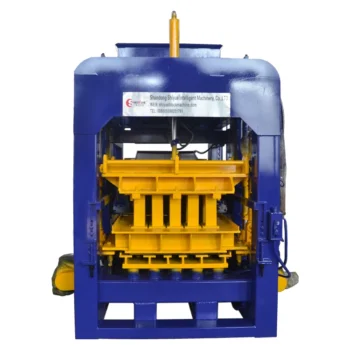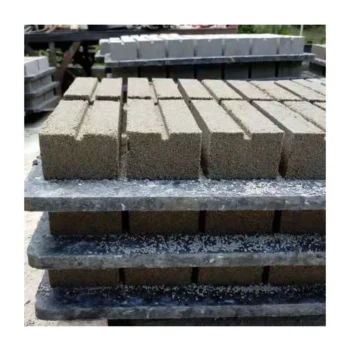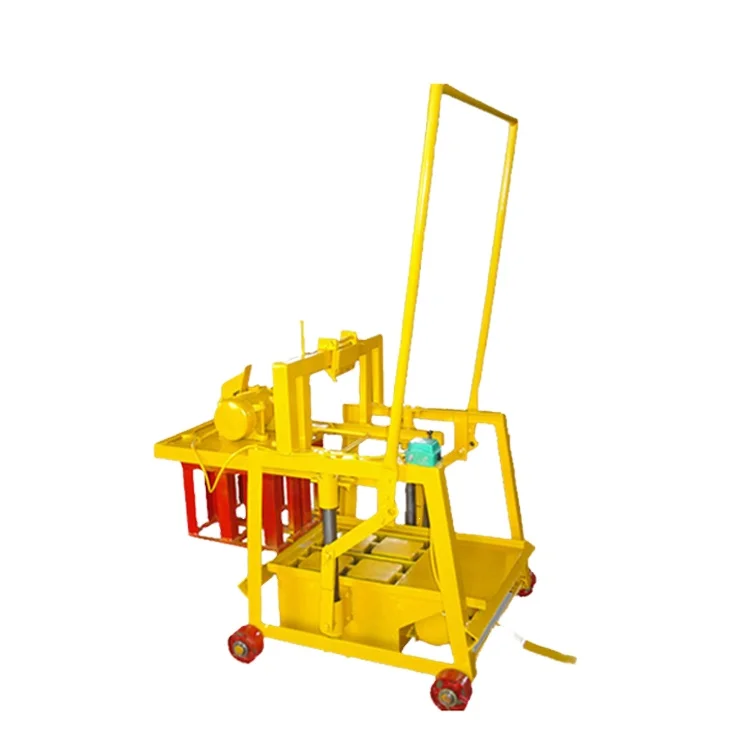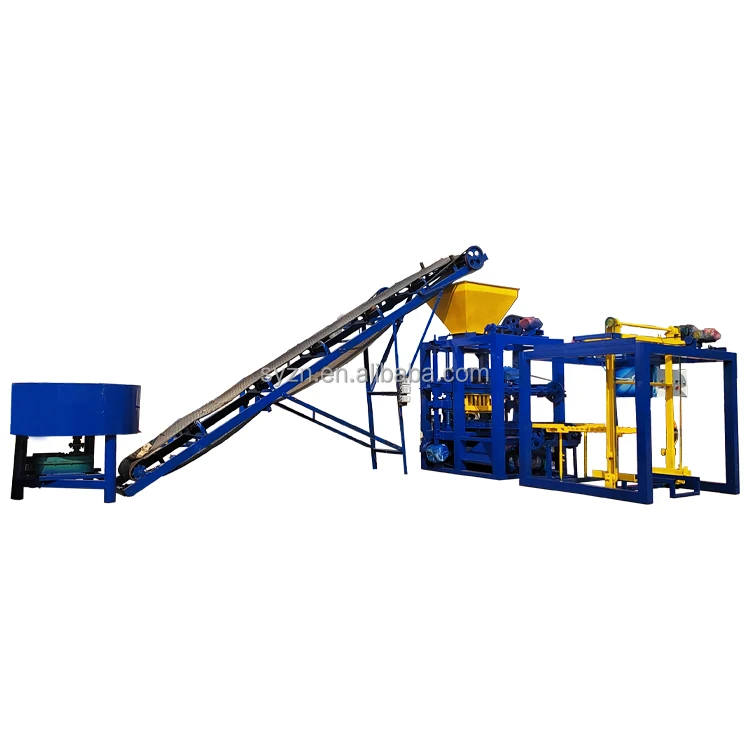



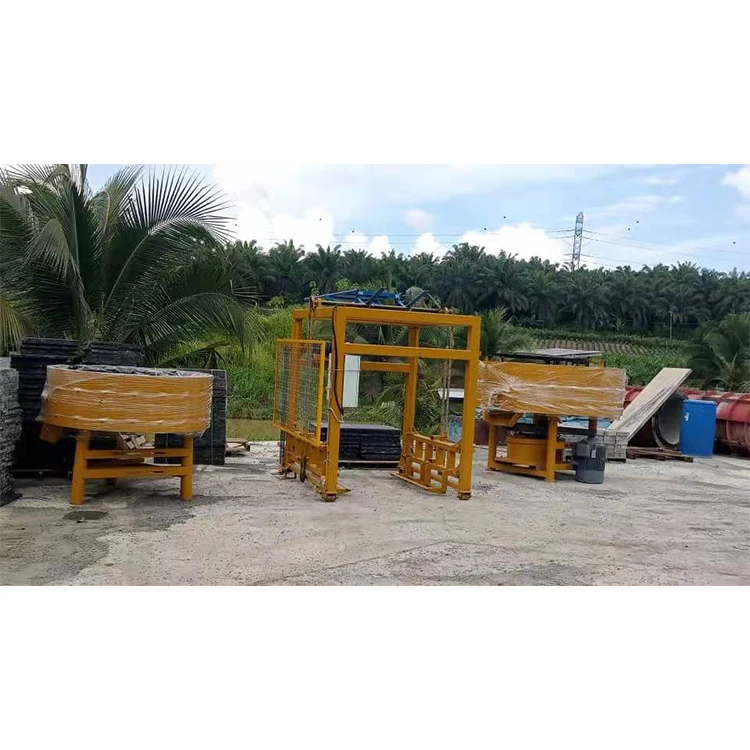
Description
Format-Matched Configuration — every QT4-15A is set against the buyer’s actual block format, local aggregate and pallet size before leaving the factory, so stated cycle times reflect real production conditions rather than catalogue defaults.
Technical Specifications
| Parameter | Value |
|---|---|
| Model | QT4-15A |
| Product Type | Automatic Hydraulic Block Making Machine |
| Overall Dimensions (L×W×H) | 7100×1600×2610 mm |
| Moulding Cycle | 15–25 s (basis not stated in source — confirm block format / material / thickness) |
| Vibration Frequency | 4600 r/min |
| Exciting Power (Vibration Force) | 40–50 kN |
| Total Power | 18.45 kW |
| Mixer Model | JQ350 |
| Pallet Size | 850×550×25 mm |
| Total Weight | 3 T |
| Control System | PLC control system |
| Hydraulic Station | Included |
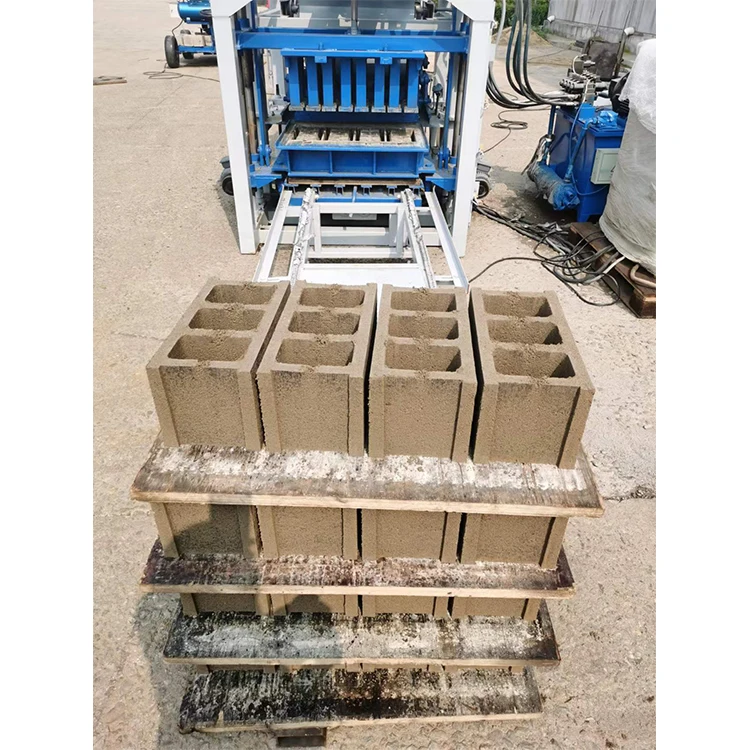
| Output — Hollow Block 400×200×200 mm | 4 pcs/mould, 408 pcs/h, 3264 pcs/8 hr |
| Output — Hollow Block 400×150×200 mm | 5 pcs/mould, 510 pcs/h, 4080 pcs/8 hr |
| Output — Solid Brick 240×115×53 mm | 18 pcs/mould, 2100 pcs/h, 17000 pcs/8 hr |
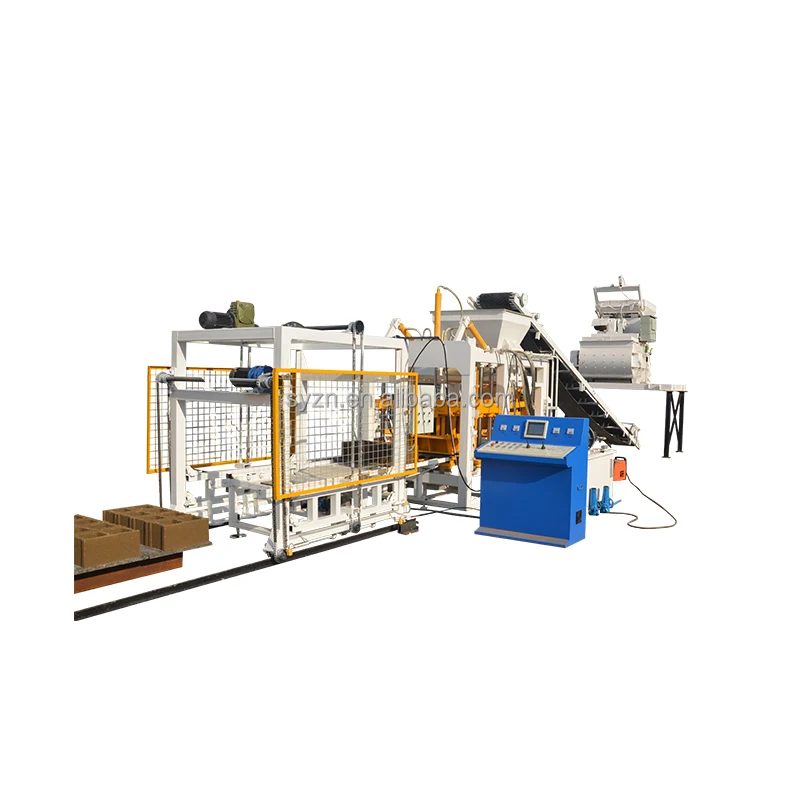
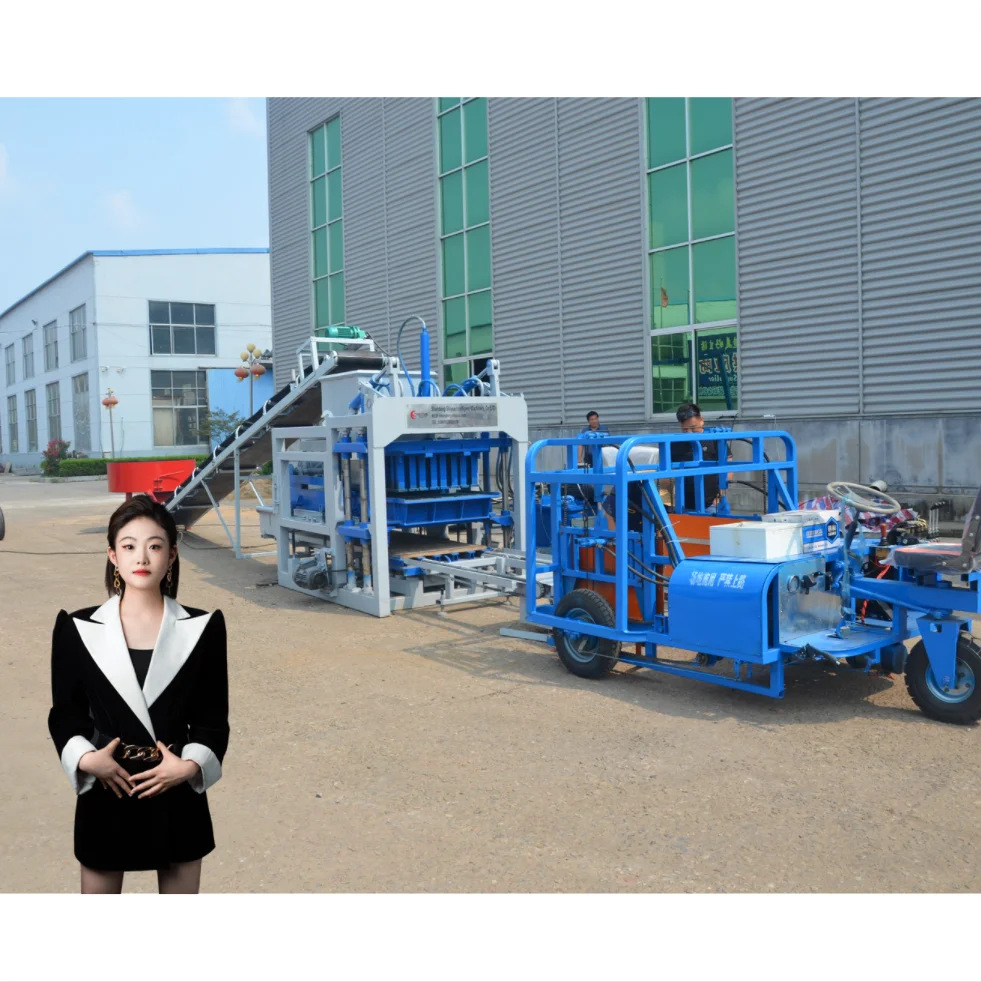
| Included Line Equipment | Pallet feeder, brick conveyor, block sweeper, manual hydraulic trolley |
| Applied Products | Paver, solid block, hollow block, curbstone |
| Raw Materials | Crushed stone, sand, cement, dust, fly ash |
Application Suitability
| Application | Material or Output |
|---|---|
| Hollow block production for wall construction | Crushed stone, sand, cement, fly ash — 400×200×200 mm and 400×150×200 mm formats |
| Solid brick manufacturing for load-bearing and infill | Sand, cement, fly ash blends — 240×115×53 mm standard brick format |
| Paver and curbstone production for roads and landscapes | Crushed stone and cement mixes with higher vibration force settings |
| On-site block production for housing and infrastructure projects | Locally sourced aggregate with portable pallet handling setup |
Why the Mould Cavity Count Matters More Than the Brochure Cycle Time
The number that decides your daily output is the pieces-per-mould figure tied to each specific block format.
Catalogue sheets often quote an automatic hydraulic block making machine’s capacity in cycles per hour without telling you which block size that cycle assumes. A fifteen-second cycle producing four hollow blocks per press is a very different daily tonnage from the same cycle producing eighteen solid bricks. I have watched buyers sign off on a machine that looked fast on paper, only to discover on site that their primary format was the one with the longest dwell time and fewest cavities, cutting realistic output well below the number they planned their business around. [NEED_CITE: common capacity quoting practices in block machinery tenders]
Per-Format Output You Can Build a Production Plan Around
The QT4-15A comes with stated output figures for three reference formats: 400×200×200 mm hollow blocks at four pieces per mould, 400×150×200 mm hollow blocks at five pieces per mould, and 240×115×53 mm solid bricks at eighteen pieces per mould. Each figure is tied to a specific cavity count and an assumed cycle window, so a buyer targeting one primary format can calculate an eight-hour shift output without guessing. When the target product is a paver or curbstone outside these three references, the mould drawing and cavity layout are confirmed before the order so capacity expectations stay grounded.
Matching Vibration Force to the Mix the Buyer Actually Sources
A 40–50 kN vibration force at 4600 r/min is a mid-range setting that suits fly ash and sand-based mixes well, but it behaves differently with coarser crushed stone or locally sourced river gravel. On one commissioning visit I saw blocks coming out soft and crumbly because the local sand was far finer than the test mix used at the factory — the vibration was compacting air pockets instead of settling aggregate. Tuning the exciting power and hydraulic pressure to the real material on site recovered the block strength, but that adjustment should happen at the configuration stage, not after the machine crosses an ocean. [NEED_CITE: relationship between aggregate gradation and required vibration force in concrete block production]
Reading the Specs That Shape Daily Operations
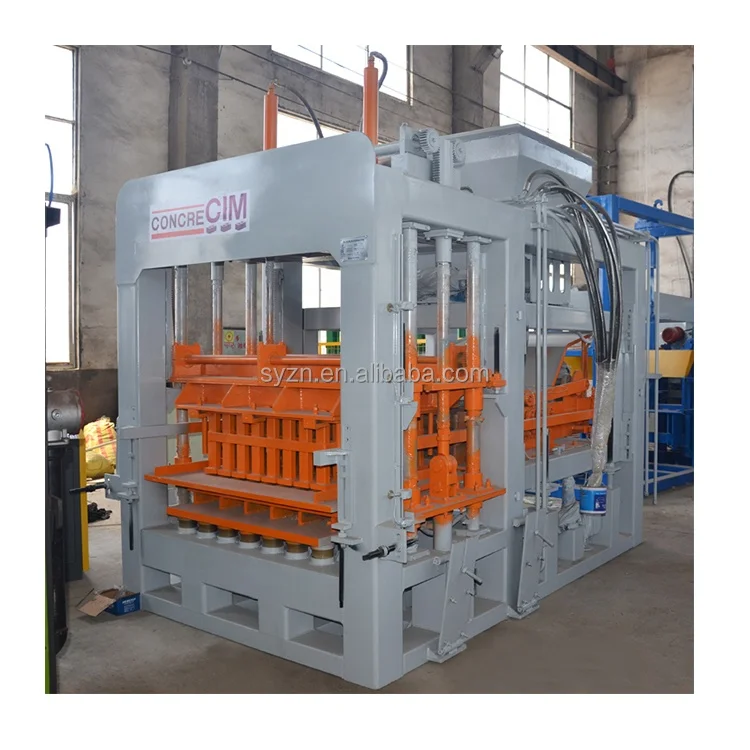
The 850×550×25 mm pallet size determines how many blocks sit on each board and, critically, whether those boards fit the buyer’s existing curing racks and forklift tines. A mismatch here means either replacing the curing infrastructure or running a non-standard pallet that the machine was never tested with. The 18.45 kW total power draw including the JQ350 mixer tells the electrician what dedicated circuit is needed before the machine arrives. PLC control with a hydraulic station gives consistent pressure across every stroke, which matters more than peak pressure alone because block strength depends on repeatable compaction cycle after cycle. The included pallet feeder, brick conveyor, block sweeper and manual hydraulic trolley cover the handling steps around the press so the operator is not manually shuttling heavy boards between stations.
The Cost of Skipping Format-Level Verification
When a buyer approves a machine based on a single headline capacity number, the first surprise usually arrives during the trial production run. The block format the local market actually buys may need a mould with fewer cavities and a longer cycle, pulling daily volume below what the business plan assumed. Pallets ordered without checking curing rack spacing end up stacked on the floor, slowing the whole line. Mould changes that take most of a shift turn format flexibility into a theoretical feature. [NEED_CITE: typical mould change procedures and downtime on hydraulic block presses] Voltage and PLC language left unconfirmed can delay commissioning for days while a technician waits for the correct transformer or a translated interface file.
Why Sourcing This Machine Through a Format-Focused Approach Works
Block machinery is the single production focus here, which means the press, mould, pallet and handling equipment are specified as one matched system rather than sourced from separate suppliers and bolted together. Configuration starts from the buyer’s actual mix design, local aggregate and target block format instead of a catalogue default line. Mould design covers the formats the buyer’s market sells, with custom drawings available when standard cavity layouts do not fit. Automation level is selectable, so a plant can begin with the manual hydraulic trolley and move toward full stacking later. Installation and commissioning support includes operator training so the crew understands why a parameter was set a certain way, not just which button to press.
Documentation & Verification
- Line layout showing capacity calculation per block format with cavity count noted
- Mould drawing and format list confirming dimensions and pieces per mould for each product
- Pallet specification sheet matched to the buyer’s curing rack spacing and forklift type
- Voltage, frequency and PLC display language confirmed in writing before production begins
- Factory test record with actual cycle times run on the buyer’s reference block format
Installation, Commissioning & Support
- Foundation must support 3 T operating weight across the 7100×1600 mm footprint with vibration isolation
- Dedicated electrical circuit rated for 18.45 kW total draw including the JQ350 mixer motor
- Machine ships dismantled for container loading; reassembly and alignment verified on site
- First-run parameter tuning sets vibration force and hydraulic pressure against the buyer’s actual mix
- Operator training covers PLC interface, mould change procedure and daily maintenance checkpoints
- Wear parts and mould replacement list provided with recommended reorder intervals
What to Prepare Before Requesting a Quote
A useful enquiry for this automatic hydraulic block making machine should include the primary block format and dimensions the local market demands, the source and gradation of available aggregate, and the target daily output based on an eight-hour shift. Voltage, frequency and preferred PLC display language need to be stated up front. If the site already has curing racks, forklifts or pallets in use, sharing those dimensions lets us confirm pallet compatibility before the machine enters production.
Frequently Asked Questions
Q: How is the quoted capacity verified for each block format?
A: Each output figure in the specification table is tied to a specific block dimension, cavity count and assumed cycle window. For formats outside the three reference sizes, we confirm the mould layout and run a factory test to record the actual cycle time before quoting daily capacity, so the number reflects the product the buyer will actually produce.
Q: Which mould formats are available and what is the mould change time?
A: Standard moulds cover hollow blocks, solid bricks, pavers and curbstones within the pallet size envelope. Custom moulds can be designed to buyer drawings. Mould change time depends on the specific format pair and whether quick-release fixtures are specified; this is confirmed during configuration so it matches the buyer’s planned product rotation frequency.
Q: How should the 850×550×25 mm pallet be checked against existing site equipment?
A: Buyers should measure their curing rack slot width and forklift tine spacing against the pallet dimensions before order. If existing racks are sized for a different board, we adjust the pallet specification or recommend rack modification so the handling flow from press to curing area remains uninterrupted.
Q: What mix conditions are needed to reach stated block strength?
A: The 40–50 kN vibration force is calibrated for sand, crushed stone, cement and fly ash blends. Aggregate gradation, moisture content and cement ratio all affect compaction density. We configure pressure and vibration settings against a sample of the buyer’s actual local material before dispatch to ensure consistent strength from the first production run.
Q: What electrical and control details must be confirmed before shipment?
A: Voltage and frequency must match the site supply, as the motor and hydraulic pump are wound to a specific rating. PLC display language is set during production so operators can read the interface on day one. Both items are confirmed in writing before the machine enters the build stage.