

Description
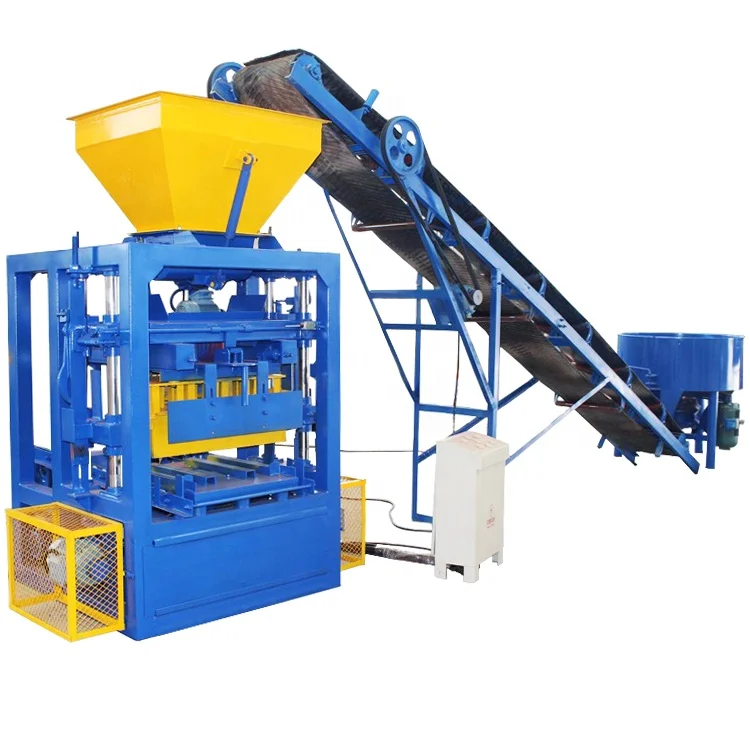
Capacity matched to your block format — the QMJ2-45 mobile block making machine is specified around the exact dimensions and cycle time of the masonry units your market actually buys, not a generic daily total.
Technical Specifications
| Parameter | Value |
|---|---|
| Model | QMJ2-45 |
| Product Type | Mobile Concrete Block Making Machine |
| Machine Configuration | Semi-automatic mobile / egg-laying |
| Rated Power | 1.5 kW |
| Molding Cycle | 45 s |
| Theoretical Output | 160 pcs/hour (based on 300×150×100 mm block, 2 pcs/mould) |
| Pcs per Mould | 2 (for 300×150×100 mm block) |
| Vibration System | Bed mould vertical vibration + upper mould compression vibration |
| Overall Dimensions (L×W×H) | 920 × 800 × 1258 mm |
| Machine Weight | 150 kg (basis to be confirmed) |
| Raw Materials | Concrete, sand, cement |
| Voltage | Configurable to buyer’s local supply (voltage & frequency to be confirmed) |
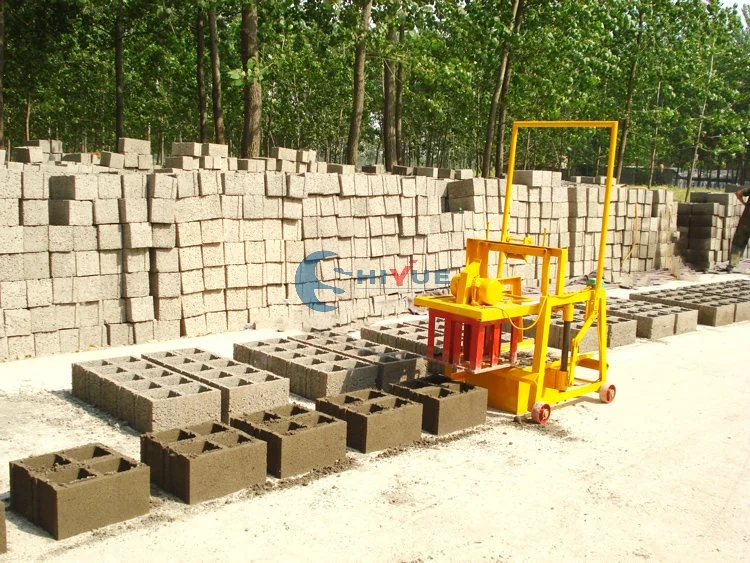
| Pallet Requirement | Not applicable (lays blocks directly on ground) |
| Automation Level | Semi-automatic |
Application Suitability
| Application | Material or Output |
|---|---|
| On-site masonry for housing projects | Solid concrete blocks from local sand and cement |
| Small-scale block yard for local supply | Standard concrete bricks and hollow blocks |
| Remote construction camps | Concrete blocks using available aggregate and cement |
| First block plant for entrepreneurs | Entry-level concrete block production with manual stacking |
Why "Pieces per Hour" Means Nothing Without a Block Format
Every output figure must state which block size it assumes, otherwise the number is decoration.
I have watched buyers sign contracts for a mobile block making machine on the strength of a single hourly figure, only to find that the number was based on a thin paving tile rather than the heavy hollow block their site needed. When the format changes, the volume per mould changes, and the cycle may need to be extended to let the mix consolidate properly. [NEED_CITE: block density requirements vary by format and structural application]. The QMJ2-45 mobile block making machine specifications are therefore always tied to a stated format — for example, 160 pieces per hour when running 300×150×100 mm solid blocks at two per mould on a 45-second cycle. Switch to a larger hollow block and both the pieces-per-mould count and the cycle duration shift, so the honest daily output has to be recalculated before the order is placed.
Matching the Machine to Your Selling Format
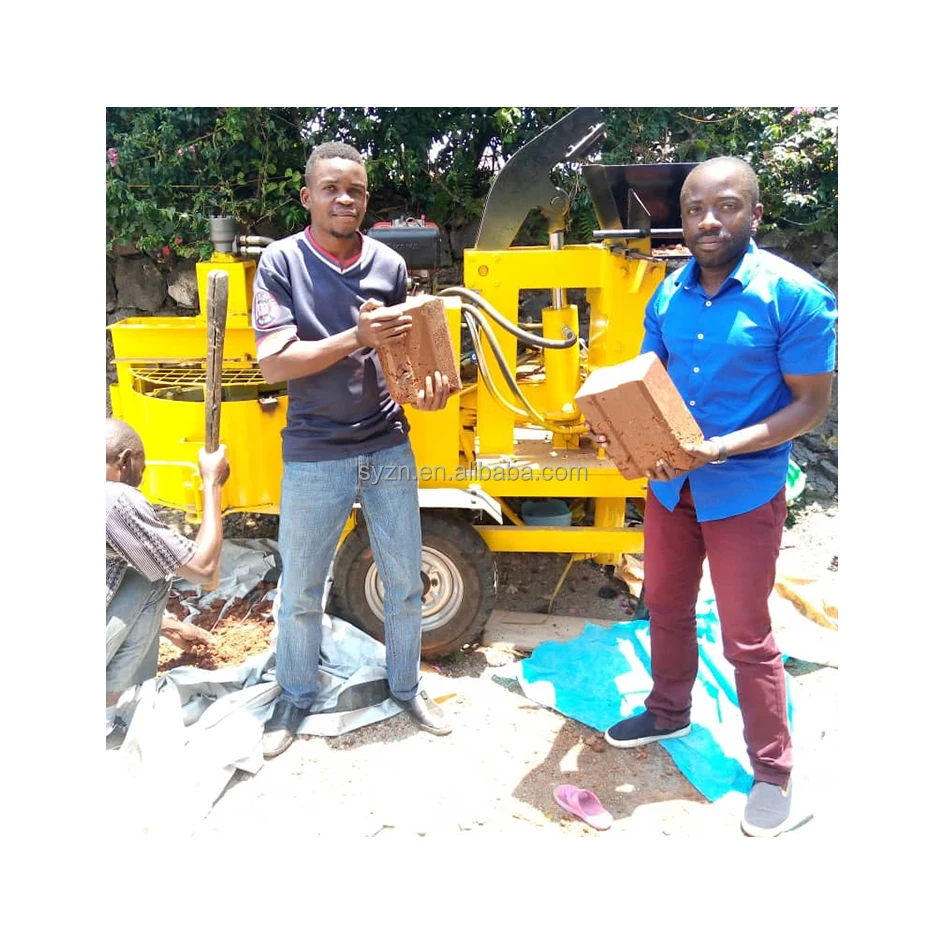
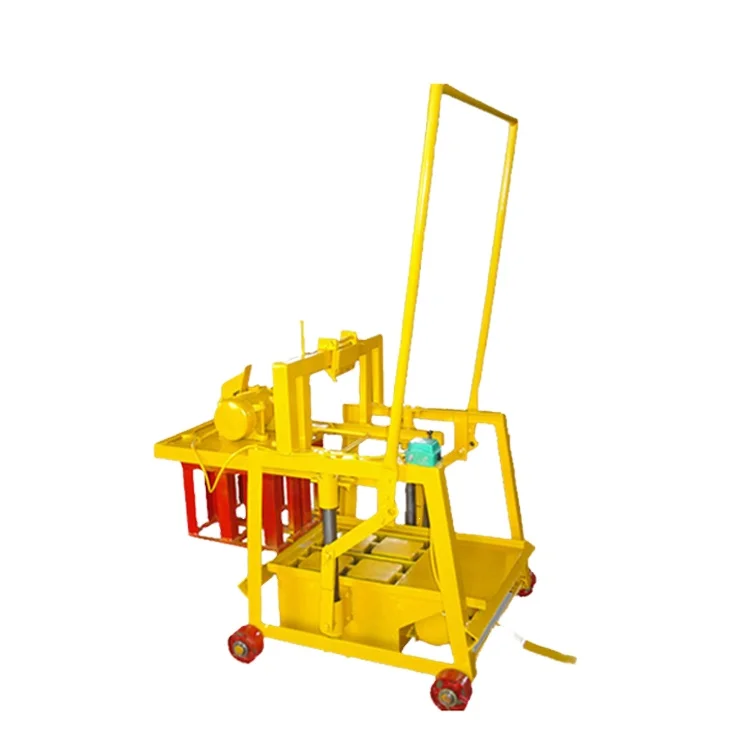
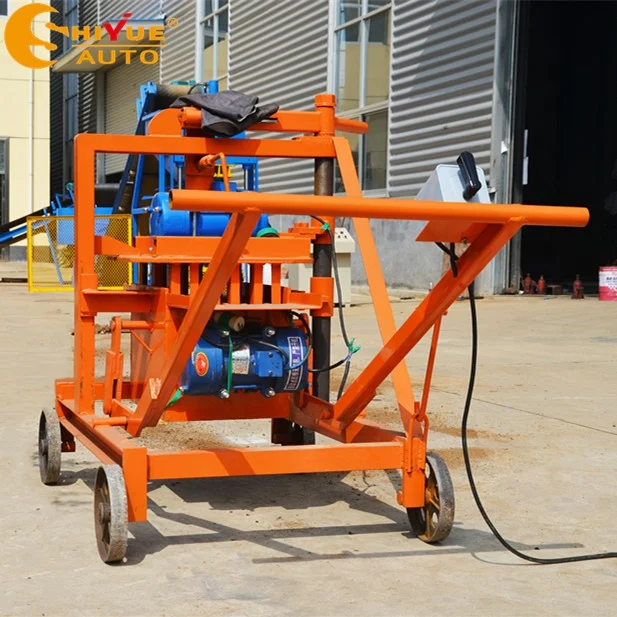
The first question on any site I visit is which block dimensions the local market moves fastest. The QMJ2-45 is an egg-laying unit that travels along a prepared floor, depositing blocks directly on the ground, so there is no pallet system to maintain. Its 45-second cycle and dual-vibration setup — vertical vibration under the bed mould combined with compression vibration from the upper mould — compact the concrete mix around the reinforcing webs of hollow formats as well as solid units. When the format and the mix are aligned, block density stays consistent from the first unit of the shift to the last.
Cycle Time, Mould Count and the Real Daily Total
A 45-second cycle yields just over one mould per minute. Multiply that by the pieces per mould for your chosen format, then by the number of productive hours you can sustain — accounting for mix delivery, mould changes and operator breaks — and the daily picture becomes clear. The theoretical 160 pieces per hour figure holds for the 300×150×100 mm block at two per mould; a wider kerbstone or a taller hollow block will alter both variables. [NEED_CITE: realistic shift utilization rates in small block yards]. Running through this arithmetic before shipment prevents the most common disappointment in small-plant block machinery purchases.
Vibration, Pressure and Mix Design
Vertical bed vibration settles the aggregate into the mould cavity while the upper compression vibration locks the fines around it. The 1.5 kW exciting power is sized for the compact mould area of the QMJ2-45, but its effectiveness depends on the water-cement ratio and the gradation of the sand or crushed stone the buyer can source locally. A well-graded mix with a low slump will consolidate quickly and release a dense block; a poorly graded or overly wet mix will either stick to the mould or collapse when the machine lifts away. Confirming the local aggregate profile before the machine leaves the factory lets us adjust the vibration duration and amplitude settings so the block meets the compressive strength the market expects.
The Voltage Mismatch That Stops a Site for Weeks
I still remember a mobile brick machine sitting silent on an African job site because the nameplate read 380 V and the local supply was 415 V three-phase — the contactor tripped on the first attempt and the transformer took three weeks to arrive. Since that job, every QMJ2-45 I release has its motor winding, control wiring and any auxiliary circuits checked against the buyer’s confirmed voltage and frequency before packing. It is a small delay at the factory that avoids a long, expensive standstill on a construction site where blocks are needed on schedule. [NEED_CITE: voltage and frequency standards by export market].
What Happens When the Mould Does Not Fit the Market
A mobile egg-laying machine is only as flexible as the mould inventory that accompanies it. If the buyer orders a single mould for a block size that local contractors do not specify, the machine runs but the blocks sit in the yard. Mould change time, the number of cavities per format, and the dimensional tolerance of the replaceable wear plates all determine whether the QMJ2-45 can serve more than one product line. Asking for a complete mould list and the recommended change procedure before signing the order keeps the format conversation honest.
Why Buyers Specify with Us
We treat the block, the mould and the machine as one matched system rather than three separate purchases. Capacity calculations are issued per format, not as a blanket number. Mould designs follow the buyer’s drawings or the standard formats their market moves. Voltage, frequency and control language are confirmed in writing before the machine enters assembly. The QMJ2-45 leaves the factory tested on a mix that mirrors the buyer’s local materials as closely as possible.
Documentation & Verification
- Line layout showing egg-laying travel path and curing area dimensions
- Capacity calculation table listing output for each confirmed block format
- Mould drawing pack with cavity count and wear plate specifications
- Factory test record run on a mix matched to buyer’s aggregate profile
- Voltage and frequency confirmation sheet signed before dispatch
Installation, Commissioning & Support
- Level concrete floor required; 920 mm machine width needs a clear travel lane for the QMJ2-45
- 1.5 kW motor demands a dedicated single-phase or three-phase circuit at the confirmed voltage
- Machine ships assembled; only the upper mould assembly and handle require on-site fitting
- First-run commissioning covers vibration duration adjustment to the buyer’s concrete mix
- Operator training includes mould change procedure and daily greasing of the guide columns
- Wear parts list covers mould liners, vibration springs and upper mould facing plates
What to Tell Us in Your First Message
Send the exact block dimensions you sell, the daily volume your site consumes, and a sample or photo of the sand or crushed stone you plan to use. Include your site voltage, frequency and the language your operators read. With those details we can return a capacity calculation that names the format behind every number.
Frequently Asked Questions
Q: What block format is the 160 pieces per hour figure based on?
A: That figure assumes the 300×150×100 mm solid block at two pieces per mould on a 45-second cycle. Any other format changes both the pieces per mould and potentially the cycle time, so we issue a separate calculation for each block size you intend to produce.
Q: How do I know the QMJ2-45 will work with my local sand and aggregate?
A: We ask for a sample or a sieve analysis of your available materials and adjust the vibration settings and recommended water-cement ratio before the machine leaves the factory, so the block reaches the compressive strength your market requires.
Q: How long does a mould change take on this mobile machine?
A: Mould change time depends on the format and the condition of the locating pins and clamps. We supply a written change procedure with each additional mould, and the operator can complete a swap within a typical shift break once trained.
Q: What happens if my site voltage is different from the machine nameplate?
A: We confirm your exact voltage and frequency in writing before assembly. The motor winding, control circuit and any auxiliary wiring are then set to match, preventing the contactor trips and transformer delays that can idle a site for weeks.
Q: Does the QMJ2-45 need pallets or a curing rack system?
A: No. As an egg-laying mobile unit it deposits blocks directly on a level concrete floor. You need a covered curing area with enough space for the day’s output and a water source for curing, but no pallets or rack handling equipment.