Description
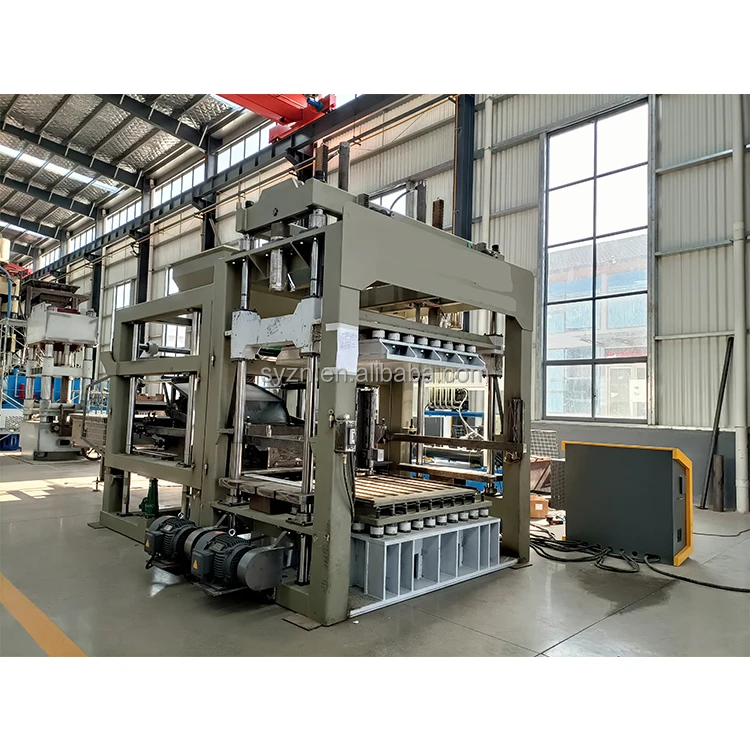
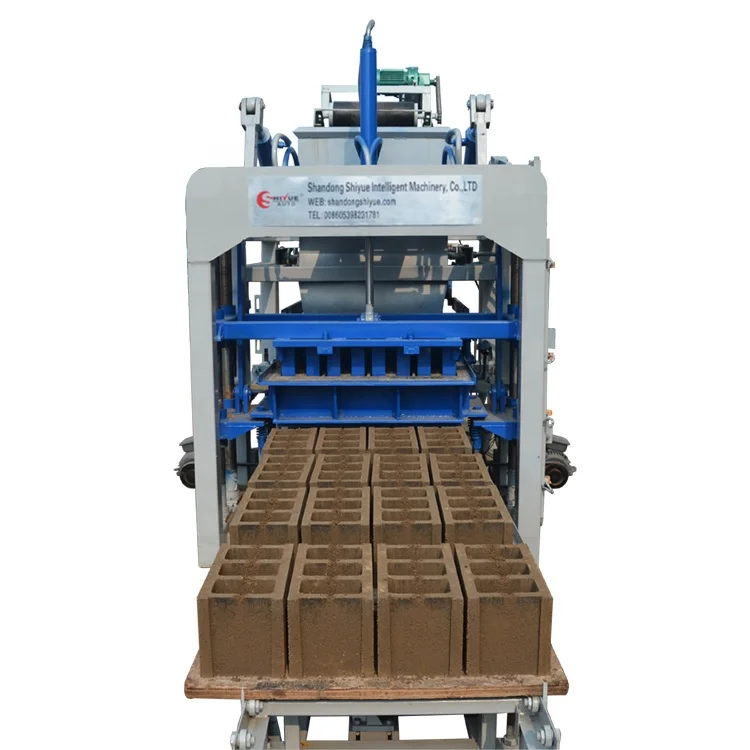
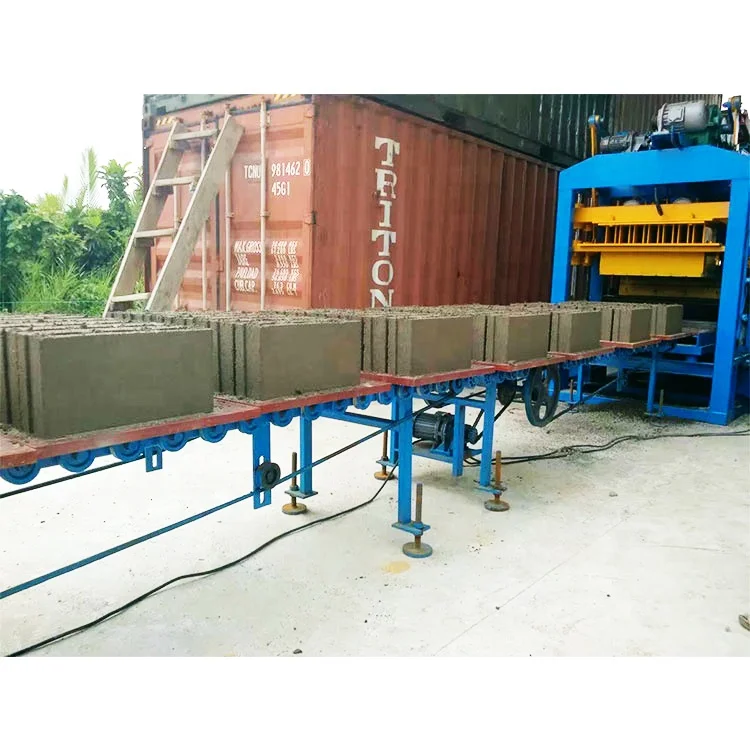
Matched system specification — Every output figure for the QTJ4-25 is tied to a named block format and mould cavity count, so daily capacity reflects the product your market actually buys.
Technical Specifications
| Parameter | Value |
|---|---|
| Model | QTJ4-25 |
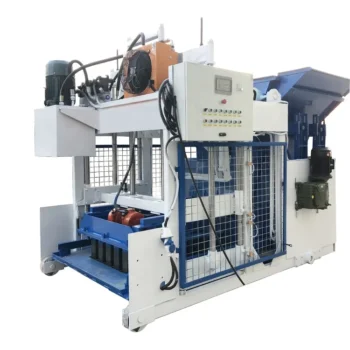
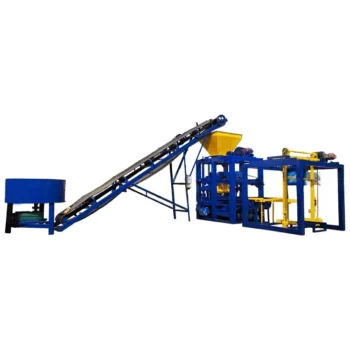
| Product Type | Semi-Automatic Concrete Block Making Machine |
| Overall Dimensions (L×W×H) | 6400×1500×2700 mm |
| Total Weight | 2500 kg |
| Rated Power | 17.9 kW |
| Moulding Cycle | 25 s |
| Vibration Frequency | 2800–5100 r/min |
| Vibration Force (Exciting Power) | 60 kN |
| Mixer Model | JQ350 |
| Pallet Size | 850×550×20 mm |
| Automation Level | Semi-automatic |
| Hydraulic System | Equipped (hydraulic station for high pressure and stable operation) |
| Vibration Type | Bed mould vertical vibration + upper mould compression vibration |
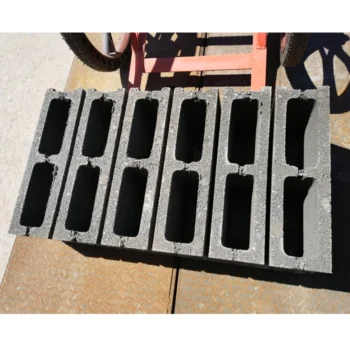
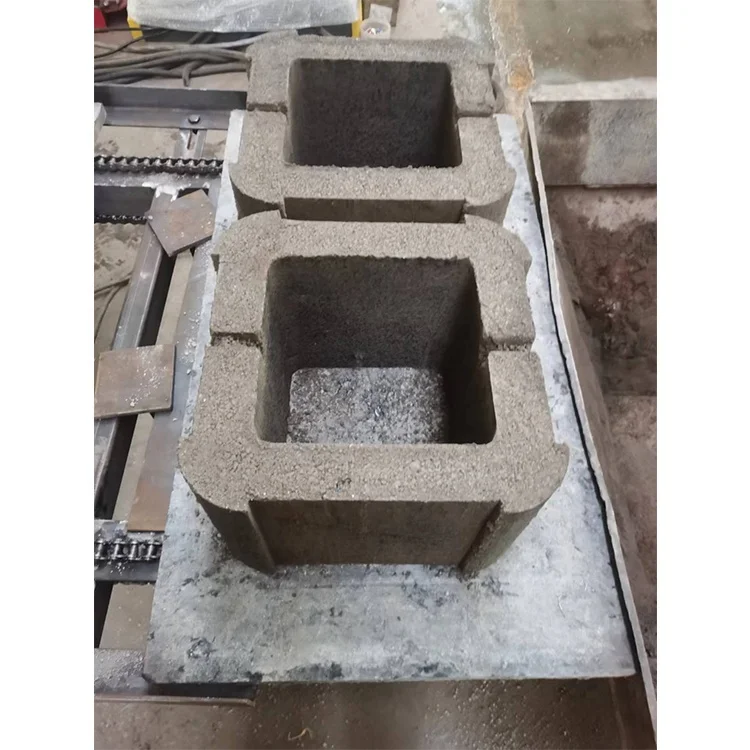
| Mould Format Capability | Hollow block (8", 6", 5", 4"), solid brick, paver, curbstone (mould change required) |
| Output Capacity | 480 pcs/h (basis: 390×190×190 mm hollow block, 4 pcs/mould) |
| Output Capacity | 600 pcs/h (basis: 400×150×200 mm hollow block, 5 pcs/mould) |
| Output Capacity | 2100 pcs/h (basis: 240×115×53 mm solid brick, 18 pcs/mould) |
| Daily Output (8 hr) | 3800 pcs (basis: 390×190×190 mm hollow block) |
| Daily Output (8 hr) | 4800 pcs (basis: 400×150×200 mm hollow block) |
| Daily Output (8 hr) | 17000 pcs (basis: 240×115×53 mm solid brick) |
| Raw Materials | Crushed stone, sand, cement, dust, fly ash |
| Voltage & Frequency | (basis to be confirmed before ordering) |
| PLC / Control System | (basis to be confirmed before ordering) |
| Mould Change Time | (basis to be confirmed) |
| Certification | CE declaration where applicable (per-model confirmation needed) |
Application Suitability
| Application | Material or Output |
|---|---|
| Small-to-medium hollow block plants | 8-inch and 6-inch hollow blocks from crushed stone, sand and cement |
| On-site production for housing contractors | 390×190×190 mm or 400×150×200 mm hollow blocks at project locations |
| First block plant for entrepreneurs | Semi-automatic line with moderate output across multiple block formats |
| Manufacturers adding formats to existing range | Solid brick (240×115×53 mm) and paver production via mould swap |
Why "Pieces per Hour" Means Nothing Without Block Size Attached
A capacity number detached from its block format is a marketing figure, not a planning figure.
I have watched buyers in West Africa sign for a concrete block making machine specifications sheet that quoted a single hourly output with no format attached. When the 8-inch hollow block mould went on, actual throughput dropped to less than half the quoted number. The machine was not faulty — the quotation simply assumed a smaller format. With the QTJ4-25, every capacity statement carries its format basis so you can calculate real daily output against the block your market demands. [NEED_CITE: common discrepancy between quoted and actual block machine output]
Mould Format Determines True Daily Output
The concrete block making machine specifications for the QTJ4-25 list three distinct output tiers. At 480 pieces per hour on 390×190×190 mm hollow blocks, an eight-hour shift yields roughly 3,800 blocks. Switch to the 400×150×200 mm mould with five cavities and that figure moves to 600 pieces per hour, or 4,800 per shift. For solid brick at 240×115×53 mm with eighteen cavities, the cycle produces 2,100 pieces per hour. These are not estimates — they follow directly from the 25-second moulding cycle and the cavity count of each mould.
Matching Pallet Size to Your Curing Area
The QTJ4-25 runs on 850×550×20 mm pallets. Before ordering, measure your curing racks and confirm your forklift fork spacing accommodates this dimension. Buyers who skip this step often discover that pallets do not stack on existing racks or that the forklift tines are too wide, forcing a separate pallet purchase and unplanned curing area rearrangement. I have seen entire first weeks of production lost to this mismatch on sites where nobody checked the drawing before shipment.
How Vibration Force and Hydraulic Pressure Shape Block Strength
The 60 kN exciting power operates through a dual vibration path: vertical vibration from the bed mould combined with compression vibration from the upper mould. This arrangement compacts the mix from two directions, producing more uniform density across the block height. The hydraulic station maintains consistent pressing force throughout each 25-second cycle. On sites where local aggregate carries higher clay content, the combination of adjustable vibration frequency (2800–5100 r/min) and hydraulic pressure allows the operator to tune the forming parameters after testing sample batches with the actual raw material. [NEED_CITE: relationship between vibration force, hydraulic pressure and compressive strength in concrete block forming]
Raw Material Compatibility and Mix Adjustment
The QTJ4-25 accepts crushed stone, sand, cement, stone dust and fly ash. On a project in East Africa, the local river sand contained enough clay to weaken interlock bricks when run at standard vibration settings. The solution was to adjust the vibration frequency upward and increase cement ratio slightly, which restored compressive strength to the required level. Before any machine ships, sending a sample of local aggregate allows the mix design and machine parameters to be aligned so that commissioning produces acceptable blocks from the first day rather than the third week.
What Happens When Configuration Is Skipped
Skipping voltage and frequency confirmation before production means the machine arrives and sits idle until a transformer or variable-frequency drive is sourced locally. I have seen commissioning delayed by several weeks because the control panel was wired for a voltage standard that did not match the site supply. The same applies to PLC display language — an operator who cannot read the error messages on screen will call the technician for every minor alarm, turning a simple sensor reset into a multi-day wait. [NEED_CITE: voltage and frequency standards by export market]
Why Procurement Through a Block-Line-Focused Supplier Matters
The QTJ4-25 is specified here as part of a matched system: host machine, JQ350 mixer, pallets and moulds are selected together rather than assembled from separate sources. Configuration is set against the buyer’s actual mix design and target block format, not pulled from a catalogue default. Mould design covers the formats the buyer’s market sells, and custom mould drawings are available for non-standard sizes. Automation level is selectable, meaning a buyer can start semi-automatic and add automatic stacking later. Installation support includes operator training so the crew understands mould change procedures and daily maintenance from the first shift.
Documentation & Verification
- Line layout and capacity calculation stating the block format assumed for each output figure
- Machine specification sheet with pallet size, vibration force and hydraulic pressure confirmed
- Mould drawing and format list matched to the block sizes your local market sells
- Pallet specification including material and recommended quantity for your curing area
- Hydraulic and electrical schematic with voltage and frequency confirmed before production
- Factory test record on your target block format before dispatch
Installation, Commissioning & Support
- Foundation pad sized for 6400×1500 mm footprint with level tolerance for stable vibration transmission
- Dedicated power circuit rated for 17.9 kW total draw, voltage and frequency confirmed before wiring
- Machine shipped in dismantled state with reassembly and alignment completed on-site
- First-run parameter tuning using your local aggregate sample to verify block strength
- Operator training covering mould change procedure, pallet feeding rhythm and daily greasing points
- Wear parts list and mould availability confirmed before first replacement cycle arrives
What to Prepare Before Requesting a Quotation
To size the QTJ4-25 accurately, share the block formats your market sells most, along with target daily output per format. Provide a sample or lab analysis of your local aggregate — sand, crushed stone or fly ash — so the mix design and vibration parameters can be set before the machine enters production. Confirm your site voltage, frequency and preferred control panel language to prevent delays at commissioning.
Frequently Asked Questions
Q: How is the output capacity of the QTJ4-25 calculated for each block format?
A: Each capacity figure is derived from the 25-second moulding cycle and the cavity count of the specific mould. For a 390×190×190 mm hollow block with four cavities, the machine produces 480 pieces per hour. For a 400×150×200 mm hollow block with five cavities, it produces 600 pieces per hour. The daily output assumes an eight-hour operating shift.
Q: What mould formats can the QTJ4-25 run and does it support custom sizes?
A: The standard mould range covers 8-inch, 6-inch, 5-inch and 4-inch hollow blocks, solid bricks, pavers and curbstones. Each format requires a dedicated mould. Custom mould designs are available to buyer drawings for non-standard block sizes that local markets require.
Q: How do I confirm voltage, frequency and control language before the QTJ4-25 ships?
A: These parameters are confirmed during the quotation stage. Provide your site supply voltage, frequency in hertz and preferred PLC display language. The electrical schematic and control panel configuration are then locked before production so the machine powers on correctly at commissioning.
Q: What pallet size does the QTJ4-25 use and how many pallets should I order?
A: The pallet size is 850×550×20 mm. The recommended pallet quantity depends on your curing cycle length and curing area capacity — typically several hundred pallets keep production running while earlier batches cure. Confirm your forklift fork spacing matches this pallet dimension before shipment.
Q: Can the QTJ4-25 use my local aggregate and how is the mix design set?
A: The machine accepts crushed stone, sand, cement, stone dust and fly ash. Sending a sample of your local aggregate before production allows the vibration frequency and hydraulic pressure to be matched to your material, so the first production run meets strength requirements without extended on-site trial and error.