
Description
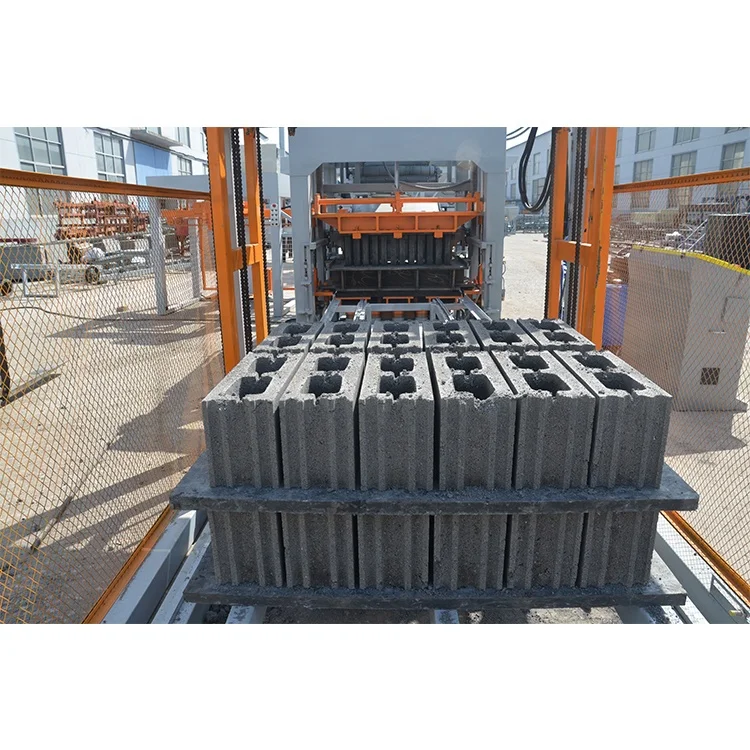
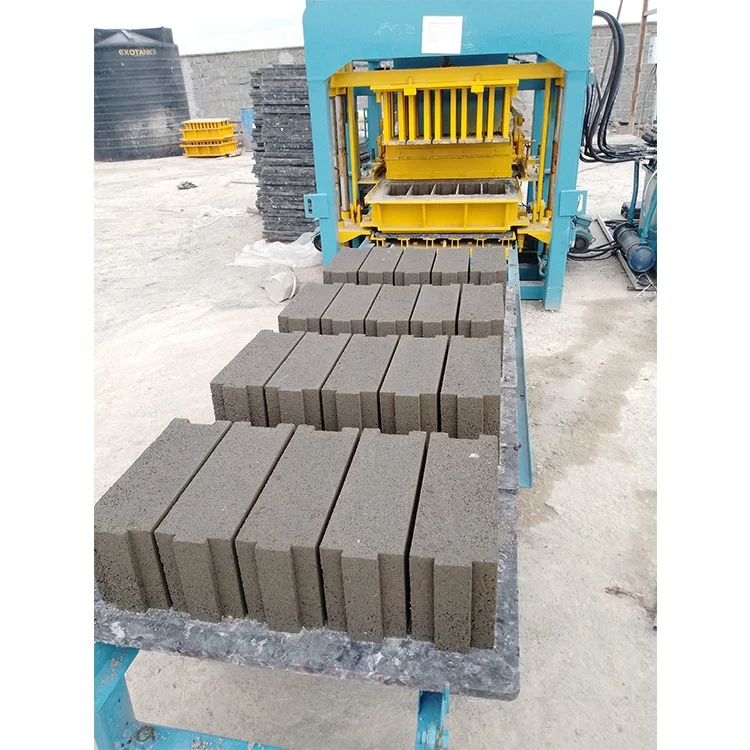
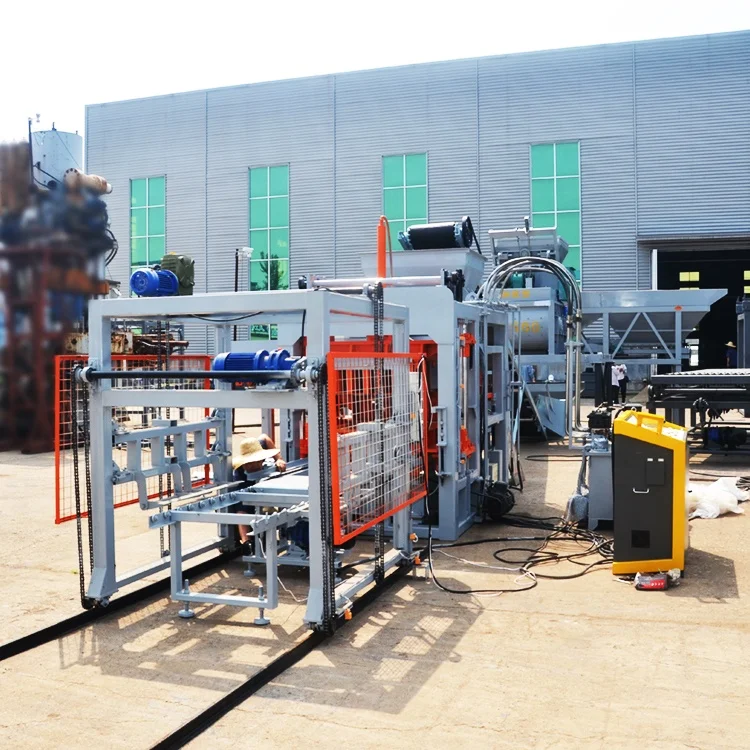
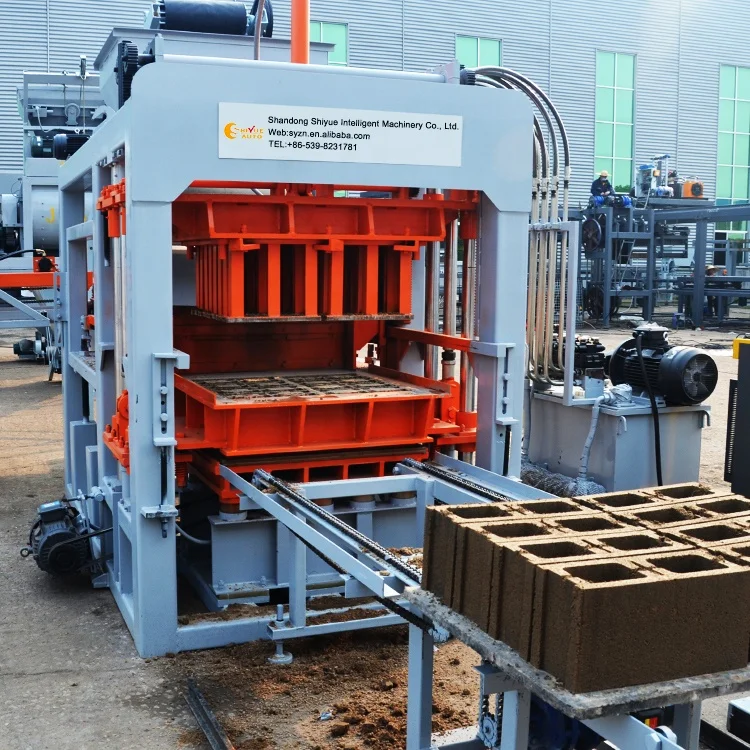
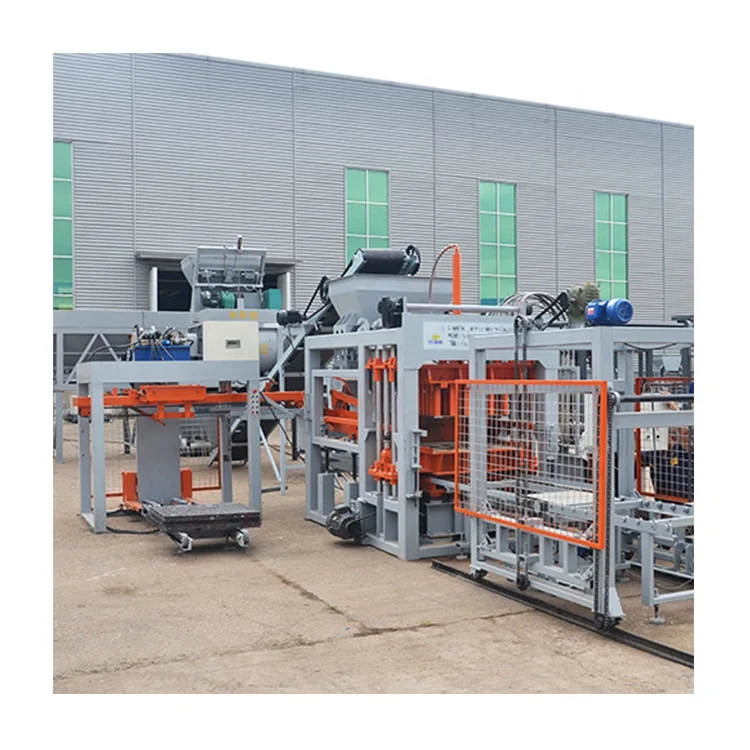
Configured to Your Format — The QT6-15 block machine is sized and set up against the specific hollow block, solid brick, or paver dimensions your market actually demands, so capacity figures reflect real production runs rather than generic laboratory cycles.
Technical Specifications
| Parameter | Value |
|---|---|
| Model | QT6-15 |
| Product Type | Hydraulic Concrete Block Making Machine |
| Overall Dimensions (L×W×H) | 8200×1700×2950 mm |
| Vibration Form | Platform Vibration |
| Vibration Force | 45 kN |
| Vibration Frequency | 0-60 Hz (adjustable) |
| Moulding Mode | Automatic loading, vibration moulding |
| Pallet Size | 880×850 mm |
| Molding Cycle | 15-20 s (basis not stated in source) |
| Demolding Method | Hydraulic |
| Overall Power | 37 kW |
| Total Mass | 7 T |
| Control System | PLC with touch screen HMI |
| Hydraulic System | Independent integrated hydraulic station |
| Block Compressive Strength | >15 MPa |
| Recommended Factory Area | 1200 m² |
| Automation Level | High (automatic loading, fault diagnosis) |
| Raw Material Adaptability | Waste ash, slag, various aggregates |
| Warranty | 1 year for whole machine (excluding spare parts) |
Application Suitability
| Application | Material or Output |
|---|---|
| Hollow block production | Crushed stone, river sand, fly ash, and cement blends |
| Solid brick manufacturing | Local aggregates with reduced cement dosage |
| Rectangular paver production | High-strength concrete mixes for paving applications |
| Interlocking (zigzag) paver production | Dense aggregate blends for interlocking surface formats |
| Kerbstone and heavy-duty formats | Coarse aggregate mixes requiring high vibration force |
What "8,000 Blocks per Shift" Actually Means for Your Plant
Capacity only matters when tied to the exact block format you intend to sell.
Many quotations list a single headline output number for the QT6-15 block machine specifications without stating which block size, wall thickness, or raw material that figure assumes [NEED_CITE: block machine capacity claims in supplier quotations]. A cycle time that works for a thin solid brick will stretch considerably when producing a large hollow block with a complex internal void structure. In my early days supporting installations, I saw buyers commit to a plant layout based on a sample capacity sheet, only to find their local volcanic ash aggregate required longer vibration cycles, cutting daily output nearly in half. That is why every capacity discussion here starts with your target format and material report, not a catalogue default.
Per-Format Cycle Time Breakdown
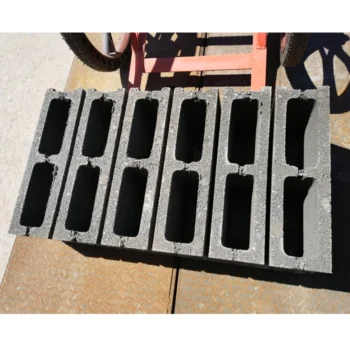
The QT6-15 block machine specifications list a general molding cycle of 15-20 seconds, but real-world timing depends entirely on the format sitting on the pallet. A standard 400×200×200 mm hollow block with six cavities requires sufficient vibration to consolidate the concrete around the core formers, and the cycle will sit at the longer end of the range. A 240×115×53 mm solid brick, by contrast, is a smaller, simpler shape with no internal voids, so the platform vibration consolidates the mix faster and the press cycles more frequently. When a buyer asks me what a QT6-15 block machine can produce in an eight-hour shift, my first question is always which block format they plan to run and what local aggregate they will use.
Matching Vibration Force to Your Mix Design
The 45 kN vibration force delivered through platform vibration at 0-60 Hz is not a one-size-fits-all setting. Denser aggregates like crushed granite need higher frequency and sustained vibration to settle properly, while lighter materials such as expanded clay or certain fly ash blends require a gentler approach to avoid segregating the mix [NEED_CITE: vibration frequency effects on concrete block density]. The PLC touch screen allows operators to adjust frequency and dwell time directly, which means the same machine can produce a high-strength paver in the morning and a lighter hollow block in the afternoon without a mechanical changeover. This flexibility matters when your market demands multiple formats from a single press.
Reading the Specs That Affect Daily Output
The 880×850 mm pallet size is a decision that reaches far beyond the press itself. Before confirming an order, I check what forklift the buyer already has in the curing yard and whether the pallet dimensions align with the curing rack spacing. A mismatch here means buying new racks or a different forklift — costs that never appear on the machine quotation. The independent integrated hydraulic station provides the demolding force and controls the pressure profile during compaction; this is what determines whether the block leaves the mould with clean edges or crumbled corners. The 37 kW overall power rating covers the hydraulic pump, vibration motors, and PLC system together, so your electrical contractor needs to provision a dedicated circuit that can handle the inrush current at startup [NEED_CITE: electrical load calculation for hydraulic block presses]. The PLC control with fault diagnosis means that if a sensor fails or a hydraulic valve sticks, the touch screen identifies the fault location instead of leaving the operator guessing.
When the Wrong Configuration Costs More Than the Machine
Selecting a pallet material without considering the local climate leads to warped pallets in humid conditions, which then produce uneven blocks and increase scrap rates. Choosing a mould change system that requires manual bolt removal means your team spends most of a shift swapping formats instead of producing — effectively cancelling the flexibility you paid for [NEED_CITE: mould change time impact on multi-format block production]. If the voltage and frequency are not confirmed with the local grid before the machine leaves the factory, the hydraulic pump motor may run at the wrong speed, reducing vibration force and producing blocks that fail compressive strength tests. These are not theoretical risks; they are the most common issues I handle during commissioning calls.
Why Technical Buyers Source This Configuration Here
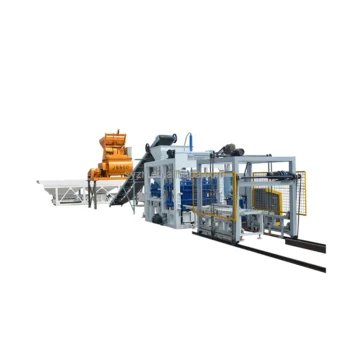
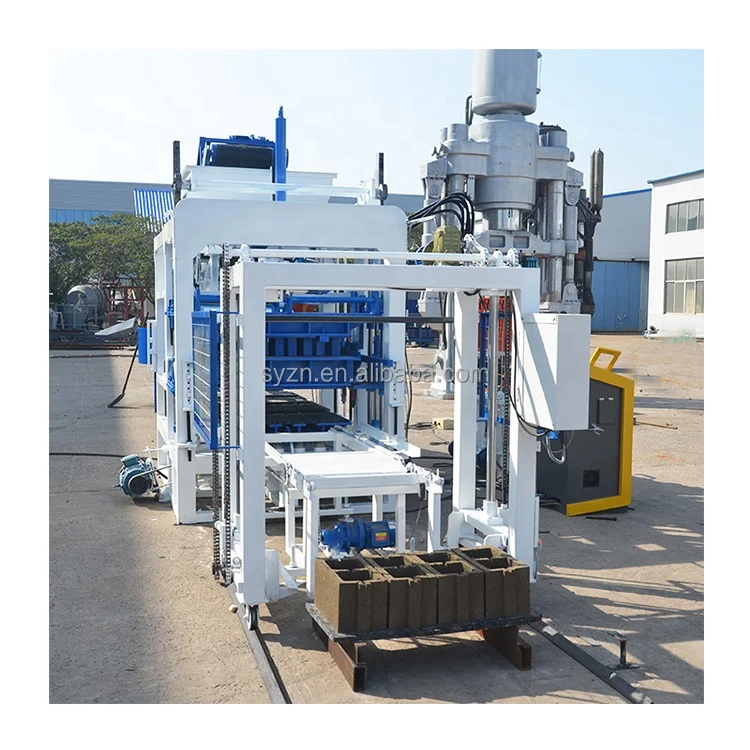
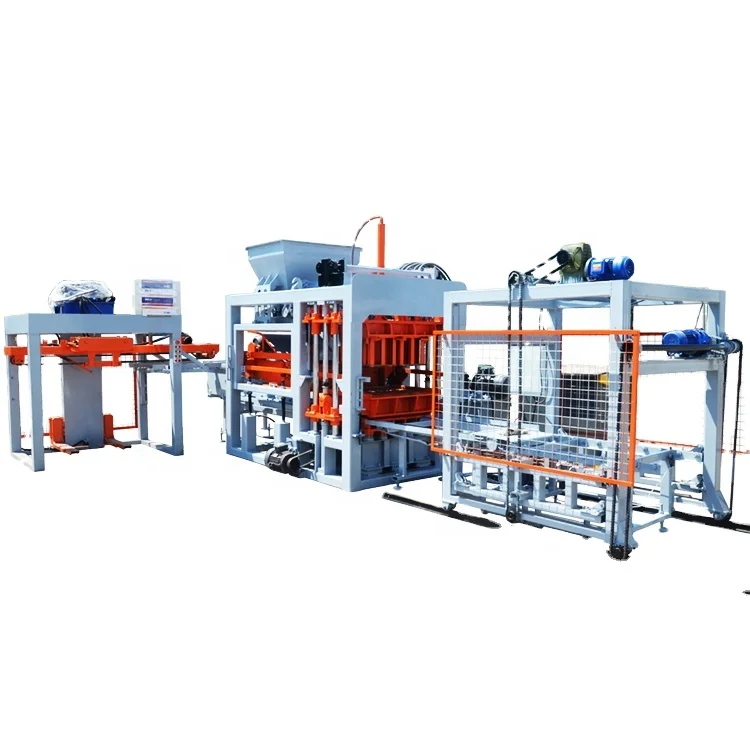
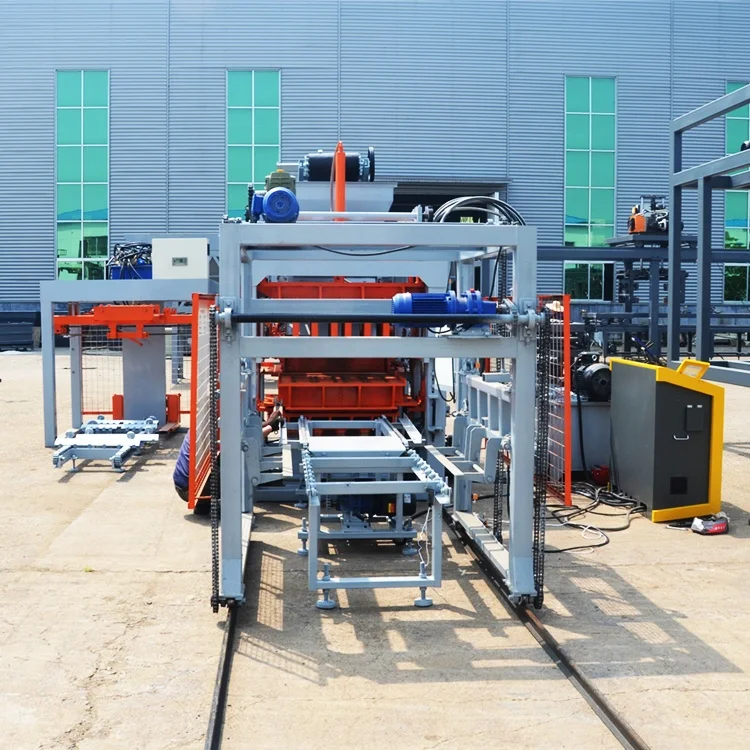
The QT6-15 is specified as one matched system: press, mould, pallet, and handling equipment are sized together so the line does not bottleneck at any single station. Each configuration is set against the buyer’s actual mix design and target block format, with capacity calculations stated per format rather than as a single headline number. Mould design covers the formats your local market sells, and custom mould drawings are available when standard options do not match. The automation level is selectable — a buyer can begin with semi-automatic pallet handling and upgrade the stacking and cubing stations later as volume grows. Installation includes operator training on the PLC interface, and mould and wear parts support continues after commissioning.
Documentation & Verification
- Line layout and capacity calculation stating the exact block format assumed for each output figure
- Mould drawing and format list confirming which moulds are included in the shipment
- Pallet specification sheet with size, material, and load rating matched to your curing setup
- Factory test record run on a mix design similar to your local raw materials
- Voltage, frequency, and PLC display language confirmation signed off before production
Installation, Commissioning & Support
- Foundation plan aligned with the 8200×1700 mm footprint and 7 T operating mass
- Electrical schematic specifying dedicated circuit requirements for the 37 kW total load
- Hydraulic station bleed and pressure calibration performed during on-site commissioning
- PLC language and touch screen configuration verified against operator preference before dispatch
- Mould change procedure training covering tools, sequence, and safe logic interlock checks
- Wear parts list with reorder intervals for hydraulic seals and vibration platform components
What We Need to Build Your Quotation
To prepare an accurate proposal for the QT6-15, share your target block formats with dimensional drawings, the local aggregate type and any available material test report, and your preferred daily output per format. Confirm the available voltage and frequency at the installation site along with the preferred PLC display language. If you already have curing racks and forklifts, send the pallet dimensions and rack spacing so the 880×850 mm pallet size can be verified or adjusted before the order is finalized.
Frequently Asked Questions
Q: How is QT6-15 capacity verified per block format, and why does cycle time differ?
A: Capacity is calculated by taking the specific mould cavity count and multiplying it by the number of cycles achievable per hour for that format. Hollow blocks with deep cavities require longer vibration dwell times to consolidate concrete around the core formers, so the cycle stretches compared to a compact solid brick where the platform vibration settles the mix more quickly.
Q: Which mould formats are available, and how long does a mould change take on site?
A: Standard moulds cover 400×200×200 mm and 400×150×200 mm hollow blocks, 240×115×53 mm solid bricks, and both rectangular and zigzag pavers. Custom moulds are produced to buyer drawings. Mould change time depends on the clamping system configured for your line and is confirmed during commissioning training.
Q: How is vibration force matched to my local aggregate and mix design?
A: The 0-60 Hz adjustable frequency on the vibration platform allows operators to tune the cycle for dense crushed stone or lighter fly ash blends. During commissioning, test runs are performed with your local materials to set the vibration profile that achieves the target compressive strength without over-segregating the mix.
Q: What pallet size does the QT6-15 use, and how do I confirm it fits my setup?
A: The standard pallet is 880×850 mm. Before order confirmation, we verify this against your existing curing rack spacing and forklift fork width. If your yard is already configured for a different pallet dimension, the feeding system is adjusted during the design stage to avoid costly on-site modifications.
Q: What voltage, frequency, and PLC language options are confirmed before shipment?
A: Voltage and frequency are confirmed to match your site’s electrical supply during the quotation stage. The PLC touch screen display language is selected by the buyer before production begins. These details are documented in the electrical schematic and signed off so commissioning proceeds without delay on arrival.