
Description
Matched-System Sizing — Every QT5-15 capacity figure is tied to a specific block format and mould cavity count, preventing the gap between quoted cycles and real daily output.
Technical Specifications
| Parameter | Value |
|---|---|
| Model | QT5-15 |
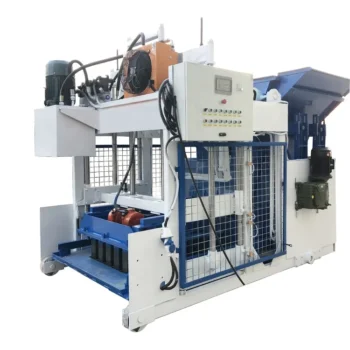
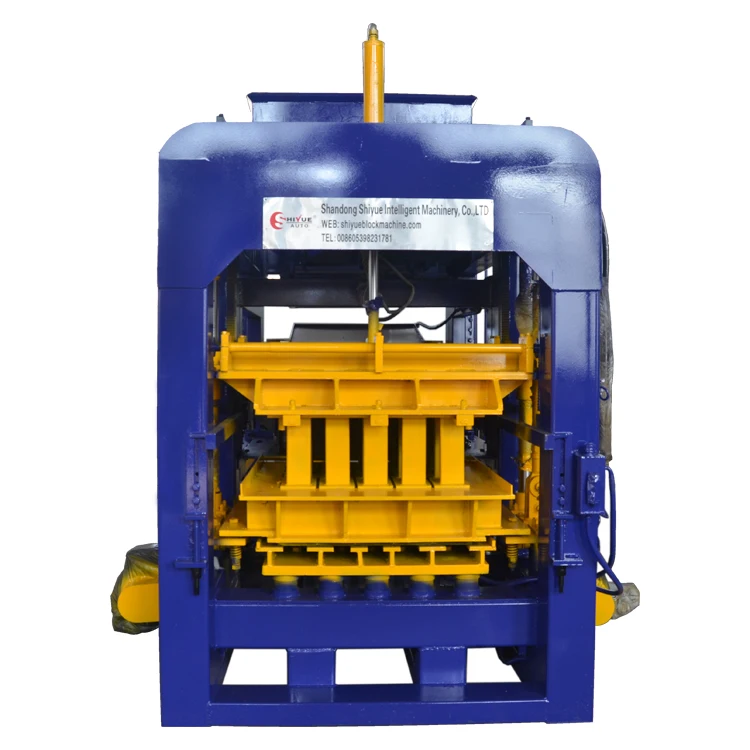
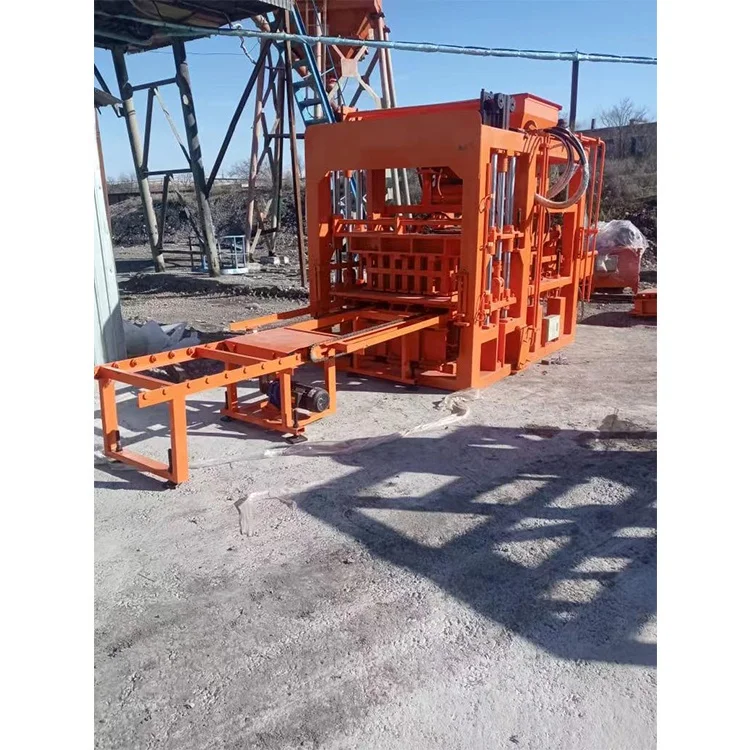
| Product Type | Fully Automatic Concrete Block Making Machine |
| Overall Dimensions (L×W×H) | 7100×1600×2610 mm |
| Total Weight | 5 T |
| Rated Power | 33.5 kW |
| Voltage & Frequency | Configurable to buyer’s local supply (to be confirmed) |
| Control System | PLC control system |
| PLC Display Language | Configurable (to be confirmed before production) |
| Vibration Force | 40 kN |
| Vibration Frequency | 0–60 Hz |
| Moulding Cycle | 15 s |
| Mixer Model | JS500 |
| Pallet Size | 1100×550 mm |
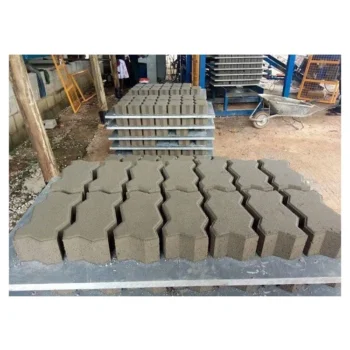
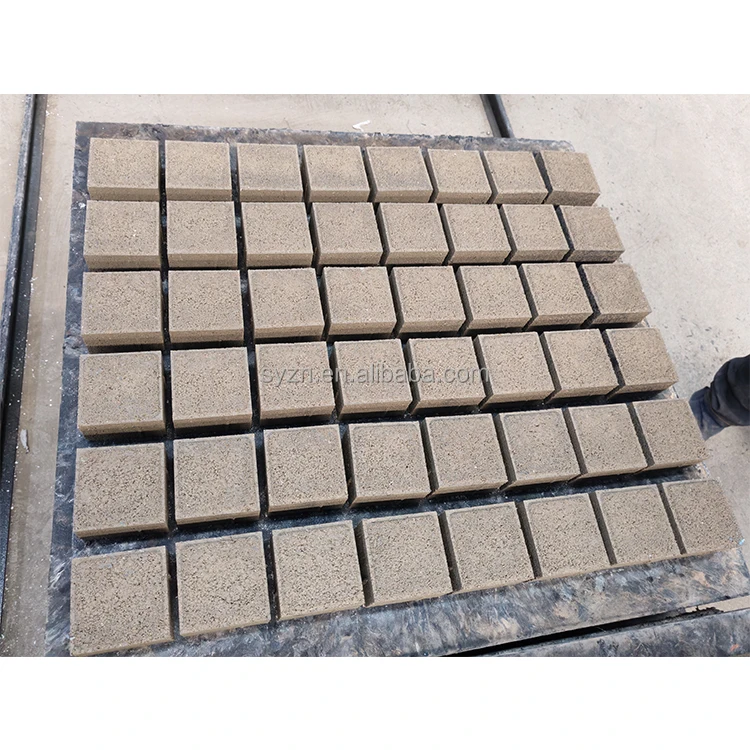
| Mould Formats | Paver, solid block, hollow block, kerbstone (change mould to switch) |
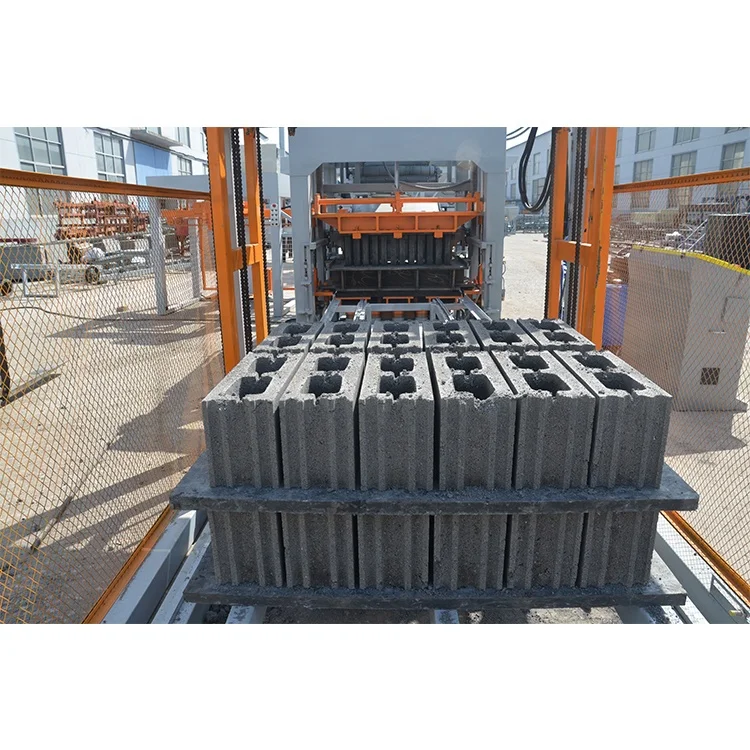
| Output — 400×200×200 mm Hollow Block | 450 pcs/h, 3600 pcs/8 hr (5 pcs/mould) |
| Output — 400×150×200 mm Hollow Block | 540 pcs/h, 4320 pcs/8 hr (6 pcs/mould) |
| Output — 400×100×200 mm Solid Brick | 720 pcs/h, 5760 pcs/8 hr (8 pcs/mould) |
| Raw Materials | Crushed stones, sand, cement, dust, fly ash |
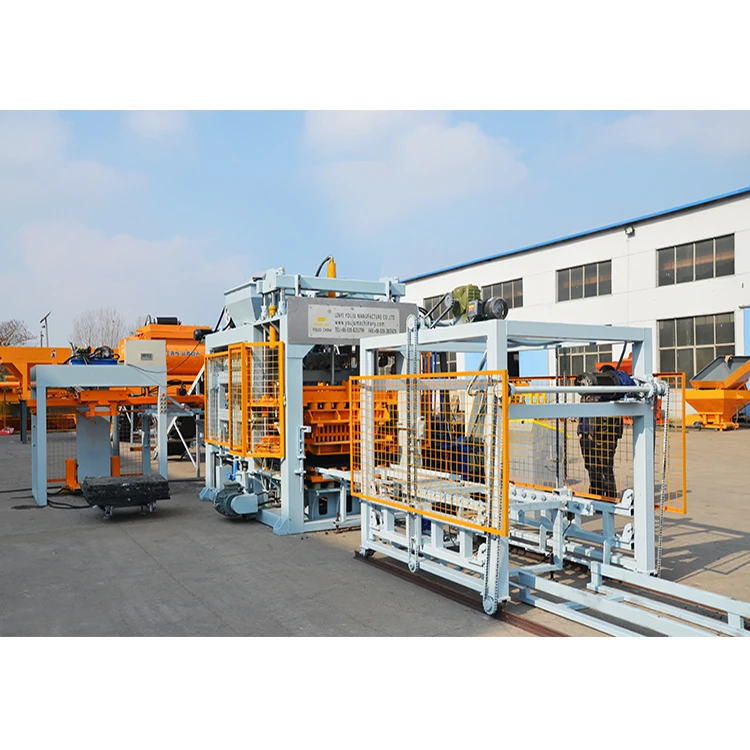
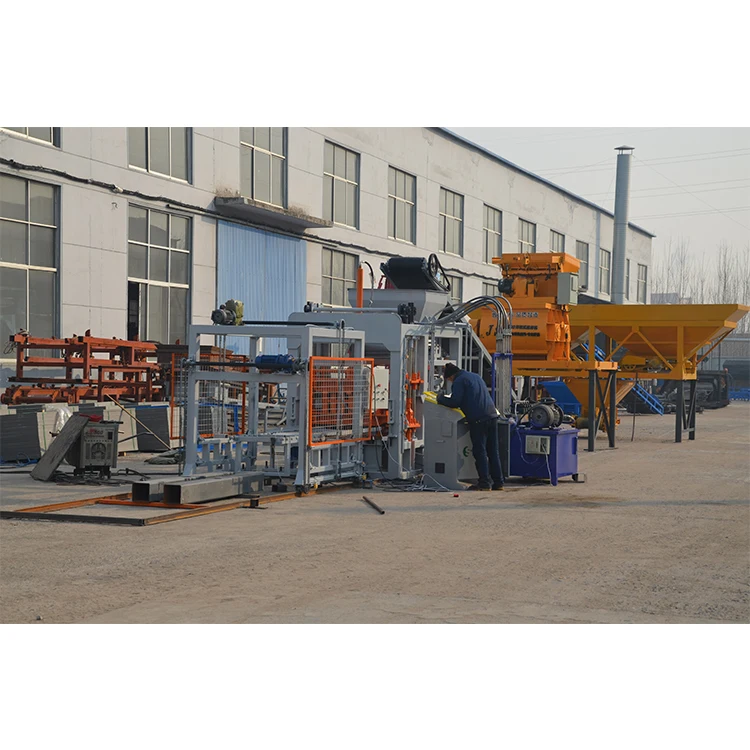
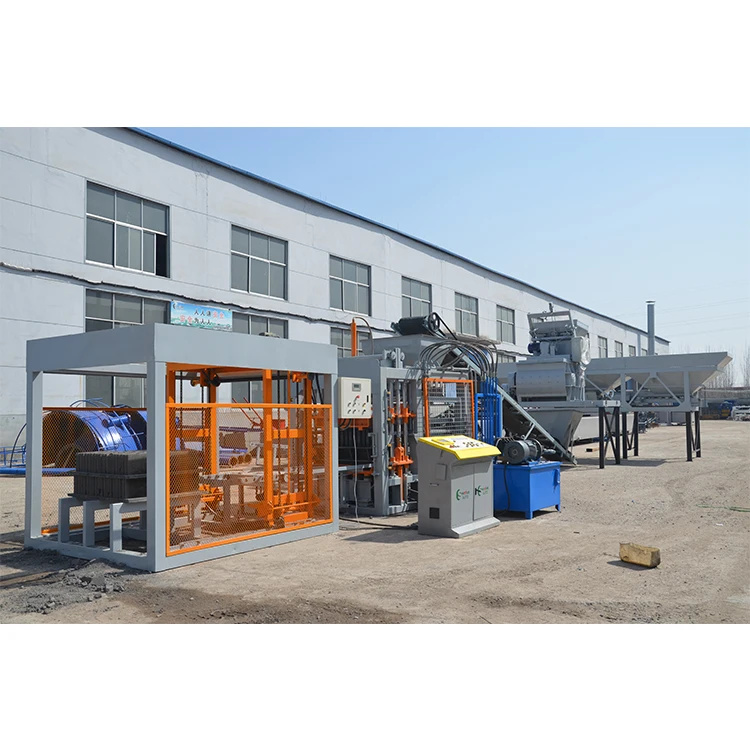
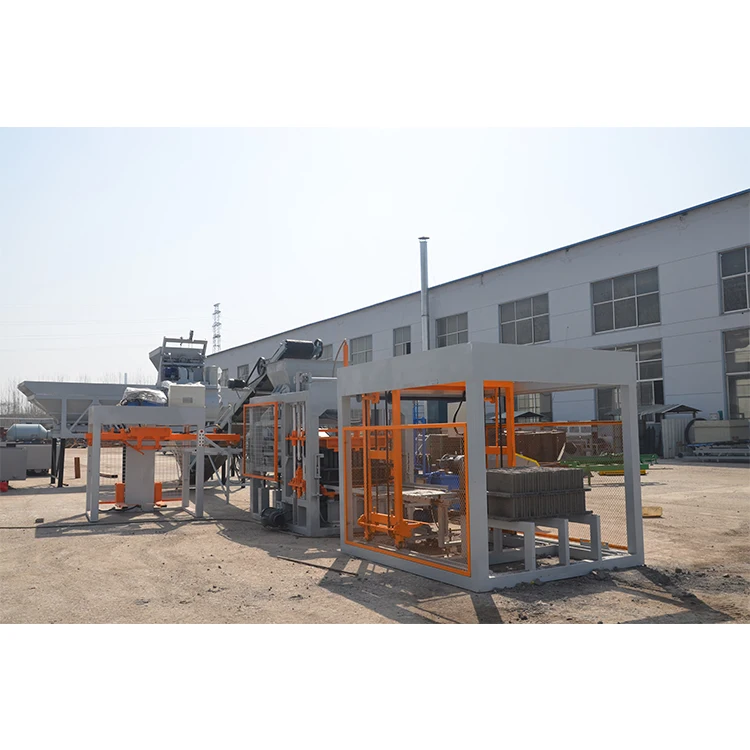
| Included Equipment | Block making machine, hydraulic station, PLC control system, pallet feeder, brick conveyor, block sweeper |
| Free Accessories | Manual hydraulic trolley, spare parts and tools |
| Assembly State | Fully automatic line with hydraulic station |
Application Suitability
| Application | Material or Output |
|---|---|
| Hollow block production for masonry walls | Crushed stone, sand, cement, fly ash — 400×200×200 mm and 400×150×200 mm formats |
| Solid brick manufacturing for load-bearing structures | Cement, sand, crushed stone dust — 400×100×200 mm format |
| Paving block production for walkways and yards | Cement, sand, fine aggregate — interlocking and rectangular formats |
| Kerbstone production for road edging | Cement, crushed stone, sand — heavy-duty kerbstone moulds |
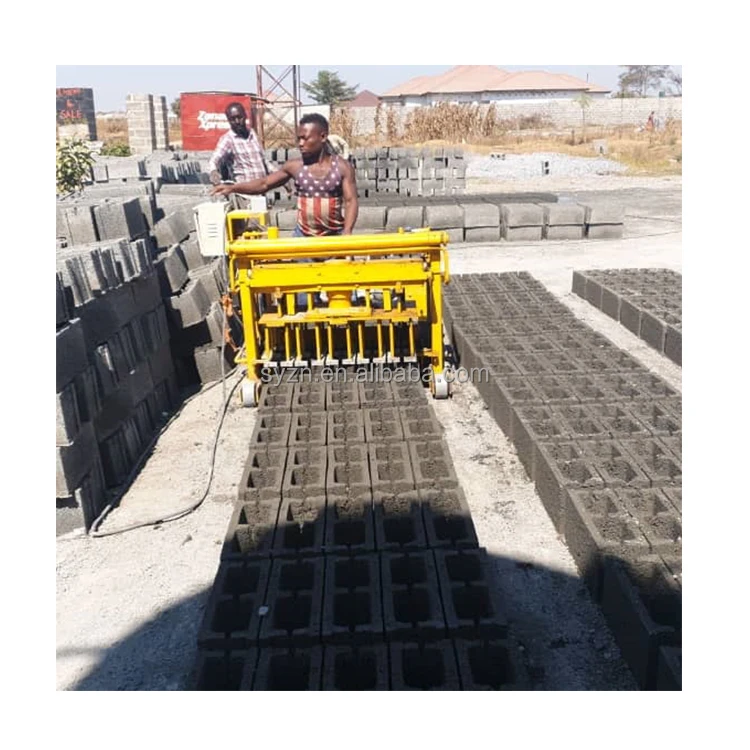
| On-site block production for housing projects | Locally sourced aggregate and cement — multiple formats via mould change |
What "Cycles per Hour" Leaves Out About Block Output
Every output number on this page names the exact block size and mould cavity count it was measured against.
Most block machine quotations quote a single cycle rate and leave the buyer to guess what daily production that translates into for the specific hollow block or paver their market actually buys. I have watched plant owners in Latin America discover after commissioning that their "high-output" machine could only hit the quoted number on a solid brick format they had no demand for. The QT5-15 block making machine specifications listed here break output down per format — 400×200×200 mm hollow, 400×150×200 mm hollow, and 400×100×200 mm solid — so the number you plan against matches the block you actually sell [NEED_CITE: block machine output claims by format in international tenders].
Mould Formats and Cycle Time per Block Type
The QT5-15 moulding cycle runs at 15 seconds, but what matters for your production plan is how many blocks that cycle produces per format. With five cavities in the 400×200×200 mm hollow block mould, each cycle yields five blocks; swap to the eight-cavity solid brick mould and the same 15-second cycle yields eight. This is why a single "pieces per hour" number is misleading — the QT5-15 block making machine specifications must always be read alongside the target format. Mould change on this press uses a bolt-and-slide system that a trained two-person crew completes within a shift.
Pallet Size and Curing Area Alignment
The 1100×550 mm pallet is not an arbitrary choice — it defines the maximum mould footprint and must align with the curing racks and forklift already on site or planned for the new plant. Before the QT5-15 ships, the pallet dimension is confirmed against the buyer’s curing area layout and handling equipment. A mismatch here means either wasted curing space or pallets that the forklift cannot stack safely [NEED_CITE: pallet dimension standards for concrete block curing systems]. The pallet feeder included in the line feeds these pallets automatically to the press, keeping the 15-second cycle uninterrupted.
How Vibration and Hydraulic Pressure Meet Local Aggregate
The 40 kN vibration force and 0–60 Hz adjustable frequency are set to compact the specific mix the buyer will run — not a generic laboratory sand. On a project in Ecuador, a volcanic ash aggregate required a lower frequency and higher hydraulic hold time compared to standard river sand; the same press produced fragile blocks until the parameters were re-tuned to the local material. That is why the QT5-15 configuration process asks for a sample of the buyer’s aggregate before finalizing vibration and pressure settings. Getting this wrong means blocks that crack during curing or fail compressive strength tests at the building site.
Specifying the Wrong Automation Level — Hidden Costs Downstream
A press that can cycle in 15 seconds is only as fast as its slowest upstream or downstream station. If pallet handling, stacking and curing are still manual, the press sits idle between cycles while workers move wet blocks by hand. This bottleneck is the most common reason a plant’s real output falls below the theoretical figure quoted on the machine plate. Buyers who budget only for the press and skip the pallet feeder, brick conveyor and block sweeper — all included as standard on the QT5-15 — often spend far more on labour to compensate [NEED_CITE: manual versus automatic pallet handling labour cost in block plants]. The hidden cost shows up not in the invoice but in the payroll every month after.
Why Source the QT5-15 Through a Single-Focus Block Machinery Supplier
Block machinery is the only product line here, so the press, mould, pallet and handling equipment are specified as one matched system rather than assembled from separate suppliers. The QT5-15 configuration is set against the buyer’s actual mix design and target block format, not a catalogue default. Mould design covers the formats the buyer’s regional market sells, including custom drawings when standard formats do not match local building codes. Automation is selectable — a buyer can start with the semi-automatic arrangement and add automatic stacking later without replacing the press. Installation includes operator training on mould change, PLC parameters and daily maintenance routines specific to the QT5-15.
Documentation & Verification
- Line layout with capacity calculation tied to each block format the buyer plans to produce
- Mould drawing and format list confirming which block sizes the quotation covers
- Voltage, frequency and PLC display language written confirmation before production starts
- Factory test record showing actual cycle times on the buyer’s specified formats
- Hydraulic and electrical schematic for the buyer’s maintenance team
Installation, Commissioning & Support
- Foundation plan matched to the 7100×1600 mm footprint and 5 T operating weight of the QT5-15
- Dedicated electrical circuit sized for the 33.5 kW rated power draw plus mixer load
- Machine ships in dismantled modules with reassembly supervised on site
- First-run parameter tuning of vibration frequency and hydraulic pressure against local aggregate sample
- Operator training covering PLC interface, mould change procedure and daily greasing points
- Wear parts list and mould inventory plan for first replacement cycle
Preparing Your Inquiry
To size the QT5-15 accurately to your plant, share the block format your market sells most, the daily volume you need to hit, and a description or sample of your local aggregate. Confirm your site voltage, frequency, and the language your operators will need on the PLC display. If you already have curing racks or a forklift, note the dimensions so the 1100×550 mm pallet can be verified against your existing equipment before the line is finalized.
Frequently Asked Questions
Q: How is the QT5-15 output capacity verified, and what block format is each figure based on?
A: Every output figure published here states the exact block dimension and mould cavity count it was measured against — for example, 450 pieces per hour on a 400×200×200 mm hollow block with five cavities per mould. The factory test record provided before shipment confirms actual cycle times on the specific formats you will run.
Q: How do I match vibration force and hydraulic pressure to my local aggregate?
A: Provide a sample or detailed description of your aggregate — whether river sand, crushed stone, fly ash or volcanic ash. The 40 kN vibration force and 0–60 Hz frequency range are then tuned during commissioning to compact your specific mix to target strength, rather than relying on generic factory defaults.
Q: What is the mould change procedure and how long does it take?
A: The QT5-15 uses a bolt-and-slide mould mounting system. A trained two-person crew can complete a format swap within a standard shift, including test cycles and parameter adjustment on the PLC. Mould drawings are supplied so your team can prepare the next format while the current one is running.
Q: How do I confirm the 1100×550 mm pallet is compatible with my curing area and forklift?
A: Share the dimensions of your existing curing racks and forklift fork width before production. The pallet size is verified against these during the quotation stage so that pallets stack correctly in your curing area and can be handled safely by your current equipment without modification.
Q: Which voltage, frequency and PLC language options are available?
A: The electrical system is configured to match your local supply — voltage, frequency and phase must be confirmed before production begins. The PLC display language is also set to your preference, so operators can read menus and alarms in their working language from day one.