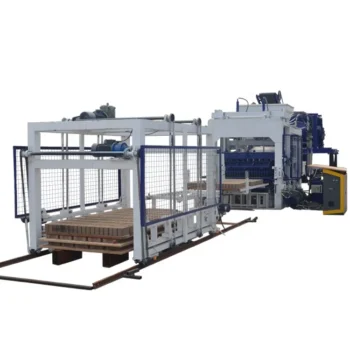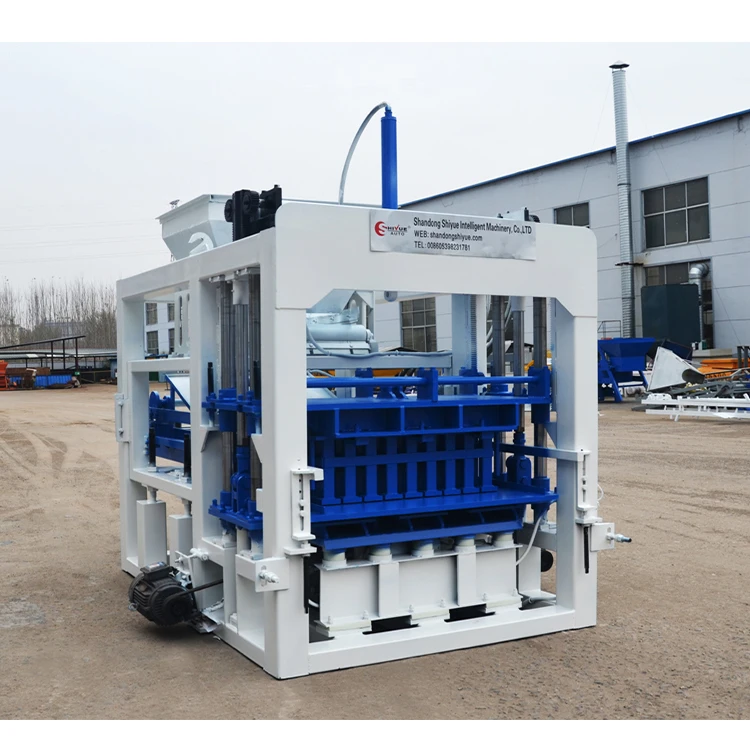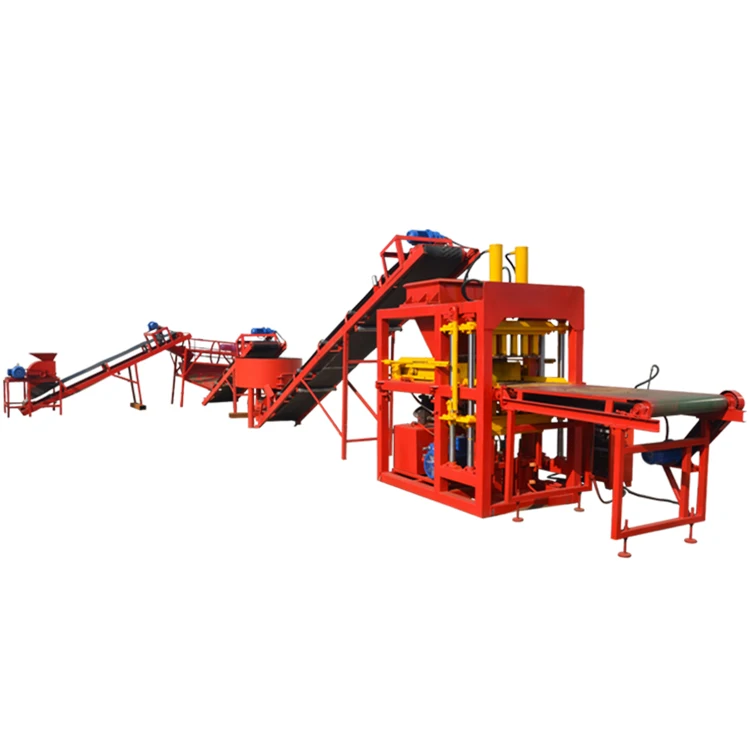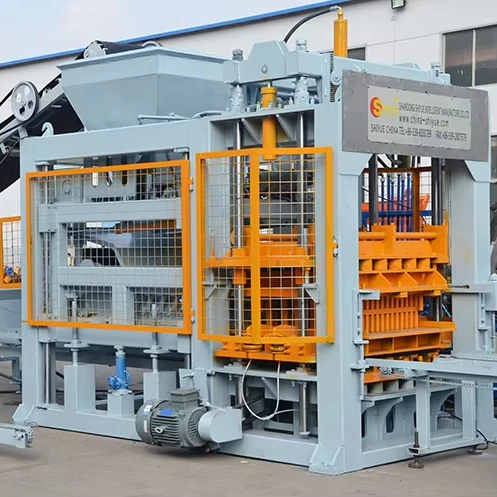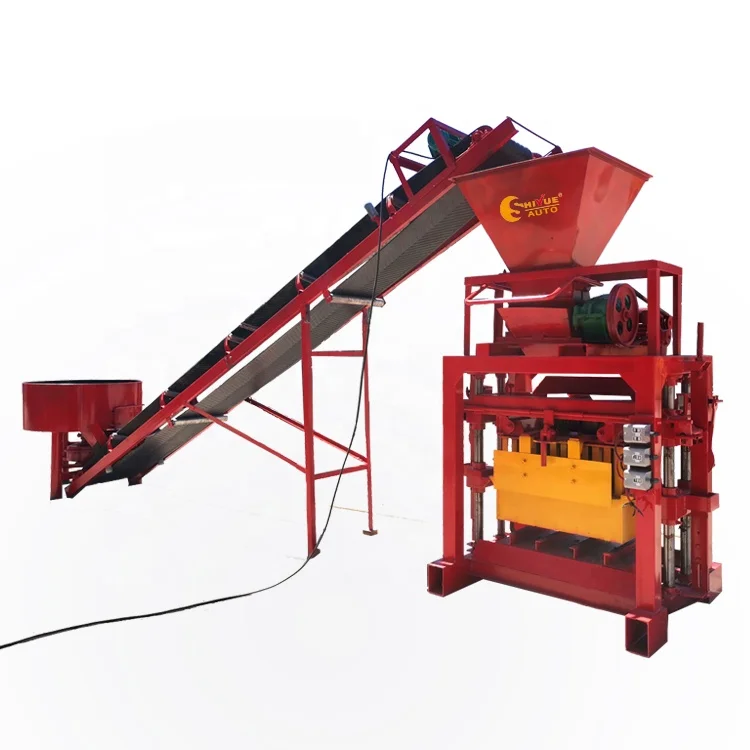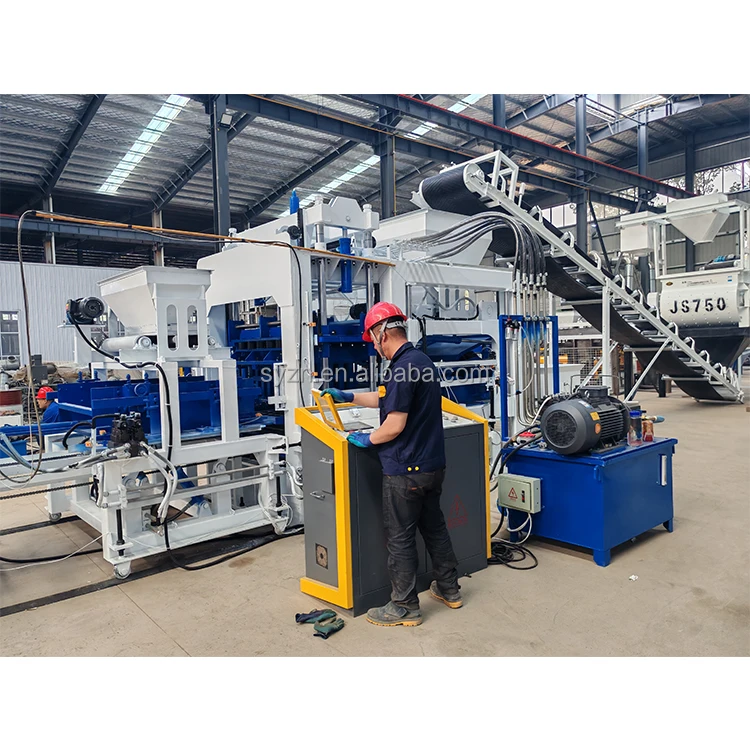

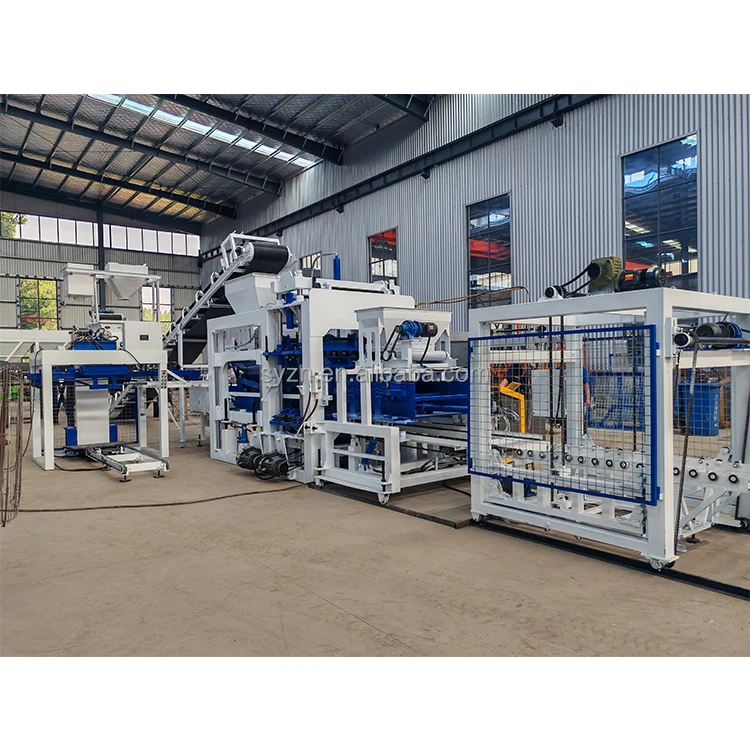
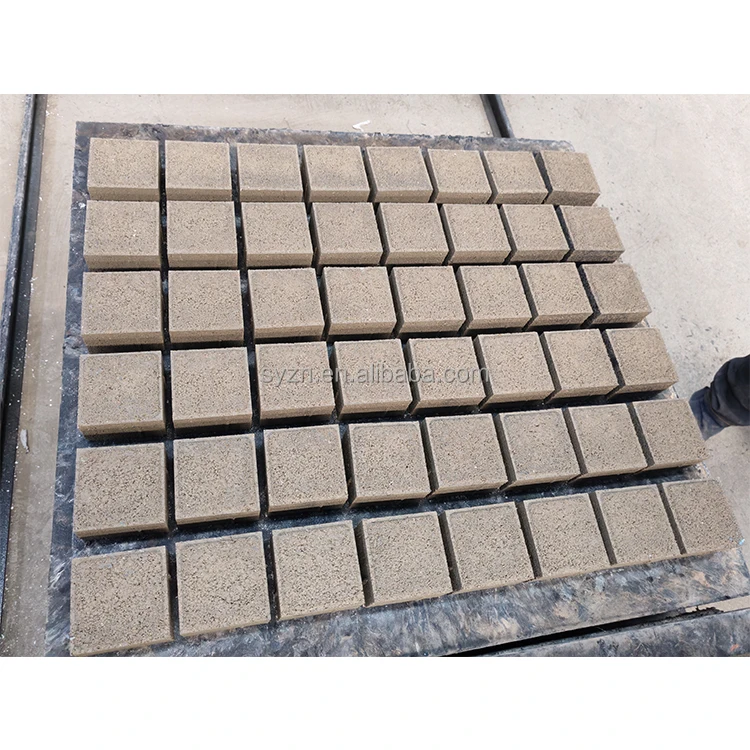
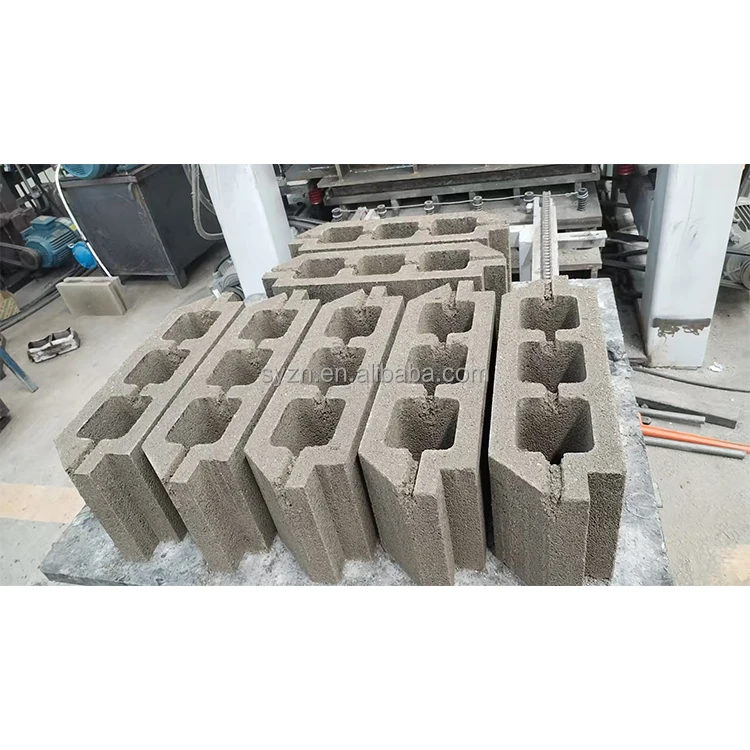

Description
Matched System Sizing — we configure QT8-15 with pallet, mould and vibration force together so the block format you actually sell sets the daily output, not a catalogue headline.
Technical Specifications
| Parameter | Value |
|---|---|
| Model | QT8-15 |
| Product Type | Hydraulic Concrete Block Making Machine |
| Overall Dimensions (L×W×H) | 8300 × 1860 × 3000 mm |
| Rated Hydraulic Pressure | 21 MPa |
| Main Vibration Form | Platform Vibration |
| Vibration Frequency | 2800–4500 r/min |
| Vibration Force | 45 kN |
| Pallet Size | 950 × 900 mm |
| Molding Cycle | 15–20 s (basis to be confirmed with target block format, mix design and thickness) |
| Overall Power | 55.5 kW |
| Total Mass | 8 T |
| Demolding Method | Hydraulic |
| Recommended Factory Area | 300 m² |
| Applied Products | Hollow blocks, solid blocks, pavers, interlocking blocks, curbstones, colored pavers |
| Raw Materials | Crushed stone, sand, cement, fly ash, gravel, slag, dust |
| Output Capacity | Varies by block format, mould layout and material density (per-format table supplied with quotation) |
Application Suitability
| Application | Material or Output |
|---|---|
| Hollow block production for load-bearing walls | Crushed stone and cement blends with fly ash |
| Solid block manufacturing for partitions | Sand, gravel and cement at higher compaction |
| Interlocking paver runs for driveways | Colored face mix over a base concrete layer |
| Kerbstone and curb units for roadworks | Coarse aggregate with hydraulic press cycle |
| Porous and permeable pavers for drainage zones | Open-graded aggregate with reduced cement ratio |
What QT8-15 Block Machine Specifications Leave Out of a Quoted Output Figure
Daily output collapses the moment you switch from a hollow block mould to a paver mould if the cycle difference was never quoted per format.
A brochure number for the QT8-15 block machine specifications is usually measured on a single standard hollow block in ideal conditions. When a buyer puts a multi-cavity paver mould on the press, the vibration dwell and hydraulic hold both lengthen. The same machine that looked fast on paper suddenly loses a large share of its shift output. We have seen plants plan staffing, trucks and curing space around a figure that only ever existed for one format, then scramble when the real mix of products left them short [NEED_CITE: common gap between quoted and realised block plant output].
Capacity Stated per Block Format Instead of a Single Headline
The QT8-15 block machine specifications are only useful once every target format has its own cycle time. We quote hollow block, solid block, paver and curbstone figures separately, with the pallet layout and block thickness spelled out. That way a buyer producing a mixed catalogue of blocks knows what the machine actually delivers across a normal shift, not just on its best day.
Pallet Size Chosen Around Your Curing Yard
A 950 × 900 mm pallet works only when the curing racks, forklifts and yard layout accept it. Before we confirm the QT8-15 for a plant, we check pallet footprint against the buyer’s existing rack spacing and handling equipment [NEED_CITE: pallet dimension alignment with curing infrastructure]. Ordering a press without that check often ends in pallets piled on the floor or racks rebuilt after delivery.
Format-Specific Cycle Time Drives Mould Investment
When cycle time is known per format, buyers can decide which moulds deserve the investment. A fast hollow block cycle with a slow paver cycle might push a plant toward two presses instead of one. Honest QT8-15 block machine specifications make that decision possible before money is committed.
Reading the Numbers Behind the Press
Hydraulic pressure at 21 MPa and platform vibration at 45 kN together determine how densely the concrete is packed into the mould. Higher pressure with weak vibration leaves air voids; strong vibration with low pressure produces brittle edges. The QT8-15 balance suits mid-range aggregates, but coarse volcanic stone or very dry mixes may need the frequency tuned toward the upper 4500 r/min band to achieve target block strength [NEED_CITE: relationship between vibration frequency and aggregate grading in block presses]. Pallet size 950 × 900 mm also sets the maximum mould footprint, so a buyer wanting large-format pavers must confirm cavity count before ordering. The 55.5 kW installed power covers the hydraulic pump, vibration motor and conveyor drives; sites with limited transformer capacity must plan a dedicated circuit. Overall dimensions 8300 × 1860 × 3000 mm plus working clearance define the building envelope and overhead crane reach.
The Cost of Skipping Per-Format Capacity Checks
Plants that ignore format-by-format capacity end up running overtime shifts to hit order backlogs. Staff costs climb, forklift fuel consumption rises, and curing racks fill unevenly, leading to inconsistent block strength. A buyer who checked QT8-15 block machine specifications against real product mix avoids these hidden operating costs that never appear on the original quotation [NEED_CITE: hidden operating cost drivers in block production plants].
Why Sourcing the Press From a Block-Machinery Specialist Matters
Block machinery is the only equipment we build, so the QT8-15 is specified together with its mould, pallet and handling gear as one system. We match vibration force and hydraulic pressure to your local aggregate and mix design rather than a catalogue default. Moulds are drawn for the formats your market actually buys, including custom shapes. Automation level is selectable, so a plant can start semi-automatic and add stacking later. Installation support and operator training are included so the first production week is not spent troubleshooting.
Documentation & Verification
- Line layout stating per-format capacity with the exact block dimensions assumed
- Mould drawing package listing cavity count and cycle time for each format
- Pallet specification matched to curing rack spacing and forklift rating
- Hydraulic and electrical schematic for local maintenance teams
- Factory test record on buyer’s own mix design before dispatch
- Voltage, frequency and PLC display language confirmed in writing before production
Installation, Commissioning & Support
- 300 m² factory area with level concrete floor and anchor points for the 8 T press frame
- Dedicated circuit sized for 55.5 kW peak draw with voltage and frequency confirmed before wiring
- Machine shipped in dismantled modules for container loading, reassembled on site
- First-run cycle tuning against buyer’s aggregate and target block strength
- Operator training covering mould change routine and platform vibration adjustment
- Wear parts list and mould maintenance schedule handed over at commissioning
What We Need To Confirm Before Quoting
Send the target block format list with dimensions, the local aggregate type and typical mix design, and the planned daily output split across formats. Share the available supply voltage, frequency and preferred PLC display language so the QT8-15 block machine specifications align with your site from day one.
Frequently Asked Questions
Q: How is QT8-15 daily output calculated for each block format?
A: We measure molding cycle with the actual mould fitted and the buyer’s mix design, then multiply by realistic shift hours minus mould change and pallet handling time. Each format — hollow, solid, paver, curbstone — receives its own line in the capacity table.
Q: Which pallet size is specified and how does it align with my curing area?
A: The standard pallet is 950 × 900 mm. We check this against your existing curing rack spacing, forklift tine width and stacking height before order confirmation so no rack modification is needed after delivery.
Q: What hydraulic pressure and vibration force suit my local aggregate?
A: The press delivers 21 MPa hydraulic pressure and 45 kN platform vibration. For coarse or lightweight aggregates we adjust frequency within the 2800–4500 r/min range during commissioning to reach the required block density.
Q: How long does a mould change take and what formats are available?
A: Mould change time depends on the clamping system selected and is confirmed per format in the quotation. Available formats cover hollow blocks, solid blocks, pavers, interlocking blocks, curbstones and colored face pavers.
Q: Are voltage, frequency and control language confirmed before shipment?
A: Yes. We document the supply voltage, frequency and PLC display language in the order confirmation and re-check them during the factory test so the control cabinet matches the destination site on arrival.