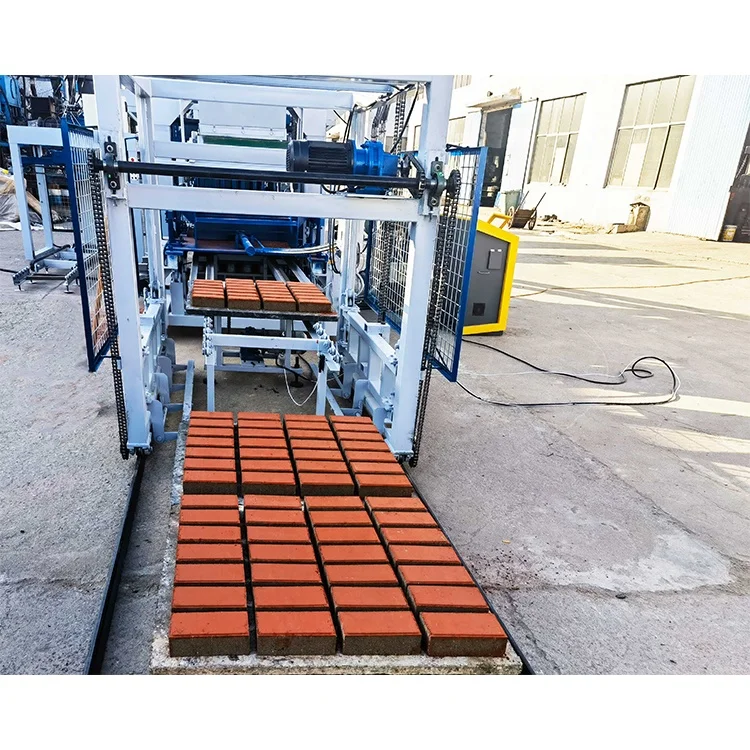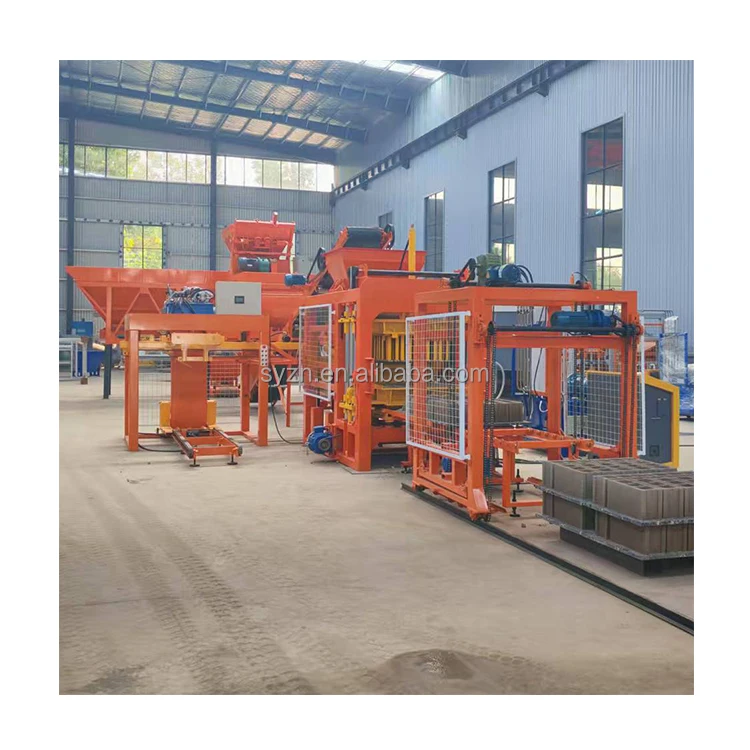
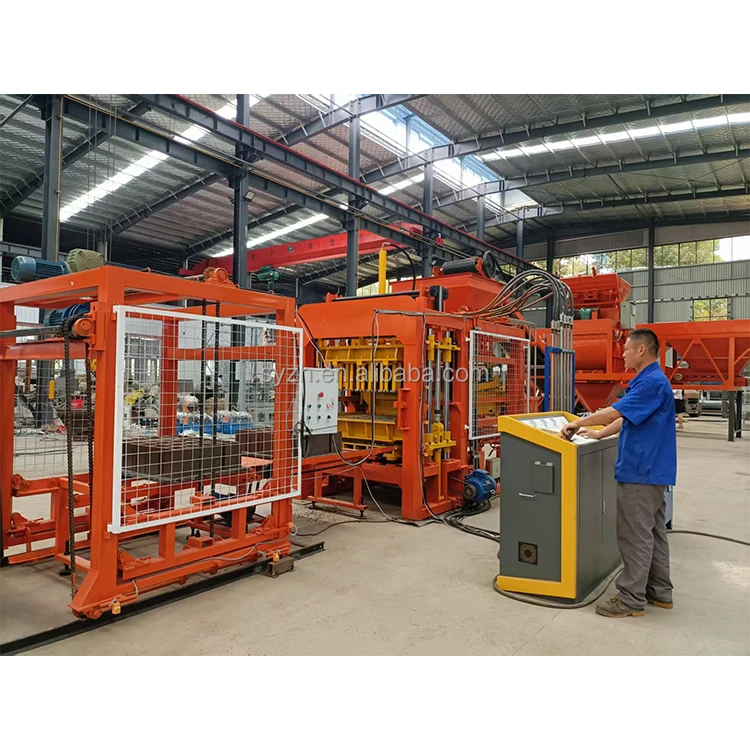
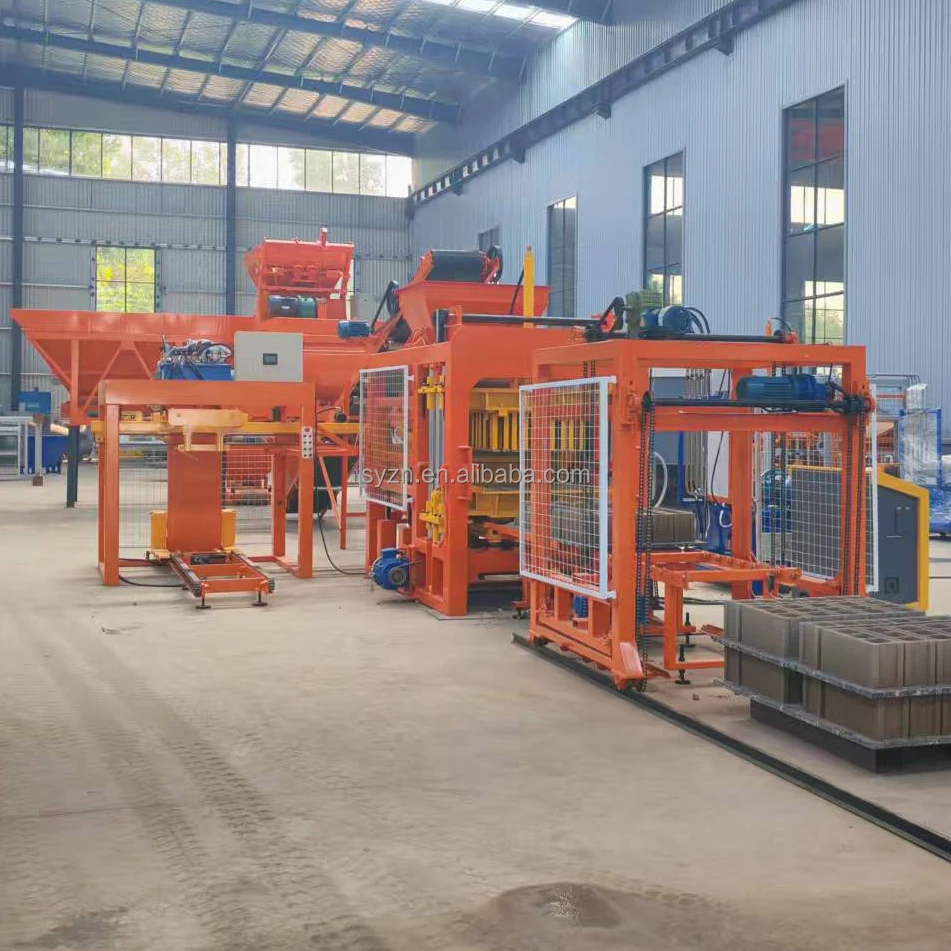


Description
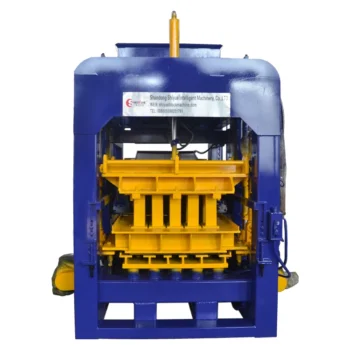
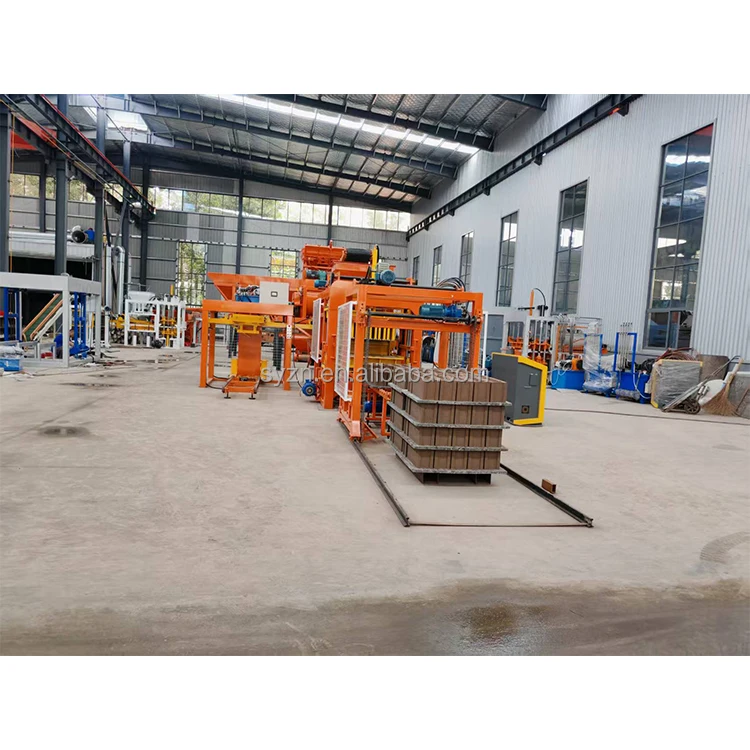
Honest capacity by format — every QT6-15 output figure is tied to a specific block dimension, mould cavity count, and cycle time so your daily projection holds up on the shop floor.
Technical Specifications
| Parameter | Value |
|---|---|
| Product Type | Automatic Hydraulic Block Making Machine |
| Model | QT6-15 |
| Overall Dimensions (L×W×H) | 8200 × 1700 × 2950 mm |
| Pallet Size | 880 × 850 mm |
| Vibration Form | Platform Vibration |
| Vibration Frequency | 0–60 Hz (adjustable) |
| Vibration Force | 45 kN |
| Moulding Mode | Automatic loading, vibration moulding |
| Demolding Method | Hydraulic |
| Molding Cycle | 15–20 s |
| Overall Power | 37 kW |
| Total Mass | 7 T |
| Control System | PLC (Programmable Controller) with touch screen HMI |
| Hydraulic System | Independent integrated hydraulic station |
| Block Compressive Strength | >15 MPa |
| Recommended Factory Area | 1200 m² |
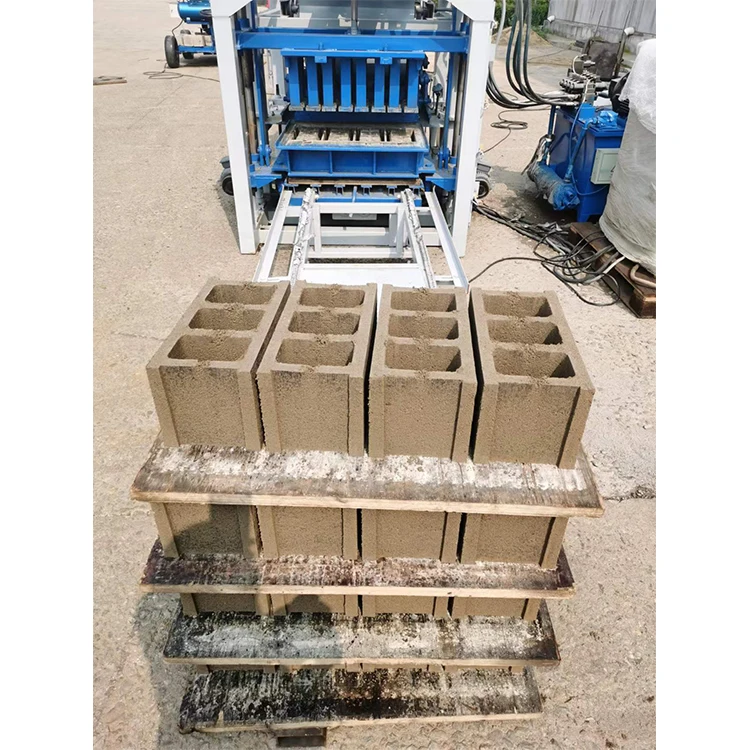
| Output Capacity | Hollow block 400×200×200 mm: 1080–1440 pcs/h, 6 pcs/mould |
| Output Capacity | Hollow block 400×150×200 mm: 1440–1920 pcs/h, 8 pcs/mould |
| Output Capacity | Solid brick 240×115×53 mm: 5760–7680 pcs/h, 32 pcs/mould |
| Output Capacity | Rectangular paver 200×100×60 mm: 2160–2880 pcs/h, 21 pcs/mould, cycle 20–25 s |
| Output Capacity | Zigzag paver 225×112.5×60 mm: 2160–2880 pcs/h, 15 pcs/mould, cycle 20–25 s |
| Voltage & Frequency | Configurable to target market (confirm before production) |
| Raw Material Adaptability | Waste ash, slag, and various aggregates; reduced cement dosage |
Application Suitability
| Application | Material or Output |
|---|---|
| Hollow block production for building walls | Crushed stone, sand, cement, and local waste ash mixes |
| Solid brick production for structural and infill masonry | Standard concrete mix with fine aggregate |
| Rectangular and interlocking paving block production | High-strength concrete with colour pigment options |
| Block plants using industrial by-products | Fly ash, slag, and recycled aggregate blends |
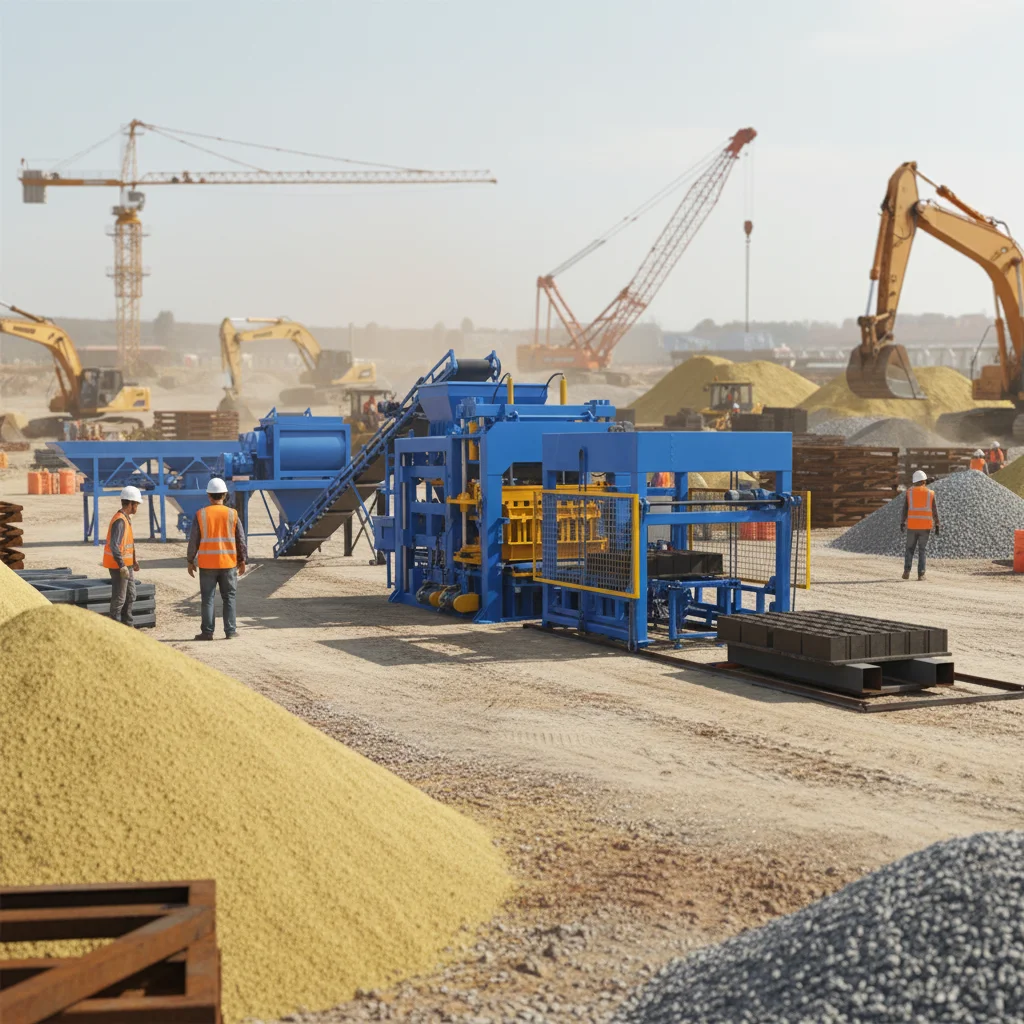
| On-site production for construction contractors | Mix designs based on locally available raw materials |
What "1200 Pieces per Hour" Leaves Out When Sizing a QT6-15 Block Machine
A capacity number without a block format attached is not a capacity number at all.
One of the most common disappointments I see on block plants is a buyer who budgeted for a certain daily output based on a single headline figure, only to discover that figure assumed a small solid brick while their market actually demands 200 mm hollow blocks. The QT6-15 automatic block making machine capacity by format varies considerably — from six cavities per mould for large hollow blocks up to thirty-two for standard solid bricks — and each format carries its own cycle time. A buyer running 400×200×200 mm hollow blocks will see a very different shift output than one running pavers on a 20–25 second cycle. [NEED_CITE: block format assumptions in capacity quotations] Stating the format, cavity count, and cycle time together is the only way to project realistic daily production.
Matching the Mould to the Format Your Market Actually Buys
The QT6-15 block machine specifications list five standard formats, but the real question is whether those formats match what sells in your region. A plant producing hollow blocks for residential walls needs a different mould portfolio than one focused on paving contractors. The mould change procedure on this platform is designed for format switching within a shift, though the exact changeover time depends on operator familiarity and the lifting tools available on your floor. Confirming which formats ship as standard and which require custom mould design avoids surprises after the machine arrives.
Vibration and Pressure Tuned to Your Aggregate
Local aggregate properties — whether river gravel, crushed basalt, or recycled ash — change how the mix responds under vibration. The platform vibration system on this machine offers adjustable frequency from zero to sixty hertz combined with a 45 kN vibration force, allowing the operator to dial in the setting that produces the densest block from the available raw material. [NEED_CITE: effect of aggregate grading on block compressive strength] Pairing the correct vibration profile with the hydraulic pressure ensures the target compressive strength of above 15 MPa is reached consistently across every batch.
Reading the Core Parameters Beyond the Brochure
The 880 × 850 mm pallet size governs how many blocks fit on each curing rack tier and which forklift tine spacing can handle loaded pallets. If your existing curing area was laid out for a different pallet dimension, the mismatch creates a bottleneck that no amount of press speed can solve. The independent integrated hydraulic station sits isolated from the main vibration zone, which reduces seal wear and keeps demolding pressure stable over long shifts. Overall power draw of 37 kW means the electrical supply must include a dedicated circuit sized for inrush current at startup — a detail that needs confirming with your local electrician before the machine ships.
The Cost of Skipping Voltage Confirmation
I once worked with a buyer in West Africa who received a block line only to find the motors were wound for a frequency his local grid did not supply. The machine sat idle for weeks while replacement motors were sourced. [NEED_CITE: voltage and frequency standards by export market] The QT6-15 ships with voltage and frequency configured to order, but the confirmation must happen before production starts — retrofitting a control cabinet and motor set after assembly adds delay and expense that neither side wants. Locking these details into the technical agreement is a small step that protects the entire commissioning schedule.
What Makes This Machine Configured Rather Than Assembled
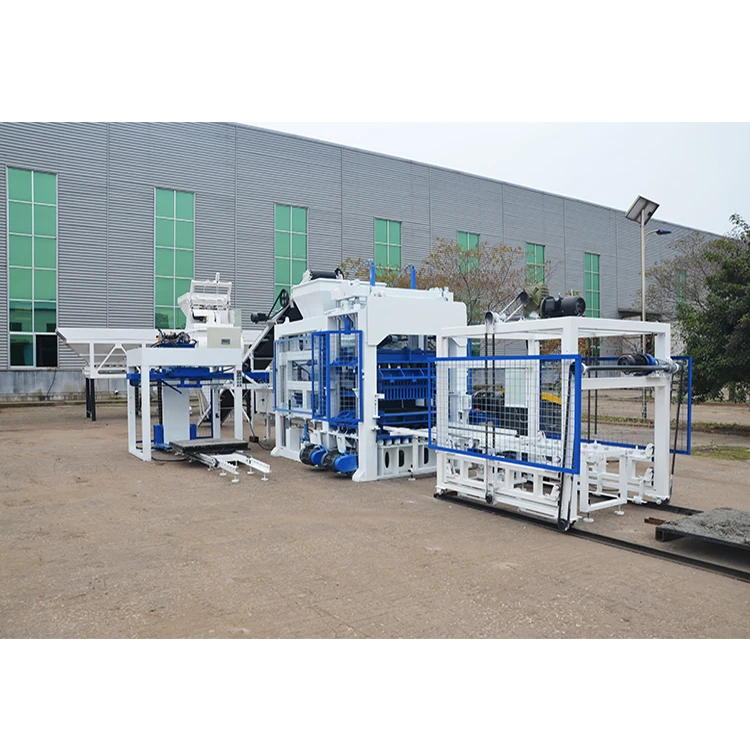
The QT6-15 is treated as one system where the press, mould, pallet, and handling specifications are cross-checked against each other, not pulled from separate catalogues. The line layout document states which block format each output figure assumes, so your capacity calculation is auditable before you sign. Mould design extends to custom formats when your market requires dimensions outside the standard five. Automation level is selectable — a buyer can start with semi-automatic pallet handling and add stacking later as volumes grow. Installation support includes operator training on the PLC interface and fault diagnosis system so the first shift runs with supervision, not guesswork.
Documentation & Verification
- Line layout with capacity calculation tied to your chosen block format and cycle time
- Mould drawing pack showing cavity count and format dimensions for each ordered mould
- Voltage, frequency, and PLC display language confirmed in the technical agreement
- Factory test record run on your specified mix design before crating
- Hydraulic and electrical schematic for your maintenance team’s reference
Installation, Commissioning & Support
- Foundation plan reflecting the 8200 × 1700 mm footprint and dynamic load from 45 kN vibration
- Dedicated electrical circuit sized for 37 kW total power with local voltage and frequency match
- Machine shipped in dismantled modules for container loading, with reassembly sequence documented
- First-run commissioning covers PLC parameter tuning to your mix and target block format
- Operator training on the touch screen HMI, fault diagnosis alerts, and safe logic interlock circuit
- Wear parts and hydraulic seal list provided with recommended replacement intervals
Before You Request a Quotation
Send the block formats your market actually sells along with the target daily output per format so the capacity calculation reflects reality. Include your local raw material type and any available gradation data so the vibration and pressure settings can be matched before the machine is built. Confirm the voltage, frequency, and preferred PLC display language at inquiry stage — these three items, settled early, prevent the most common commissioning delays.
Frequently Asked Questions
Q: How is output capacity calculated for each block format on the QT6-15?
A: Each capacity figure is based on a specific block dimension, mould cavity count, and cycle time. For example, the 400×200×200 mm hollow block uses six cavities per mould at a 15–20 second cycle to produce 1080–1440 pieces per hour. Pavers run on a longer 20–25 second cycle. Your actual shift output depends on the format mix you run and the upstream material flow.
Q: Can the QT6-15 run custom block formats beyond the five listed?
A: Yes. Custom moulds can be designed to buyer drawings, provided the format fits within the 880×850 mm pallet boundary and the press stroke allows proper compaction. Submit your block drawing with target dimensions and required compressive strength so the mould cavity layout and vibration profile can be engineered accordingly.
Q: How do vibration force and hydraulic pressure match different local aggregates?
A: The adjustable vibration frequency from zero to sixty hertz lets the operator find the setting that best compacts the available aggregate, whether it is crushed stone, river gravel, or fly ash. The independent hydraulic station provides consistent demolding pressure. Together they ensure the block reaches above 15 MPa compressive strength across different mix designs.
Q: What should I confirm about pallets before placing an order?
A: The machine uses 880×850 mm pallets. Verify that this size fits your existing curing rack spacing, that your forklift can handle loaded pallets of this dimension, and that the pallet material — whether bamboo, PVC, or steel — suits your curing method. Mismatched pallets create handling bottlenecks that slow the entire line.