Description
Capacity Transparency First — every QT4-18 output figure on this page states the exact block format it assumes, so you size the press against what your market actually sells.
Technical Specifications
| Parameter | Value |
|---|---|
| Model | QT4-18 |
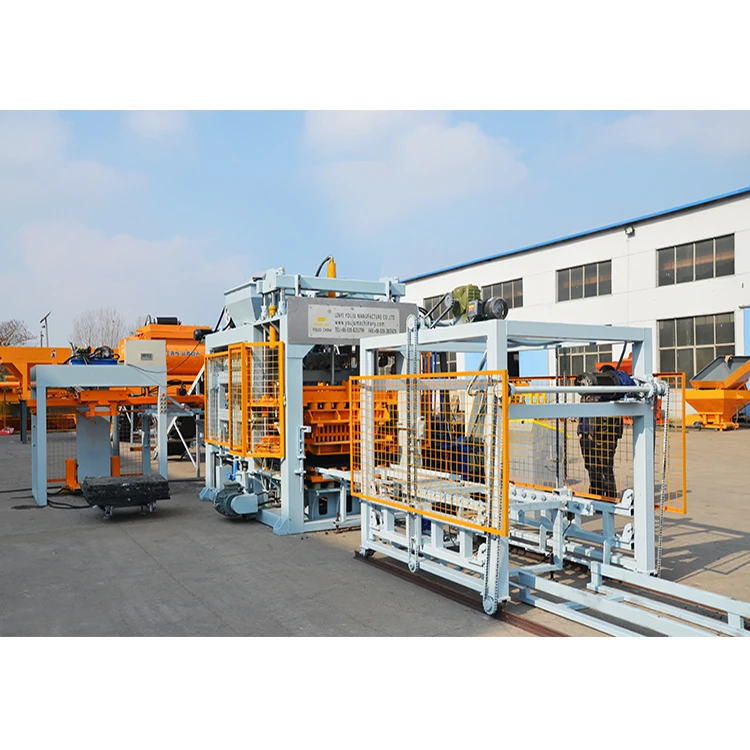
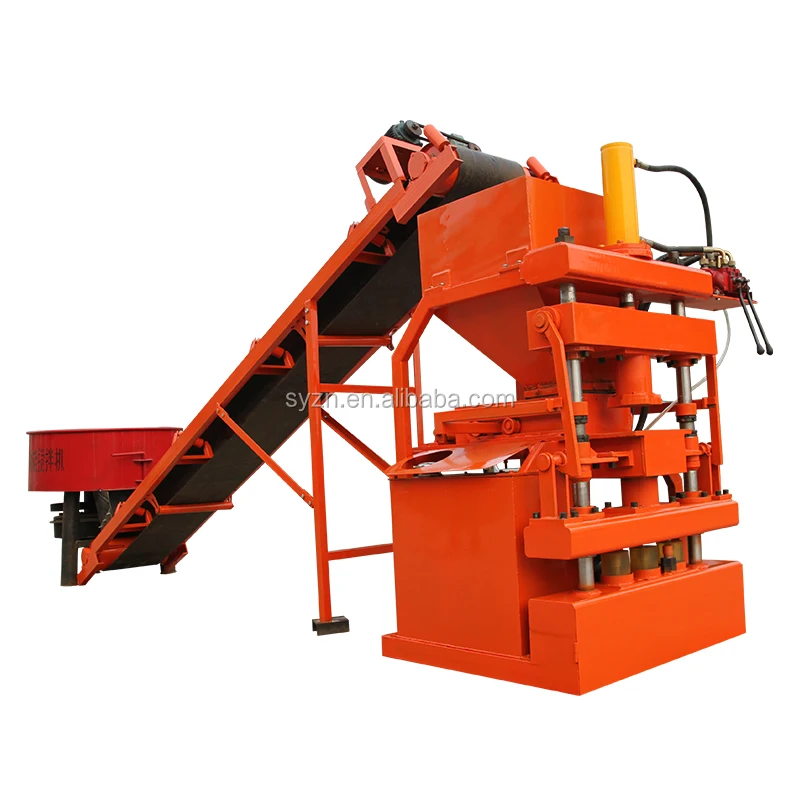
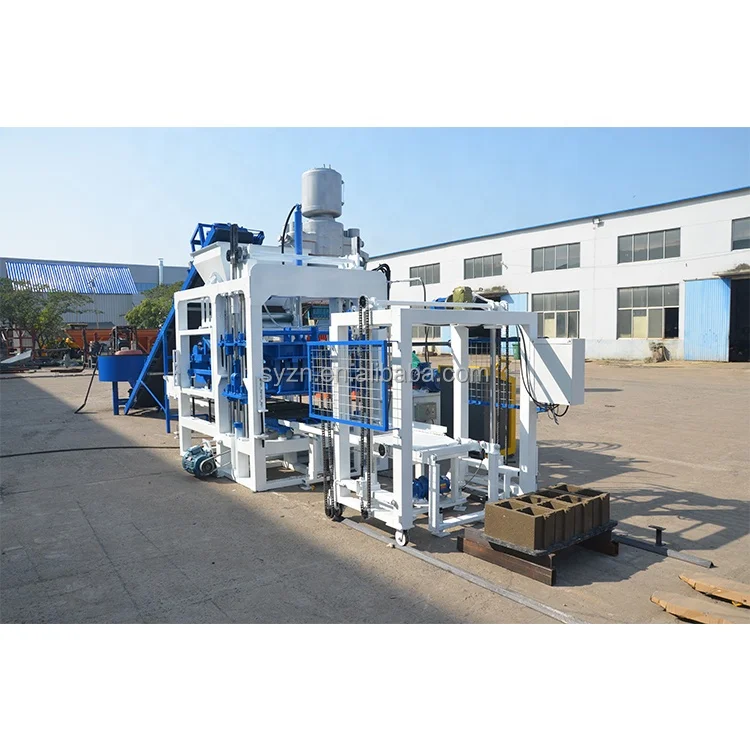
| Product Type | Hydraulic Concrete Block Making Machine |
| Overall Dimensions (L×W×H) | 3900×1600×2300 mm |
| Total Weight | 3 T |
| Rated Power | 24 kW |
| Voltage & Frequency | Configurable to buyer market (to be confirmed at inquiry) |
| Control System | Available with PLC or manual control (to be confirmed at inquiry) |
| Vibration Force | 40-50 kN |
| Molding Cycle | 15-25 s |
| Pallet Size | 850×550×25 mm |
| Mixer Model | JQ350 |
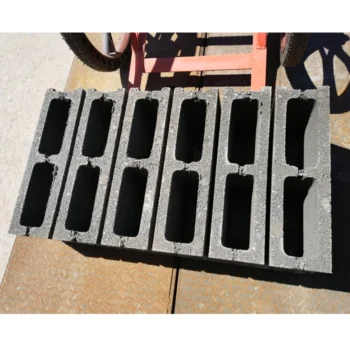
| Mould Formats | Hollow block, solid brick, paver, curbstone |
| Automation Level | Semi-automatic |
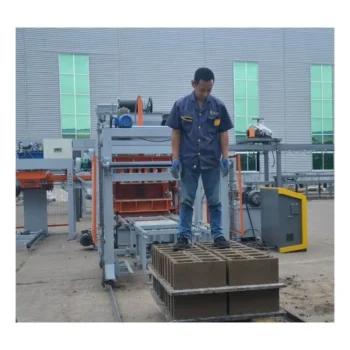
| Stacking Method | Automatic stacker with trolley transfer |
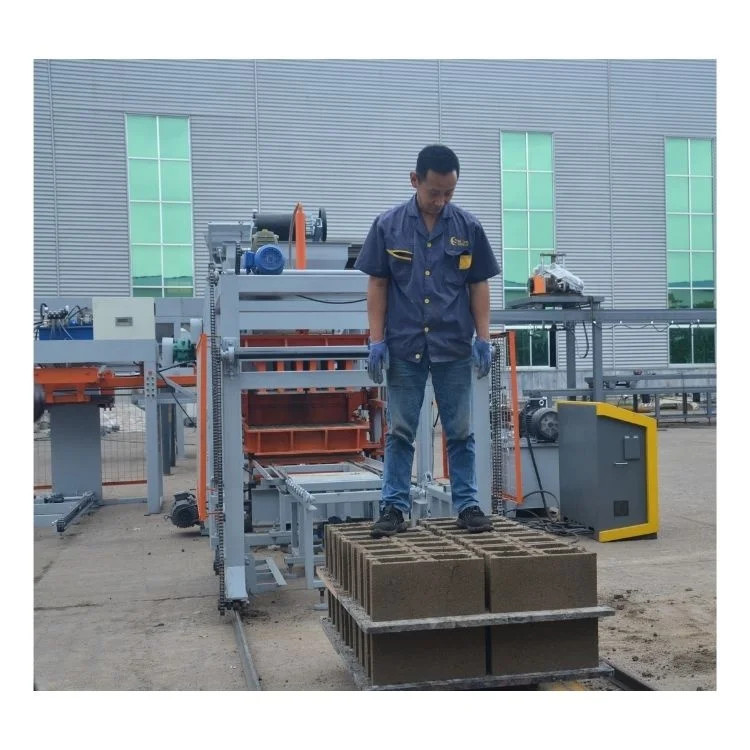
| Output Capacity (Hollow Block) | 1200-1680 pcs/hr based on 400×200×200 mm, 4 pcs/mould, 15-20 s cycle |
| Output Capacity (Hollow Block) | 1800-2400 pcs/hr based on 400×150×200 mm, 15-20 s cycle |
| Output Capacity (Solid Brick) | 3240 pcs/hr based on 240×115×53 mm, 15-20 s cycle |
| Daily Output (8 hr) | 9600-13440 pcs based on 400×200×200 mm hollow block |
| Daily Output (8 hr) | 14400-19200 pcs based on 400×150×200 mm hollow block |
| Daily Output (8 hr) | 16200-19440 pcs based on 240×115×53 mm solid brick |
| Raw Materials | Crushed stone, sand, cement, stone dust, fly ash |
| Assembly & Shipment | Complete unit, nude packing in 20GP container |
Application Suitability
| Application | Material or Output |
|---|---|
| Hollow block production for masonry walls | Crushed stone, sand and cement at standard aggregate gradations |
| Solid brick production for load-bearing structures | Cement, sand and stone dust blends |
| Paving block production for walkways and yards | Fly ash, crushed stone and cement mixes |
| Curbstone production for road edging | High-cement-content mixes with coarse aggregate |
| On-site block production for housing projects | Locally sourced sand and aggregate with cement |
What "1200 Pieces per Hour" Leaves Out
The number only matters if the block format behind it matches the one your customers are buying.
When I first started quoting hydraulic block making machines, I would send out capacity sheets showing a single headline number. Buyers would compare that number across suppliers and pick the highest one. Months later, one customer in a Middle Eastern market called to say his daily output fell well short of expectation. The reason was simple: our QT4-18 block machine specifications quoted capacity on a 400×200×200 mm hollow block, but his market had shifted to a lighter 400×150×200 mm format and a volcanic ash aggregate that changed the mix behavior entirely. The vibration force and hydraulic pressure were no longer matched to his material, and block strength suffered [NEED_CITE: aggregate variation effects on concrete block density]. That experience changed how I present capacity. Every figure on this page names the format, mould cavity count and cycle time it assumes.
Matching Cycle Time to Your Target Block Format
The QT4-18 runs a 15-25 second molding cycle depending on block height and mix consistency. For a standard 400×200×200 mm hollow block with four cavities per mould, the press delivers between 1200 and 1680 pieces per hour at that cycle. Drop the block height to 150 mm and the same machine completes the fill and compression phase faster, pushing output to 1800-2400 pieces per hour on the same pallet footprint. The QT4-18 block machine specifications on this page carry these format assumptions so you can match them directly to the sizes your market orders most often.
Where Semi-Automatic Fits on the Automation Ladder
This press ships as a semi-automatic line with an automatic stacker that places bricks on the pallet and transfers them via trolley. Raw material mixing is handled by the included JQ350 mixer, while pallet feeding and cured-block handling remain manual. That keeps the initial investment contained while leaving a clear upgrade path — buyers who later add automatic pallet feeding and cubing do so without replacing the host machine [NEED_CITE: typical upgrade paths for semi-automatic block plants]. The semi-automatic configuration suits first-time plant operators who need to learn the process before scaling.
Reading the Specs That Actually Shape Block Quality
The vibration force on the QT4-18 is rated at 40-50 kN, delivered through the bed mould with upper mould compression vibration working simultaneously. This dual-action compaction is what determines whether a hollow block reaches the compressive strength your local building code requires — vibration alone without sufficient hydraulic pressure leaves voids in the wall, while pressure without adequate vibration fails to consolidate fine aggregate. The 850×550×25 mm pallet size is another figure worth checking early. It must match the curing rack dimensions and forklift tine spacing you already have on site, or you end up replacing handling equipment to accommodate the machine rather than the other way around. The 24 kW rated power means the press can typically run from a standard industrial supply, but voltage and frequency must be confirmed before the electrical panel is wired.
The Cost of Skipping the Mix Test
I once worked on a shipment where the buyer provided no sample of his local aggregate before we configured the press. The machine arrived and produced blocks that crumbled under handling. The local sand had a much higher fines content than the standard silica sand we had used during factory testing, and the vibration settings were wrong for that material. The buyer lost weeks of production while we adjusted the hydraulic pressure and vibration parameters remotely [NEED_CITE: importance of pre-commissioning mix trials for block machines]. Every order now starts with a mix sample from the buyer’s actual source before we lock in the QT4-18 block machine specifications for production.
Why Source This Press Through a Format-Focused Supplier
Block machinery is the single product focus here, which means the host machine, mould, pallet and handling equipment are specified as one matched system rather than assembled from unrelated vendors. The QT4-18 is configured against your actual mix design and target block format, not set to a catalogue default and shipped. Moulds are designed and supplied for the specific formats your market demands, including custom drawings when standard sizes do not match. The documentation package includes a line layout with capacity calculation that states the block format assumed for each output figure, so there is no ambiguity at installation. Pallet size and material are confirmed against your curing area before the order is finalized.
Documentation & Verification
- Line layout and capacity sheet stating block format behind every output figure
- Mould drawing and format list matched to your target block sizes
- Pallet specification sheet confirming size, material and load rating
- Hydraulic and electrical schematic for your confirmed voltage and frequency
- Factory test record run on your raw material sample before dispatch
- Operation and maintenance manual with wear parts and mould replacement list
Installation, Commissioning & Support
- Foundation pad must support the 3 T total weight and vibration load across the 3900×1600 mm footprint
- Dedicated electrical circuit required for the 24 kW rated power at your confirmed voltage and frequency
- Shipped as a complete unit in a single 20GP container for straightforward unloading
- On-site commissioning includes vibration force and hydraulic pressure tuning to your mix sample
- Operator training covers mould change procedure and daily maintenance checkpoints
- Wear parts and mould list provided with recommended replacement intervals
Before You Send the Inquiry
To size the QT4-18 correctly, share the block formats your market sells most — including exact dimensions and target compressive strength. Provide a sample or description of your locally available aggregate and cement type so the vibration and pressure settings can be matched. Confirm your site voltage, frequency and preferred control language, along with the curing area layout and any existing forklift or handling equipment, so the pallet specification is compatible from day one [NEED_CITE: voltage and frequency standards by export market].
Frequently Asked Questions
Q: How is the QT4-18 output capacity calculated, and which block format is each figure based on?
A: Every capacity figure on this page states the block format, cavity count and cycle time behind it. For example, 1200-1680 pieces per hour assumes a 400×200×200 mm hollow block at four pieces per mould with a 15-20 second cycle. Daily output is derived from an eight-hour shift on that same format.
Q: What pallet size does the QT4-18 use, and can I use pallets I already have?
A: The QT4-18 uses an 850×550×25 mm pallet. If your existing pallets match this dimension and can withstand the vibration and hydraulic load, they may be compatible. Share your current pallet specification so we can confirm before the order.
Q: What voltage, frequency and control language options are available for my market?
A: The electrical system is configured after your voltage, frequency and control language are confirmed at the inquiry stage. The control panel can be supplied with PLC or manual control depending on your preference, and display language is matched to your operators.
Q: Can the QT4-18 be upgraded from semi-automatic to a higher automation level later?
A: Yes. The host machine and pallet system are designed to accept automatic pallet feeding and cubing additions later without replacing the press. Many buyers start with the semi-automatic configuration and add automation as production volume grows.
Q: How does the local raw material affect the machine setup?
A: Aggregate type, gradation and fines content change the vibration and pressure settings needed for consistent block strength. We request a sample of your local material before production so the QT4-18 can be tuned to your actual mix, not a generic default [NEED_CITE: aggregate testing standards for concrete block production].