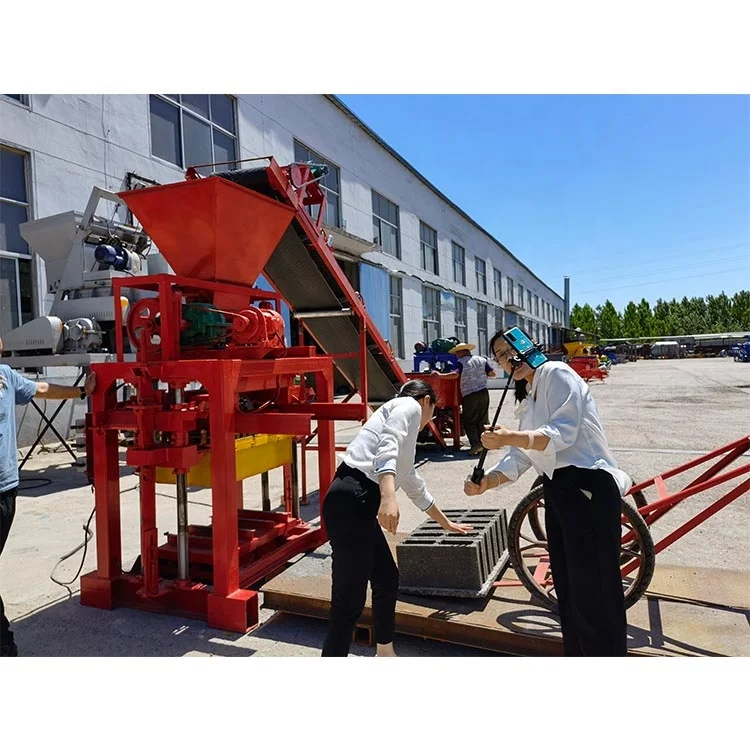
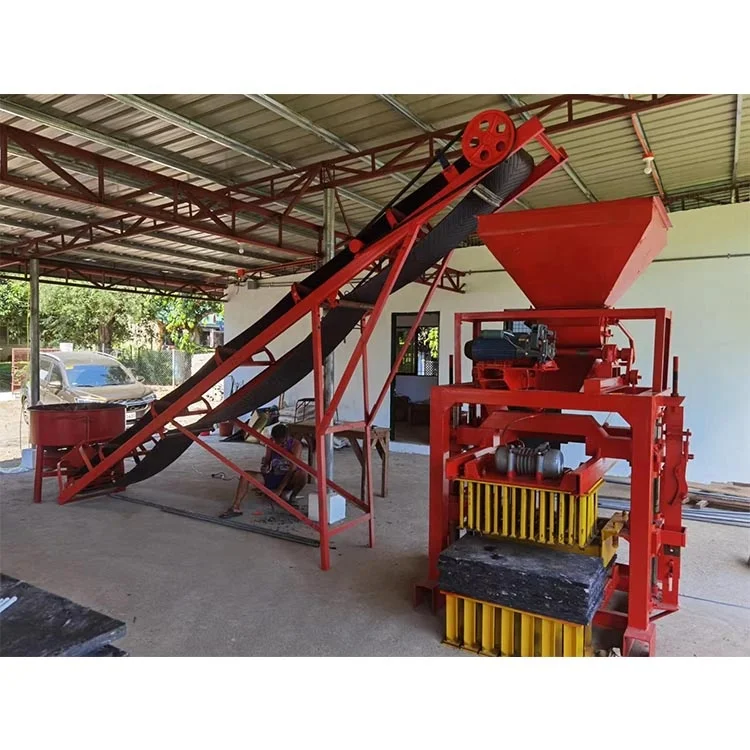
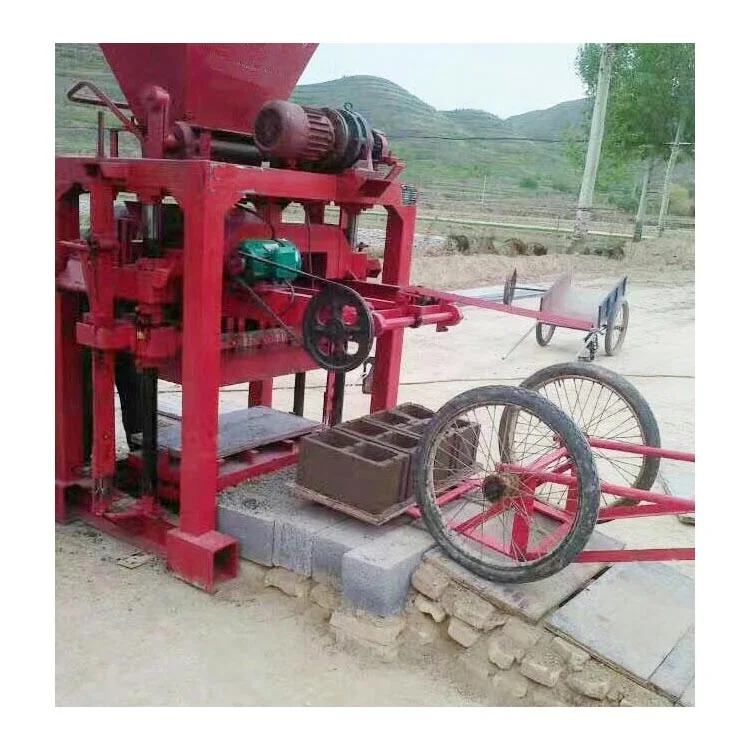
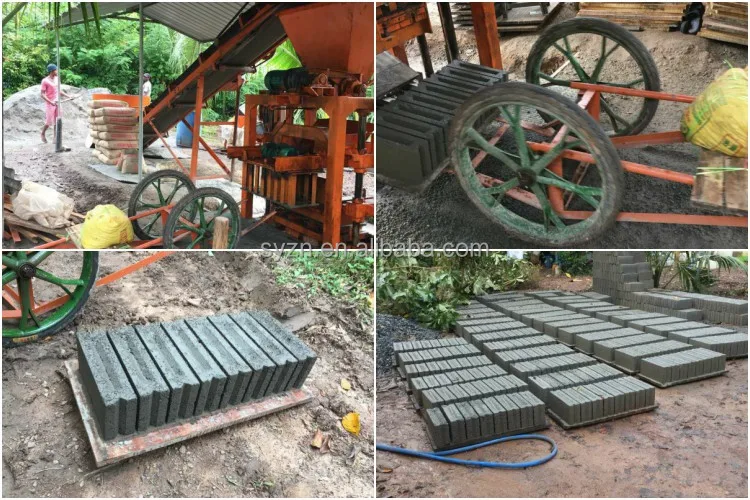
Description
Honest Capacity by Format — The QTJ4-35 block machine is specified against the buyer’s actual block format and local aggregate, so daily output can be projected honestly before purchase rather than guessed from a single headline number.
Technical Specifications
| Parameter | Value |
|---|---|
| Model | QTJ4-35 |
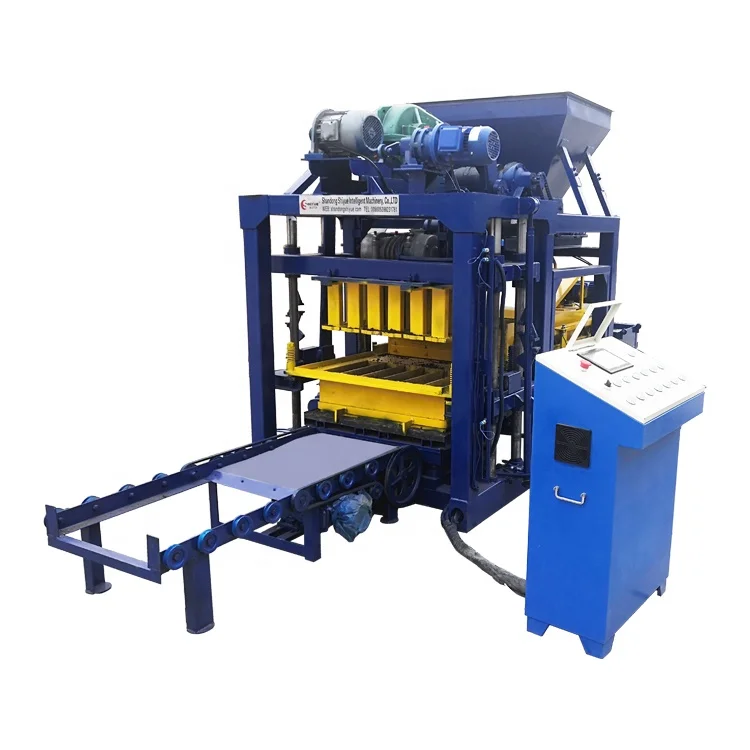
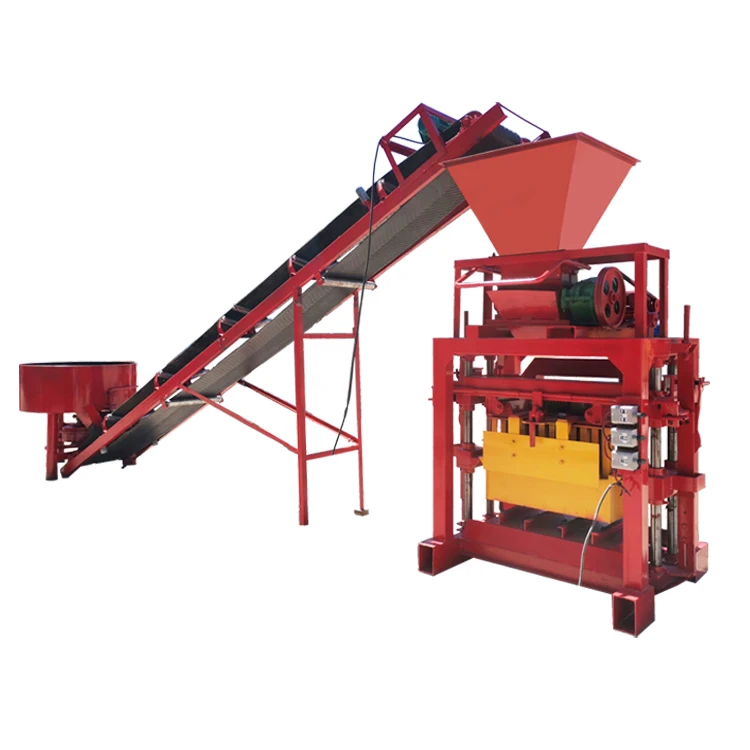
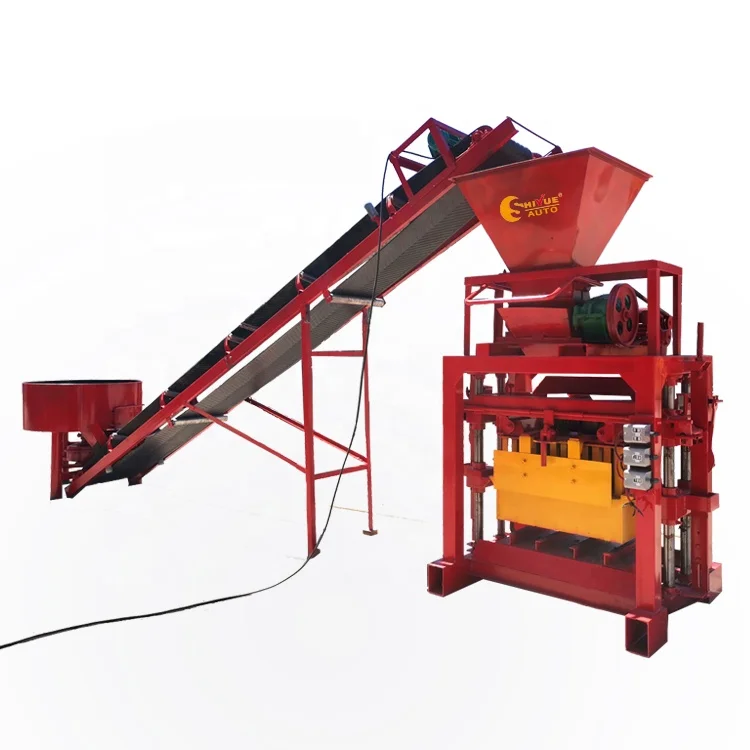
| Product Type | Small Concrete Block Making Machine |
| Overall Dimensions (L×W×H) | 1350×1460×1800 mm |
| Molding Cycle | 35 s |
| Vibration Frequency | 2800 r/min |
| Vibration Force | 30 kN |
| Total Power | 11.15 kW |
| Mixer Model | JQ350 |
| Pallet Size | 850×450×20 mm |
| Net Weight | 1500 kg |
| Applied Products | Concrete hollow block (8 inch, 6 inch), solid brick |
| Raw Materials | Crushed stone, sand, cement, dust, fly ash |
| Output Capacity (Hollow Block 400×200×200 mm) | 408 pcs/h, 3264 pcs/8h (4 pcs/mould) |
| Output Capacity (Hollow Block 400×150×200 mm) | 510 pcs/h, 4080 pcs/8h (5 pcs/mould) |
| Output Capacity (Solid Brick 240×115×53 mm) | 2100 pcs/h, 17000 pcs/8h (18 pcs/mould) |
| Frame Construction | Four-lead, channel steel stander |
| Mould Compression | Upper mould and bottom mould compression |
| Voltage & Frequency | Basis to be confirmed with buyer |
| Control System | Basis to be confirmed with buyer |
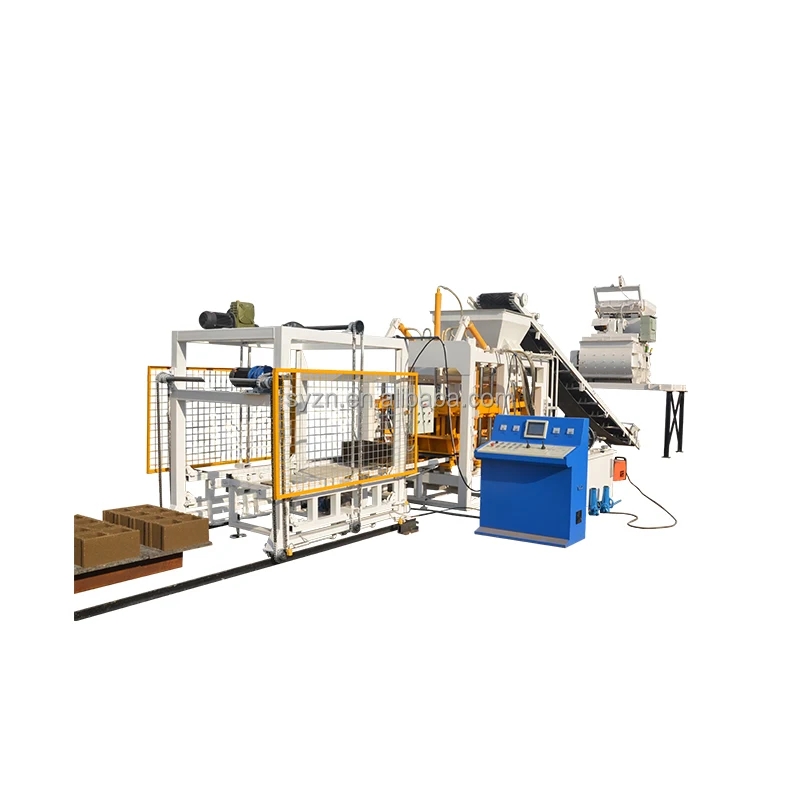
| Automation Level | Semi-automatic / Manual pallet handling |
Application Suitability
| Application | Material or Output |
|---|---|
| Small-scale block plant producing 8-inch hollow blocks for local masonry market | Crushed stone, sand, and cement mix on 850×450 mm pallets |
| On-site solid brick production for housing or development projects | Cement, fly ash, and dust with manual pallet transfer |
| First block machine investment for an entrepreneur with limited plant footprint | Semi-automatic operation handling 4 to 18 pieces per mould depending on format |
What "Capacity Per Hour" Leaves Out When Sizing a QTJ4-35 Block Machine
The same machine produces 408 hollow blocks per hour or 2100 solid bricks per hour — the format you sell determines the number that matters.
I have seen buyers compare two machines using a single cycles-per-hour figure and choose the one that appeared faster on paper. The problem is that a mould pressing four large hollow blocks in one cycle and a mould pressing eighteen small solid bricks in the same cycle show completely different hourly totals, even though the press itself is identical. When the buyer’s actual market format is not the one the sales sheet assumed, the daily output falls noticeably short of the projected figure [NEED_CITE: block machine capacity calculation standards by format].
Mould Selection Defines the Real QTJ4-35 Block Machine Specifications
The press completes one molding cycle in 35 seconds regardless of the block format loaded. What changes is the number of cavities in the mould. A 400×200×200 mm hollow block mould carries four cavities, while a 240×115×53 mm solid brick mould carries eighteen. Matching the mould to the format your local construction market actually buys is the single most important decision before the machine is built, because it sets the ceiling for daily output.
Cycle Time, Pallet Size, and the Space You Already Have
The 850×450×20 mm pallet is the platform that carries the freshly pressed blocks into the curing area. If your existing curing racks or forklift are sized for a different pallet dimension, every block has to be re-stacked by hand after pressing, adding labour the quotation did not account for [NEED_CITE: pallet handling compatibility in block plants]. Confirming pallet size against your current curing layout before the machine ships avoids that hidden cost once the QTJ4-35 block machine specifications are locked in.
Reading the Numbers That Actually Matter
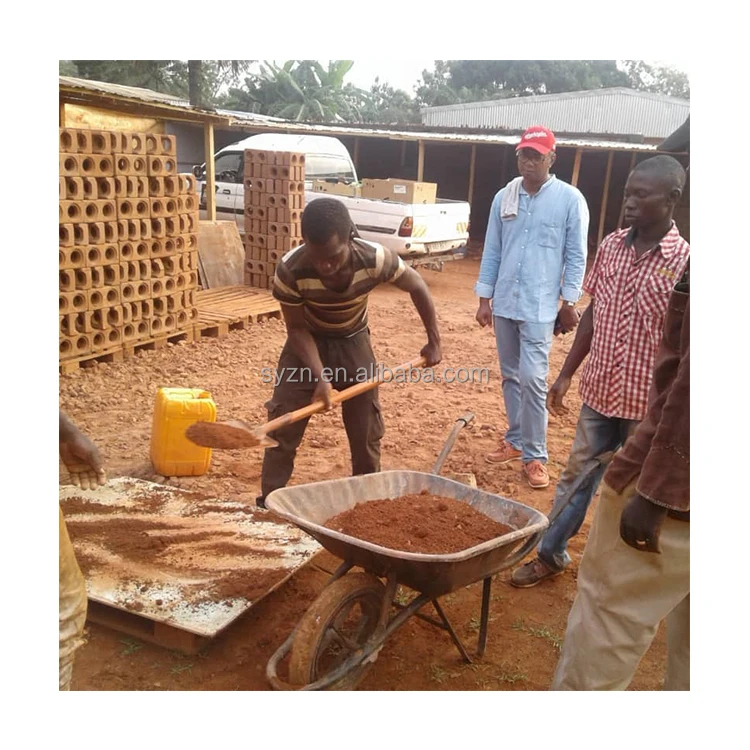
The 30 kN vibration force and 2800 r/min frequency work together with the upper and bottom mould compression to compact the mix into a dense, uniform block. A four-lead channel steel frame keeps the vibration energy directed into the mould rather than dissipated into the floor, which supports consistent block density across every cavity on the pallet. The JQ350 mixer prepares each batch, and the mix design — the ratio of crushed stone, sand, cement, and fly ash — is where block strength is truly determined. If the mix is designed around an aggregate you cannot source locally, the blocks will either be weaker than expected or you will spend more on material substitution.
The Cost of Skipping Format Confirmation
When a buyer orders a machine configured for a mix design that relies on a specific grade of sand unavailable at the project site, the first production run yields blocks that crumble under hand pressure. Adjusting the vibration force and ratio after arrival takes weeks of trial batches, raw material waste, and lost production time. In one case I worked on, a buyer’s local red soil required a different compaction approach than the standard setting, and getting the strength right consumed an extra two weeks on site that could have been resolved with a sample test before shipment [NEED_CITE: aggregate testing before block machine commissioning].
Why Specify the Line Here
Block machinery is our single focus, so the machine, mould, pallet, and handling equipment are specified as one matched system. The QTJ4-35 configuration is set against your actual mix design, local aggregate, and target block format rather than a catalogue default. Mould design covers the formats your market sells, and custom drawings are accepted when your buyers demand a non-standard size. The automation level is selectable, so you can start with semi-automatic manual pallet handling and plan an upgrade path later. Factory testing uses your confirmed block format before the machine leaves the workshop.
Documentation & Verification
- Line layout and capacity calculation stating the block format assumed for the QTJ4-35
- Machine specification sheet with vibration force and cycle time cross-referenced to your target format
- Mould drawing and format list confirming which moulds ship with the machine
- Pallet specification showing 850×450×20 mm dimensions matched to your curing area
- Voltage and control language confirmation signed off before production begins
- Factory test record on your confirmed block format and mix before dispatch
Installation, Commissioning & Support
- Foundation pad sized for the 1350×1460 mm footprint with level tolerance specified
- Dedicated power circuit for the 11.15 kW total draw with voltage and frequency confirmed pre-build
- Machine arrives as one skid unit with mixer, reducing on-site assembly time
- First-run commissioning includes vibration force tuning to your local aggregate mix
- Operator training covers mould change procedure and daily maintenance checkpoints
- Wear parts and mould list provided for first replacement planning
What to Include in Your Inquiry
Send the block format your local construction market buys most — hollow block dimensions, solid brick size, or a custom profile drawing if you need something non-standard. Include a sample or description of your locally available aggregate so the mix design can be matched before the machine is built. Confirm your site voltage, frequency, and the language you need on the control interface so commissioning is not delayed after the QTJ4-35 arrives [NEED_CITE: electrical standards for imported industrial machinery].
Frequently Asked Questions
Q: How is QTJ4-35 capacity calculated per block format, and why does output differ between hollow block and solid brick?
A: The molding cycle is 35 seconds regardless of format. Output differs because the number of cavities in the mould changes — four for a large hollow block, eighteen for a small solid brick. We state capacity per format so the figure matches the block you actually sell, not a generic cycles-per-hour number.
Q: Can the machine be configured for my local aggregate and mix design, and how does that affect block strength?
A: Yes. Before the machine ships, we review your local aggregate type and available materials. The vibration force and mix ratio are adjusted together so the compaction energy matches what your specific materials need to reach the required block strength.
Q: What pallet size does the QTJ4-35 use, and is it compatible with my existing curing area and forklift?
A: The standard pallet is 850×450×20 mm. We confirm this dimension against your curing rack spacing and forklift capacity before production so blocks move from press to curing without manual re-stacking.
Q: How long does a mould change take, and what block formats can be added later?
A: Mould change is a manual process on this semi-automatic tier and takes a portion of a shift including alignment and test pressing. Additional moulds for other formats can be ordered later and are designed to fit the same 850×450 mm pallet platform.
Q: What voltage, frequency, and control language options are confirmed before shipment?
A: Voltage, frequency, and the control display language are confirmed with you before production begins. This is locked into the build so the machine powers up correctly on your site and the operator can read all prompts in their working language.