

Description
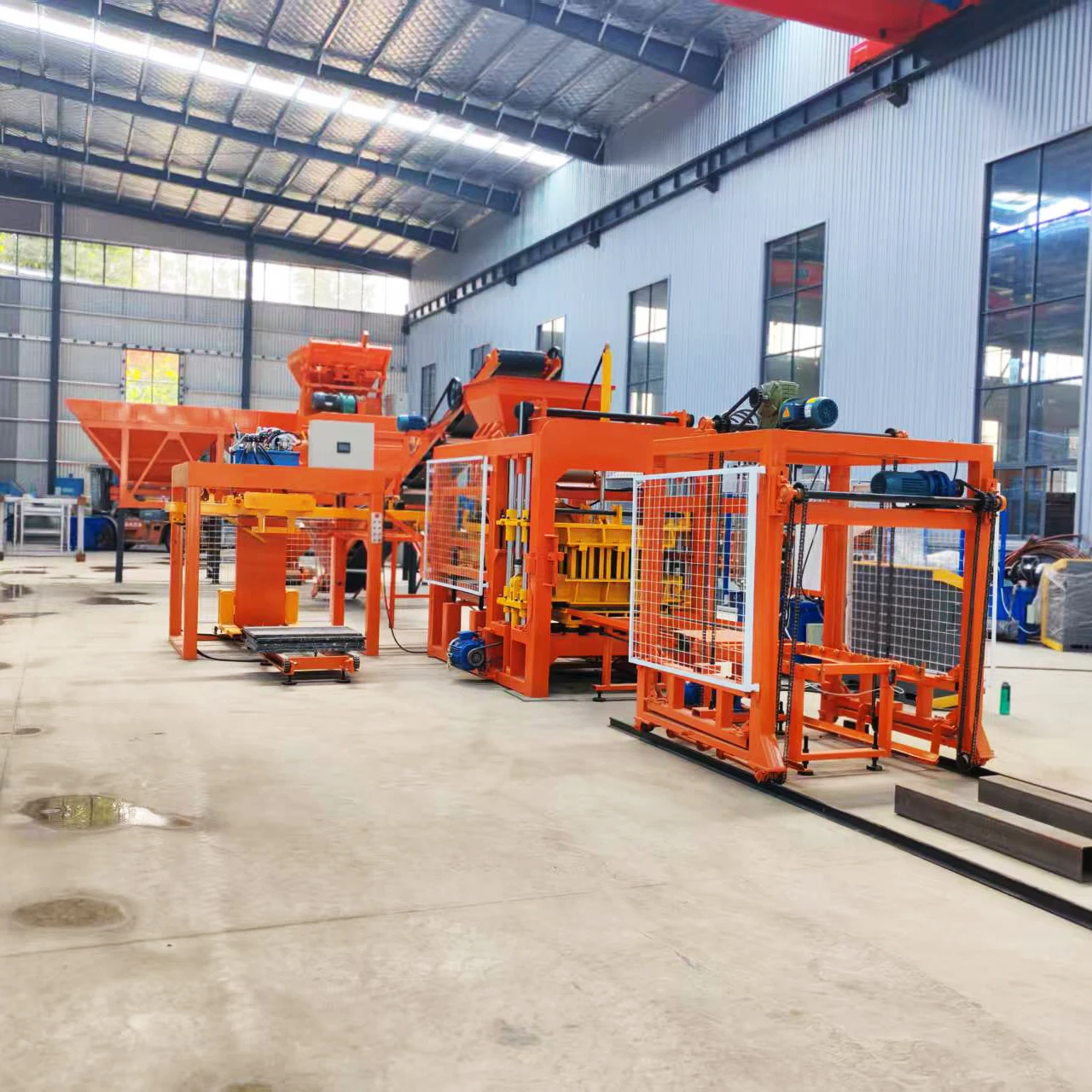
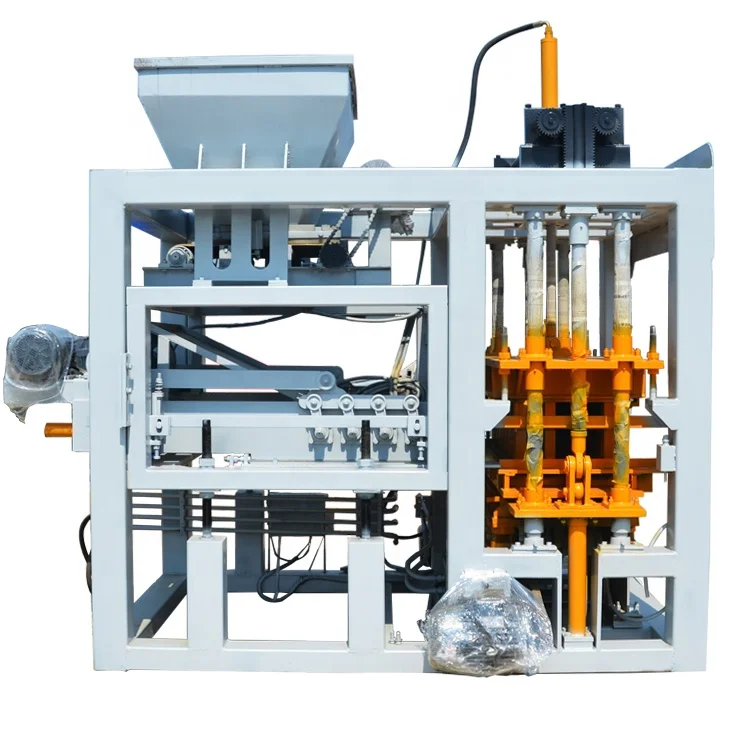
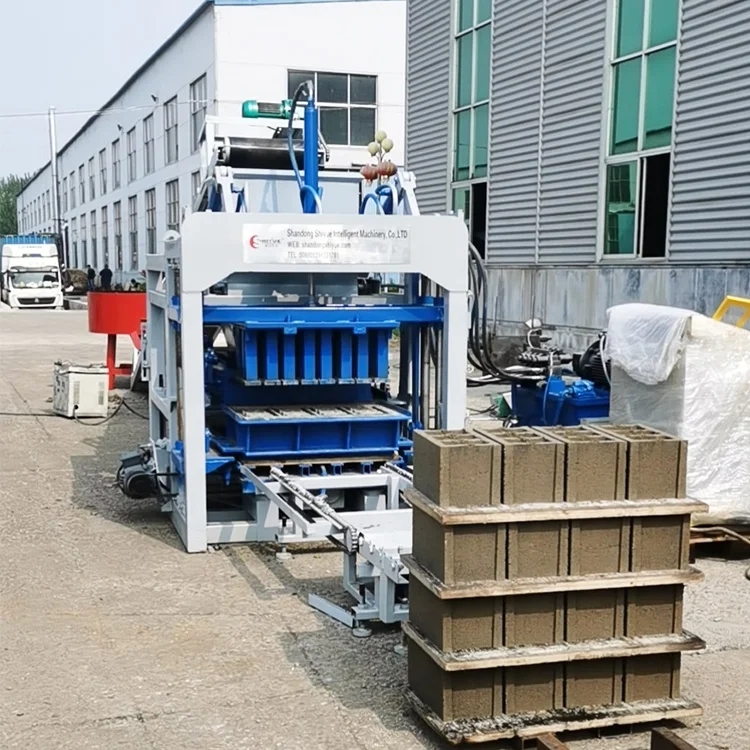
Matched System Specification — The QT415 block making machine is configured against your actual mix design, local aggregate and target block format rather than shipped as a catalogue default.
Technical Specifications
| Parameter | Value |
|---|---|
| Model | QT415 |
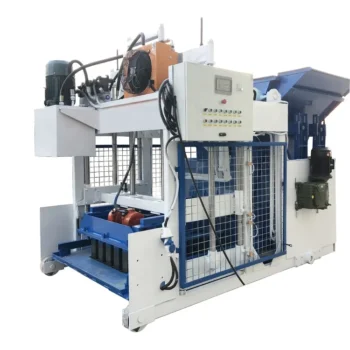
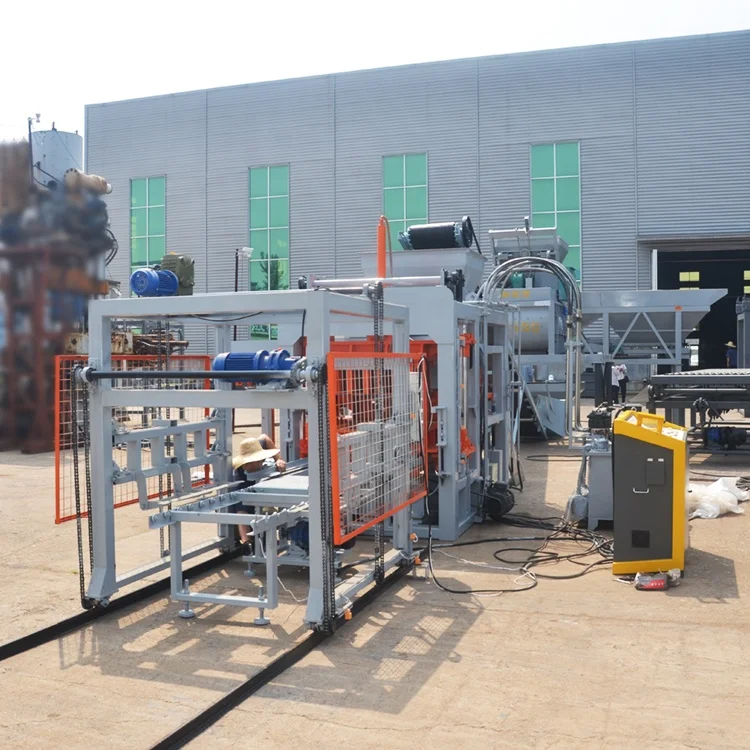
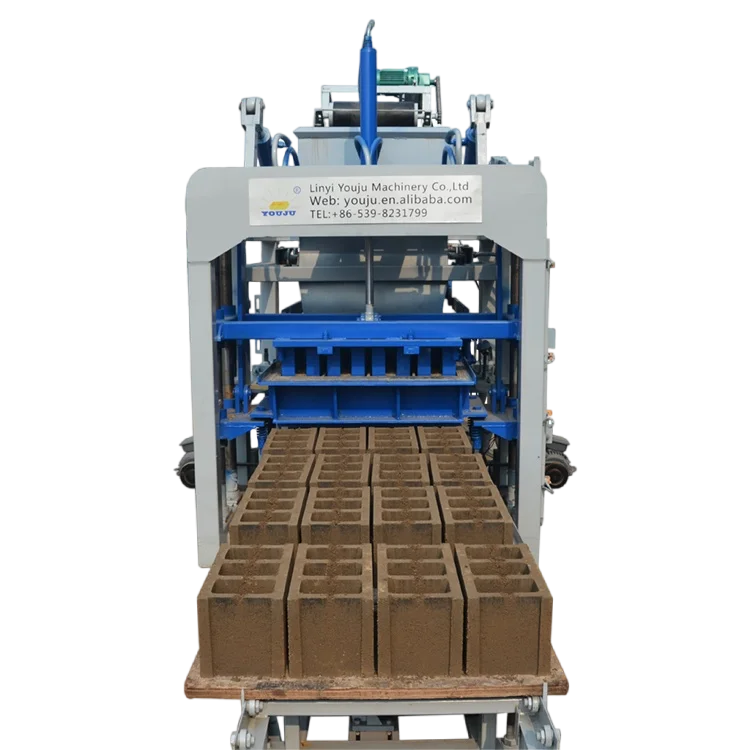
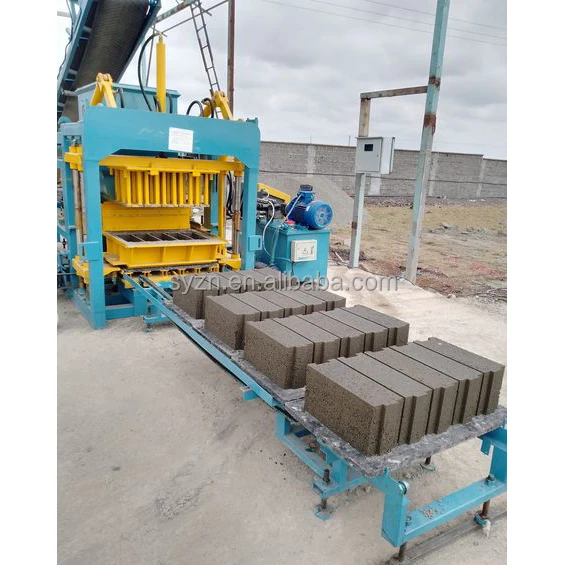
| Product Type | Full Automatic Concrete Block Making Machine |
| Overall Dimensions (L×W×H) | 4100×1600×2600 mm |
| Total Mass | 4 T |
| Rated Pressure | 16–21 MPa |
| Main Vibration Form | Platform Vibration |
| Vibration Frequency | 4200 r/min |
| Vibration Force | 55 kN |
| Overall Power | 18.45 kW (source value written as 18.45W — verify against manufacturer catalog) |
| Molding Cycle | 25–30 s (basis not stated in source — confirm block format / material / thickness) |
| Demolding Method | Hydraulic |
| Pallet Size | 880×550 mm |
| Automation Level | Full automatic |
| Control System | PLC (implied by "Full automatic", specific brand/model not stated) |
| Recommended Factory Area | 300 m² |
| Raw Materials | Crushed stone, sand, cement, dust, fly ash, gravel, slag |
| Loading | 1×40HQ container (for basic equipment) |
| Mould Customization | Available per customer drawings |
| Warranty | 1 year (whole machine, excluding spare parts) |
Application Suitability
| Application | Material or Output |
|---|---|
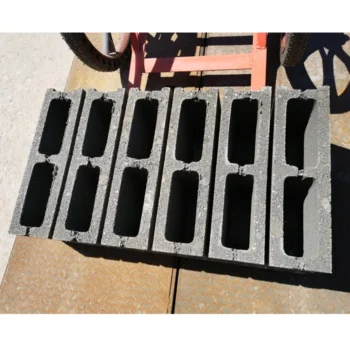
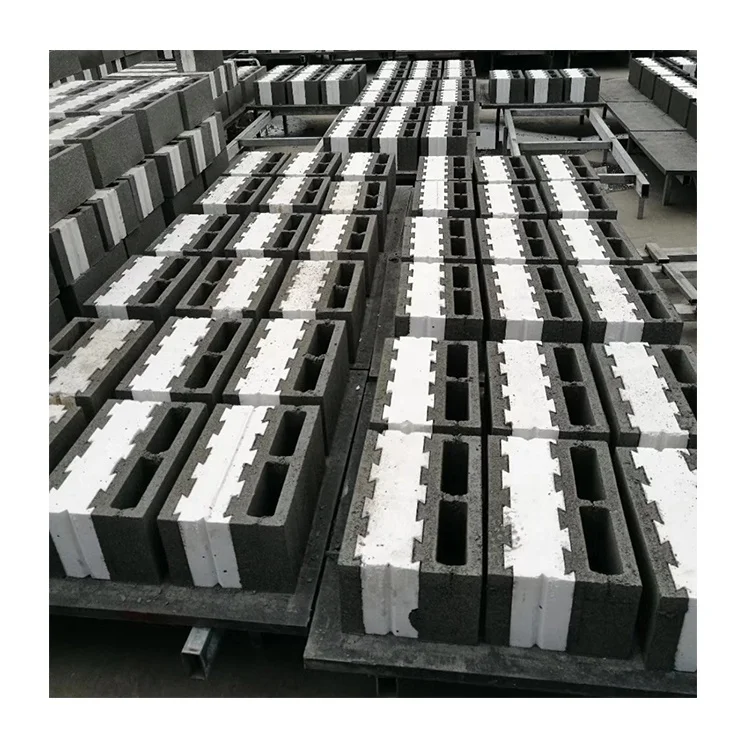
| Hollow block production for residential and commercial walls | Crushed stone, sand, cement and fly ash blends |
| Solid block manufacturing for load-bearing structures | Dense aggregate mixes with cement |
| Paving block and colored paver production | Fine aggregates with pigment additives |
| Interlocking brick and kerbstone forming | Gravel, slag and cement combinations |
Why Cycle Time Means Nothing Without the Block Format
A cycle time figure is only useful when tied to the exact block format you intend to sell.
Buyers often see "25-30 seconds" on a specification sheet and assume that pace holds for every product in their range. In reality, a thin interlocking paver may complete its press cycle at the lower end of that band, while a tall hollow block with deep cores requires extended vibration to achieve uniform density. If your quotation quotes capacity based on a format you do not actually sell, your daily output will fall well short of the number on paper. The QT415 block machine specifications must therefore be read alongside a format-specific capacity calculation before any purchasing decision is made. [NEED_CITE: block format impact on cycle time in hydraulic press operations]
Platform Vibration and Local Aggregate Matching
The QT415 uses platform vibration at 4200 r/min delivering 55 kN of vibration force. This specification matters because different aggregates respond to different vibration profiles. A clean, angular crushed stone compacts efficiently under high-frequency platform vibration, while a locally sourced material with higher fines content may require adjusted amplitude to avoid segregation. Matching vibration parameters to your actual raw material is a prerequisite for consistent block strength across every shift.
Pallet Size as a Production Bottleneck
The 880×550 mm pallet determines how many blocks fit per cycle for each format, and it also defines the curing rack dimensions and forklift capacity you need on site. A pallet size chosen without reference to your existing curing area creates unnecessary double-handling. Before confirming the order, verify that the pallet material — typically bamboo, steel or PVC — suits your local climate and the weight your curing system can manage. The concrete block machine capacity by format calculation must begin with this pallet dimension as the fixed constraint. [NEED_CITE: pallet material durability in tropical curing environments]
Reading the Hydraulic and Vibration Specifications
The rated pressure of 16–21 MPa works together with the 55 kN vibration force to determine the compaction density of each block. Higher hydraulic pressure compresses the mix before vibration begins, reducing the void ratio in the finished product. Vibration frequency at 4200 r/min is effective for mid-range block heights, but very tall hollow blocks may need a longer vibration dwell to ensure the bottom of the mould is fully consolidated. The 18.45 kW overall power rating reflects the combined demand of the hydraulic pump, vibration motors and PLC-controlled conveyors running simultaneously. Selecting the correct pressure setting for your target block strength avoids over-compaction, which wastes energy and accelerates mould wear, or under-compaction, which produces blocks that fail drop tests.
The Cost of Skipping Format-Specific Configuration
When vibration force and hydraulic pressure are not matched to the buyer’s mix design and local aggregate, block strength becomes inconsistent from batch to batch. Production teams spend time adjusting press settings mid-shift instead of running steady output. Moulds wear prematurely because the compaction parameters were set for a different material profile. These issues compound over weeks of operation and are difficult to trace back to the original configuration gap. [NEED_CITE: mould wear acceleration from mismatched compaction parameters]
Why Sourcing the QT415 Here Reduces Specification Risk
The machine, mould, pallet and handling equipment are specified as one matched system rather than assembled from separate suppliers, eliminating interface mismatches at commissioning. Configuration is set against the buyer’s actual mix design and target block format, not a catalogue default that collapses when production switches products. Mould design covers every format the buyer’s market demands, including custom drawings for non-standard dimensions. Automation level is selectable, allowing a plant to start semi-automatic and add automatic stacking later without replacing the press. Voltage, frequency and PLC display language are confirmed before production begins, removing the most common cause of delayed commissioning on arrival.
Documentation & Verification
- Line layout showing block format assumptions for each output tier
- Mould drawing confirming every format fits the 880×550 mm pallet
- Voltage and PLC display language confirmation sheet before production
- Factory test record with block samples from your proposed mix
- Hydraulic and electrical schematic for local maintenance teams
- CE declaration where applicable to your import market
Installation, Commissioning & Support
- Foundation plan matched to the 4100×1600 mm footprint and 4 T mass
- Power supply verification for 18.45 kW load on dedicated circuit
- Machine arrives dismantled for 40HQ container loading, reassembled on site
- Vibration frequency and hydraulic pressure calibrated to your mix design
- PLC interface set to operator language before first production run
- Wear parts list covering mould liners and hydraulic seals for first year
Preparing Your Technical Inquiry
To receive a configuration that reflects your actual production needs, share the block formats your market demands, the daily output target per format, and a sample or description of your local aggregate source. Specify the voltage and frequency standard at your site, the PLC display language your operators require, and whether your existing curing area and forklift fleet constrain the pallet specification. These details allow a capacity calculation per format rather than a generic output claim.
Frequently Asked Questions
Q: How is QT415 output calculated per block format, and what cycle time applies to hollow blocks versus pavers?
A: Output is calculated by multiplying the blocks per pallet, the confirmed cycle time for that specific format, and the effective operating hours per shift. Hollow blocks typically require longer vibration dwell than thin pavers, so the 25–30 second molding cycle range applies differently depending on block height and core depth. A format-specific calculation is provided before quotation.
Q: What mould change time should I budget when switching between formats on the same shift?
A: Mould change time depends on the quick-release mechanism specified and the operator’s familiarity with the procedure. Switching between similar formats is faster than moving from a hollow block to a dense paver mould. Budget time should be confirmed during commissioning training so shift planning reflects actual changeover duration.
Q: How do I confirm the vibration force and hydraulic pressure are matched to my local aggregate?
A: Provide a description or sample of your local aggregate, including fines content and maximum particle size. The vibration amplitude and hydraulic pressure settings are then calibrated during factory testing using your proposed mix design. Block samples from that test are shared for strength verification before the machine ships.
Q: Which pallet size and material should I specify based on my curing area and forklift capacity?
A: The standard 880×550 mm pallet must align with your curing rack spacing and forklift tine width. Pallet material — bamboo, steel or PVC — is selected based on local humidity, expected lifespan and the load your handling system can manage. These constraints are confirmed during the layout planning stage.
Q: What documentation verifies voltage, control language and PLC configuration before dispatch?
A: A voltage and control language confirmation sheet is signed before production begins. The PLC display language, electrical schematic and factory test record all reflect the confirmed configuration. These documents travel with the shipment and are referenced during on-site commissioning to verify settings match the agreement.