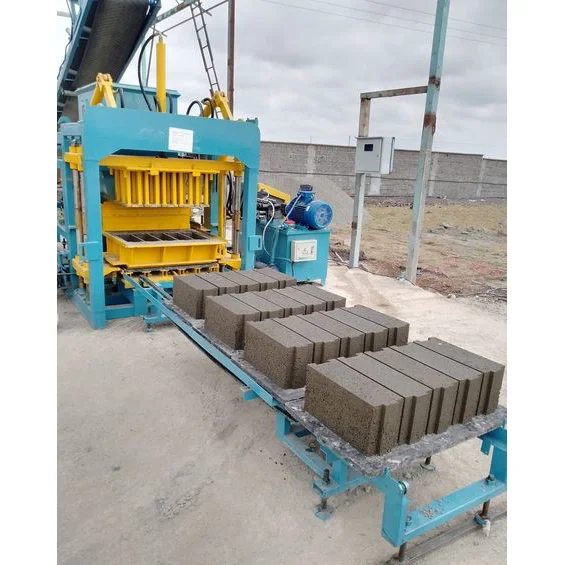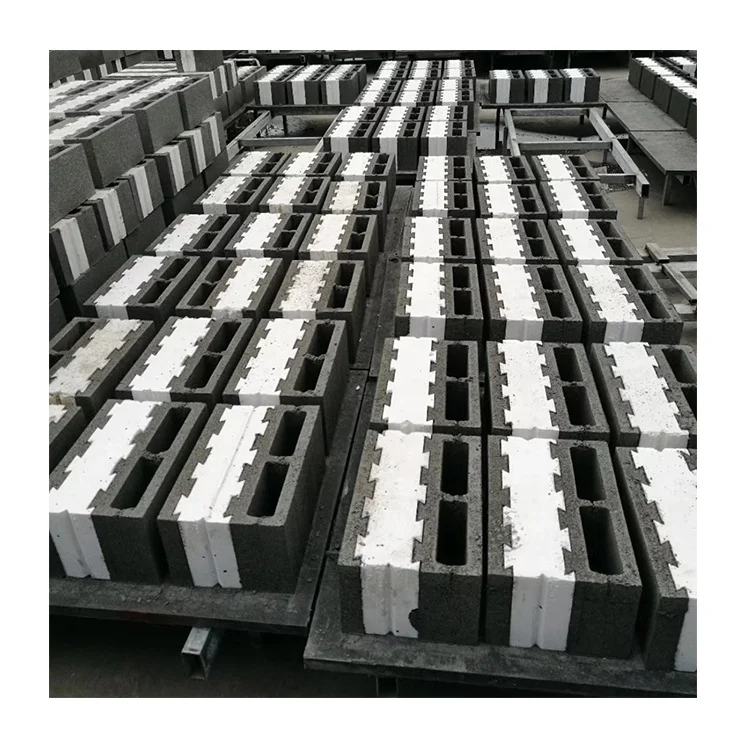
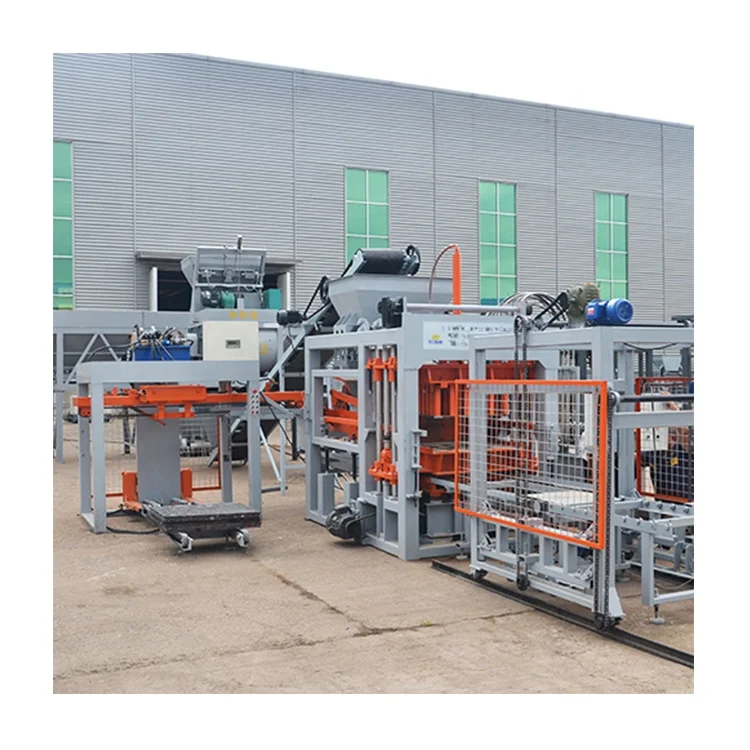
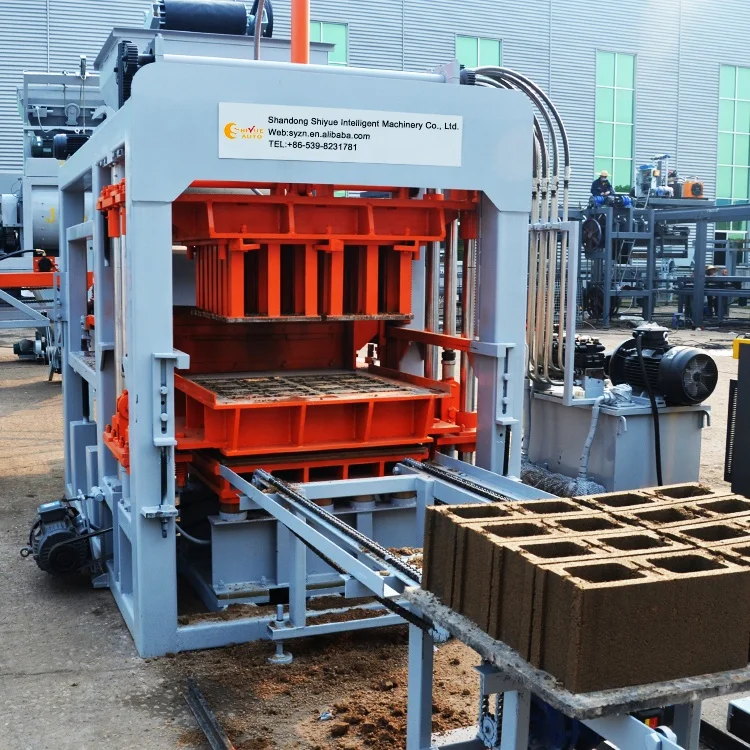
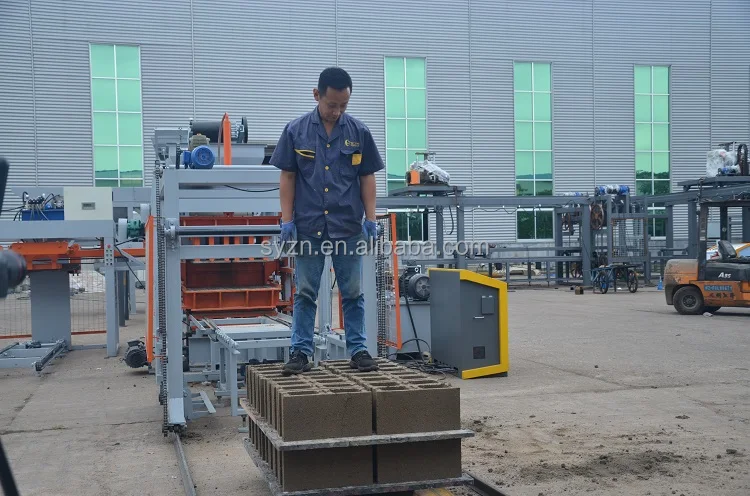
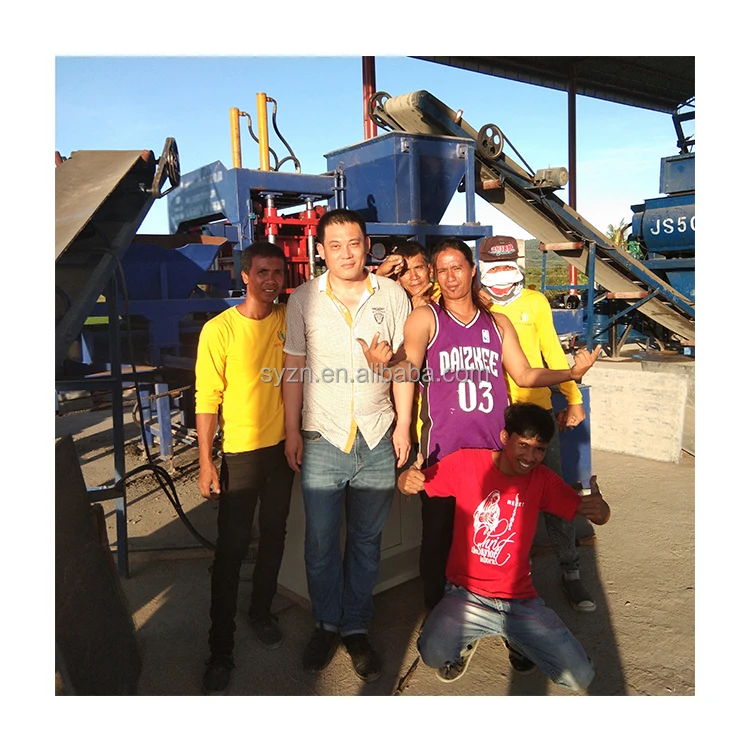
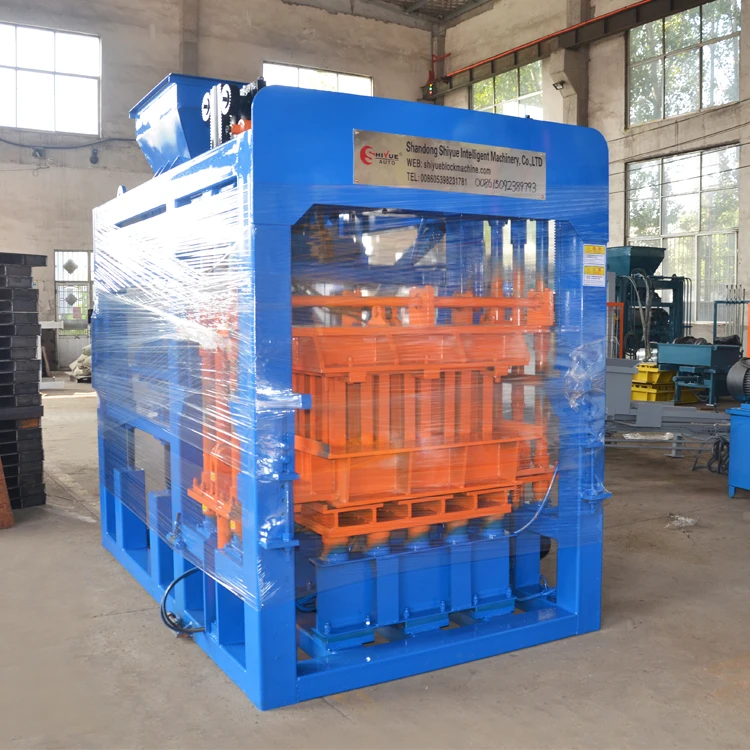
Description
Matched Mould Configuration — every cycle time and output figure for the QT6-15 is calculated against the specific block format and local aggregate you confirm with us, not pulled from a generic catalogue.
Technical Specifications
| Parameter | Value |
|---|---|
| Model | QT6-15 |
| Product Type | Hydraulic Concrete Block Making Machine |
| Overall Dimensions (L×W×H) | 7400×1900×2660 mm |
| Molding Cycle | 15-25 s |
| Vibration Frequency | 4600 r/min |
| Exciting Power (Vibration Force) | 40-50 kN |
| Total Power | 31.25 kW |
| Mixer Model | JQ350 |
| Pallet Size | 850×550×25 mm |
| Total Weight | 7 T |
| Applied Products | Paver, solid block, hollow block, curbstone |
| Raw Materials | Crushed stones, sand, cement, dust, fly ash |
| Control System | PLC control system |
| Hydraulic Station | Included (high pressure, stable operation) |
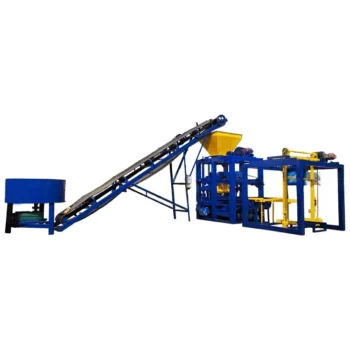
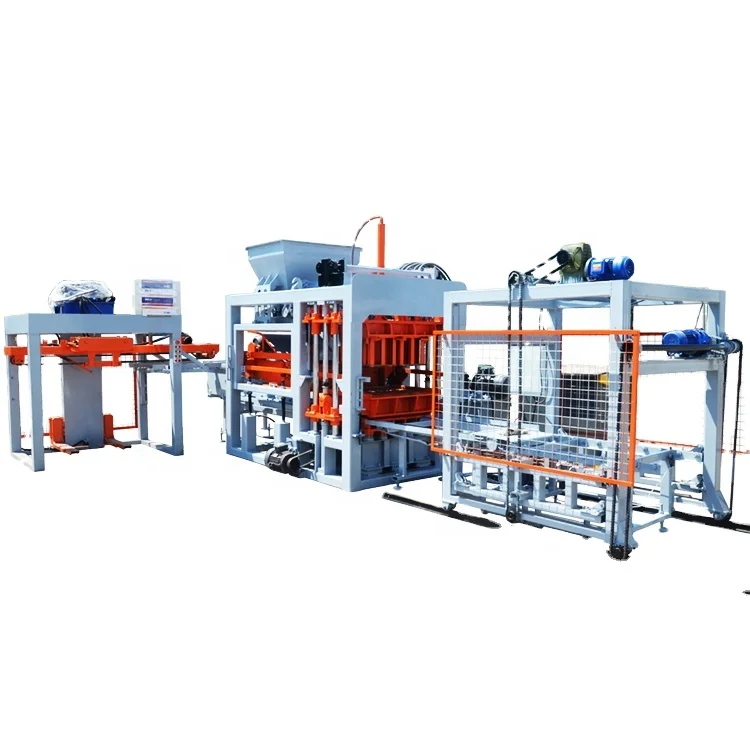
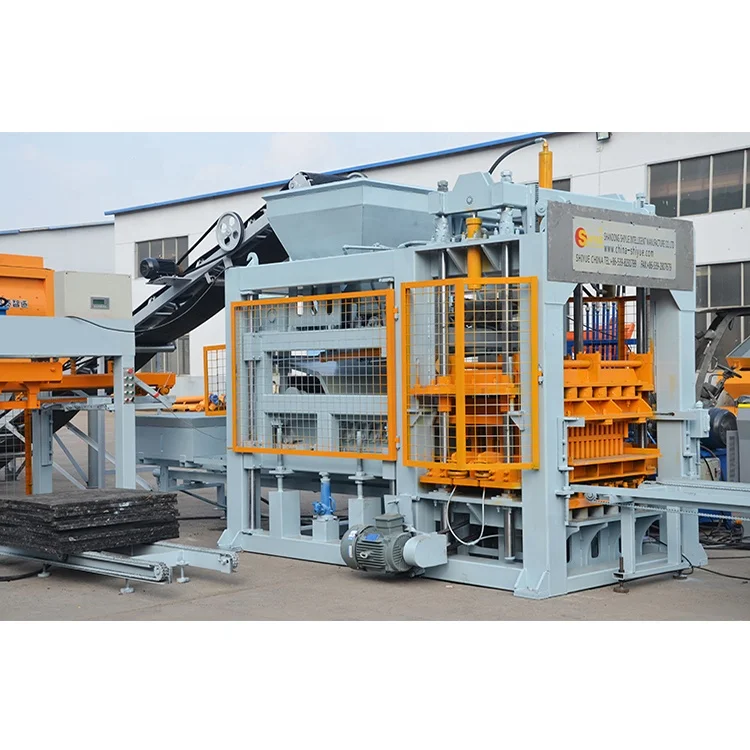
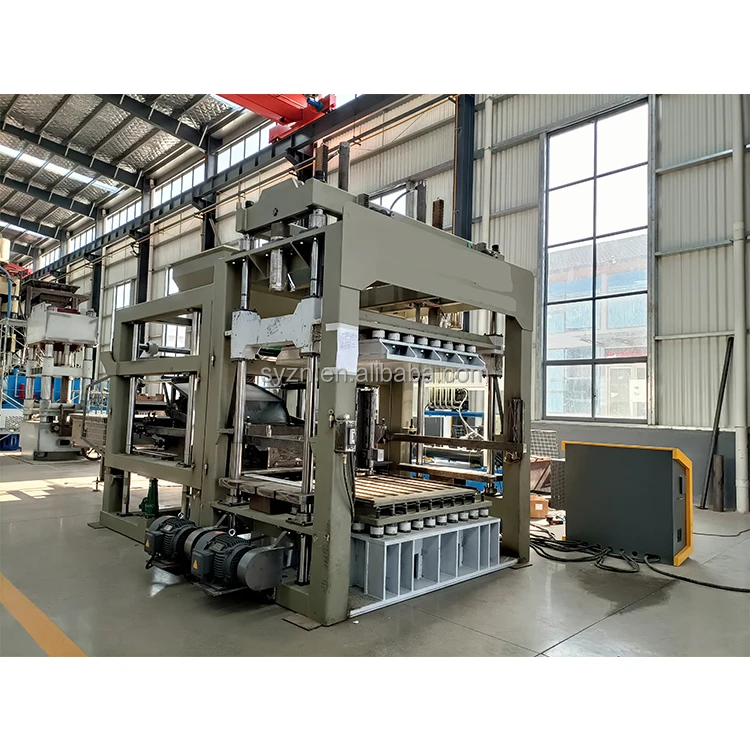
| Included Equipment | Block making machine, hydraulic station, PLC control system, pallet feeder, brick conveyor, block sweeper |
| Free Accessories | Manual hydraulic trolley, spare parts and tools |
| Output Capacity (Hollow Block 400×200×200 mm) | 1200-1680 pcs/hr (9600-13440 pcs/8hr) |
| Output Capacity (Hollow Block 400×150×200 mm) | 1800-2400 pcs/hr (14400-19200 pcs/8hr) |
| Output Capacity (Solid Brick 240×115×53 mm) | 3240 pcs/hr (16200-19440 pcs/8hr) |
| Voltage & Frequency | (basis not stated in source — confirm block format / material / thickness) |
| Hydraulic Pressure (MPa) | (basis not stated in source — confirm with manufacturer) |
| Mould Change Time | (basis not stated in source — confirm with manufacturer) |
| Automation Level | Semi-automatic with PLC (pallet feeder included, stacking method not stated) |
| Language Options | (basis not stated in source — confirm PLC display language) |
Application Suitability
| Application | Material or Output |
|---|---|
| Hollow block production for structural walls | Crushed stone, sand, cement, fly ash (400×200×200 mm and 400×150×200 mm formats) |
| Solid brick manufacturing for load-bearing masonry | Local aggregate blends, cement, dust (240×115×53 mm format) |
| Paver and interlocking block production | High-strength concrete mixes with fine aggregates |
| Curbstone and kerb production | Dense concrete mixes with larger aggregate fractions |
| On-site block production for housing projects | Site-sourced crushed stone and sand with cement binder |
What "1200 Pieces per Hour" Actually Means on the QT6-15 Block Making Machine Specifications
A capacity number without a block format is meaningless — here every figure names the exact mould it applies to.
When I first started commissioning machines in the field, I watched a buyer receive a QT6-15 block making machine expecting a single output number to cover every product. The reality is that hollow blocks, solid bricks, and pavers each demand different cycle times, vibration profiles, and feed depths. Stating 1200-1680 pieces per hour based on a 400×200×200 mm hollow block, or 3240 pieces per hour based on a 240×115×53 mm solid brick, tells you what the press actually delivers for the format your market buys [NEED_CITE: standard block format dimensions and market demand by region]. Without that context, daily output falls far short of what the buyer budgeted for.
Cycle Time and Block Format Alignment
The QT6-15 block making machine operates on a 15-25 second molding cycle, but where you land within that window depends entirely on the block geometry and the compaction your mix requires. A thin solid brick fills and presses faster than a large hollow block with deep cores. We configure the PLC timing to your confirmed target format so the cycle is neither rushed — leaving weak edges — nor unnecessarily long, wasting press availability.
Mould Options Matched to Your Market
Format flexibility only matters if the changeover does not consume most of a shift. The QT6-15 accepts moulds for hollow blocks in two standard heights, solid bricks, pavers, and curbstones. Each mould is designed against the block drawing your buyers expect, including custom profiles if your regional market sells a non-standard interlocking shape. We supply the mould drawing and format list before production so there is no guesswork at commissioning.
Vibration Force and Hydraulic Pressure as a Matched Pair
The 40-50 kN vibration force at 4600 r/min works in tandem with the hydraulic station to consolidate the mix. Vibration alone does not guarantee block strength — the hydraulic pressure must be set to match the stiffness of your specific mix design [NEED_CITE: relationship between vibration force and hydraulic pressure in block compaction]. When I adjusted these parameters on a site using volcanic aggregate, the difference between crumbly output and blocks that passed compressive strength testing came down to matching both values to the local material, not to the machine’s maximum setting.
Pallet Size and Curing Area Compatibility
The 850×550×25 mm pallet is the interface between the press and your curing area. If your existing curing racks or forklift are sized for a different pallet, every loaded board becomes a handling problem. We confirm pallet dimensions against your rack spacing and forklift tine width before the machine enters production, ensuring the QT6-15 block making machine integrates into your layout rather than forcing a redesign of your curing yard.
Specification Details That Determine Real Output
The total power of 31.25 kW covers the press, hydraulic pump, pallet feeder, brick conveyor, and block sweeper running together. This is the connected load your site electrician needs to size the supply cable and breaker, not a peak figure. The JQ350 mixer feeds the press at a rate that must keep pace with the shortest cycle time the QT6-15 can run — if the mixer falls behind, the press waits and your hourly output drops regardless of what the spec sheet says. The semi-automatic configuration includes the pallet feeder, brick conveyor, and block sweeper as standard line equipment, removing manual pallet handling from the operator’s task list while leaving stacking and cubing to be specified based on your labour availability and budget.
The Cost of Skipping Format Confirmation
When a buyer orders without confirming the target block format, local aggregate, and mix design, the machine arrives configured to a default that does not match the material on site. Blocks crack during curing, the mould jams on oversized aggregate, and the operator spends shifts fighting the PLC rather than producing saleable output [NEED_CITE: common causes of block cracking related to mix-machine mismatch]. The downtime and material waste from that first week of rework often exceeds what a proper pre-order configuration session would have cost in engineering time.
Why Buyers Specify the QT6-15 Through Us
Block machinery is our single focus, which means the press, mould, pallet, and handling equipment are specified as one matched system rather than assembled from separate suppliers. We set the QT6-15 configuration against your actual mix design and local aggregate, not a catalogue default. Mould design covers the formats your market sells, including custom drawings when your buyers demand a non-standard profile. The automation level is selectable, so you can start with the included semi-automatic line and add stacking or cubing later as volume justifies it. Installation and commissioning include operator training on your specific format sequence, and we supply the mould and wear parts list so your first replacement order is not a surprise.
Documentation & Verification
- Line layout and capacity calculation naming the block format assumed for each output figure
- Mould drawing and format list confirming hollow, solid, paver, and curbstone profiles
- Pallet specification matched to your curing rack spacing and forklift capacity
- Voltage, frequency, and PLC display language confirmation before production begins
- Factory test record on your confirmed block format before dispatch
Installation, Commissioning & Support
- Foundation plan based on the 7400×1900 mm footprint and 7 T operating weight of the QT6-15
- Electrical supply sizing for the 31.25 kW total connected load with dedicated breaker per station
- Pallet feeder and brick conveyor alignment to the press during on-site assembly
- PLC parameter tuning to your confirmed block format and local mix during first production run
- Operator training covering mould change procedure, cycle adjustment, and daily maintenance checks
- Wear parts and mould list supplied with initial spare set and hydraulic trolley
What We Need From You to Size the Line Correctly
To give you an honest capacity figure for the QT6-15 block making machine, we need to know the block format your market actually sells, the local aggregate type and gradation you will use, and your target daily output per format. Share your existing curing rack dimensions and forklift specifications so we match the pallet, and confirm your site voltage, frequency, and preferred PLC display language to avoid delays at commissioning.
Frequently Asked Questions
Q: How is the output capacity verified and what block format does each figure assume?
A: Every output number we quote names the exact block dimensions it applies to. For the QT6-15, that means 1200-1680 pieces per hour based on a 400×200×200 mm hollow block, or 3240 pieces per hour based on a 240×115×53 mm solid brick. We run a factory test on your confirmed format before dispatch and include the test record in your documentation package.
Q: How do you match vibration force and hydraulic pressure to my local aggregate?
A: We ask for your mix design and a sample of the local aggregate before we set the machine parameters. The 40-50 kN vibration force and hydraulic pressure are then tuned together so the mix consolidates fully without cracking or edge spalling, which is something you cannot do from a catalogue specification alone.
Q: What mould formats are available and how long does a changeover take?
A: The QT6-15 accepts moulds for hollow blocks in two heights, solid bricks, pavers, and curbstones, plus custom profiles to your drawings. Changeover time depends on the mould mounting system we configure — we confirm this during the proposal stage so you know exactly how much of a shift a format switch will use.
Q: How do I confirm the pallet size fits my existing curing racks and forklift?
A: We take your curing rack spacing and forklift tine width before production and match the 850×550×25 mm pallet to those dimensions. If your existing setup requires a different pallet size, we adjust the specification so the press output goes straight onto your racks without secondary handling.
Q: How do I specify voltage, frequency, and PLC language for my market?
A: You confirm your site voltage, frequency, and the language your operators read before we begin production. This is written into the order documentation so the electrical panel and PLC display arrive configured correctly, avoiding the commissioning delays that happen when these details are left until the machine is on the truck.