

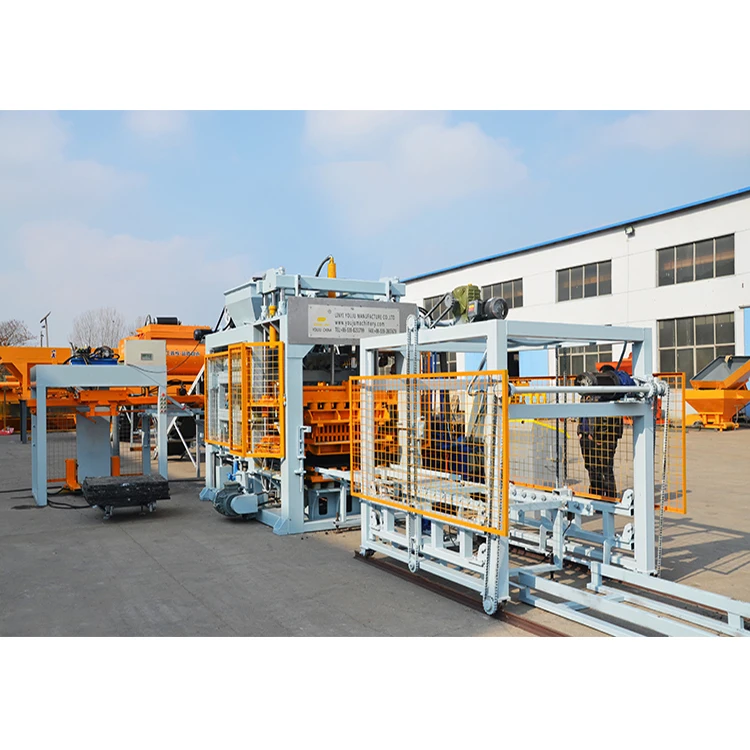
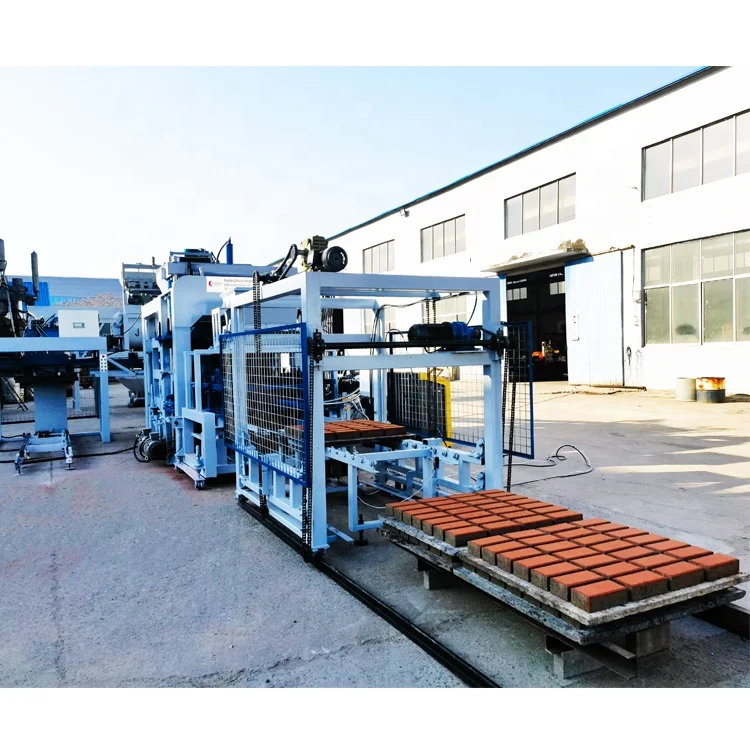
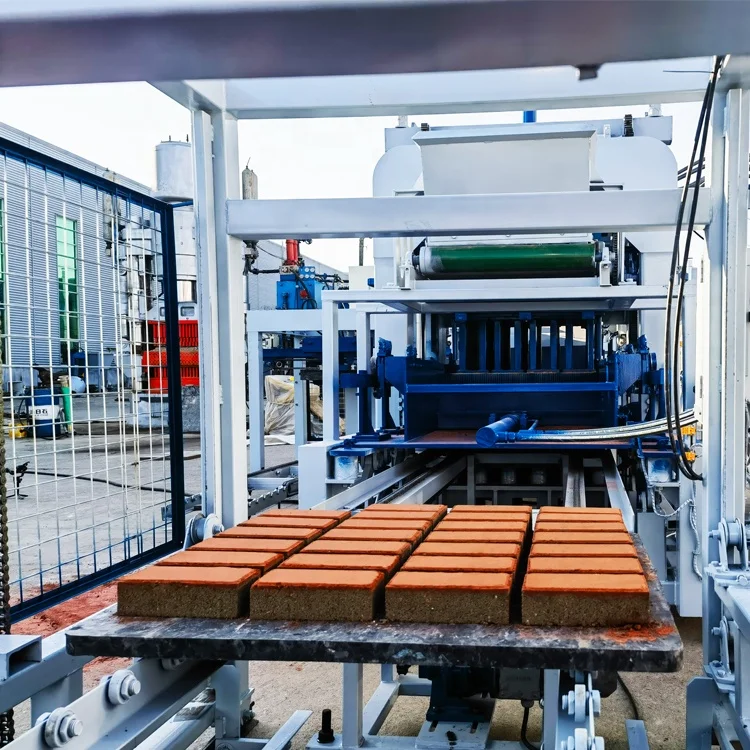
Description
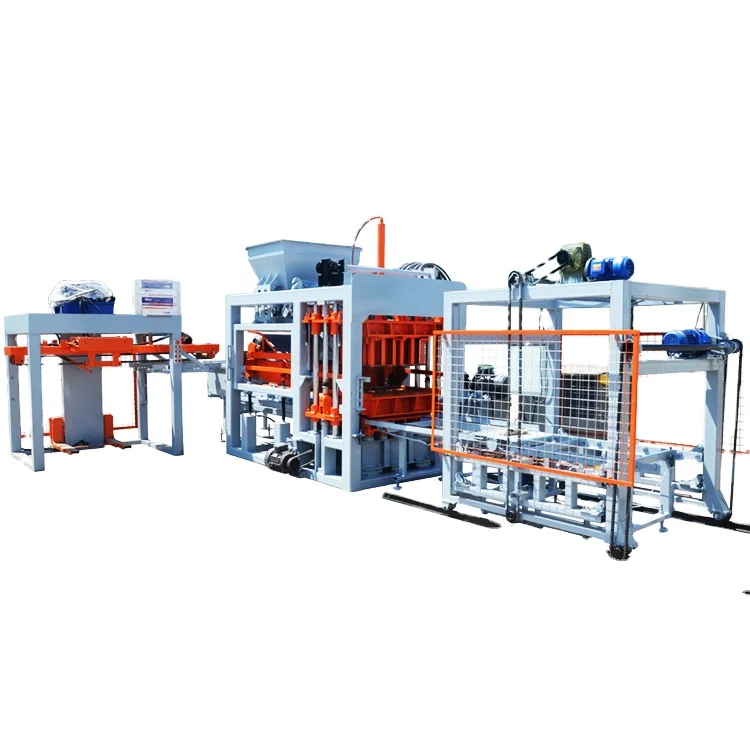
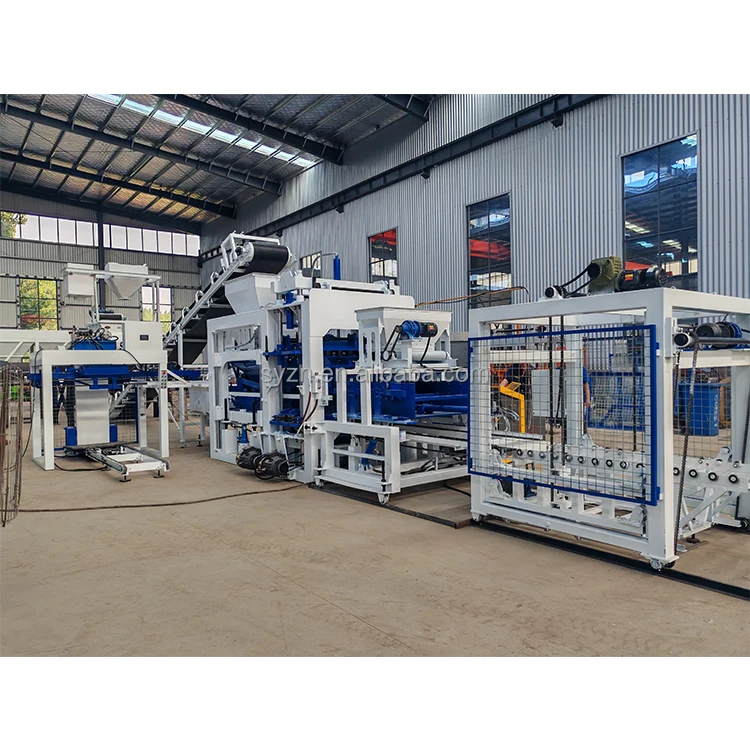
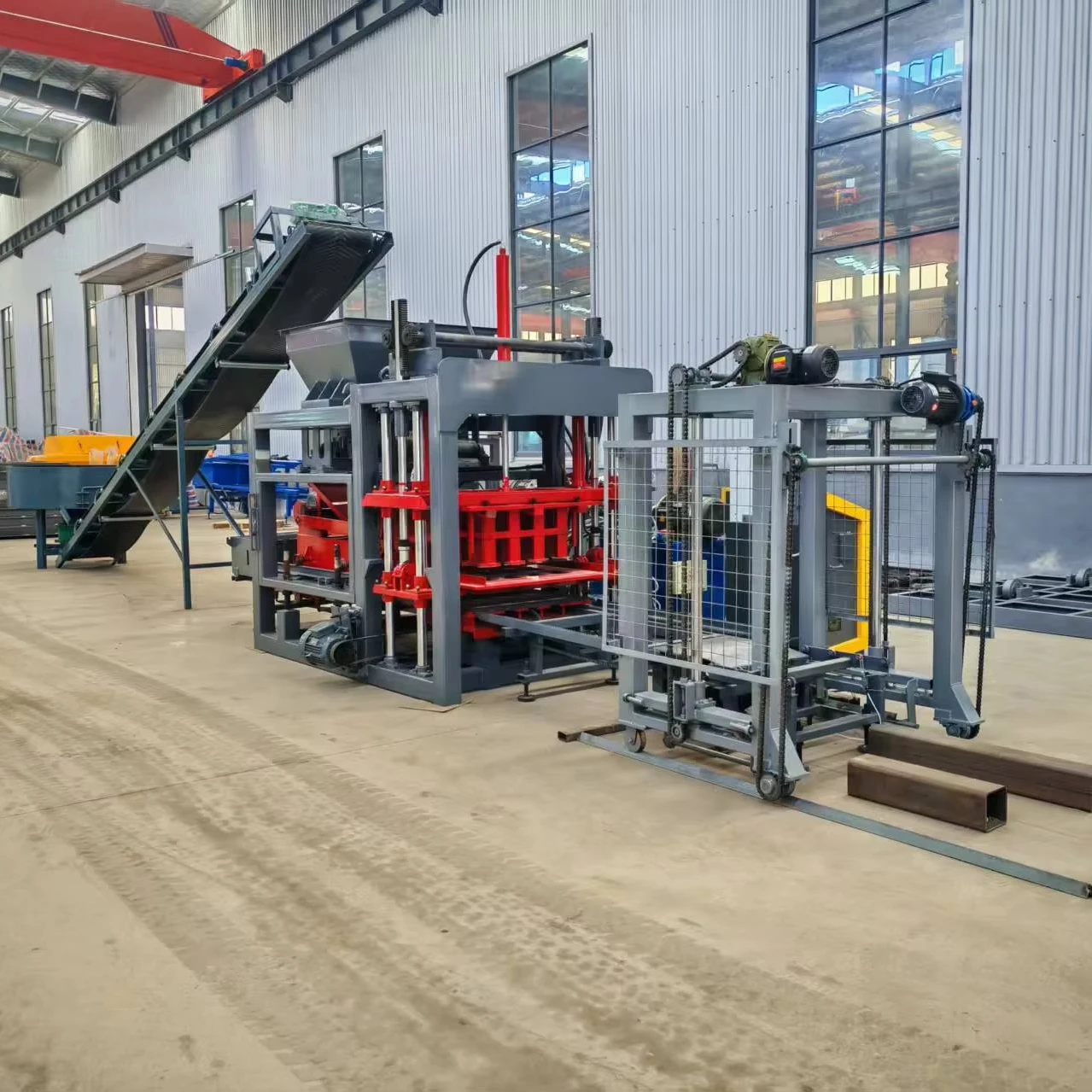
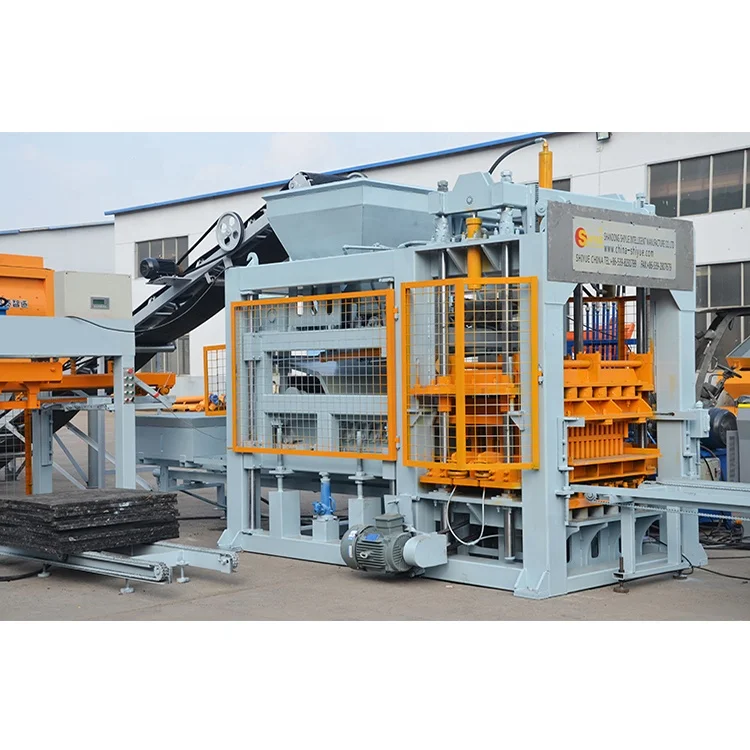
QT6-15 Automatic Block Making Machine — Every configuration decision starts from your local aggregate sample and target block format, not a generic catalog line that assumes ideal materials and conditions.
Technical Specifications
| Parameter | Value |
|---|---|
| Model | QT6-15 (verify against QT8-15 manufacturer catalog before order) |
| Product Type | Automatic Hydraulic Concrete Block Making Machine |
| Overall Dimensions (L×W×H) | 8300 × 1860 × 3000 mm |
| Moulding Cycle | 15–20 s (basis to be confirmed by block format and material) |
| Exciting Force (Vibration) | 55 kN |
| Rated Power | 37.2 kW (rated or peak not specified in source) |
| Mixer Model | JS750 |
| Pallet Size | 1020 × 900 mm |
| Total Weight | 8 T (source value — verify against manufacturer catalog) |
| Control System | PLC control system (language options to be confirmed before order) |
| Voltage & Frequency | To be confirmed against destination site before production |
| Hydraulic Station | High-pressure hydraulic system included |
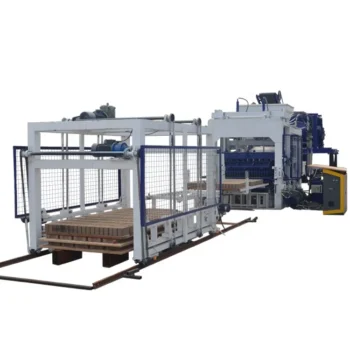
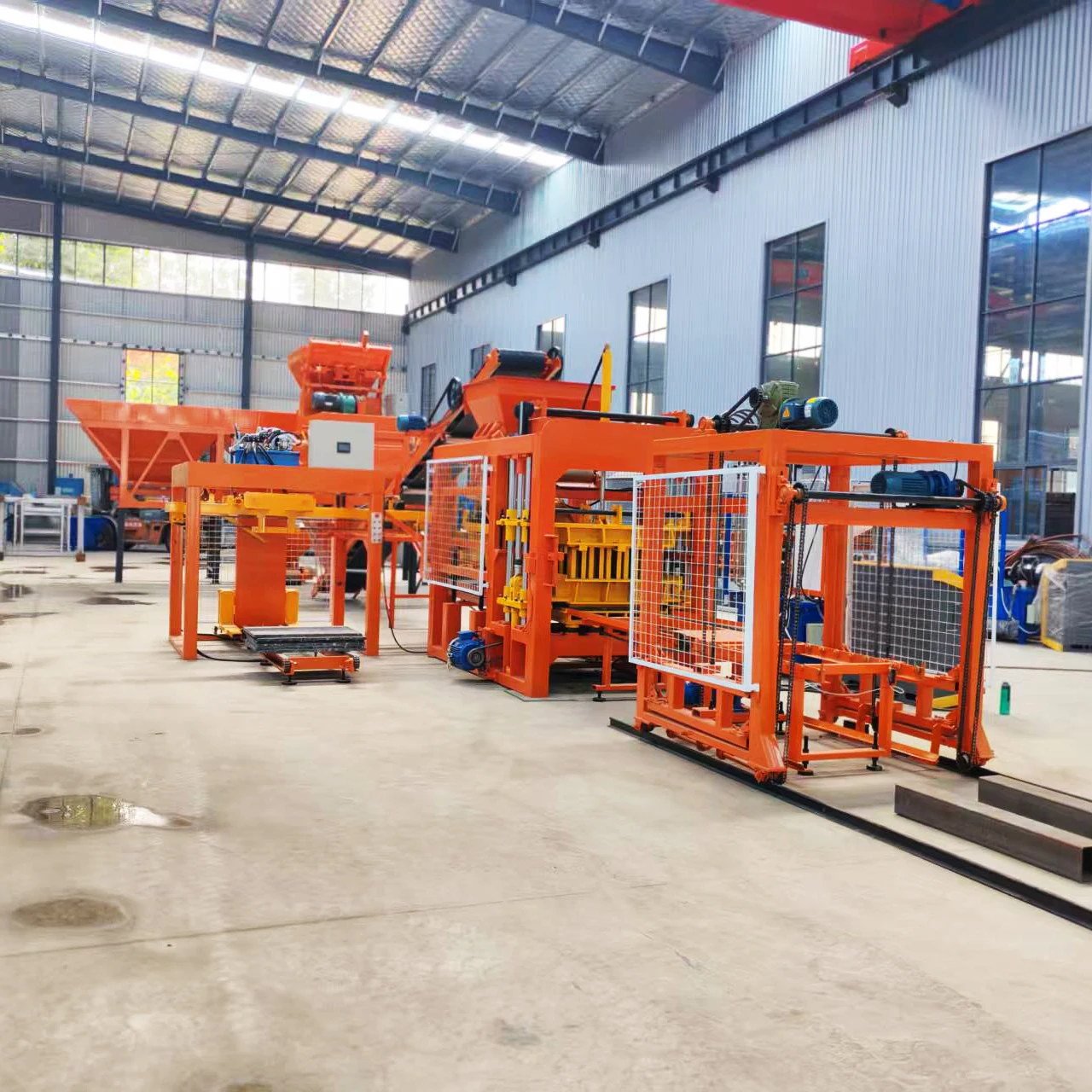
| Automation Level | Automatic — pallet feeder, material feeder, block conveyor, block sweeper included |
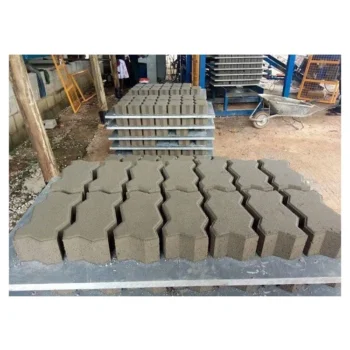
| Applied Products | Paver, solid block, hollow block, curbstone (via mould change) |
| Raw Materials | Crushed stones, sand, cement, dust, fly ash |
| Capacity per Cycle | 6 pcs/mould (block format basis not stated in source) |
| Certification | CE declaration where applicable (per company documentation scope) |
Application Suitability
| Application | Material or Output |
|---|---|
| Hollow block production for building walls | Crushed stone, sand, cement, fly ash blends |
| Solid block production for structural and non-structural use | Dense aggregate mixes with cement binder |
| Paving block production for roads, walkways and yards | Fine aggregate and cement with colour pigment options |
| Curbstone / kerbstone production for road edging | High-strength mix designs with coarse aggregate |
| On-site or plant-based manufacturing | Locally available sand, crushed stone, fly ash and cement |
What "15–20 Second Cycle" Actually Means for Your Output
Cycle time shifts with every block format, and the daily output figure on a quotation only holds if the assumed format matches what your market actually buys.
I have watched buyers sign contracts on a headline cycle number, then discover that the hollow block their region demands pulls the cycle to the upper end of the range while the paver they quoted against sat comfortably at the lower end. The gap between those two realities can swallow an entire shift of expected production. When you evaluate any automatic block making machine specifications sheet, the question is never "how fast does it cycle" but "how fast does it cycle on the exact block I sell, with the exact aggregate I can source." [NEED_CITE: typical mould format cycle variance in hydraulic block presses]
Mould Format Dictates the Real Production Day
The QT6-15 ships with mould options for hollow blocks, solid blocks, pavers and curbstones, and each format sits at a different point within the 15–20 second moulding cycle range. A buyer sizing a machine to a specific product and market needs a written capacity table listing every format they intend to run, its individual cycle time, and the resulting daily output — not a single aggregate number that blurs the differences. This is where honest automatic block making machine specifications separate useful planning tools from marketing brochures.
Pallet Size Must Match What You Already Have
The 1020 × 900 mm pallet is a fixed dimension on this press, which means your curing rack spacing, forklift fork width and stacking workflow must accommodate it — not the other way around. Confirming pallet compatibility before the machine ships prevents the costly surprise of arriving pallets that your existing racking cannot accept. [NEED_CITE: pallet and curing rack dimensional matching in block plants]
Vibration and Pressure Tuned to Your Aggregate
The 55 kN exciting force works in combination with the high-pressure hydraulic station to compact the mix into the mould. That combination must be matched to your specific aggregate gradation and cement content to deliver consistent block density and strength across every batch. A mix that performs well under one vibration-pressure setting may produce weak, crumbly output under another, which is why factory testing with the buyer’s actual material sample matters before the machine leaves the workshop.
Reading the Numbers That Matter
The 37.2 kW rated power covers the press, hydraulic station and vibration motors running together, so the electrical supply at the destination must support continuous draw at that level plus starting surge. The JS750 mixer paired with this line sets the batch volume per mix cycle, and its throughput must keep pace with the press demand to avoid the press standing idle between batches. The 8300 × 1860 × 3000 mm overall footprint determines the minimum building envelope, and the 8 T total weight governs foundation design and floor loading — both must be confirmed against the buyer’s site before installation planning begins.
The Cost of Skipping the Format Conversation
When the mould format, pallet size and mix design are not confirmed as a matched set before the order is placed, the consequences surface at commissioning. Blocks crack during curing because the vibration force was set for a different aggregate. Mould changes consume most of a shift because the quick-change system was not specified for the number of formats the buyer actually rotates through. Pallets pile up on the floor because the automatic stacker was left out of the quotation to save cost, forcing manual handling that bottlenecks the entire line. [NEED_CITE: common commissioning failures in exported block production equipment]
Why Source This Configuration Here
The machine, mould, pallet and handling equipment are specified together as one matched line, so the pallet feeder, block conveyor and sweeper arrive aligned to the press cycle rather than sourced separately and reconciled on site. Configuration is set against the buyer’s actual mix design and local aggregate sample, not a default that assumes ideal sand and cement. Mould design covers the formats the buyer’s market sells, with custom drawings reviewed before tooling begins. Automation level is selectable, so a plant can start with the standard automatic package and add stacking or cubing functions later. Factory testing uses the buyer’s confirmed mix proportion so the test record reflects real production conditions, not a generic benchmark.
Documentation & Verification
- Line layout with capacity calculation stating each block format and its individual cycle time assumption
- Machine specification sheet listing confirmed voltage, frequency and PLC display language for destination
- Mould drawing and format list reviewed against local block dimension standards before tooling manufacture
- Factory test record produced using the buyer’s confirmed mix design and aggregate sample
- Hydraulic and electrical schematic matching the as-built configuration at time of dispatch
Installation, Commissioning & Support
- Foundation must support 8 T static load across the 8300 × 1860 mm footprint with level tolerance confirmed before delivery
- Dedicated electrical circuit rated for 37.2 kW continuous draw plus motor starting surge at the confirmed voltage and frequency
- Machine arrives dismantled for container loading with reassembly sequence documented in the operation manual
- First-run parameter setting covers vibration force, hydraulic pressure and cycle timing adjusted to the buyer’s mix
- Operator training covers mould change procedure, PLC navigation in the confirmed language and daily maintenance checkpoints
- Wear parts and mould inventory list supplied at dispatch so first replacements are on hand before they are needed
What We Need to Size Your Line Correctly
Share the specific block formats your market demands, the local aggregate and cement you plan to use, and your target daily output per format so the capacity calculation reflects reality. Confirm the voltage, frequency and PLC language required at your site, along with the pallet handling and curing infrastructure you already operate, so the line integrates without gaps.
Frequently Asked Questions
Q: How is capacity calculated per block format on the QT6-15?
A: Each mould format — hollow block, solid block, paver, curbstone — has a distinct cycle time within the 15–20 second range. We provide a written table listing every format, its individual cycle, and the resulting daily output so the capacity figure matches what you actually plan to produce rather than a single generic headline number.
Q: How do I confirm the 1020 × 900 mm pallet fits my curing setup?
A: Before the order is placed, share your curing rack dimensions, spacing and forklift fork width. We cross-check the pallet against your existing infrastructure so the pallets arriving on site slot directly into your curing workflow without requiring rack modification or new handling equipment.
Q: What is involved in a mould change on this machine?
A: The QT6-15 requires a physical mould swap to switch between block formats. We confirm the change procedure, tooling requirements and expected downtime during the configuration stage so you can plan format rotations around your production schedule rather than discovering the time cost after delivery.
Q: How is vibration force tuned to my local aggregate?
A: We request a sample of your local sand, crushed stone and cement to run a mix trial. The 55 kN vibration force and hydraulic pressure are then adjusted together to achieve consistent block density and strength for your specific material, and the settings are recorded in the factory test documentation.
Q: What electrical details must be confirmed before production begins?
A: Voltage, frequency and PLC display language are confirmed in writing before the machine enters production. This prevents commissioning delays caused by mismatched electrical standards or an operator interface the local team cannot read when the machine arrives at the plant.