Description
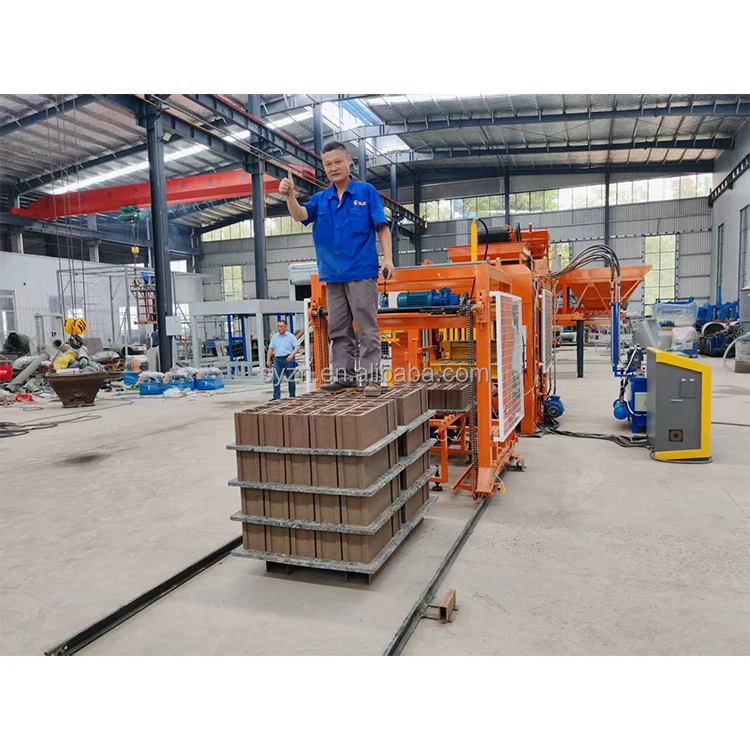
Configuration Set Against Actual Block Format — we specify the Qmy6-25 egg layer machine against the hollow block or paver the buyer will actually produce, not a single brochure number, so output expectations match site reality.
Technical Specifications
| Parameter | Value |
|---|---|
| Model | Qmy6-25 |
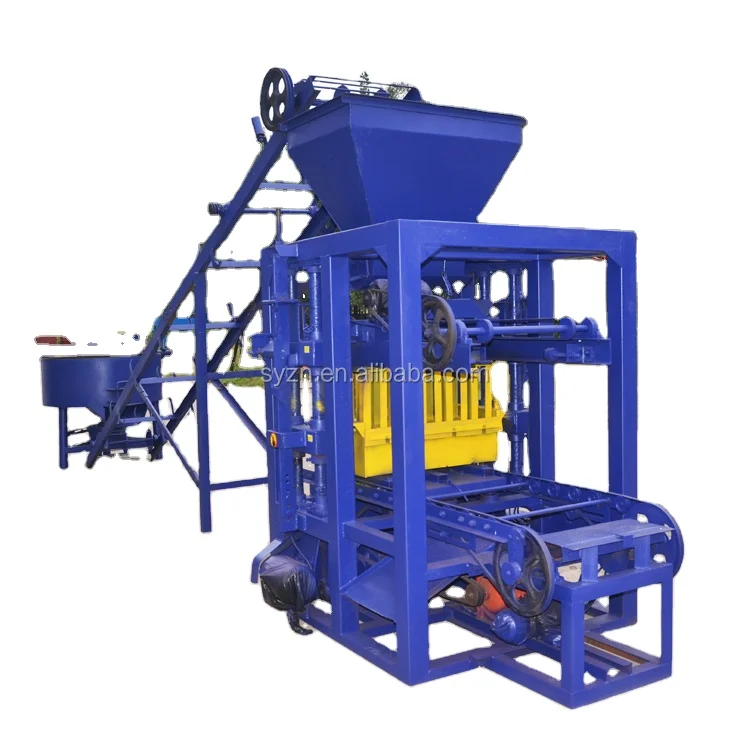
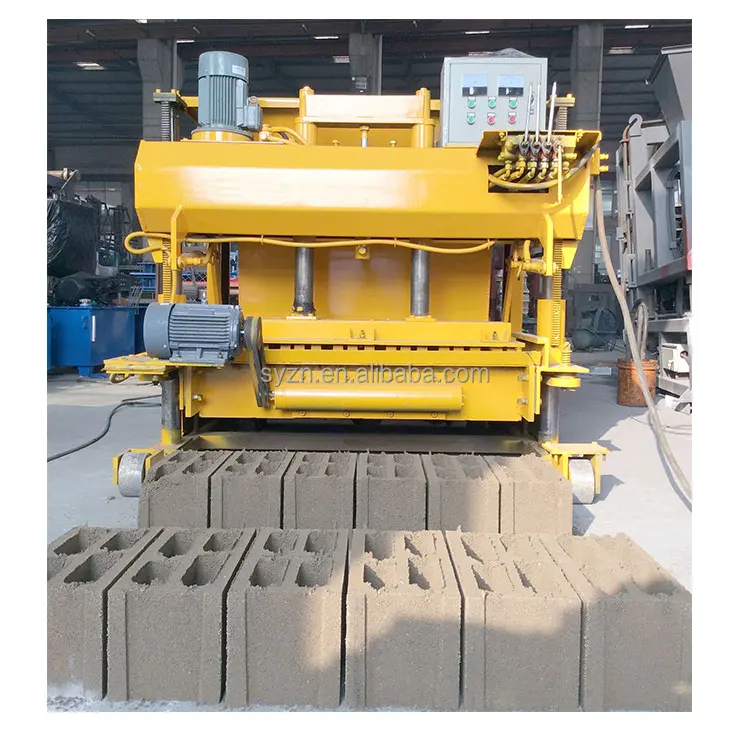
| Product Type | Mobile Egg Layer Block Making Machine |
| Molding Capacity | 6 pcs/mold |
| Hydraulic Pressure | 16 MPa |
| Vibration Form | Mold Vibration |
| Molding Cycle | 20s–25s (basis not stated in source — depends on block format, material and thickness) |
| Turning Method | Hydraulic |
| Total Power | 9.6 kW |
| Total Mass | 2.5 Tons |
| Mixer Option | JS500 double shaft mixer or JQ500 / JQ750 pan mixer |
| Voltage | Customizable according to buyer requirement |
| Block Molds | Customizable to buyer block format |
| Certification | CE |
Application Suitability
| Application | Material or Output |
|---|---|
| On-site hollow block production without a fixed plant | Cement, crushed stone, sand, water — no permanent factory floor required |
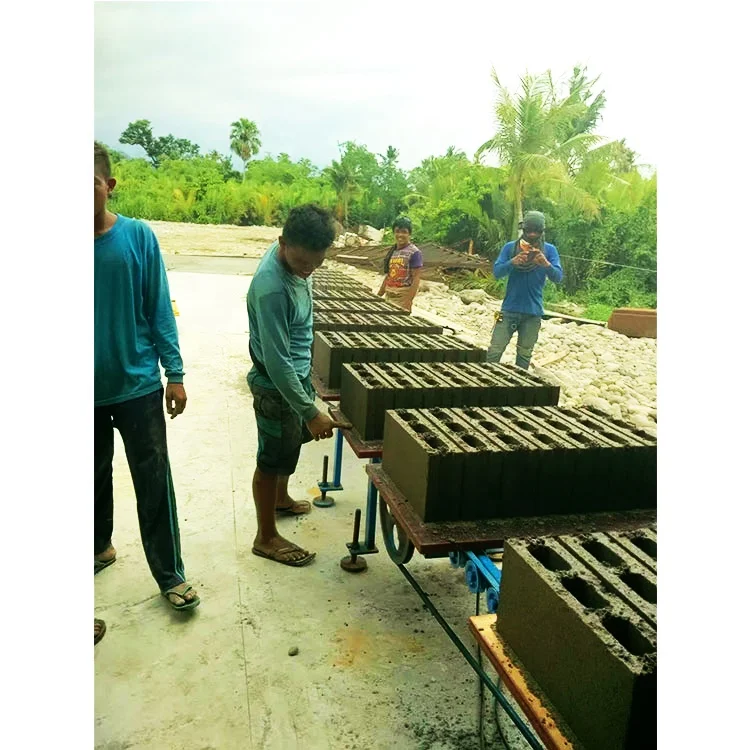
| Mobile brick runs for remote construction sites | Local aggregate mixed with cement, laid directly on the ground |
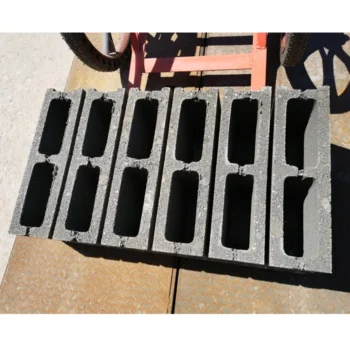
| Small-scale block manufacturing in developing markets | Standard 400×200×200 mm hollow blocks or solid bricks for housing projects |
| Format diversification for existing producers | Paving blocks, kerbstones, and interlocking bricks via mold exchange |
What "20–25 Seconds per Cycle" Really Means for Your Daily Output
A cycle time is only meaningful when tied to the exact block format and local mix design you will run.
I have watched contractors in West Africa order mobile egg layer machines based on a single cycle figure, then discover on site that their high-clay sand doubles the molding time. The Qmy6-25 Mobile Egg Layer Block Making Machine specifications list a 20–25 second cycle, but that window assumes a clean, well-graded aggregate and a standard hollow block thickness. When the fines content in the local sand exceeds a certain threshold, the vibration needs longer to settle the mix, and the cycle stretches accordingly. That is why we run a sample batch with the buyer’s actual aggregate before locking in the production rate [NEED_CITE: effect of aggregate fines content on block molding cycle time].
Matching the Mould to the Block Your Market Actually Buys
The Qmy6-25 molds six pieces per cycle, but the format those six pieces take determines the real commercial output. A 400×200×200 mm hollow block cures and sells differently from a 200×100×60 mm interlocking paver. We work through the buyer’s product list, confirm which mold cavities fit the machine platen, and then calculate daily output per format. This step removes the guesswork that leaves new plant owners running the wrong block type for their first orders.
Honest Capacity by Format, Not a Single Brochure Number
Capacity claims on mobile block machines often quote the fastest cycle on the lightest block. That figure collapses when the buyer switches to a dense solid brick or a thick paver that demands longer vibration. Our proposal states the expected cycles per hour separately for each block format the buyer plans to run, so the revenue model holds up when production starts.
How 16 MPa Hydraulic Pressure and Mold Vibration Work Together
Hydraulic pressure alone compresses the mix, but without synchronized vibration the density remains uneven across the block face. The Qmy6-25 pairs 16 MPa hydraulic pressure with mold vibration, meaning the shake originates at the cavity walls where compaction matters most. For buyers using angular crushed stone, this combination helps the aggregate lock into place before the cement paste sets. The total power draw of 9.6 kW reflects both the hydraulic pump and the vibration motor running in sequence rather than continuously, which keeps generator sizing manageable on remote sites [NEED_CITE: relationship between hydraulic pressure and vibration force in block compaction].
The Hidden Cost of Skipping the Aggregate Test
I once saw an egg layer machine arrive at a project site in Côte d’Ivoire with standard molds calibrated for washed river sand. The local laterite soil had a clay content far above what the mold was tuned for. The blocks cracked during curing, and the contractor spent weeks trying different cement ratios before accepting the loss. Running a material trial before shipment catches these mismatches while adjustments still cost hours instead of months [NEED_CITE: impact of local aggregate variability on block strength and surface finish].
Why Procure This Machine Here
Block machinery is our single focus, which means the Qmy6-25 arrives as a matched system — machine, mold, and handling specified together rather than assembled from separate suppliers. We configure the mold to the block format the buyer’s market demands, including custom drawings when a standard cavity does not fit. Voltage, frequency, and PLC display language are confirmed before production, so commissioning is not delayed by a wiring mismatch. Factory testing uses the buyer’s target block format to record actual cycle times, not a generic benchmark. Molds and hydraulic wear parts are listed in the shipment, so the first replacement does not halt production.
Documentation & Verification
- Line layout and capacity calculation stating the block format assumed for each cycle time figure
- Mold drawing and format list showing every cavity achievable on the Qmy6-25 platen
- Factory test record run on the buyer’s target block format before dispatch
- Voltage and control language confirmation sheet signed before production begins
- Operation and maintenance manual covering mold change and hydraulic servicing
Installation, Commissioning & Support
- Site leveling guidance for the 2.5-ton machine to prevent uneven block release
- Power supply check matching the confirmed voltage and 9.6 kW total load
- Hydraulic turning mechanism calibrated on site to match local ground firmness
- First-run parameter adjustment using the buyer’s own aggregate and cement mix
- Mold exchange training so operators switch formats within one shift, not two
- Wear parts list with reorder codes for hydraulic seals and vibration mounts
Before You Request a Quote
We need the exact block formats you intend to produce, the daily volume target for each, and a sample or lab report of your local sand and aggregate. Share the site voltage and frequency, the curing area dimensions, and whether you will use a JS500 or pan mixer. With those details, we can return a configuration that states output per format rather than a single unverified figure.
Frequently Asked Questions
Q: What is the realistic daily output for my specific hollow block size using the Qmy6-25?
A: Daily output depends on the block dimensions, mix design, and curing logistics. We calculate cycles per hour separately for each format after testing your aggregate. A 400×200×200 mm hollow block will yield a different figure than a smaller solid brick, so we provide a format-by-format breakdown rather than one blanket number.
Q: Which mould formats are available and how long does a mould change take?
A: The Qmy6-25 accepts custom moulds for hollow blocks, solid bricks, paving blocks, and interlocking pavers within its platen area. Mould change time varies by cavity complexity and the operator’s familiarity with the clamping system. We include a step-by-step changeover guide and train your team during commissioning.
Q: How does the 16 MPa hydraulic pressure suit my local aggregate?
A: Higher hydraulic pressure helps compact angular or coarse aggregate, but it must be balanced against the vibration force and mix moisture. We run a trial with your material sample to confirm that 16 MPa produces the target block density without excessive cement consumption or surface cracking.
Q: What voltage and frequency options are available for my country’s electrical standard?
A: Voltage and frequency are configured to match the buyer’s site supply before production. We confirm the exact voltage, phase, and frequency, along with PLC display language, so the machine is ready for commissioning upon arrival without electrical modifications [NEED_CITE: voltage and frequency standards by export market].
Q: How long does it take to switch from hollow block to paving block production?
A: Switching formats involves releasing the current mould, fitting the new cavity plate, and adjusting the vibration and pressure settings for the different block weight. With practice, a trained operator can complete the change within a portion of one shift. We supply the adjustment chart for each mould format included in your order.