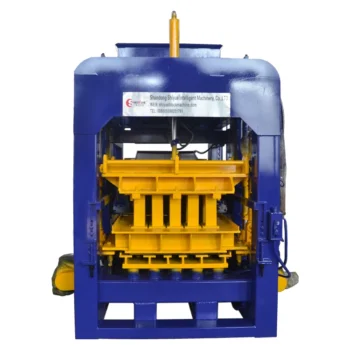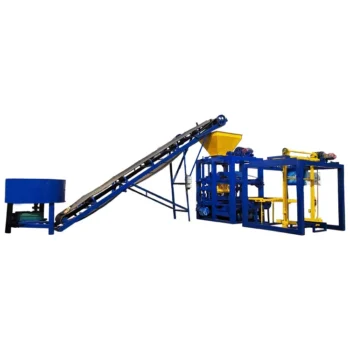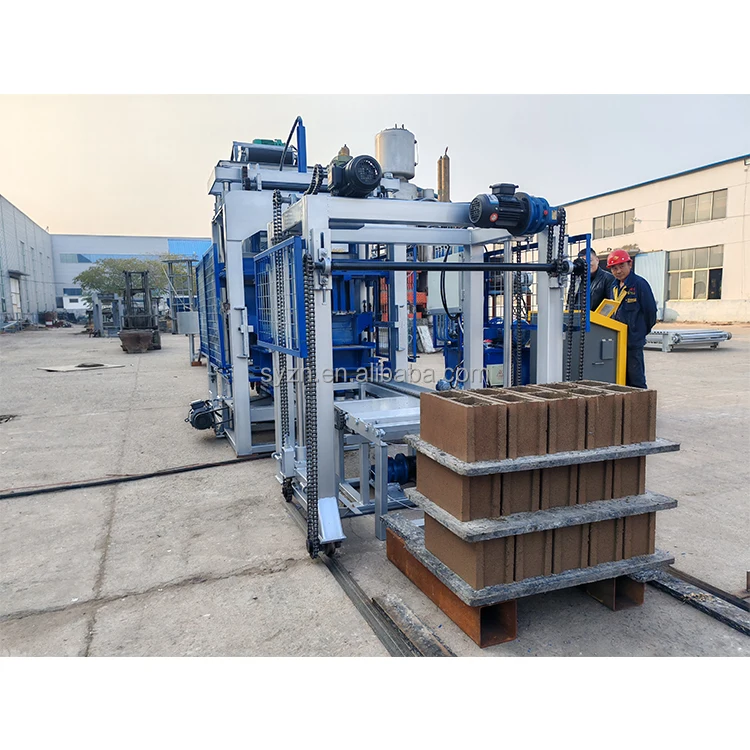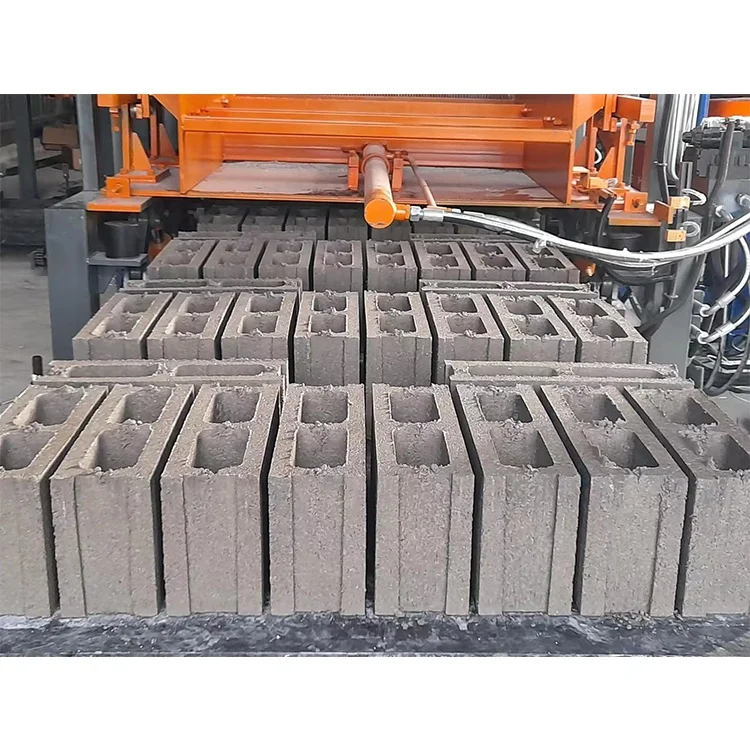

Description
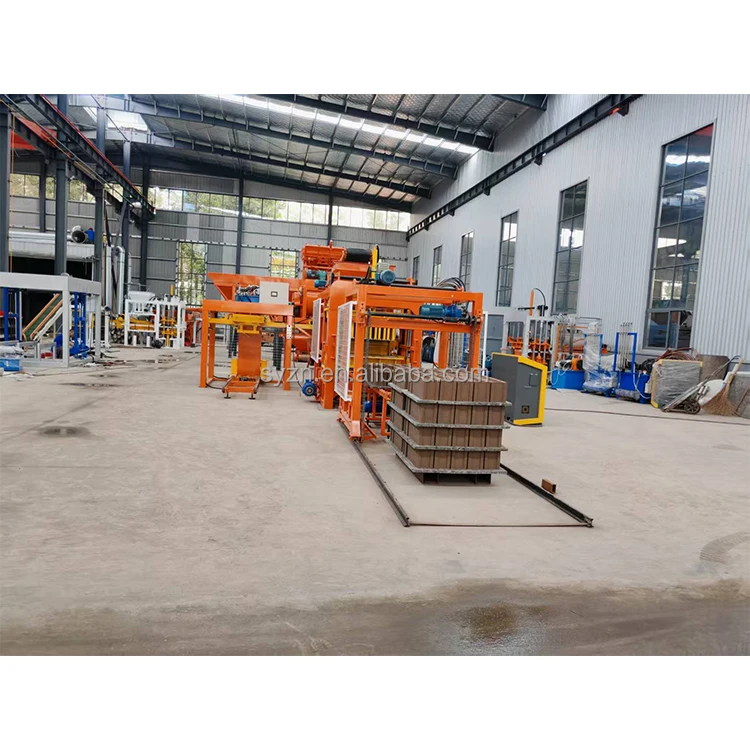
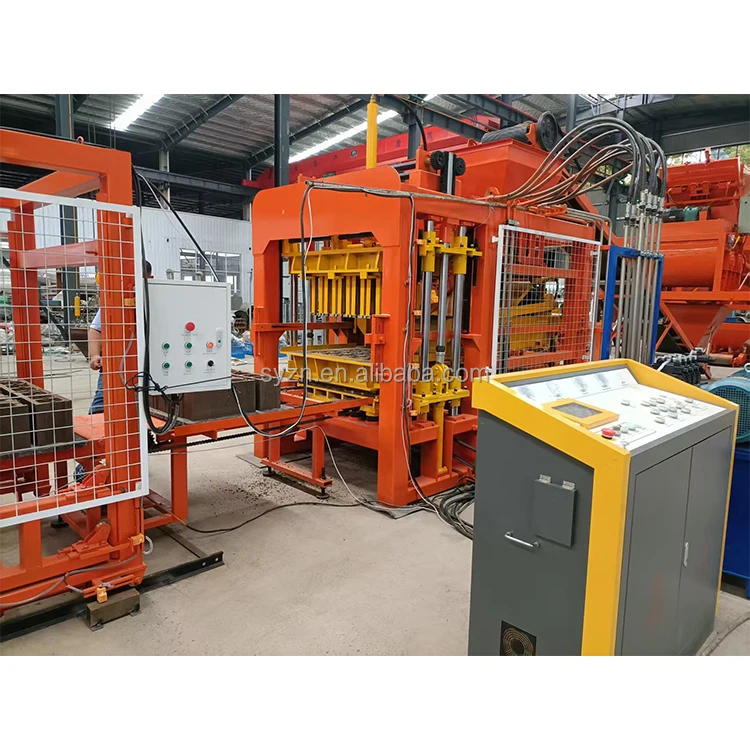
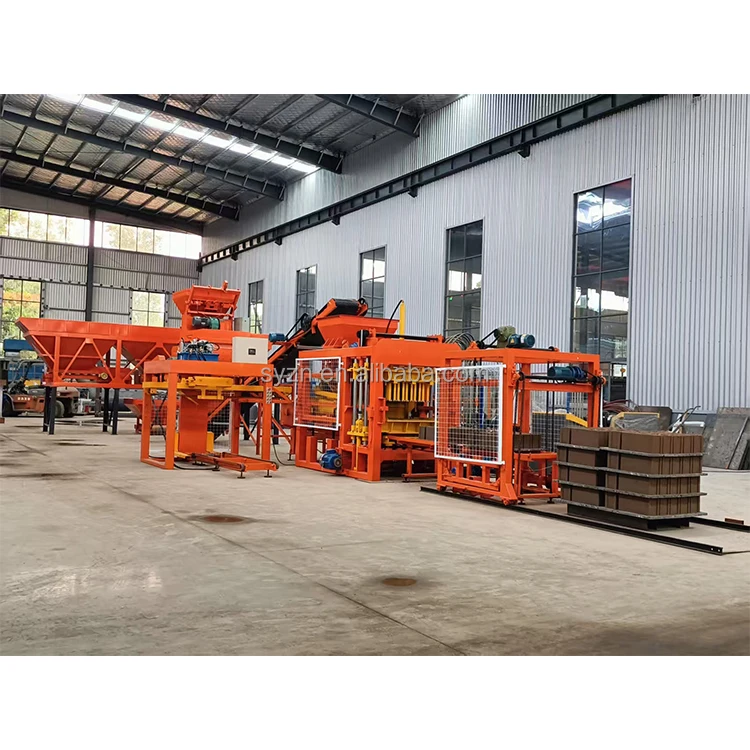
Single-Source System Match — Every component from the QT6-15 press to the curing rack handler is specified as one integrated line, so cycle times, pallet dimensions, and vibration profiles align without cross-supplier finger-pointing.
Technical Specifications
| Parameter | Value |
|---|---|
| Product Type | Hydraulic Concrete Block Making Machine |
| Model | QT6-15 |
| Overall Dimensions (L×W×H) | 8200 × 1700 × 2950 mm |
| Total Mass | 7 T |
| Vibration Form | Platform Vibration |
| Vibration Frequency | 0–60 Hz |
| Vibration Force | 45 kN |
| Moulding Mode | Automatic loading, vibration moulding |
| Demolding Method | Hydraulic |
| Molding Cycle | 15–20 s (basis not stated in source — confirm block format / material / thickness) |
| Pallet Size | 880 × 850 mm |
| Overall Power | 37 kW |
| Control System | PLC with touch screen HMI, fault diagnosis, interlock logic |
| Hydraulic System | Independent integrated station, isolated from dust and main vibration |
| Output: Hollow Block 400×200×200 mm | 6 pcs/mould, 1080–1440 pcs/h, 8640–11520 pcs per 8 hr shift |
| Output: Hollow Block 400×150×200 mm | 8 pcs/mould, 1440–1920 pcs/h, 11520–15360 pcs per 8 hr shift |
| Output: Solid Brick 240×115×53 mm | 32 pcs/mould, 5760–7680 pcs/h, 46080–61440 pcs per 8 hr shift |
| Output: Rectangular Paver 200×100×60 mm | 21 pcs/mould, 2160–2880 pcs/h (cycle 20–25 s), 17280–23040 pcs per 8 hr shift |
| Output: Zigzag Paver 225×112.5×60 mm | 15 pcs/mould, 2160–2880 pcs/h (cycle 20–25 s), 17280–23040 pcs per 8 hr shift |
| Recommended Factory Area | 1200 m² |
| Warranty | 1 year (excluding spare parts) |
Application Suitability
| Application | Material or Output |
|---|---|
| Hollow block production for load-bearing and partition walls | Crushed stone, river sand, and cement mixes; waste ash or slag blends with reduced cement dosage |
| Solid brick manufacturing for masonry and infill | Fine aggregate and cement blends targeting > 15 MPa compressive strength (verify with local mix design) |
| Rectangular and zigzag paving blocks for roads, walkways, and yards | Hard aggregate and cement mixes requiring high surface density and abrasion resistance |
| On-site production for housing and development projects | Locally sourced aggregates matched to project-specific block format and strength requirement |
What "Cycles Per Hour" Leaves Out When Sizing a QT6-15 Block Machine
A quoted cycle time means nothing until you know which block format, mix design, and pallet size it assumes.
Catalogue sheets often collapse every format into one headline number. I have seen buyers sign off on a line rated for a solid brick cycle, only to discover their primary product — a 200 mm hollow block — cuts that figure nearly in half. The QT6-15 block machine specifications on this page list each format separately, because an honest capacity table is the only foundation a technical buyer can build a financial model on [NEED_CITE: realistic block output versus catalogue claims].
Matching the Mould to the Block Your Market Actually Buys
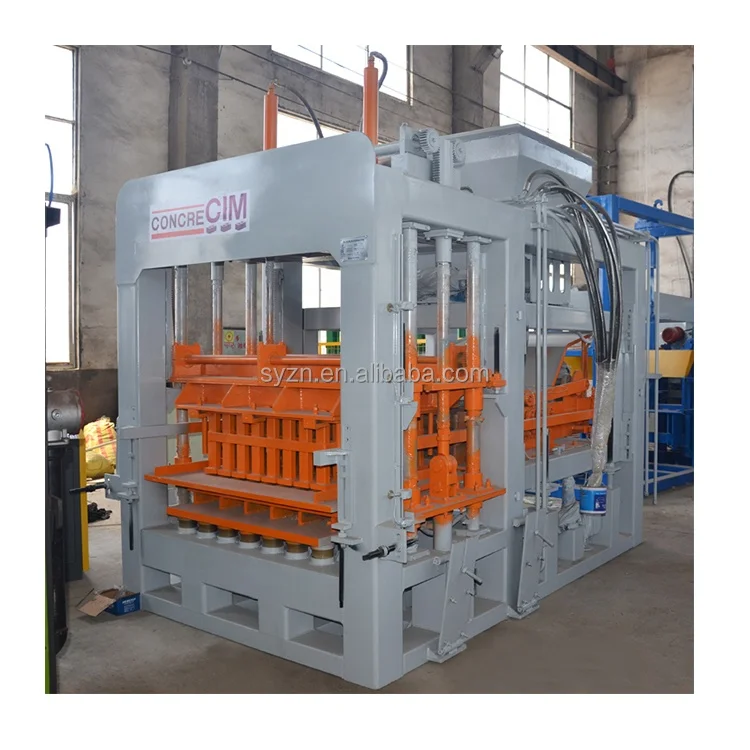
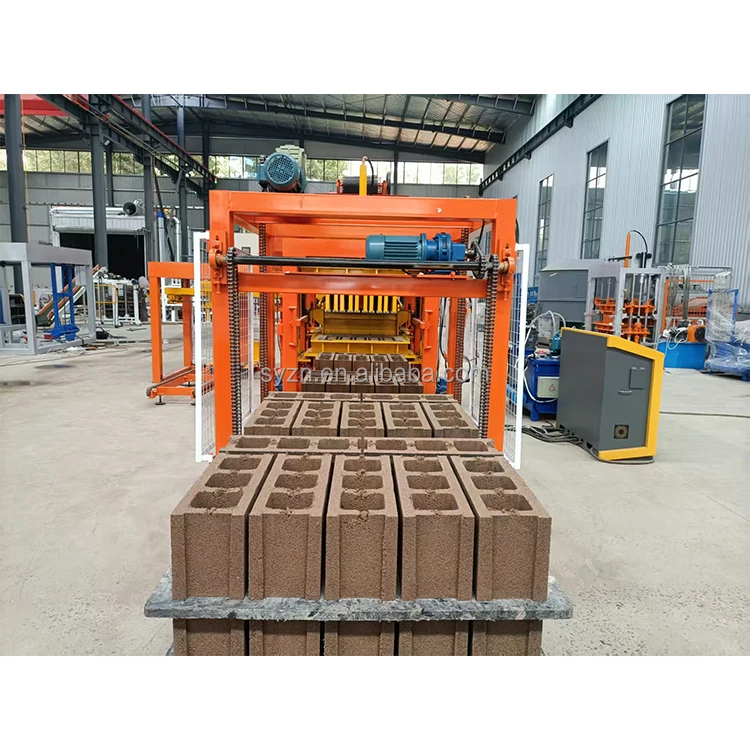
The 880 × 850 mm pallet on the QT6-15 concrete block machine dictates which mould footprints fit and how many cavities each format can carry. A hollow block mould with six cavities fills the pallet differently from a 32-cavity solid brick mould, and the PLC adjusts vibration duration and hydraulic dwell accordingly. Choosing the right format set before the machine enters production avoids costly pallet re-cuts and curing area re-layouts later.
Vibration Force and Local Aggregate — Where Mismatches Surface
Platform vibration at 0–60 Hz with 45 kN of force must be tuned to the density and grading of the buyer’s local aggregate. A lightweight ash blend absorbs energy differently from coarse crushed basalt, and an untuned profile produces blocks that pass the press but fail the compression test three days later. This is the reason every QT6-15 block machine specification review includes a sample mix trial [NEED_CITE: vibration tuning for concrete block aggregate grading].
How Hydraulic Pressure and Vibration Shape Block Density
The independent hydraulic station sits apart from the main frame, which keeps dust and press vibration away from valve blocks and seals. Hydraulic demolding lifts the mould box straight up while the pallet supports the green block, reducing edge spalling on thin-wall hollow formats. Combined with the 45 kN vibration force, the system achieves uniform compaction across the pallet face — critical when the buyer’s mix uses a high percentage of waste ash or slag, materials that demand consistent energy input to reach target strength. The touch screen HMI stores separate recipes for each format, so an operator switching from pavers to solid bricks loads the matching pressure and time profile rather than guessing at the controls.
The Cost of Skipping the Voltage Conversation
A 37 kW machine with hydraulic pumps and vibrators wound for the wrong frequency will run — just not for long. I once watched a comparable block press sit idle in a Texas yard for weeks because the buyer and supplier never confirmed 480 V 60 Hz versus 380 V 50 Hz. Motor windings overheated, the PLC threw undervoltage faults, and the commissioning engineer had to wait for replacement contactors shipped from overseas. Locking down voltage, frequency, and PLC display language before steel is cut removes the single most common cause of delayed start-up [NEED_CITE: voltage and frequency standards by export market].
Why Procurement Starts with the Line, Not Just the Press
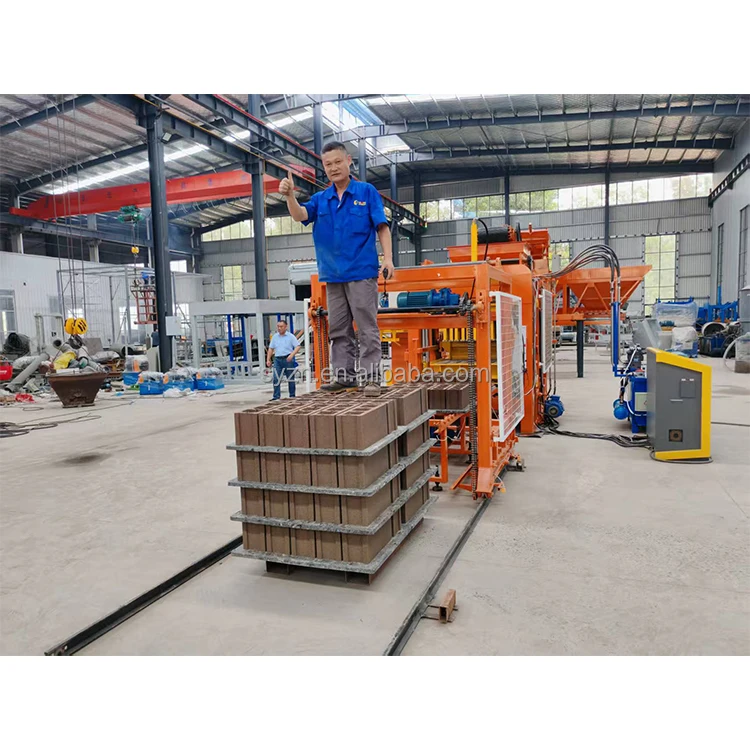
Block machinery is our single focus, so the QT6-15 is specified alongside its pallet feeder, stacker, and curing rack handler as one matched system — not assembled from separate suppliers who each blame the other when cycle times drift. Configuration is set against the buyer’s actual mix design and target block format rather than a catalogue default. Mould design covers the formats the buyer’s market sells, including custom drawings when a local kerbstone or interlocking profile falls outside the standard range. Automation level is selectable, so a plant can start with manual pallet handling and add automatic stacking later without replacing the press. Installation support includes operator training on the PLC, hydraulic schematics, and mould change procedure so the first shift runs without a factory engineer on site.
Documentation & Verification
- Line layout and capacity calculation stating the block format assumed for each QT6-15 output figure
- Mould drawing and format list with cycle time per format and estimated mould change duration
- Pallet specification matched to buyer’s curing area dimensions and existing forklift capacity
- Voltage, frequency, and PLC display language confirmation signed off before production begins
- Hydraulic and electrical schematic, factory test record, and wear parts list shipped with the machine
Installation, Commissioning & Support
- Foundation plan sized to the 8200 × 1700 mm footprint and 7 T mass of the QT6-15 press
- Dedicated 37 kW power circuit with confirmed voltage and frequency at the main breaker
- Machine dismantled for container loading and reassembled on-site with alignment checks
- First-run parameter setting for each block format, adjusting vibration time and hydraulic pressure to the buyer’s mix
- Operator training covering PLC touch screen navigation, fault diagnosis, and safety interlock reset procedures
- Wear parts and mould inventory list provided so the first replacement order can be placed before stock runs out
Starting the QT6-15 Conversation
Before we quote a line, we need to know which block format your market moves in the highest volume and what daily output you need to justify the investment. Tell us about your local aggregate source, the compressive strength your building code requires, and the voltage and frequency available at your site. If you already have curing racks and forklifts, share those dimensions so the pallet and handling equipment are sized to match rather than replaced.
Frequently Asked Questions
Q: How is the QT6-15 output capacity calculated per block format, and what cycle time does each format assume?
A: Each output row in the specification table lists the mould cavity count, cycle time range, and resulting hourly and eight-hour shift totals for that specific format. Hollow blocks at 400×200×200 mm run a 15–20 second cycle, while pavers typically need 20–25 seconds due to higher compaction requirements. These figures assume standard material feed and pallet return times.
Q: Which mould formats are available for the 880 × 850 mm pallet, and how long does a mould change take?
A: The pallet accepts hollow block, solid brick, rectangular paver, and zigzag paver moulds as standard, with custom profiles available to buyer drawings. Mould change involves unclamping the box, lifting it clear, and bolting the replacement in place — a task that should be timed during commissioning so operators know what to expect on a production day.
Q: How should the vibration force and hydraulic pressure be matched to the buyer’s local aggregate and mix design?
A: We request a sample of the buyer’s aggregate and a proposed cement ratio, then run a trial on the factory floor. Vibration frequency and dwell time are adjusted until test blocks meet the target compressive strength, and those settings are saved as a recipe in the PLC for repeatability.
Q: What voltage, frequency, and PLC language options are confirmed before the machine enters production?
A: The buyer’s site voltage and frequency — whether 380 V 50 Hz, 415 V 50 Hz, 480 V 60 Hz, or another combination — are locked in before motor and transformer procurement. PLC display language is selected at the same stage so operators see alarms and menus in their working language on day one.
Q: What documentation is provided to verify capacity, mould design, and commissioning readiness before shipment?
A: Before the QT6-15 leaves the factory, the buyer receives a signed capacity calculation per format, mould drawings, a factory test record showing actual cycle times, hydraulic and electrical schematics, and a packing list with photographs. CE declaration documentation is included where applicable.