

Description
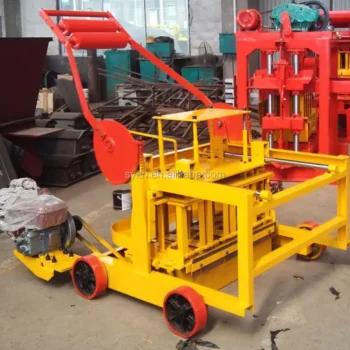
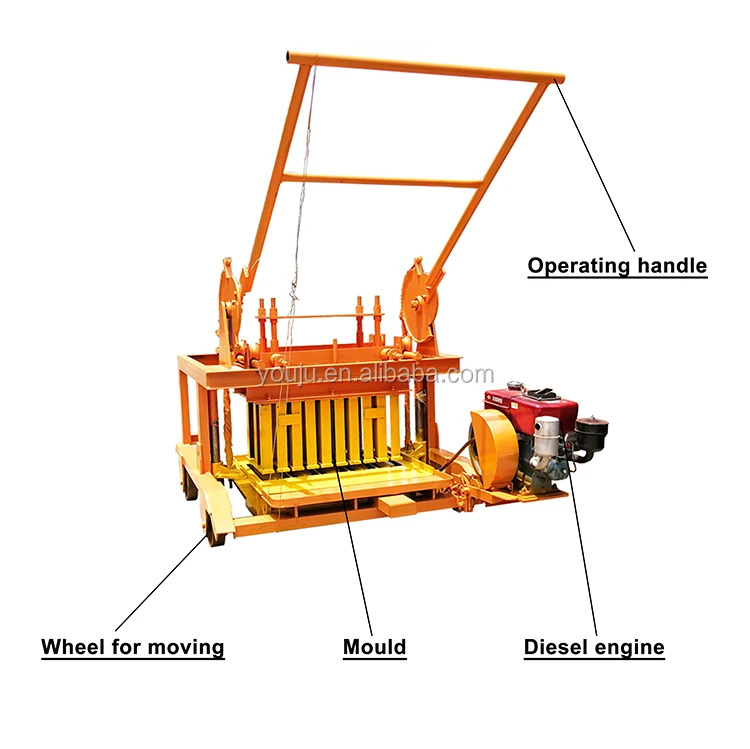
Matched System Design — machine, mould and egg-laying logistics specified as one coordinated unit rather than sourced from separate suppliers, so the QMY12-15 mobile block machine arrives configured for your actual aggregate and block format.
Technical Specifications
| Parameter | Value |
|---|---|
| Model | QMY12-15 |
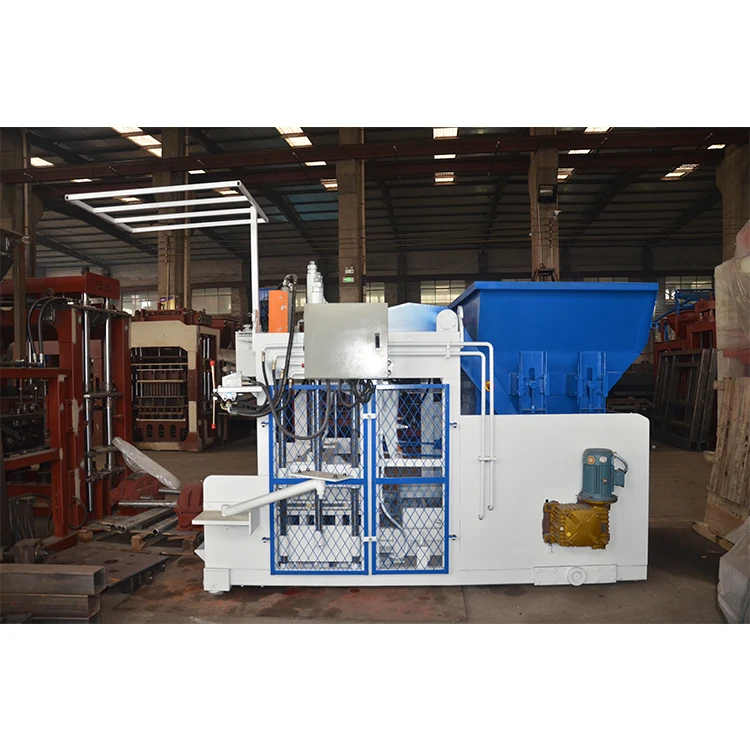
| Product Type | Mobile Hydraulic Block Making Machine |
| Pressure Type | Hydraulic |
| Vibration System | Twice-vibration of molding core |
| Rated Power | 16 kW |
| Motor Brand | Siemens |
| Cycle Time (400×200×200 mm hollow block) | 10–15 s, 12 pcs/mould |
| Daily Output (400×200×200 mm hollow block) | 23,040 pcs/day based on 8-hour shift |
| Overall Dimensions (L×W×H) | 3250×2100×2300 mm |
| Net Weight | 4500–4600 kg |
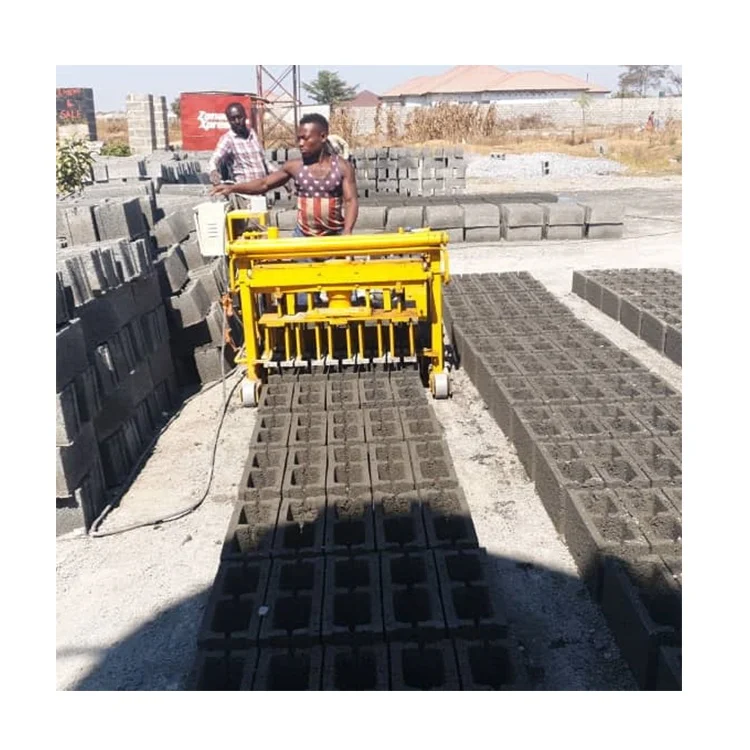
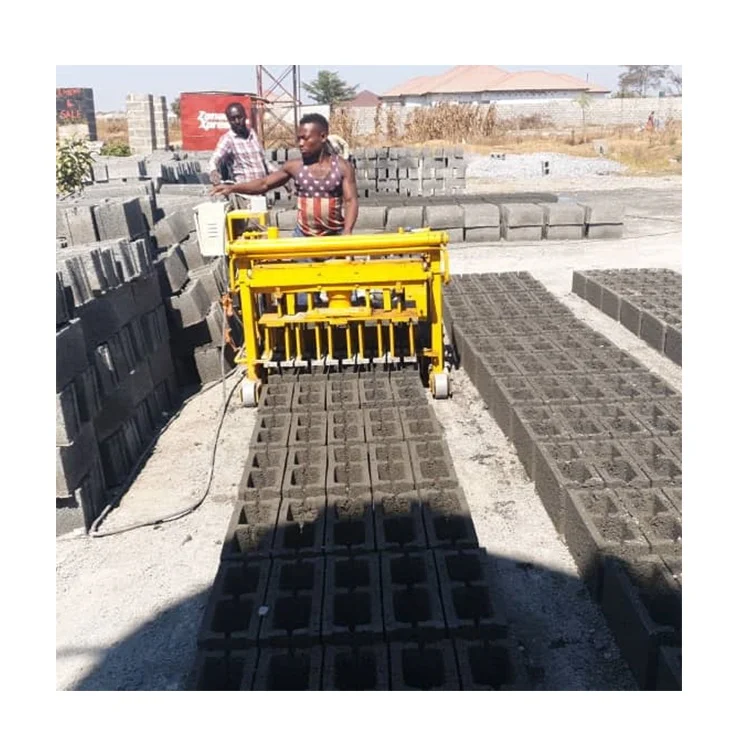
| Pallet Requirement | No pallet required (egg-laying operation) |
| Workers Required | 2–3 |
| Automation Level | Semi-automatic (mobile / egg-laying) |
| Standards | ISO 9001:2008, SGS, CE |
Application Suitability
| Application | Material or Output |
|---|---|
| On-site hollow block production at construction projects | Crushed stone, river sand, cement and water |
| Mobile solid block manufacturing without a fixed plant | Local aggregate blends with cement binder |
| First-stage block plant for entrepreneurs entering the market | Standard concrete mix designs for hollow and solid formats |
| Supplementary on-site production for existing cement product manufacturers | Project-specific mix adjustments to match local raw material availability |
What "23,040 Blocks per Day" Actually Means for Your Site
Daily output figures only hold meaning when the block format, cycle time, and shift length are all stated together.
Suppliers frequently quote a single capacity number without clarifying which block dimension it assumes. A buyer expecting 23,040 pieces of 150 mm solid block will find the real output noticeably different from the hollow block figure. On the QMY12-15 mobile block machine, the 23,040-piece daily rate applies specifically to 400×200×200 mm hollow blocks at a 10–15 second cycle across an eight-hour shift. I have watched contractors arrive on site only to discover the machine they bought was rated on a format they never intended to sell [NEED_CITE: block format assumptions in manufacturer capacity quotations]. The mould count per cycle changes with every format, and the QMY12-15 specifications for some smaller formats still require verification against the manufacturer catalogue before you commit to a production target.
Format-by-Format Capacity and Honest Cycle Data
Every block format the QMY12-15 mobile block machine can produce carries its own mould cavity count, cycle window, and realistic daily ceiling. The 400×200×200 mm hollow block runs 12 pieces per mould at 10–15 seconds per cycle, yielding the published 23,040-piece figure. Shift that same machine to a 400×150×200 mm block and the mould cavity count rises to 14, but the daily total listed in source documentation contains inconsistencies that must be clarified before quoting a customer. Buyers who skip this format-level breakdown often end up promising delivery volumes their machine cannot sustain.
Mould Change Reality on a Mobile Platform
On a fixed-plant block line, a mould change might take twenty minutes with overhead crane assistance. On a mobile egg-laying machine working on a compacted earth floor, the changeover involves manual alignment, hydraulic hose re-routing, and vibration recalibration without the luxury of a fixed gantry. The QMY12-15 is designed for semi-automatic operation, meaning the operator manages the transition between formats directly. Buyers who plan to run three or four block sizes in a single shift should factor in this on-site changeover time rather than assuming catalogue flexibility translates into same-day multi-format output [NEED_CITE: mould change duration on mobile egg-laying block machines].
How Hydraulic Pressure and Twice-Vibration Shape Block Density
The QMY12-15 uses a twice-vibration molding core rather than a single-vibration setup, meaning the vibration acts on the core from two phases during compaction. Paired with hydraulic pressure, this produces denser blocks with more uniform wall strength across the hollow cavities. On a mobile machine that lays blocks directly on the ground without pallets, consistent density matters even more because there is no pallet surface to compensate for uneven compaction. The 16 kW rated power drives both the hydraulic pump and the vibration motor simultaneously, so voltage stability at the site directly affects whether the machine can sustain full pressure and vibration through every cycle.
The Hidden Cost of Skipping Mix Design Alignment
I once spent a full week on site re-tuning vibration frequency and hydraulic pressure because the machine had been configured with standard sand while the customer was using locally crushed limestone aggregate. The first batch of blocks failed strength testing. The QMY12-15 mobile block machine performs well when the mould geometry and vibration profile are matched to the buyer’s actual raw material, but when the mix design is treated as an afterthought, even a correctly specified machine will produce inconsistent results. Buyers who do not share their aggregate type and cement ratio before ordering often face delays that no amount of on-site adjustment can quickly resolve [NEED_CITE: effect of local aggregate variation on block compressive strength].
Why Sourcing the Full Mobile System Matters Here
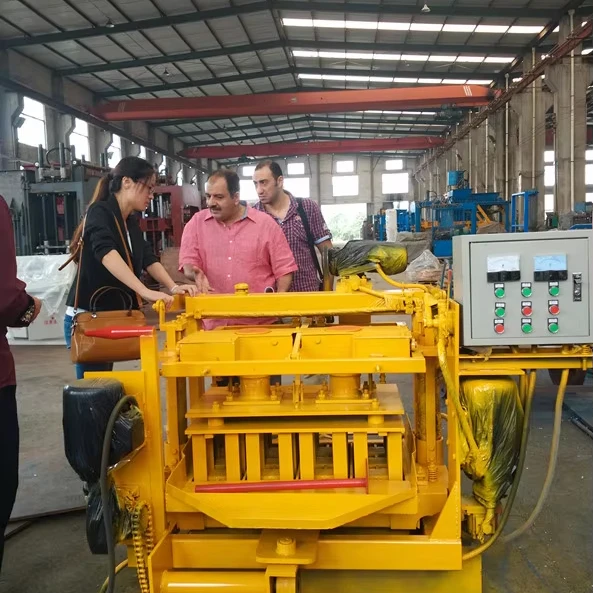
The QMY12-15 is specified as a complete egg-laying unit, meaning the machine, mould set, and operational parameters are configured together rather than assembled from separate vendors. Mould drawings are prepared for the block formats your market actually sells, including custom profiles when standard cavity counts do not match local demand. Voltage, frequency, and PLC display language are confirmed before production so commissioning is not delayed by a control panel the operator cannot read. Factory testing is conducted with documentation covering the specific block format you have ordered, and installation support includes operator training on mould change and vibration adjustment for your local material.
Documentation & Verification
- Line layout showing egg-laying travel path and curing area dimensions for QMY12-15
- Capacity calculation sheet stating block format behind every output figure
- Mould drawing set confirming cavity count and dimensional tolerances per format
- Voltage, frequency, and PLC display language confirmation signed before production
- Factory test record with block samples from your specified mix design
- CE declaration and ISO 9001:2008 compliance documentation included in shipment
Installation, Commissioning & Support
- Compacted and level ground surface required across the egg-laying travel area for the 3250×2100 mm machine footprint
- Dedicated power circuit matching confirmed voltage and frequency for the 16 kW total rated load
- Machine arrives partially dismantled for container loading with reassembly guided on site
- First-run parameter tuning of hydraulic pressure and vibration matched to your local aggregate
- Operator training covers mould change procedure, cycle timing, and twice-vibration adjustment
- Wear parts list and mould maintenance schedule provided at handover
What We Need to Size This Machine to Your Project
Before we confirm the QMY12-15 mobile block machine configuration, share the block formats your market sells along with target daily volumes for each. Tell us which aggregate and cement sources you plan to use so we can align the mould design and vibration settings to your actual material. Finally, confirm your site voltage, frequency, and preferred control language so the machine arrives ready to commission without electrical or interface delays.
Frequently Asked Questions
Q: How is daily output calculated for each block format on the QMY12-15?
A: Each output figure is calculated from the mould cavity count, cycle time window of 10–15 seconds, and an eight-hour shift assumption. The published 23,040-piece figure applies specifically to 400×200×200 mm hollow blocks at 12 pieces per mould. Other formats carry different cavity counts, so we provide a format-by-format capacity sheet rather than a single headline number.
Q: Which mould formats can the QMY12-15 produce, and how long does a change take?
A: The machine supports hollow and solid block formats within the mould size envelope of the platform. Mould change on a mobile egg-laying machine involves manual re-alignment and vibration recalibration without fixed-plant crane support. We confirm available format options and realistic changeover duration during the configuration stage based on the formats you need.
Q: What block strength is achievable with my local aggregate?
A: Block strength depends on the interaction between your aggregate type, cement ratio, and the machine’s vibration and hydraulic settings. The QMY12-15 twice-vibration core produces higher density, but the mould and pressure parameters must be tuned to your specific material. We conduct factory testing with your stated mix design to verify strength before shipment.
Q: What are the curing area requirements for egg-laying operation?
A: Egg-laying machines deposit blocks directly on the ground, so the curing area must be compacted, level, and large enough to hold a full shift of output without stacking. The area requirement depends on the block format and daily volume you plan to produce. We include a curing area layout recommendation in the line documentation so you can prepare the site before the machine arrives.