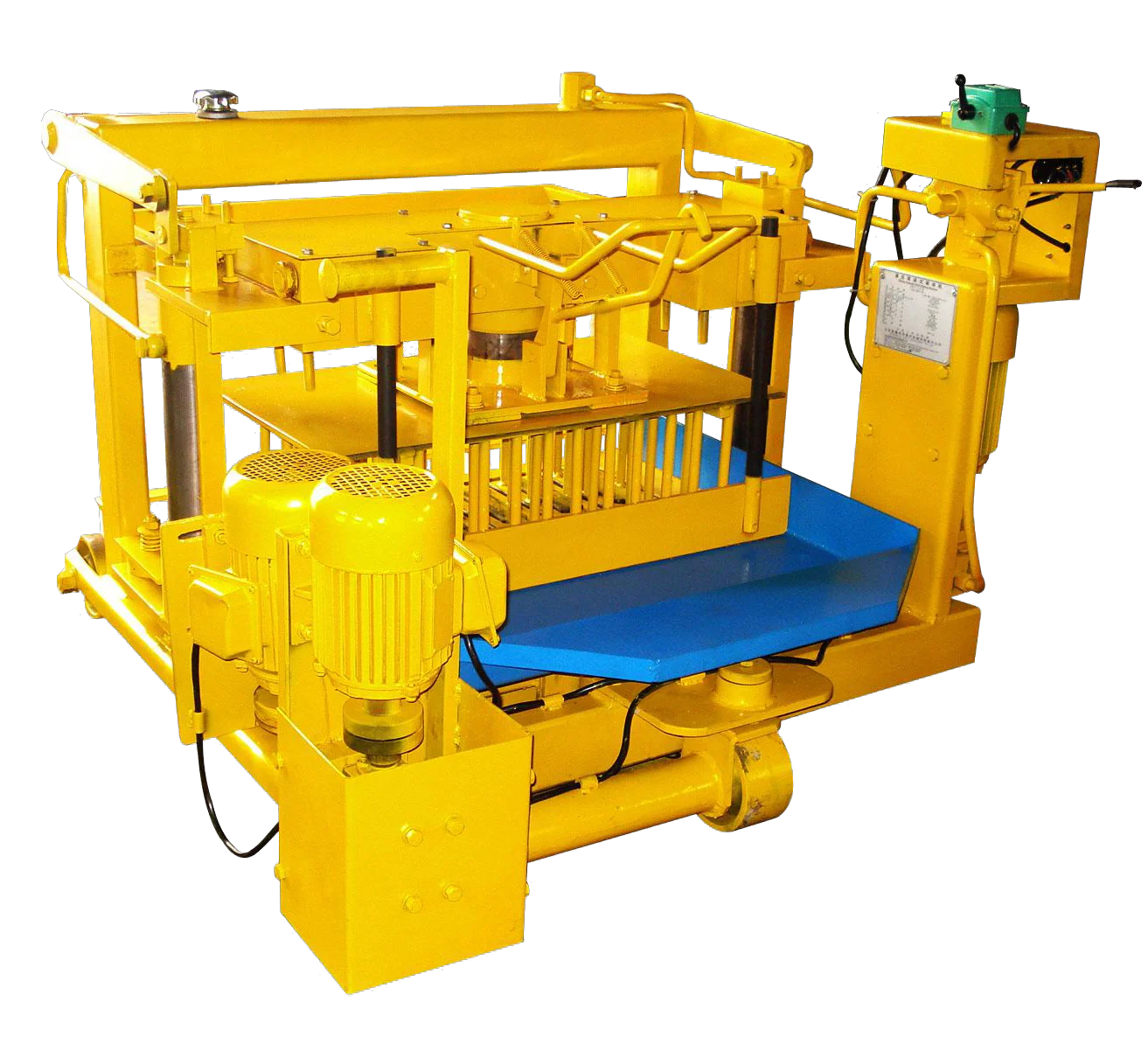

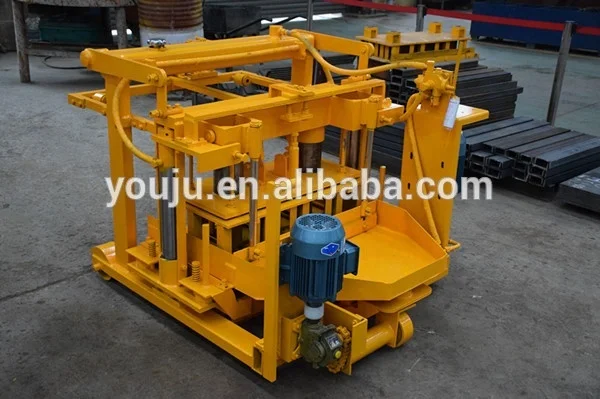
Description
Honest Output Data — The QMY4-30 mobile hollow block machine delivers stated cycle times per block format, not a single inflated number that hides which block size it assumes.
Technical Specifications
| Parameter | Value |
|---|---|
| Model | QMY4-30 |
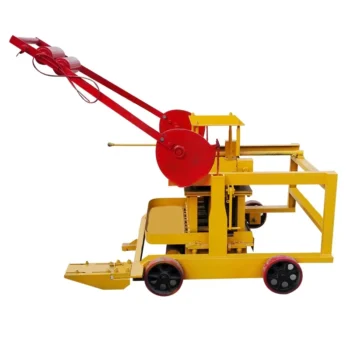
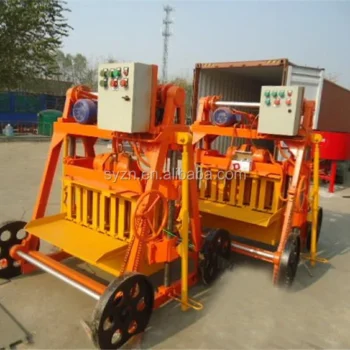
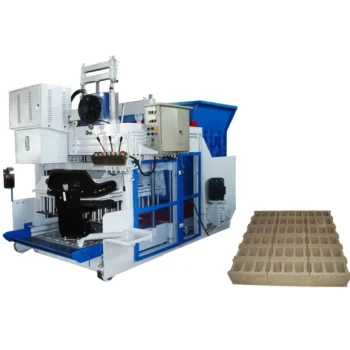
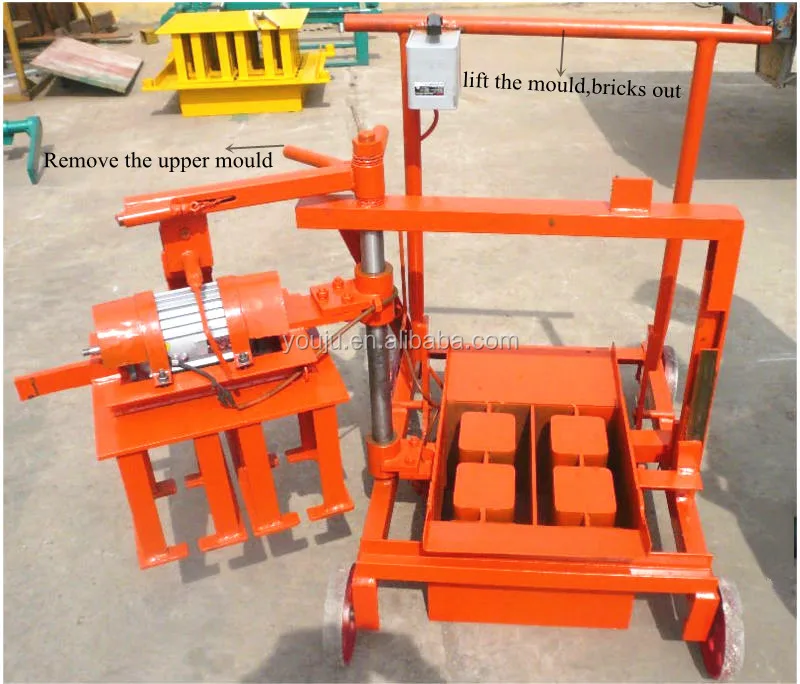
| Product Type | Mobile Hollow Block Making Machine |
| Rated Power | 5 kW |
| Molding Time | 30 seconds per mold |
| Overall Dimensions (L×W×H) | 1200 × 1200 × 1100 mm |
| Net Weight | 950 kg |
| Raw Materials | Cement, sand, crushed stones, slag |
| Output Capacity (400×200×200 mm hollow block, 4 pcs/mold) | 480 pcs/hour |
| Output Capacity (400×150×200 mm hollow block, 5 pcs/mold) | 600 pcs/hour |
| Output Capacity (400×100×200 mm hollow block, 7 pcs/mold) | 840 pcs/hour |
| Daily Output (400×200×200 mm, 8 hours) | 3,840 pcs |
| Daily Output (400×150×200 mm, 8 hours) | 4,800 pcs |
| Daily Output (400×100×200 mm, 8 hours) | 6,720 pcs |
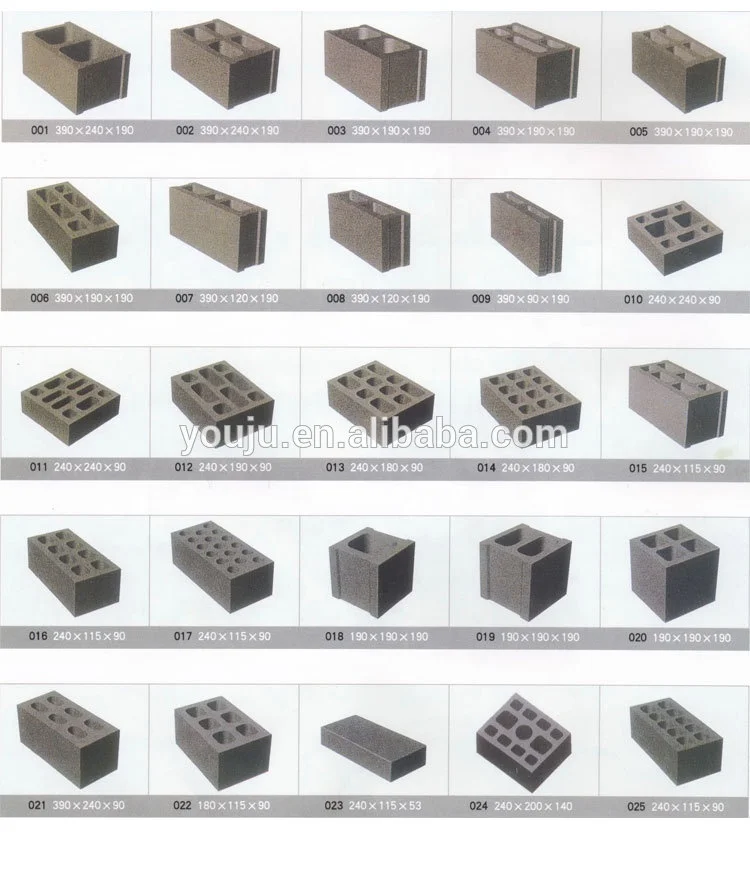
| Block Size Options | 400×200×200 mm, 400×150×200 mm, 400×100×200 mm |
| Mould Format | Hollow block and solid brick (changeable molds) |
| Pallet Requirement | Not required (egg-laying / mobile on-ground production) |
| Automation Level | Manual / mobile egg-laying type |
| Hydraulic Pressure | Basis to be confirmed with manufacturer |
| Vibration Force | Basis to be confirmed with manufacturer |
| Voltage & Frequency | Basis to be confirmed with manufacturer |
| Control System | Basis to be confirmed with manufacturer |
Application Suitability
| Application | Material or Output |
|---|---|
| On-site hollow block production for housing projects | Crushed stone, sand, and cement mix laid directly on ground |
| Small-scale solid brick manufacturing for local sale | Sand and cement blend producing changeable solid brick formats |
| First block plant setup by entrepreneurs | Low-investment mobile production without fixed plant infrastructure |
| Contractor self-supply on remote construction sites | Slag, sand, and cement block production matching daily masonry pace |
What "480 Pieces per Hour" Actually Means on Site
Output figures only hold when the block format, mix design, and local aggregate are matched to the machine’s vibration and pressure settings.
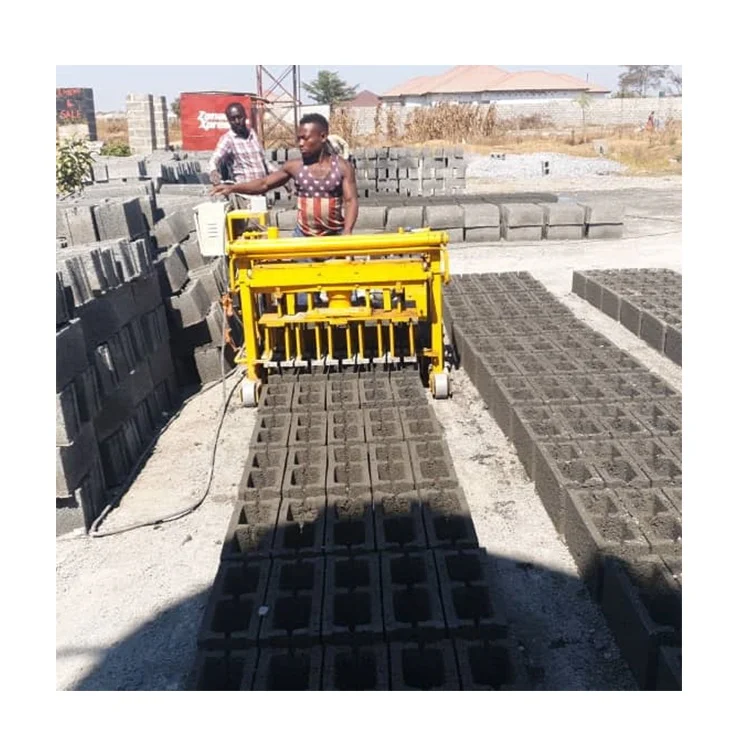
I once stood on a site in West Africa watching a mobile egg-laying machine struggle through its first week. The supplier had quoted a comfortable hourly number, but nobody had checked that the local river sand carried a high clay content. The vibration force was not enough to compact that mix properly, and blocks were cracking before they cured. The crew ended up producing less than half the quoted daily volume. That gap between brochure capacity and actual throughput is the single biggest disappointment I see buyers face with mobile block machines. The QMY4-30 mobile hollow block machine specifications address this by stating output per format — 480 pcs/hour for 400×200×200 mm blocks, 840 pcs/hour for 400×100×200 mm — so you know exactly what to expect before the machine arrives [NEED_CITE: mobile block machine capacity verification standards].
How Format Choice Drives Real Throughput
The QMY4-30 runs a fixed 30-second molding cycle, but the number of blocks per mold changes with format. A 400×200×200 mm mold produces 4 pieces per cycle, while a 400×100×200 mm mold produces 7. That means the mobile hollow block machine specifications you see — ranging from 3,840 to 6,720 pieces over an 8-hour shift — depend entirely on which block your market actually buys. Sizing the machine without confirming your target format first is how projects end up short on supply.
Matching the Mix to Local Aggregate
Every mobile block machine depends on the raw material available nearby. The QMY4-30 accepts cement, sand, crushed stones, and slag, but the vibration force and hydraulic pressure must suit the specific aggregate grading and moisture content at your site. If the sand is too fine or the stone dust percentage is high, the compaction behavior changes. Confirming your local material report before finalizing the machine configuration is the step that prevents weak blocks and wasted shifts [NEED_CITE: aggregate grading effect on block compressive strength].
Reading the Numbers That Matter
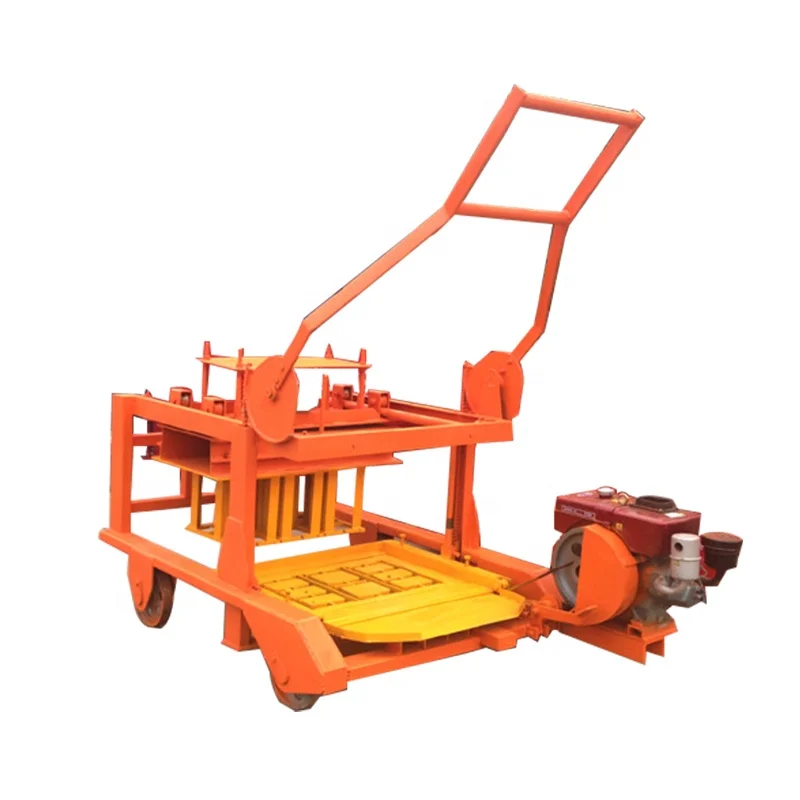
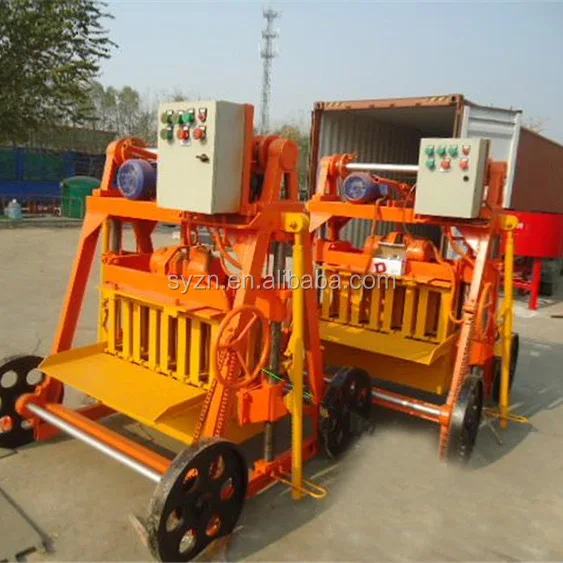
The 5 kW rated power tells you this machine is designed for low-energy mobile operation, not high-pressure static pressing. The 950 kg net weight keeps it movable by a small forklift or manual effort across a flat site, which matters when you are relocating production between building plots. The 30-second cycle time is consistent across all three listed block sizes, meaning your daily planning stays predictable regardless of which mold is installed. These mobile hollow block machine specifications are modest by design — the QMY4-30 trades high-capacity output for the ability to start producing blocks without a fixed plant, pallets, or curing racks.
The Hidden Cost of Skipping Format Confirmation
When a buyer orders a mobile block machine based on a single output number and discovers the quoted figure assumed a smaller block format than what their market requires, the gap is not just a few hundred pieces. It compounds across every shift. A project that planned for 6,000 blocks per day but receives 3,840 falls behind schedule within the first week. Contractors then push the machine harder, skip proper curing times, and block breakage rates climb. I have watched this cycle repeat on sites where the format conversation never happened before the purchase order was signed [NEED_CITE: block production scheduling and format mismatch consequences].
Why Buyers Come Back for a Second Machine
Block machinery is the single focus here, so the QMY4-30 arrives with its mold, pallet compatibility, and handling requirements specified as one matched set rather than assembled from separate suppliers. The configuration is set against your actual mix design and target block format, not pulled from a catalogue default. Molds are available for the formats your market sells, with custom drawings supported when standard sizes do not fit. The automation level starts at manual egg-laying, leaving room to move up to semi-automatic lines later without replacing your entire setup. Installation support includes operator training so the crew understands cycle timing and mold change procedures from day one.
Documentation & Verification
- Line layout and capacity calculation stating which block format each output figure assumes
- Mold drawing and format list confirming dimensions match your market requirements
- Factory test record run on your specified block size before dispatch
- Voltage and control language confirmation document signed before production begins
- Operation and maintenance manual with wear parts and mold replacement schedule
Installation, Commissioning & Support
- Flat compacted ground required; the 1200 × 1200 mm footprint needs no concrete foundation
- Confirm voltage and frequency at site before the 5 kW motor is first energized
- Machine ships assembled; mold change hardware included for on-site format switching
- First-run commissioning includes cycle timing verification at 30 seconds per mold
- Operator training covers mix ratio adjustment for local sand and crushed stone
- Wear parts list provided with recommended first replacement intervals
What to Prepare Before Requesting a Quote
Send your target block format and dimensions, the daily output you need to meet project deadlines, and a sample or lab report of your local sand and aggregate. Confirm the voltage and frequency available at your site, and let us know which control display language your operators read. If you already have a mixer or material feeding setup, describe it so the QMY4-30 mobile hollow block machine can be positioned to match your existing workflow.
Frequently Asked Questions
Q: How is the QMY4-30 output capacity calculated, and which block format does each figure assume?
A: Output is stated per block format based on a 30-second molding cycle. The 400×200×200 mm hollow block yields 480 pieces per hour with 4 pieces per mold. The 400×150×200 mm format produces 600 pieces per hour with 5 per mold, and the 400×100×200 mm format reaches 840 pieces per hour with 7 per mold. Daily figures assume an 8-hour shift.
Q: What block formats and mold options are available, and how long does a mold change take?
A: The QMY4-30 supports hollow block and solid brick formats through changeable molds. Standard sizes include 400×200×200 mm, 400×150×200 mm, and 400×100×200 mm. Custom mold drawings can be produced to buyer specifications. Mold change time is confirmed during commissioning and depends on the bolt configuration of the specific mold set supplied.
Q: Which raw materials are compatible, and how do local aggregates affect block strength?
A: The machine processes cement, sand, crushed stones, and slag. Block strength depends on matching vibration force and compaction to your specific aggregate grading and moisture content. A material report from your local source allows the machine settings to be adjusted before production starts, reducing the risk of weak or cracked blocks.
Q: What voltage, frequency, and control options need confirming before shipment?
A: Voltage and frequency must match your site supply to avoid motor damage or commissioning delays. Control system language should be confirmed so operators can read displays and fault codes. These details are locked in before production begins to ensure the QMY4-30 is ready to run on arrival [NEED_CITE: industrial equipment voltage and frequency standards by region].
Q: What documentation is provided with the QMY4-30 before and after shipment?
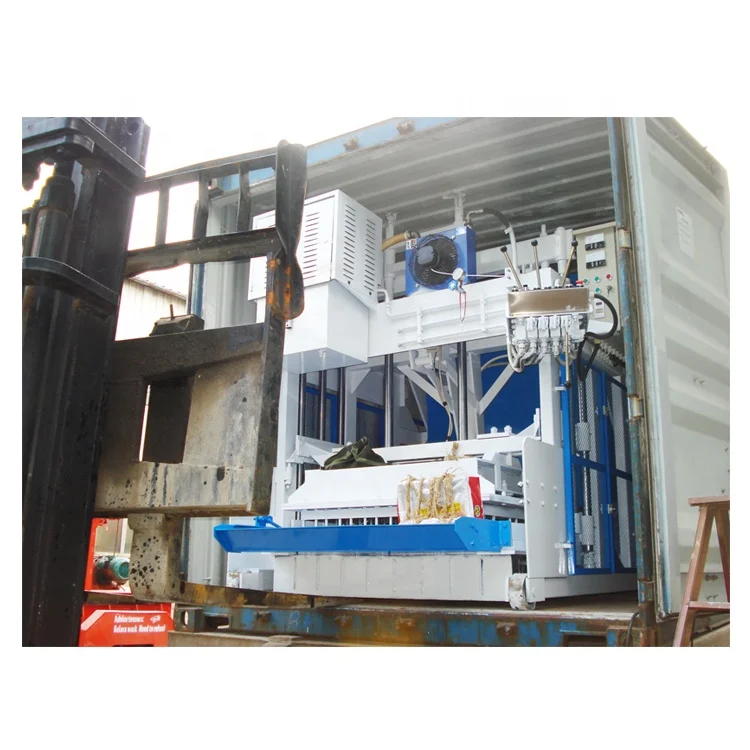
A: Buyers receive a capacity calculation per block format, mold drawings and format list, factory test records, voltage and language confirmation, and an operation manual with wear parts schedule. Hydraulic and electrical schematics are included for maintenance planning. Packing photographs and customs documentation support are provided before dispatch.