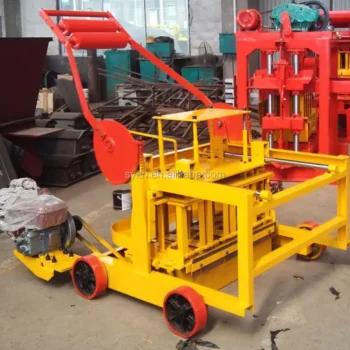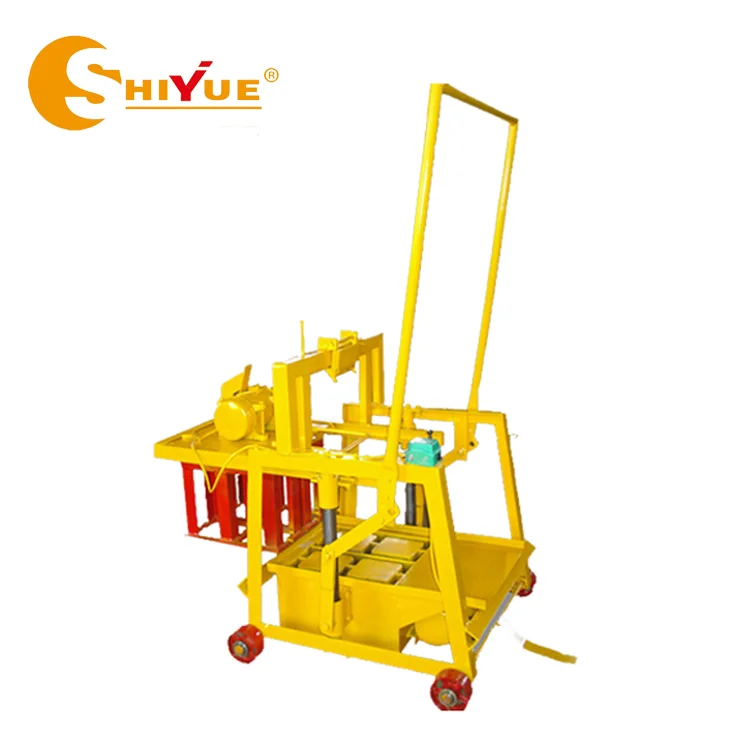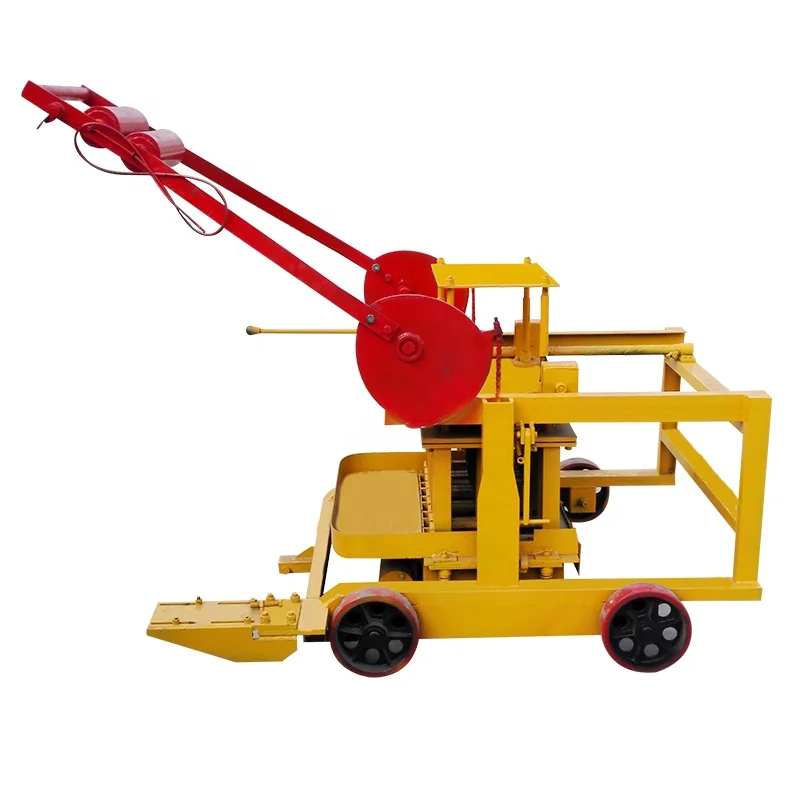
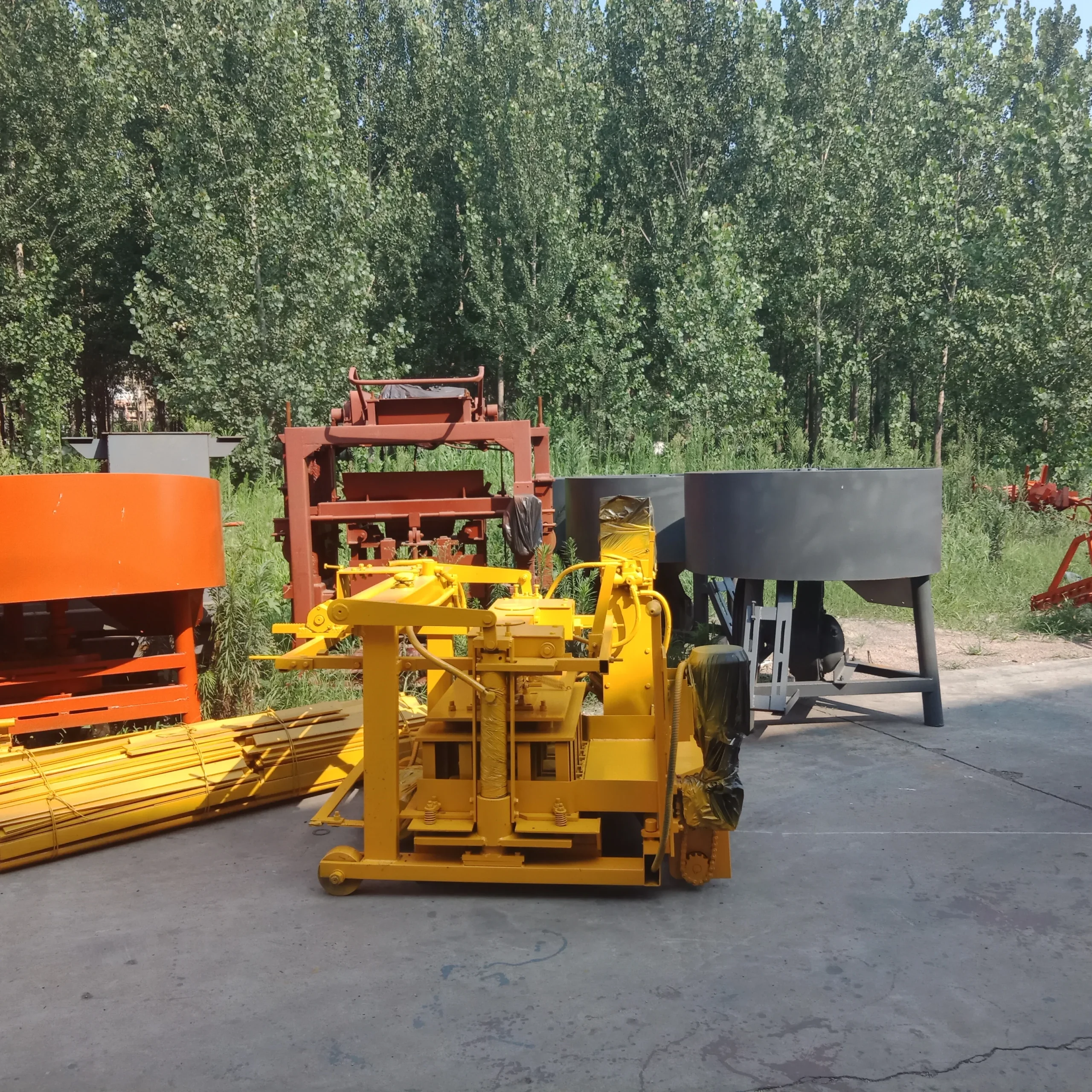

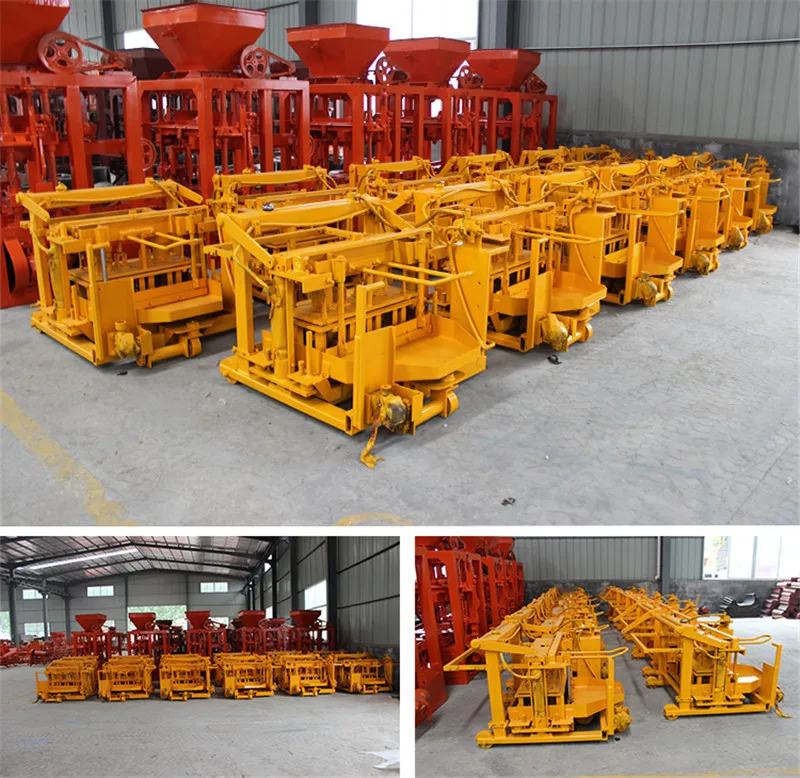
Description
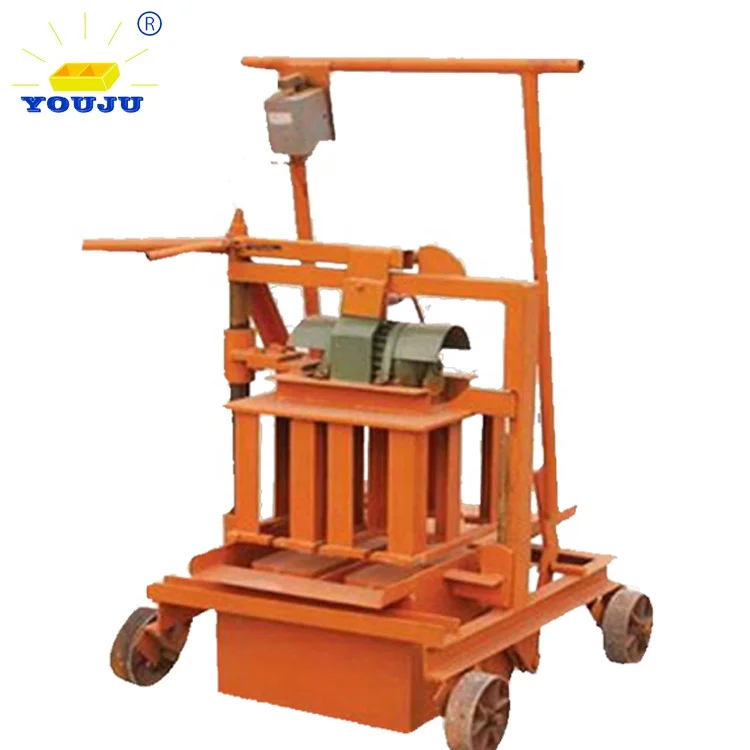
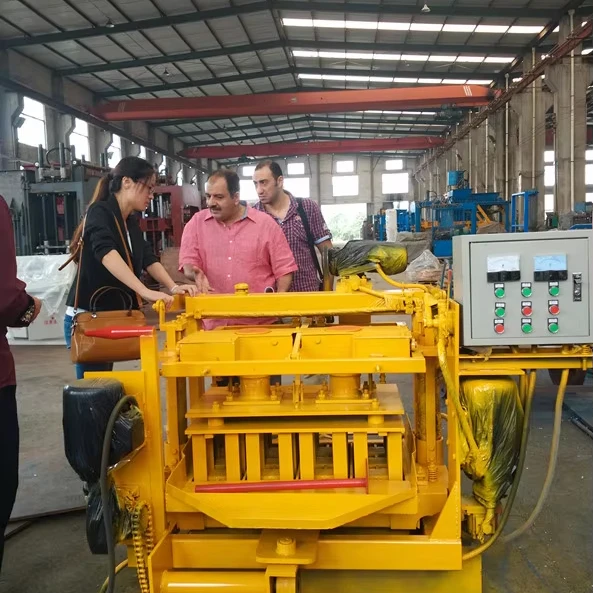
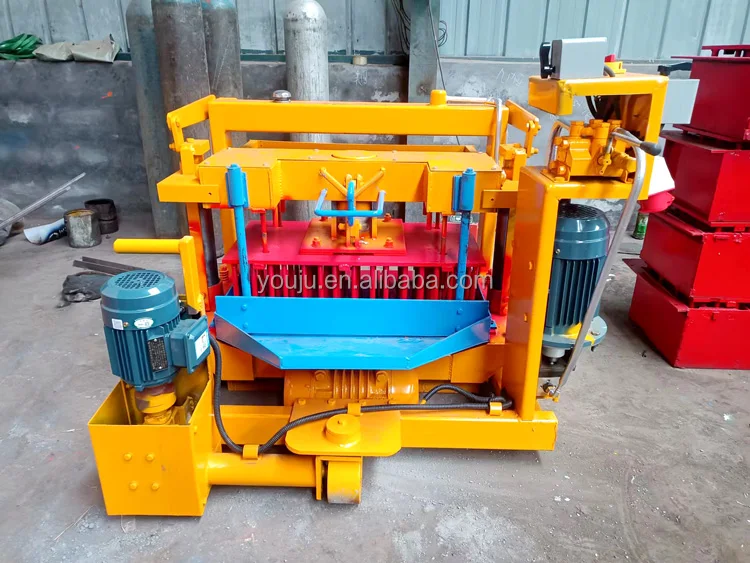
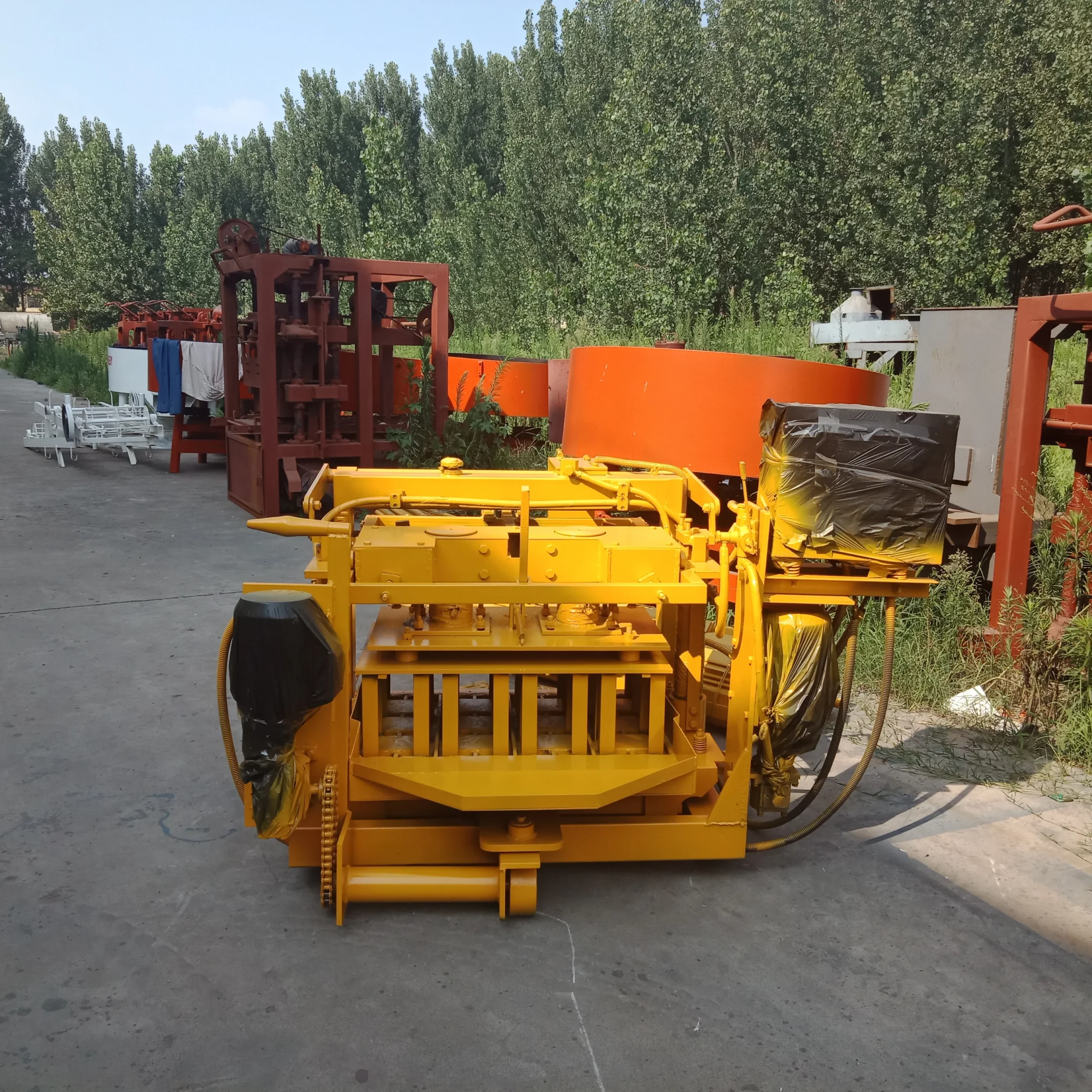
Mould and machine specified together — The QMY4-30 mobile block machine is quoted with its matching hollow and solid block moulds as one system, not as a standalone press with format details left to chance.
Technical Specifications
| Parameter | Value |
|---|---|
| Model | QMY4-30 |
| Product Type | Mobile Concrete Block Making Machine |
| Machine Type | Mobile / egg-laying |
| Automation Level | Semi-automatic |
| Rated Power | 5 kW |
| Cycle Time | 30 seconds |
| Overall Dimensions | 1200 × 1200 × 1100 mm |
| Net Weight | 950 kg |
| Raw Materials | Cement, sand, crushed stones, slag |
| Mould Format | Hollow block, solid brick |
| Output Capacity | 480 pcs/hour based on 400×200×200 mm hollow block, 4 pcs/mould |
| Output Capacity | 600 pcs/hour based on 400×150×200 mm hollow block, 5 pcs/mould |
| Output Capacity | 840 pcs/hour based on 400×100×200 mm hollow block, 7 pcs/mould |
| Output Capacity (8-hour shift) | 3,840 pcs based on 400×200×200 mm hollow block |
| Output Capacity (8-hour shift) | 4,800 pcs based on 400×150×200 mm hollow block |
| Output Capacity (8-hour shift) | 6,720 pcs based on 400×100×200 mm hollow block |
| Voltage & Frequency | Basis not stated in source — confirm target market voltage |
| Control System | Basis not stated in source — confirm PLC or manual control |
| Hydraulic Pressure | Basis not stated in source — confirm with manufacturer |
| Vibration Force | Basis not stated in source — confirm with manufacturer |
| Warranty | Five year guarantee (source value — verify against manufacturer catalog) |
Application Suitability
| Application | Material or Output |
|---|---|
| On-site hollow block production for building contractors | 400×200×200 mm and 400×150×200 mm hollow blocks from cement, sand and crushed stone |
| Start-up block plant with low initial investment | 400×100×200 mm hollow blocks and standard solid bricks from locally sourced aggregate |
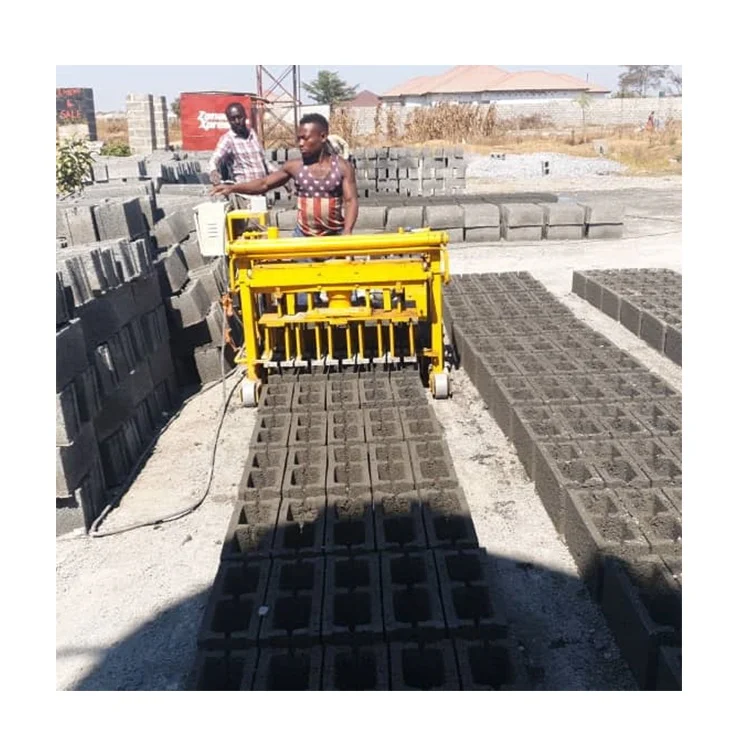
| Housing project contractors producing blocks locally | Mobile egg-laying production directly on ground slab without a fixed plant or pallet system |
| Small-scale concrete product manufacturers | Format switching between hollow block and solid brick on one machine |
What "480 Pieces per Hour" Leaves Out When Choosing a Mobile Block Machine
Capacity means nothing unless you know which block format it was measured on.
When I first specified an egg-laying machine for a site in East Africa, the brochure said 480 pieces per hour. Nobody asked which block size that assumed. The contractor needed 400×150×200 mm hollow blocks, not the 400×200×200 mm format the figure was based on. The real output was higher in pieces but the wall thickness, curing time and pallet logistics all changed — and nobody had planned for it [NEED_CITE: block format assumptions in capacity quotations]. Understanding mobile block machine specifications how to choose starts with tying every output number to a specific format, mould cavity count and cycle time. The QMY4-30 runs a 30-second cycle across all formats, but the pieces-per-mould count shifts from four to seven depending on block width, which changes daily totals substantially.
Matching the Mould to the Block Your Market Actually Sells
The QMY4-30 ships with mould options for standard hollow block and solid brick formats, and the output table above reflects the real cavity count for each. A buyer producing 400×100×200 mm hollow blocks gets seven pieces per cycle, while a buyer on 400×200×200 mm gets four. That difference is the reason mobile block machine specifications how to choose must start with the format the local construction market demands, not the machine’s maximum theoretical number.
Ground Curing and What It Means for Site Layout
Because the QMY4-30 is a mobile egg-laying type, it lays blocks directly onto a prepared ground slab. There is no pallet feeding system and no pallet return loop. This eliminates an entire station from the line, but it also means the curing area must be flat, level and large enough to hold a full shift’s output. Plan the slab area around the format with the highest daily volume — that is 6,720 pieces per eight-hour shift on the 400×100×200 mm hollow block [NEED_CITE: ground curing area calculations for egg-laying block machines].
How Cycle Time, Power and Mould Change Interact
The 30-second cycle time, 5 kW rated power and semi-automatic operation together define what the QMY4-30 asks of a site. The low power draw means a standard workshop supply is usually sufficient, reducing the utility infrastructure a start-up plant needs to arrange before commissioning. The vibration force and hydraulic pressure ratings, however, are not stated in the available source data and must be confirmed with the manufacturer against the buyer’s actual mix design. If the local aggregate is volcanic ash or lightweight pumice rather than standard crushed stone, the vibration force needed to compact the mix to target block strength changes [NEED_CITE: vibration force requirements for alternative aggregate in block production]. Getting these parameters right before shipment avoids the situation where blocks cure under-strength and an entire batch has to be scrapped — which is exactly what happened to me on an early project where I signed off a configuration without seeing the aggregate first.
The Cost of Skipping the Format Conversation
Buyers who choose an egg-laying machine based on a single headline output figure often find that their target block format produces fewer pieces per mould than the quote assumed. The daily shortfall compounds across a project timeline. A separate frustration arrives when the mould included in the shipment does not match the format the local market actually buys, forcing a second purchase and a multi-week wait for the correct tooling. Mould change time on machines in this class can consume most of a shift if the clamping system is manual and poorly documented, cancelling out the format flexibility the buyer paid for [NEED_CITE: mould change downtime on semi-automatic block machines]. These are not equipment failures — they are specification failures that a mobile block machine specifications how to choose checklist would have prevented.
Why Source the QMY4-30 Through a Matched-System Approach
Block machinery is our single focus, which means the QMY4-30, its moulds, and the ground-curing workflow are specified as one system rather than assembled from separate suppliers. Configuration is set against the buyer’s actual mix design and local aggregate, not a catalogue default. Mould design covers the formats the buyer’s market sells, including custom drawings when a project calls for a non-standard block size. The automation level is selectable, so a buyer can start with the QMY4-30 in semi-automatic mode and move to a higher-capacity automatic line later without abandoning the format knowledge already gained. Installation and commissioning include operator training on mould change, mix adjustment and daily maintenance.
Documentation & Verification
- Line layout showing ground slab dimensions and curing area sized to the chosen block format
- Machine specification sheet listing cycle time and output per block format with cavity count
- Mould drawing and format list confirming included moulds match the buyer’s target sizes
- Voltage and control language confirmation form completed before production begins
- Factory test record with blocks produced in the buyer’s specified hollow and solid formats
- Wear parts and mould list with part numbers for the first replacement cycle
Installation, Commissioning & Support
- Ground slab must be level and cured before the 950 kg QMY4-30 arrives on site
- 5 kW power supply with dedicated circuit confirmed against local voltage and frequency before shipment
- Machine delivered assembled; mobile egg-laying design requires no fixed foundation or pallet system
- First production run supervised with mould set to buyer’s primary block format
- Operator training covers 30-second cycle pacing, mix consistency and daily vibration motor inspection
- Wear parts list provided with mould cavities and vibration pads identified for stocking
What We Need to Move Forward
To configure the QMY4-30 correctly, share the hollow block and solid brick formats your market requires along with the target daily volume for each. Confirm the local voltage, frequency and any control language preference so the electrical panel matches the site before dispatch. If you have a local aggregate in mind — whether standard crushed stone, sand, slag or an alternative material — send a sample description or test report so the vibration and pressure settings can be matched to it.
Frequently Asked Questions
Q: How is output capacity calculated for each block format on the QMY4-30?
A: Output is calculated by dividing the shift time by the 30-second cycle time, then multiplying by the pieces-per-mould count for that format. For example, the 400×200×200 mm hollow block uses a 4-cavity mould, yielding 480 pieces per hour, while the 400×100×200 mm format uses a 7-cavity mould, yielding 840 pieces per hour.
Q: What mould formats are available, and how does mould change work?
A: The QMY4-30 supports hollow block and solid brick moulds in standard sizes. Mould change involves releasing the clamping bolts, lifting the current mould off the vibration table and seating the replacement. The exact changeover time depends on the clamping system fitted and should be confirmed with the manufacturer for your configuration.
Q: Which voltage and frequency options are available?
A: Voltage and frequency are configured to the buyer’s target market before production. This parameter is not fixed in the standard specification, so confirmation is required at the quotation stage to ensure the motor and control panel match local supply standards and avoid commissioning delays on arrival.
Q: What mix design does the QMY4-30 need for consistent block strength?
A: The machine processes cement, sand, crushed stone and slag. The exact mix ratio and required vibration force depend on the local aggregate type and the target block strength. We recommend sharing your aggregate details or a sample description so the vibration and pressure settings can be matched before shipment.
Q: What does the five-year warranty cover, and which wear parts need regular replacement?
A: The five-year guarantee is listed in the source documentation and should be verified against the manufacturer’s current warranty terms. Wear parts that typically need periodic replacement include vibration table pads, mould cavity liners and hydraulic seals. A wear parts list with part numbers is provided before shipment.