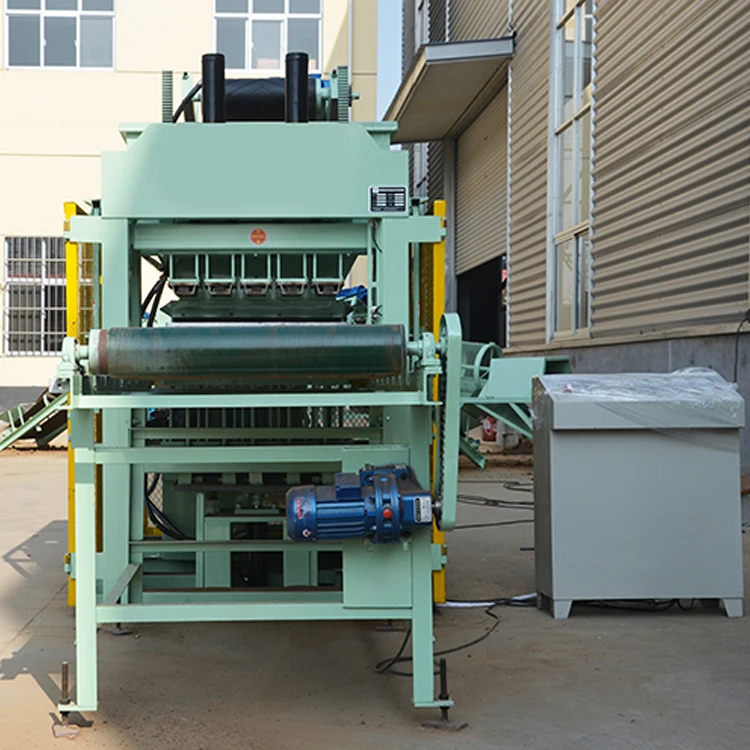
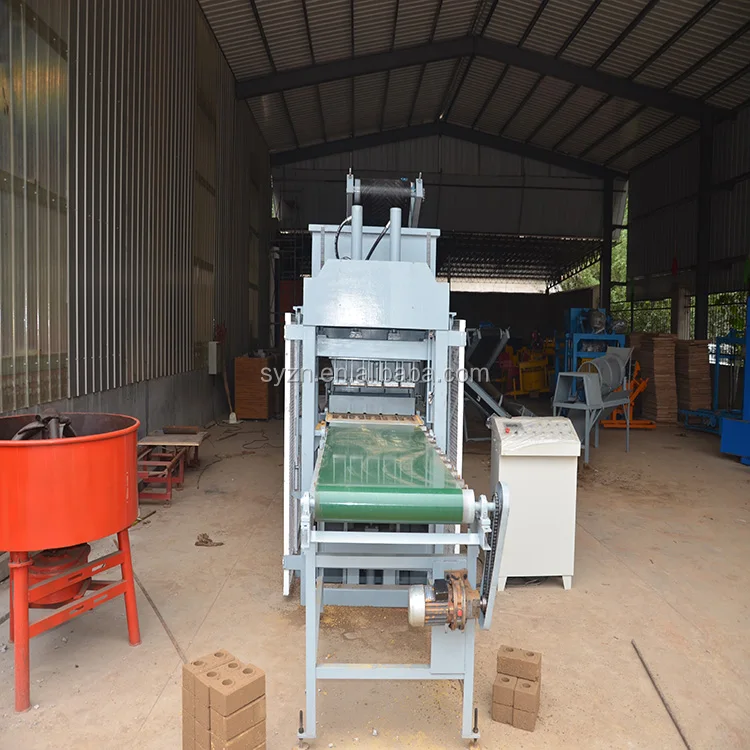
Description
Mould-First Configuration — every LY5-10 capacity figure is stated against the interlocking clay brick format you actually sell, never a catalogue default.
Technical Specifications
| Parameter | Value |
|---|---|
| Model | LY5-10 |
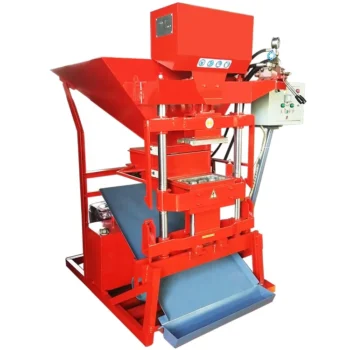
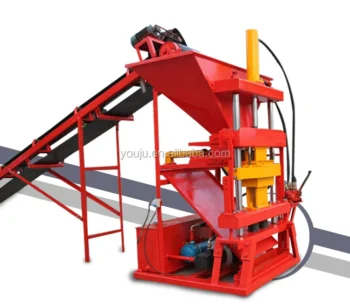
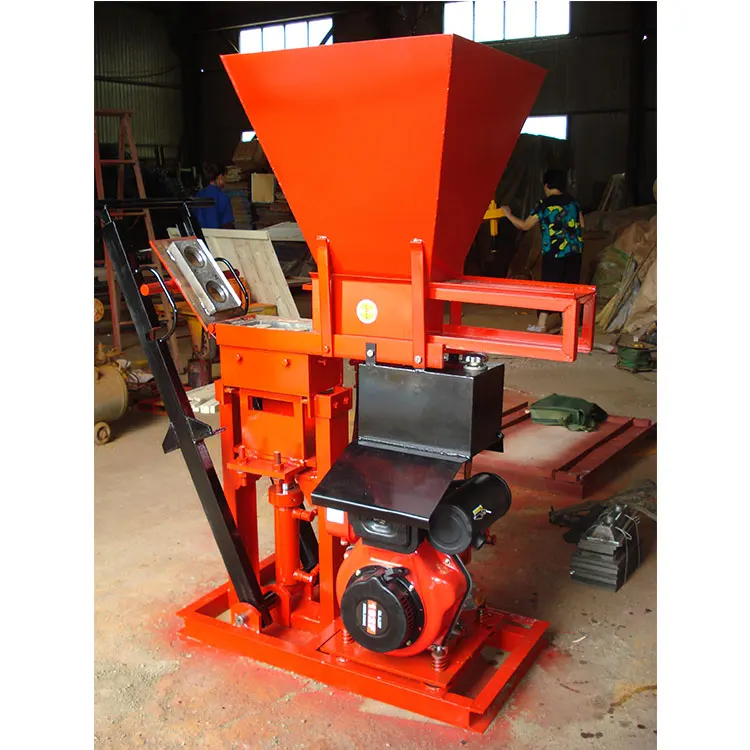
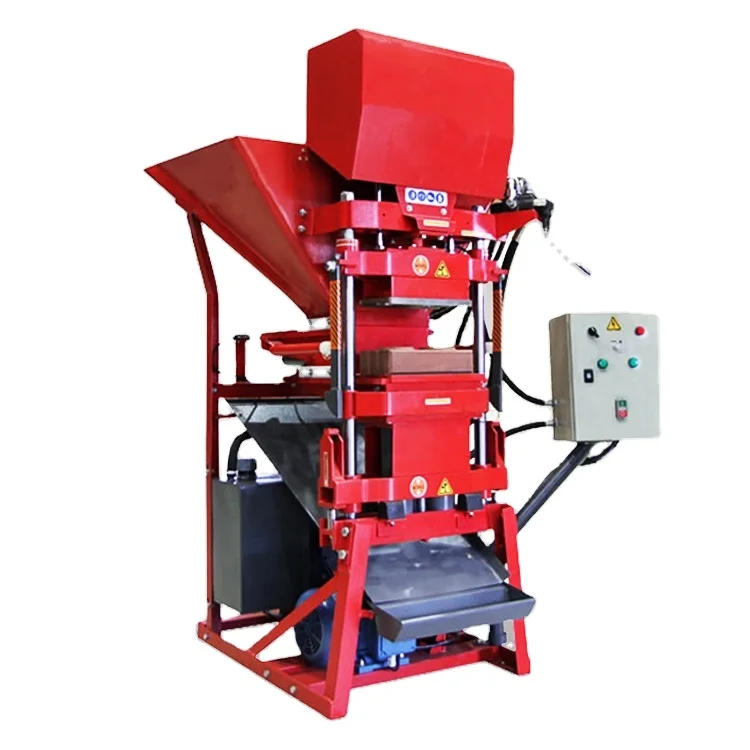
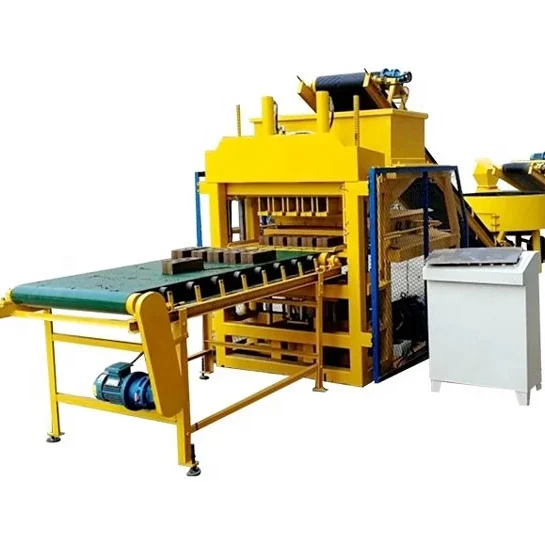
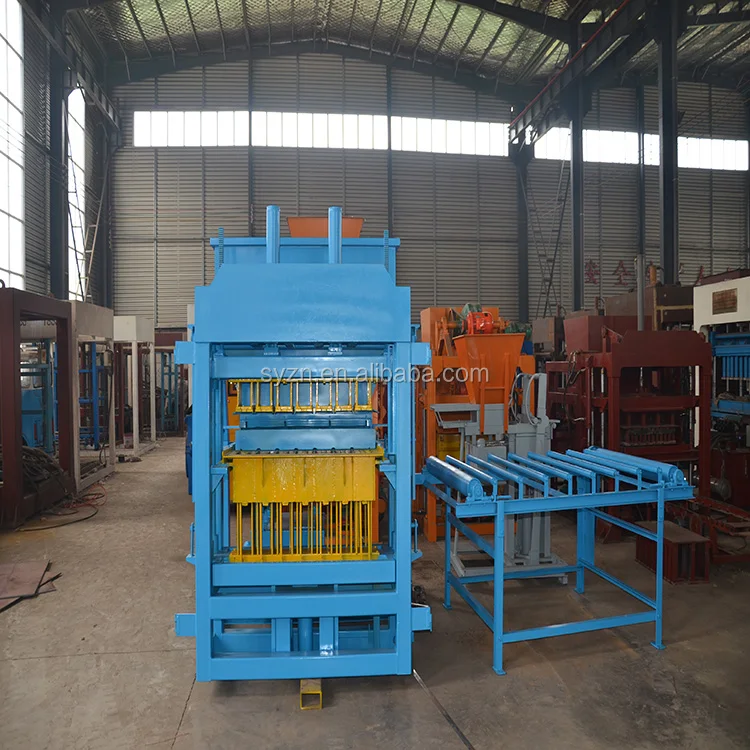
| Product Type | Automatic Hydraulic Interlocking Clay Brick Making Machine |
| Rated Power | 15 kW |
| Voltage & Frequency | Configurable per buyer confirmation (basis not stated in source) |
| Control System | PLC controlled |
| Overall Dimensions | 2260 × 1500 × 2380 mm |
| Net Weight | 2200 kg |
| Cycle Time | 10 s (basis not stated in source — confirm block format and material) |
| Bricks per Cycle | 1 or 2 (depending on mould) |
| Raw Material | Clay, soil, cement, construction dregs |
| Hydraulic System | Hydraulic pressure forming, 70 L anti-wear oil capacity |
| Brick Height Adjustment | Adjustable via screws |
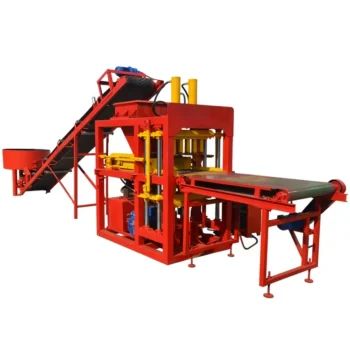
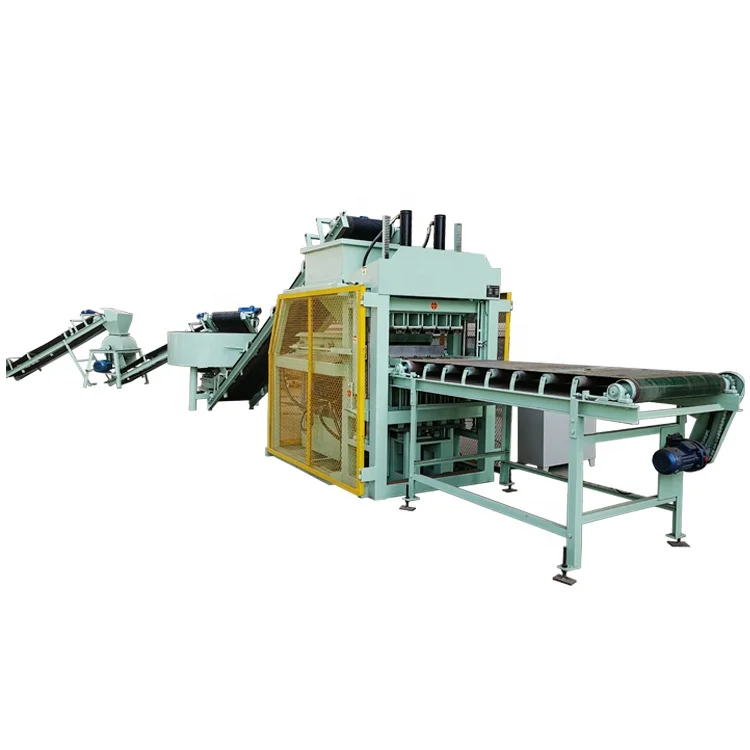
| Related Equipment | JQ500 mixer, 6 m conveyor, soil crusher, soil screening machine, 4 m belt conveyor, output conveyor |
| Assembly State | On-site assembly required (main circuit to electric box, auxiliary units to control box) |
| Automation Level | Automatic, single-operator capable |
Application Suitability
| Application | Material or Output |
|---|---|
| On-site interlocking brick production for housing projects | Local clay and soil blended with cement |
| Building material distributors expanding into interlocking formats | Crusher-processed soil with cement stabilisation |
| Rural and peri-urban block plants | Construction dregs and recycled soil mixed with cement |
| Development contractors producing bricks at remote sites | Locally sourced clay with site-specific moisture management |
Why Cycle Time Alone Cannot Tell You Daily Output
Capacity only means something when the block format, mix design and mould are named alongside it.
Buyers routinely receive quotations stating a cycle time or a daily output number with no reference to which interlocking brick profile that number assumes. A 10-second cycle producing a single small interlocking brick yields a very different daily figure than the same cycle producing a larger two-cavity format. I have watched contractors in East Africa take delivery of a machine only to discover the quoted output assumed a mould they never ordered [NEED_CITE: capacity calculation standards for concrete and clay block machines]. The LY5-10 interlocking clay brick making machine specifications must always be read against the specific mould in use.
Mould Selection Defines What the Machine Actually Produces
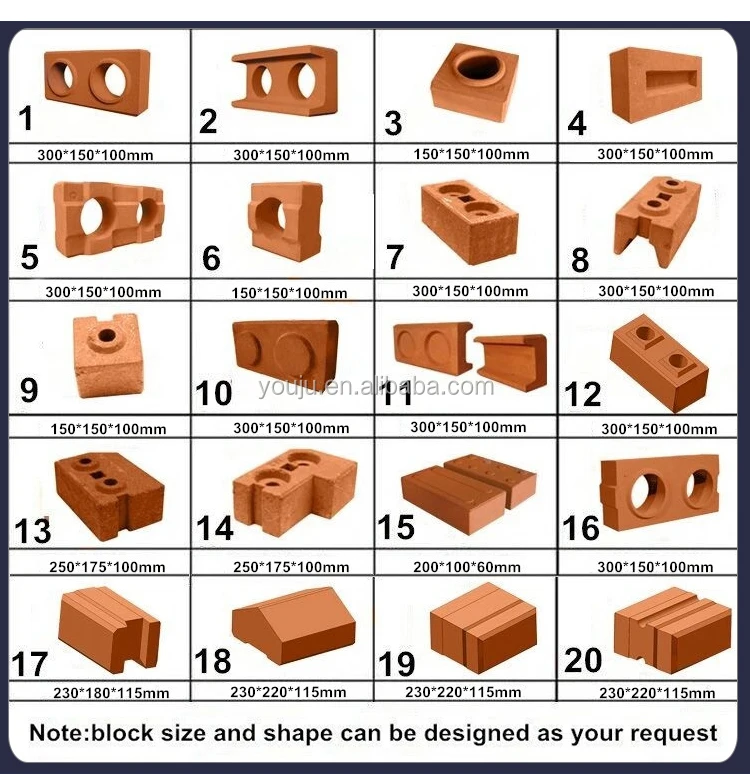
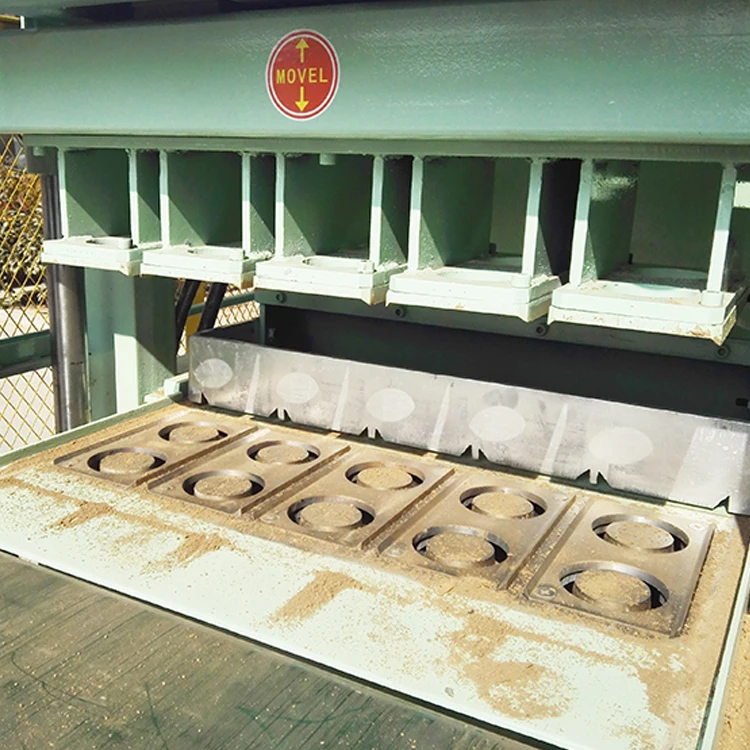
The LY5-10 ships with an interlocking brick mould chosen around the format your market demands, and the mould is changeable to other profiles as needed. Each mould determines how many bricks form per cycle, the interlocking geometry, and the compaction behaviour of the clay-soil-cement mix. Choosing the wrong profile means the machine runs, but the brick does not sell.
Hydraulic Pressure and Mix Design Must Agree
Interlocking clay bricks rely on hydraulic pressure to achieve the density needed for structural stability and clean interlocking edges. If the local clay has high moisture content or heavy plasticity, the pressure setting that works for a sandy loam will produce bricks with collapsed corners. Before any LY5-10 leaves for site, I insist on running a trial with the buyer’s actual soil sample to dial in the hydraulic response [NEED_CITE: effect of clay plasticity on hydraulic block forming pressure].
Reading the Core Specifications for Production Reality
The 15 kW rated power drives both the hydraulic pump and the vibration system simultaneously, meaning the machine does not need a separate power circuit for forming versus pressing. The 70 L anti-wear hydraulic oil capacity provides thermal stability across a full shift in hot climates without requiring mid-day oil cooling stops. Brick height adjustment via screws allows operators to fine-tune the interlocking profile depth without swapping mould components, which matters when local builders specify a slightly different course height. The 10-second cycle time applies to a specific mould and material condition; changing to a denser mix or a larger format will extend that figure, and any honest interlocking clay brick making machine specifications sheet should say so.
What a Misconfigured Line Costs After Arrival
When the voltage and frequency are not confirmed before shipment, the PLC will not communicate with the electric box on first power-up, and commissioning stalls while transformers are sourced locally [NEED_CITE: voltage and frequency standards by export market]. When pallet size is chosen without checking the buyer’s existing curing racks and forklift, bricks end up stacked by hand in the yard. When the soil crusher and screening machine are not matched to the local clay’s moisture level, the mixer receives inconsistent feed and brick density varies from batch to batch. These are not machine defects — they are configuration gaps that surface only after the container is opened.
Why Sourcing This Machine Here Reduces Configuration Risk
Block machinery is the single focus here, so the LY5-10 is specified as one system — press, mould, crusher, screen, mixer and conveyors — rather than assembled from unrelated suppliers. Every configuration is set against the buyer’s actual clay sample, target interlocking format and site conditions, not pulled from a generic catalogue. Custom mould design is available from buyer drawings when the local market demands a profile outside the standard range. The automation level starts at single-operator PLC control and can be expanded with additional handling equipment as the plant grows. Installation support includes on-site assembly guidance, because the LY5-10 arrives requiring main circuit connection and auxiliary equipment wiring rather than simple plug-in.
Documentation & Verification
- Line layout with capacity calculation stating the interlocking brick format assumed
- Mould drawing and profile list confirming available interlocking geometries
- Hydraulic and electrical schematic for local maintenance teams
- Voltage, frequency and PLC display language confirmation before dispatch
- Factory test record on buyer’s soil sample with pressure and cycle data
Installation, Commissioning & Support
- On-site assembly of main circuit to 15 kW electric box and auxiliary units to control box
- Soil crusher and screening machine positioned to feed the JQ500 mixer at matched throughput
- Hydraulic system filled with 70 L anti-wear oil and pressure calibrated to buyer’s mix
- PLC display language and control parameters set before first production run
- Brick height screw adjustment demonstrated across the buyer’s target interlocking formats
- Wear parts list provided with mould and hydraulic seal replacement intervals
What to Prepare Before Requesting a Quotation
Send a sample of the local clay or soil along with the target interlocking brick profile drawing or photograph. Confirm the site voltage, frequency and preferred PLC display language. State the daily output target and the specific brick dimensions your market requires so the capacity calculation reflects your actual product.
Frequently Asked Questions
Q: How is the 14,400 pcs/day capacity calculated, and which interlocking brick format does it assume?
A: That figure is based on a 10-second cycle with a specific mould configuration producing at maximum strokes per shift. The actual daily output changes when you switch to a larger interlocking profile or a denser clay-cement mix that requires a longer forming cycle. We provide a capacity calculation tied to your chosen format before order confirmation.
Q: What mould formats are available for the LY5-10, and can custom interlocking profiles be designed?
A: Standard interlocking brick moulds are available in common profiles, and custom moulds can be engineered from buyer-supplied drawings. Each mould determines bricks per cycle and the interlocking geometry, so format selection is confirmed before production begins to ensure the output matches your local market.
Q: How does the clay-soil-cement mix affect block strength and machine settings?
A: High-plasticity clay with elevated moisture requires different hydraulic pressure than sandy soil, and using the wrong setting produces bricks with weak interlocking edges. We test your soil sample before shipment to confirm the pressure and cycle parameters that deliver consistent density for your specific material.
Q: What electrical details must be confirmed before the LY5-10 ships?
A: Voltage, frequency and PLC display language must all be agreed in writing before production. If these are left unconfirmed, the machine may arrive with a control panel your operators cannot read and a motor winding that does not match your local supply, delaying commissioning.
Q: How does the on-site assembly process work for this machine?
A: The LY5-10 arrives requiring connection of the main circuit to the electric box and wiring of the crusher, screen, mixer and conveyors to the small control box. Assembly guidance is provided, and the 15 kW power requirement means a dedicated circuit must be prepared at the site before the machine arrives.