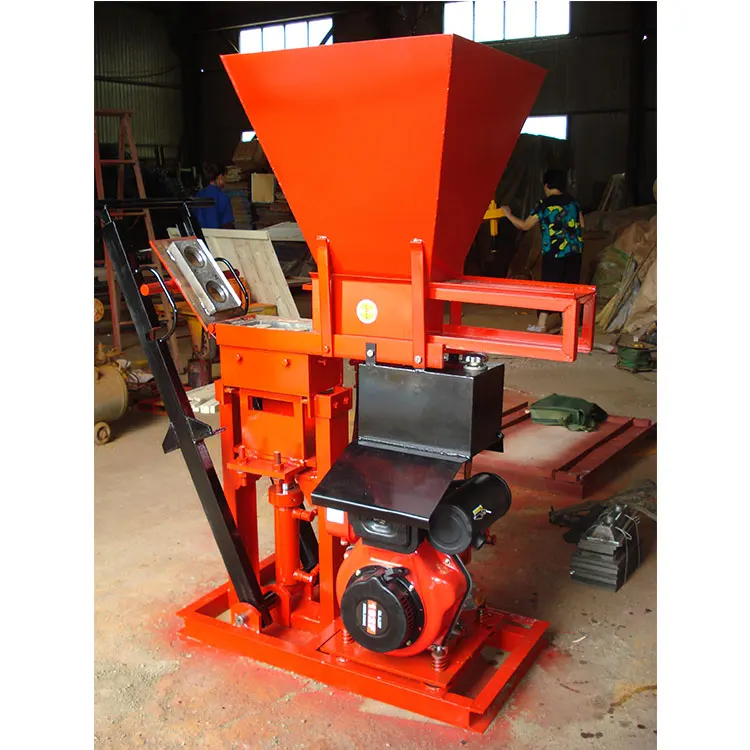
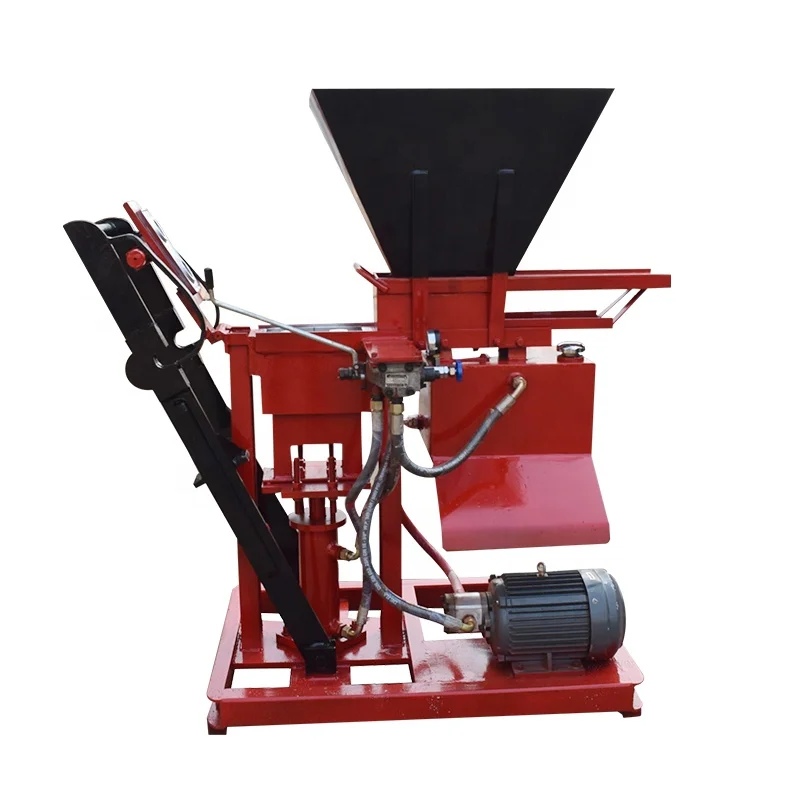
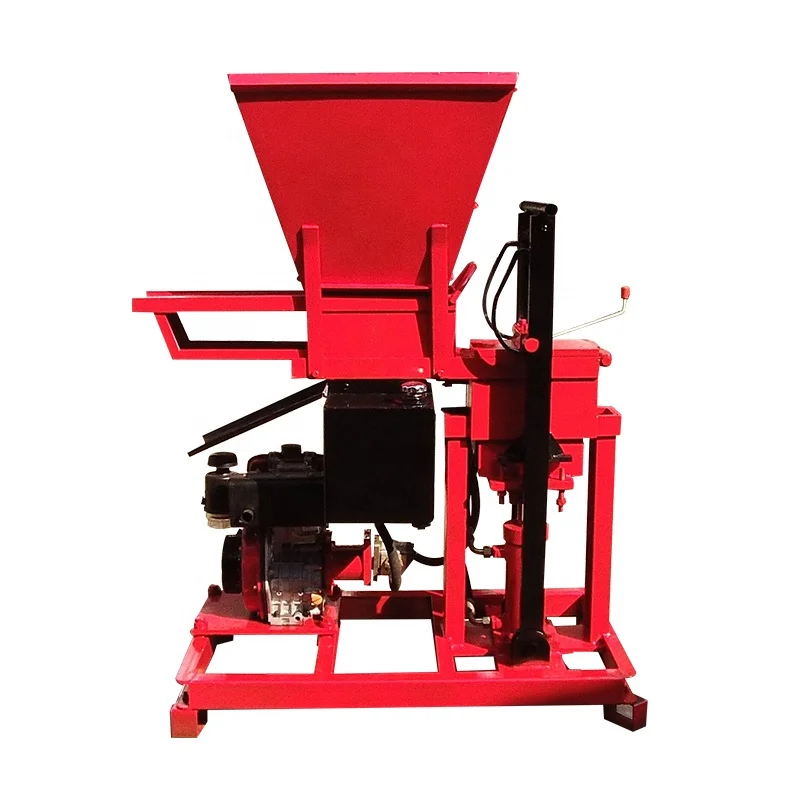
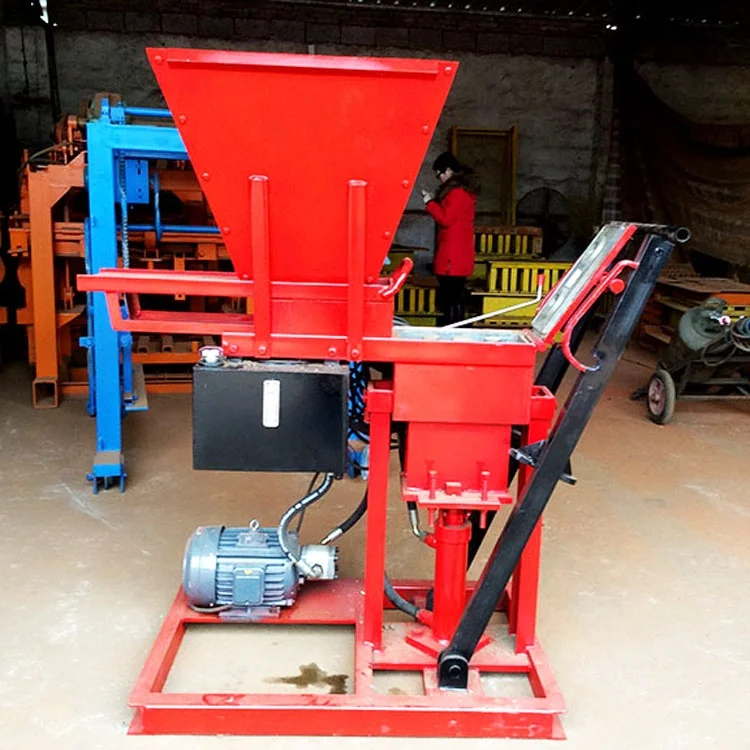
Description
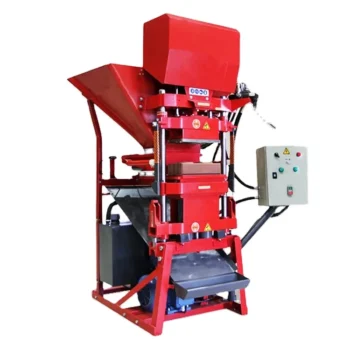
Hydraulic Pressure Matched to Your Soil — every ECO BRAVA configuration starts with your local aggregate sample, not a catalogue default, so the press force aligns with the block strength your site actually needs.
Technical Specifications
| Parameter | Value |
|---|---|
| Model | ECO BRAVA |
| Product Type | Interlocking Clay Brick Making Machine |
| Overall Dimensions (L×W×H) | 1200 × 800 × 1750 mm |
| Net Weight | 500 kg |
| Engine Option | Electric or diesel |
| Molding Cycle | 15–20 s (basis not stated in source — confirm block format, material and wall thickness) |
| Output Capacity | 1,600 pcs/day over 8 h (basis not stated in source — confirm block format, material and wall thickness) |
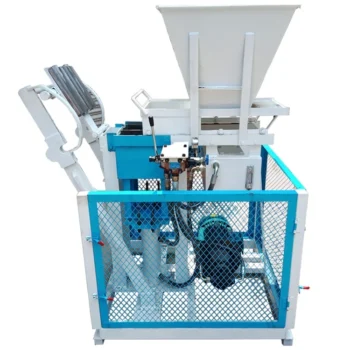
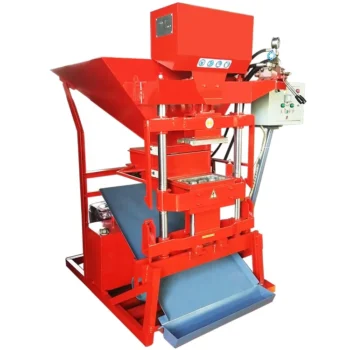
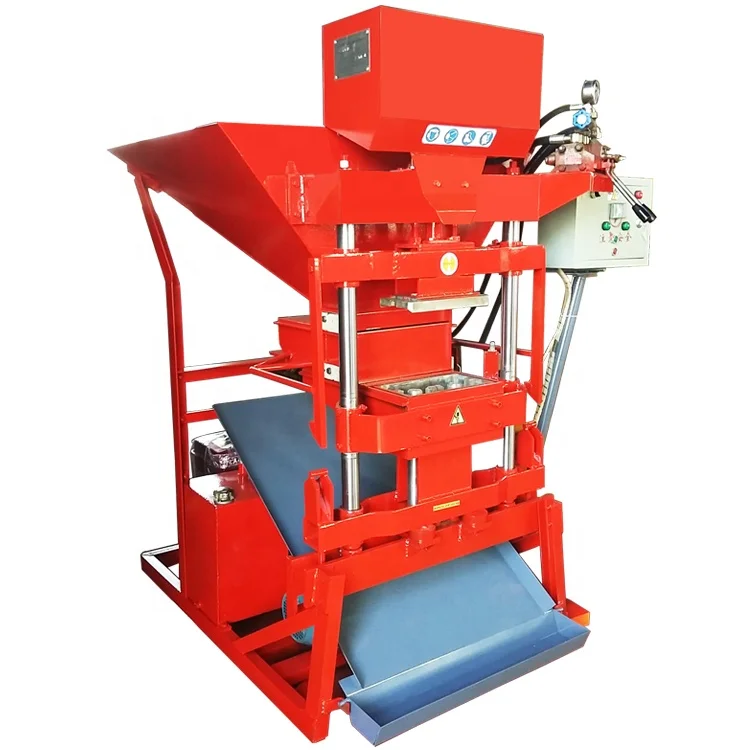
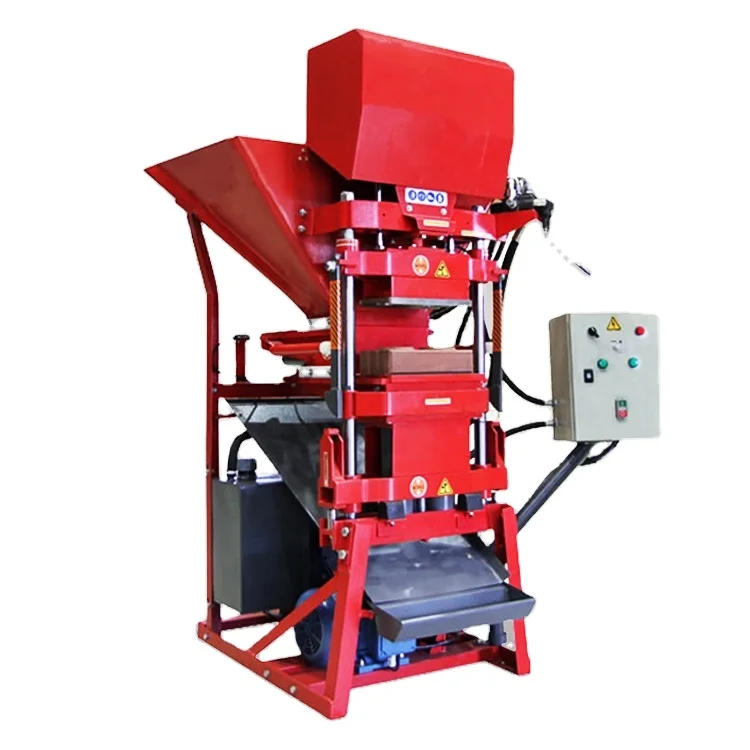
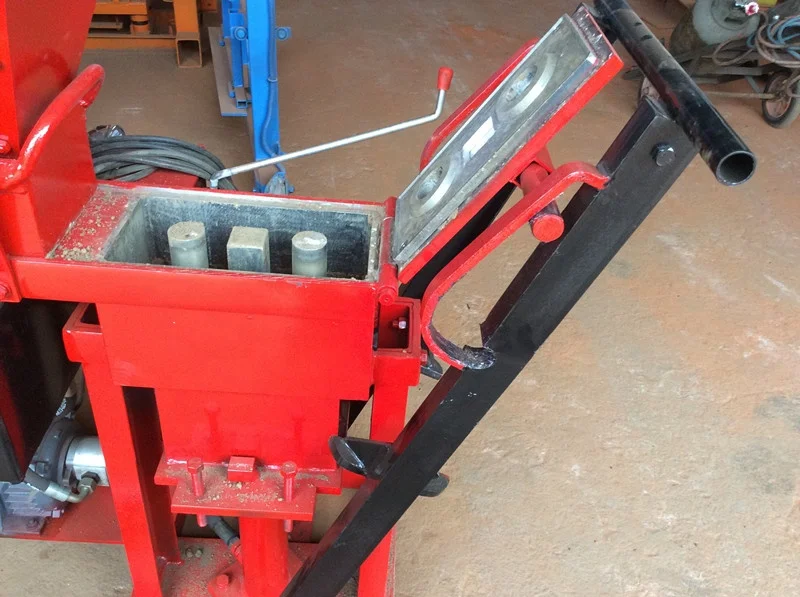
| Press Type | Hydraulic press with manual coordination |
| Block Strength | Comprehensive strength > 16 MPa (source value — verify against manufacturer test data) |
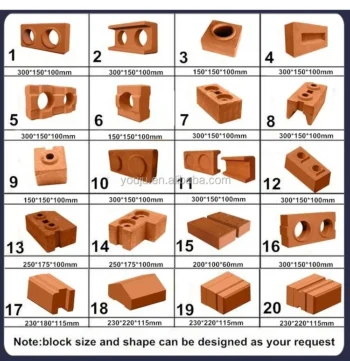
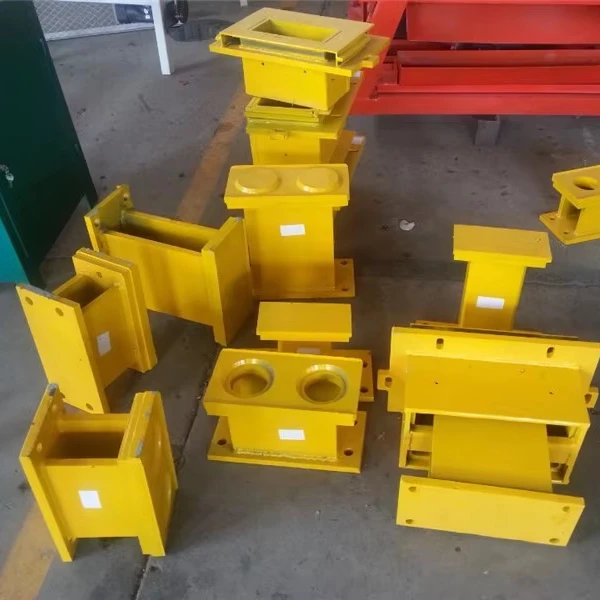
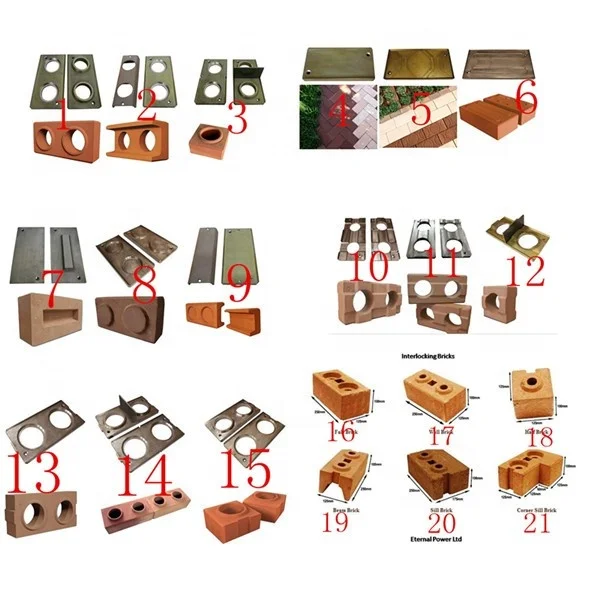
| Mould Formats | Interlocking bricks, circled lego bricks, pavers, solid bricks |
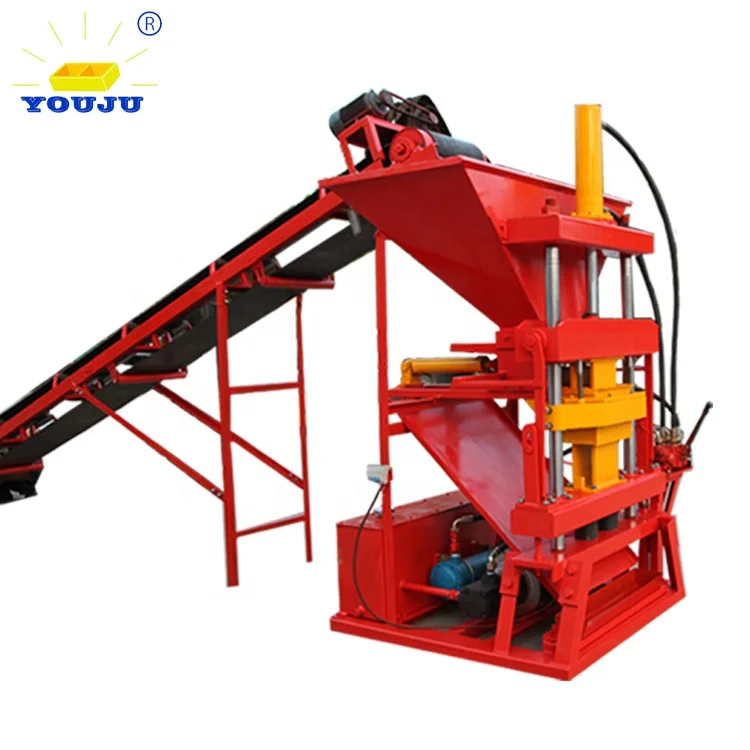
| Basic Line Components | Soil crusher, soil screen, 6 m conveyor belt, JQ350 mixer |
| Raw Materials | Cement, sand, soil, fly ash, lime |
| Certification | CE (verify against current certificate) |
Application Suitability
| Application | Material or Output |
|---|---|
| On-site interlocking brick production for housing projects | Locally sourced laterite or red soil blended with Portland cement |
| Small-scale brick plant start-up | Sandy loam with 5–10 % cement addition, cured on open ground |
| Environmental and slope protection works | Circled lego bricks from soil-fly ash mixes for retaining walls |
| Paving and pathway construction | Interlocking pavers from crushed stone and cement blends |
What "1,600 Pieces per Day" Actually Means for Your Block Format
A single output number is meaningless without the brick profile, wall thickness and soil-cement ratio it was measured on.
Most clay interlocking brick making machine specifications quote a daily figure based on an ideal format that may not match what your market buys. I once stood next to a machine rated for a similar output tier while the contractor was pressing a deep-cavity interlocking profile in heavy laterite — the cycle stretched well beyond the stated range, and the crew was barely reaching half the quoted number by mid-afternoon. The machine was not at fault; the capacity claim simply never named the format it assumed. Before you plan a production schedule or commit to a project delivery timeline, the clay interlocking brick making machine specifications must state which brick size, which mould and which mix produced that number [NEED_CITE: capacity testing standards for block making machinery].
Mould Format Range and Changeover
The ECO BRAVA accepts moulds for interlocking bricks, circled lego bricks, pavers and solid bricks, giving a small plant the ability to serve multiple construction requirements from a single press. Each format carries its own cycle time and fill depth, so realistic daily output shifts every time you swap the mould. On a compact frame like this, the mould is bolted directly to the press head, meaning changeover requires hand tools and a short alignment check rather than a full line stoppage. Specifying which formats your market actually moves — and getting the cycle time confirmed per format in writing — prevents you from buying flexibility you cannot use.
Hydraulic Pressure and Local Soil Behaviour
Block strength in soil-cement production depends on the hydraulic pressure applied during compression and how well that pressure suits the clay mineralogy of your local earth. Sandy soils transmit force efficiently, producing dense bricks at moderate pressure, while high-clay laterite absorbs energy and may demand longer dwell times or adjusted cement ratios to reach the same strength target. The ECO BRAVA uses a hydraulic press with manual coordination, so the operator controls the feed and extraction rhythm around the press stroke. Matching the hydraulic pressure rating to your soil sample is the single most important configuration decision before the machine ships [NEED_CITE: soil-cement block compressive strength testing methods].
Reading the Specification Sheet Honestly
The overall dimensions of 1200 × 800 × 1750 mm and a net weight of 500 kg place this machine firmly in the portable, on-site category — it can be loaded onto a flatbed truck and positioned without a fixed foundation. The 15–20 second molding cycle and 1,600 pcs/day figures must be read against the block format they were tested on; a thin solid brick cycles faster than a thick-walled interlocking profile. The engine option of electric or diesel matters when grid reliability is uncertain — in several West African project sites I have visited, a diesel engine kept production running through daily power cuts that would have idled an electric press for hours. The JQ350 mixer and 6 m conveyor belt in the basic line are sized to feed one press continuously at this output tier, but only if the soil crusher and screen can keep raw material flowing ahead of them.
The Hidden Cost of Skipping a Soil Test
I spent three days in a Nigerian compound rewriting the mix design for a machine in this class because the red soil the customer brought in had far lower sand content than anyone expected. Bricks crumbled at the edges straight out of the mould, and every parameter on the original sheet had to be abandoned. When a buyer orders a clay interlocking brick making machine without first sending a soil sample for testing, the factory ships settings calibrated for standard sand — and the first production run on site becomes an expensive experiment. Blocks that fail a simple drop test mean wasted cement, wasted labour, and a project schedule that slips while the crew tries mix after mix to find something that holds together [NEED_CITE: field testing methods for soil suitability in compressed earth blocks].
Why Source This Machine Here
Block machinery is the single focus of this supply operation, so the press, mould, pallet and handling components are specified as a matched system rather than assembled from separate vendors. Configuration starts with your target brick format, local aggregate and soil-cement mix, not a default catalogue line. Mould design covers the interlocking profiles your market actually sells, and custom drawings are accepted when a project calls for a non-standard profile. The automation level is selectable — you can begin with semi-manual coordination and add handling equipment later as volume grows. Installation support includes on-site commissioning and operator training so the crew understands how hydraulic pressure, mix moisture and curing time interact on the specific soil they will be pressing every day.
Documentation & Verification
- Line layout showing ECO BRAVA position relative to mixer, conveyor and curing area
- Capacity calculation sheet stating the exact brick format behind every output figure
- Mould drawing pack listing each interlocking profile included and any custom formats
- Hydraulic and electrical schematic confirming pressure ratings and wiring colour codes
- Factory test record run on a soil sample matching your local aggregate
- Voltage, frequency and engine type confirmed in writing before production begins
Installation, Commissioning & Support
- 1200 × 800 mm footprint requires only a level concrete pad, no anchored foundation bolts
- Diesel or electric engine configured to match site power before the ECO BRAVA ships
- Mould alignment and hydraulic pressure calibrated on your soil sample during first run
- Operator training covers mix ratio adjustment, cycle rhythm and mould changeover procedure
- Wear parts list supplied with recommended replacement intervals for seals and mould liners
- JQ350 mixer and 6 m conveyor belt positioned to feed the press without material starvation
Before You Request a Quote
Tell us which interlocking brick format your market demands, the daily output you need for that specific profile, and the type of soil available within hauling distance of your site. Share your local voltage and frequency so the engine and control panel arrive configured for your grid, and let us know whether diesel or electric power suits your operation. If you already have a curing area or pallet inventory on site, send the dimensions so the line layout accounts for what you already own.
Frequently Asked Questions
Q: How is the 1,600 pcs/day capacity calculated, and which interlocking brick format does it assume?
A: That figure is based on an eight-hour shift, but the source data does not state which brick size, mould profile or soil-cement mix was used during testing. We provide a written capacity calculation per format — listing the exact mould, wall thickness and cycle time — so you can compare the realistic output for the profile your market actually buys.
Q: What mould formats are available for the ECO BRAVA, and how long does a mould change take?
A: Standard moulds cover interlocking bricks, circled lego bricks, pavers and solid bricks. Custom profiles can be produced from buyer drawings. The mould is bolted to the press head, so changeover requires basic hand tools and a short alignment check rather than a full mechanical teardown.
Q: How do I match hydraulic pressure to my local soil for acceptable block strength?
A: Send a representative soil sample before production so the mix design and press pressure can be adjusted together. Sandy soils generally need moderate pressure, while clay-rich laterite may require longer dwell or higher cement content. We confirm the pressure setting in writing once testing is complete.
Q: What curing arrangement does the ECO BRAVA require on site?
A: Freshly pressed interlocking bricks need a flat, shaded curing area with enough space to lay bricks for several days of moist curing. The layout we supply accounts for your available ground area, daily output and the format being produced so bricks are not stacked before initial set.
Q: Should I choose the electric or diesel engine option?
A: The decision depends on grid stability at your project site. Where power cuts are frequent, a diesel engine keeps the press running independently of the grid. We confirm voltage, frequency and engine type in writing before the machine enters production to avoid commissioning delays on arrival.