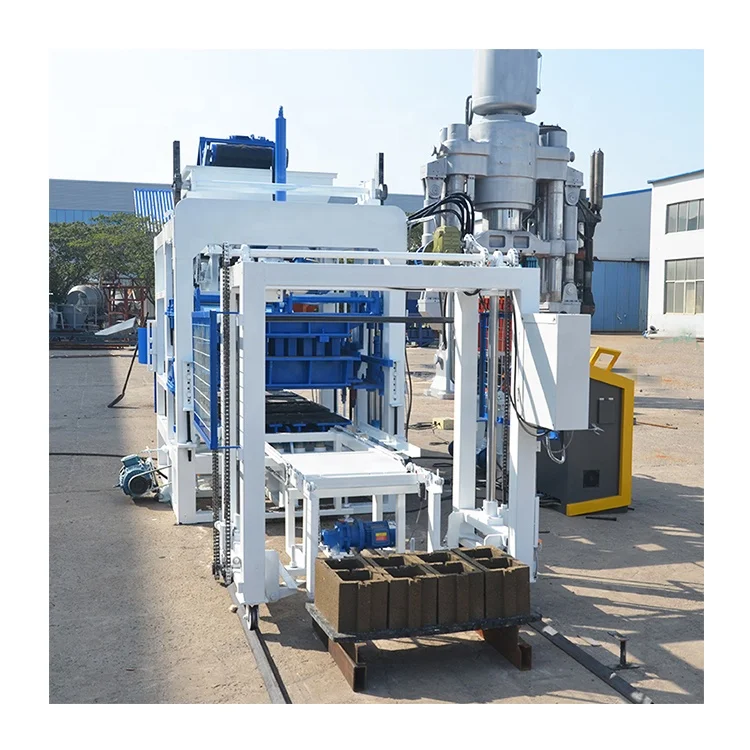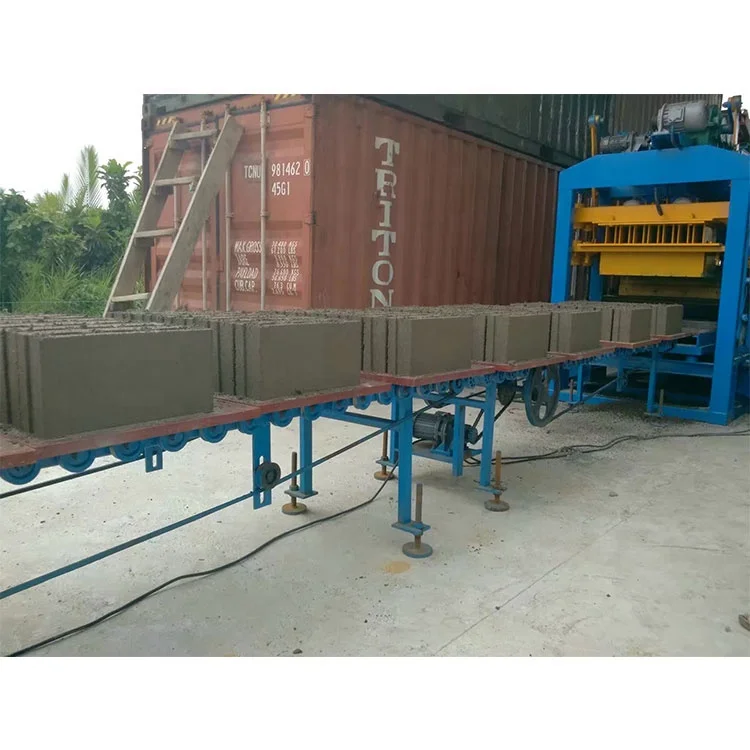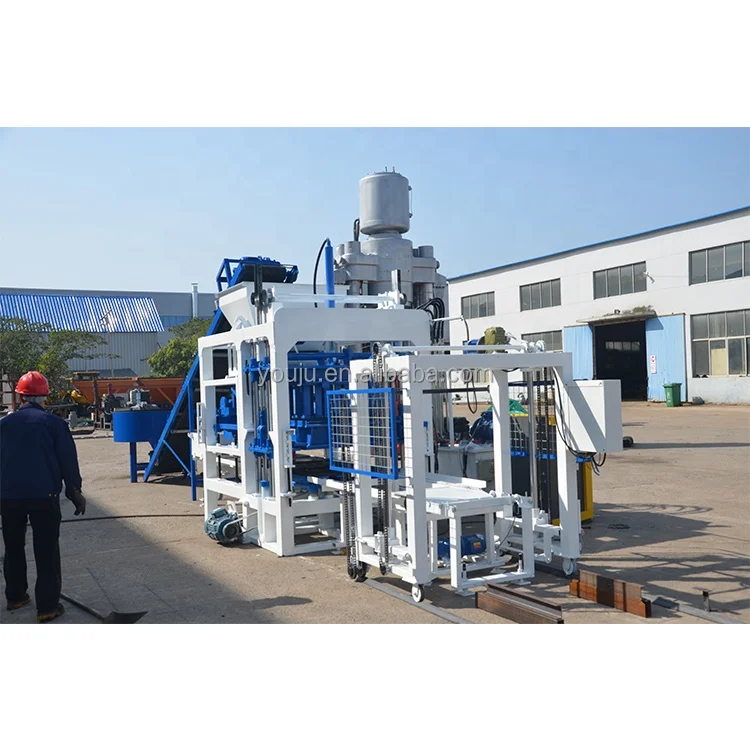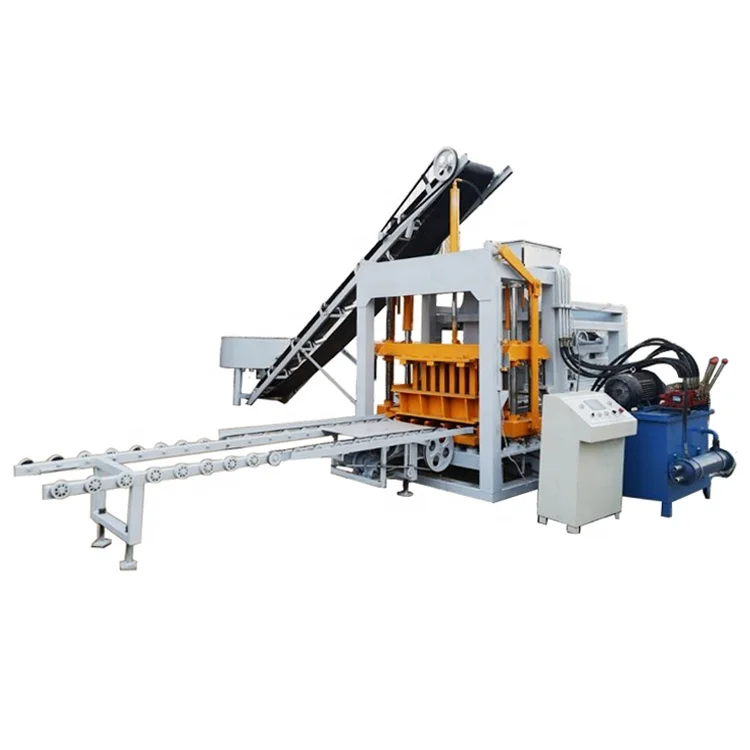

Description
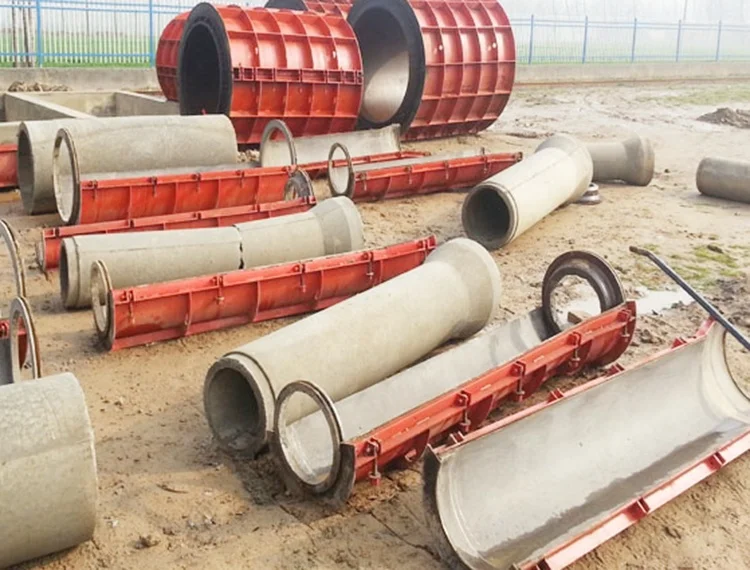
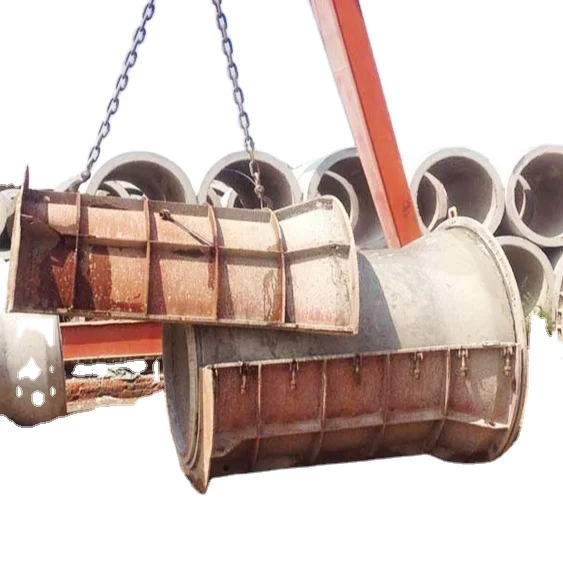
Mould and Format Matched to Your Product — Every pipe diameter, wall thickness and joint profile is confirmed against your actual project specifications before the machine is configured, not left to a catalogue default.
Technical Specifications
| Parameter | Value |
|---|---|
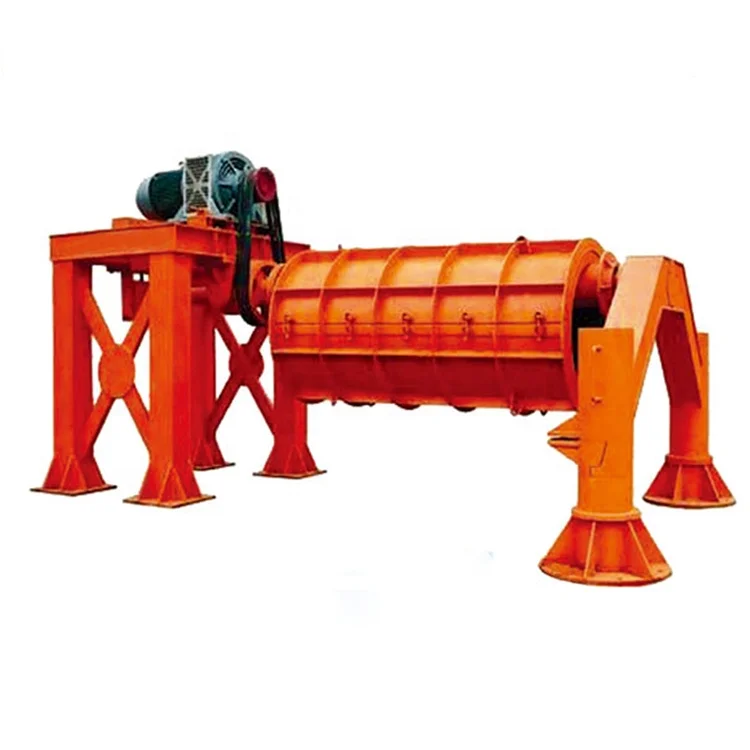
| Product Type | Suspension Roller type Concrete pipe making machine |
| Machine Type | Suspension Roller type |
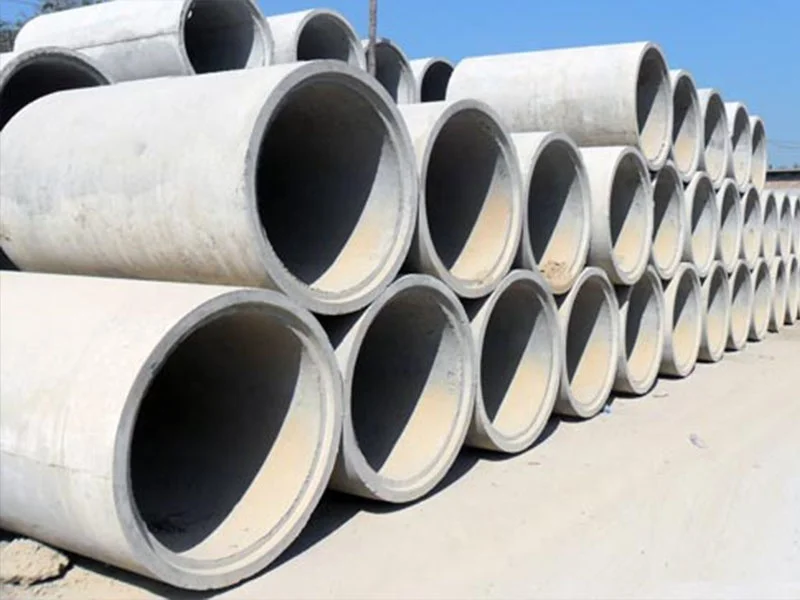
| Pipe Diameter Range | 300–2500 mm |
| Pipe Length Range | 2–4 meters |
| Pipe Joint Options | Flush joint, Socket & Spigot joint |
| Production Cycle Time | 3–5 minutes per pipe (basis not stated in source — confirm pipe diameter and wall thickness) |
| Operating Noise Level | 80–90 dB |
| Material Type | Dry cast concrete |
| Mould Type | Customized concrete pipe mould |
| Forming Principle | Centrifugal force + roller compaction |
Application Suitability
| Application | Material or Output |
|---|---|
| Municipal drainage systems | Reinforced concrete pipes for stormwater and sewage conveyance |
| Agricultural field irrigation | Culvert and channel pipes in varied diameters for water distribution |
| Pre-stressed concrete pipe production | Roller-formed dry cast concrete pipes added to existing capacity |
| Road culvert construction | Reinforced concrete pipes matching highway drainage standards |
| Deep water well casing | Concentric dry cast concrete pipes for borehole protection |
What "3 to 5 Minutes per Pipe" Actually Means on Your Jobsite
Cycle time is only meaningful when the pipe diameter, wall thickness and concrete mix are defined first.
Suppliers routinely quote a concrete pipe making machine based on a single fast-cycle format — typically the smallest diameter with thin walls. When the same machine is asked to produce a 1500 mm reinforced concrete pipe with thick walls, the roller compaction time extends well beyond the quoted figure. Daily output then drops to a fraction of the projection the buyer used to justify the purchase. I have watched contractors sign off on capacity numbers that were physically impossible for their actual product mix [NEED_CITE: typical discrepancies between quoted and achieved cycle times in dry-cast pipe production].
Matching Pipe Format to Local Installation Standards
The choice between flush joint and socket-and-spigot joint is not cosmetic — it determines how the pipe connects in the trench and what sealing method the contractor uses on site. A concrete pipe making machine must produce joints that match the municipal specification the buyer is working to. Ordering a machine with the wrong joint profile means every pipe needs rework before installation, or the entire production run is rejected by the project engineer.
Dry-Cast Mix Design and Local Aggregate
Dry-cast concrete eliminates waste slurry and keeps the production area cleaner, but the mix must suit the aggregate available near the plant. Fine sand from one region behaves differently under roller compaction than crushed stone from another. The water-to-cement ratio, aggregate grading and cement grade all interact with the centrifugal force the rollers apply. If the mix is not validated before the machine is built, the pipe wall density will vary from shift to shift [NEED_CITE: effect of aggregate grading on dry-cast concrete pipe strength].
Reading the Specifications That Matter
The pipe diameter range of 300 to 2500 mm tells you the span of moulds the machine frame can accommodate, but each diameter requires its own mould set. Buyers should confirm exactly which diameters are included in the initial quotation and whether the frame accepts additional mould sizes later. The operating noise level of 80 to 90 dB means hearing protection is mandatory in the production bay, and acoustic enclosures may be required under local workplace regulations. The suspension roller forming principle — where high-speed roller rotation generates centrifugal force that compacts the concrete against the inner mould wall — produces a dense pipe wall but demands that the mould is concentric and the roller bearings are maintained on schedule.
The Hidden Cost of a Mismatched Mould Order
When a buyer accepts a standard mould package without checking the joint profile against local drawings, the first production run often reveals a dimensional mismatch. Correcting the joint geometry after the mould is fabricated means either machining the existing steel or ordering a replacement — both of which delay the project by weeks. This is a recurring issue I encounter on overseas installations, where the buyer assumed the catalogue joint matched their national standard [NEED_CITE: common mould specification mismatches in international pipe machine procurement].
Why Sourcing From Here Makes Sense
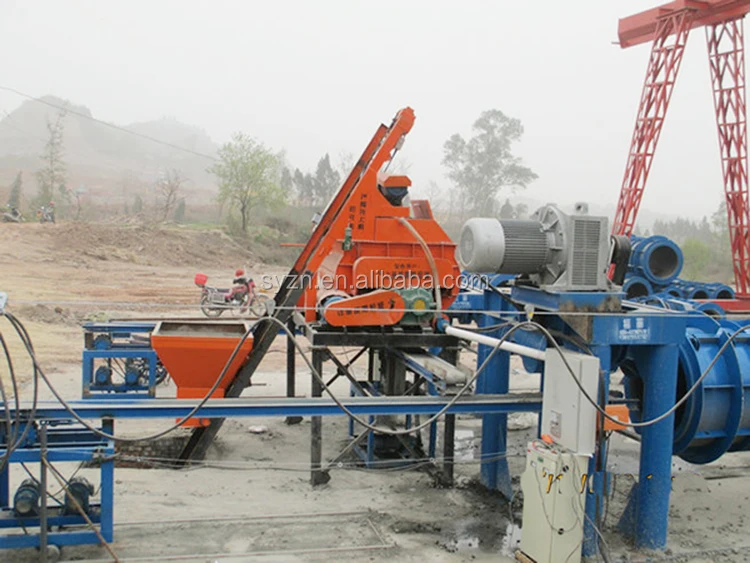
Machine, mould and handling equipment are specified as one system, so the roller speed, mould concentricity and pipe extraction method are validated together rather than assembled from mismatched suppliers. Mould design covers the diameters and joint types the buyer’s market actually demands, including custom profiles from the buyer’s own drawings. The automation level is selectable, allowing a plant to start with manual pipe extraction and add automated handling as volume grows. Installation support includes operator training on the actual pipe format the buyer will produce. Configuration is set against the buyer’s local aggregate and cement grade, not a generic default.
Documentation & Verification
- Line layout with capacity calculation stated per pipe diameter and wall thickness
- Mould drawing confirming joint profile, dimensional tolerance and steel grade
- Voltage, frequency and control language confirmation before production
- Factory test record running the buyer’s target pipe format before shipment
- Hydraulic and electrical schematic for the configured roller drive system
- Operation and maintenance manual with mould change procedure
Installation, Commissioning & Support
- Foundation plan sized to the selected mould length range of 2 to 4 meters
- Power supply matched to the roller drive motor rating and local voltage standard
- Machine delivered in dismantled modules for container shipment and reassembly on site
- Commissioning includes trial runs on the buyer’s specified pipe diameter
- Operator training covers mould change, roller speed adjustment and safety interlocks
- Wear parts list identifying roller bearings, mould liners and drive belts
What to Include in Your Inquiry
Send the pipe diameters, wall thicknesses and joint types your projects require, along with the local aggregate type and cement grade available near your plant. Confirm your site voltage, frequency and preferred control display language. If you have existing curing racks or handling equipment, share the dimensions so the line layout accounts for them.
Frequently Asked Questions
Q: How is daily output calculated and which pipe format does the quoted cycle time assume?
A: The 3 to 5 minute cycle time figure varies with pipe diameter, wall thickness and concrete mix. Daily output must be calculated for the specific format you will produce most often. Request a capacity document that states the assumed diameter and wall, then compare it to your shift schedule and curing capacity.
Q: Which pipe joint formats are available and how do I match them to my standard?
A: Flush joint and socket-and-spigot joint options are available, each designed to the buyer’s installation drawing. Provide your project’s joint profile specification or national standard number so the mould is fabricated to match before shipment.
Q: How does the dry-cast mix affect pipe strength and what aggregate details matter?
A: Dry-cast concrete relies on roller compaction to achieve wall density. The aggregate grading, maximum particle size, cement grade and water content all influence the final pipe strength. Share your local material test report so the mix can be validated against your target load class.
Q: What mould sizes come with the machine and can I add more later?
A: The initial mould package is selected based on your project requirements. The machine frame accommodates diameters from 300 to 2500 mm, so additional moulds can be ordered later for new formats as long as they fall within the machine’s capacity range.
Q: What voltage and control language will be configured before shipment?
A: Voltage, frequency and PLC display language are confirmed during the quotation stage and locked before production begins. This avoids commissioning delays caused by incompatible power supply or an interface the operator cannot read.