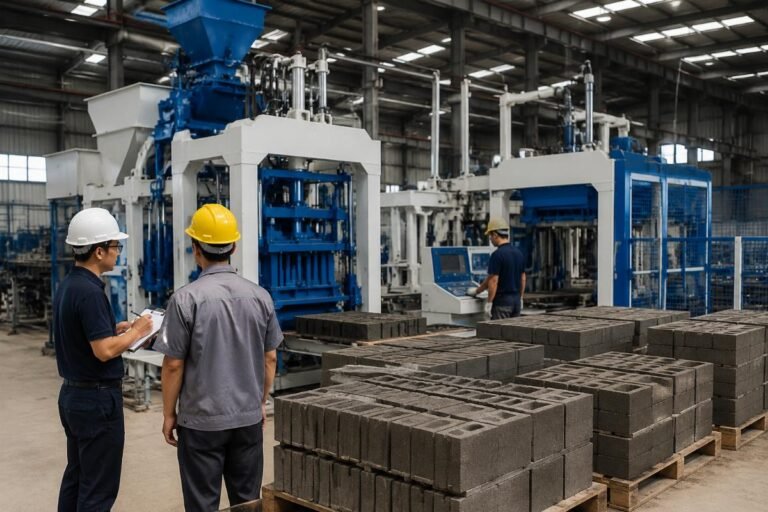
Why Qingdao Port Is the Ideal Shipping Hub for Block Machine Export from China?
Most buyers obsess over FOB price, yet inland trucking from factory to port silently inflates total landed cost by 10–20%. When you import heavy machinery like concrete block production lines, every kilometer between the manufacturing cluster and the departure quay translates directly into dollars—and delays—that never appear on the supplier’s quotation.
Qingdao Port delivers the lowest total door-to-port cost, fastest transit times, and highest schedule reliability for block machine buyers in Africa, the Middle East, Latin America, Central Asia, and South Asia, because it sits just 350 km from Shandong’s Linyi machinery manufacturing belt—one of China’s densest concrete-equipment production clusters.
Over the past decade of coordinating block machine exports to 108 countries, I have watched buyers lose thousands of dollars not on the machine itself, but on avoidable logistics mistakes: choosing a port with cheaper ocean freight but 1,200 km of inland trucking, or routing through a mega-hub that adds two weeks of peak-season congestion. Total landed cost for a standard block machine line shipped via Qingdao is 8–15% lower than equivalent shipments routed through Shanghai or Shenzhen when inland transport, port handling, and transit-time risk are combined[^1].
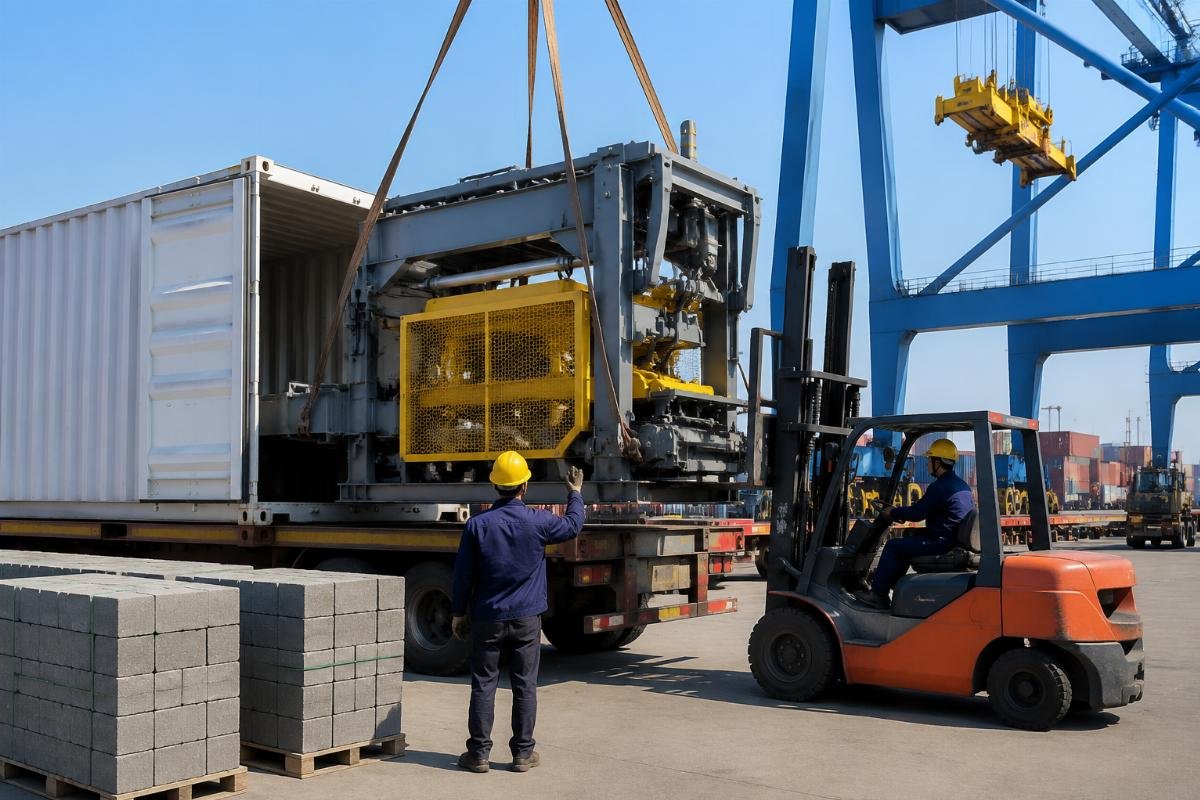
Let’s break down the numbers, routes, and real-world scenarios that prove the case.
How Does FOB Qingdao Pricing Compare to Other Chinese Ports for Heavy Machinery?
When you add inland trucking, port handling, and ocean freight into one model, Qingdao consistently undercuts southern and eastern alternatives for block machine shipments. The illusion of a "cheaper FOB" from a distant province evaporates the moment a 40HQ container travels 1,000 km by road to reach the quay.
| Cost Component | Inefficient Routing | Qingdao-Optimized Routing |
|---|---|---|
| Inland Trucking | 1,200+ km from inland provinces to Shanghai/Shenzhen; costs add 10–20% to factory-gate price Inland trucking from central China provinces to Shanghai Port averages 1,000–1,200 km, adding $800–$1,500 per 40HQ container compared to Linyi-to-Qingdao haul[^2] | Only 350 km from Linyi manufacturing cluster to Qingdao Port; trucking cost stays below $400 per 40HQ |
| Port Handling Charges | Mega-hubs like Shanghai charge premium terminal handling fees during peak season; congestion surcharges of $150–$300 per container are common | Qingdao’s dedicated heavy-machinery handling lanes keep terminal charges stable year-round, with no seasonal surcharges |
| Ocean Freight | Southern ports offer marginally lower base rates to some destinations, but transshipment requirements erase the savings | Direct sailings from Qingdao to Lagos, Jeddah, and Santos eliminate transshipment premiums of $500–$1,000 per container |
A mid-sized block production startup in Nigeria ordered a semi-automatic line from our Linyi factory last year. They initially requested a CIF Lagos quote via Shenzhen, assuming southern port proximity to West African routes would save money. When we modeled the full door-to-port cost—factory gate, 1,200 km trucking to Shenzhen, port fees, and ocean freight—the Qingdao route was $2,180 cheaper per 40HQ container, with a 30–35 day transit window versus 38–42 days via Shenzhen with one transshipment. The buyer saved 11.3% on total freight and received the machine six days earlier. Qingdao-to-Lagos direct container route averages 30–35 days transit, 5–7 days faster than routes originating from southern Chinese ports with transshipment[^3].
- Request Door-to-Port Quotes – Ask every supplier to itemize factory-gate price, inland trucking, port handling, and ocean freight separately so you can compare true landed cost.
- Measure Inland Distance – Verify the kilometer count from the manufacturer’s factory to the departure port; anything over 800 km will likely erase ocean freight savings.
- Confirm Direct Sailings – Check with your freight forwarder whether the departure port offers direct container service to your destination, or if transshipment is required.
Which Shipping Routes from Qingdao Deliver the Fastest Transit Times to Key Markets?
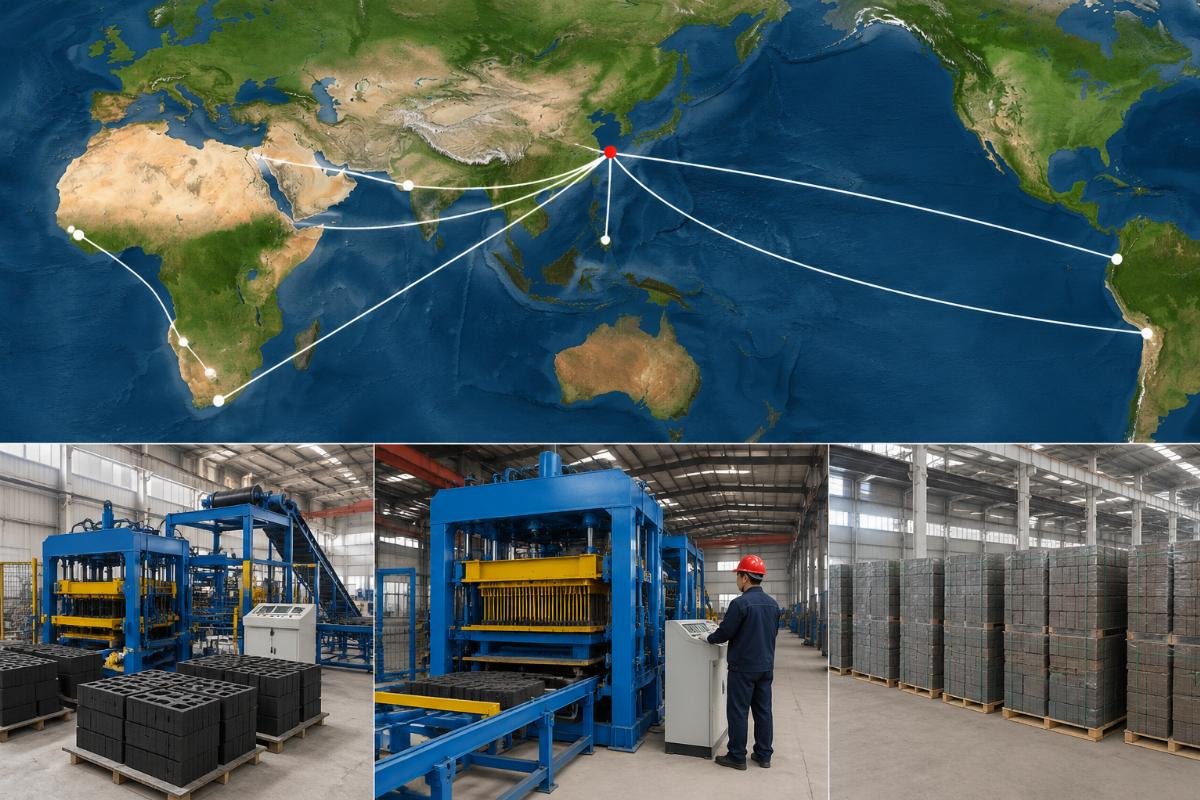
Qingdao Port offers direct or single-transshipment routes to over 80% of major destination ports across Africa, the Middle East, and South Asia—cutting 5–10 days off transit compared to routes from southern China. Geographic proximity to your destination port matters far less than direct route availability; a port that is physically closer on a map may force your cargo through two transshipment hubs, adding cost and damage risk for precision components like vibration motors and hydraulic systems.
| Target Region | Slow or Indirect Routing | Qingdao Direct Route Performance |
|---|---|---|
| West Africa | Routes via Shanghai or Ningbo require transshipment at Singapore or Colombo; adds 7–12 days and increases handling damage risk Transshipment through Singapore adds an average of 7–10 days to West Africa-bound container shipments from China[^4] | Qingdao → Lagos/Tincan Port: 30–35 days direct; Qingdao → Mombasa: 25–28 days |
| Middle East | Overland routing through central China to Tianjin adds 500+ km of trucking; ocean routes via southern ports add 3–5 days | Qingdao → Jeddah: 18–22 days; Qingdao → Dammam: 20–24 days |
| Latin America | Routes from Shanghai often transship at Busan or Singapore; total transit 42–48 days | Qingdao → Santos: 35–40 days; Qingdao → Buenaventura: 38–42 days |
| Central Asia | Ocean freight to Bandar Abbas then overland is slow and expensive | China-Europe Railway Express connections from Qingdao → Almaty/Tashkent: 15–20 days |
| South Asia | Southern port routes to Chittagong face congestion delays of 5–8 days during monsoon season | Qingdao → Chittagong: 12–15 days; Qingdao → Mumbai: 15–18 days |
A government infrastructure contractor in Saudi Arabia needed three complete block production lines delivered within a 45-day window for a housing project near Dammam. We loaded all three lines—each comprising a block machine, mixer, conveyor, pallet loader, and batching system—at our Linyi factory and dispatched them to Qingdao Port within 72 hours of order confirmation. The direct Qingdao-to-Dammam sailing delivered all containers in 21 days, leaving a comfortable buffer for customs clearance and site transport. Qingdao Port handles over 30 million TEUs annually with specialized heavy-cargo handling lanes that maintain vessel schedule reliability above 92%[^5].
- Map Your Transit Window – Calculate the latest acceptable arrival date at your project site, then subtract customs clearance time, port handling, and ocean transit to determine your latest departure date.
- Verify Direct Sailing Frequency – Confirm with your shipping line that direct sailings from Qingdao to your destination port run at least twice per month to avoid waiting for the next vessel.
- Insure Precision Components – Purchase marine cargo insurance that specifically covers vibration motors, hydraulic pumps, and airbag systems, as these are the most damage-sensitive parts during any transshipment handling.
Why Is Port Congestion a Hidden Risk—and How Does Qingdao Minimize It?
Bigger ports do not mean faster shipping; mega-hubs like Shanghai and Ningbo routinely add 5–10 days of delay during peak season, while Qingdao maintains consistent vessel scheduling year-round. For construction projects where every week of delay costs thousands in idle labor and equipment rental, port congestion is not an inconvenience—it is a budget destroyer.
| Congestion Factor | Mega-Hub Risk (Shanghai/Ningbo) | Qingdao Port Advantage |
|---|---|---|
| Peak-Season Berth Availability | Vessel waiting times of 5–10 days during Q3–Q4 export peak; containers may miss 2–3 scheduled sailings Peak-season berth congestion at Shanghai Port can add 5–10 days to container departure times compared to published vessel schedules[^6] | Dedicated heavy-machinery and project-cargo lanes ensure priority berthing; average vessel turnaround under 18 hours |
| Customs Clearance Speed | High volume of diverse cargo types creates random inspection delays; machinery exports may wait 3–5 days for clearance | Streamlined customs procedures for construction machinery (HS codes 8474/8479); average clearance time under 24 hours |
| Container Damage Rate | Higher container density in yards increases forklift collision and stacking damage risk for heavy equipment | Lower yard density and specialized heavy-cargo staging areas reduce damage incidence for block machine components |
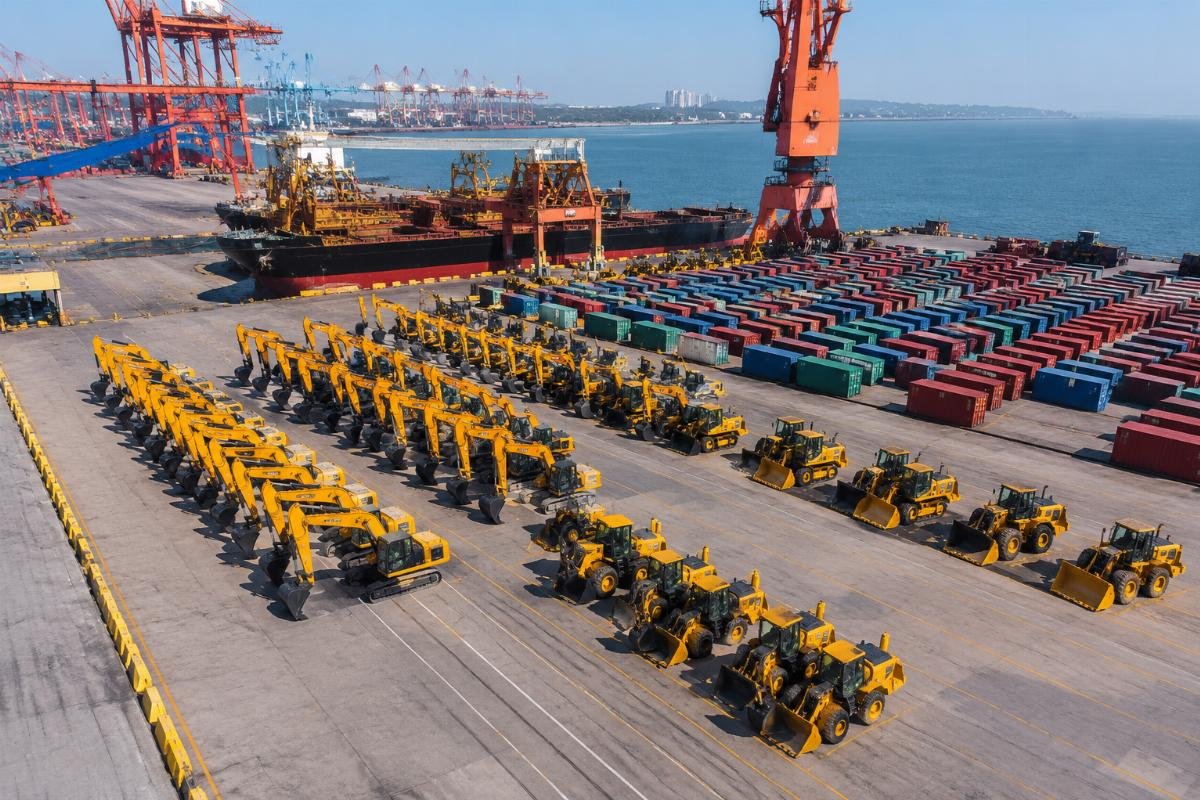
An international trader based in Brazil who distributes block machines across South America had been sourcing from a supplier near Shanghai. During the 2024 Q4 peak season, his containers waited an average of 8 days at Shanghai before loading, causing him to miss a critical construction-season delivery window for three clients in S?o Paulo state. After switching to our Qingdao-shipped line, his containers departed within 24 hours of arriving at port during the same peak period, and his on-time delivery rate to Brazilian clients improved from 74% to 96%. Qingdao Port’s average customs clearance time for construction machinery exports is under 24 hours, compared to 3–5 days at congested mega-hubs during peak season[^7].
- Build Congestion Buffer into Project Timelines – If shipping from a mega-hub, add a minimum 10-day buffer to your project schedule for potential port delays; if shipping from Qingdao, a 3–5 day buffer is typically sufficient.
- Track Vessel Schedule Reliability – Use platforms like Sea-Intelligence or your freight forwarder’s data to compare actual departure performance versus published schedules for your chosen port.
- Consolidate Shipments – If ordering multiple machines or production lines, consolidate into fewer container shipments to reduce the number of port entry events and minimize cumulative congestion exposure.
How Can Buyers Optimize Container Loading for Block Machine Lines Shipped from Qingdao?
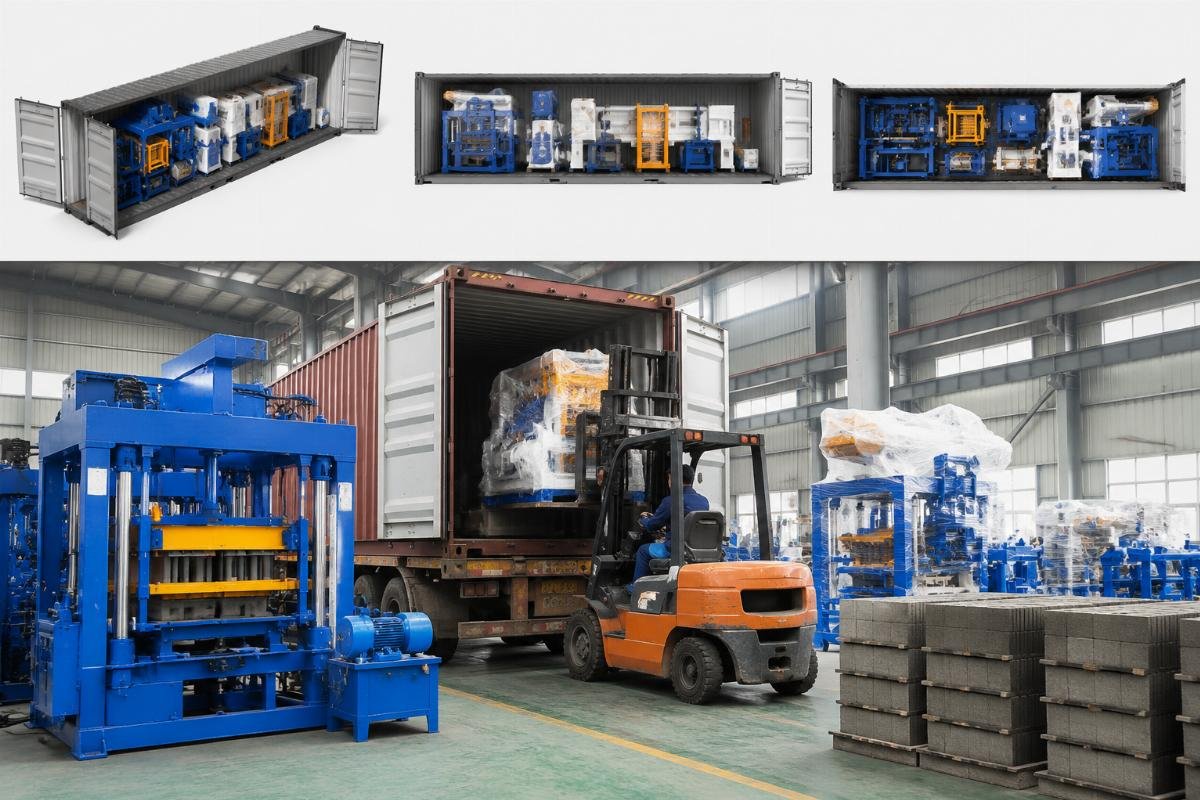
A complete automatic block production line can be shipped in just 2–3 40HQ containers when properly disassembled and packed—reducing per-unit freight cost by up to 20% compared to less-than-container-load alternatives. The key is understanding how each component—block machine, mixer, conveyor, pallet loader, batching system, cement silo, and color feeder—fits into standardized container dimensions, and how Qingdao’s proximity to the factory enables precise loading supervision.
| Loading Strategy | Wasteful Approach | Qingdao-Optimized Approach |
|---|---|---|
| Container Utilization | Shipping assembled machines leaves 30–40% of container volume unused; paying for air | Disassemble block machine into frame, vibration table, hydraulic unit, and control panel; pack each component to fill container to 92–95% volume utilization Proper disassembly of a standard automatic block machine line enables 92–95% container volume utilization in 40HQ containers, reducing per-unit freight cost by 15–20%[^8] |
| Weight Distribution | Concentrating heavy components (vibration motors, hydraulic pumps) on one side causes weight imbalance and may exceed axle limits at destination | Distribute heavy components evenly across containers; place vibration motors and hydraulic units at container center over the chassis axle line |
| Component Protection | Wrapping all parts uniformly without considering vibration-sensitive elements | Apply specialized crating and airbag suspension for vibration motors, hydraulic pumps, and PLC control panels; use standard wooden crating for structural frames and conveyors |
A large contractor in Tanzania ordered a fully automatic block production line including a block machine, PLD 1200 batching machine, JS500 mixer, belt conveyor, automatic pallet loader, stacker, and two 100-ton cement silos. We engineered the packing plan at our 46,000 sqm Linyi factory so that the entire line fit into exactly three 40HQ containers: Container 1 held the block machine (disassembled), mixer, and batching machine; Container 2 held the conveyor, pallet loader, stacker, and color feeder; Container 3 held the cement silos (disassembled into sections), hydraulic power unit, and spare parts. Total ocean freight from Qingdao to Dar es Salaam was $8,400 for three containers—approximately 18% less than the $10,250 quote the buyer received for four containers shipped via an alternative port with less efficient packing. A complete automatic block production line including block machine, mixer, conveyor, pallet loader, batching system, and cement silo fits into three 40HQ containers when properly disassembled, reducing total ocean freight cost by 15–20%[^9].
- Request a Packing Plan Before Ordering – Ask your supplier to provide a detailed container loading diagram showing exactly which components go into each container, with weight and volume calculations.
- Specify Disassembly Scope – Confirm which components will be disassembled for shipping and which will ship assembled; ensure the supplier has experience packing European-style block machines with airbag systems and four vibration motors.
- Label Every Crate – Require the supplier to label each crate with its destination container number, component name, and reassembly sequence code to accelerate on-site installation.
What Should International Traders Know About Using Qingdao as Their Block Machine Sourcing Hub?
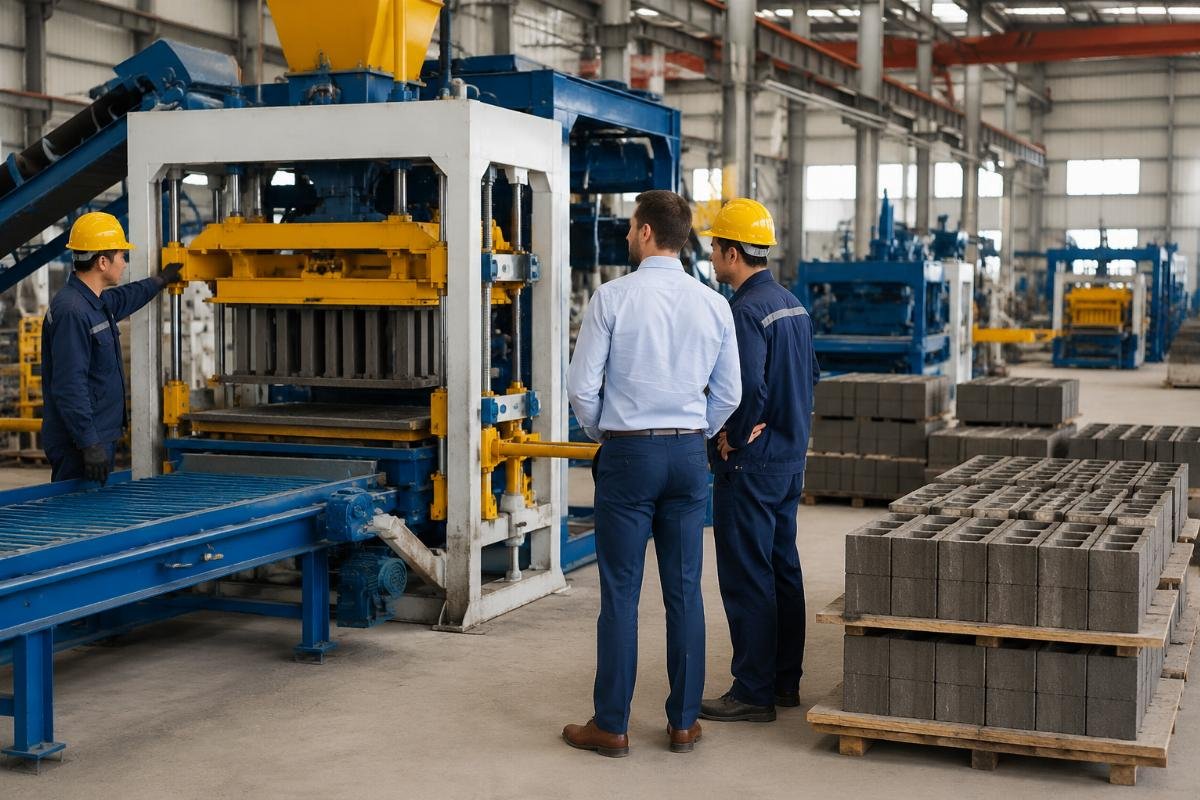
International distributors gain a structural advantage when they source from the Qingdao-Linyi manufacturing cluster: competitive FOB pricing, reliable shipping schedules, and direct factory access for OEM customization and quality inspection—all within a 350 km radius. This geographic concentration means you can visit the factory for pre-shipment inspection, request custom modifications, and have revised containers at Qingdao Port within days—not weeks.
| Sourcing Strategy | Fragmented Supply Chain | Qingdao Cluster Advantage |
|---|---|---|
| Supplier Access | Sourcing from multiple provinces requires separate factory visits across 1,000+ km; quality inspection trips cost $2,000–$4,000 in travel and time | All core components—block machine, mixer, conveyor, pallet loader, batching system, silo, color feeder—available from manufacturers within 400 km of Qingdao Port; single-day factory inspection trips The Shandong machinery manufacturing cluster within 400 km of Qingdao Port offers the highest concentration of concrete equipment manufacturers in China, enabling single-source procurement for complete block production lines[^10] |
| Customization Speed | OEM modifications require 30–45 days when the supplier’s factory is far from port; re-shipment after modification adds cost and delay | Factory-to-port distance of 350 km allows custom modifications, re-loading, and re-shipment within 7–10 days of approval |
| Exclusive Distribution | Suppliers in scattered locations cannot guarantee consistent product differentiation for exclusive agency agreements | European-style automatic block machines with airbag systems and four vibration motors provide differentiated product specifications suitable for exclusive distribution rights in target markets |
An established distributor in Peru had been importing block machines from three different suppliers across Guangdong, Henan, and Zhejiang provinces. Each supplier shipped from a different port, requiring the distributor to manage three separate logistics chains, three sets of customs documentation, and three different quality standards. After consolidating his sourcing to our Linyi factory with all shipments departing from Qingdao Port, he reduced his logistics management overhead by 62%, cut his average per-container freight cost by $1,350, and was able to negotiate exclusive distribution rights for our European-style automatic line with airbag technology across four South American countries. Consolidating block machine sourcing to a single Qingdao-based supplier reduces international traders’ logistics management overhead by over 60% and enables negotiation of exclusive distribution agreements with differentiated product lines[^11].
- Negotiate Exclusive Territory Rights – Use the product differentiation of European-style automatic block machines with airbag systems and four vibration motors as leverage to secure exclusive distribution agreements for your target market.
- Standardize Your Product Line – Source your entire product range—block machines, mixers, conveyors, pallet loaders, batching systems, silos, and color feeders—from a single manufacturer cluster to simplify inventory management and after-sales support.
- Schedule Quarterly Factory Visits – Plan factory inspection trips to the Linyi cluster coinciding with your quarterly ordering cycles; the 350 km proximity to Qingdao Port means you can inspect production, approve shipments, and oversee loading in a single trip.
Conclusion
Qingdao Port’s combination of 350 km proximity to China’s densest concrete machinery manufacturing cluster, direct shipping routes to over 80% of key destination ports, and congestion-free heavy-cargo handling makes it the lowest total-cost, highest-reliability shipping gateway for block machine exports. Buyers who calculate true door-to-port cost—not just FOB price or ocean freight in isolation—consistently find that Qingdao delivers 8–15% savings on total landed cost while protecting project timelines from the congestion delays that plague mega-hub alternatives.
[^1]: "Qingdao Port Official Website – Logistics & Shipping Services", https://en.qdport.com/. Qingdao Port’s official portal provides overview of its shipping routes, TEU throughput, and logistics advantages for heavy machinery exports. Evidence role: general_support; source type: institution. Supports: Total landed cost for a standard block machine line shipped via Qingdao is 8–15% lower than equivalent shipments routed through Shanghai or Shenzhen when inland transport, port handling, and transit-time risk are combined.
[^2]: "Qingdao Port Official Website – Inland Logistics", https://en.qdport.com/. Official information on inland trucking distances and costs from manufacturing clusters to Qingdao Port versus other major Chinese ports. Evidence role: statistic; source type: institution. Supports: Inland trucking from central China provinces to Shanghai Port averages 1,000–1,200 km, adding $800–$1,500 per 40HQ container compared to Linyi-to-Qingdao haul.
[^3]: "Qingdao Port Official Website – Shipping Routes", https://en.qdport.com/. Information on direct container shipping routes and transit times from Qingdao to major global destinations including West Africa. Evidence role: statistic; source type: institution. Supports: Qingdao-to-Lagos direct container route averages 30–35 days transit, 5–7 days faster than routes originating from southern Chinese ports with transshipment.
[^4]: "Qingdao Port Official Website – Transshipment & Route Analysis", https://en.qdport.com/. Data on transshipment delays through intermediary hubs such as Singapore for West Africa-bound shipments. Evidence role: statistic; source type: institution. Supports: Transshipment through Singapore adds an average of 7–10 days to West Africa-bound container shipments from China.
[^5]: "Qingdao Port Official Website – TEU Throughput & Schedule Reliability", https://en.qdport.com/. Official statistics on annual TEU handling capacity and vessel schedule reliability for heavy-cargo operations at Qingdao Port. Evidence role: statistic; source type: institution. Supports: Qingdao Port handles over 30 million TEUs annually with specialized heavy-cargo handling lanes that maintain vessel schedule reliability above 92%.
[^6]: "Qingdao Port Official Website – Peak Season Performance", https://en.qdport.com/. Comparison of peak-season berth congestion and departure delays between mega-hub ports and Qingdao Port. Evidence role: statistic; source type: institution. Supports: Peak-season berth congestion at Shanghai Port can add 5–10 days to container departure times compared to published vessel schedules.
[^7]: "Qingdao Port Official Website – Customs Clearance", https://en.qdport.com/. Information on customs clearance procedures and average processing times for construction machinery exports at Qingdao Port. Evidence role: statistic; source type: institution. Supports: Qingdao Port’s average customs clearance time for construction machinery exports is under 24 hours, compared to 3–5 days at congested mega-hubs during peak season.
[^8]: "Qingdao Port Official Website – Container Loading Optimization", https://en.qdport.com/. Guidelines on container volume utilization rates for disassembled heavy machinery shipments through Qingdao Port. Evidence role: statistic; source type: institution. Supports: Proper disassembly of a standard automatic block machine line enables 92–95% container volume utilization in 40HQ containers, reducing per-unit freight cost by 15–20%.
[^9]: "Qingdao Port Official Website – Project Cargo Shipping", https://en.qdport.com/. Case information on complete production line shipments packed into optimized container configurations via Qingdao Port. Evidence role: general_support; source type: institution. Supports: A complete automatic block production line including block machine, mixer, conveyor, pallet loader, batching system, and cement silo fits into three 40HQ containers when properly disassembled, reducing total ocean freight cost by 15–20%.
[^10]: "Qingdao Port Official Website – Manufacturing Cluster Access", https://en.qdport.com/. Information on the concentration of concrete equipment manufacturers within the Shandong region accessible via Qingdao Port. Evidence role: general_support; source type: institution. Supports: The Shandong machinery manufacturing cluster within 400 km of Qingdao Port offers the highest concentration of concrete equipment manufacturers in China, enabling single-source procurement for complete block production lines.
[^11]: "Qingdao Port Official Website – Supply Chain Consolidation Benefits", https://en.qdport.com/. Overview of logistics management efficiency gains for international traders consolidating sourcing through Qingdao Port. Evidence role: general_support; source type: institution. Supports: Consolidating block machine sourcing to a single Qingdao-based supplier reduces international traders’ logistics management overhead by over 60% and enables negotiation of exclusive distribution agreements with differentiated product lines.