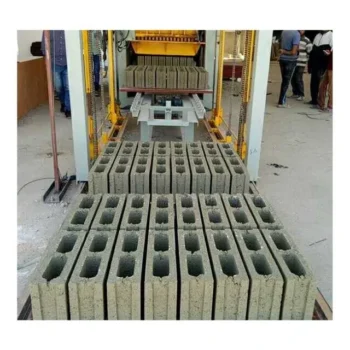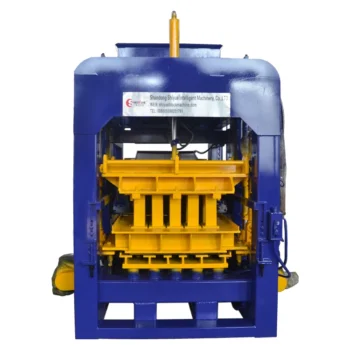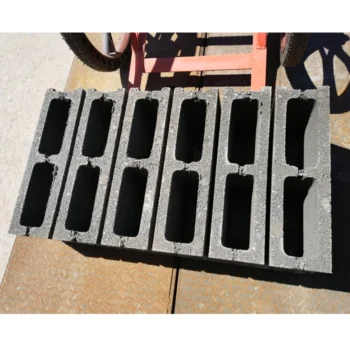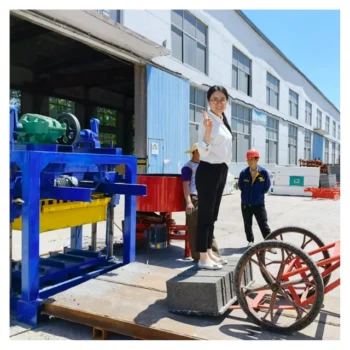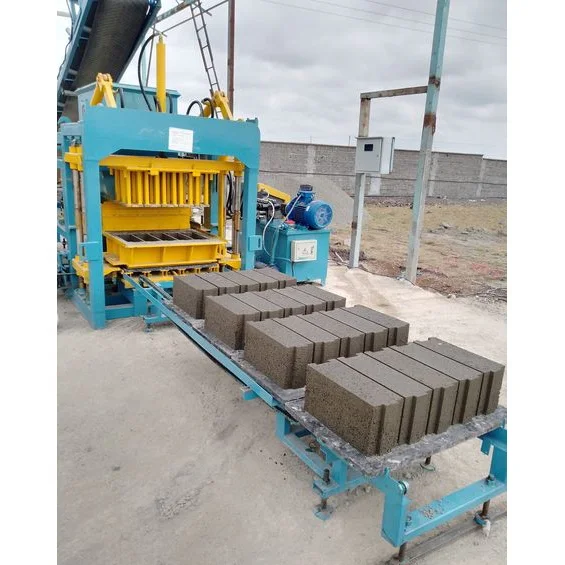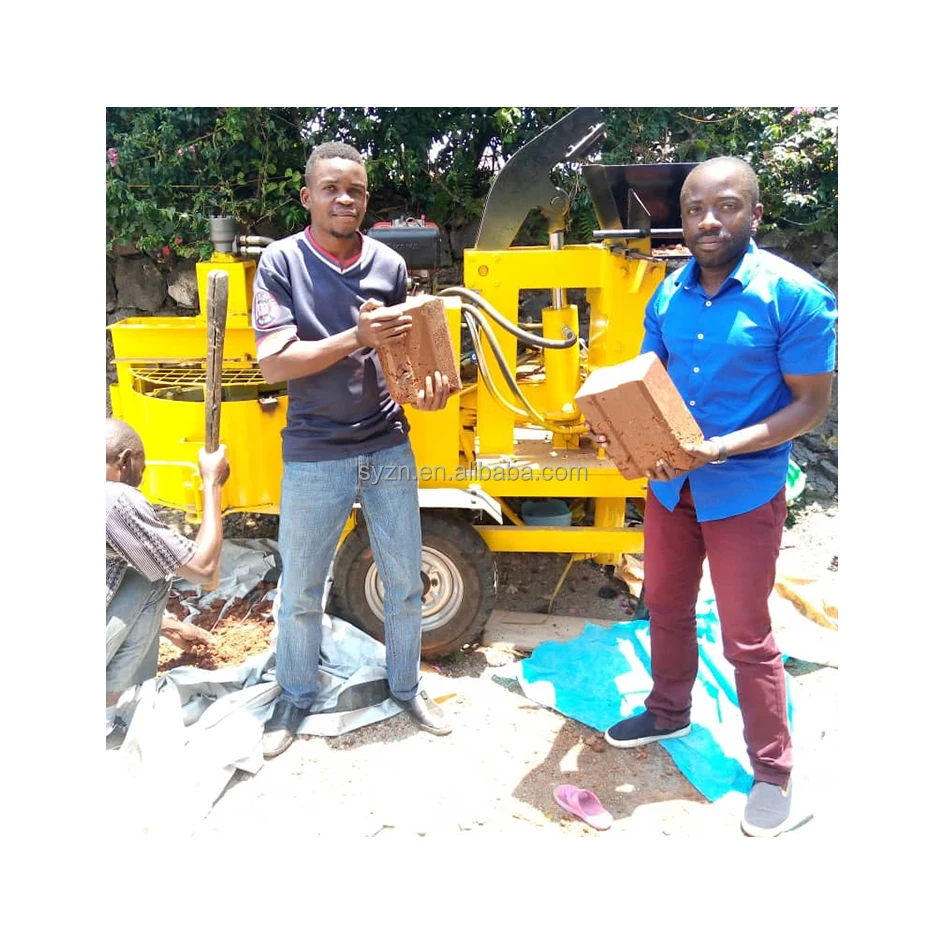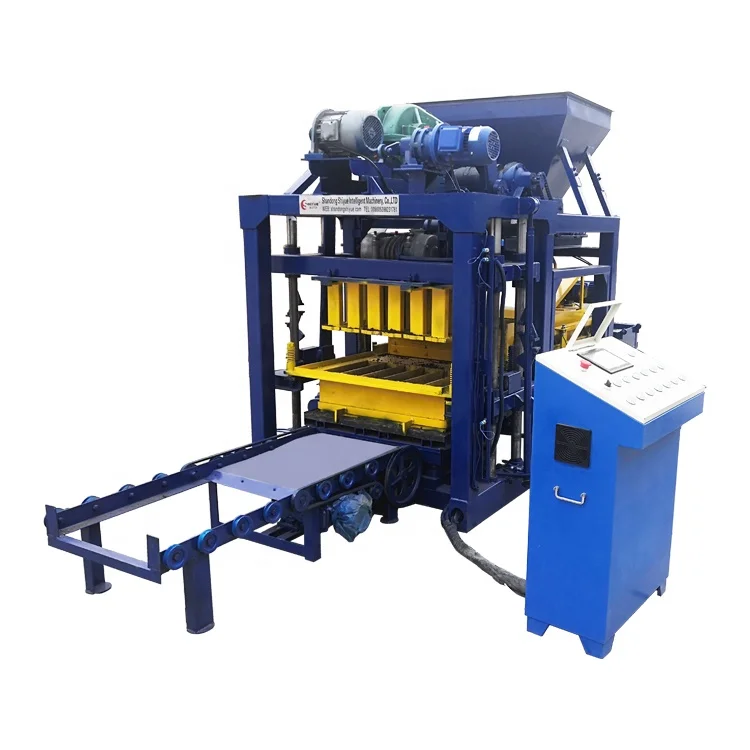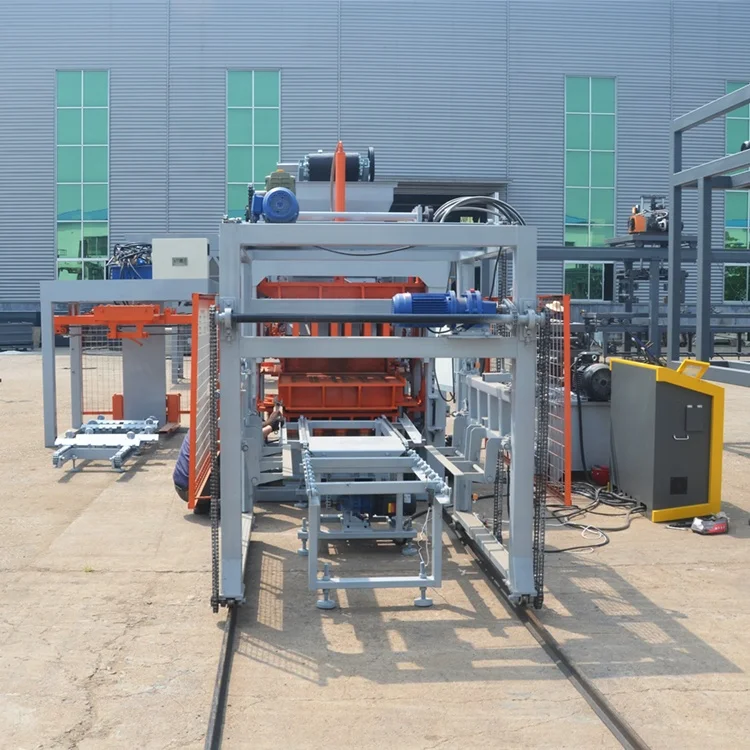
Description
Cycle Time by Format — QT6-15 block machine specifications are listed per mould dimension, so daily output reflects the block your market actually sells rather than a catalogue default.
Technical Specifications
| Parameter | Value |
|---|---|
| Model | QT6-15 |
| Product Type | Automatic Brick Making Machine |
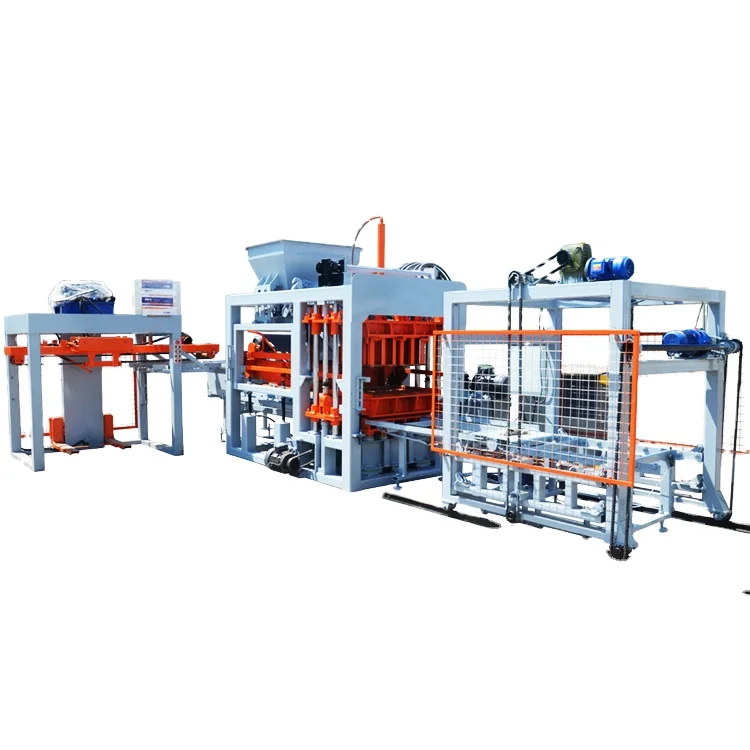
| Overall Dimensions | 8200 × 1700 × 2950 mm |
| Total Mass | 7 T |
| Overall Power | 37 kW |
| Vibration Force | 45 kN |
| Vibration Frequency | 0–60 Hz |
| Vibration Form | Platform Vibration |
| Moulding Mode | Automatic loading, vibration moulding |
| Demolding Method | Hydraulic |
| Pallet Size | 880 × 850 mm |
| Molding Cycle | 15–20 s (hollow/solid blocks); 20–25 s (paving formats) |
| Hydraulic System | Independent integrated hydraulic station |
| Control System | PLC controlled synthesis technique |
| Compressive Strength of Blocks | More than 15 MPa (basis not stated in source — confirm block format / material / thickness) |
| Recommended Factory Area | 1200 m² |
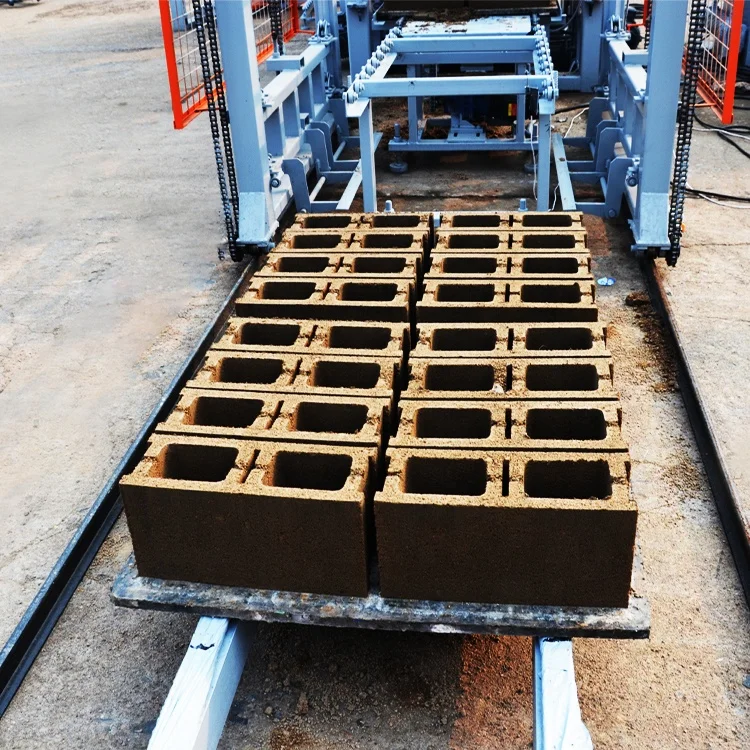
| Output Capacity (400×200×200 mm hollow block) | 1080–1440 pcs/hour (8640–11520 pcs/8 hr) |
| Output Capacity (400×150×200 mm hollow block) | 1440–1920 pcs/hour (11520–15360 pcs/8 hr) |
| Output Capacity (240×115×53 mm solid brick) | 5760–7680 pcs/hour (46080–61440 pcs/8 hr) |
| Output Capacity (200×100×60 mm rectangular paver) | 2160–2880 pcs/hour, 20–25 s cycle (17280–23040 pcs/8 hr) |
| Output Capacity (225×112.5×60 mm zigzag paver) | 2160–2880 pcs/hour, 20–25 s cycle (17280–23040 pcs/8 hr) |
| Voltage & Frequency | (basis not stated in source — confirm block format / material / thickness) |
| Language Options | (basis not stated in source — confirm block format / material / thickness) |
Application Suitability
| Application | Material or Output |
|---|---|
| Hollow block production for wall construction | Cement, crushed stone, sand, fly ash mixtures; 400×200×200 mm and 400×150×200 mm formats |
| Solid brick manufacturing for load-bearing structures | Cement and aggregate blends; 240×115×53 mm standard brick |
| Rectangular paving brick for roads and walkways | High-density concrete mixes; 200×100×60 mm interlocking paver |
| Zigzag interlocking paver for heavy-duty surfaces | Cement, slag, and graded aggregate; 225×112.5×60 mm format |
| Waste ash and slag utilization in block production | Industrial by-products blended with cement as binder |
What "1080 Pieces per Hour" Actually Means for the QT6-15
Capacity only exists in relation to a specific block dimension and cycle time.
Suppliers frequently quote the highest number a machine can reach, which usually assumes the smallest, fastest-cycling format. The QT6-15 block machine specifications above show a spread from 1080 pieces per hour on a 400×200×200 mm hollow block up to 7680 pieces per hour on a 240×115×53 mm solid brick — a seven-fold difference on the same press. If your market pays for hollow blocks and you planned your business case around the solid brick figure, the daily revenue gap will appear the moment the first shift ends. I once watched a buyer in West Africa discover this mismatch after the machine arrived; the plant was laid out for hollow block pallet flow, but the quotation had benchmarked output on a paver format that the local market barely bought [NEED_CITE: typical block format demand by regional construction market].
Matching the Mould to Your Market’s Block Format
The QT6-15 accommodates hollow blocks, solid bricks, rectangular pavers, and zigzag interlocking pavers on a single 880×850 mm pallet. The moulding cycle shifts between 15–20 seconds for hollow and solid formats and 20–25 seconds for pavers, because denser paving formats demand longer vibration and higher compaction. Before any QT6-15 block machine specifications matter, the real question is which format moves off your yard fastest. A machine that cycles quickly on a format nobody in your region builds with is simply an expensive pallet warmer.
How Local Aggregate Rewrites the Datasheet
Vibration force of 45 kN across the platform area looks strong on paper, but its effectiveness depends entirely on the mix it meets. During a commissioning run in Nigeria, the local stone dust carried a high clay content that absorbed vibration energy and produced weak, crumbly blocks at the standard cycle setting. We had to adjust the vibration frequency and extend the cycle time before compressive strength climbed back above the 15 MPa target. That experience reinforced a rule I now apply to every project: until the buyer’s raw material sample is tested, capacity figures remain theoretical [NEED_CITE: effect of clay content in aggregate on concrete block compressive strength].
Reading the Specs That Actually Shape Daily Output
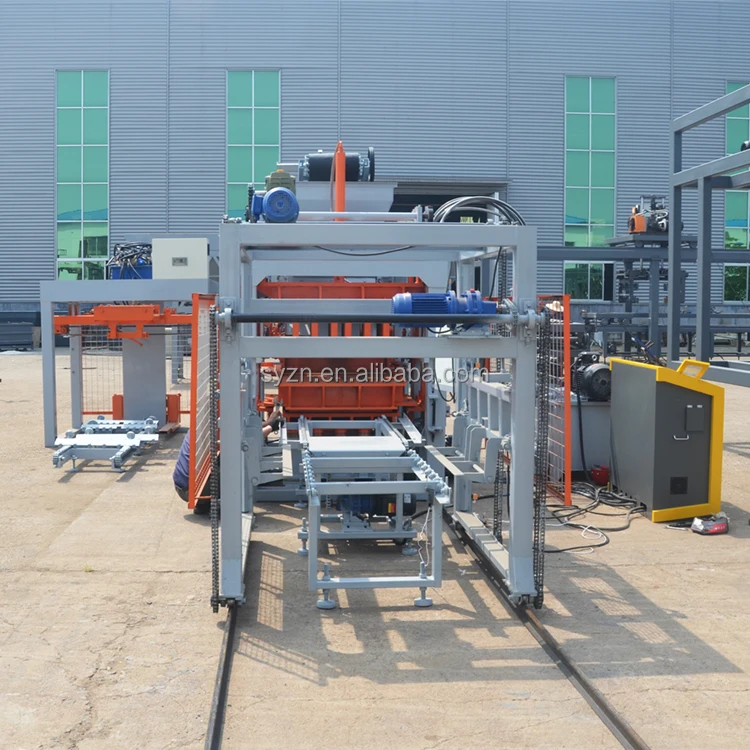
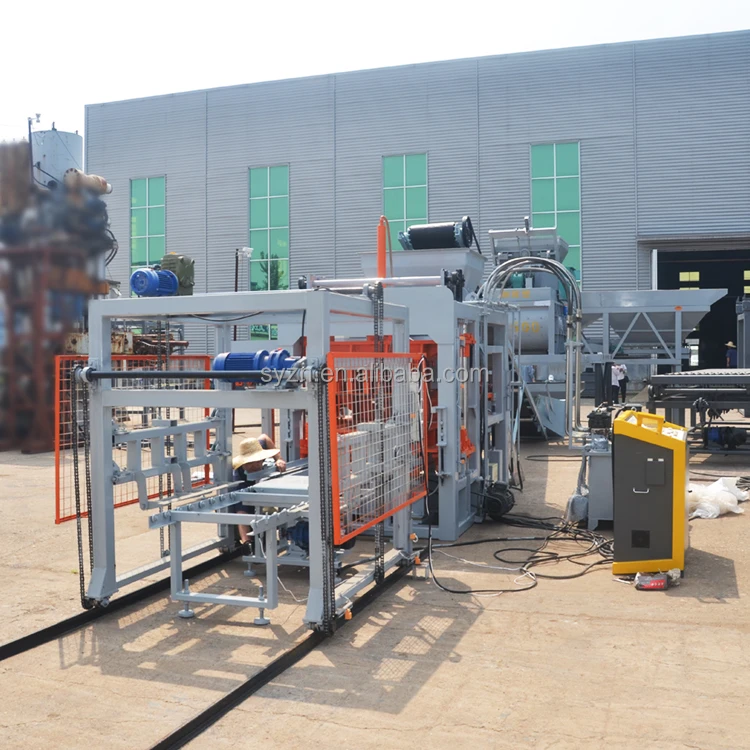
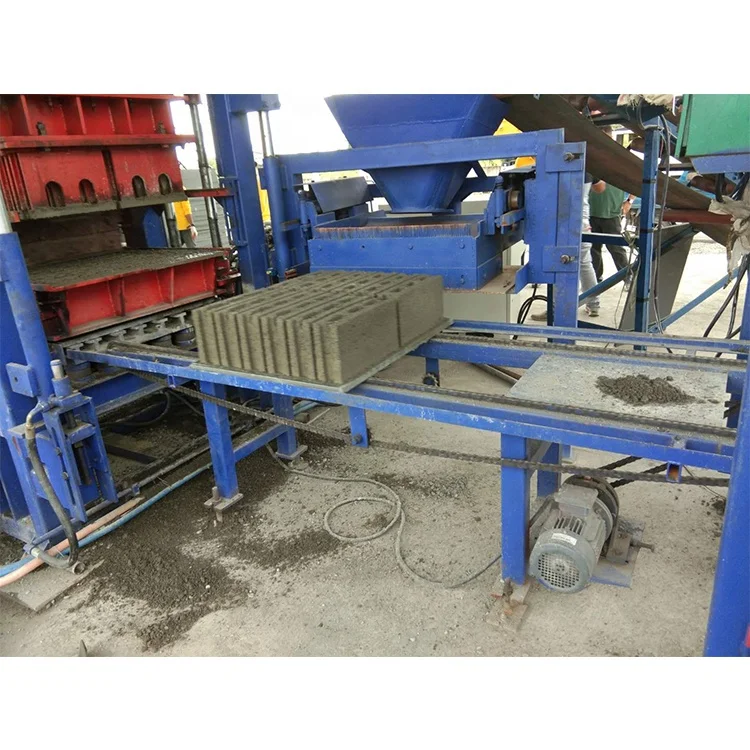
The independent integrated hydraulic station sits apart from the main frame, which isolates it from vibration and dust ingress — a detail that matters when the press cycles thousands of times per shift. Platform vibration distributes the 45 kN force evenly across the full 880×850 mm pallet, so blocks at the corners receive the same compaction as those in the centre. The PLC-controlled synthesis technique sequences automatic loading, vibration, and hydraulic demolding into a single loop, meaning the operator’s role is monitoring rather than timing each stage manually. Pallet size is fixed at 880×850 mm, so the curing yard and forklift forks must accept that dimension before the first pallet leaves the press.
The Hidden Cost of Ignoring Format in Capacity Planning
When a quotation states a single output number without naming the block format, every downstream decision — pallet inventory, curing rack capacity, truck loading schedule — is built on an assumption that may not match what you produce. If the machine arrives and you switch to your actual best-selling hollow block, the cycle time lengthens and daily volume drops. The curing yard suddenly has more pallet space than product to fill it, and the trucking contractor you booked for weekly dispatches finds half the loads are light. Correcting this after delivery means renegotiating contracts and reorganising the yard, not adjusting a dial [NEED_CITE: pallet handling and curing area planning for block production plants].
Why Sourcing the QT6-15 Through a Block-Line Specialist Matters
Block machinery is our single focus, so the QT6-15 is specified alongside its mould, pallet, and handling equipment as one matched system rather than assembled from separate suppliers. Every capacity calculation we provide states the exact block format and cycle time behind the number. Mould drawings and format lists are included in the quotation, so you know which block sizes are covered before the order is placed. Pallet specifications are checked against your existing curing area and forklift dimensions. Voltage, frequency, and PLC display language are confirmed before production begins, so commissioning is not delayed by a control panel the operator cannot read.
Documentation & Verification
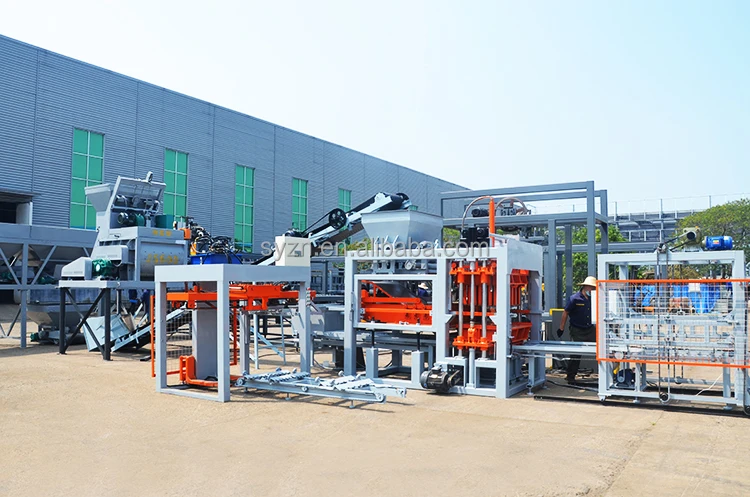
- Line layout with capacity calculation per block format for the QT6-15
- Mould drawing and format list confirming included block dimensions
- Pallet specification matched to buyer’s curing rack and forklift
- Hydraulic and electrical schematic with voltage confirmation
- Factory test record on buyer’s target block format before dispatch
- Operation and maintenance manual with wear parts list
Installation, Commissioning & Support
- Foundation must support 7 T machine mass across the 8200 × 1700 mm footprint
- Dedicated power circuit required for the 37 kW overall power draw
- Machine dismantled for container shipment and reassembled on-site
- First-run commissioning includes vibration frequency tuning to local aggregate
- PLC display language confirmed and set before operator training begins
- Wear parts list provided covering hydraulic seals and mould liners
Preparing Your Enquiry for an Accurate Configuration
To give you a QT6-15 block machine specifications proposal that reflects real output, we need to know the block format your market buys most, the local raw materials available, and the daily volume you plan to ship. Share your site dimensions and curing yard layout so the 880×850 mm pallet can be matched to your existing racks. Tell us your voltage and frequency standard, the PLC language your operators read, and whether you will run hollow blocks, pavers, or both across the week.
Frequently Asked Questions
Q: How is the QT6-15 capacity figure calculated, and which block format does it assume?
A: Every output figure in the QT6-15 block machine specifications is tied to a specific mould dimension and its corresponding cycle time. For example, 1080–1440 pieces per hour assumes a 400×200×200 mm hollow block at 15–20 seconds per cycle. We state the format behind each number so you can plan against the block you actually sell.
Q: What mould formats are available, and what is the cycle time for each?
A: The QT6-15 supports 400×200×200 mm and 400×150×200 mm hollow blocks, 240×115×53 mm solid bricks, and 200×100×60 mm rectangular and 225×112.5×60 mm zigzag pavers. Hollow and solid formats cycle in 15–20 seconds, while pavers require 20–25 seconds due to higher compaction needs.
Q: How do I confirm the machine is configured for my local aggregate and mix design?
A: We request a sample or detailed analysis of your local aggregate, including clay and moisture content, before finalising vibration frequency and cycle parameters. This prevents the situation where the machine arrives and blocks crumble because the factory-default settings do not match your material.
Q: What pallet size does the QT6-15 require, and can it use my existing pallets?
A: The standard pallet size is 880×850 mm. If your curing racks and forklift are already sized to this dimension, existing pallets may be compatible pending a thickness and material check. We confirm pallet specifications during the proposal stage to avoid mismatches on arrival.
Q: What documentation comes with the machine to verify capacity claims?
A: Each QT6-15 ships with a line layout showing capacity per format, mould drawings, a factory test record run on your target block size, hydraulic and electrical schematics, and an operation manual with a complete wear parts list for maintenance planning.