


Description
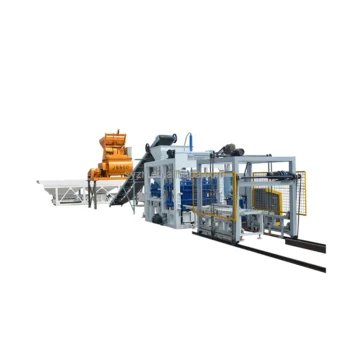
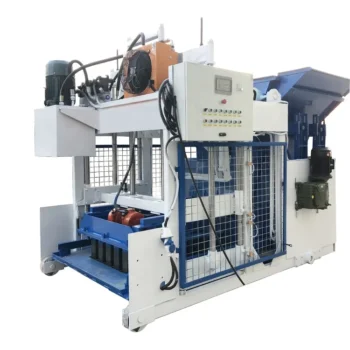
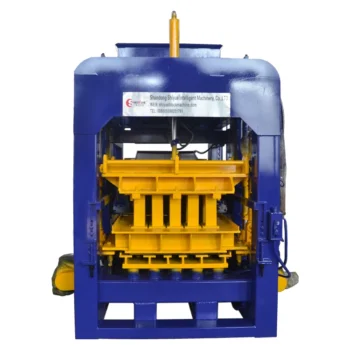
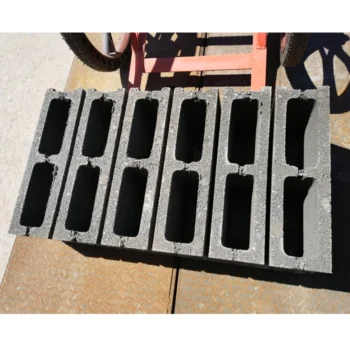
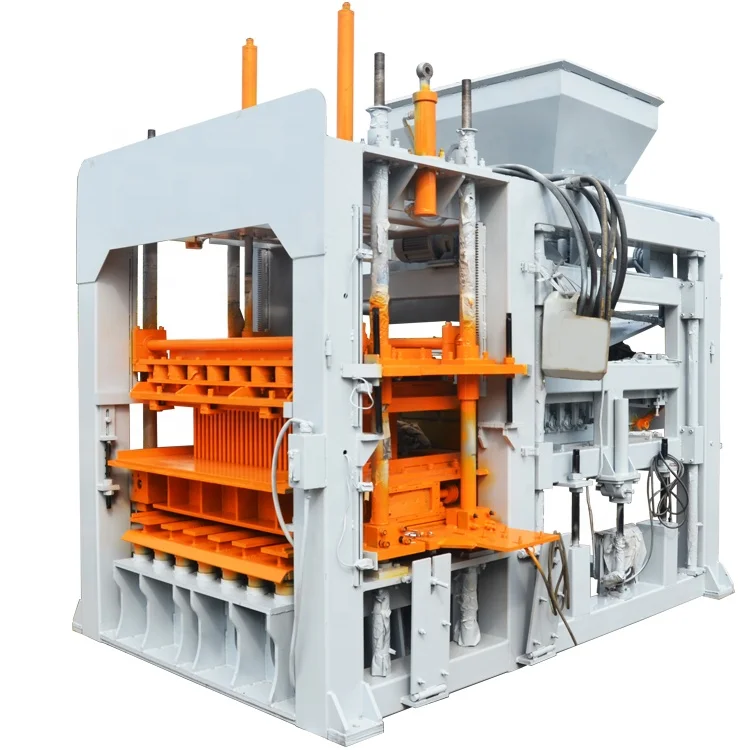
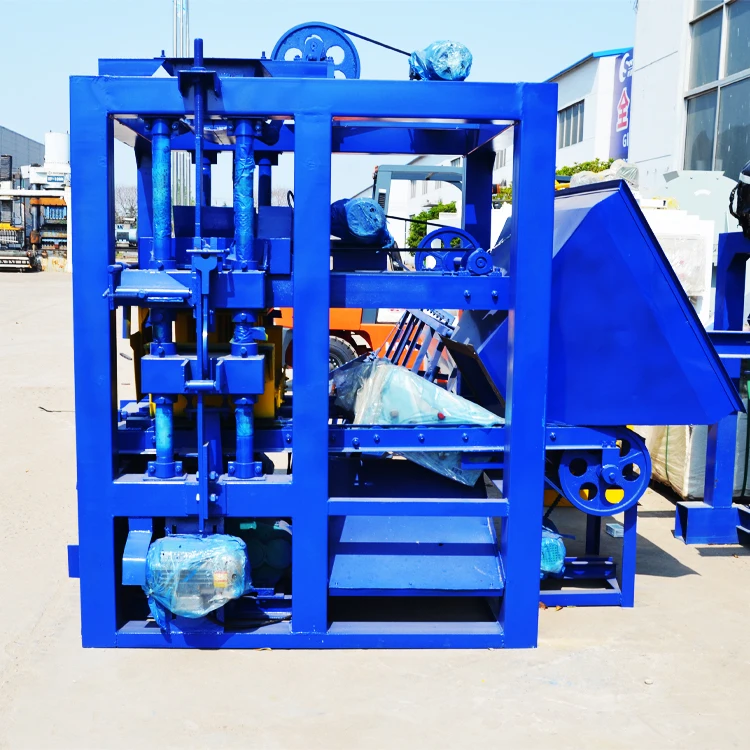
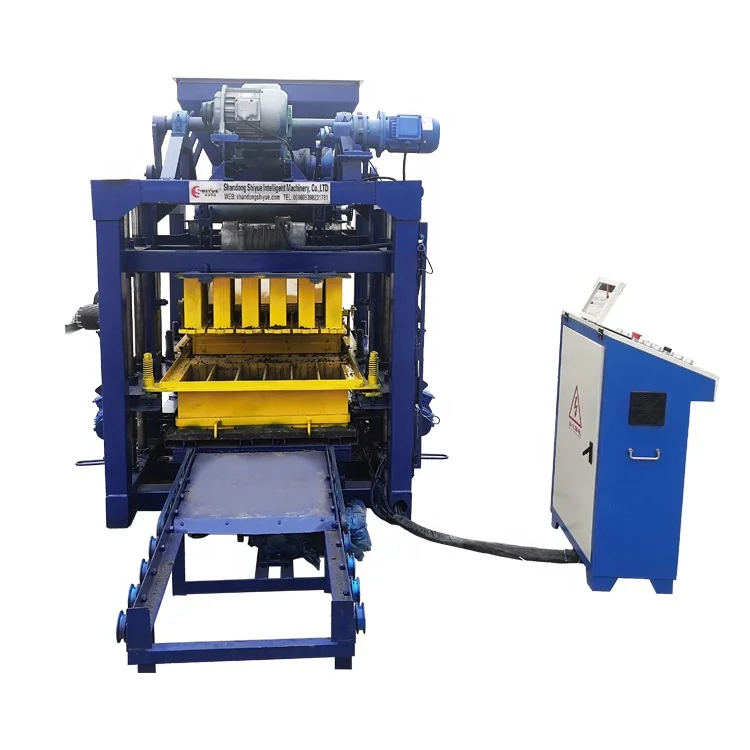
Mould-first configuration — every pallet size, vibration setting and hydraulic pressure on the QTJ4-25 is matched to the kerb stone profile and local aggregate you actually run, not pulled from a generic catalogue.
Technical Specifications
| Parameter | Value |
|---|---|
| Model | QTJ4-25 |
| Product Type | Kerb Stone Brick Making Machine |
| Overall Dimensions (L×W×H) | 3060×1730×2580 mm |
| Rated Pressure | 16-21 MPa |
| Main Vibration Form | Platform Vibration |
| Vibration Frequency | 4200 r/min |
| Vibration Force | 45.5 kN |
| Pallet Size | 850×550 mm |
| Molding Cycle | 25-30 s (basis not stated in source — confirm block format / material / thickness) |
| Overall Power | 14.9 kW |
| Total Mass | 4 T |
| Demolding Method | Vibration |
| Factory Area | 200 m² |
| Raw Materials | Crushed stone, sand, cement, dust, fly ash, gravel, slag |
| Automation Level | Semi-automatic |
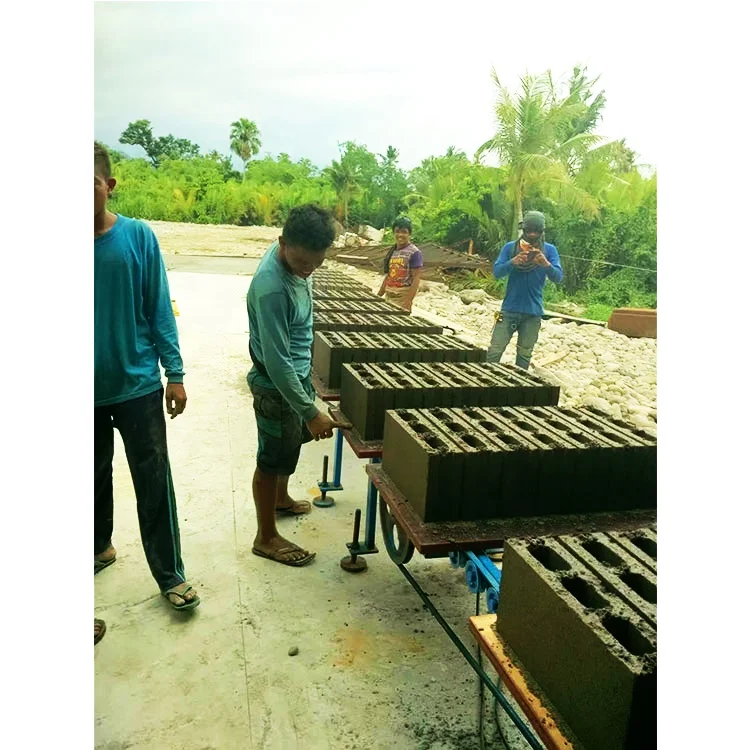
| Applied Products | Concrete blocks, hollow/solid blocks, pavers, interlocking blocks, curbstone, colored pavers |
| Container Loading | 1×40HQ (basic equipment) |
Application Suitability
| Application | Material or Output |
|---|---|
| Kerb stone production for road and highway projects | Crushed stone and cement mixes with local river sand or manufactured sand |
| Paving block manufacturing for municipal walkways | Fly ash, sand and cement blends targeting high-density formats |
| Interlocking brick production for housing developments | Gravel, slag and cement combinations for structural wall formats |
| Solid and hollow block runs for general construction | Standard concrete mixes with locally available aggregate |
What "25-30 Seconds per Cycle" Actually Means for Kerb Stones
A cycle time only matters when you know which block format and mix design it was measured on.
I have stood on production floors in West Africa where a kerb stone brick making machine ran a full shift and produced barely half of what the brochure promised. The reason was never the machine itself — it was the gap between the test conditions used to quote the cycle time and the reality of the buyer’s aggregate, moisture content and target kerb profile. A 25-30 second cycle might hold true for a small solid block on a clean, graded sand mix, but kerb stones are thicker, denser and demand longer vibration to reach full compaction. Without that context, the number on the spec sheet becomes misleading the moment the first pallet leaves the press [NEED_CITE: block format assumptions in cycle time declarations].
Matching Vibration Force to Kerb Stone Density
Platform vibration at 4200 r/min delivers 45.5 kN of compaction force across the 850×550 mm pallet surface. For kerb stone brick making machine specifications, that force level is relevant because kerb stones sit at the dense end of the block spectrum — they need to survive handling, transport and years of traffic loading without surface spalling. The 16-21 MPa rated hydraulic pressure works alongside the vibration to close voids in the mix, and both values must be evaluated together against your specific aggregate grading and cement ratio.
Pallet Size and the Curing Area You Already Have
The 850×550 mm pallet dimension is not arbitrary — it determines how many kerb stones fit per cycle and how the wet blocks move into your curing zone. If your existing forklift tines, curing racks or floor space were set up for a different pallet footprint, every pallet becomes a handling problem from day one. Confirming the pallet size against your site layout before production starts avoids costly retrofit work after the machine arrives [NEED_CITE: pallet handling compatibility in block plants].
Reading the Specifications That Matter for Kerb Stone Output
The QTJ4-25 runs platform vibration rather than mould vibration, meaning the entire pallet table oscillates to settle the concrete into the mould cavity. This approach suits dense formats like kerb stones where uniform compaction across a thick cross-section is the priority. The 4200 r/min frequency sits in a range that moves fine particles into voids without fluidising the mix — critical when your local sand carries higher silt content. The 14.9 kW total power draw covers the vibration motor, hydraulic pump and feed system together, which matters for sizing your site generator or transformer in areas with unstable grid supply. Semi-automatic operation means an operator manages pallet transfer and stacking, keeping the initial investment lower while leaving a path to add automatic handling later.
The Cost of Skipping the Aggregate Conversation
When a buyer orders a kerb stone machine without sharing their local material samples first, the vibration force and hydraulic pressure arrive set to a default that may not compact their specific mix. Blocks leave the press underweight or crack during curing. Moulds cut for a standard profile may not match the kerb dimensions that local municipal tenders require, forcing a second mould order weeks after startup. The downtime, wasted cement and rejected batches cost far more than a material test would have [NEED_CITE: aggregate testing practices in block production].
Why Buyers Source This Machine Here
Block machinery is the single focus of the production facility, so the QTJ4-25 arrives as a matched system — press, mould, pallet and handling specified together rather than assembled from unrelated suppliers. Mould design extends to custom kerb stone profiles drawn from buyer specifications, which matters when your municipal contract calls for a non-standard edge radius. Configuration is set against your actual mix design and target block format, not a catalogue default, so the vibration and pressure settings align with your material from the first run. Automation level is selectable, allowing a start on semi-automatic with room to add pallet feeding and stacking later. Installation support includes operator training on-site so your crew understands mould change procedure and daily maintenance before the service engineer leaves.
Documentation & Verification
- Line layout showing the kerb stone format assumed in capacity calculations
- Mould drawing and profile list confirming included kerb stone dimensions
- Pallet specification matched to your curing rack spacing and forklift capacity
- Voltage, frequency and control language confirmation signed before production
- Factory test record on your target block format before dispatch
- Operation and maintenance manual with wear parts and mould replacement schedule
Installation, Commissioning & Support
- Foundation pad must be level and cured to support the 4 T machine mass without settling
- Dedicated electrical circuit required for the 14.9 kW total power draw at confirmed voltage
- Machine ships in one 40HQ container and requires on-site reassembly of the vibration platform
- First-day commissioning includes vibration frequency and hydraulic pressure adjustment to your mix
- Operator training covers mould change, pallet handling and daily lubrication of vibration bearings
- Wear parts list provided with recommended replacement intervals for vibration springs and mould liners
What to Include in Your Inquiry
Share the kerb stone profile drawing or local standard dimension your market requires, along with a sample or description of your available sand and aggregate. Specify your site voltage and frequency, the control language your operators read, and the daily output target for the kerb stone format specifically. If you have existing curing racks or forklifts, include their dimensions so the pallet size can be cross-checked before the quotation is finalised.
Frequently Asked Questions
Q: What block format does the 25-30 second cycle time assume, and what is realistic daily output for kerb stones?
A: The published cycle time does not state which block format it was measured on. Kerb stones are thicker and denser than standard hollow blocks, so actual cycle times will be longer. We provide a capacity calculation that names the specific kerb stone format and mix design used, so the daily output figure you receive reflects your actual product, not a generic test block.
Q: How is the mould selected for my local kerb stone standard, and can I order custom profiles?
A: Moulds are built to the kerb stone dimensions your market sells, including non-standard edge profiles or chamfers specified by municipal tenders. We work from your drawings or the relevant local standard to produce a mould that matches the required length, width, height and surface finish. Custom profile moulds follow the same pallet footprint as the standard range.
Q: Will the 850×550 mm pallet work with my existing curing area and forklift?
A: That depends on your current rack spacing, floor layout and forklift tine width. We confirm pallet dimensions against your site equipment before production so that wet blocks move smoothly from press to curing without manual repositioning. If your existing setup uses a different pallet size, we discuss alternatives before the machine is built.
Q: How do I confirm voltage, frequency and control language before shipment?
A: Voltage, frequency and the language displayed on the control panel are confirmed in writing before production begins. This avoids a situation where the machine arrives with a 380V motor for a 415V site or a control interface your operators cannot read. The confirmation document is part of the standard pre-production checklist.
Q: What is the mould change procedure and how long does it take on the QTJ4-25?
A: The mould is bolted to the vibration platform and secured with locating pins. Changeover involves unbolting the current mould, lifting it clear with a hoist, lowering the new mould onto the pins and re-securing. Actual time depends on crew familiarity and hoist availability, but the mechanical process itself is straightforward and does not require specialist tools beyond standard spanners.