

Description
Honest capacity by format — QT7-15 output figures are calculated per block dimension rather than quoted as a single misleading hourly number.
Technical Specifications
| Parameter | Value |
|---|---|
| Model | QT7-15 |
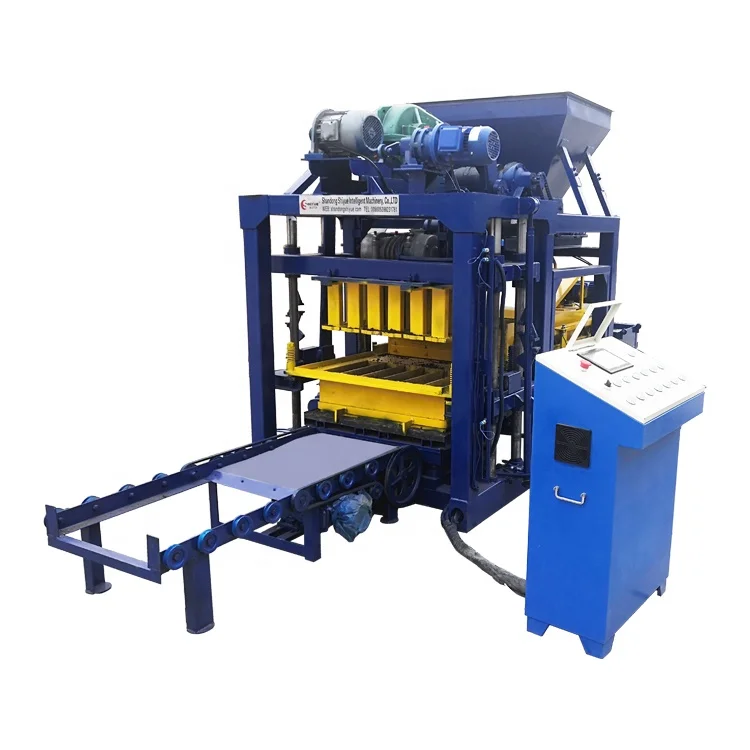
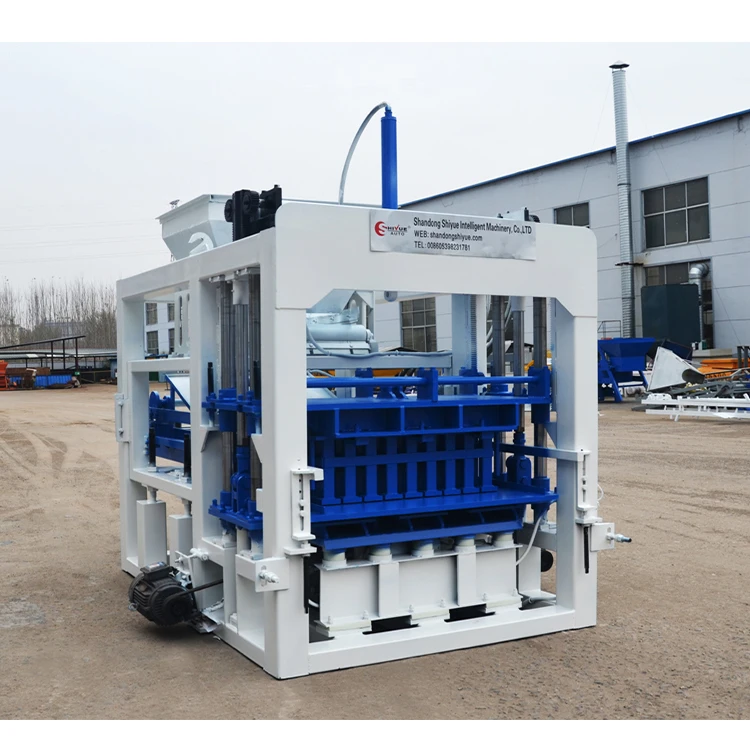
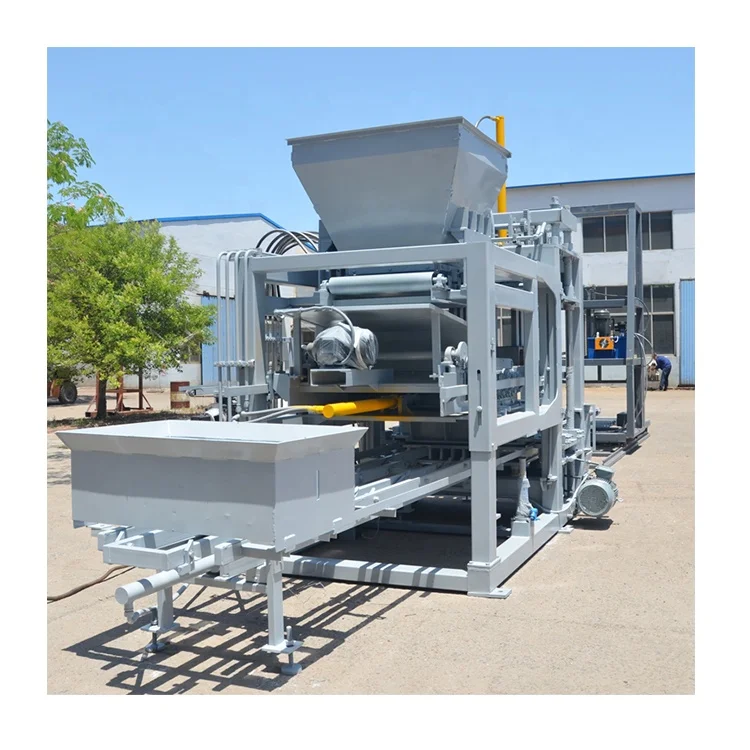
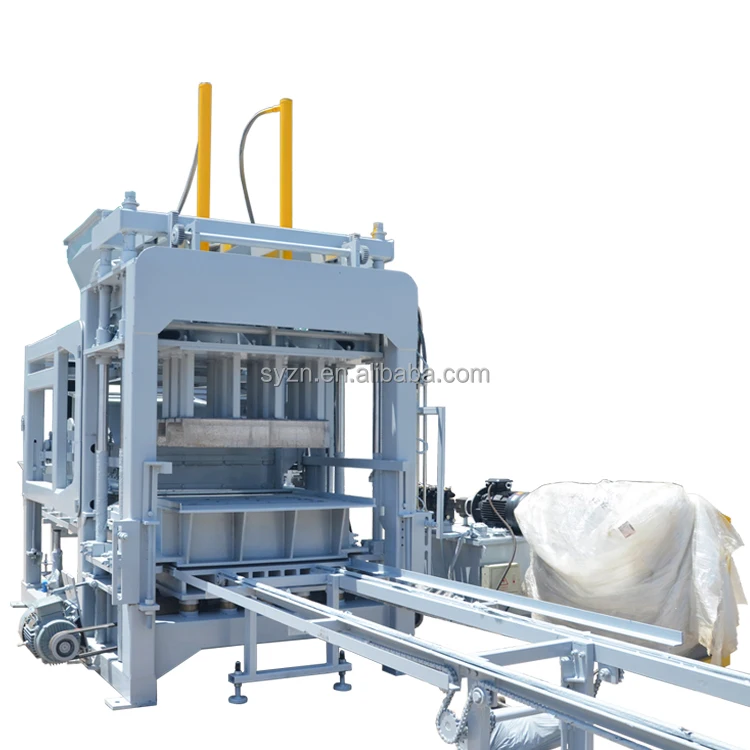
| Product Type | Automatic Hollow Block Making Machine |
| Pallet Size | 1150×700 mm |
| Vibration Force | 100 kN |
| Vibration Frequency Range | 0–60 Hz |
| Vibration Form | Platform Vibration |
| Molding Cycle | 15–20 s (basis not stated in source — confirm block format and material) |
| Overall Power | 45 kW |
| Total Mass | 8 T |
| Demolding Method | Hydraulic |
| Control System | PLC intelligent control with touch screen interface |
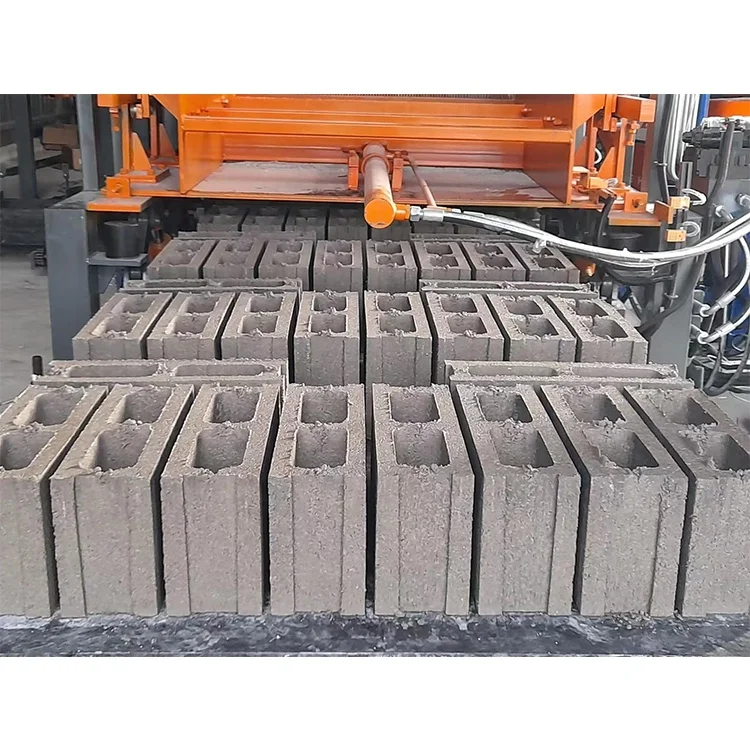
| Output Capacity | 1260–1680 pcs/h based on 400×200×200 mm hollow block, 7 pcs/mould |
| Output Capacity | 1440–1920 pcs/h based on 400×150×200 mm hollow block, 8 pcs/mould |
| Output Capacity | 3888–4860 pcs/h based on 200×100×60 mm rectangular brick, 27 pcs/mould |
| Mould Change System | Simple replacement mechanism for multi-format production |
| Remote Diagnostics | Available with fault diagnosis capability |
| Standards | CE declaration available |
Application Suitability
| Application | Material or Output |
|---|---|
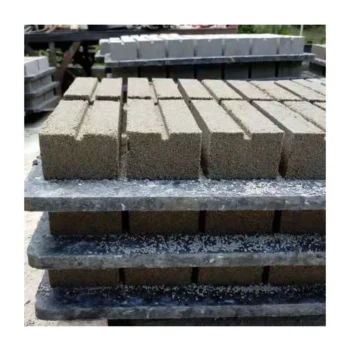
| Hollow block production | Crushed stone, cement, sand, fly ash mixes in 400×200×200 mm and 400×150×200 mm formats |
| Rectangular paving brick | Cement-aggregate blends producing 200×100×60 mm units at higher cavity count |
| Multi-format concrete block manufacturing | Quick mould changeover between hollow, solid, and paving configurations |
What "15–20 Seconds" Actually Means for Your Output
Cycle time is only meaningful when tied to a specific block format and local raw material.
The automatic hollow block making machine specifications often list a molding cycle without naming the block size, aggregate type, or moisture content that produced it. I watched a plant owner in West Africa take delivery of an automatic block machine rated for what the catalogue promised, only to find his local volcanic ash required longer vibration and higher compaction. His real cycle stretched well beyond the brochure number, and daily output dropped to less than half of what he had planned his business around [NEED_CITE: effect of local aggregate on block machine cycle time].
Matching Block Format to Market Demand
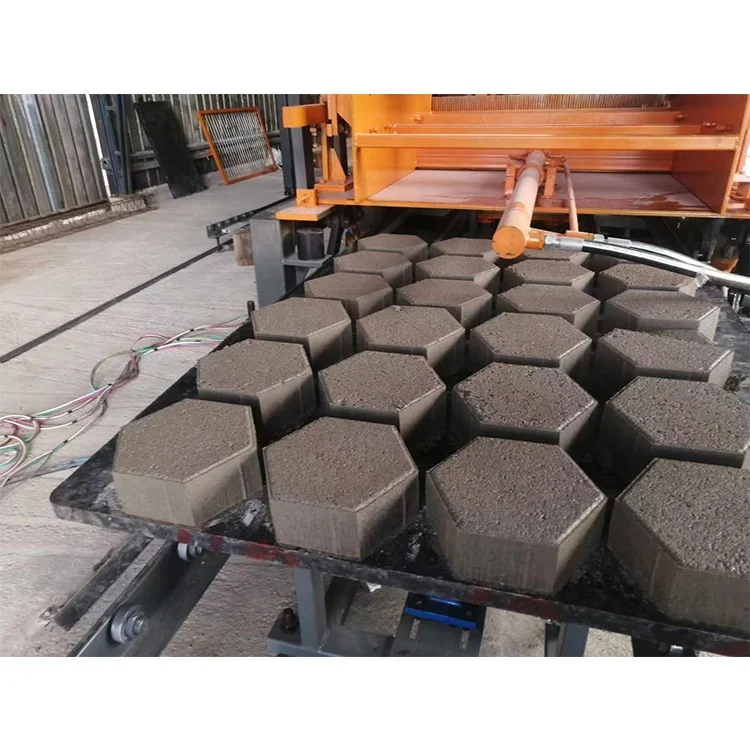
A technical buyer does not purchase a press to run a single cavity count. The QT7-15 moves between seven-cavity hollow blocks, eight-cavity hollow blocks, and twenty-seven-cavity rectangular bricks on the same 1150×700 mm pallet. The automatic hollow block making machine specifications show how output shifts dramatically as the mould changes, so plant planning must start from the format the market actually buys, not the format that produces the largest headline number.
Pallet Size and the Curing Area You Already Have
The 1150×700 mm pallet dimension determines how blocks travel from press to curing rack to dispatch. If the buyer’s existing forklift tines, rack spacing, and curing yard were laid out for a different pallet, every handling step becomes a bottleneck. Confirming pallet size before shipment prevents the situation where a plant receives the press but cannot move its output through the curing cycle without a second round of equipment purchases [NEED_CITE: pallet handling integration in block production lines].
How Vibration and Hydraulics Define Block Density
The 100 kN vibration force working across a 0–60 Hz adjustable frequency range is what compacts the mix into a consistent block. Platform vibration transmits energy through the pallet rather than through the mould walls, which suits hollow formats where the core must remain open while the outer shell reaches target density. Hydraulic demolding then lifts the mould cleanly off the green block. When vibration force and hydraulic pressure are mismatched to the buyer’s mix design, block strength varies from one pallet to the next — something a laboratory test on sample blocks will not reveal until the first full production run.
The Hidden Cost of Skipping Mix Validation
Buyers who order a machine configured for a standard fly ash mix, then substitute a local aggregate without verifying the compaction parameters, often discover that block faces crack during demolding or fail compressive strength tests. The cost is not just the wasted cement and labour; it is the delayed shipment, the broken contract with a construction site, and the reputation hit that follows [NEED_CITE: block strength failures linked to unverified mix substitution].
Why This Machine Is Specified Around Your Product, Not a Catalogue Default
Block machinery is the single focus here, so the QT7-15 arrives with a mould designed for the format the buyer’s market sells, not whatever mould happened to be in stock. Configuration is set against the actual aggregate and target strength, with a capacity calculation that names the block format behind every output figure. The pallet specification, hydraulic settings, and PLC language are confirmed before the machine leaves the factory, reducing the chance that commissioning stalls over a mismatch the buyer did not know to ask about.
Documentation & Verification
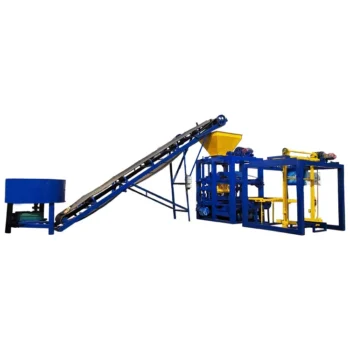
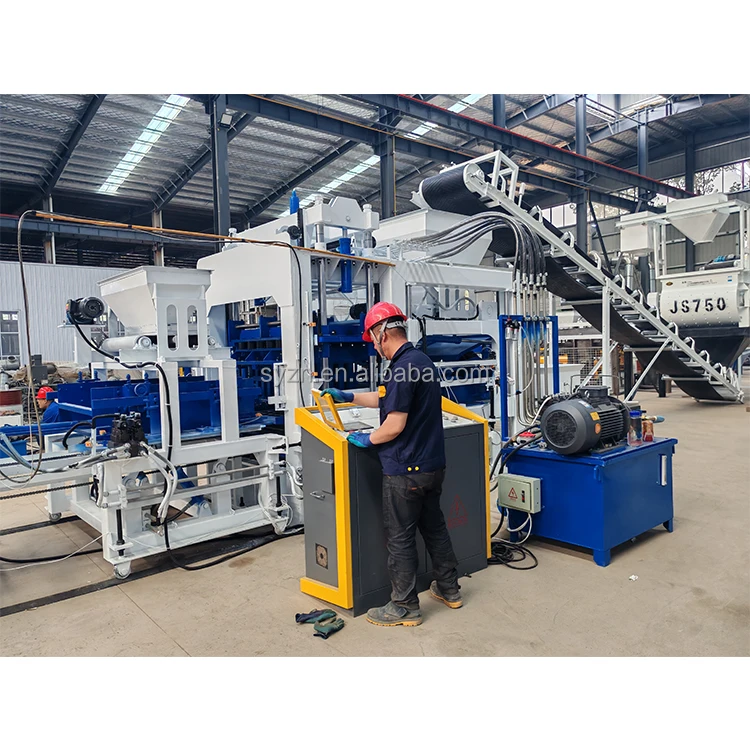
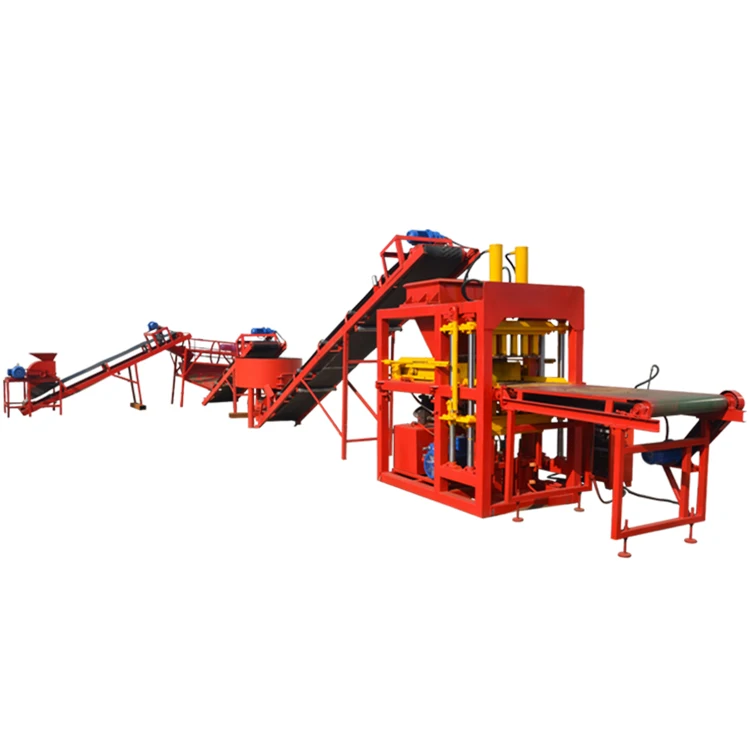
- Line layout showing QT7-15 position within the full production circuit
- Capacity calculation sheet naming each block format and its corresponding output
- Mould drawing and format list matched to buyer’s target dimensions
- Pallet specification confirming 1150×700 mm size and material grade
- Voltage and PLC display language confirmation before dispatch
- Factory test record run on buyer’s specified block format
Installation, Commissioning & Support
- Foundation plan accounting for 8 T machine mass and platform vibration loads
- 45 kW power supply with dedicated circuit sized to local voltage and frequency
- PLC touch screen configured to operator’s language before first run
- Mould changeover training on the specific formats included with shipment
- Remote diagnostics link activated for fault diagnosis during early production weeks
- Wear parts list covering hydraulic seals and vibration components with reorder references
What to Prepare Before Requesting a Quotation
A meaningful proposal for the QT7-15 starts with the block format and dimensions the buyer’s market demands, the local aggregate available, and the daily output target across an eight-hour shift. Voltage, frequency, and PLC language should be stated up front so the control system ships ready. If the plant already has curing racks, forklifts, or a batching mixer, sharing those details ensures the pallet and line layout fit the existing infrastructure.
Frequently Asked Questions
Q: How is the 1260–1680 pieces per hour capacity figure derived?
A: That range is calculated on a 400×200×200 mm hollow block produced at seven cavities per mould, assuming a 15–20 second molding cycle. Changing to a different block format or switching the raw material alters the cycle and the cavity count, so the output for any other format must be recalculated separately.
Q: Which mould formats can run on this machine besides hollow blocks?
A: The QT7-15 accepts a 27-cavity rectangular brick mould producing 200×100×60 mm units as well as custom moulds built to buyer drawings. Each format has its own cycle time and output figure, so the selection should be driven by the products the buyer’s market actually purchases.
Q: Can vibration force and frequency be adjusted to suit local aggregate?
A: The platform vibration system operates across a 0–60 Hz range with up to 100 kN of force. Adjusting these settings to match the buyer’s specific mix design and aggregate type is part of the commissioning process, ensuring block density remains consistent across shifts.
Q: What pallet material works with the 1150×700 mm size?
A: Bamboo, steel, and PVC pallets all fit the QT7-15 pallet feeder. The choice depends on the curing method and local climate; the pallet specification is confirmed against the buyer’s existing curing racks and forklift equipment before shipment to avoid handling incompatibilities.
Q: How does remote diagnostics support early production?
A: The PLC system includes fault diagnosis capability accessible remotely. During the first weeks of operation, this allows the service team to read error codes and adjust parameters without waiting for an on-site visit, reducing downtime when operators are still learning the machine.