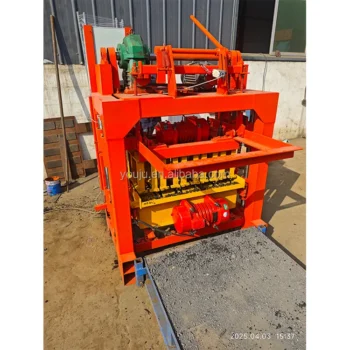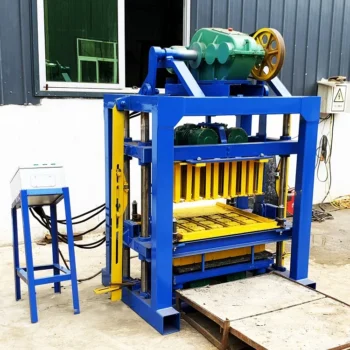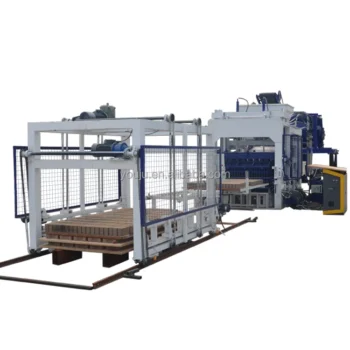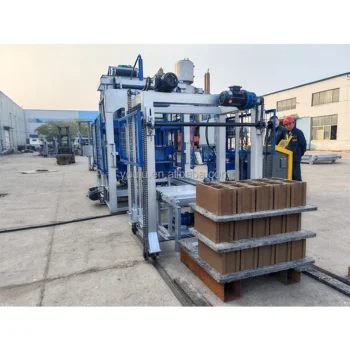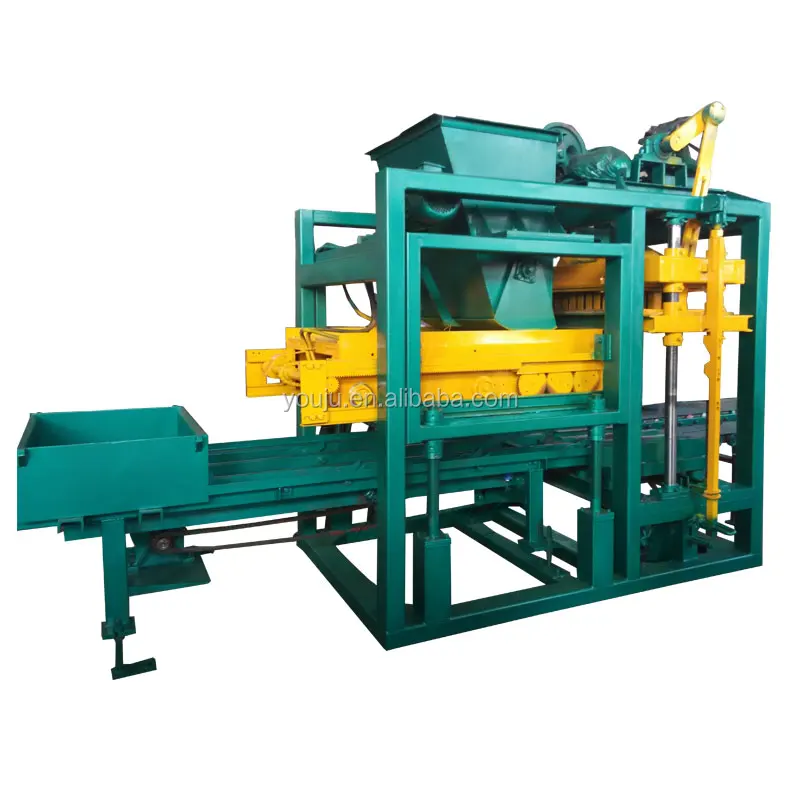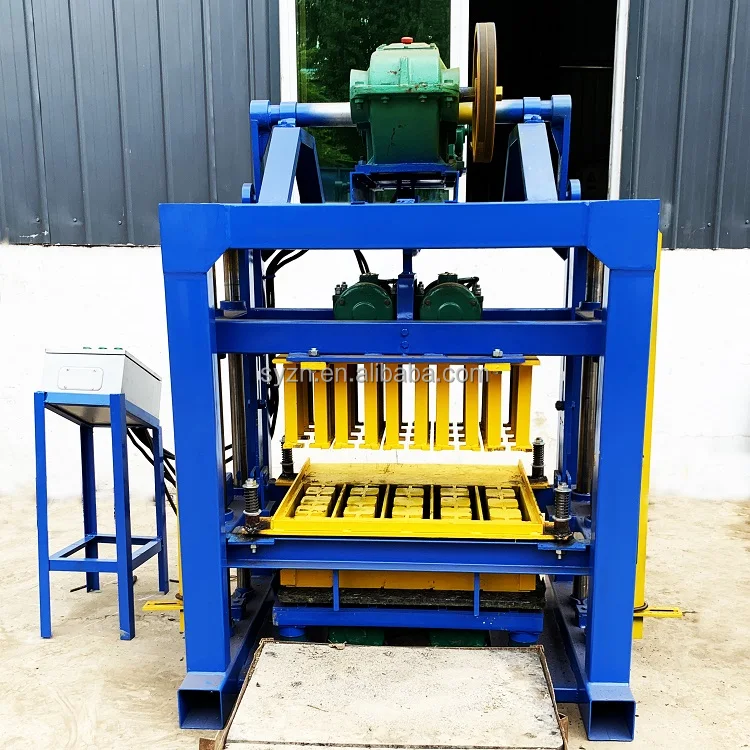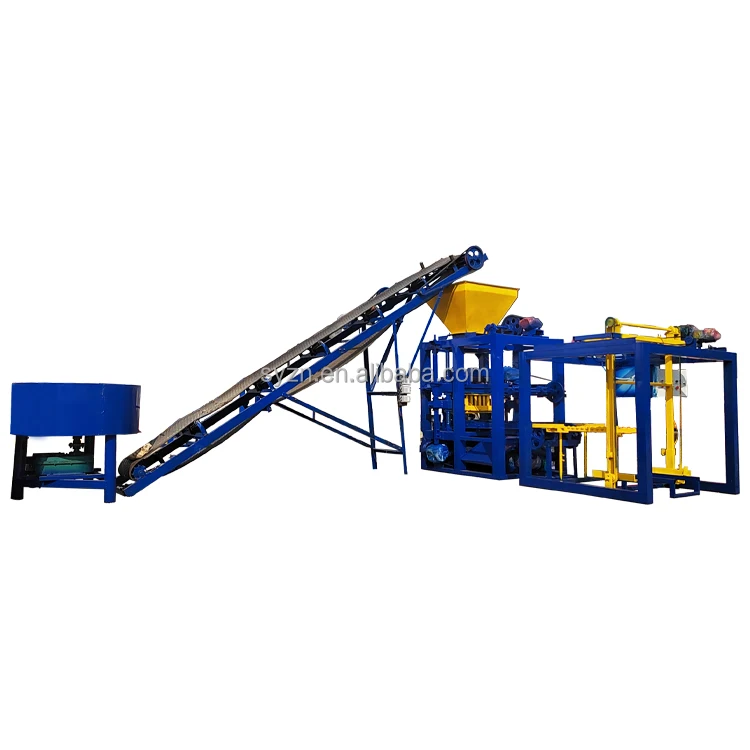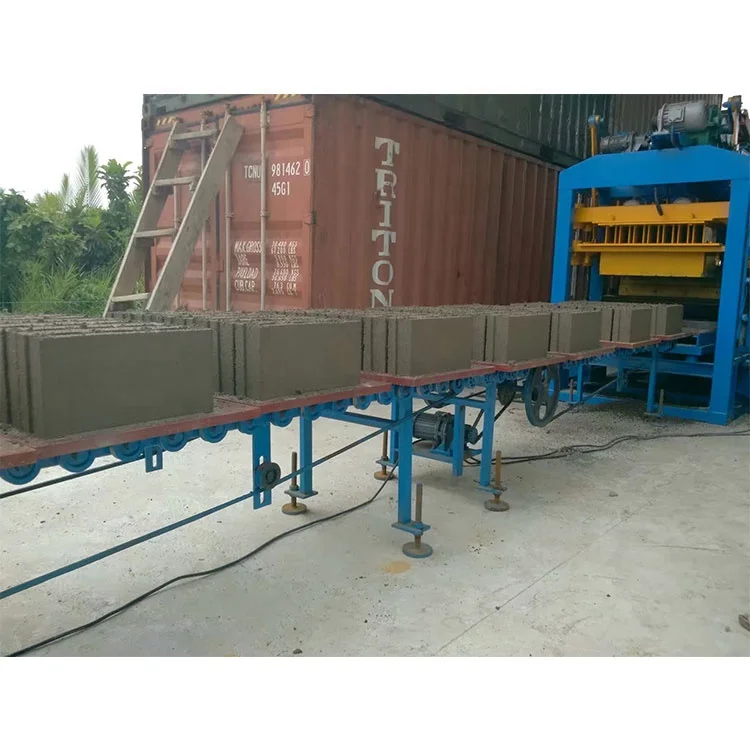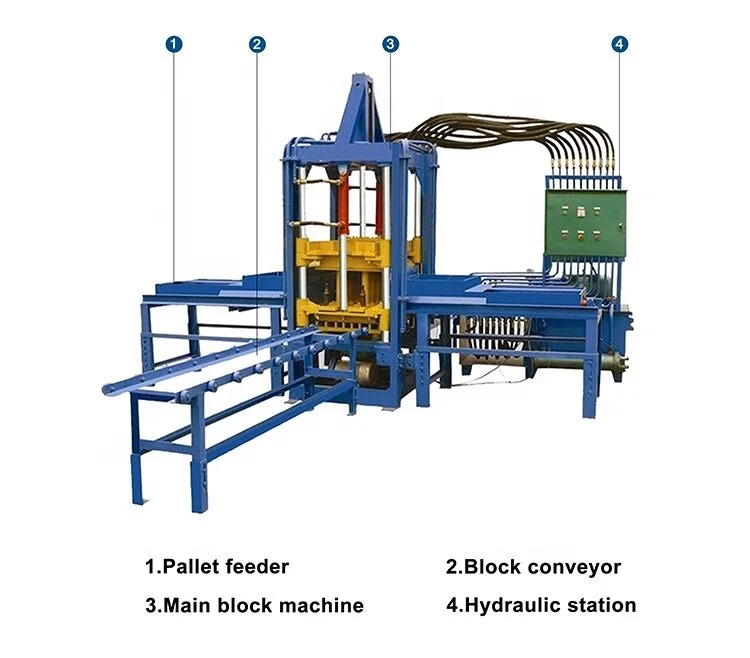
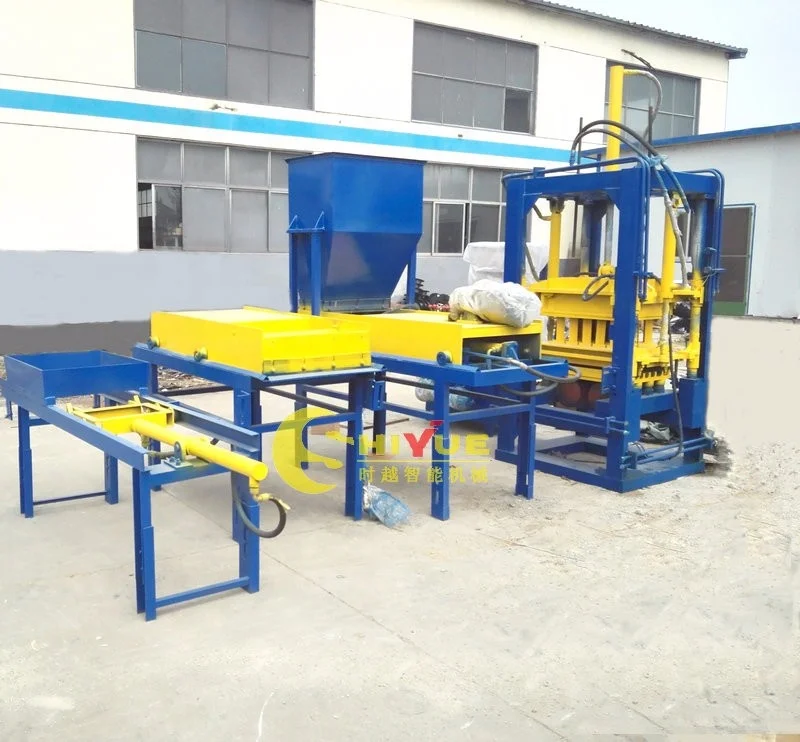
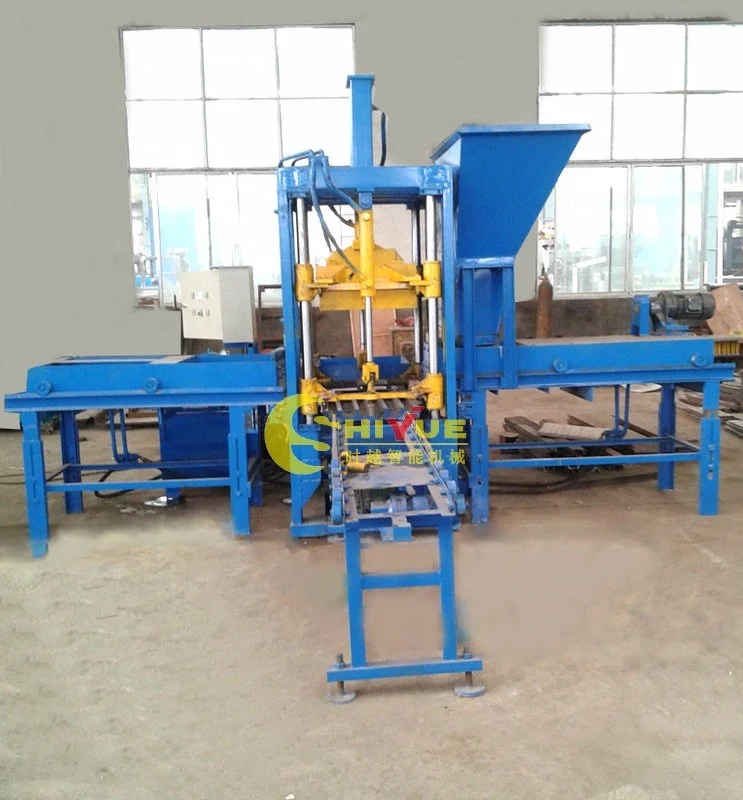
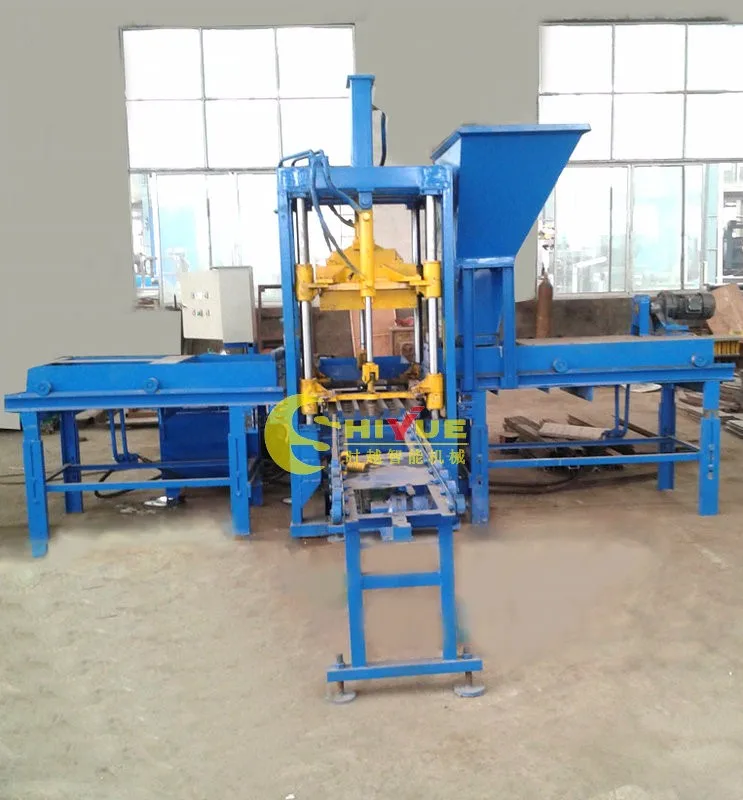
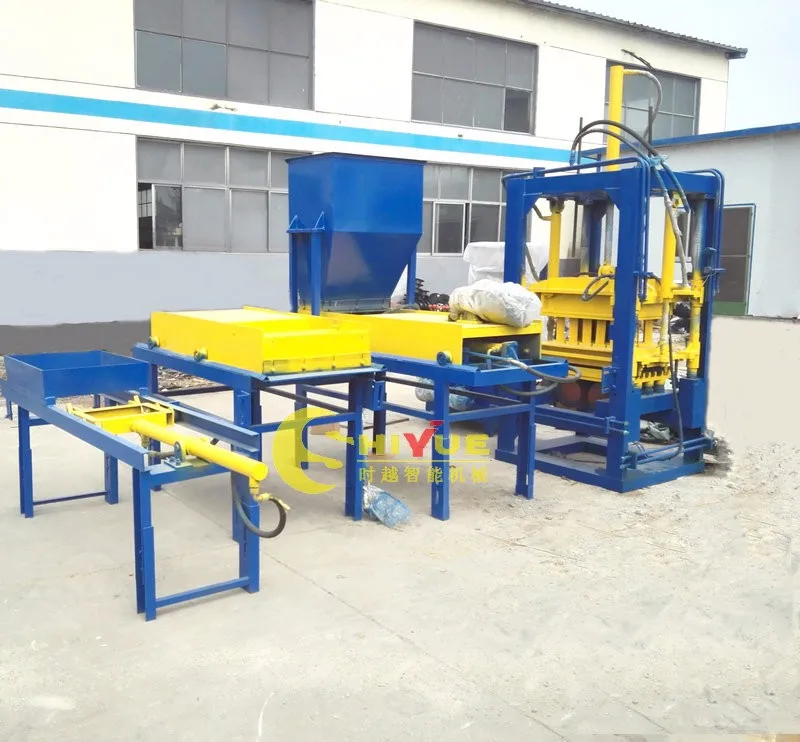

Description
Format-matched capacity — the QTF3-20 block making machine specifications are calculated against your actual brick format and local aggregate, not a generic cycles-per-hour figure that ignores what you intend to produce.
Technical Specifications
| Parameter | Value |
|---|---|
| Model | QTF3-20 |
| Product Type | Stationary Hydraulic Block Making Machine |
| Overall Dimensions (L×W×H) | 4000 × 3500 × 2300 mm |
| Total Mass | 2870 kg |
| Total Power | 17.5 kW |
| Drive System | Hydraulic |
| Vibration Form | Platform Vibration |
| Control Style | Semi-Automatic |
| Proximity Switch | Non-contact |
| Layer Capability | Double layer (base material and color surface material) |
| Output Capacity | 4320 pcs/day (basis not stated in source — confirm block format, material, and thickness) |
| Electrical & Hydraulic Components | Sourced from Germany or Chinese famous brand |
| Raw Material Compatibility | Cement, sand, fly ash, coarse aggregate, slag, and similar binders |
| Companion Equipment (simple line) | JQ350 mixer, 8-meter belt conveyor |
Application Suitability
| Application | Material or Output |
|---|---|
| Interlocking brick production | Cement and crushed stone mix with interlock mould |
| Color paver manufacturing | Double-layer feeding: base aggregate layer plus pigmented surface layer |
| Hollow block production for wall construction | Cement, sand, and coarse aggregate in hollow mould cavity |
| Park grass brick and slope protection brick | Porous mix design with open-cell mould format |
| Standard solid brick for masonry | Dense mix compacted under hydraulic pressure and platform vibration |
| Porous brick for thermal insulation | Lightweight aggregate blend requiring adjusted vibration duration |
Why "4320 Pieces per Day" Means Nothing Without the Format Attached
The QTF3-20 block making machine specifications only become useful once you know which brick format, mix design, and pallet size the number assumes.
I once watched a buyer in West Africa take a quoted daily output at face value, sign the purchase order, and then watch real production fall to roughly half the promised figure. The reason was not a defective press — it was a capacity number calculated on a small solid brick while the buyer’s market demanded 200 mm hollow blocks that take longer to fill, vibrate, and cure. When the QTF3-20 block making machine specifications are reviewed without asking which format sits behind the headline number, the same disappointment repeats. Voltage, pallet dimensions, and local aggregate availability further shift the real output away from the catalogue figure [NEED_CITE: importance of format-specific capacity calculation in block machine procurement].
Matching Mould Format to the Brick Your Market Actually Buys
Every brick format demands a different mould cavity depth, vibration duration, and compaction pressure. The QTF3-20 block making machine specifications list environmental brick, interlock brick, color pavers, grass brick, hollow brick, porous brick, and standard brick as compatible formats, yet each one changes the effective cycle time. A buyer producing 100 mm interlocking pavers will see a shorter cycle than one running 200 mm hollow blocks, because the deeper cavity requires longer fill and vibration stages. Requesting the mould drawing and format list before confirming an order ensures the machine you receive is matched to the product your customers pay for, not the product that looks best on a brochure.
Double-Layer Feeding for Color Pavers and Face-Mix Bricks
The double-layer capability separates the QTF3-20 from single-hopper machines in this class. A base material hopper fills the mould cavity with standard aggregate, while a second color material hopper deposits a thin pigmented layer on top before compaction. This means the finished paver shows consistent color on the wearing surface without wasting pigment throughout the full brick thickness. For buyers supplying municipal walkways, park paths, or residential driveways where surface appearance drives the purchase decision, this feature removes the need for a separate coloring line [NEED_CITE: double-layer feeding advantages in concrete paver production].
Reading the QTF3-20 Block Making Machine Specifications for Production Impact
Platform vibration combined with hydraulic pressure determines the green strength of the block as it leaves the press. If vibration force is too low for a coarse aggregate mix, the block will crumble before curing; if hydraulic pressure is excessive for a lightweight porous mix, the cell structure collapses and insulation value is lost. The 17.5 kW total power rating must be read alongside the vibration form and hydraulic station capacity to judge whether the press can handle your specific mix design. Non-contact proximity switches reduce misread errors caused by dust accumulation on mechanical limit switches, a frequent cause of misaligned pallet feeds in dusty block yards. The semi-automatic control style means an operator manages pallet handling while the press cycle runs on a timed sequence — a practical starting point for buyers who plan to add automatic stacking later.
What Happens When Pallet Size Is Chosen Without Checking Your Curing Yard
A pallet that is too large for the buyer’s existing curing racks forces a complete rack replacement, turning a machinery purchase into a yard reconstruction project. A pallet material that warps under local humidity causes blocks to crack during the first days of curing, producing breakage rates that erode the margin on every load sold. When the pallet specification is decided in isolation from the curing area layout and the forklift tine width already on site, the press itself runs fine but the downstream handling creates bottlenecks the quotation never mentioned [NEED_CITE: pallet sizing and curing area compatibility in block plant planning].
Configuration Set Against Your Mix, Not a Catalogue Default
The QTF3-20 is configured after reviewing the buyer’s actual mix design, local aggregate grading, and target block strength rather than shipping a default setting. Mould design covers the specific formats the buyer’s market demands, including custom drawings when standard cavities do not match. Machine, mould, pallet, and handling equipment are specified as one matched system, avoiding the mismatched component problems that arise when each item is sourced separately. Automation level is selectable, so a buyer can begin with the semi-automatic QTF3-20 and add automatic pallet feeding or stacking as production volume justifies the investment. Installation support includes on-site commissioning and operator training so the crew understands vibration and pressure adjustments for each format they run.
Documentation & Verification
- Line layout and capacity calculation stating the exact block format assumed for output figures
- Mould drawing and format list confirming every brick type the buyer intends to produce
- Pallet specification matched to curing rack dimensions and forklift tine width on site
- Voltage, frequency, and PLC display language confirmation recorded before production starts
- Factory test record on the buyer’s mix design and target block format before dispatch
- Hydraulic and electrical schematic with component part numbers for local sourcing
Installation, Commissioning & Support
- Foundation pad leveled to the 4000 × 3500 mm footprint with anchor bolt pockets cast in place
- Dedicated circuit sized for the 17.5 kW total load with voltage and frequency confirmed before wiring
- Host machine, material feeder, color feeder, and hydraulic station reassembled and aligned on site
- First production run adjusts vibration duration and hydraulic pressure to the buyer’s confirmed mix design
- Operator training covers mould change procedure, proximity switch cleaning, and pallet feed sequencing
- Wear parts list with hydraulic seal and vibration motor bearing part numbers supplied for local reorder
What to Include in Your Inquiry
Tell us the specific block format you sell today, the target daily output for that format, and the local aggregate you can source within a practical transport radius. Share your existing curing area dimensions, forklift specifications, and the voltage and frequency at your site so the QTF3-20 block making machine specifications are confirmed against real conditions before production begins.
Frequently Asked Questions
Q: How is the 4320 pcs/day capacity calculated, and which block format does it assume?
A: The 4320 pcs/day figure is published without a stated block format, mix design, or operating hour basis. We calculate realistic daily output only after confirming the specific brick dimensions, cycle time per format, and shift length you plan to run, then provide a written capacity sheet tied to that format.
Q: What mould formats are available for the QTF3-20, and what is the realistic cycle time per format?
A: Compatible formats include hollow block, interlocking brick, color paver, grass brick, porous brick, and standard solid brick. Cycle time varies with cavity depth and mix design; a shallow paver mould cycles faster than a deep hollow block mould. We supply a format-specific cycle time table after reviewing your mix.
Q: How does pallet size selection affect curing area planning and forklift compatibility?
A: Pallet dimensions must fit your existing curing rack spacing and forklift tine width. A mismatched pallet forces rack replacement or causes blocks to tilt during transport. We confirm pallet size against your yard layout drawings before the order enters production.
Q: Can the semi-automatic QTF3-20 be upgraded to full automatic stacking and cubing later?
A: The semi-automatic control style leaves room for adding automatic pallet feeding, stacking, and cubing as volume grows. Electrical cabinet space and hydraulic reserve capacity are considered during initial configuration so the upgrade path remains open without replacing the host machine.
Q: What mix design and local aggregate testing is done before the machine is configured?
A: We review your locally available aggregate grading, cement type, and target block strength to set vibration force and hydraulic pressure parameters. A factory test run on a sample mix confirms block density and green strength before the machine is shipped.